
Woke up the perfect weather! Clear skies, bright sunshine, comfortable temperature. After breakfast I headed out to pick up a walking tour.
Our Guide, Kristina, led us on a 2 1/2 hour tour, mostly around the Old Town area.
We started at the Vilnius Cathedral and the adjacent square.
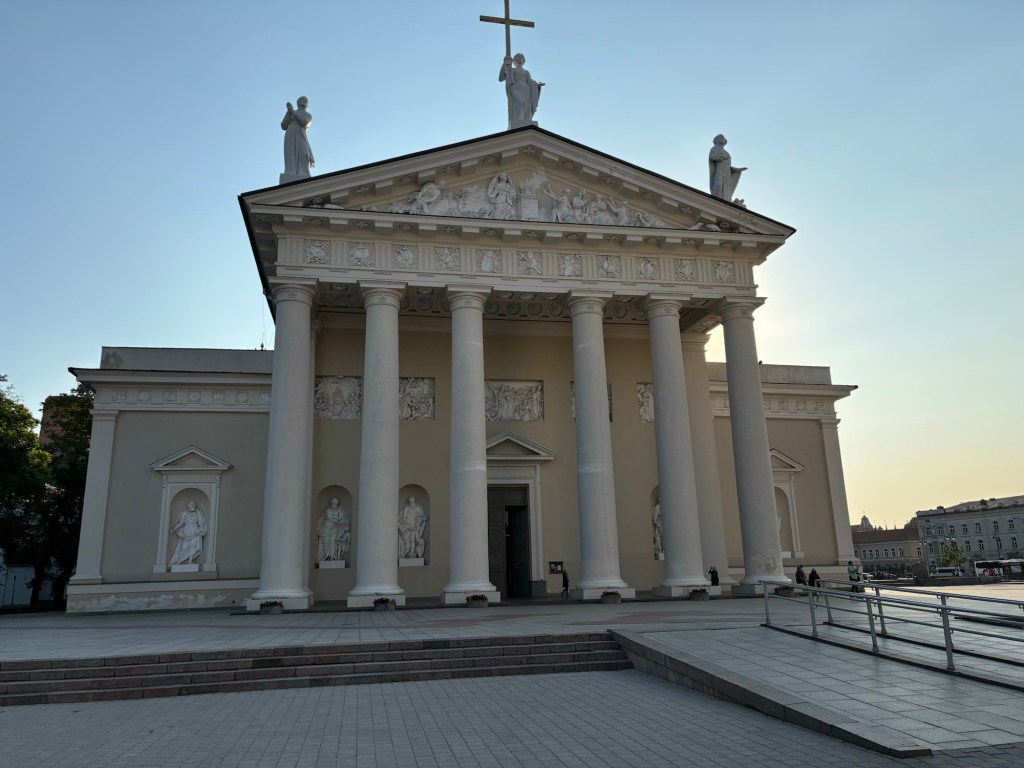
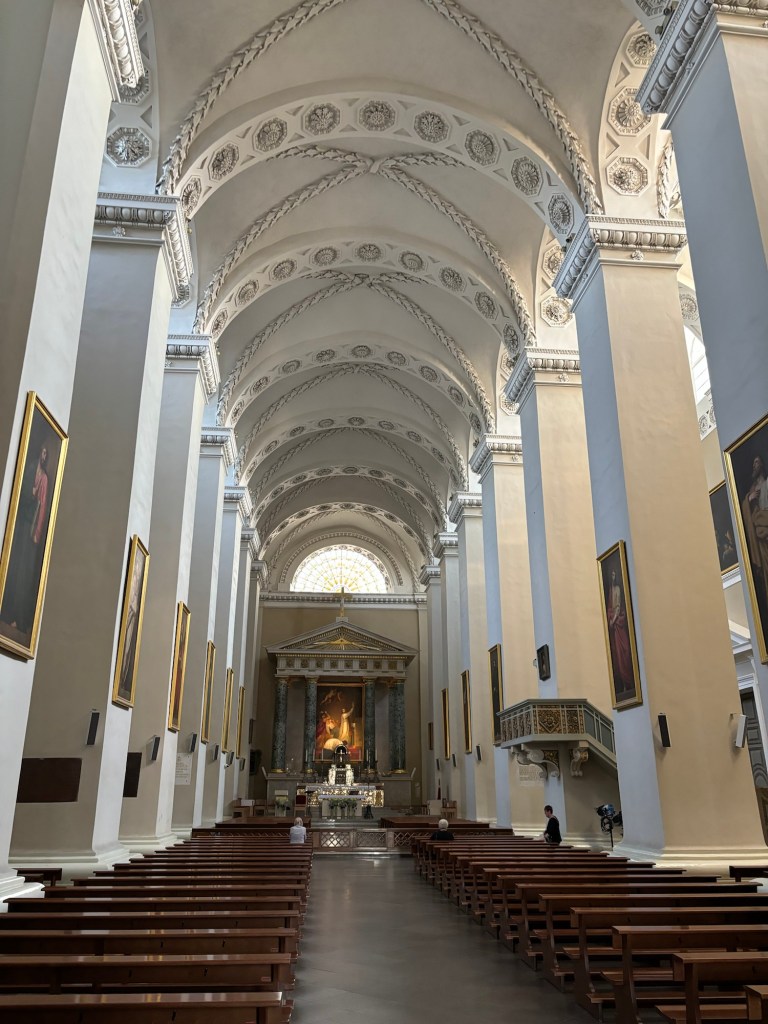
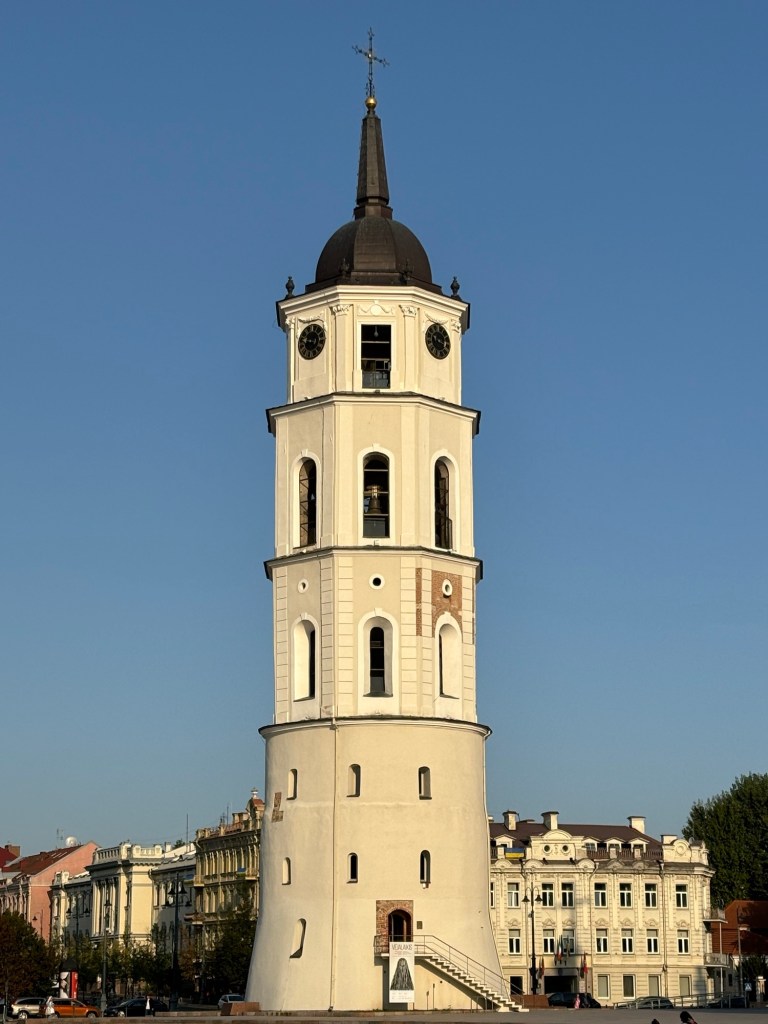
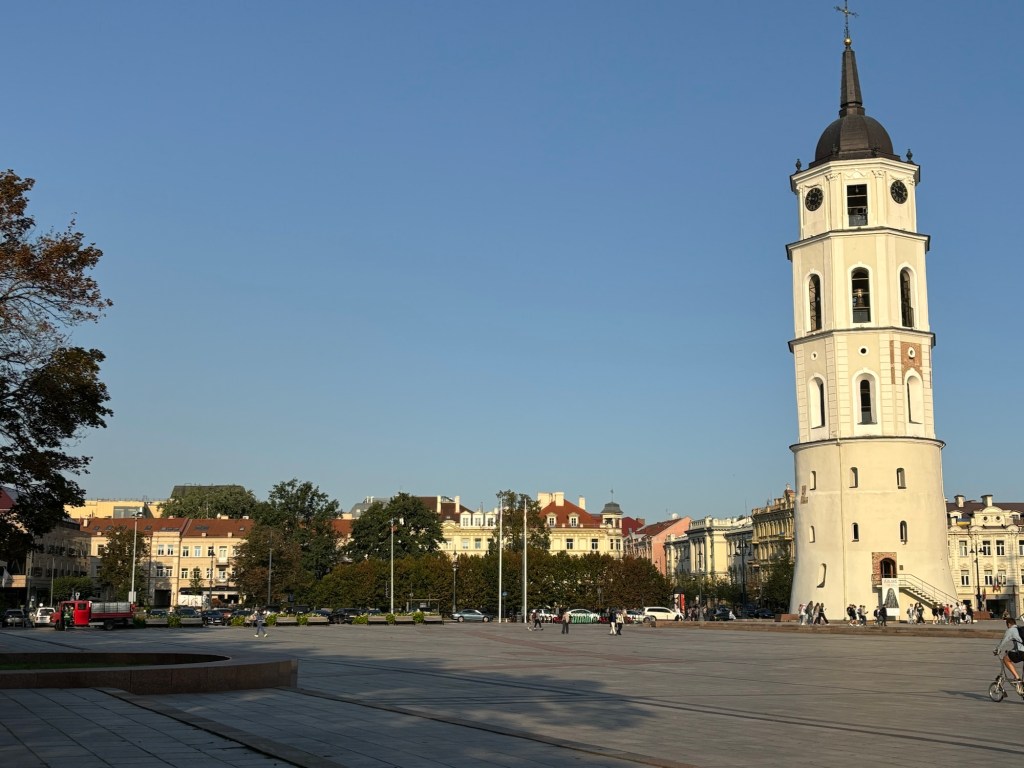
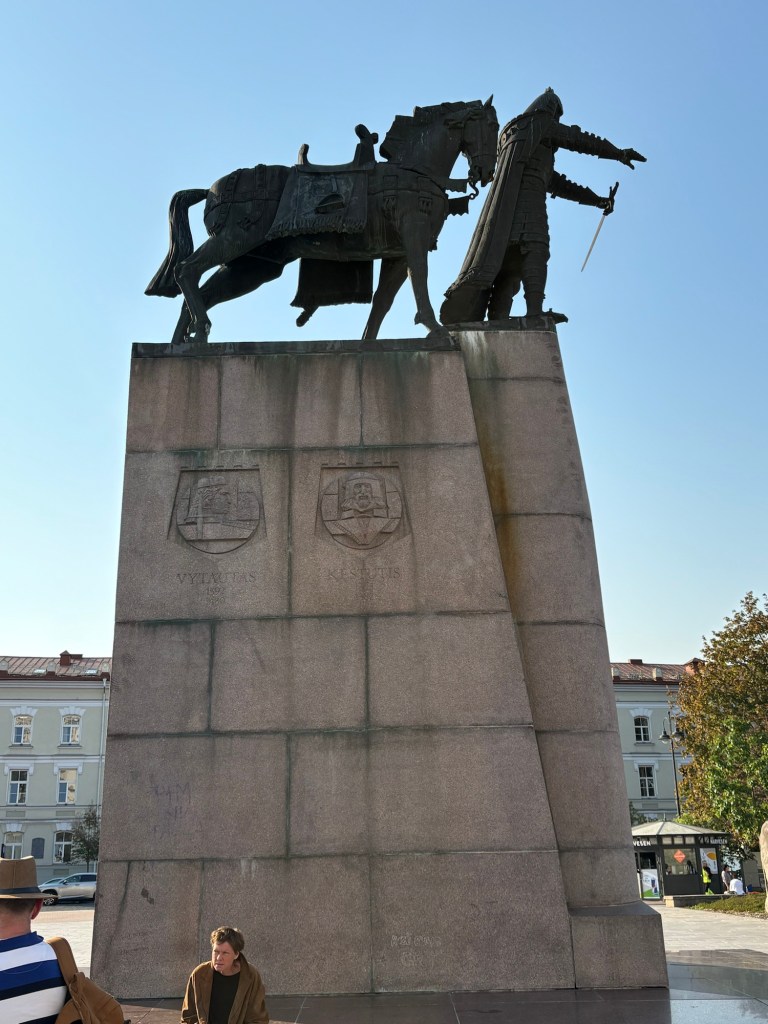
Vilnius was founded In 1323. Since it was not on the Baltic Sea, it was more difficult to participate as an important trade center. Grand Duke Gediminas sent letters around Europe to invite people to bring their businesses to the city. As a result, the city grew rapidly and grew into a significant business center.
It was also controlled in much of its history by Germans, Poles, French, and Russians. It finally gained independence in 1918 after WWI. However, domination occurred again starting in 1940 by the Soviets. And Lithuania remained part of the Soviet bloc until 1990.
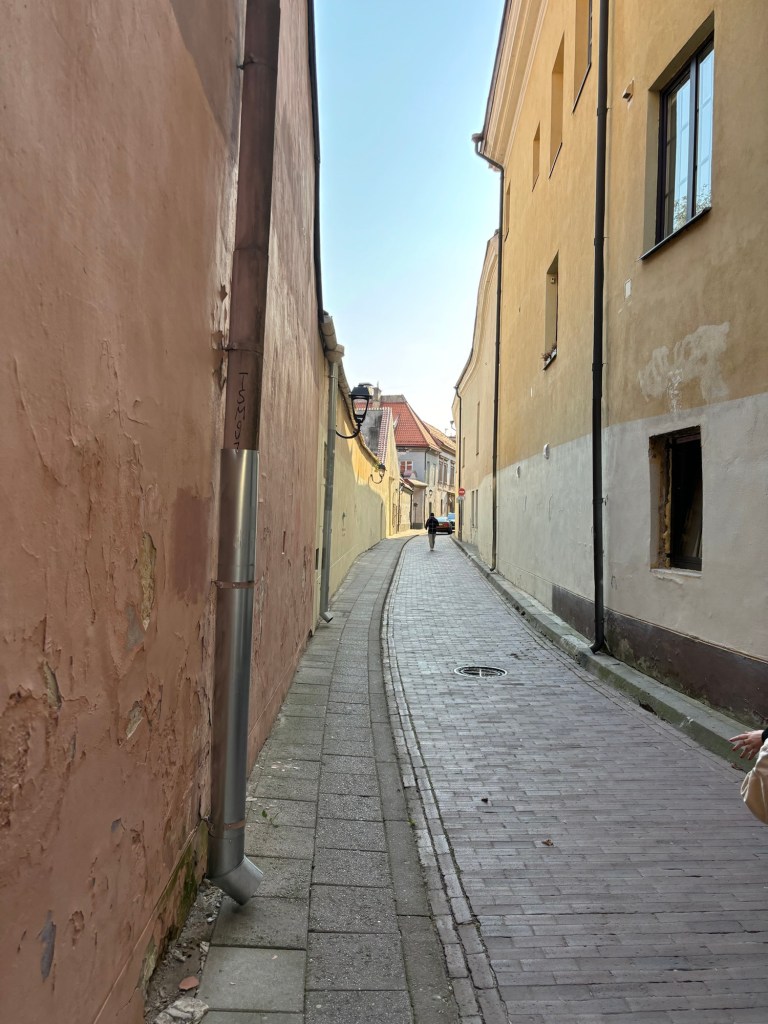
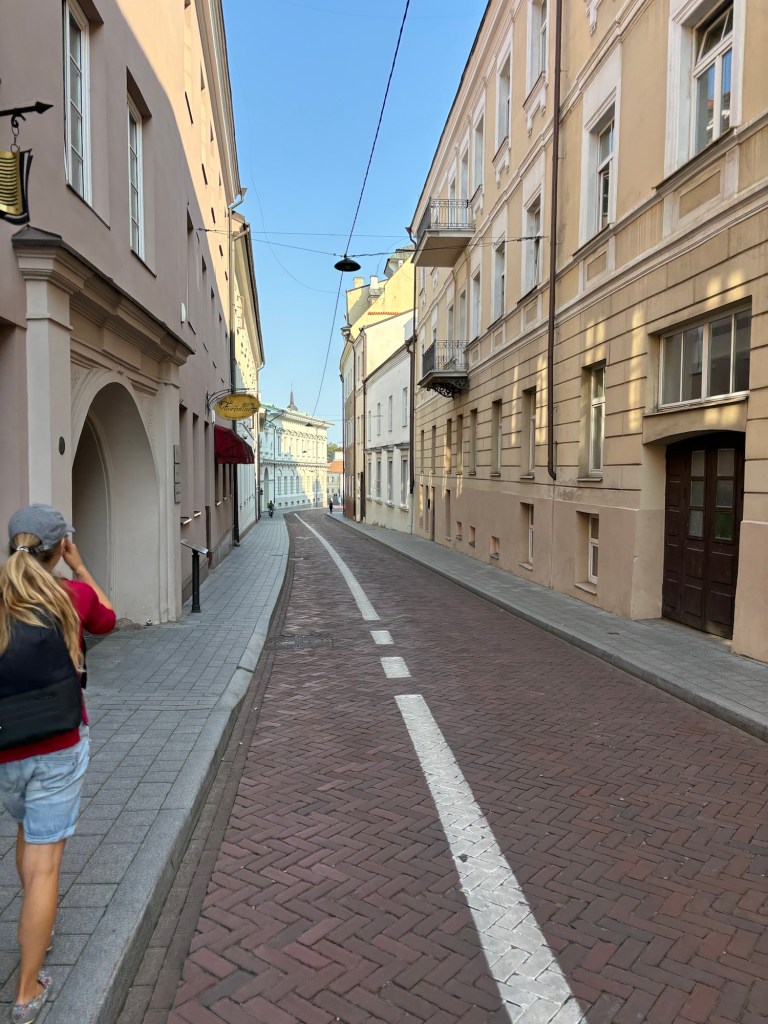
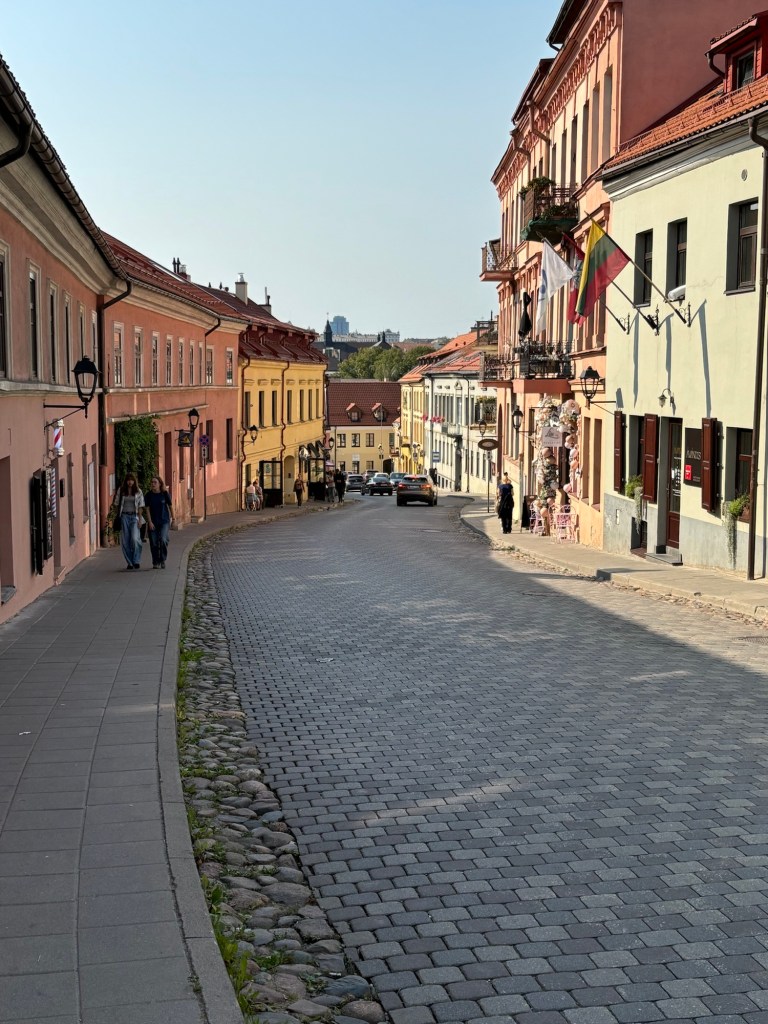
About half of Old Town was destroyed in WWII, the majority of Vilnius at that time. The area is still dominated by narrow and winding roads, although many green spaces were added as the city was rebuilt after the war.
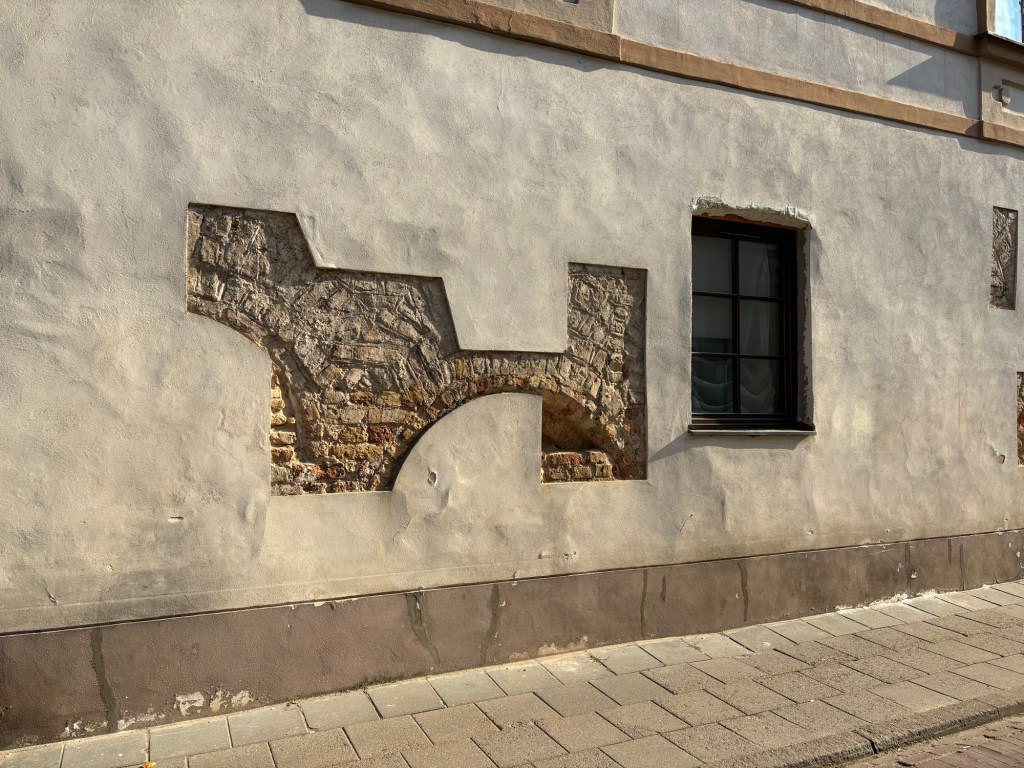
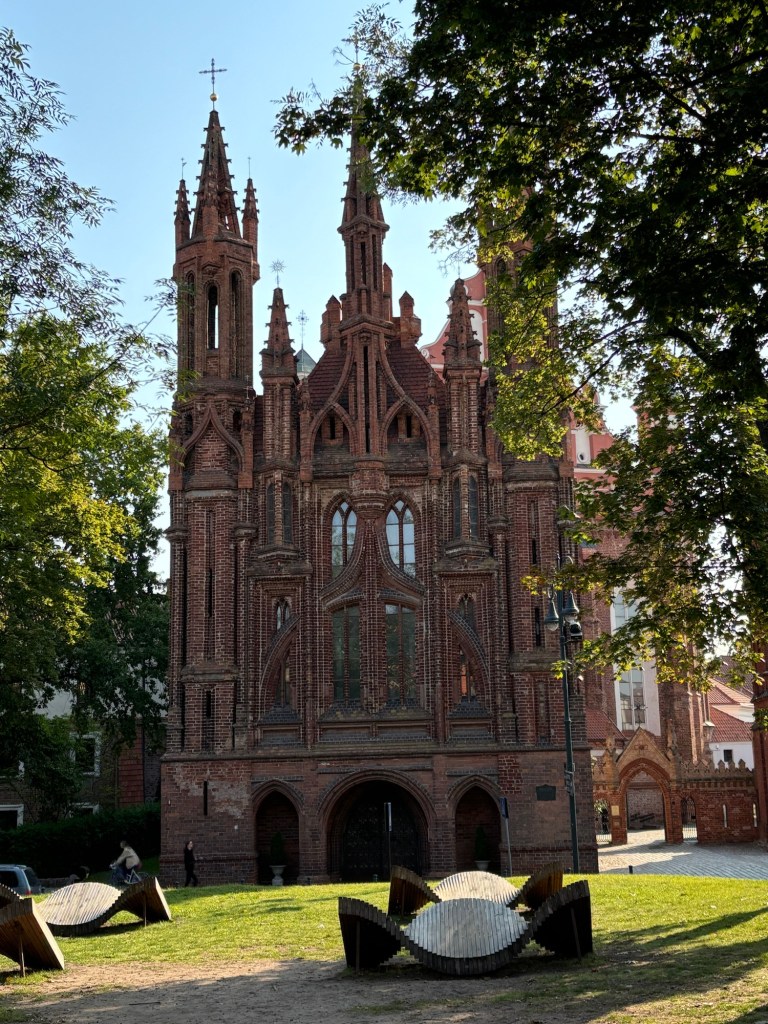
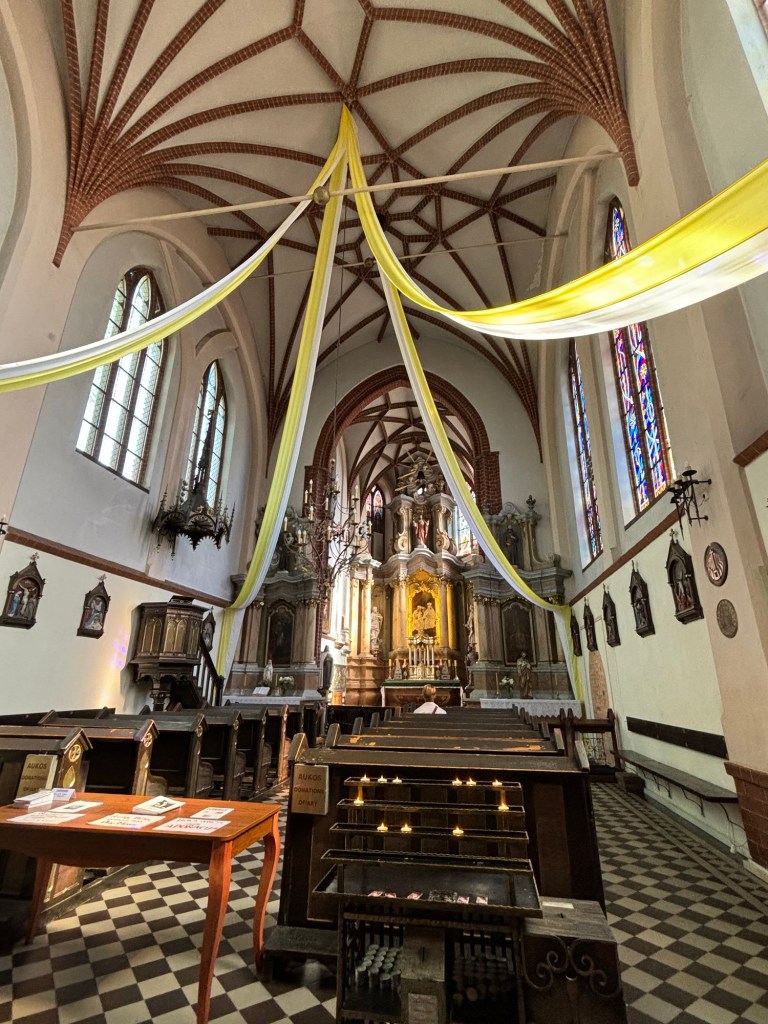
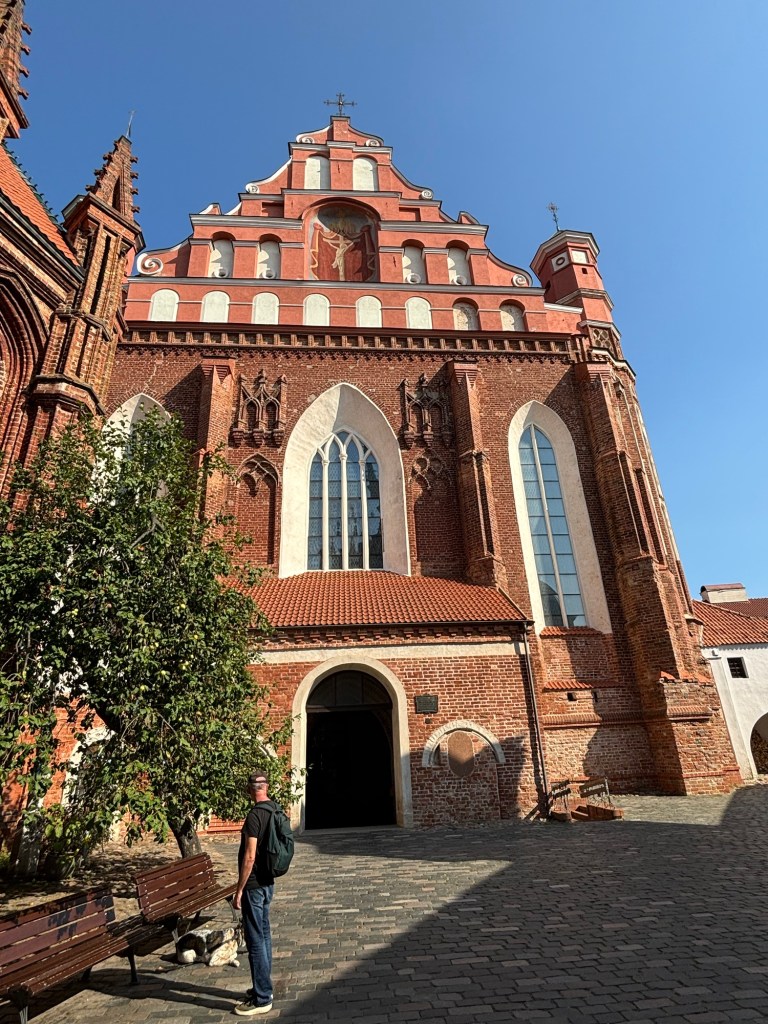
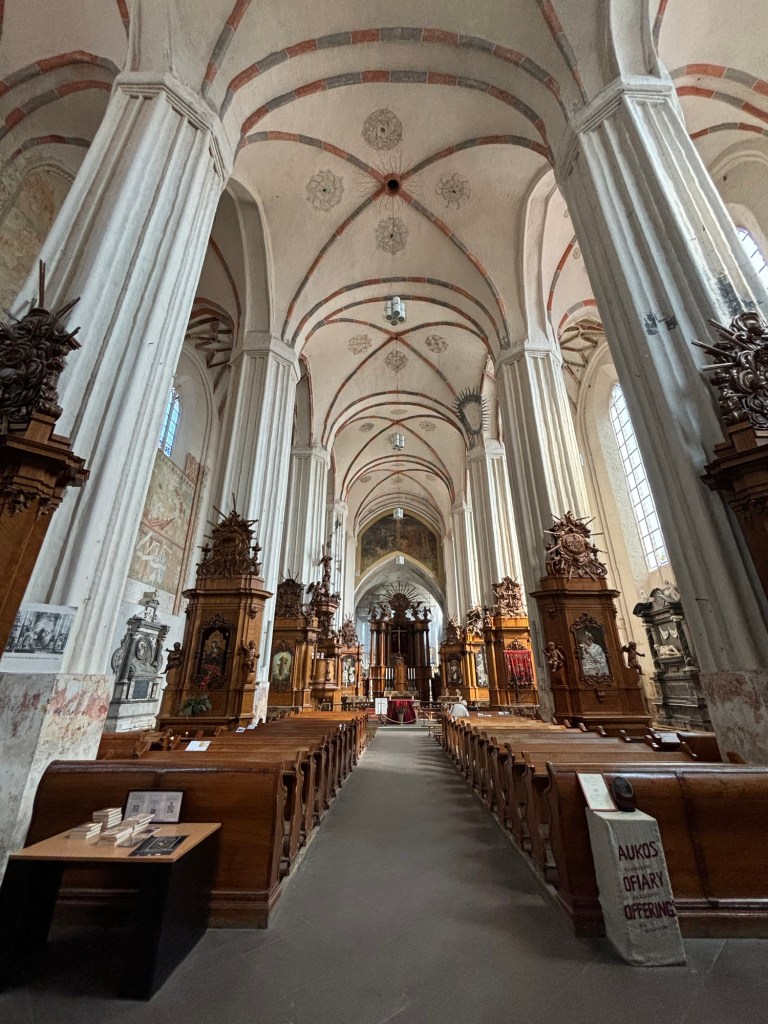
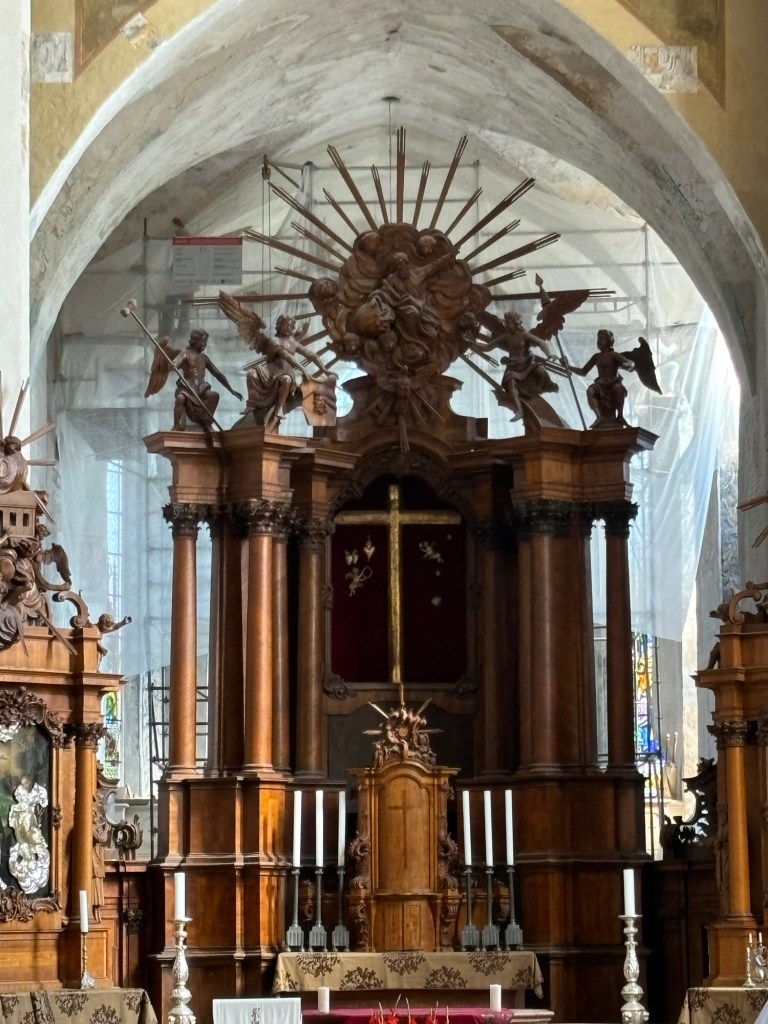
There has been a strong Catholic influence here over the centuries and remains largely intact today. There are about 60 churches and 20 monasteries in Vilnius!
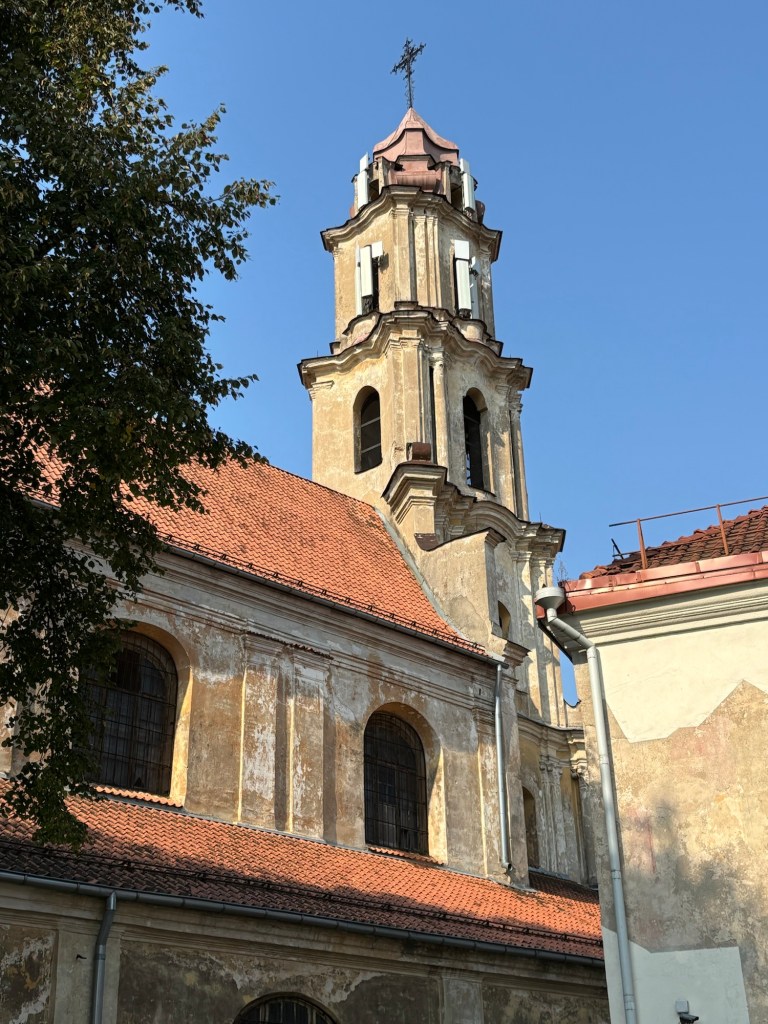
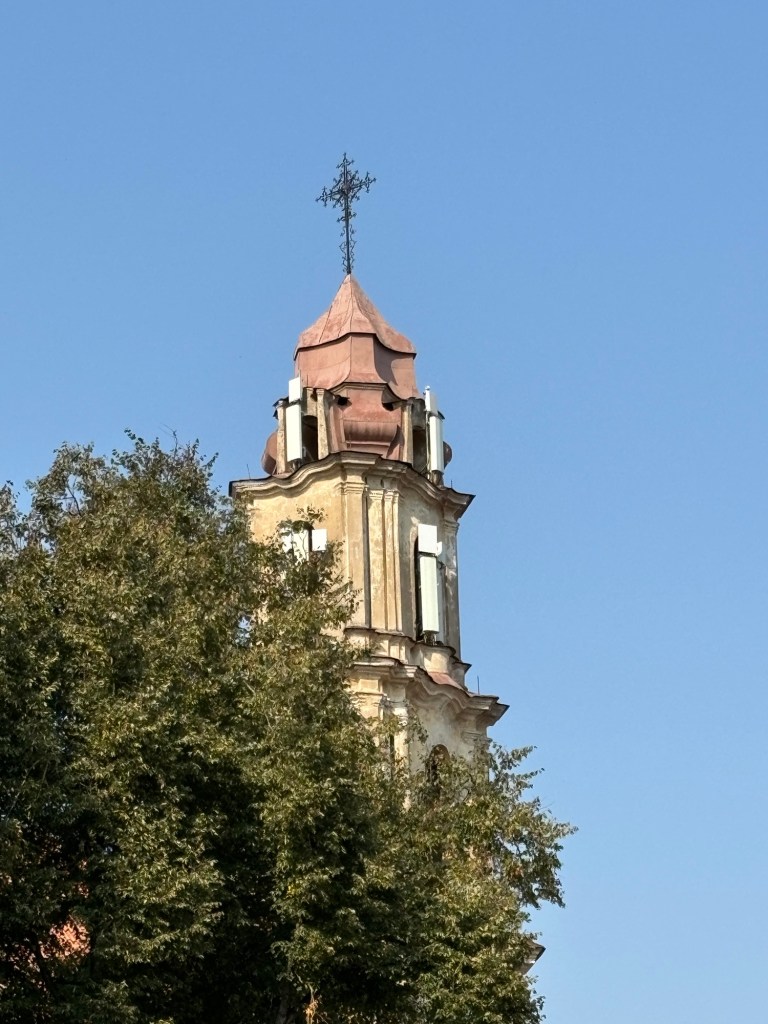
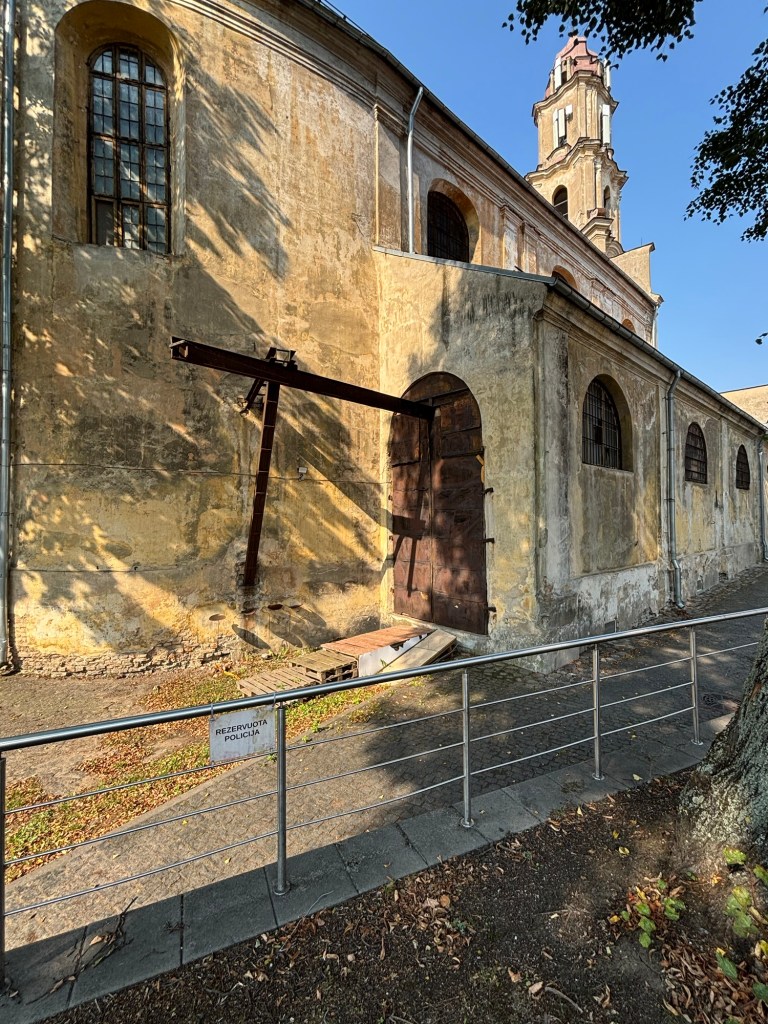
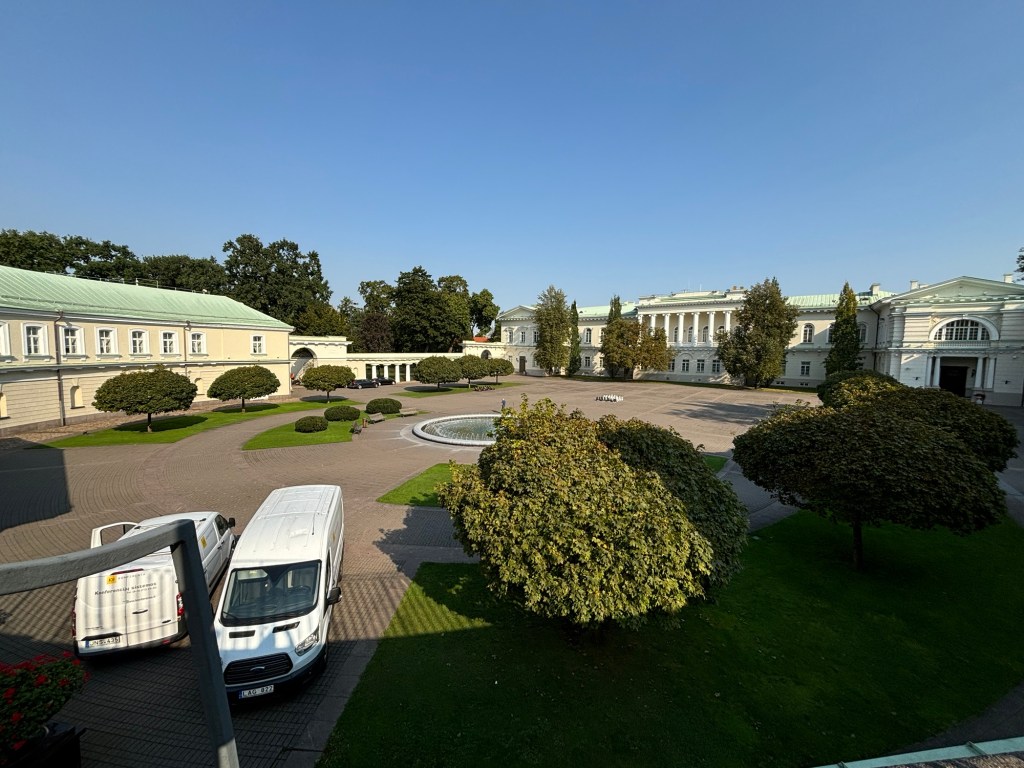
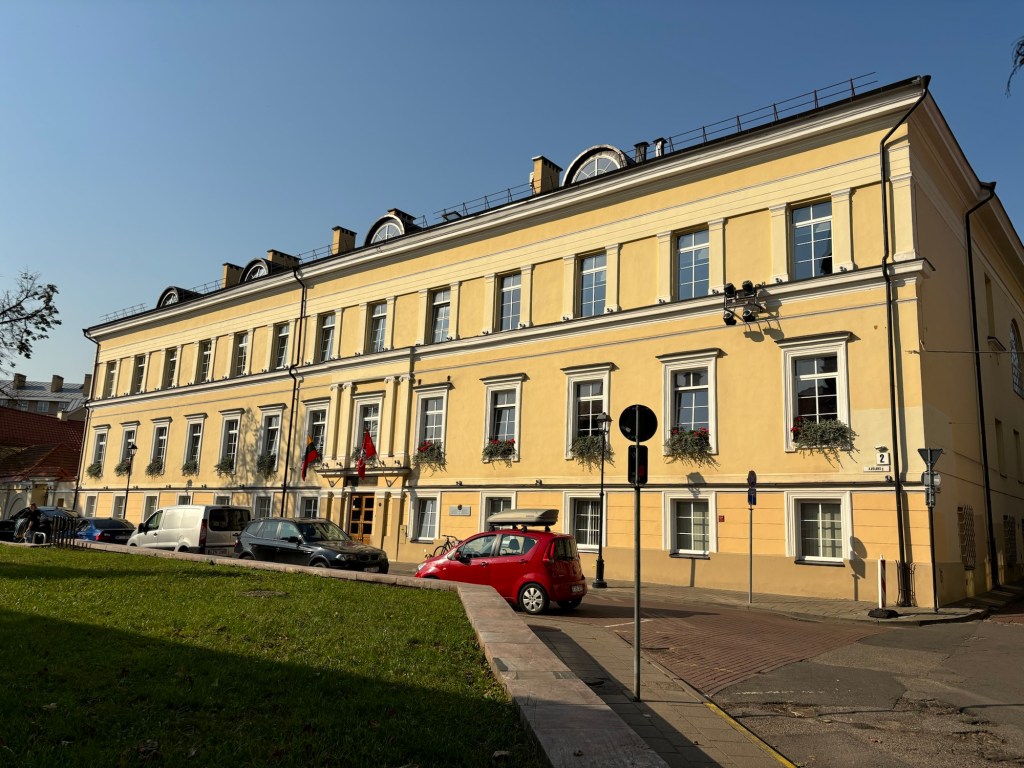
However, during the Soviet bloc period, the Soviets turned almost all churches to other purposes – museums, sports, factories, etc. One of the only remaining examples of Soviet repurposing is the old church below which has not been renovated.
The Lithuanian flag is yellow, green and red 🇱🇹. Our guide said there are many opinions about the meaning of the three colors, but she likes the version that says: yellow is for the sun or hope, the green for the forest, and red stands for blood, from all the history.
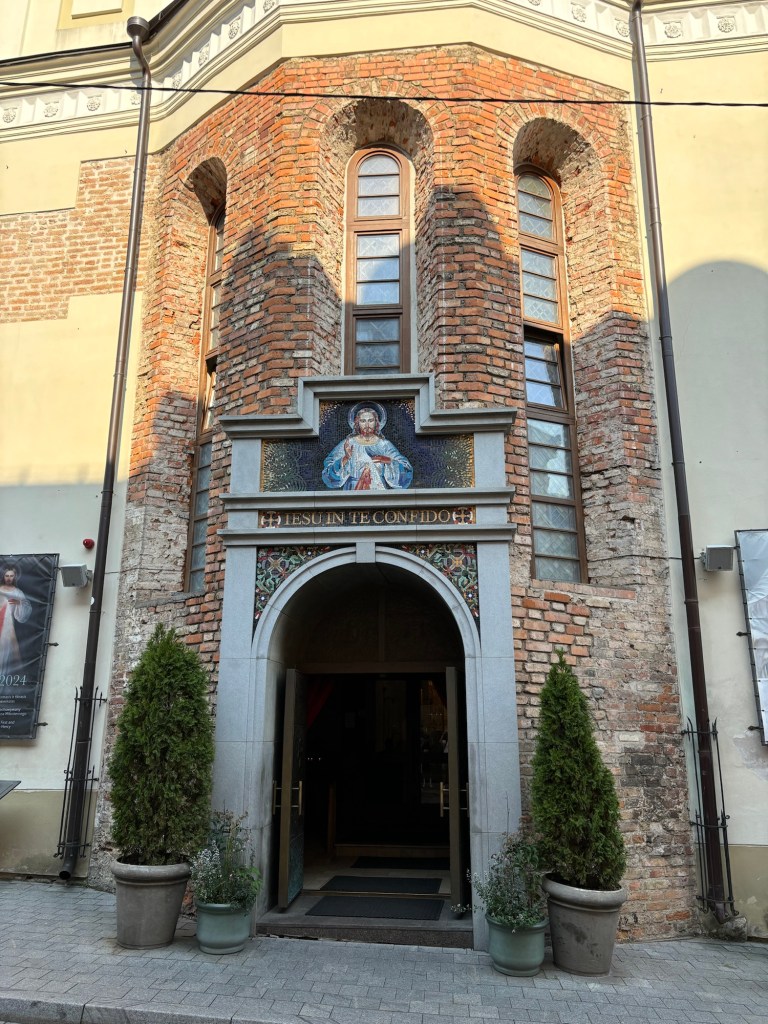
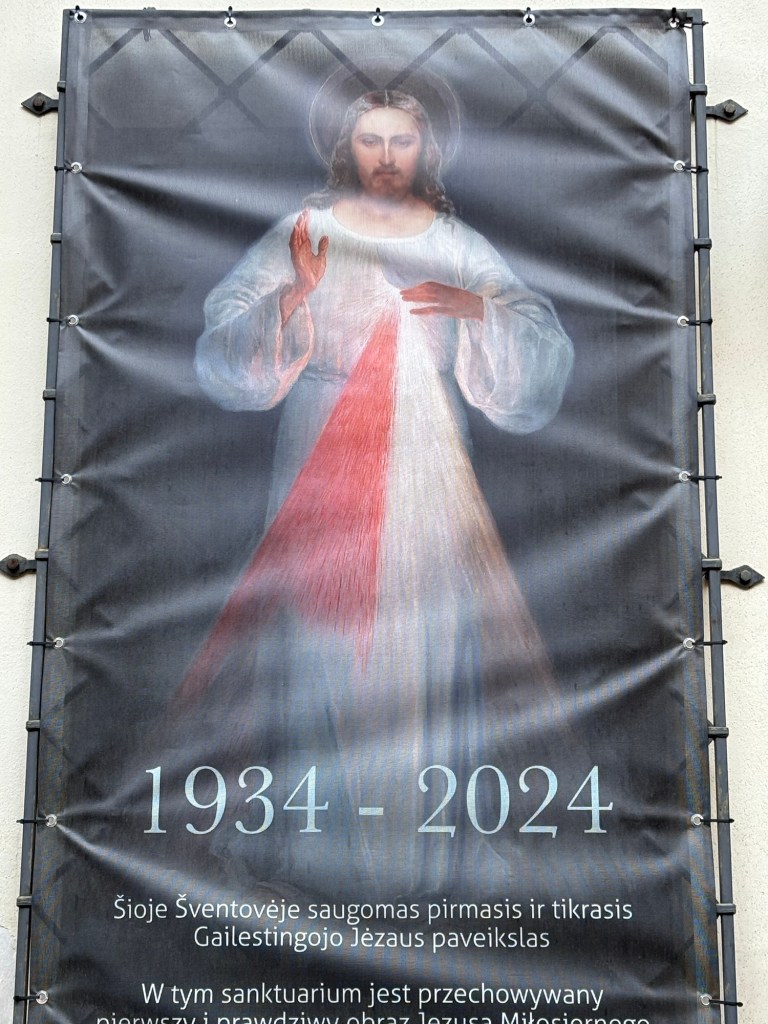
The Image of the Merciful Jesus (also called the Image of Divine Mercy), painted in Vilnius by artist Eugene Kazimirovsky, is based on visions experienced by the mystic Sister Maria Faustina Kowalska in 1934, faithfully following her instructions. (Info: https://gailestingumas.lt/en/story-of-the-painting/)
An Observation — I find it interesting about how most guides on this trip have talked about “the Jews” as almost another race. They often say things like, “Many people settled here including Russians, Poles, Germans, and the Jews.” They don’t say “the Catholics,” or “the Muslims.” And rarely do they even refer to Jews by nationality, like, “the Polish Jews” that settled here. An interesting discussion on this topic can be found at: https://www.myjewishlearning.com/article/are-jews-a-race/.
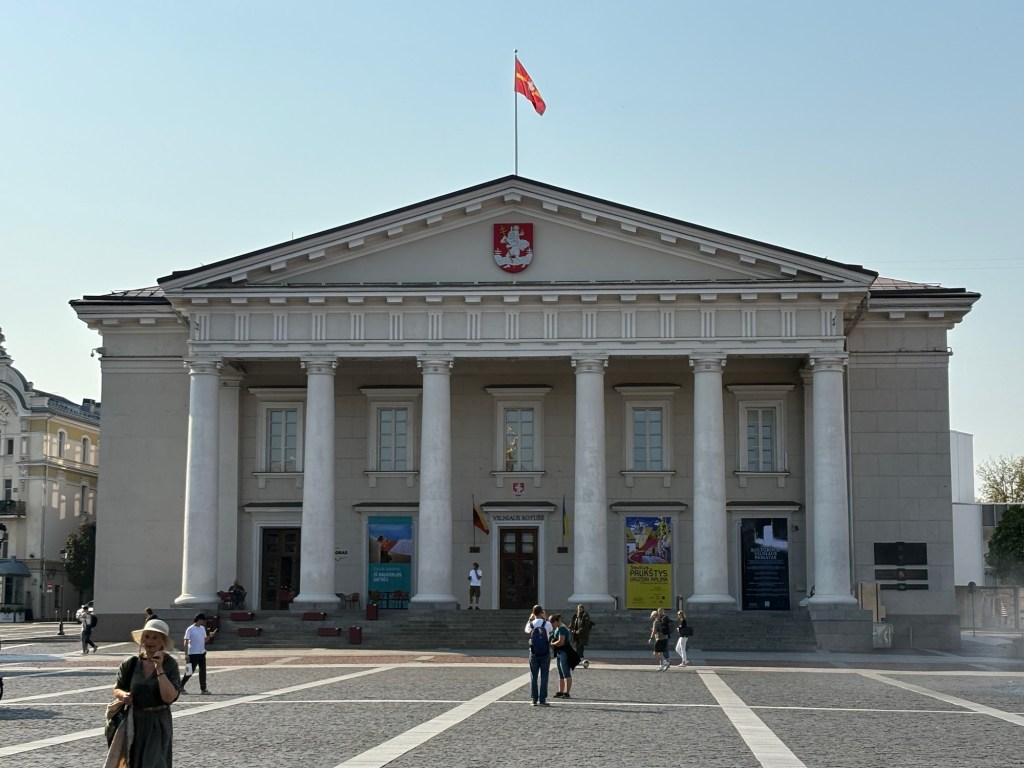
In 2002, President George Bush made the first visit here by a U.S. President, and on the steps of the town hall, said, “From now on Lithuania’s enemies will be America’s enemies.” This was leading up to Lithuania’s membership in NATO.
Info stat: Lithuania’s population has fallen from 4 million to 2 million due to emigration, largely to Western Europe.
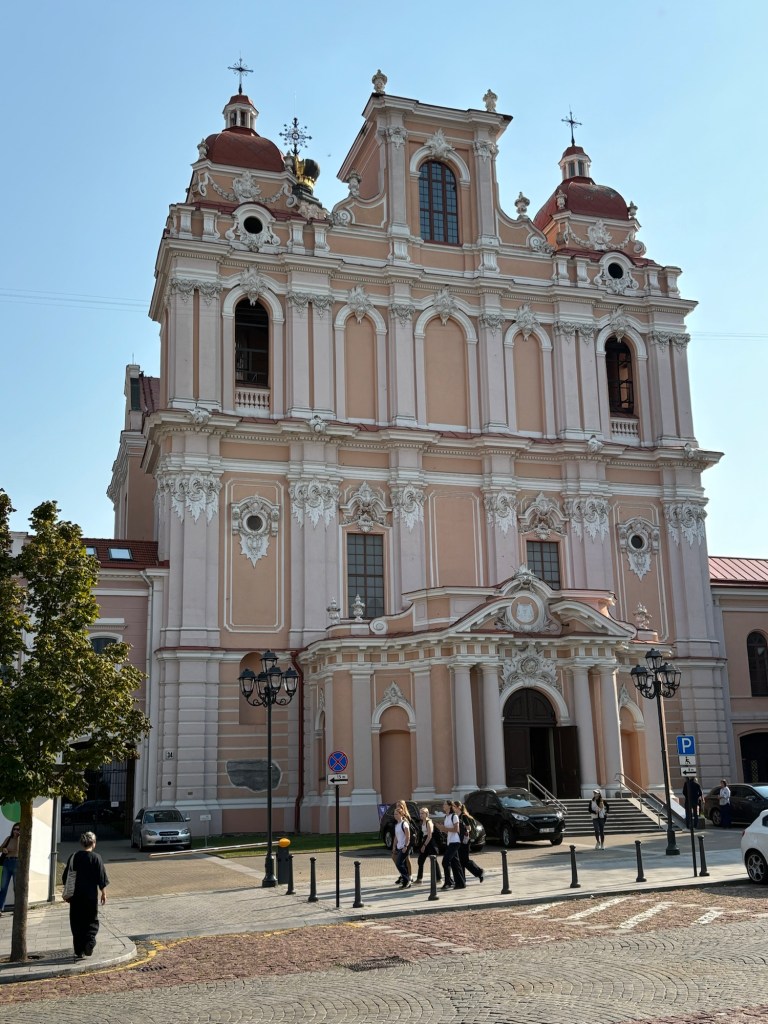
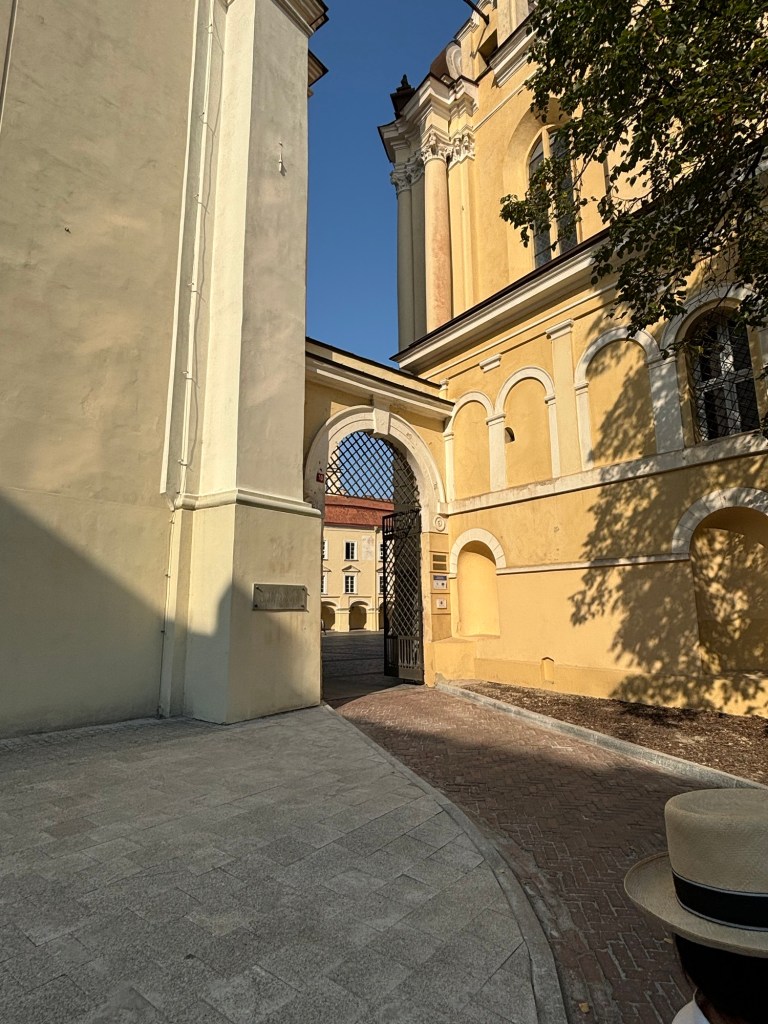
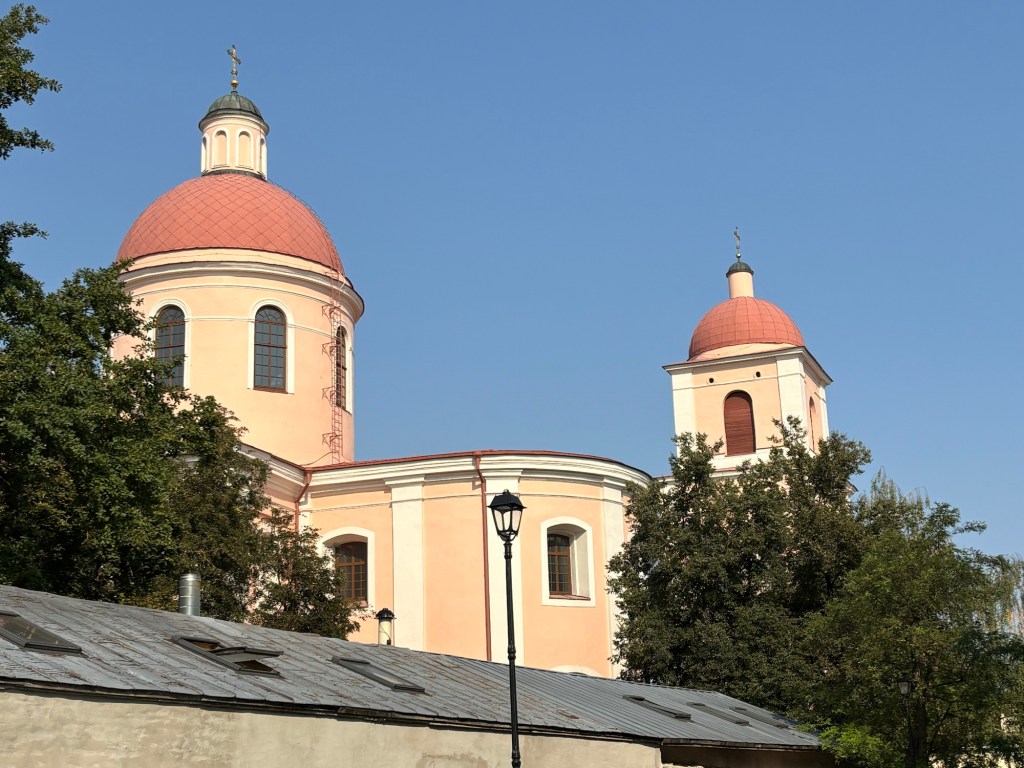
It is the first and the oldest baroque church in Vilnius, built in 1618.
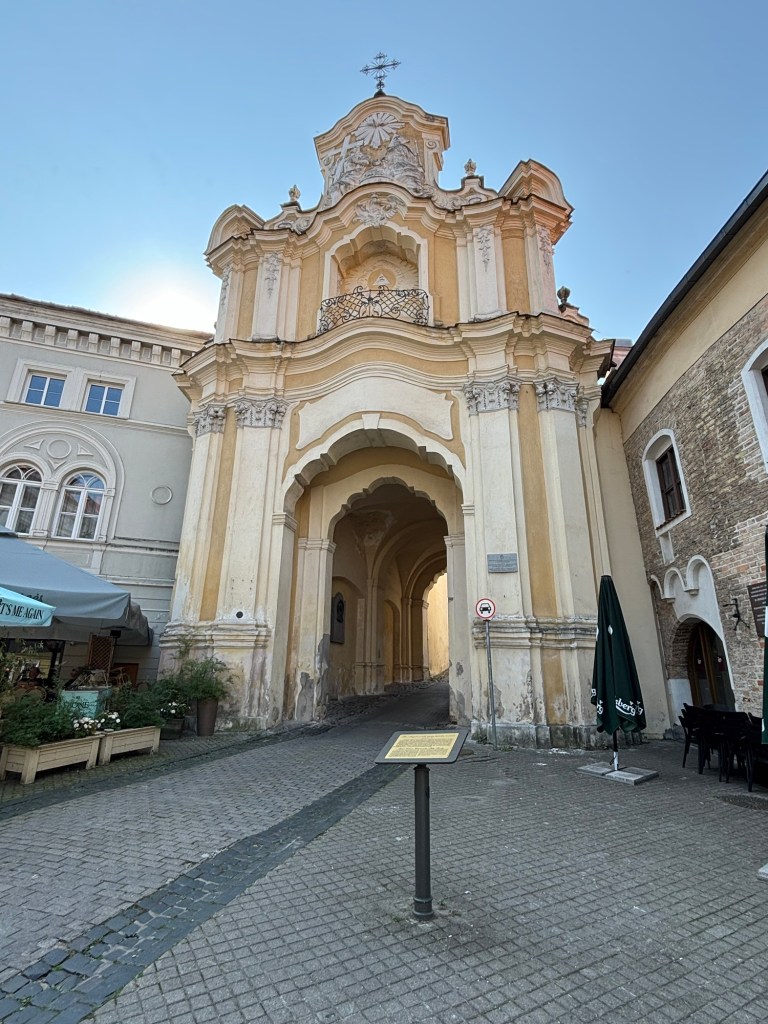
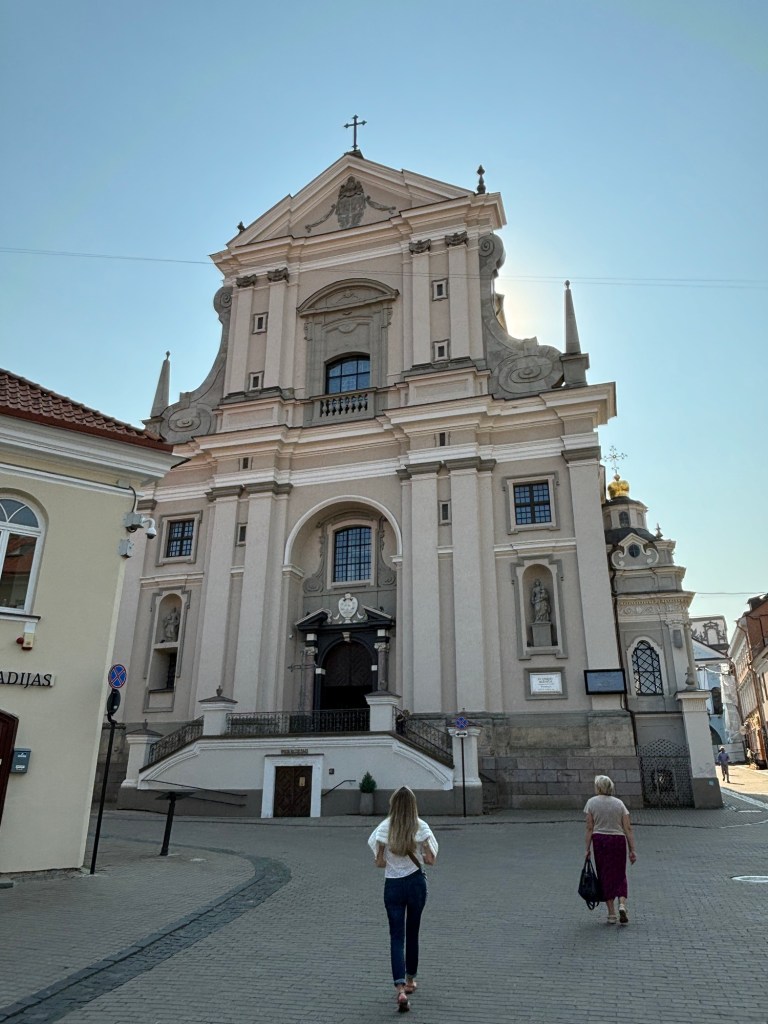
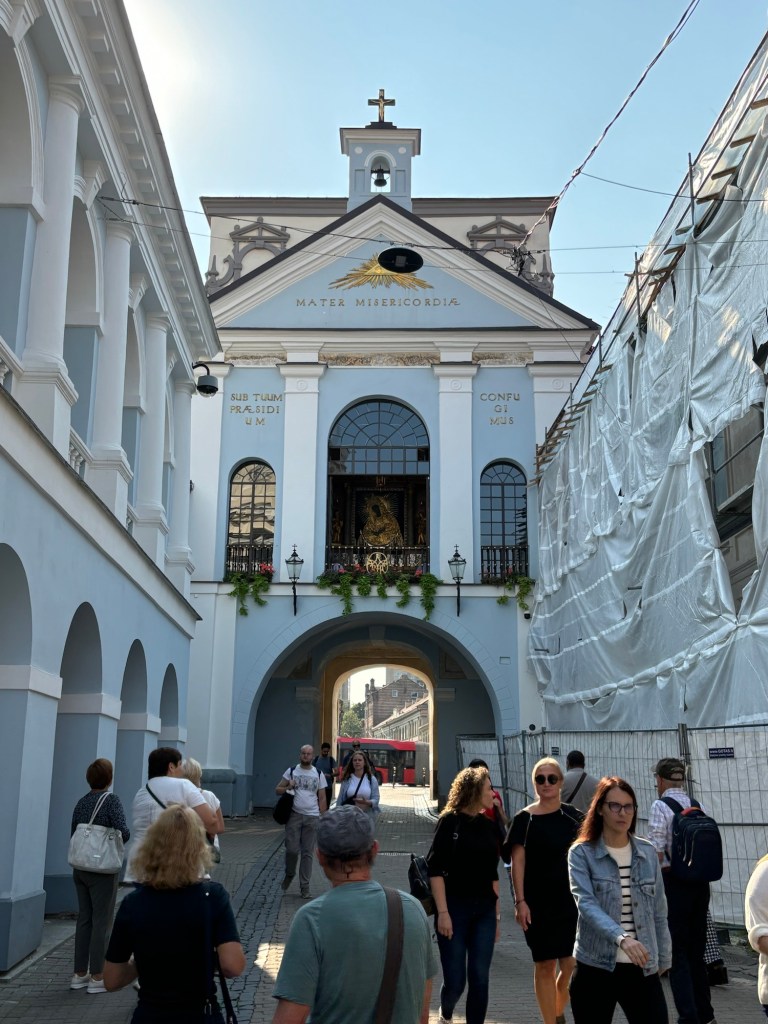
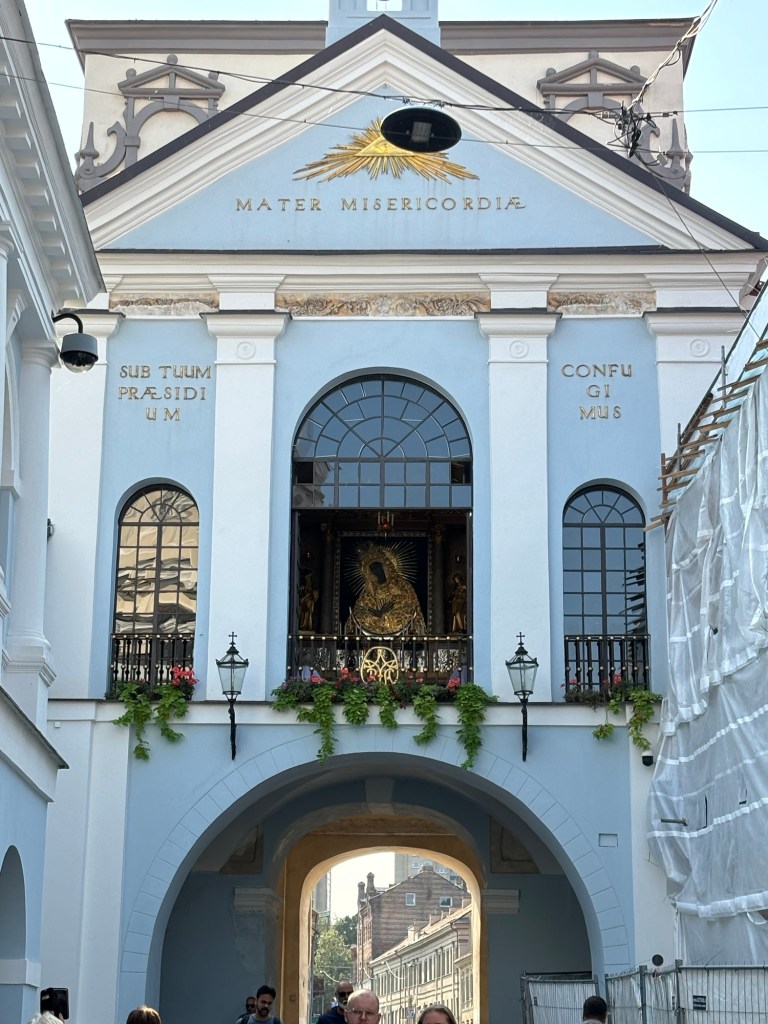
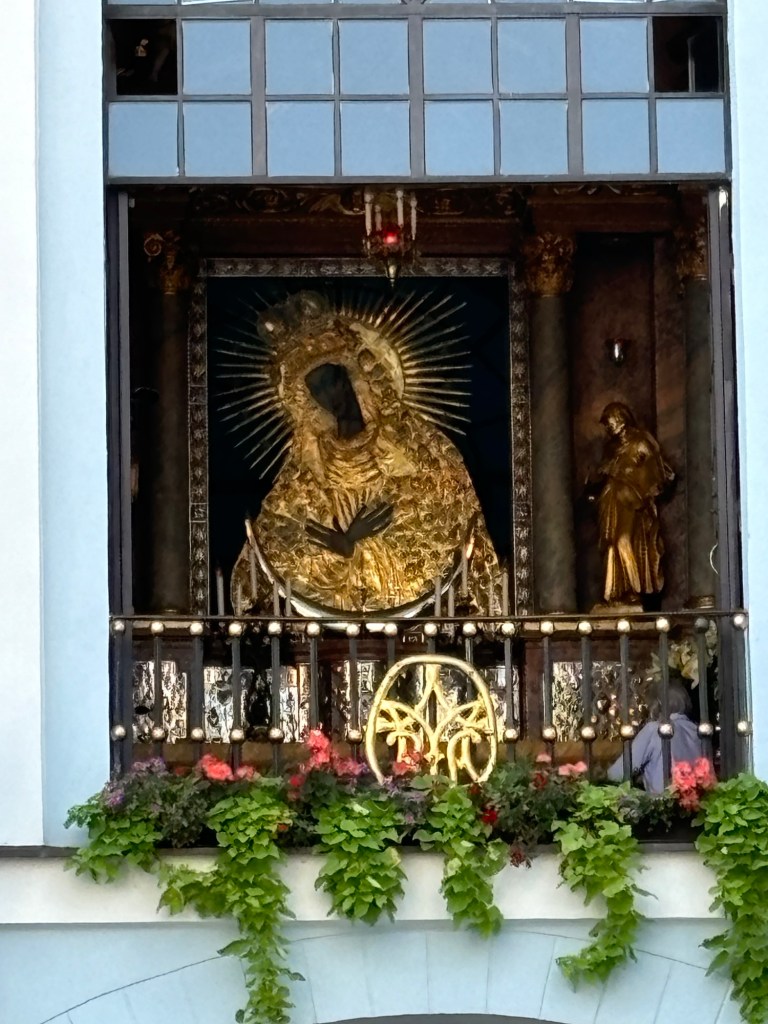
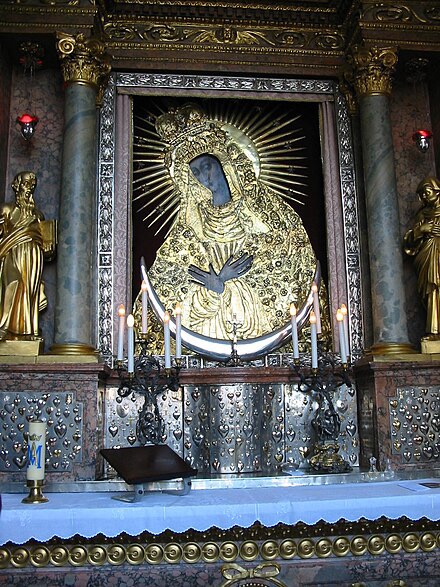
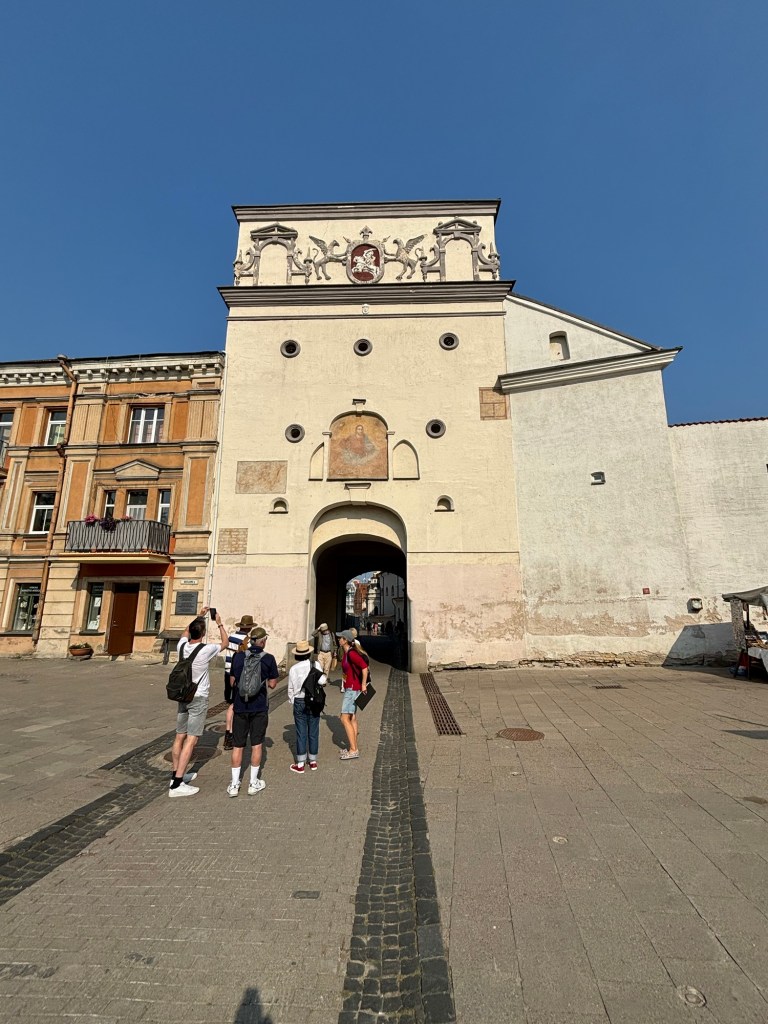
of the Gate of Dawn (painted on wood). It is a major site of Catholic pilgrimage in Lithuania.
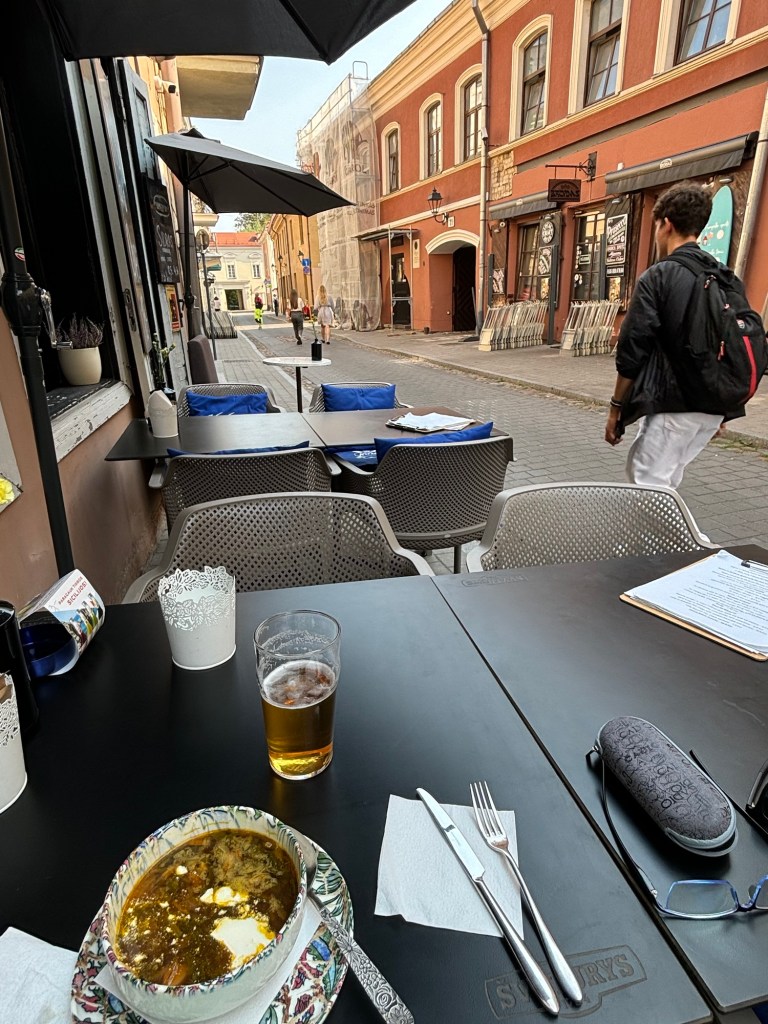
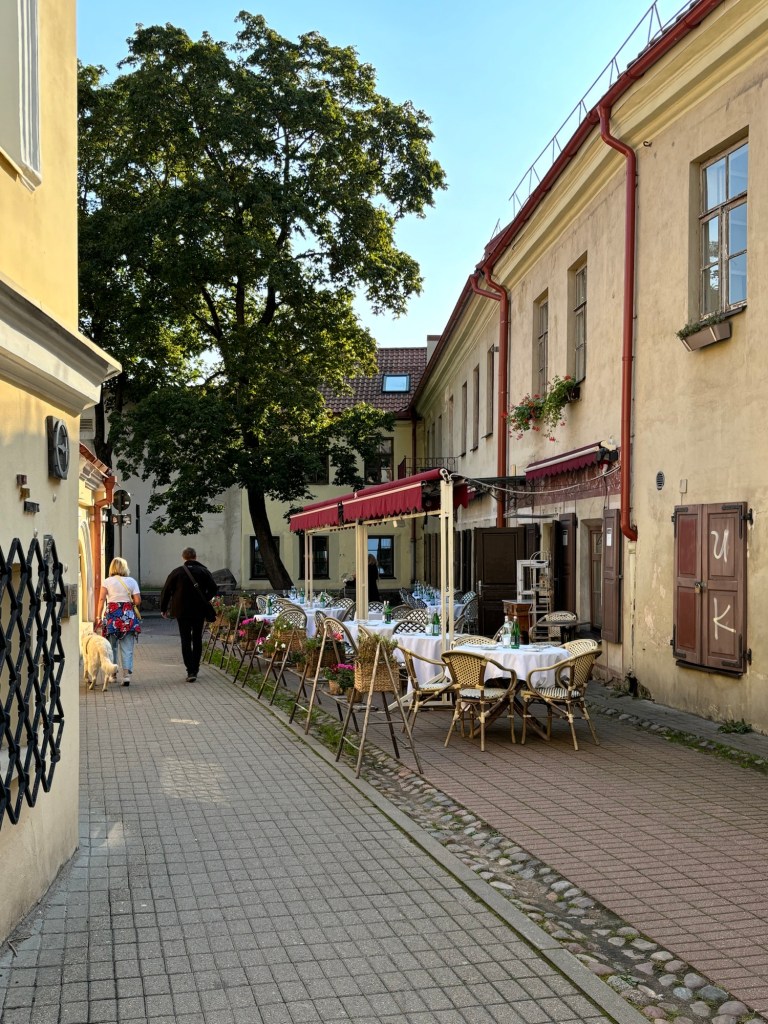
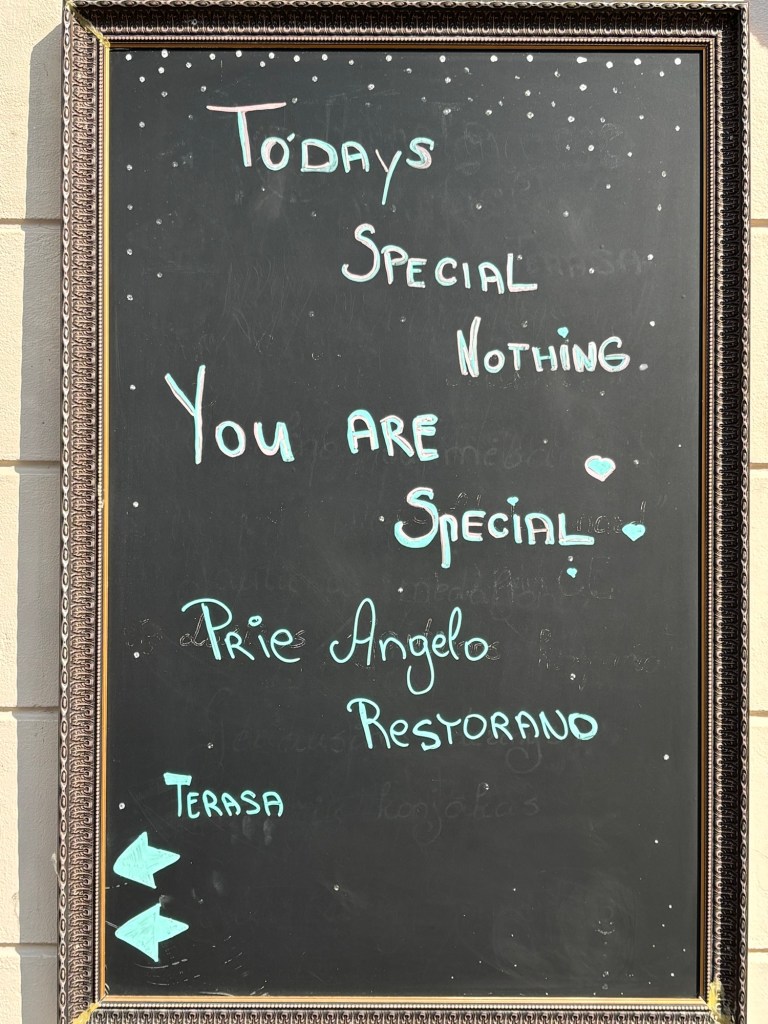
Lunch at a sidewalk cafe with a $11, fixed menu. Excellent meal!
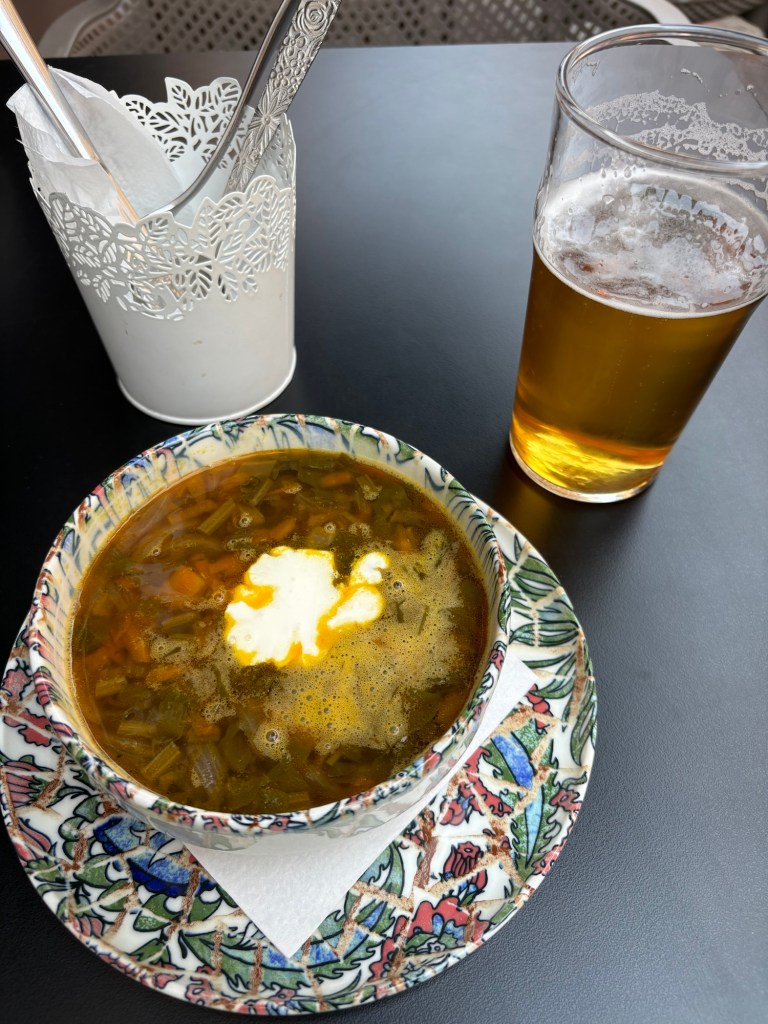
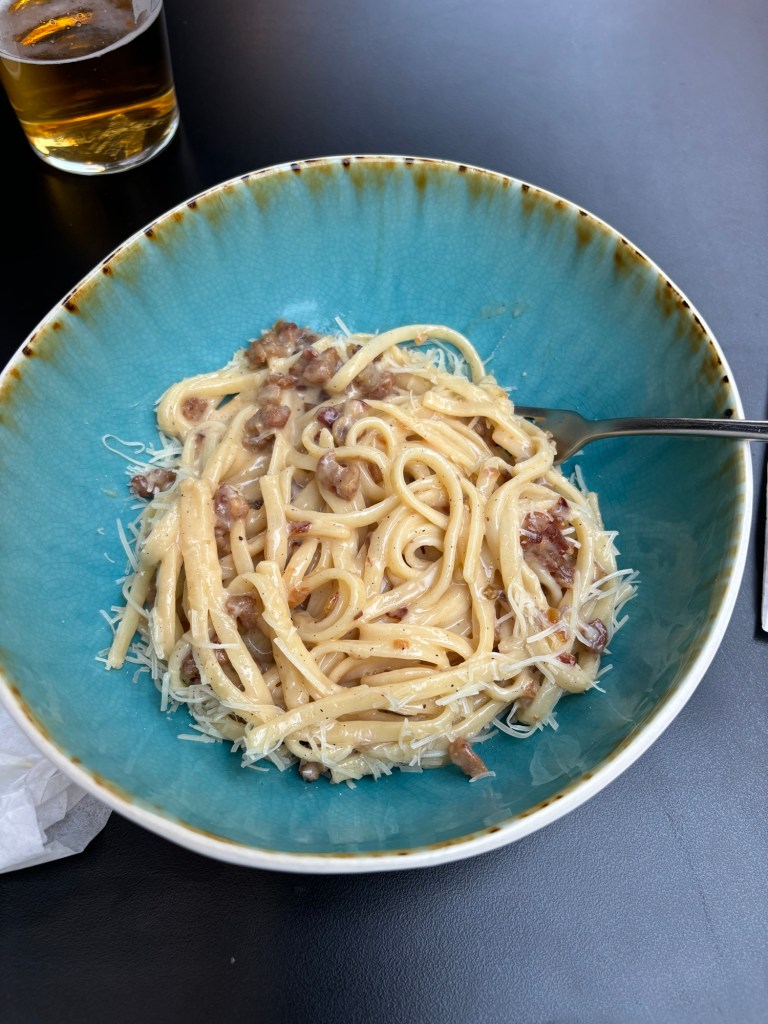
The lunch special today was: Beetroot soup and Pasta Carbonara. I washed it down with a local Lithuanian lager (it was a great beer! Or “geras alus” in Lithuanian)
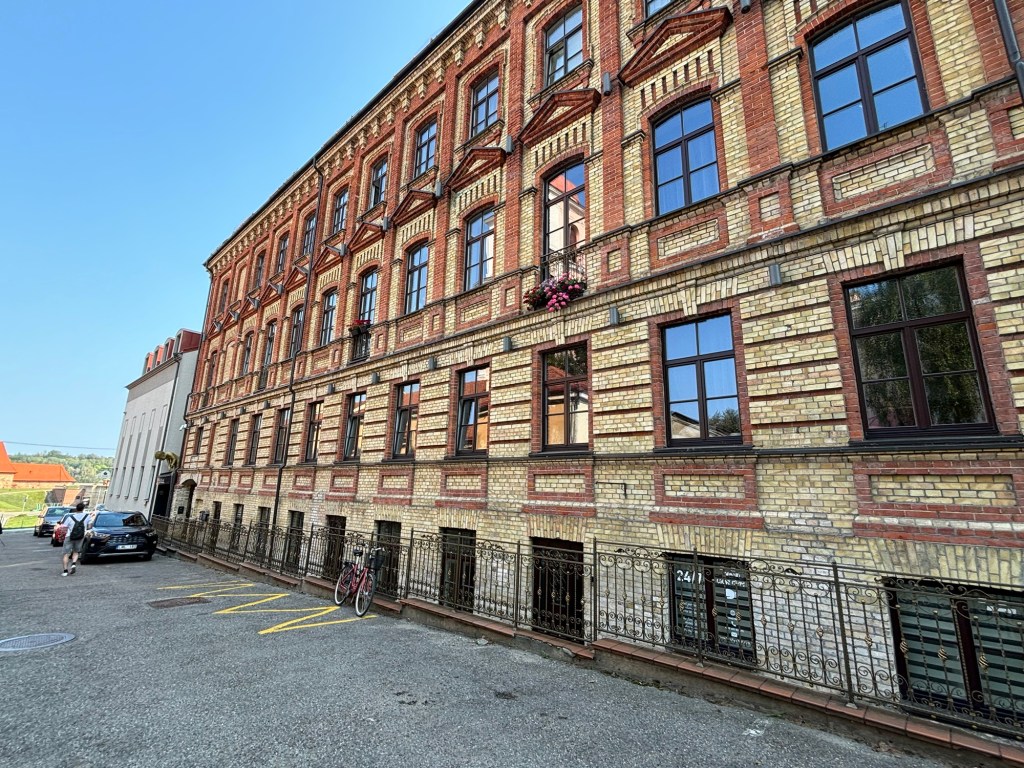
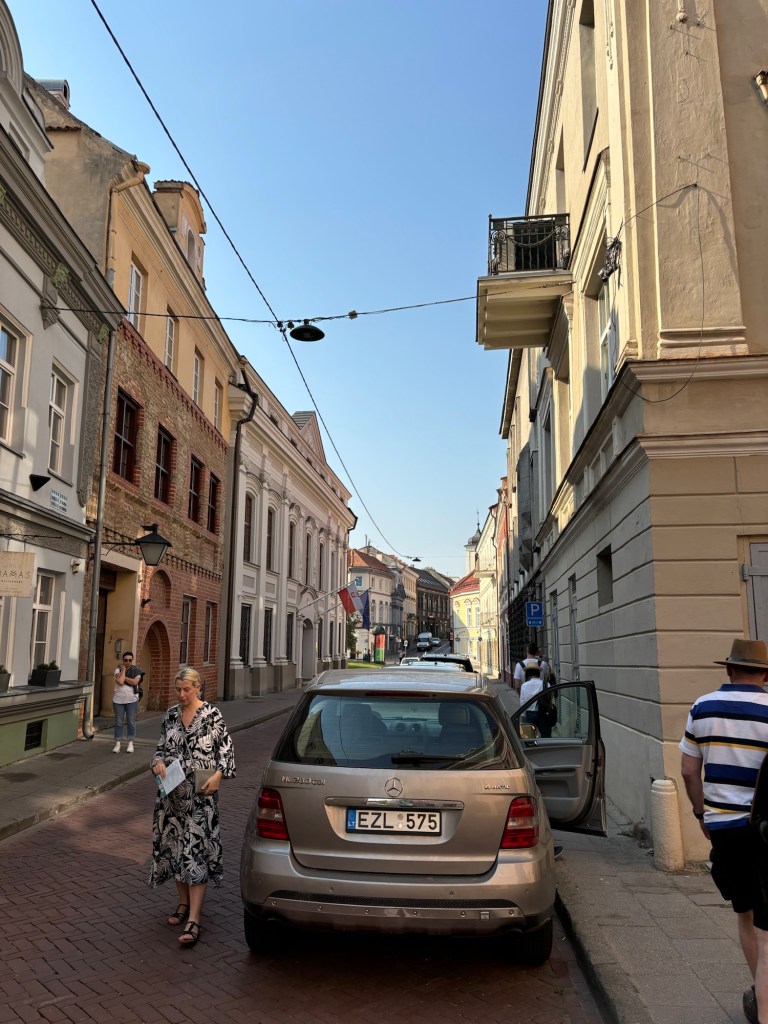
There is still lot of Russian architectural influence in Lithuania. That’s different from Latvia and Estonia, both of whom are more tied to Finnish architecture and culture.
Some other photos:
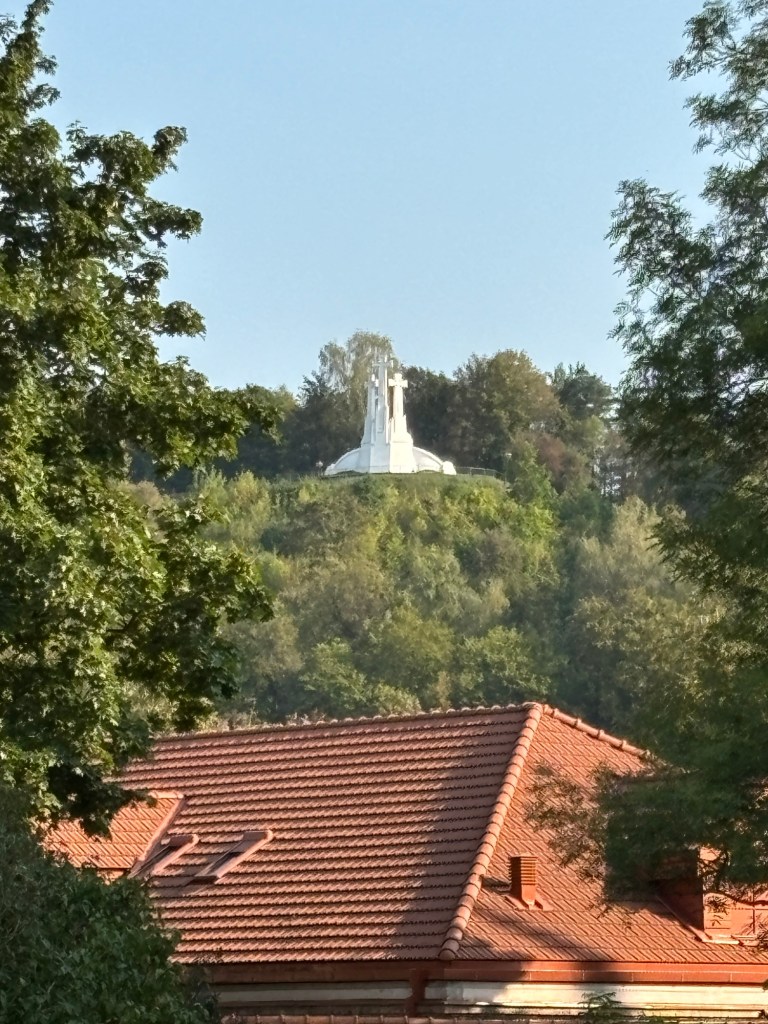
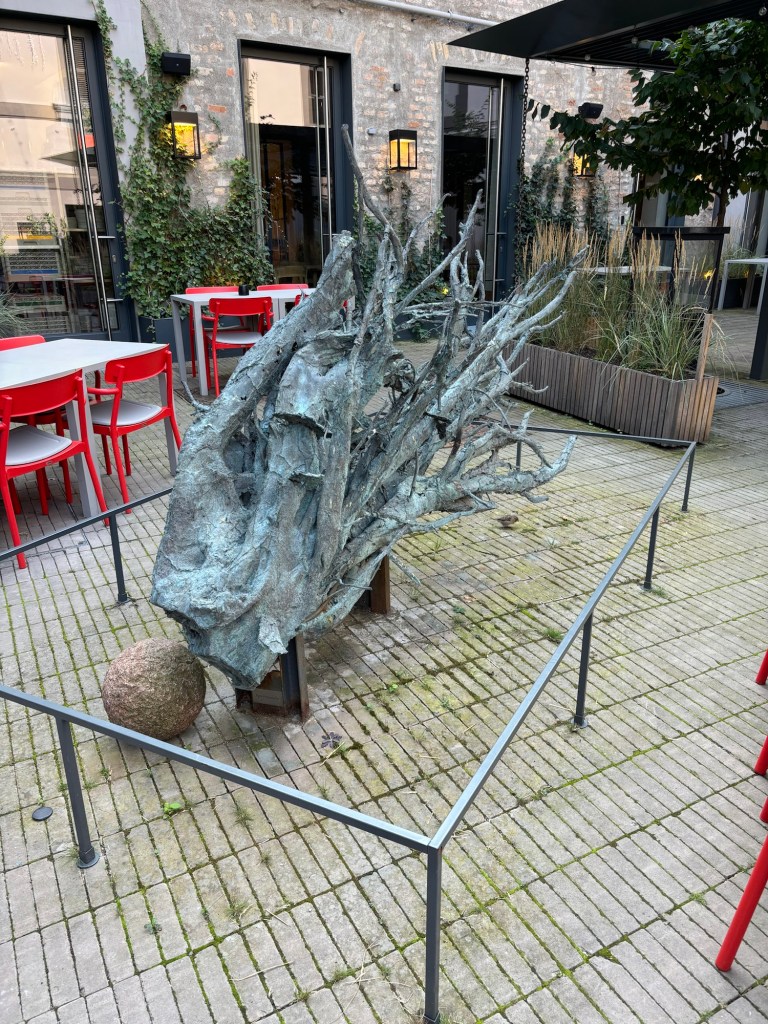
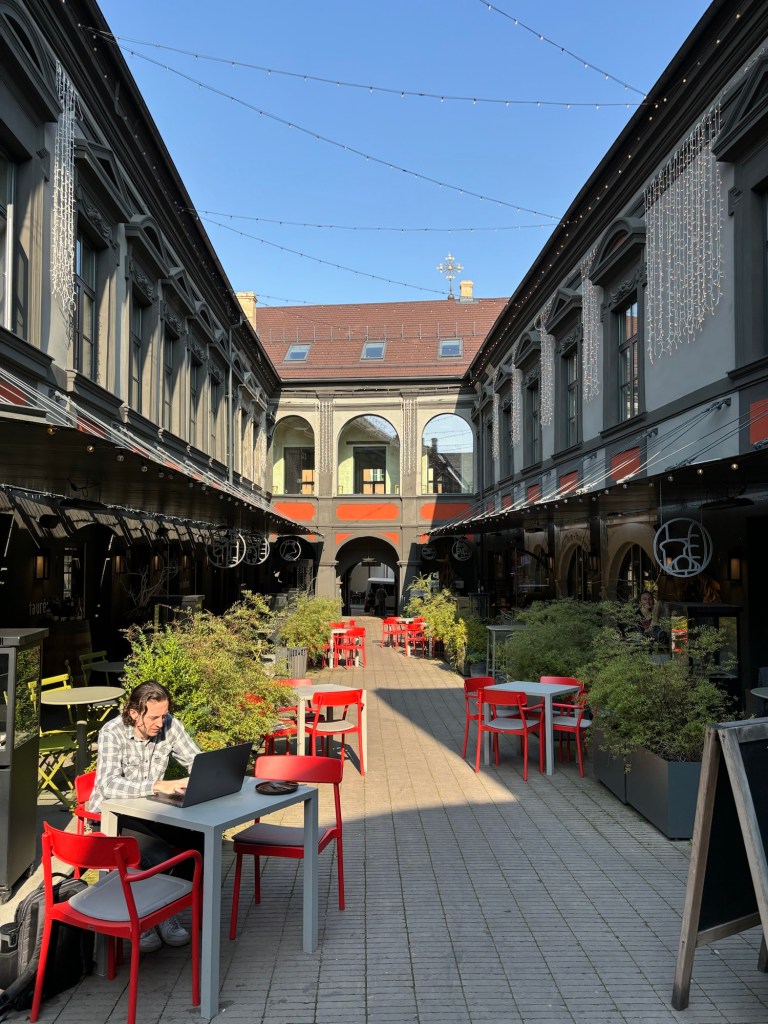
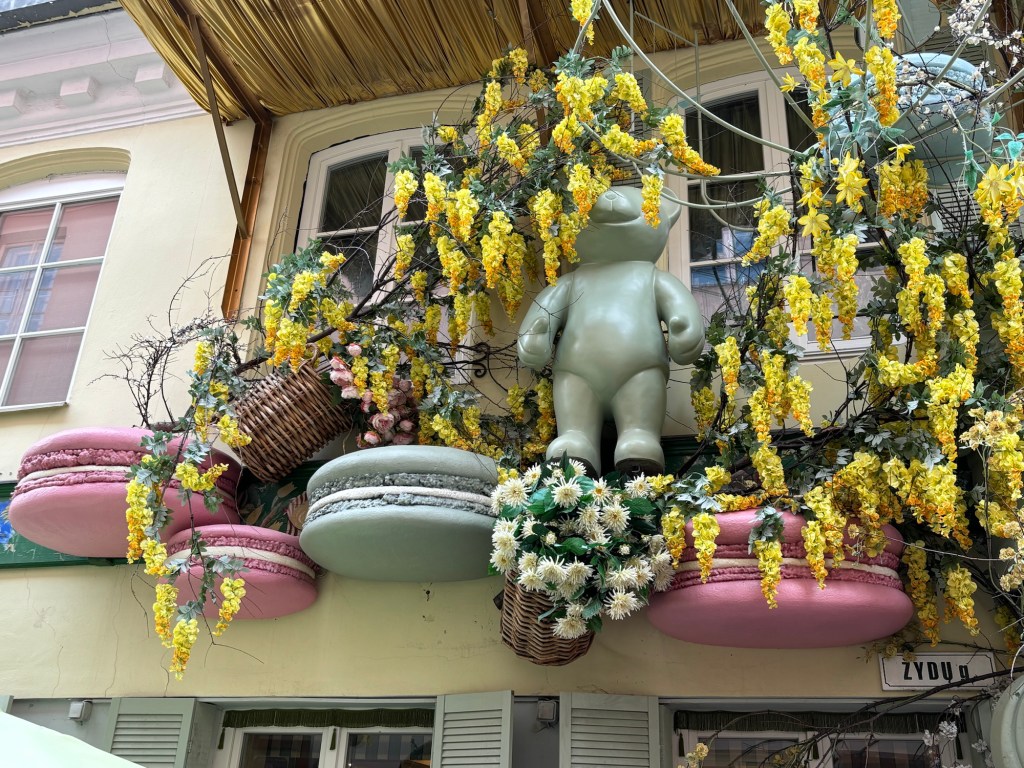
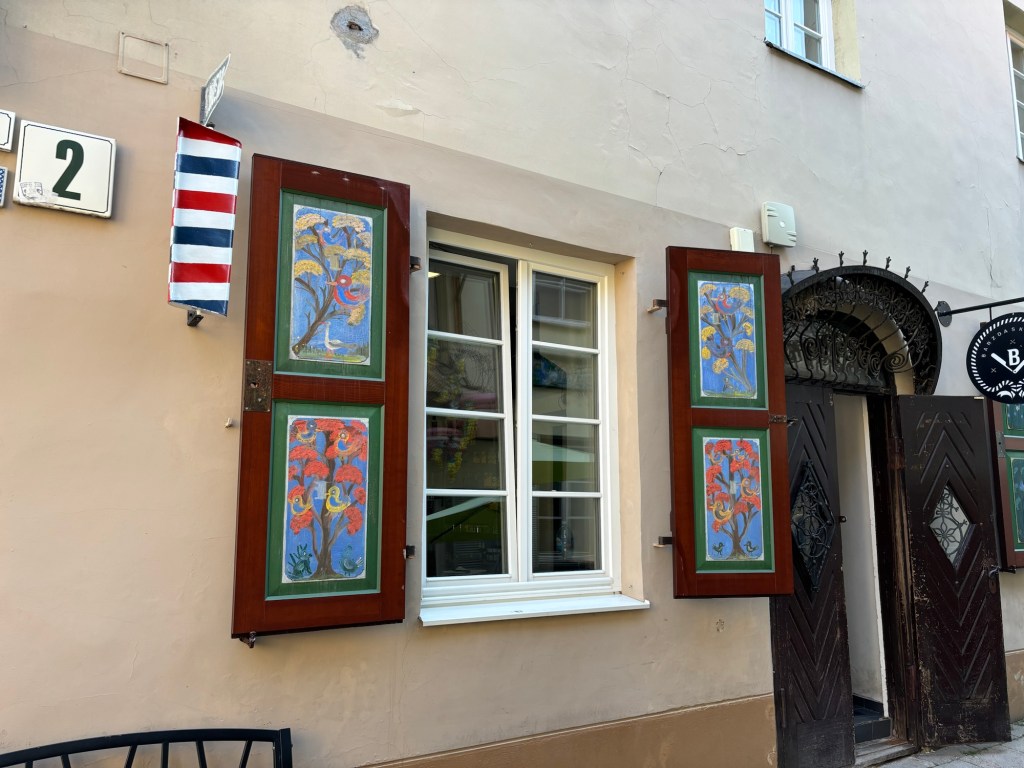
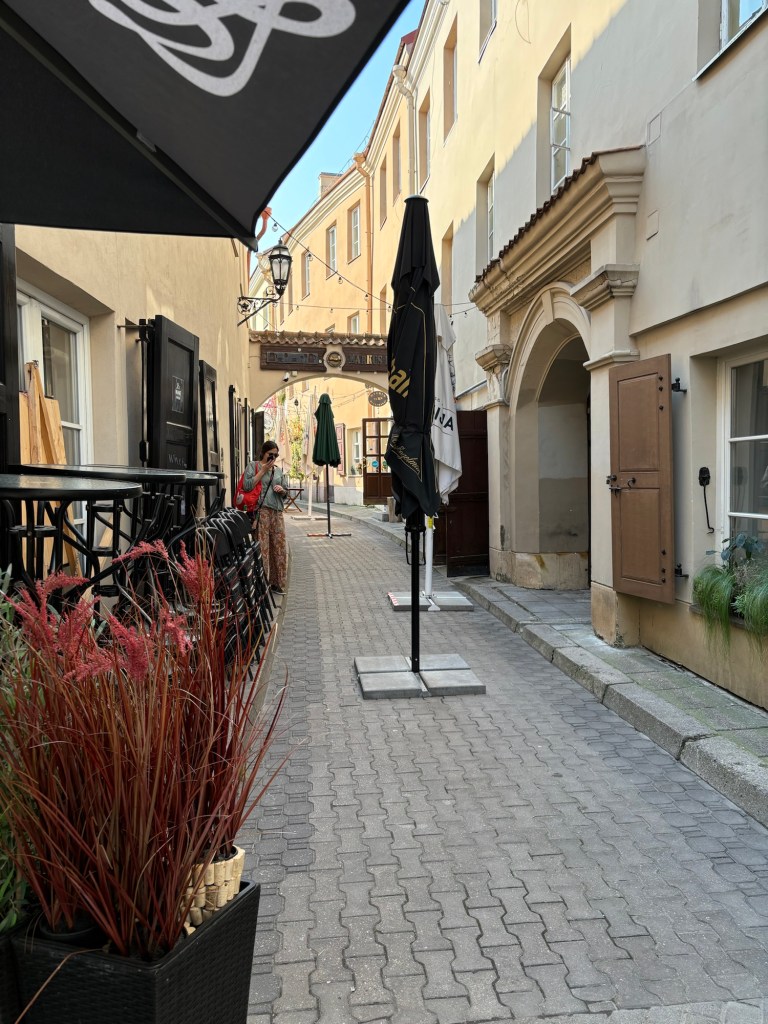
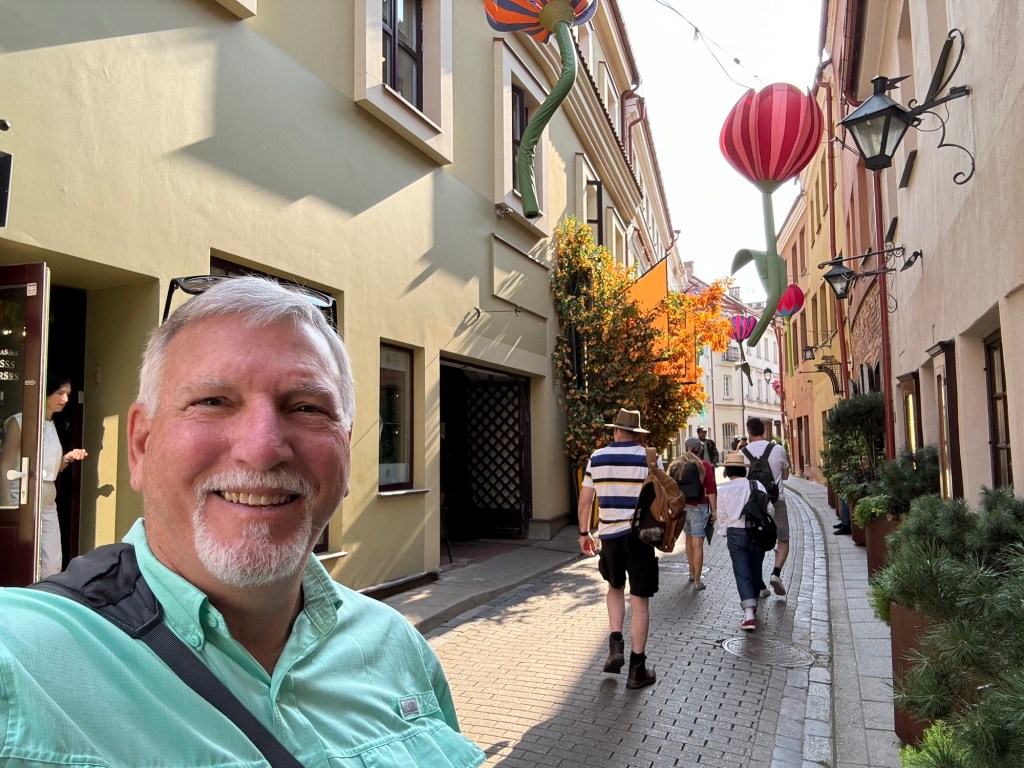
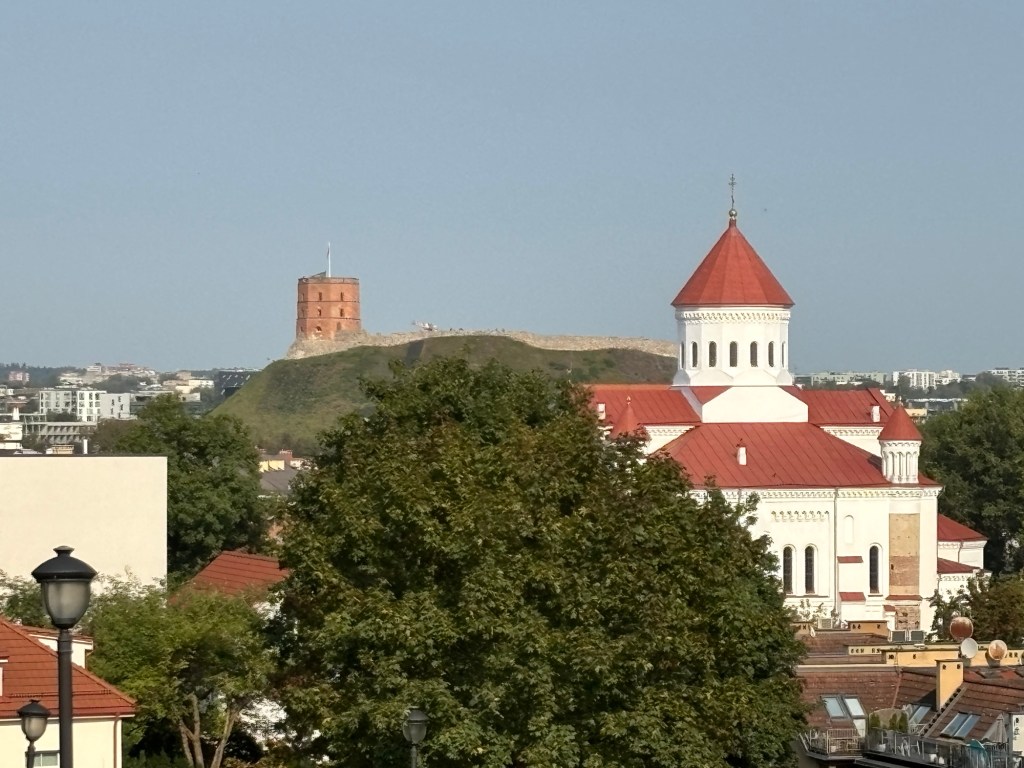

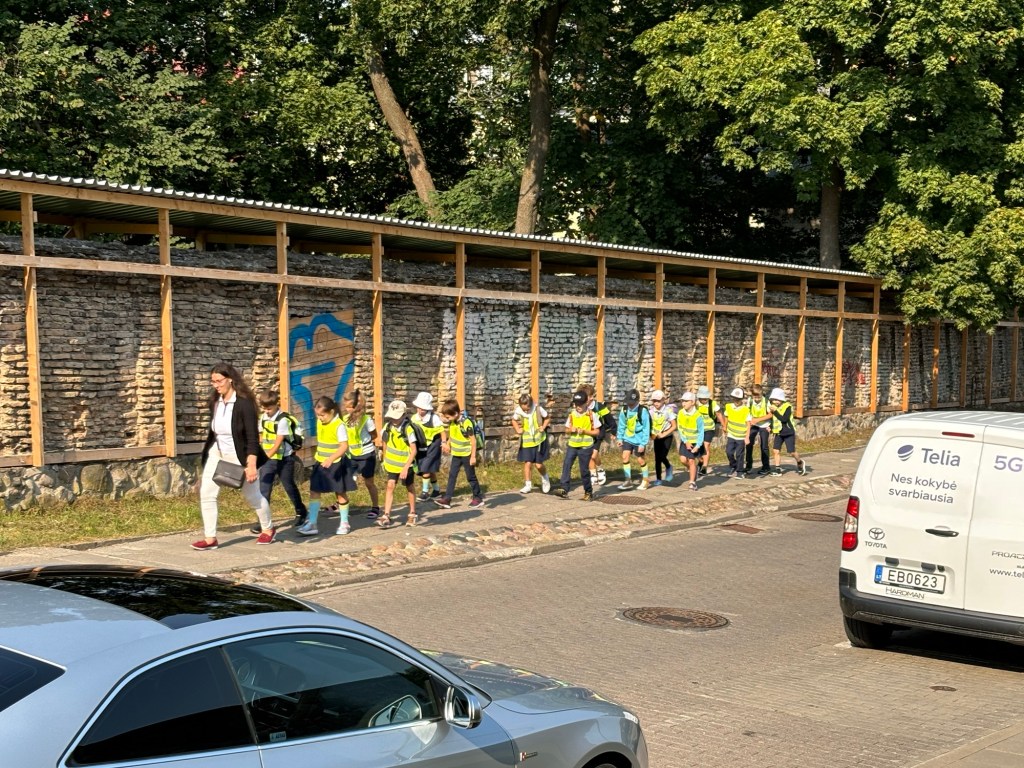
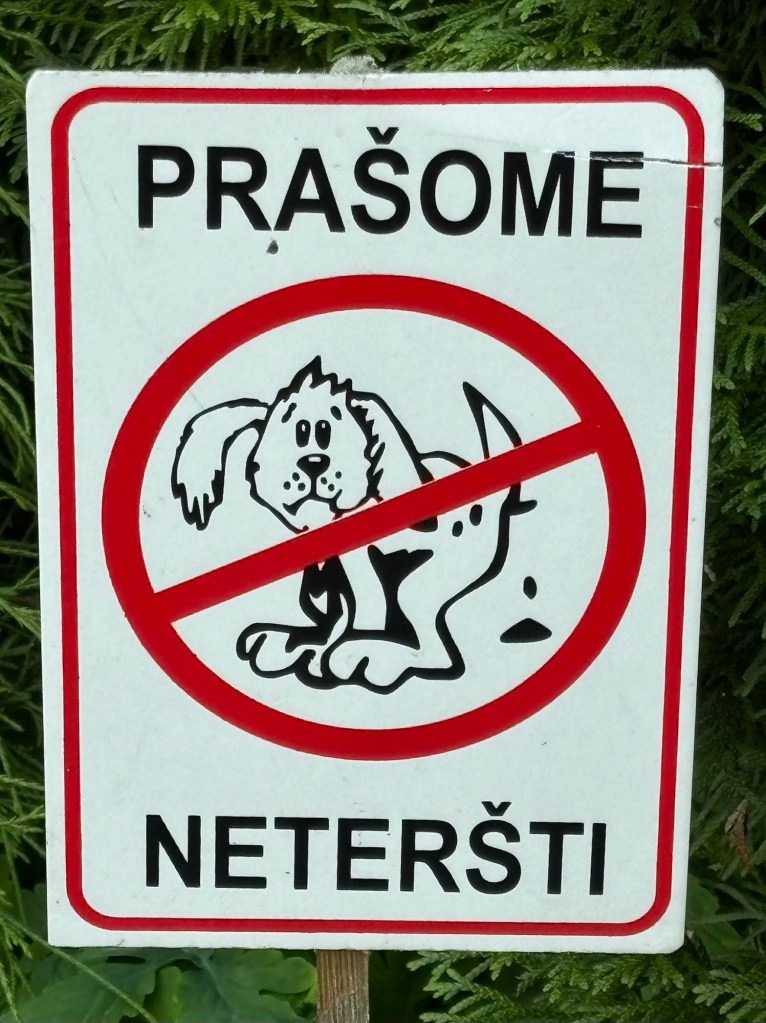
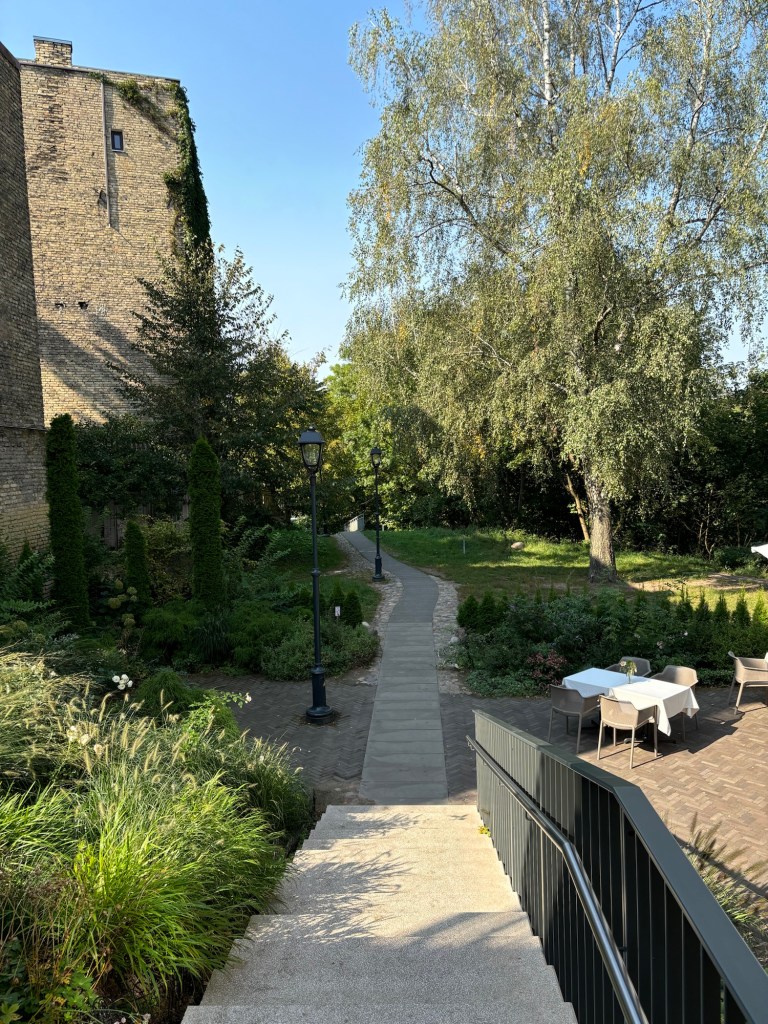
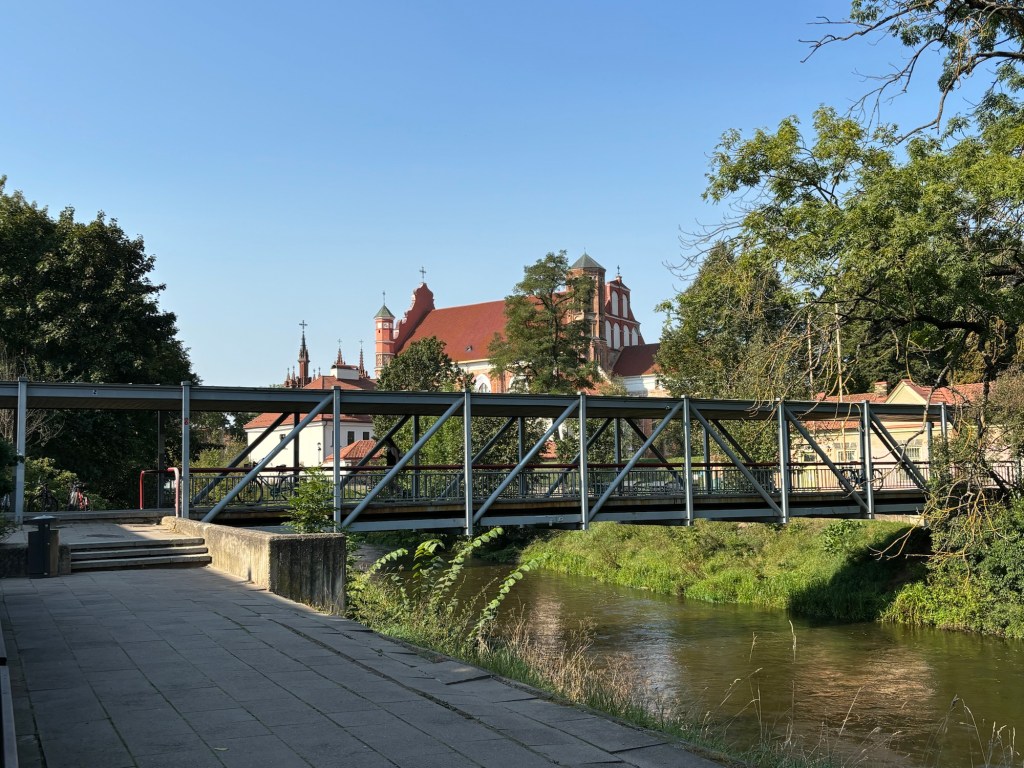
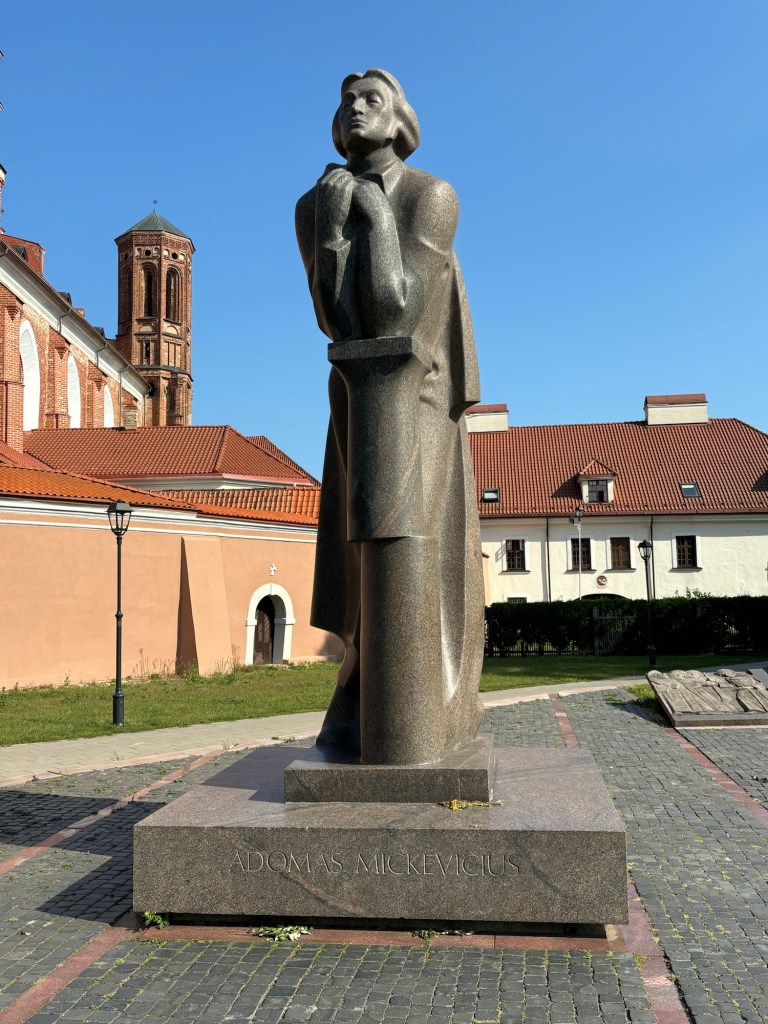
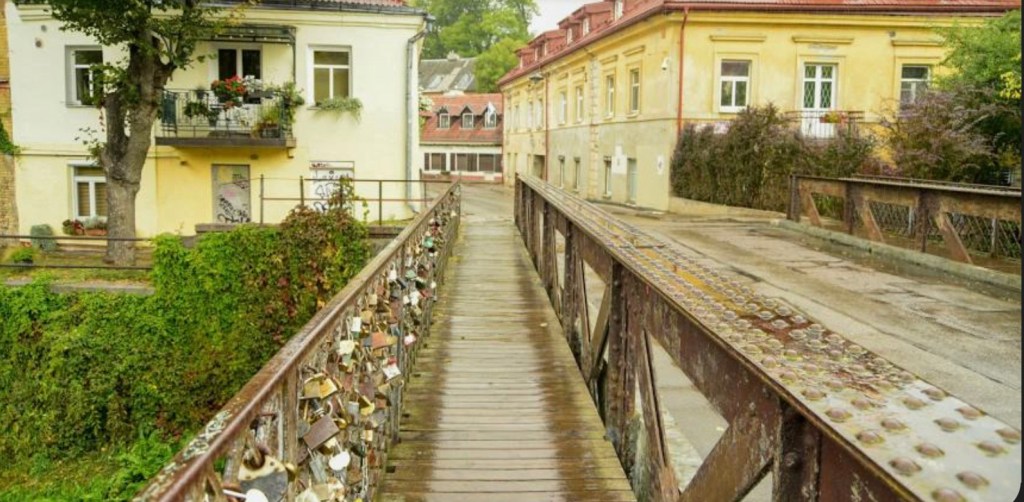
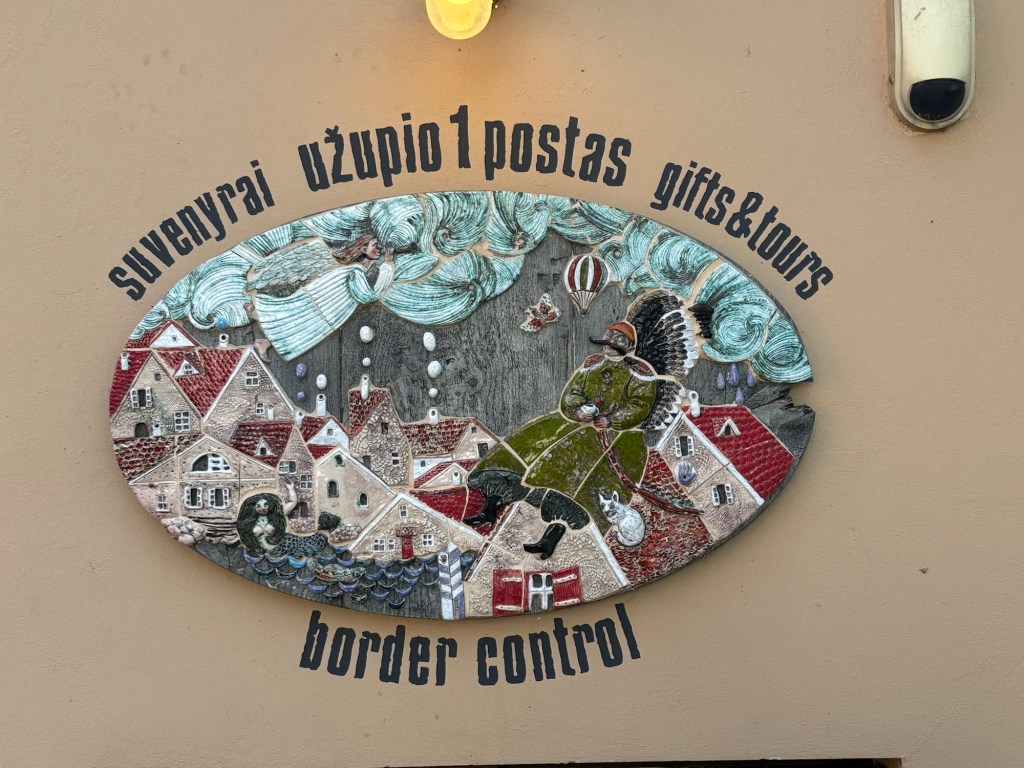
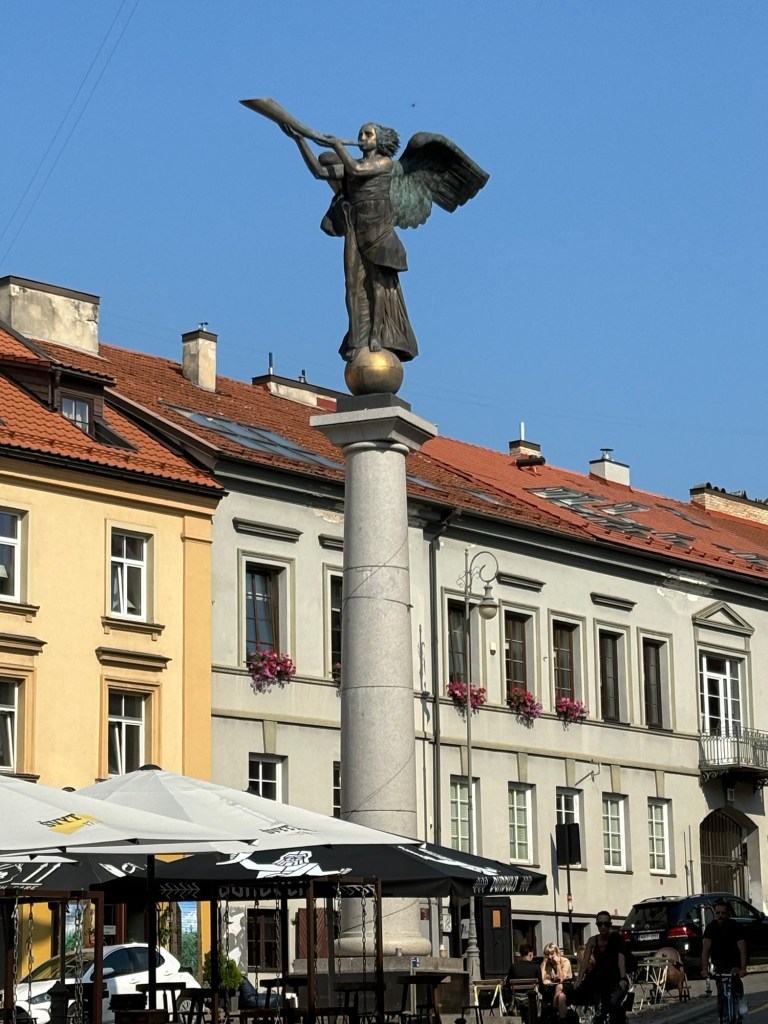
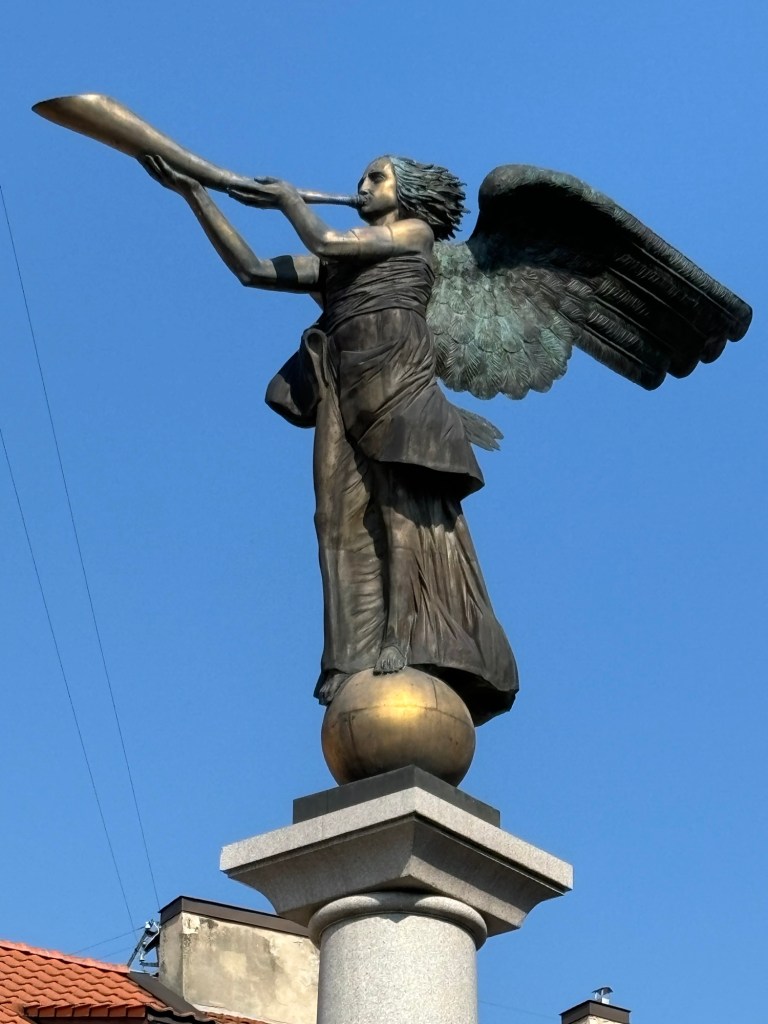
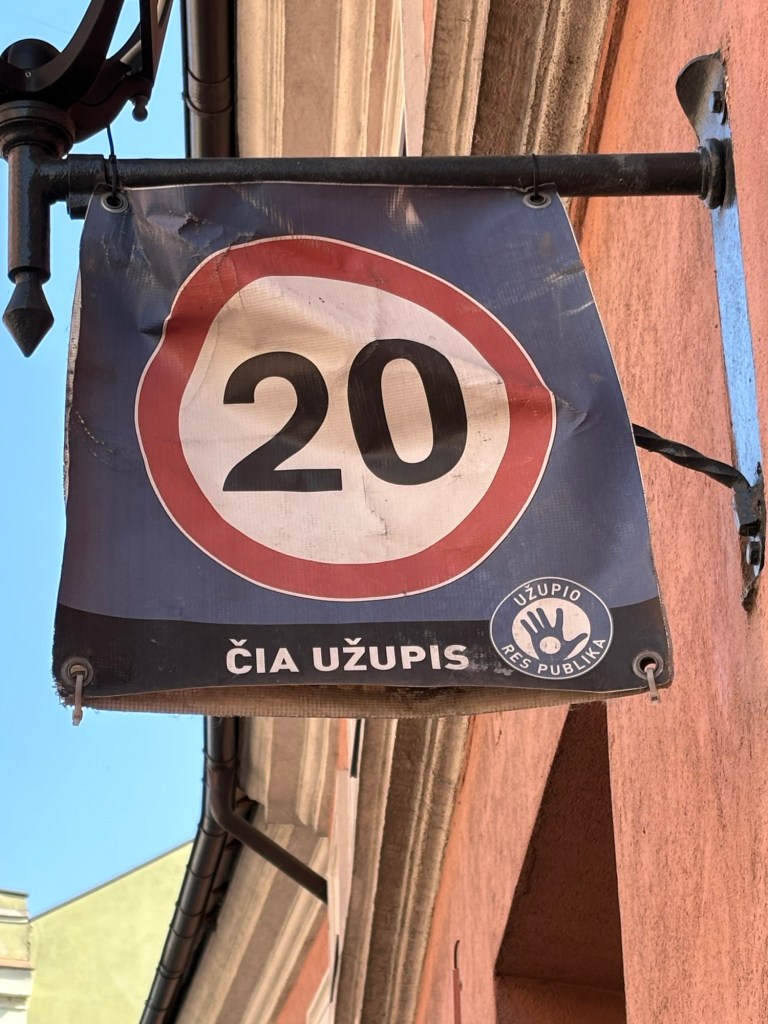
The Republic of Uzupis (who knew?)
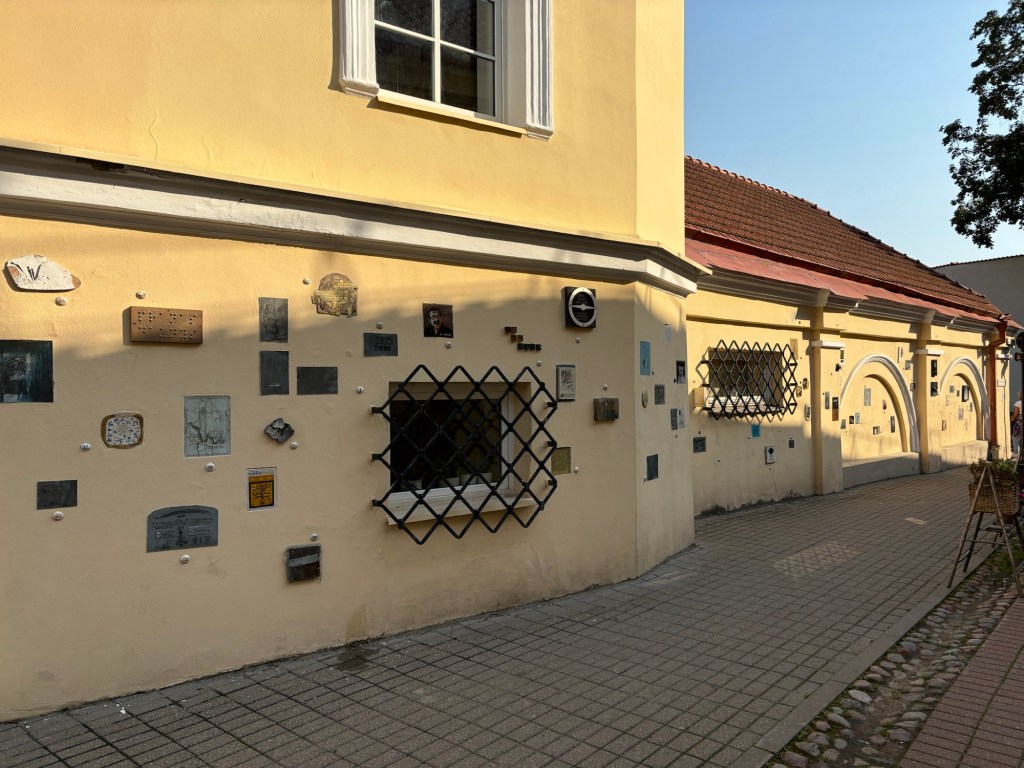
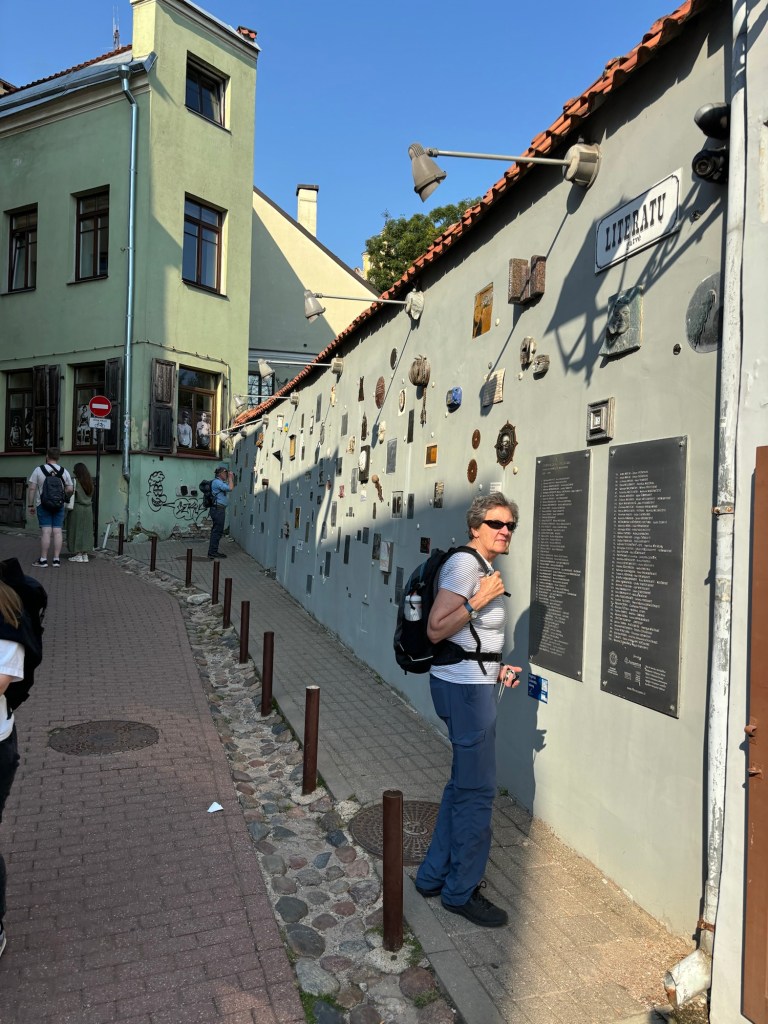
In a neighborhood behind St Anne’s Church is the independent Republic of Uzupis! Užupis is largely located in Vilnius’ Old Town. Užupis means “beyond the river” or “the other side of the river” in the Lithuanian language and refers to the Vilnia River.
The district has been popular with artists for some time, and has been compared to Montmartre in Paris and to Freetown Christiania in Copenhagen, due to its bohemian and laissez-faire atmosphere.
On April 1, 1997, the district declared itself an independent republic (the Republic of Užupis), with its own constitution. The decision to place Užupis Day on April 1 (April Fools’ Day) may not be coincidental. (Sources: https://en.m.wikipedia.org/wiki/Lithuanian_language and https://www.crwflags.com/fotw/flags/lt_uzupi.html)
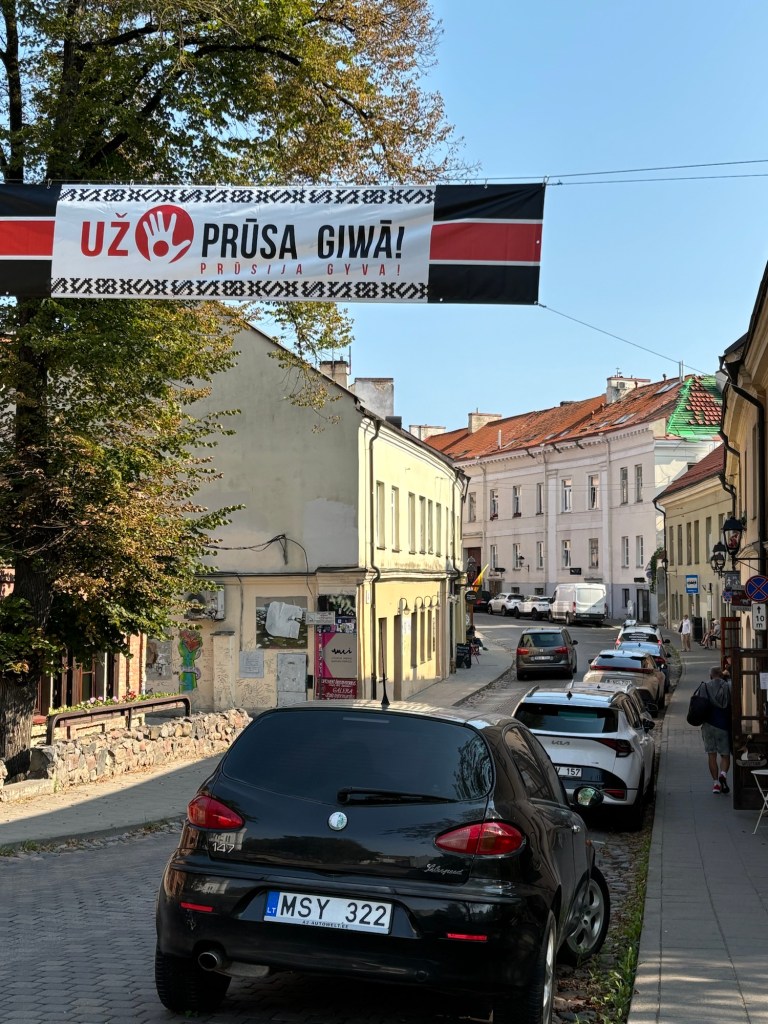
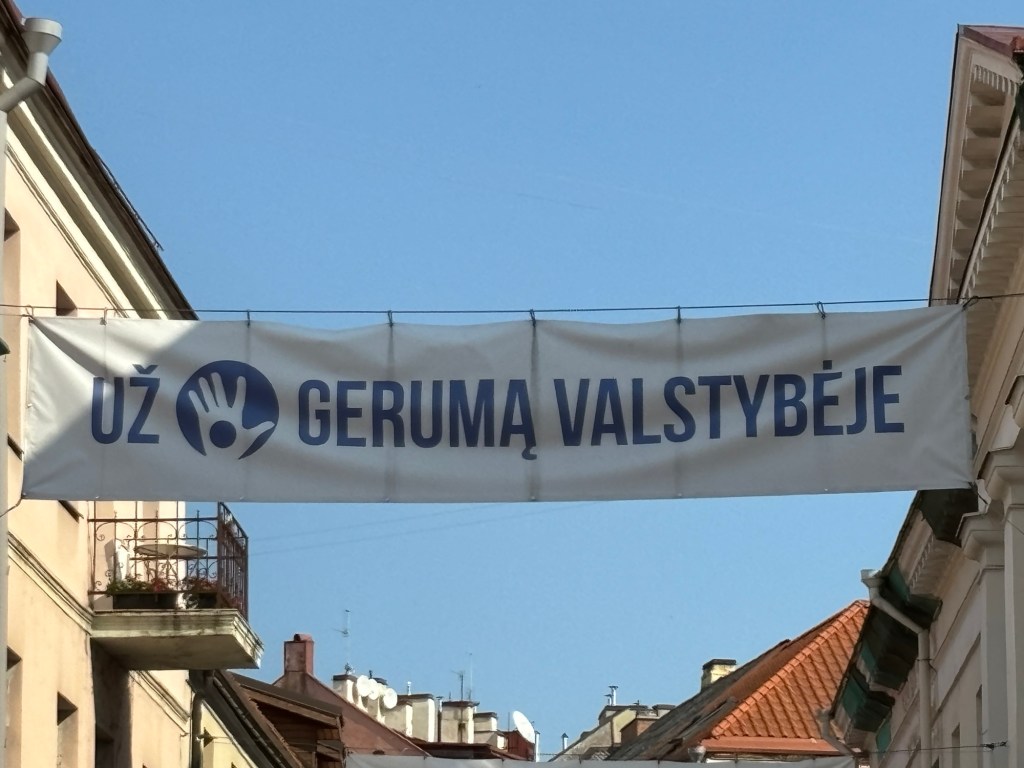
“Goodness in the state” – OK…
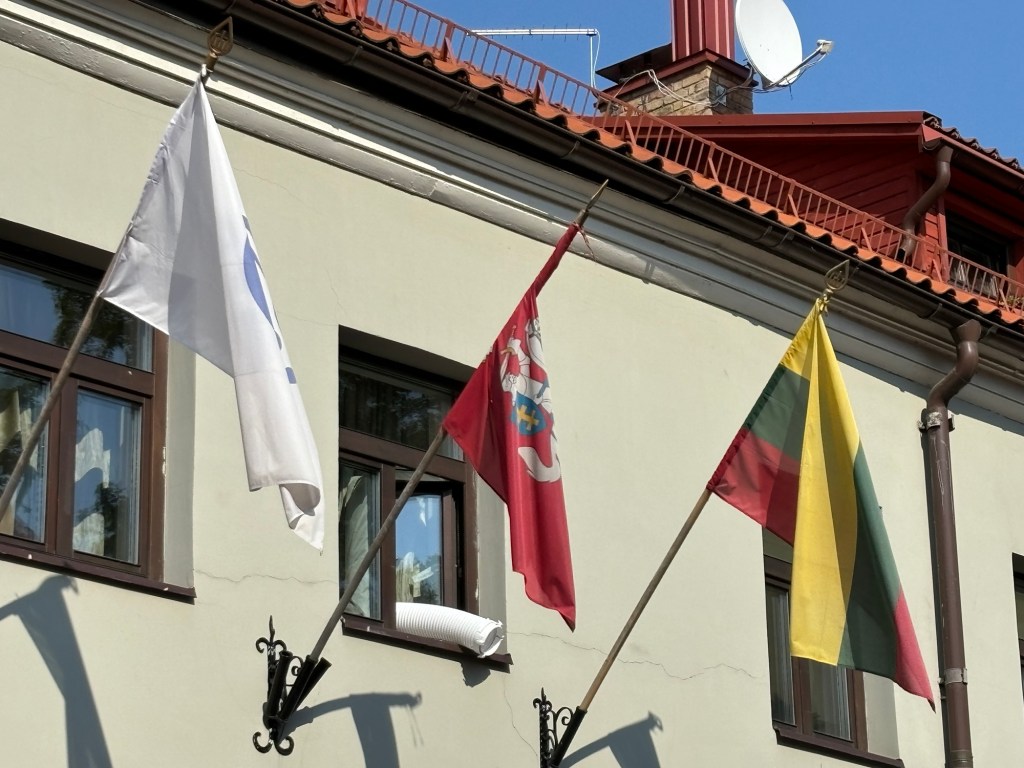
Everything seems to be arts and crafts based. Galleries, tea houses, boutiques, jewelry stores, etc. An “artsy” republic!
Just had a light dinner tonight – a small chicken Caesar salad.
Tomorrow it’s an early morning (6:30 am!) train ride to Riga, Latvia.
Words of wisdom, or just to amuse…?
It is a fact of nature that light arrives faster than sound. Which is why some people can appear quite bright, until they speak.

 A Captain’s Adventures