
I was up early to avoid some of the crazy Tirana drivers. Traffic wasn’t bad under blustery winds, overcast skies, and no pouring rain, so that must have helped. It was only a 2 1/2 hour drive north to Podgorica, Montenegro’s capital.
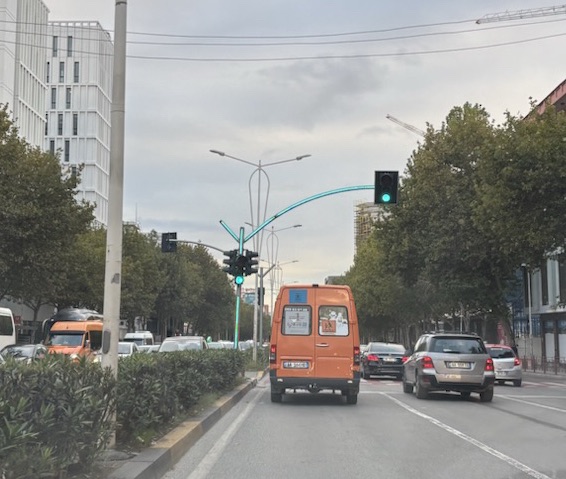
It was a peaceful drive through rolling hills and flat valleys to Podgorica. Christian church steeples and/or Muslim minarets are the highest peaks in most of the small towns and villages.
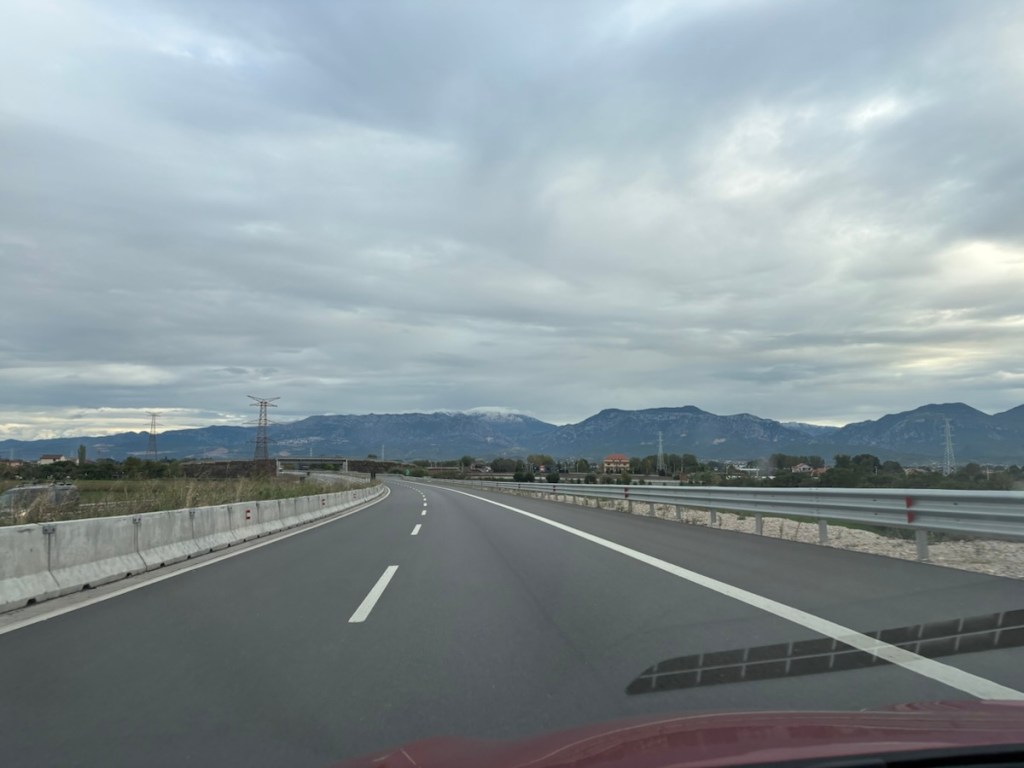
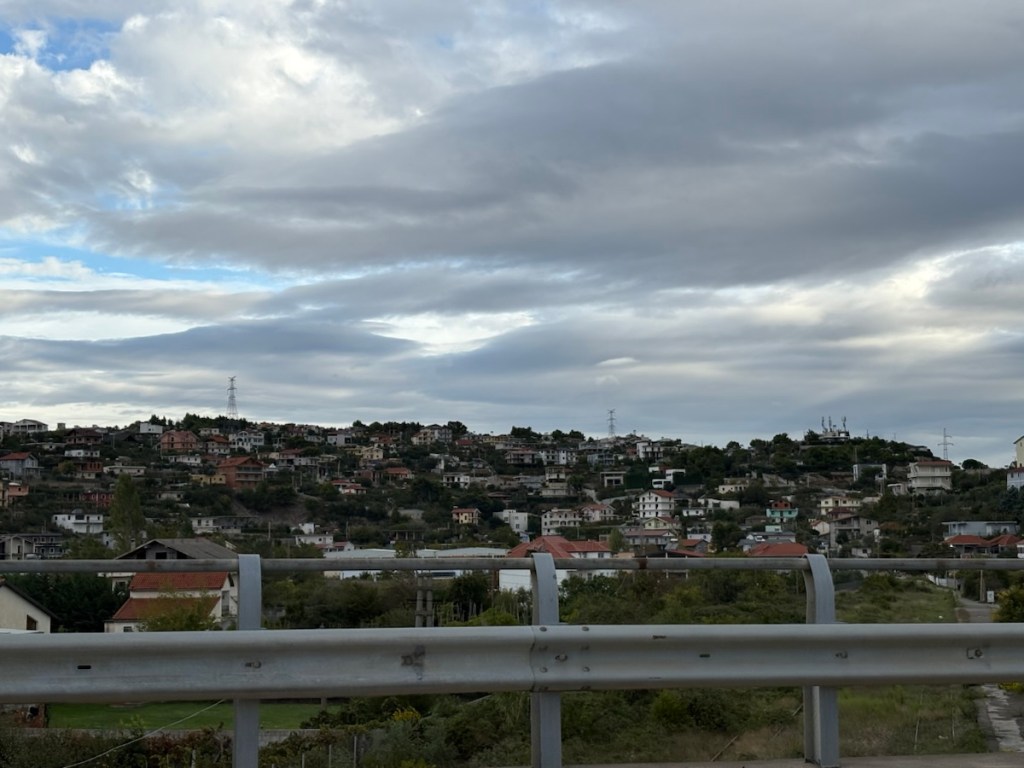
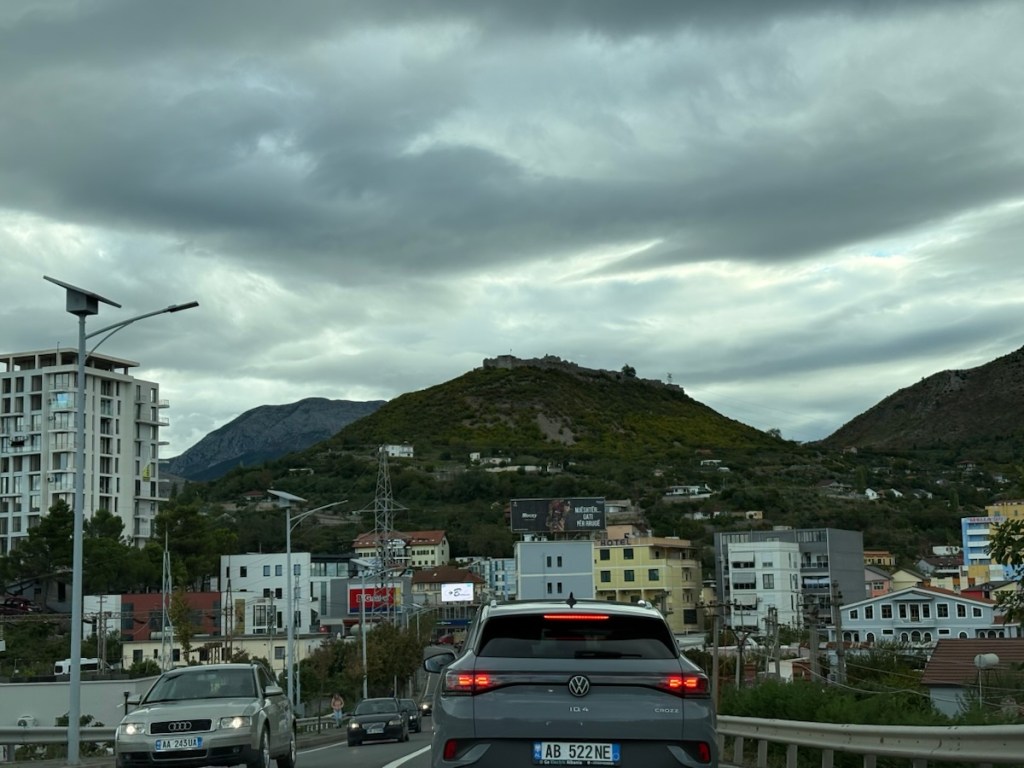
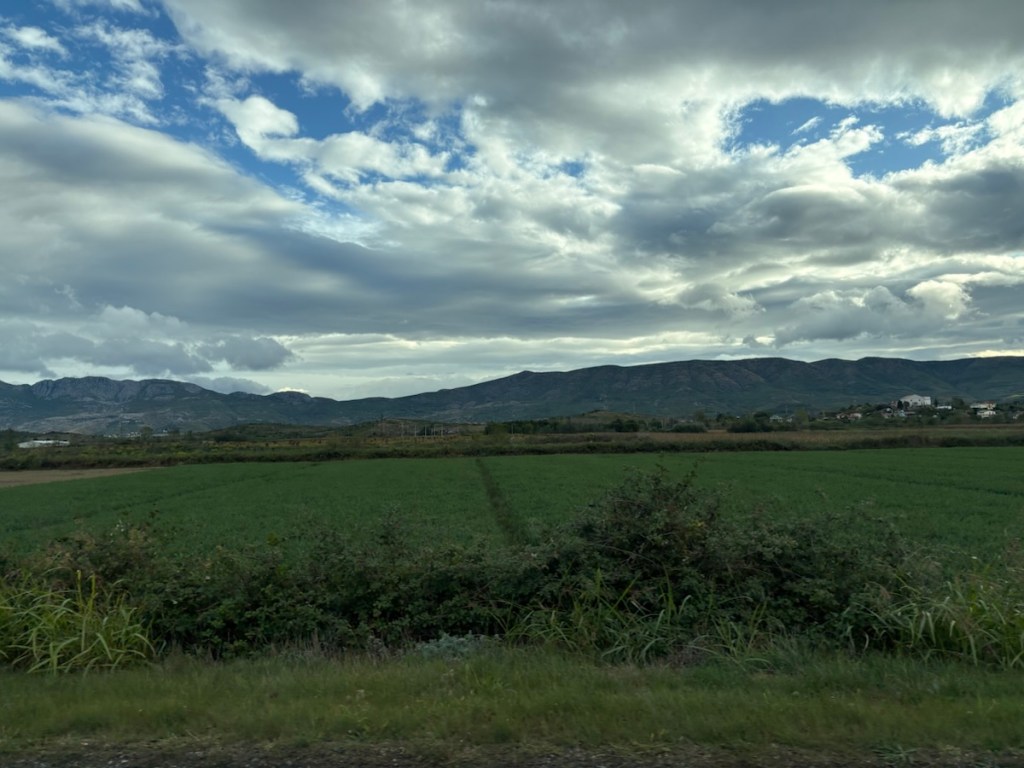
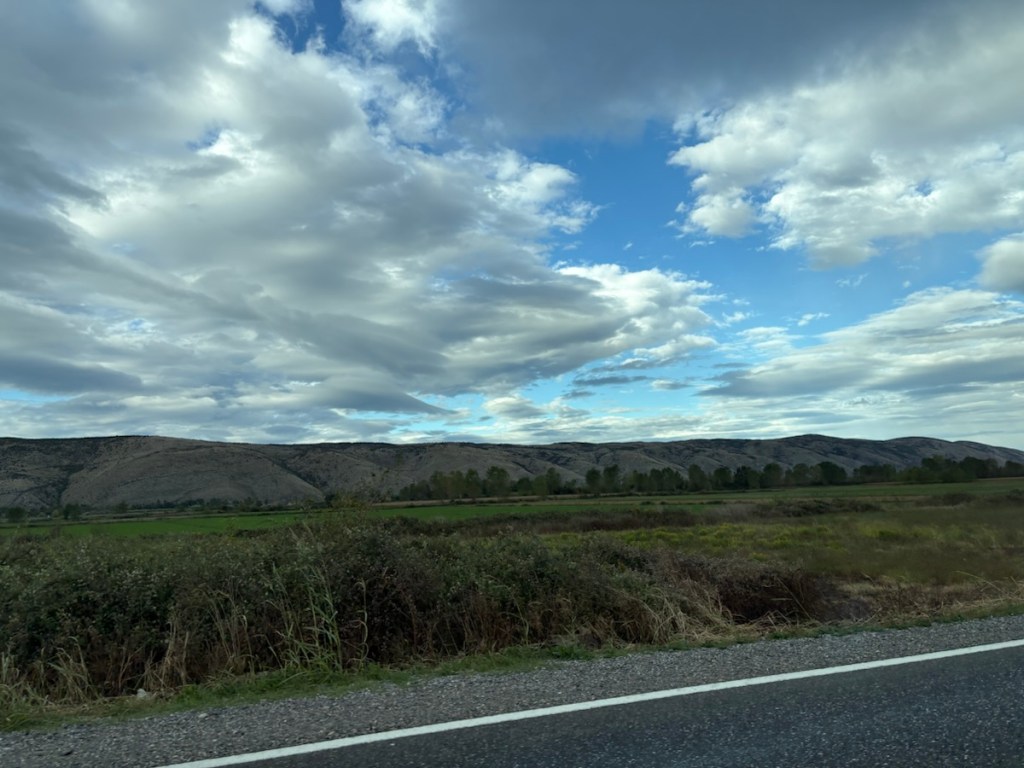
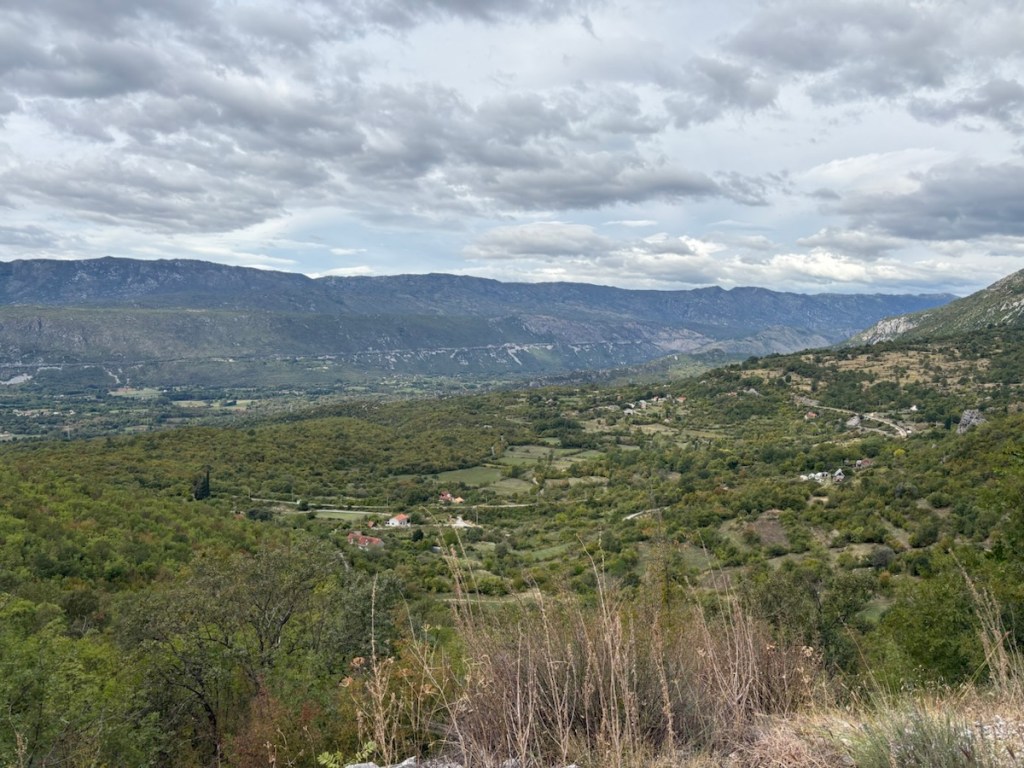
Podgorica is a beautiful upscale looking town with a river running through the center. The town is surrounded by small mountains and hills covered with small trees and exposed rock. Very picturesque! All that I’ve seen so far driving through Montenegro looks newer, more up-to-date, and well kept. The roads are also excellent.
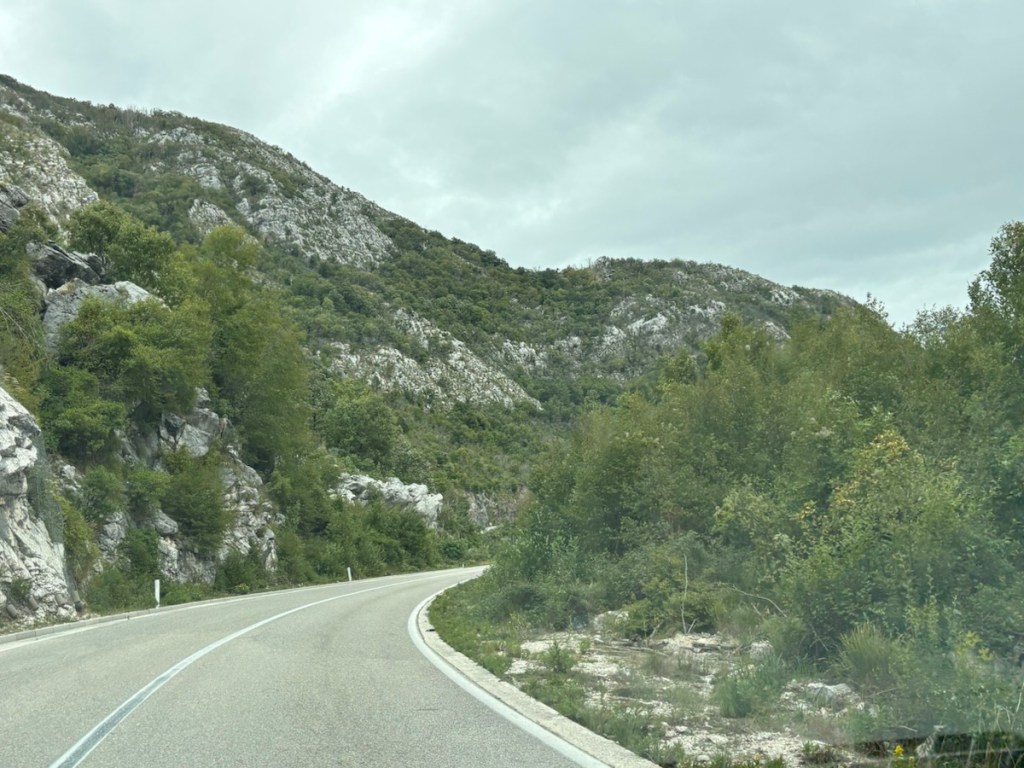
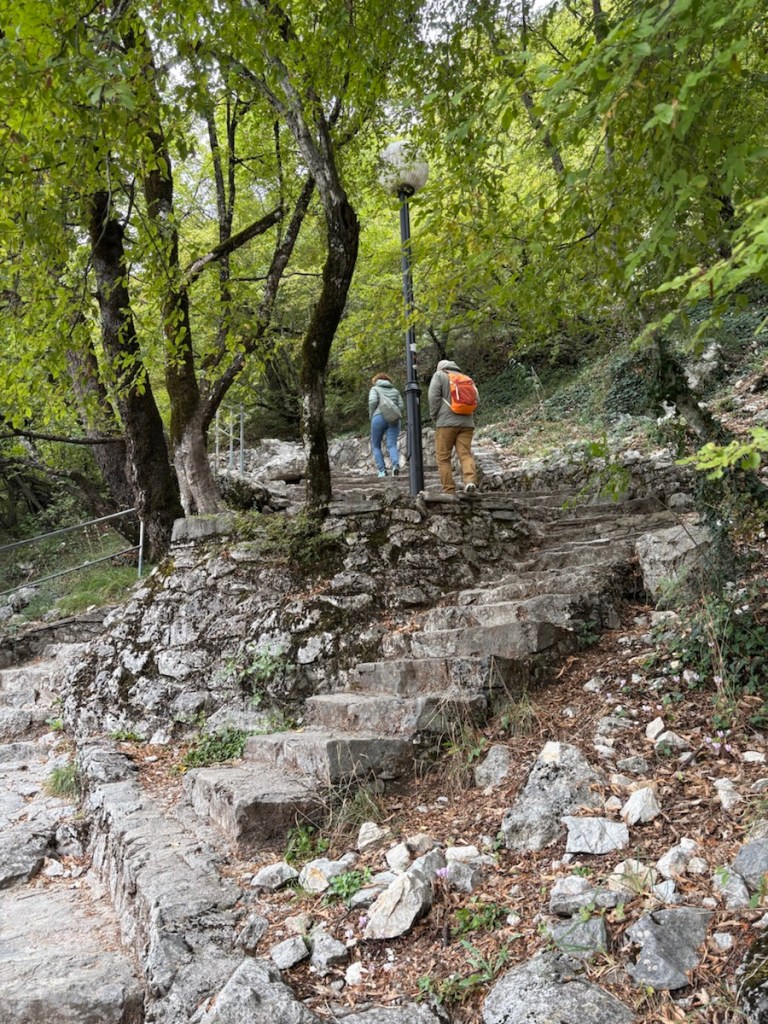
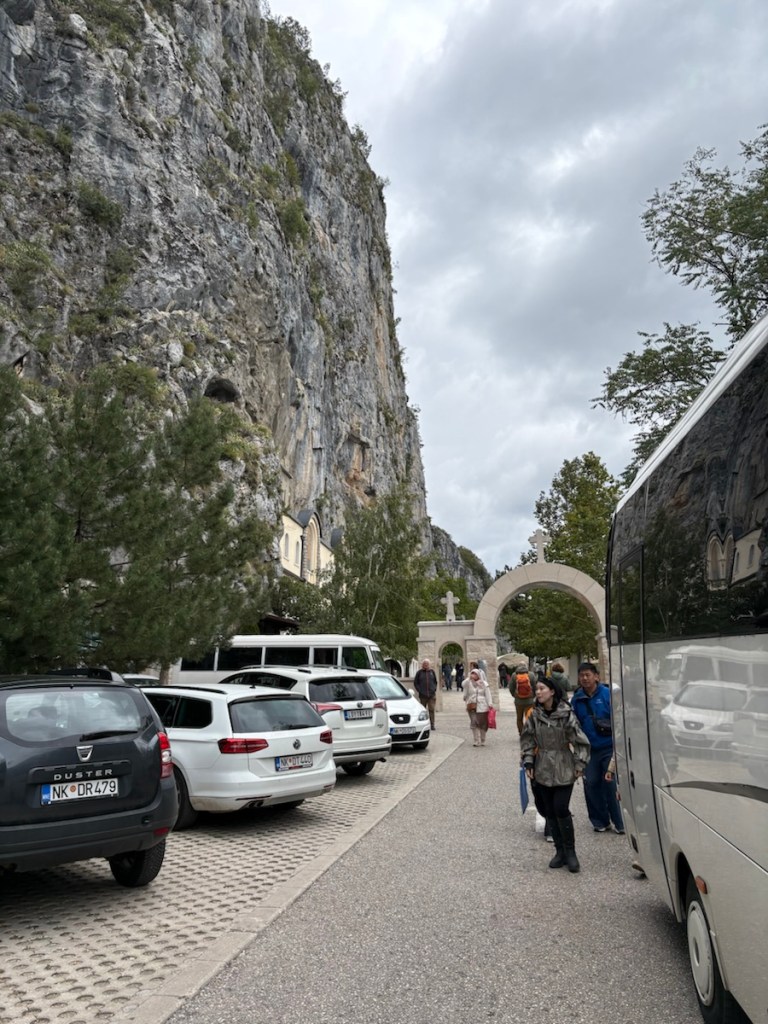
After Podgorca, I headed up into the low mountains for the hour drive to the famous Ostrog Monastery. After navigating the final few miles on an amazing switchback road, I arrived near the Ostrog Monastery. I parked in the parking lot. That was because I didn’t know there was another option, the “upper parking lot.” I found out after I walked up about a thousand steep stone steps through the woods and into the Upper Parking Lot adjacent to the monastery! Fortunately, the thousand steps back down to the lower lot were not so bad…
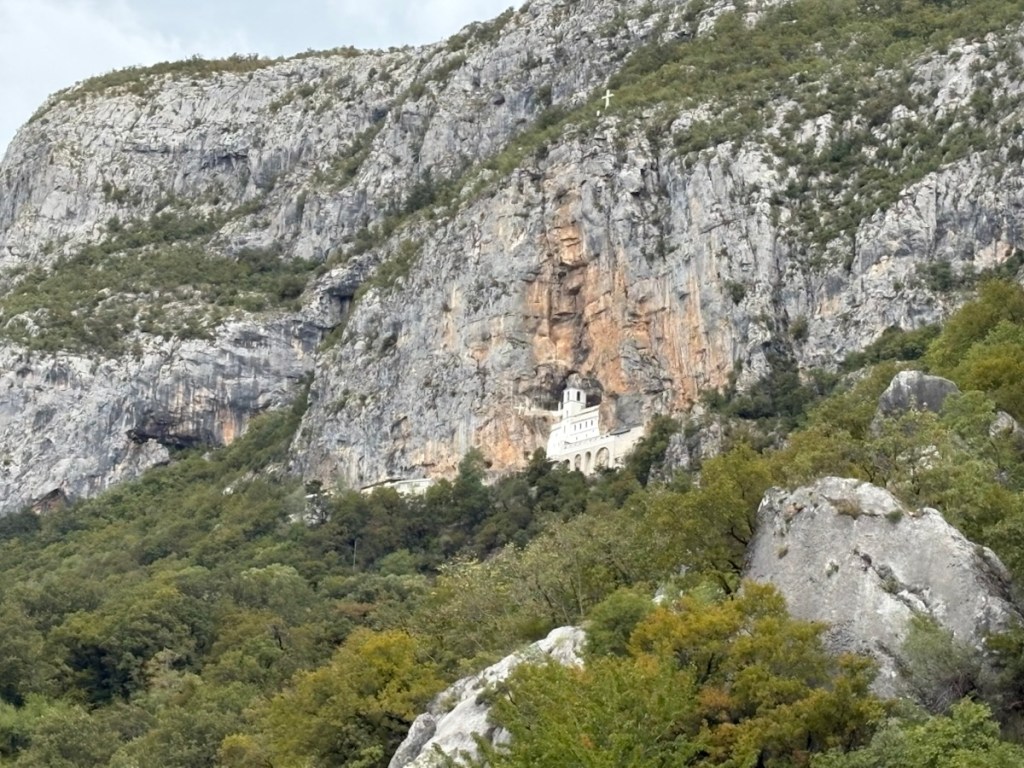
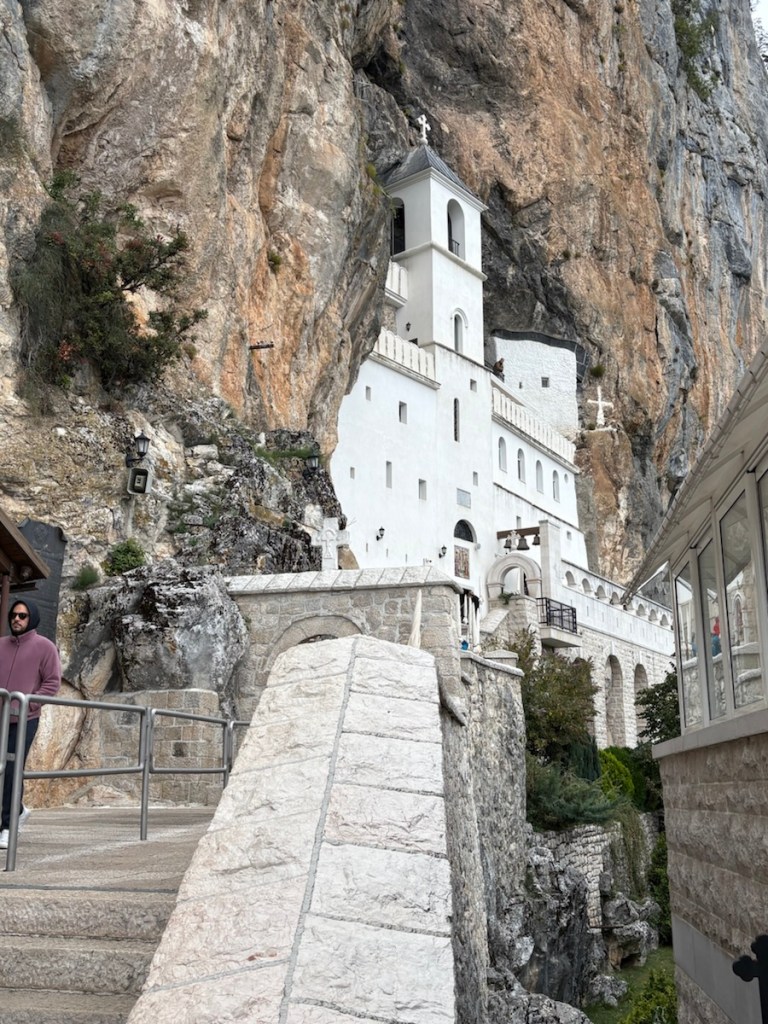
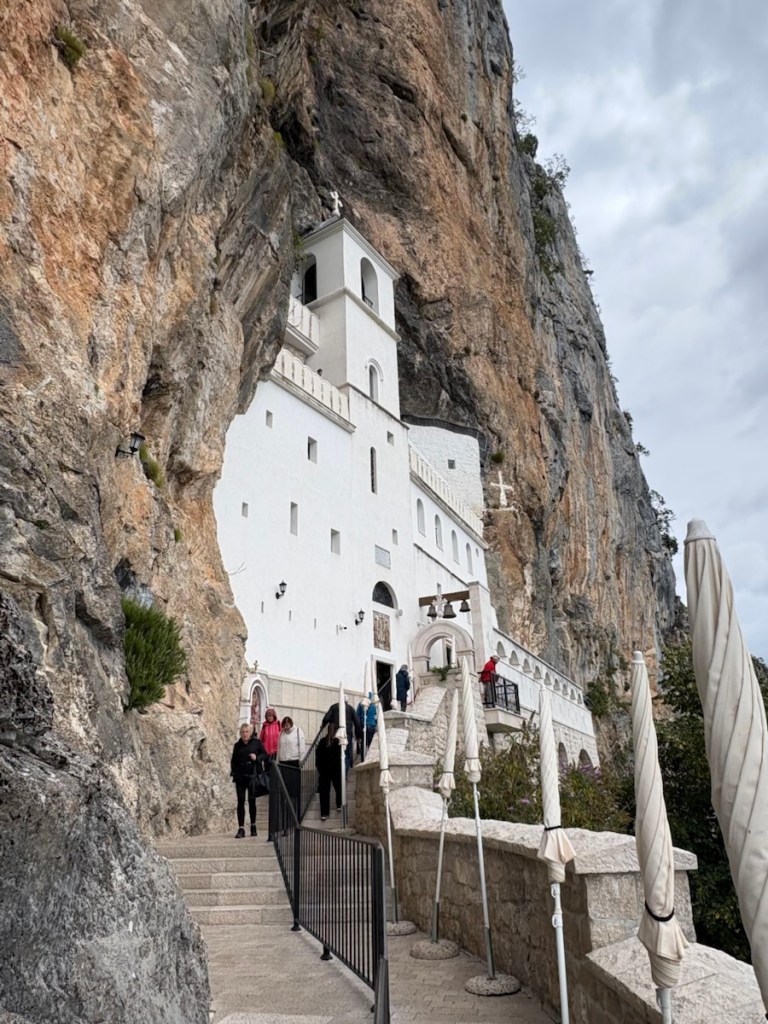
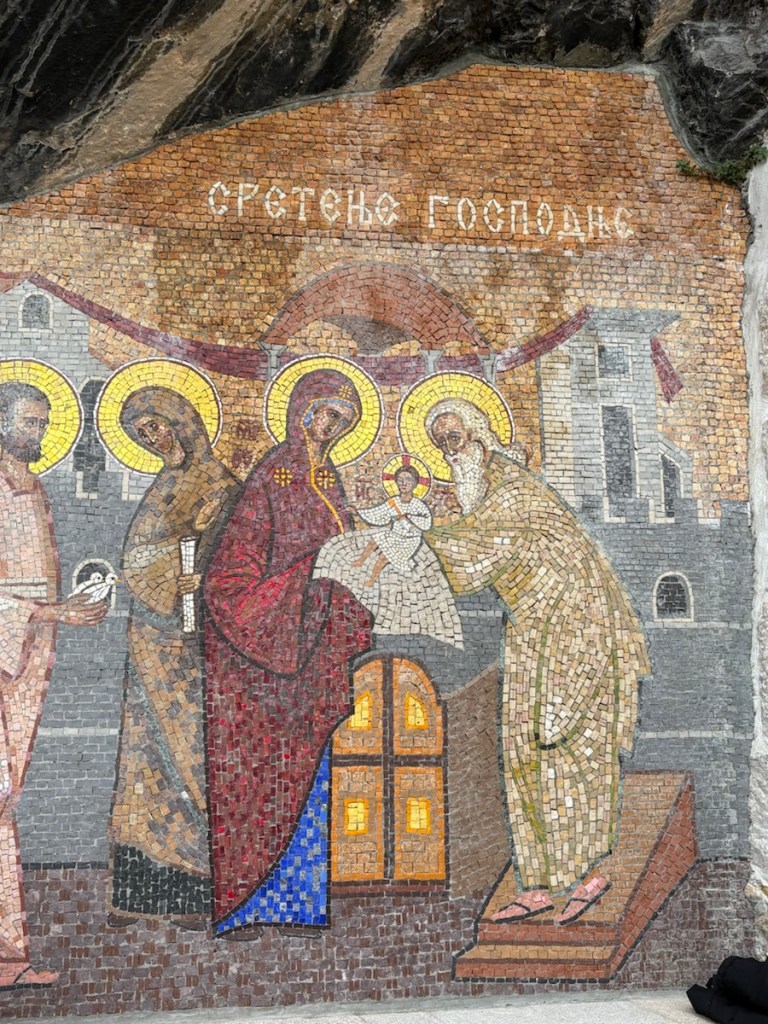
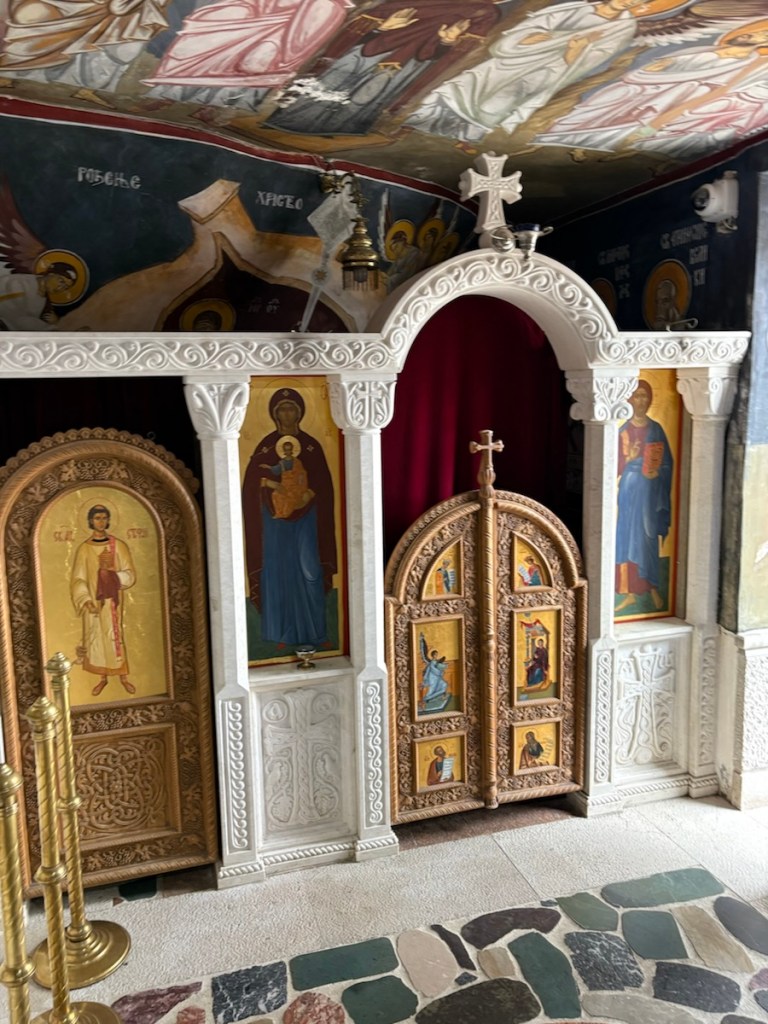
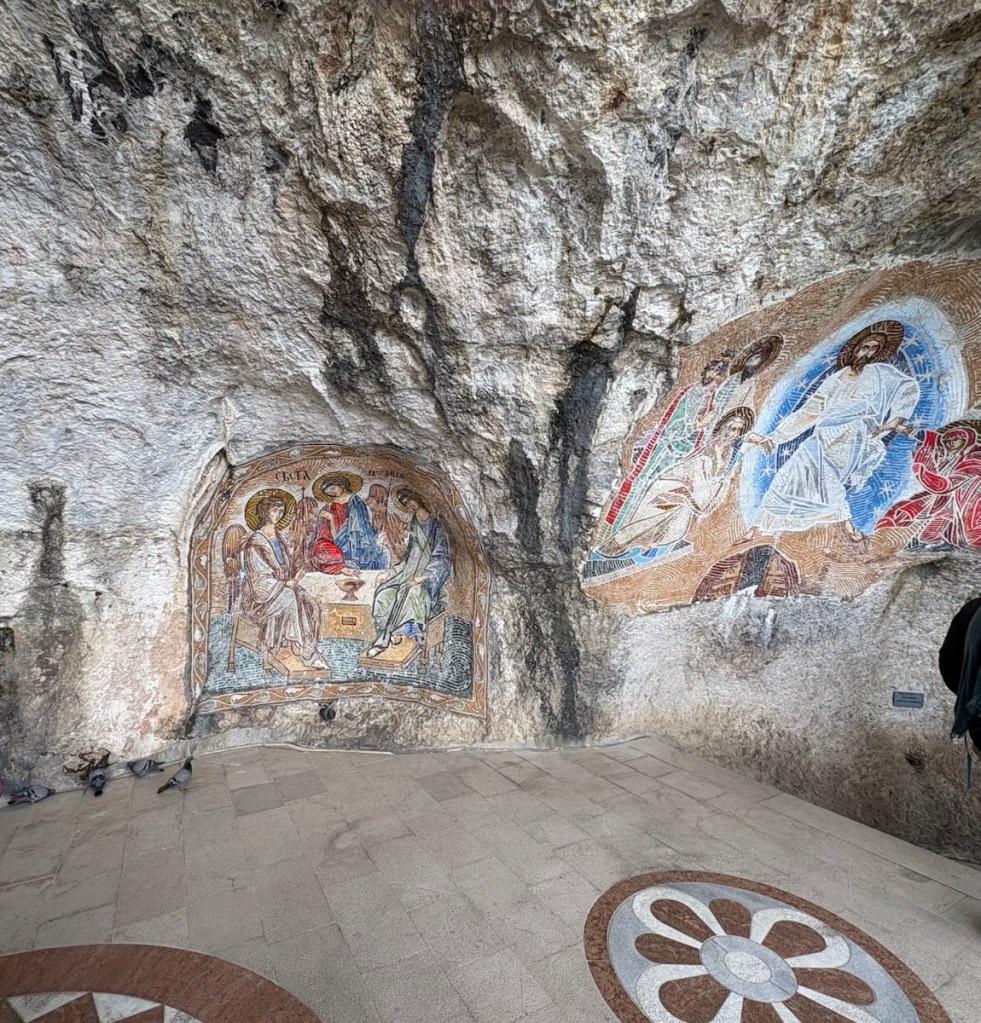
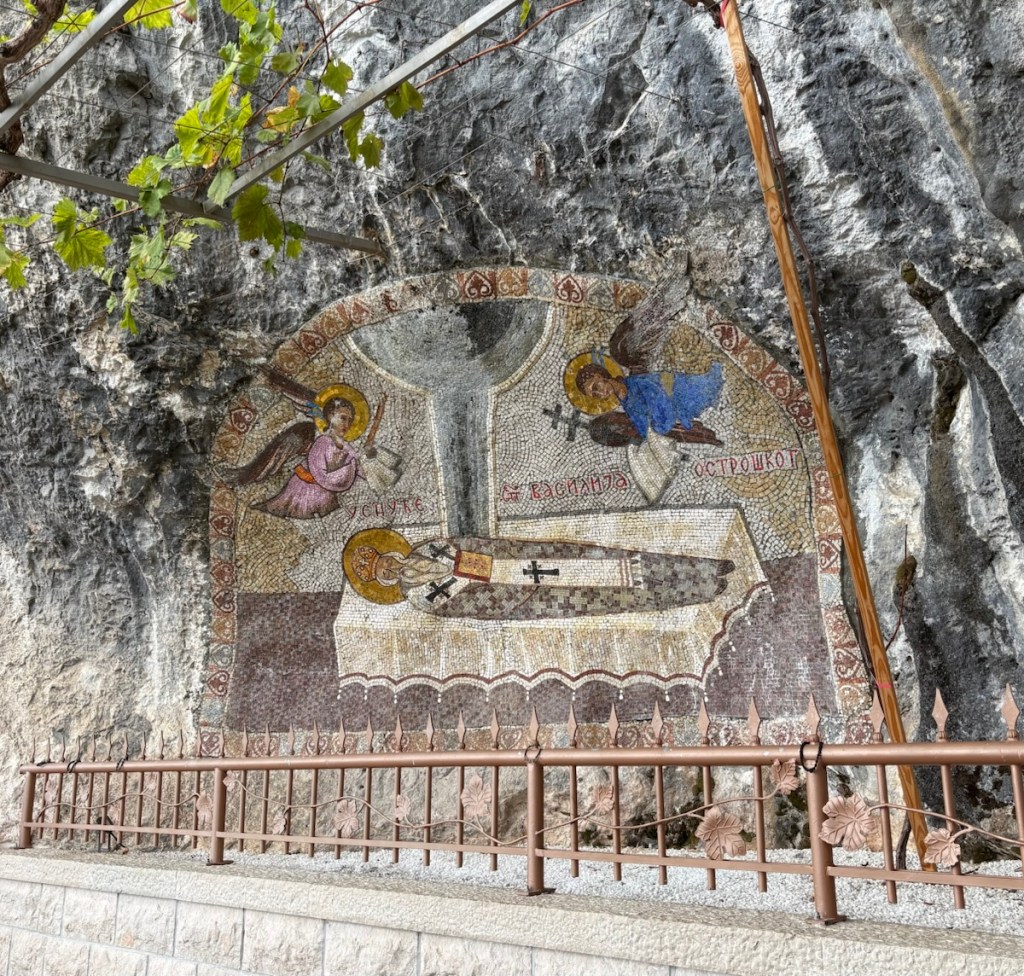
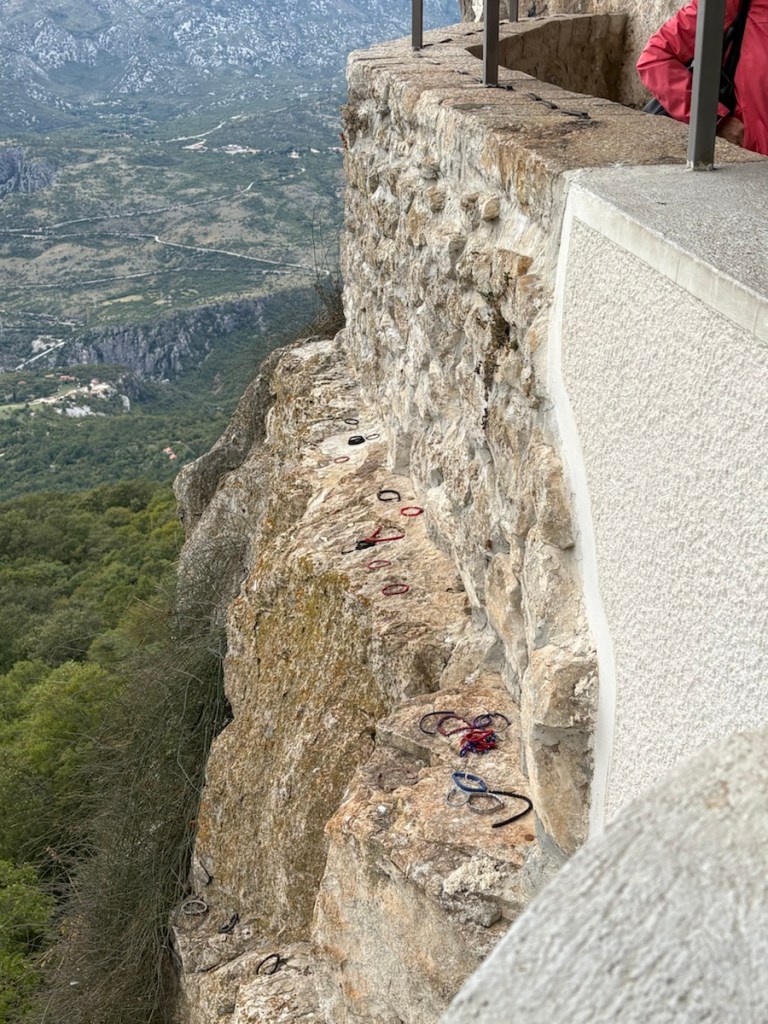

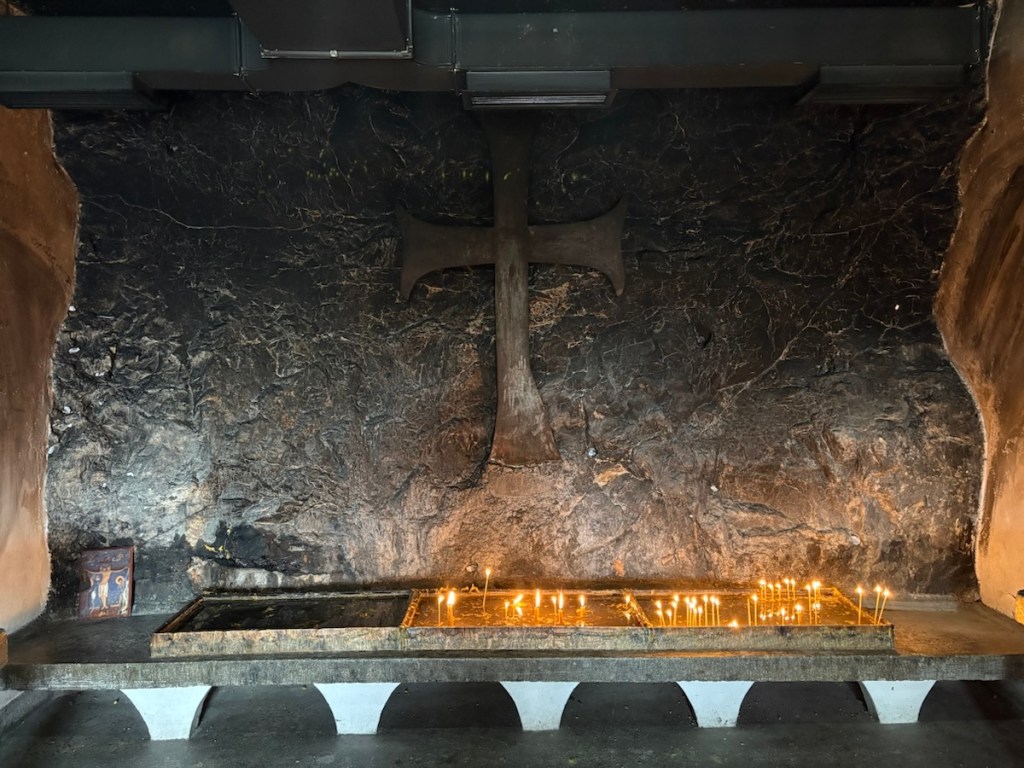
Ostrog Monastery is one of the most important religious sites in Montenegro, and it is known across the world. It welcomes not only Orthodox Christians, but also Catholics, Muslims, and people of other faiths. Visitors from all over the world come to pray, reflect, or seek blessings from the relics of Saint Basil. The Ostrog Monastery is a monastery of the Serbian Orthodox Church situated against an almost vertical background, high up in the large rock of Ostroška Greda, in Montenegro. It is dedicated to Saint Basil of Ostrog, who was buried here. From the monastery, the Bjelopavlići plain can be seen. Ostrog monastery is the most popular pilgrimage place in Montenegro. (Wikipedia)
Perast and Our Lady of the Rocks
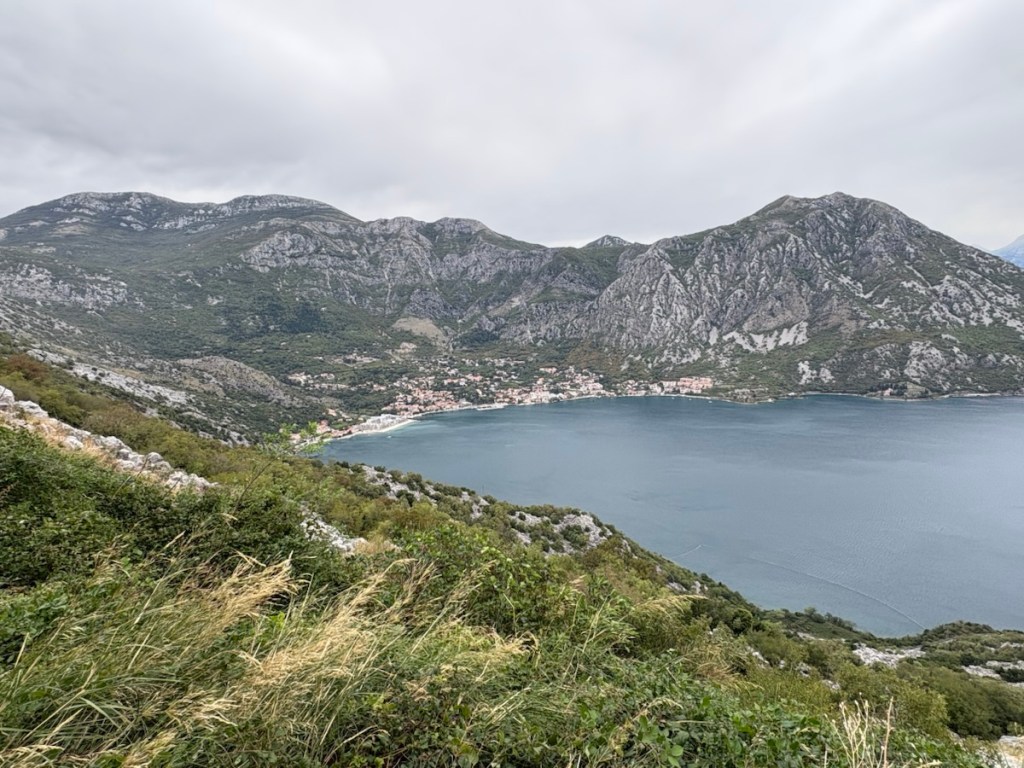
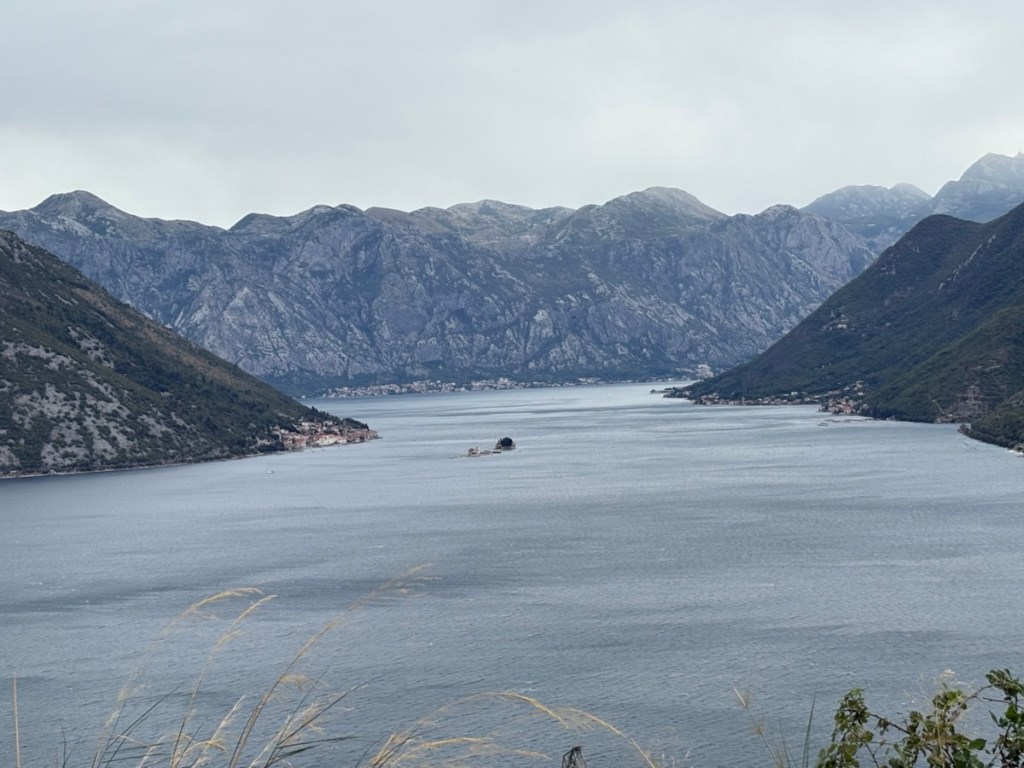
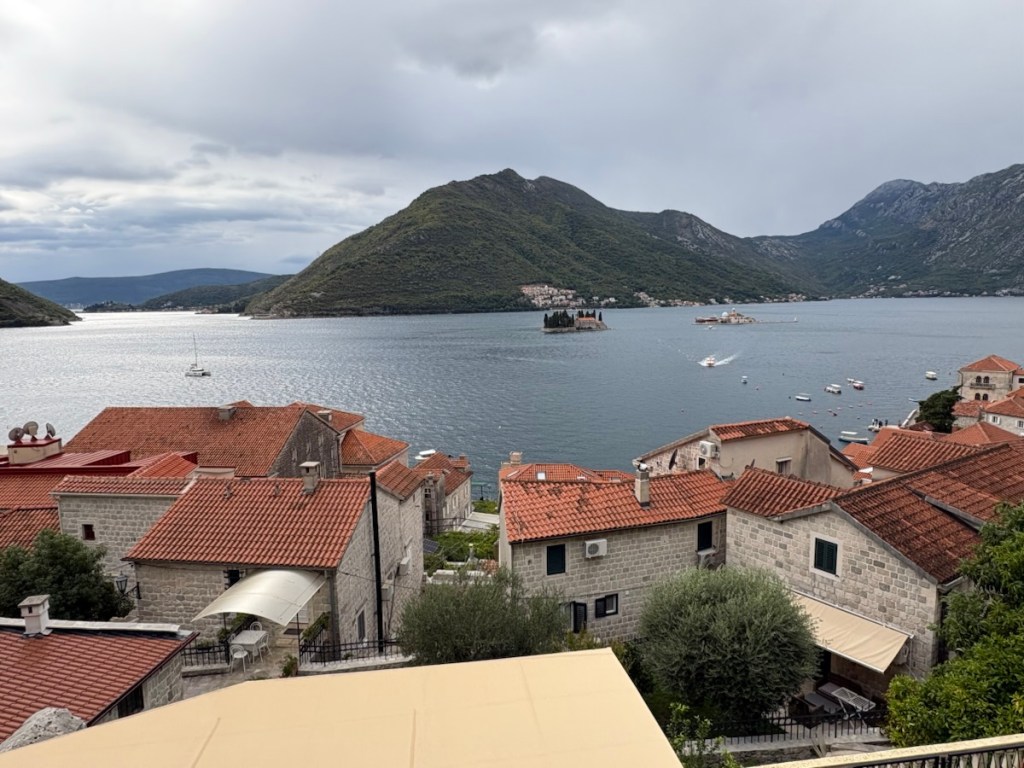
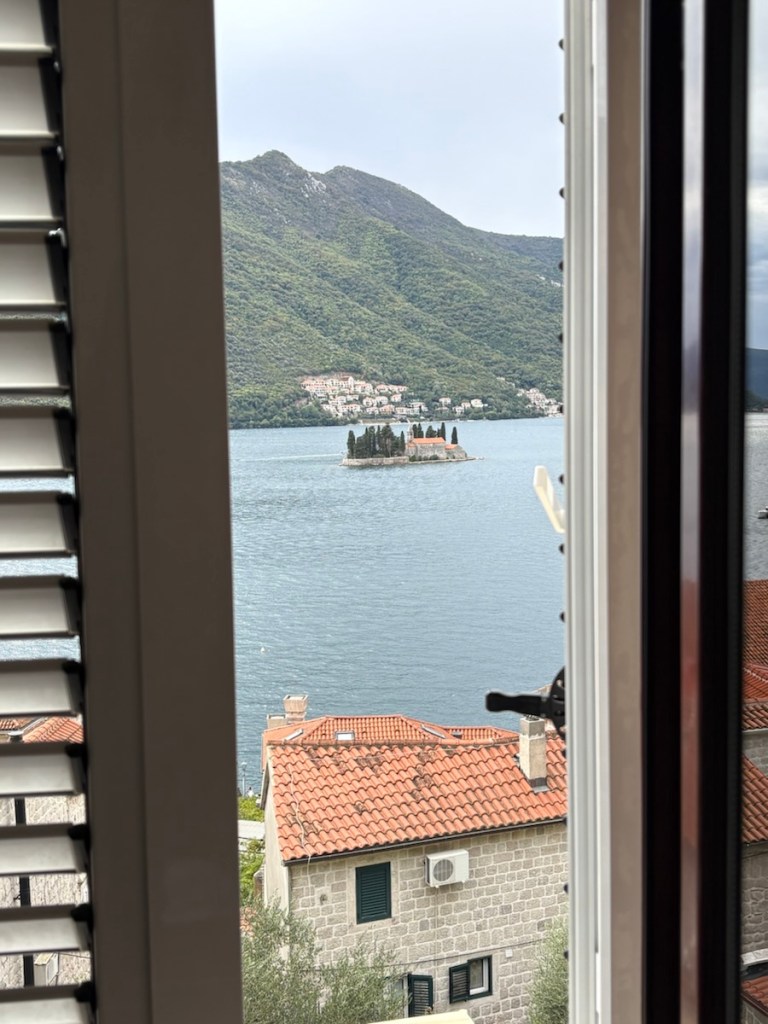
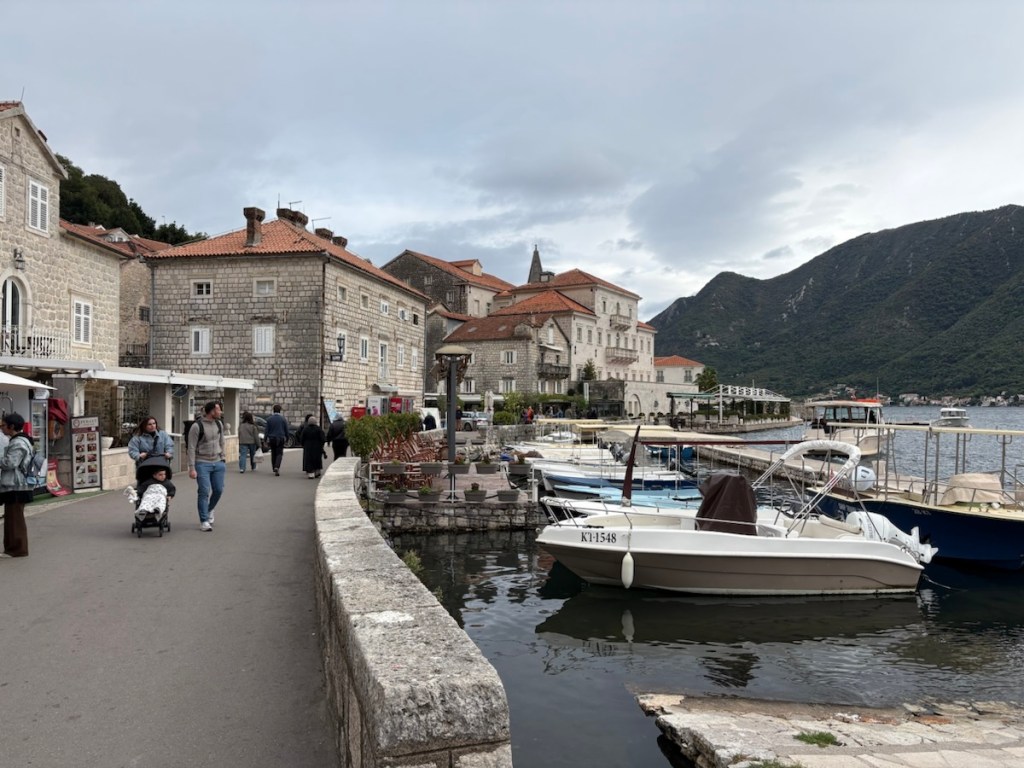
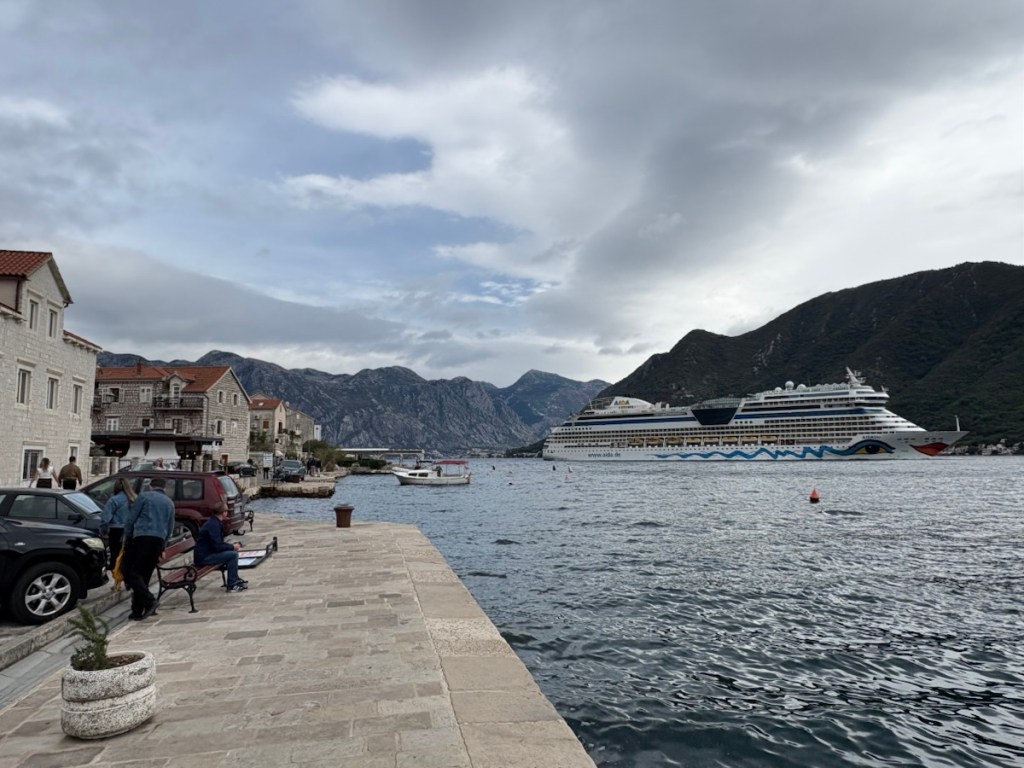
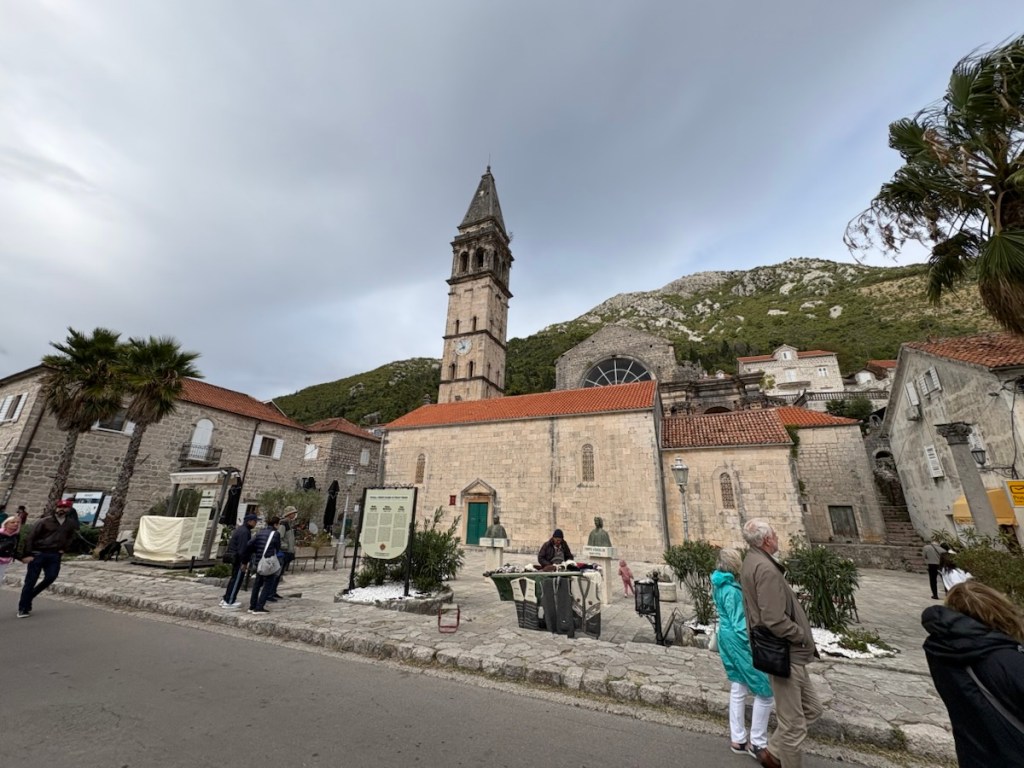
Another hour of travel on windy roads found me in Perast, Macedonia, my bayside home for the night! Perast is a charming baroque town located along the stunning Bay of Kotor, recognized for its well-preserved architecture and serene ambiance. The picturesque waterfront, lined with traditional stone houses, provides an enchanting backdrop to explore the narrow cobbled streets filled with quaint shops and cozy cafes. One of the highlights of Perast is the opportunity to visit the island church of Our Lady of the Rocks, an iconic symbol of the town. According to local legend, the island was formed by seatarers who laid stones and sunk old vessels over the years, creating a man-made island.
The Church of Our Lady of the Rocks, constructed in the 17th century, is central to the community’s maritime heritage. Visitors can marvel at its stunning frescoes, crafted by the famous painter Tripo Kokolja, and admire the carefully curated nautical-themed artwork displayed within. The church houses a museum that reveals the rich history of Perast and its surrounding waters, showcasing artifacts, historical relics, and maritime traditions that date back centuries.
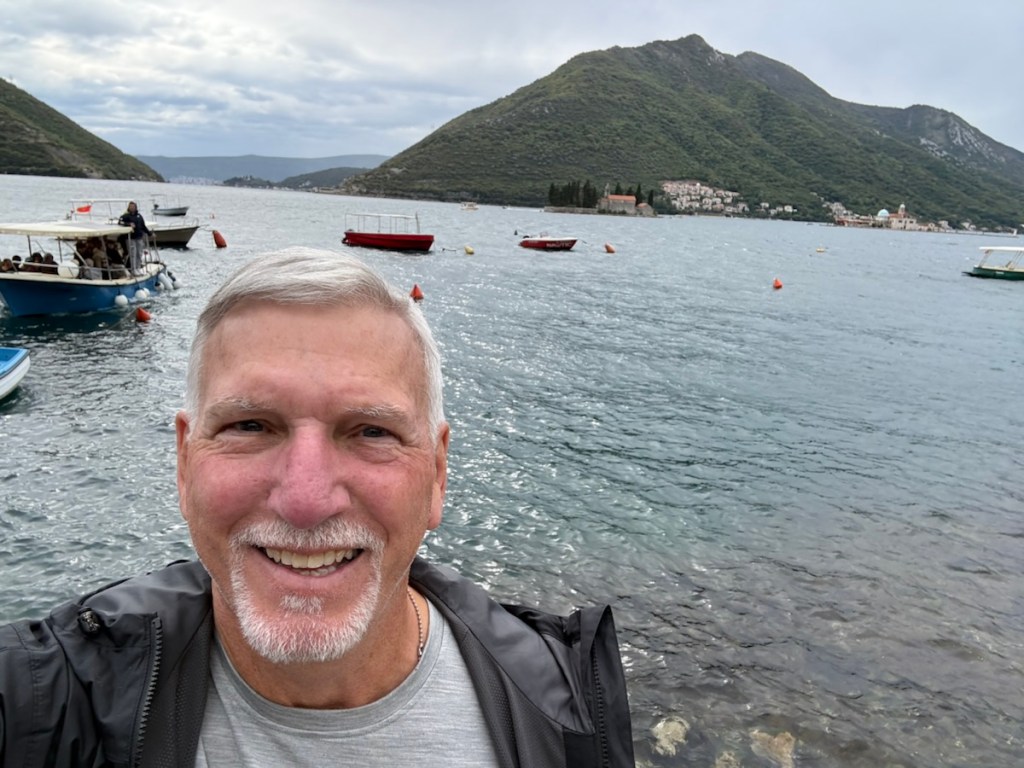
A boat ride to the island offers not just a scenic cruise, but also a sense of connection to a community that has celebrated its maritime culture for generations. Upon arrival, visitors can stroll through the church and its surrounding paths, taking in panoramic views of the bay and the nearby mountains. The island is also a popular spot for photography, as the interplay of the church’s white façade against the blue waters creates breathtaking visuals. (Source: Regional Travel Guide)
The Great Ravage of Perast (excerpt from the town’s remembrance celebration)
On June 22, 1624, a fleet of about fifteen galleys carrying around two thousand Barbary pirates from Tunisia and Algeria sailed into the Bay of Kotor. Passing by Herceg Novi, then under Ottoman control, they headed towards Perast, which, along with Kotor, was part of the Venetian Republic. In the evening, the pirates attacked ,Perast, which lacked sufficient defenders as many men were at sea. They ravaged the town, plundering houses and churches, and kidnapping residents, including children, women, and the elderly, leaving behind devastation and 415 abducted souls.
Despite significant losses, the people of Perast did not surrender. They refused to abandon their homes and strove to reclaim the kidnapped, demonstrating their resilience and bravery during the difficult times that followed. The total damage from the raid was estimated at over one hundred thousand ducats. The effort to liberate the kidnapped population involved direct ransoms, diplomatic efforts, and the sale of property. In the face of these hardships, Perast managed to survive and strive onwards, continuing to fight against pirates and Ottoman domination and proving its indefatigable will and resilience.
The commemoration of the 400th anniversary of the Great Ravage of Perast, an event that deeply impacted the history and spirit of this Adriatic jewel, is demonstrative of the unflagging commitment of the locals and local institutions to further illuminate and interpret the circumstances of the event and its consequences, and to explore the key factors that enabled Perast’s recovery and development.
Before you go…
“I find that the harder I work, the more luck I seem to have.” — Thomas Jefferson

 A Captain’s Adventures