
I had a comfortable three and a half hour drive south to Sarajevo through the morning fog. Little traffic, and eventually sunshine broke through.
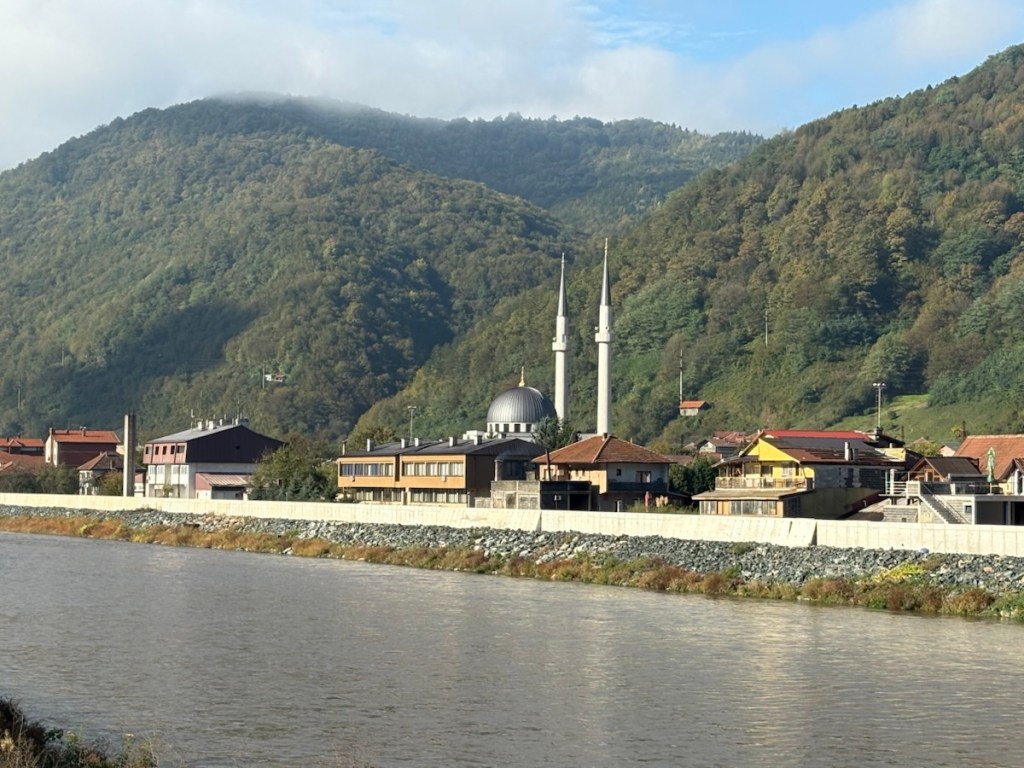
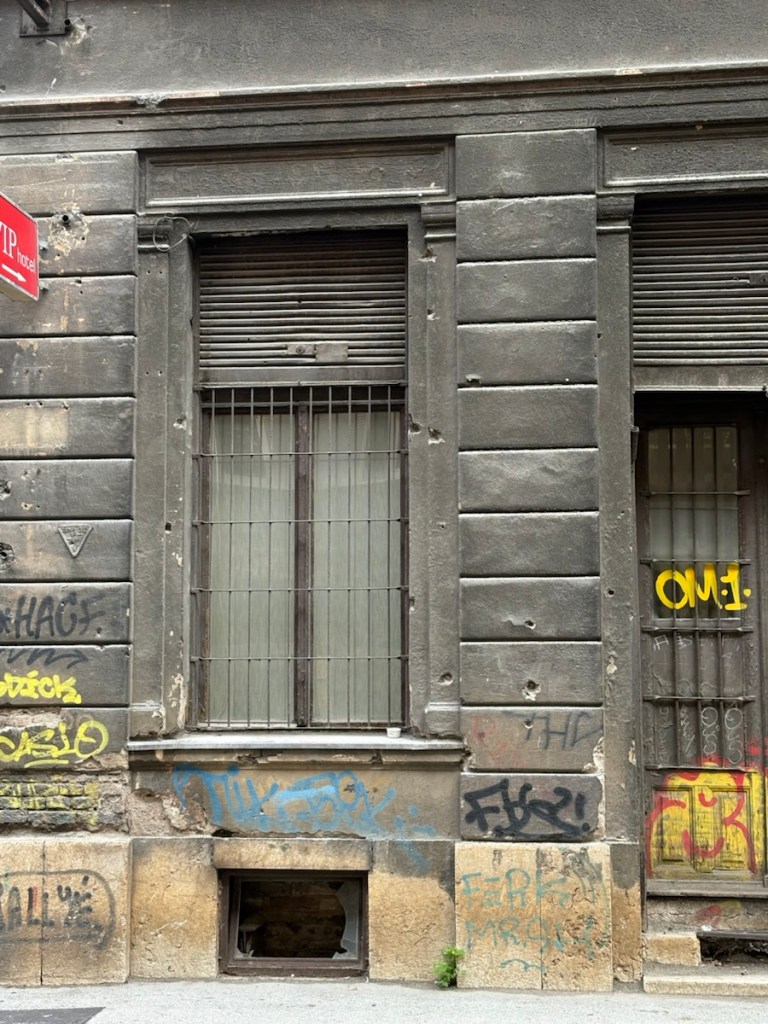
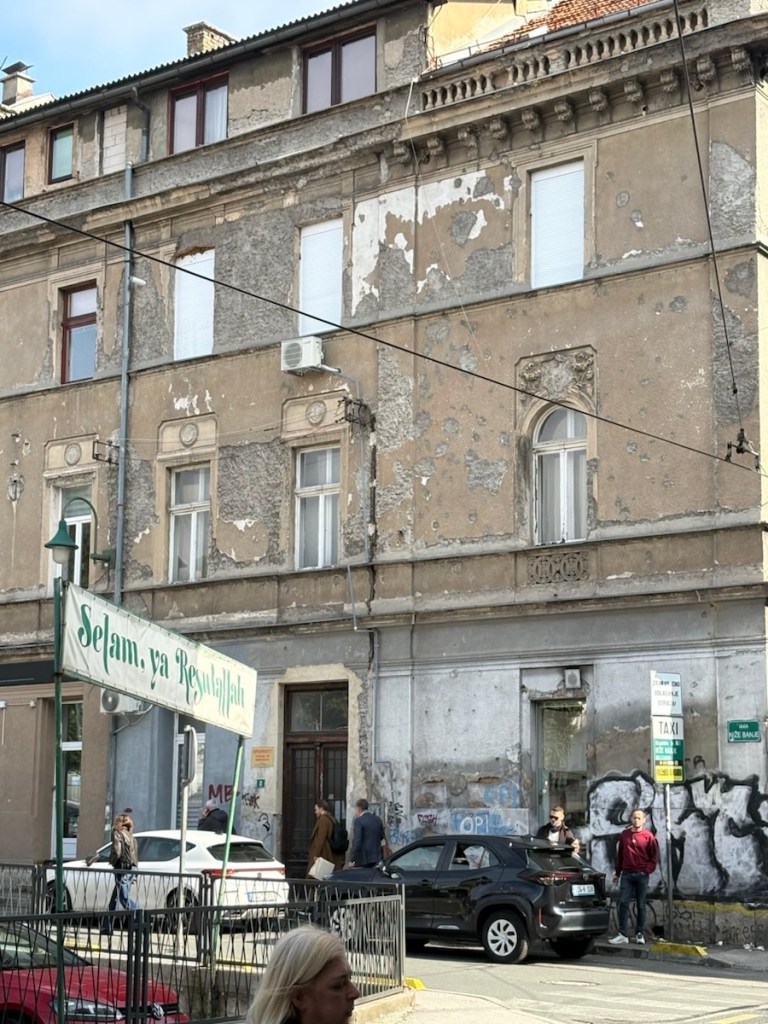
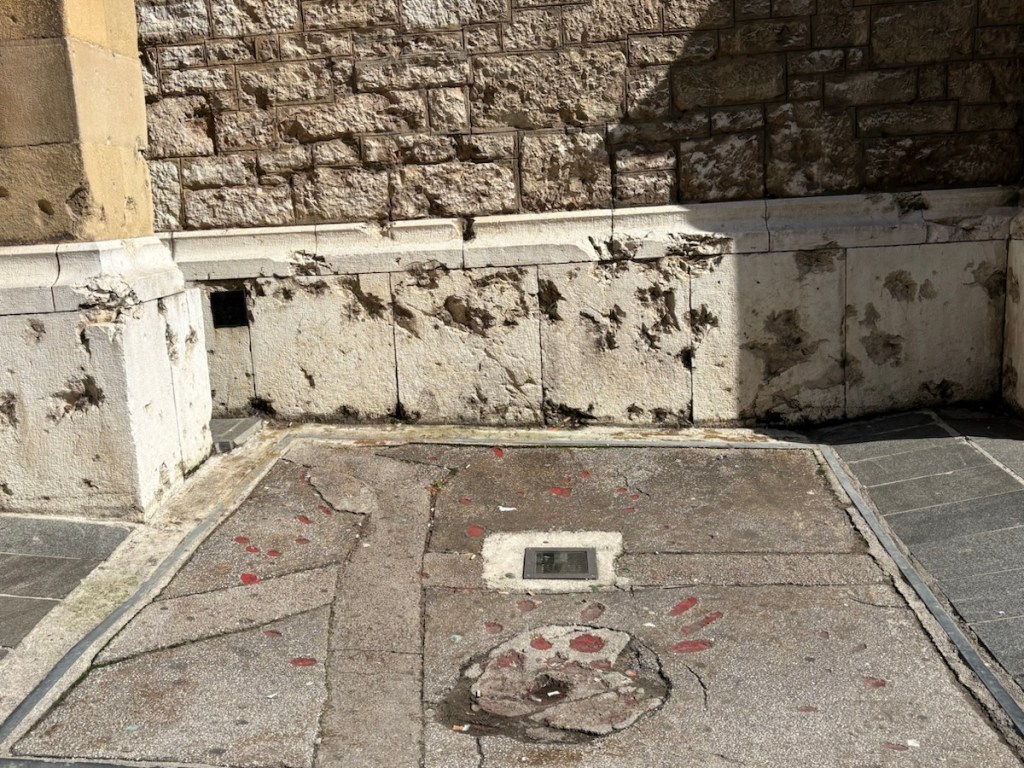
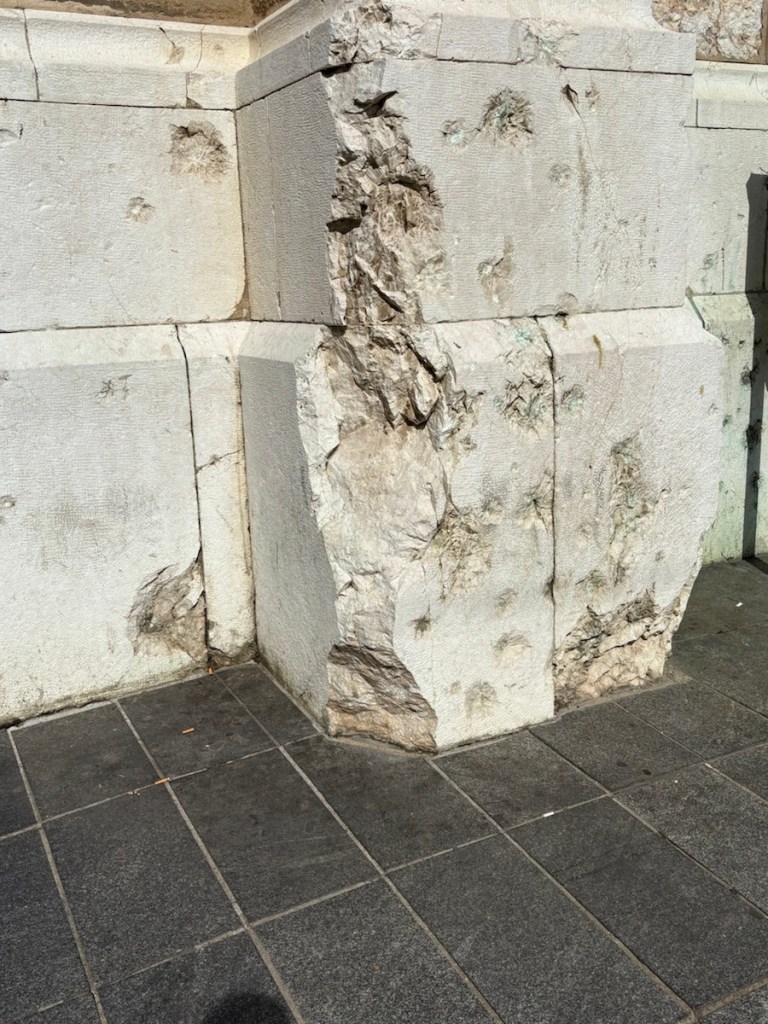
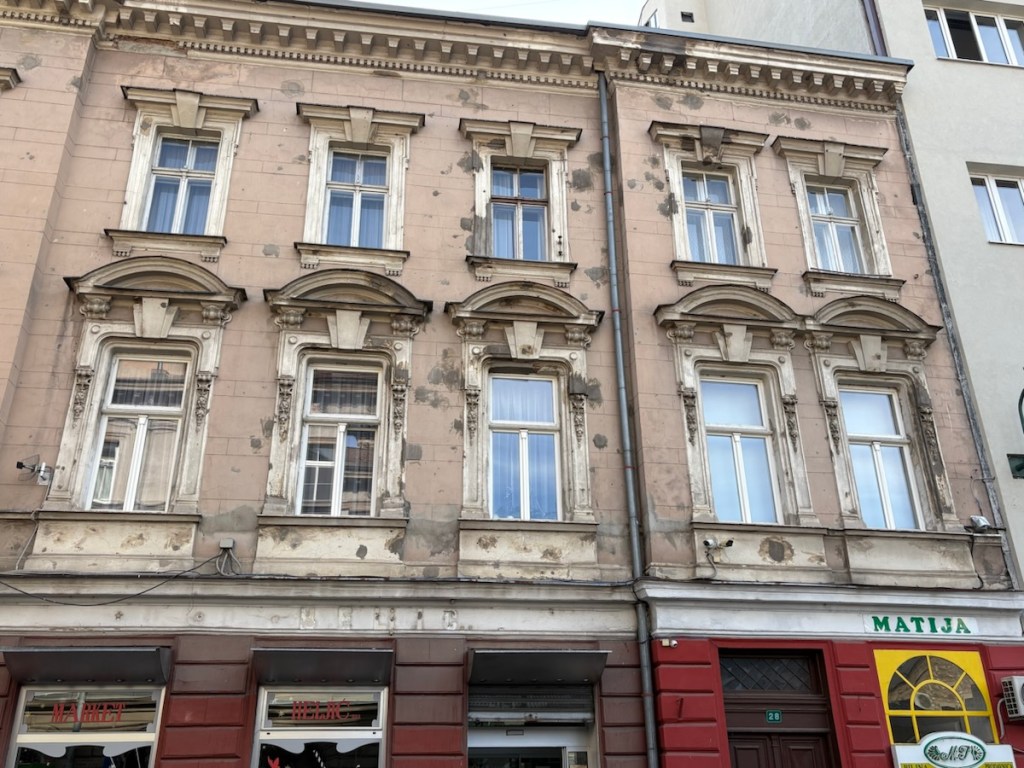
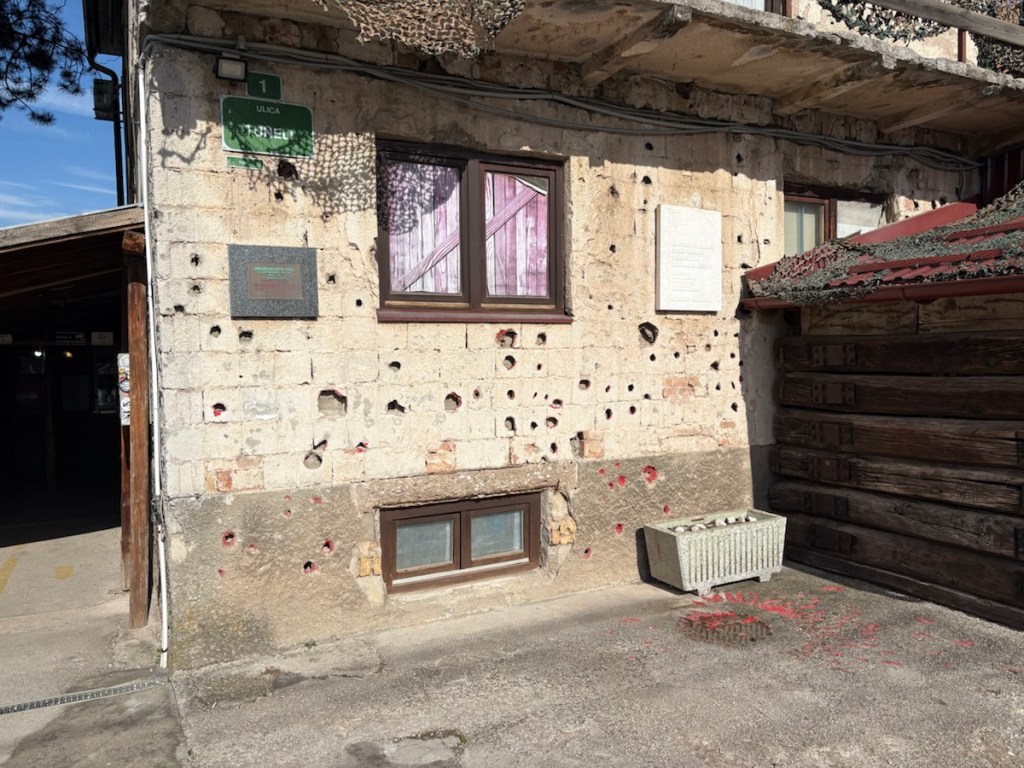
I arrived in Sarajevo around 10:30 am and headed to my lodging for the night. The city was host to the 1984 Winter Olympics. But after several years of war in the 1990s, the city is certainly not on par with some more modern Balkan cities. The battle damage on buildings in Sarajevo is still readily apparent. But it does seem to be a lively and vibrant atmosphere and I hope prosperity returns.
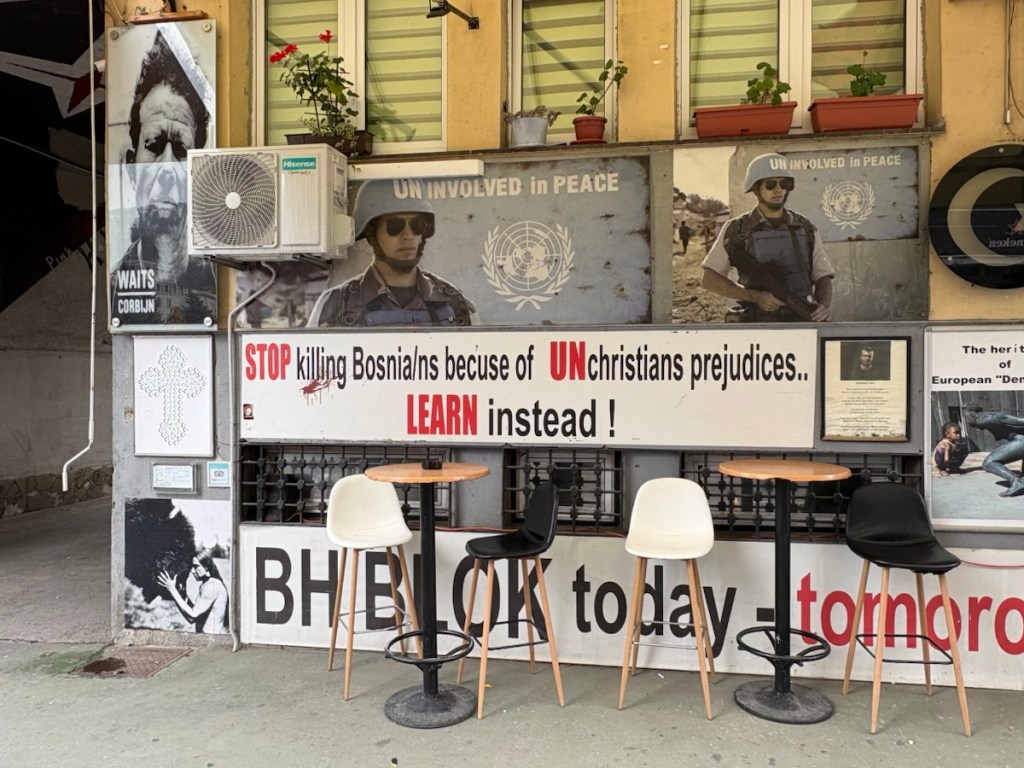
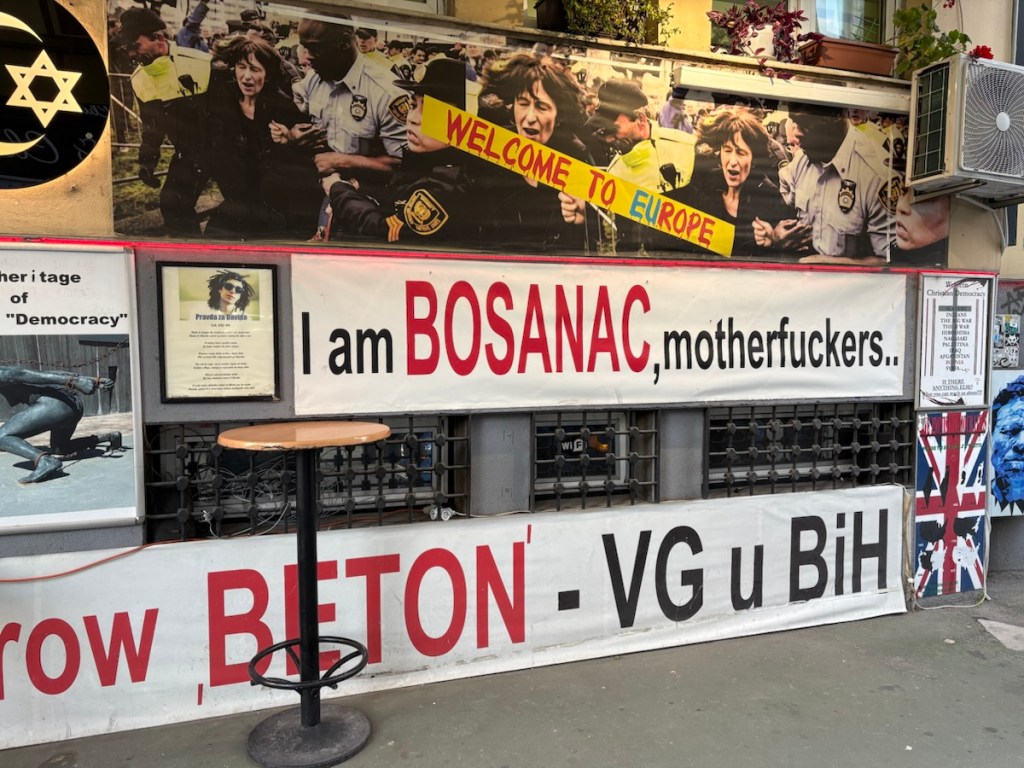
So I checked into my room early, and went out to find a laundry. The threads are all pretty stinky after ten days. A map search of the area quickly popped up, Tito’s Iron Fist Socialist Laundry. And I was glad I found it! What a cool, convenient, and unique operation. Wash, dry, and fold service for a full load was less than $15.
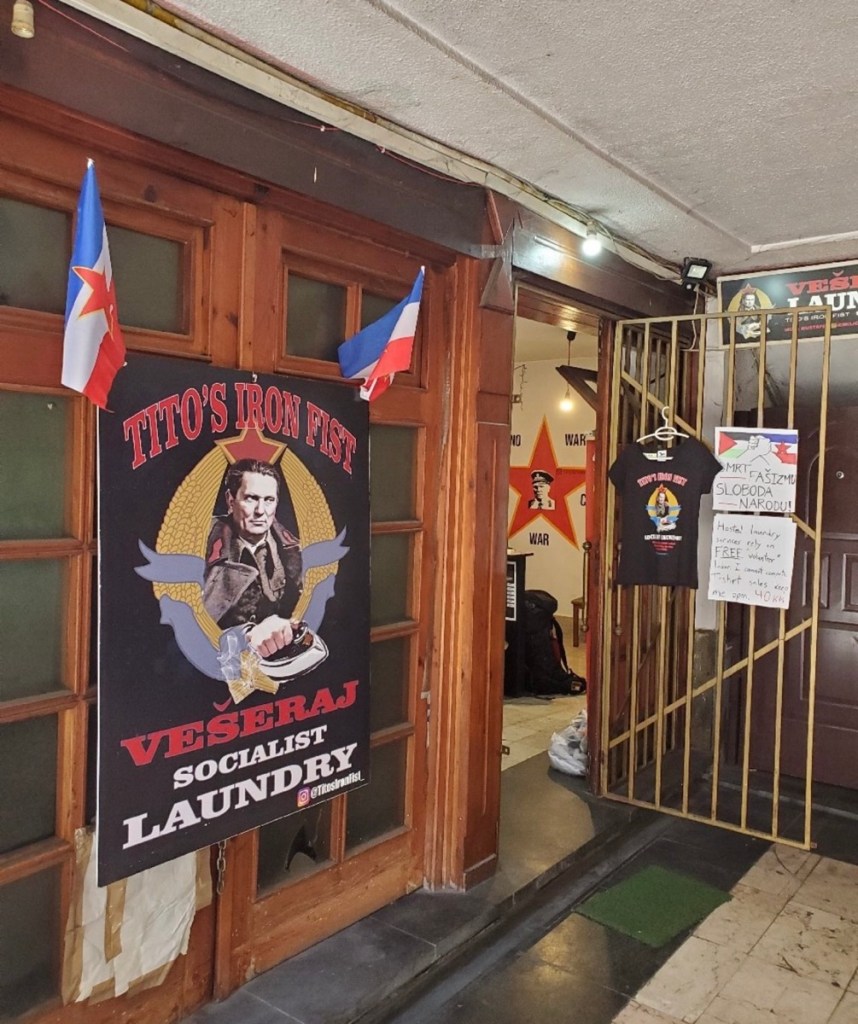
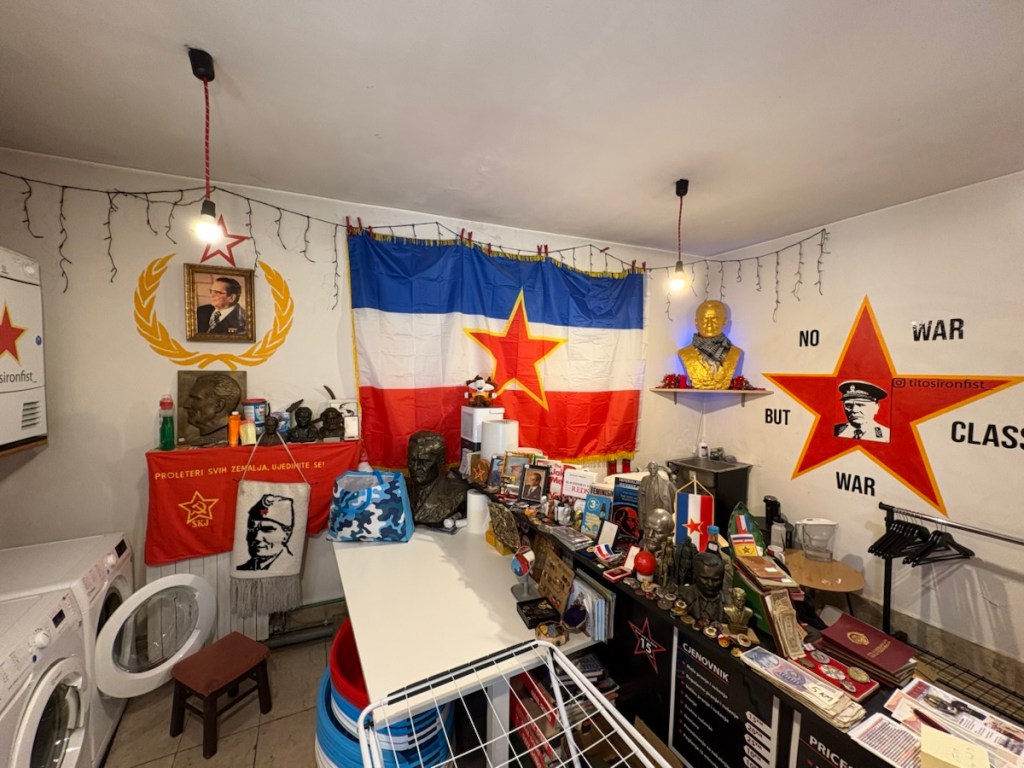
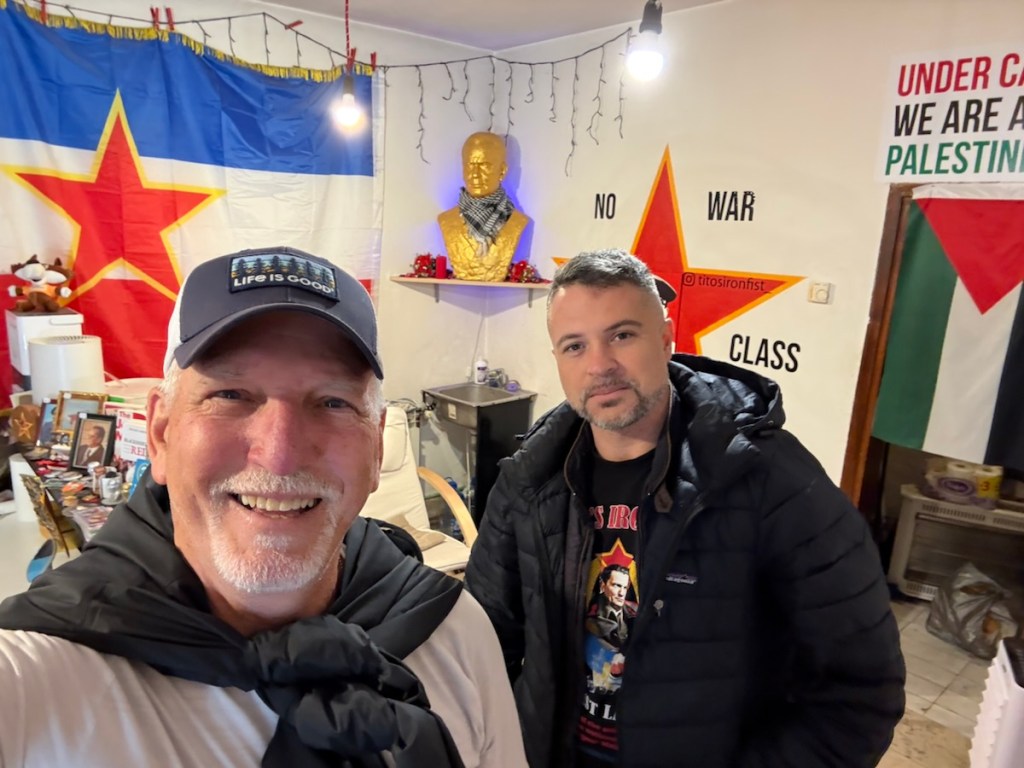
Here’s the laundry’s interesting web description:
“Number one laundry service for the global proletariat that hammers down on dirt with an ironfist under the golden gaze of Josip Broz Tito [the dictator of the former Yugoslavia]. Conveniently located next to Baščaršija tram stop. Drop off your laundry and come pick it later. This is a full service laundry: your clothes will be washed, dried, folded, and packaged in a fresh plastic bag. Comrades are welcome just to visit, take pictures, watch propaganda and browse the books, antiques and t-shirts. Native English spoken.”
How’s that for a unique business shtick and marketing!
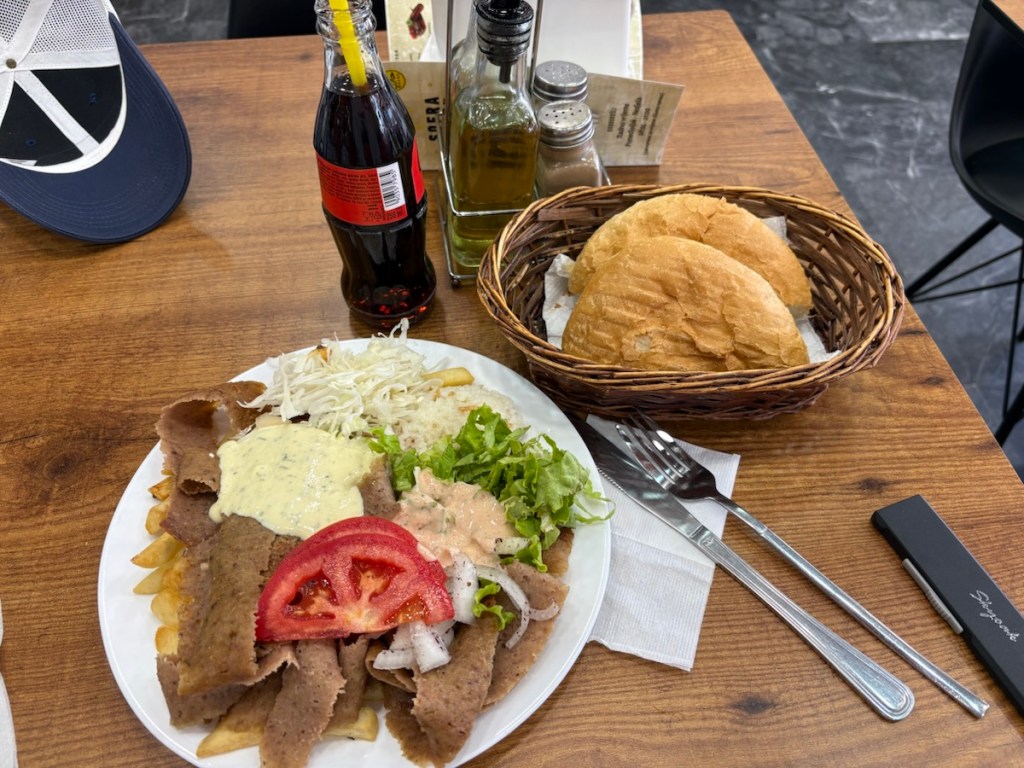
Lunch of Turkish food
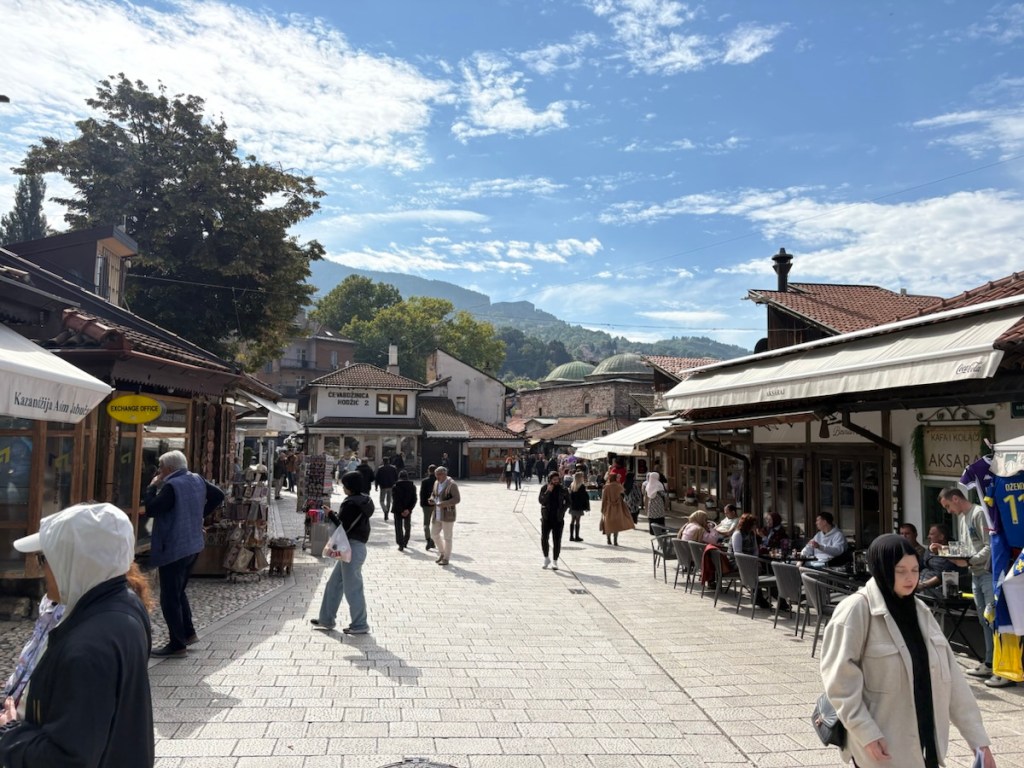
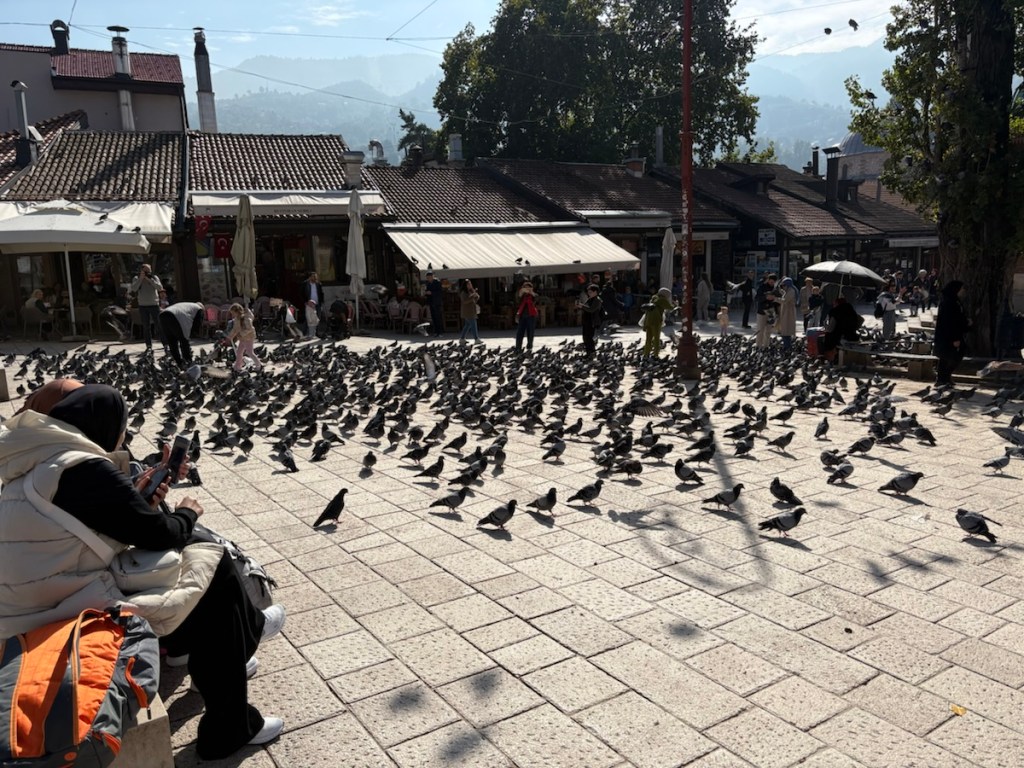
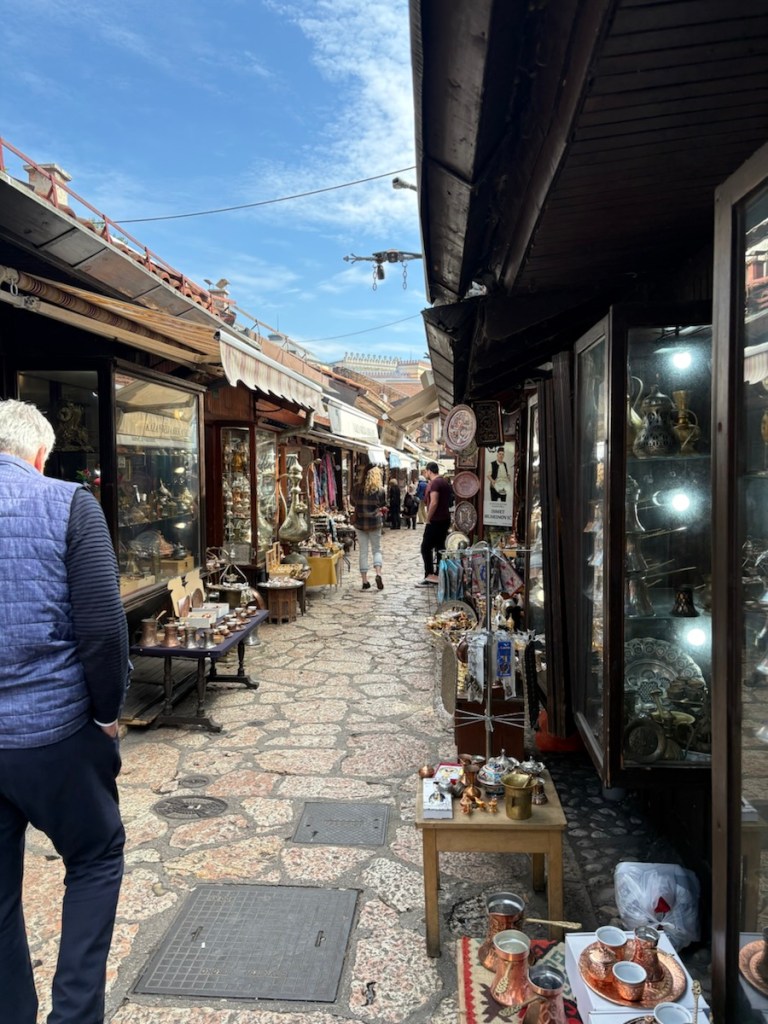
Part of the old town was lined with shop another shop – looked like a Turkish bizarre with so many shops of metal work and jewelry.
The Tašlihan Archaeological site
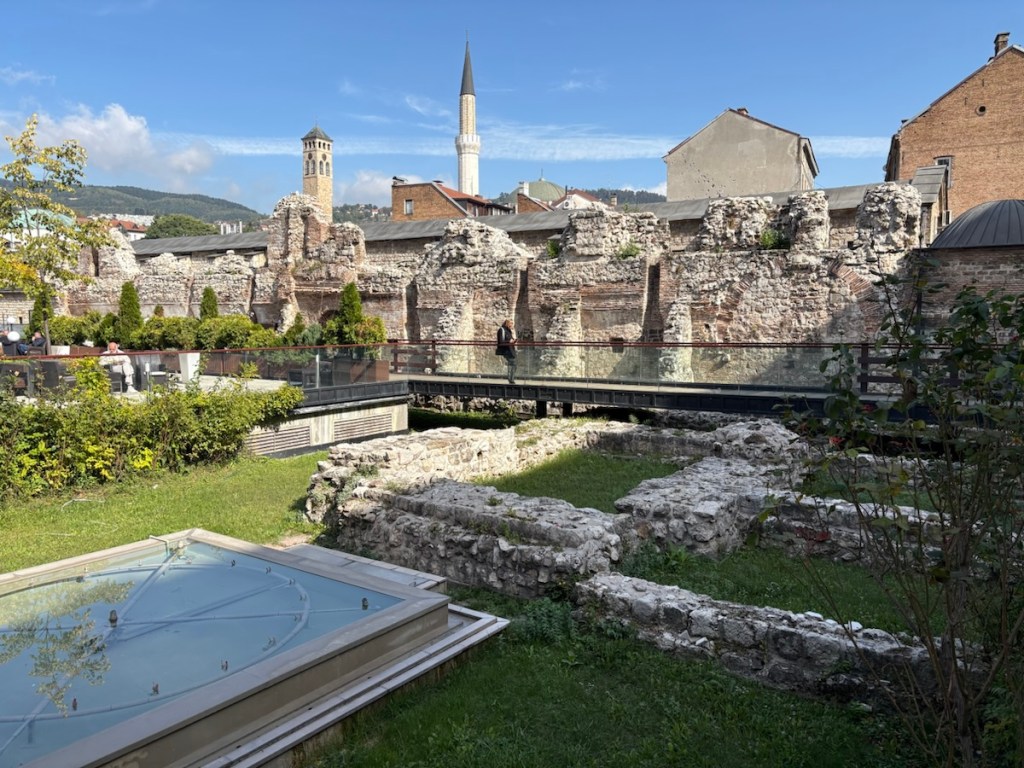
The original purpose of caravanserais and hans (khan: an inn or hostel for merchants) was to provide accommodation for merchants and their wares and horses. In 1878 there were fifty caravanserais and hans in Sarajevo, of which the most important were Kolobara, the Tašlihan and Morica han.
The Tašlihan, also known as the stone han, Husrev-bey caravanserai or old han, was built betwen 1540 and 1543, at the same time as the bezistan, with which it was physically connected.
Unlike other hans, where the courtyard was designed primarily for loading and unloading goods, the courtyard of the Tašlihan contained a row of shops, making it a trading han. The courtyard also contained a sebij (public fountain) with a mosque on piers above it. Two stone staircases near the main entrance to the han led from the courtyard to the rooms and landing on the first floor. The rooms were covered by small domes, and the landing by a barrel vault. The Tašlihan was damaged on several occasions by fire, and was completely destroyed by the fire of 1879.
Nikola Tesla was born on July 10, 1856 in Croatian Bika, but he spent almost all of his life in America. He graduated Senior Technical School in Graz, and received first employment at Maribor as auxiliary engineer. He worked around Europe, and graduated from College in Paris. Since 1884 he worked at Edison Laboraforg in New York for a short while.
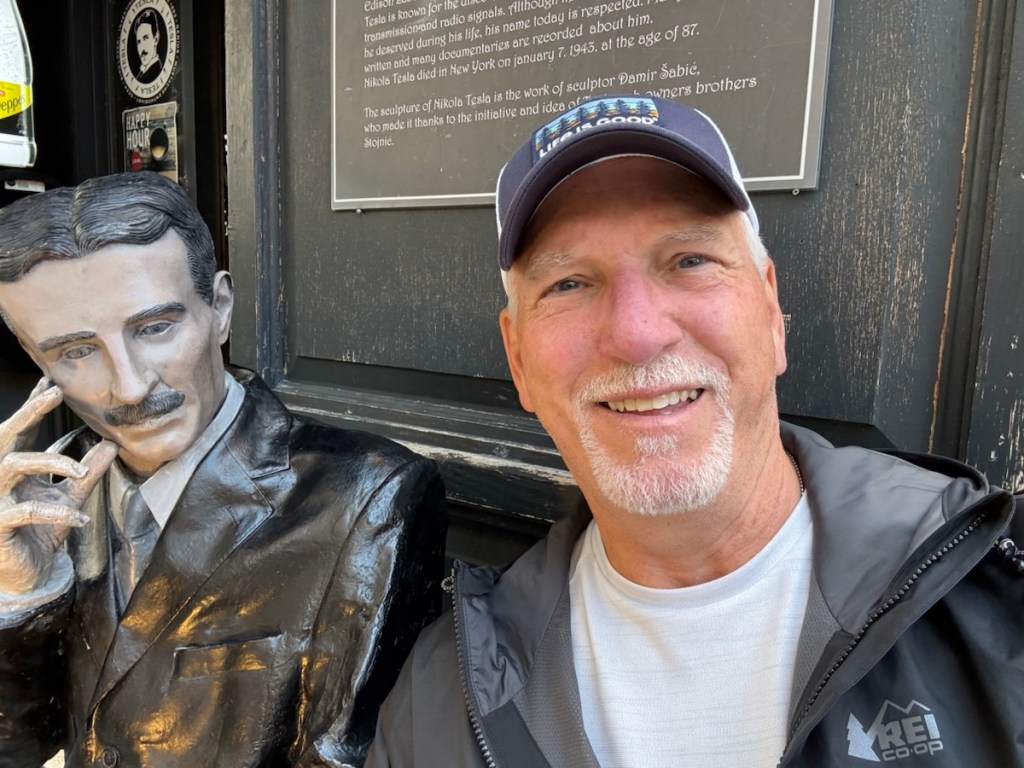
Tesla was known for the discovery of multiphase electric power, wireless power transmission and radio signals. Although he was not appreciated as much as he deserved during his life, his name today is respected. Many books are written and many documentaries are recorded about him. Nikola Tesla died in New York on January 7, 1943. at the age of 87. (The sculpture of Nikola Tesla is the work of sculptor Damir Sabié, who made it thanks to the initiative and idea of Tesla pub owners brothers Stojnić.)
Cathedral Church of the Heart of Jesus
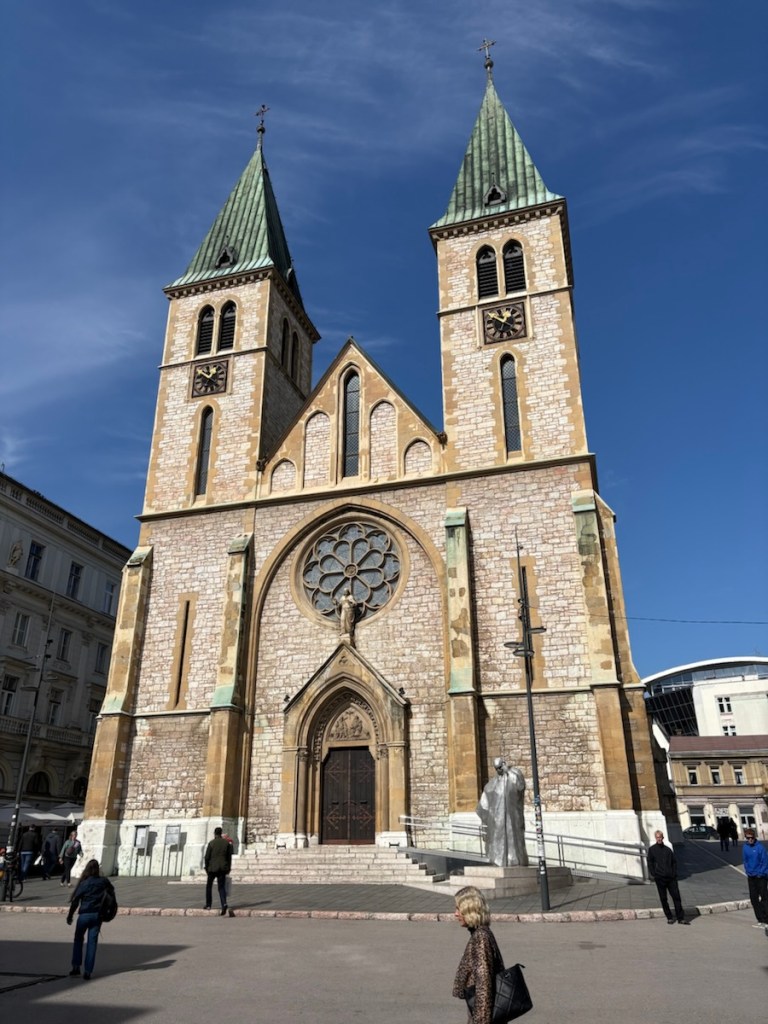
The cathedral, which took five years to build, was opened in 1889. It was designed by Josip Vancaš (1859-1932) as a triple-aisled church in the electic manner, with neo-Gothic elements predominating. The statue of the Heart of Jesus at the top of the portal is the work of the sculptor A. Hausmann of Vienna.
GAZI HUSREV BEG’S MOSQUE
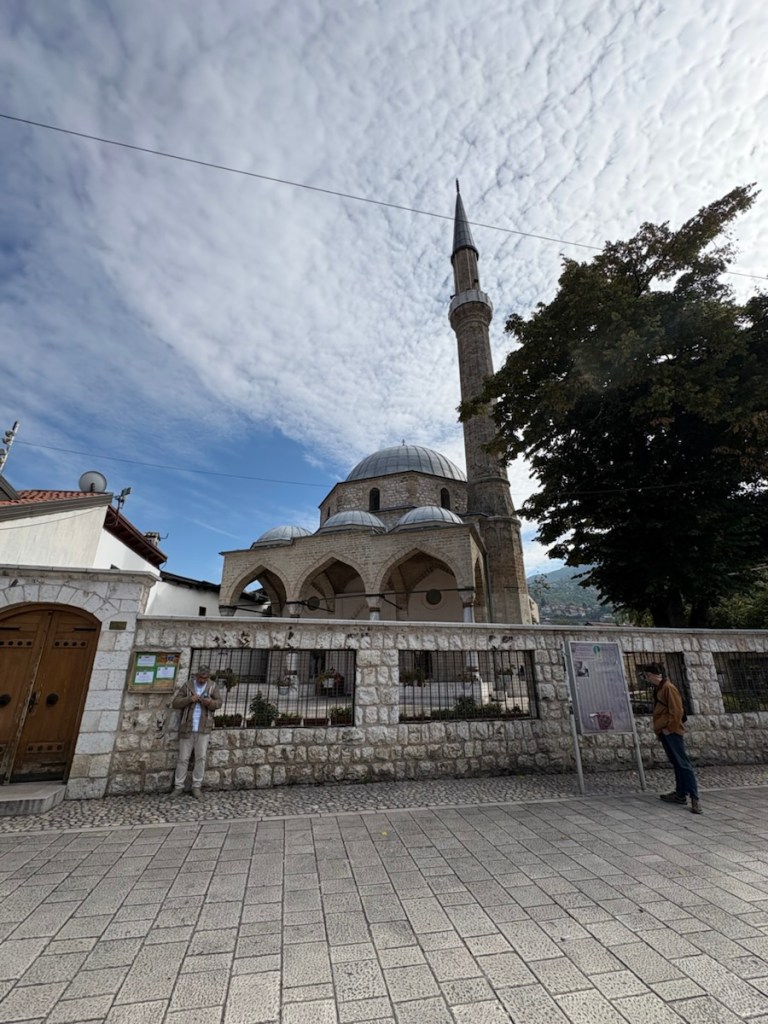
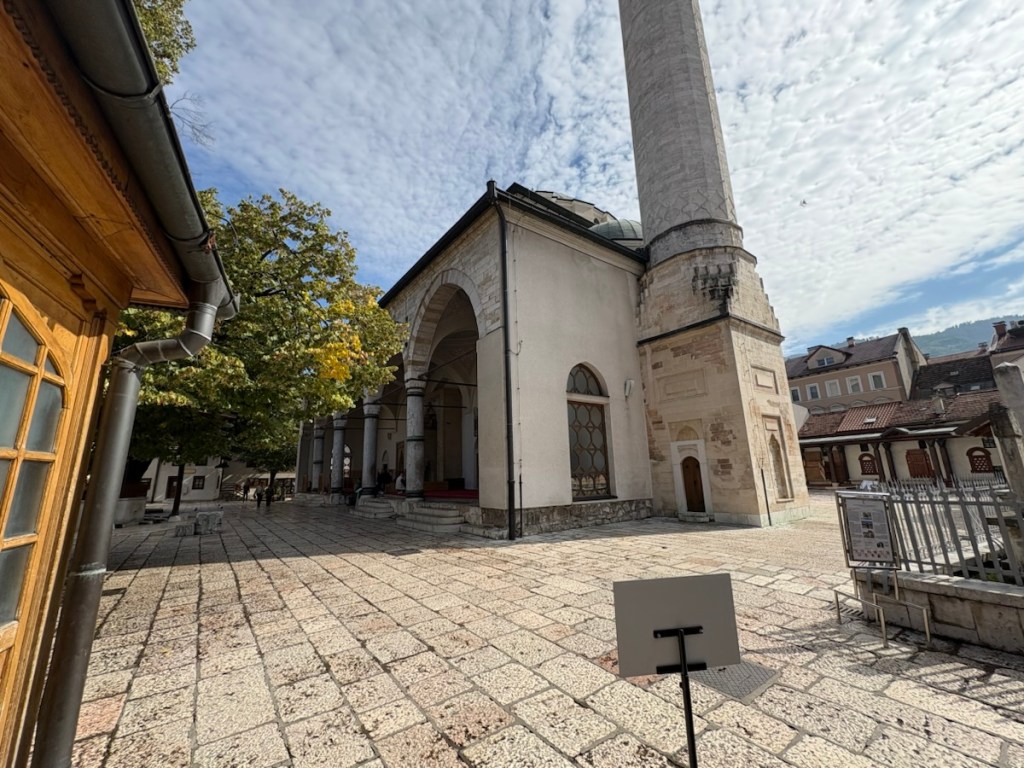
Gazi Husrev Beg’s Mosque is the most monumental mosque of the Ottoman period and one of the finest examples of Islamic architecture in Bosnia and Herzegovina. The mosque was built in 1530 by Gazi Husrev Beg and designed by Ajam Asir Ali, who was the chief architect in the Ottoman Empire at that time. Above the entrance to the mosque an epigram was engraved on a tablet of stone on the occasion of the building of the mosque. From the minaret, which is 45 m in height, the voice of a muezzin resounds five times a day calling the believers to prayers, and this has been a tradition ever since the mosque was built.
In the afternoon, I took a four hour driving tour to sights in and around Sarajevo. Surprisingly, I was the only person signed up! My guide and driver, Mustafa, was fantastic, and lived through the siege of Sarajevo as a young teenager! We had great in-depth discussions about the war, the reasons for the conflict, the division of the territory at the end of the water, and the current state of relations in the “unified” country, as well as America and American politics,. Quite interesting, and I’m sure I’ll get some different perspectives when I head into neighboring Serbia tomorrow.
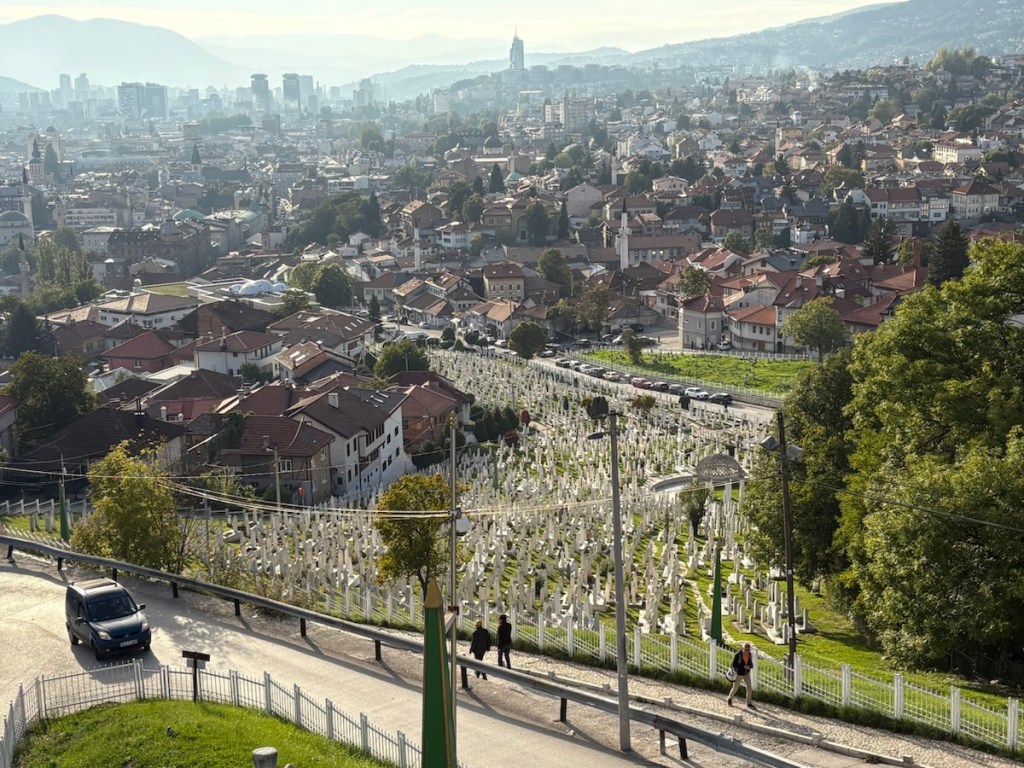
Sarajevo was almost entirely surrounded by Serbian forces during the 1992-95 war. So the Bosnians in Sarajevo built an 800 meter tunnel under the airport during the war. The tunnel ran from inside Sarajevo, under the UN occupied airport, and into the Free Bosnia sector. The purpose was to get troops, weapons, supplies, and food back and forth in out of the city.

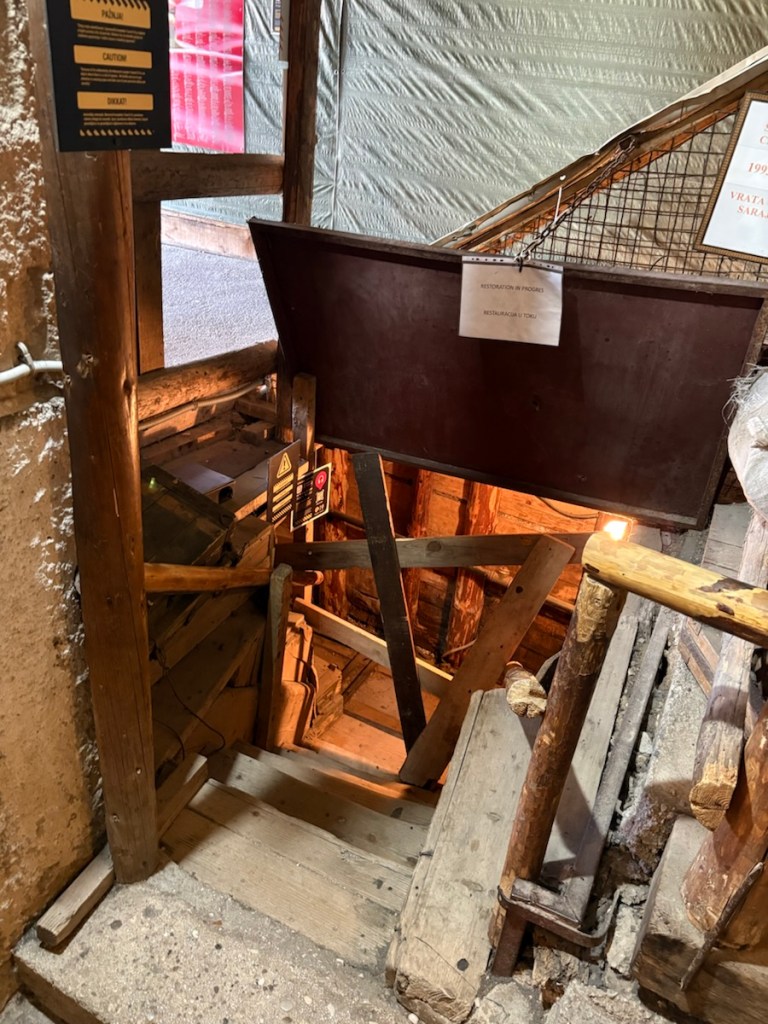
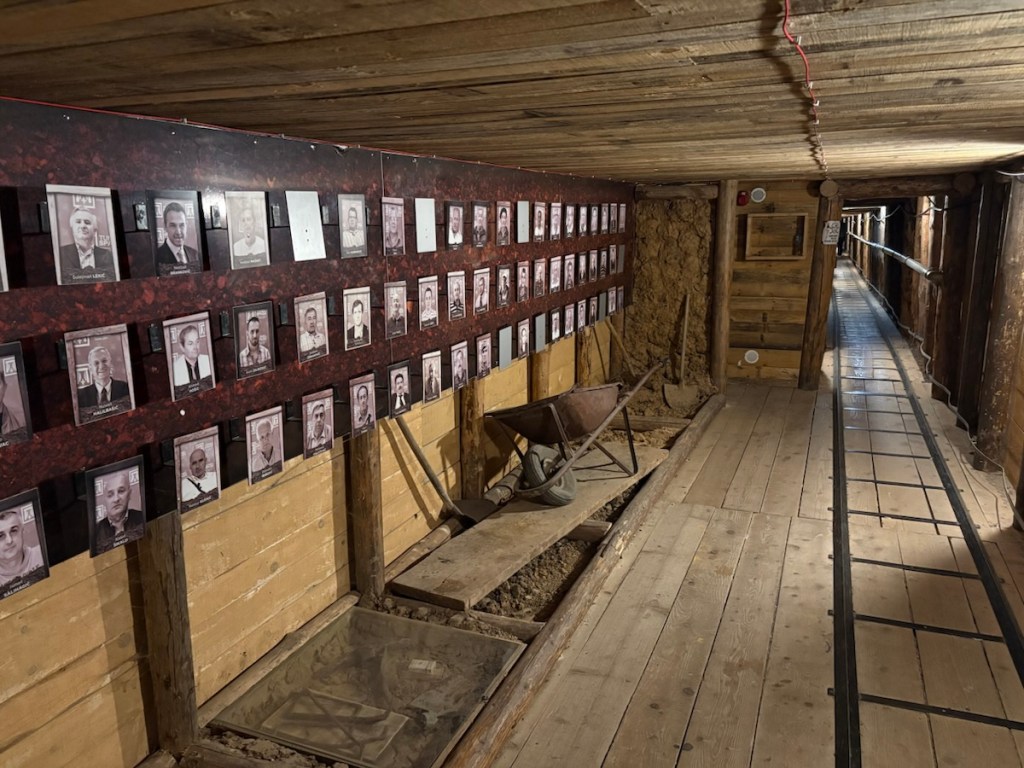
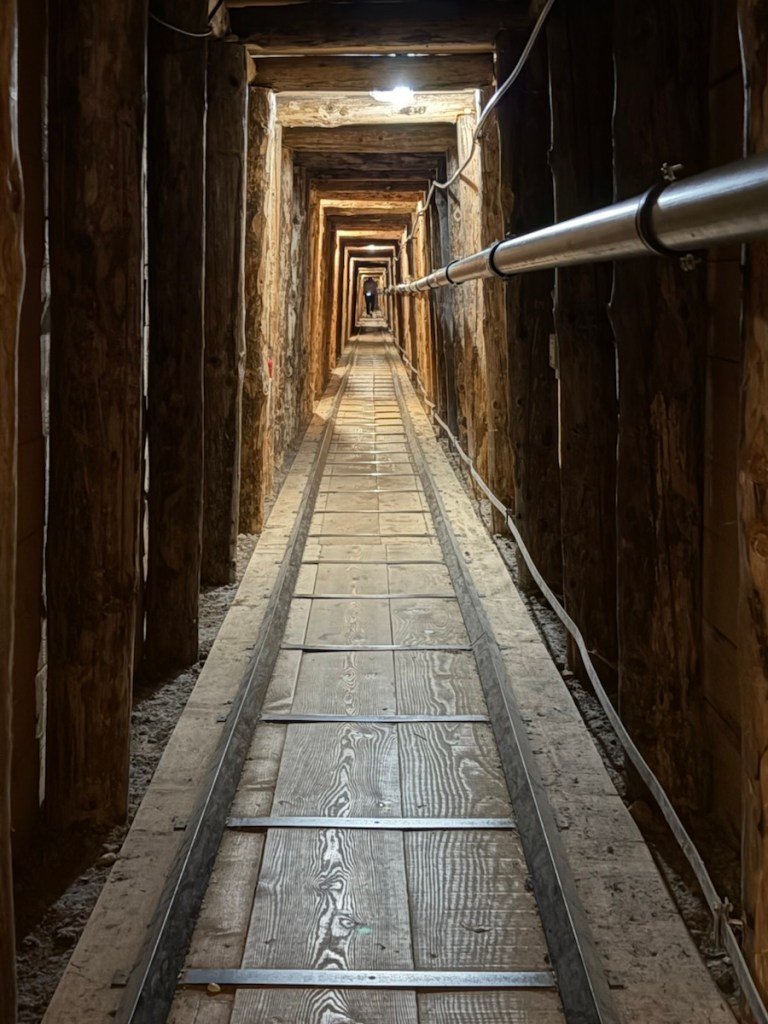
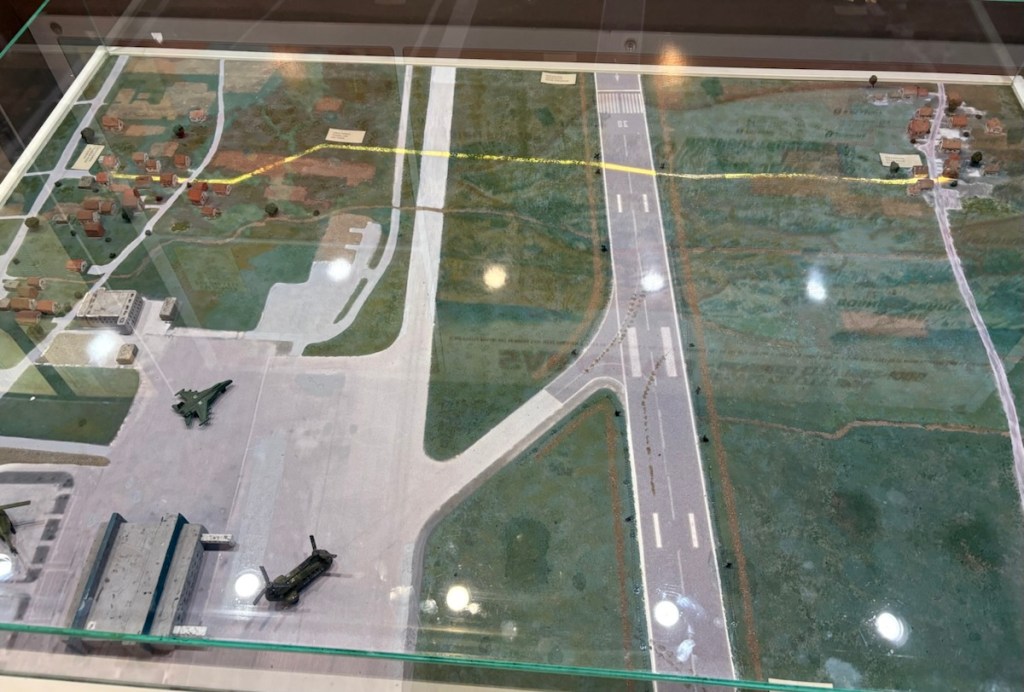
And here are more photos from my drive around the city and surrounding mountains.
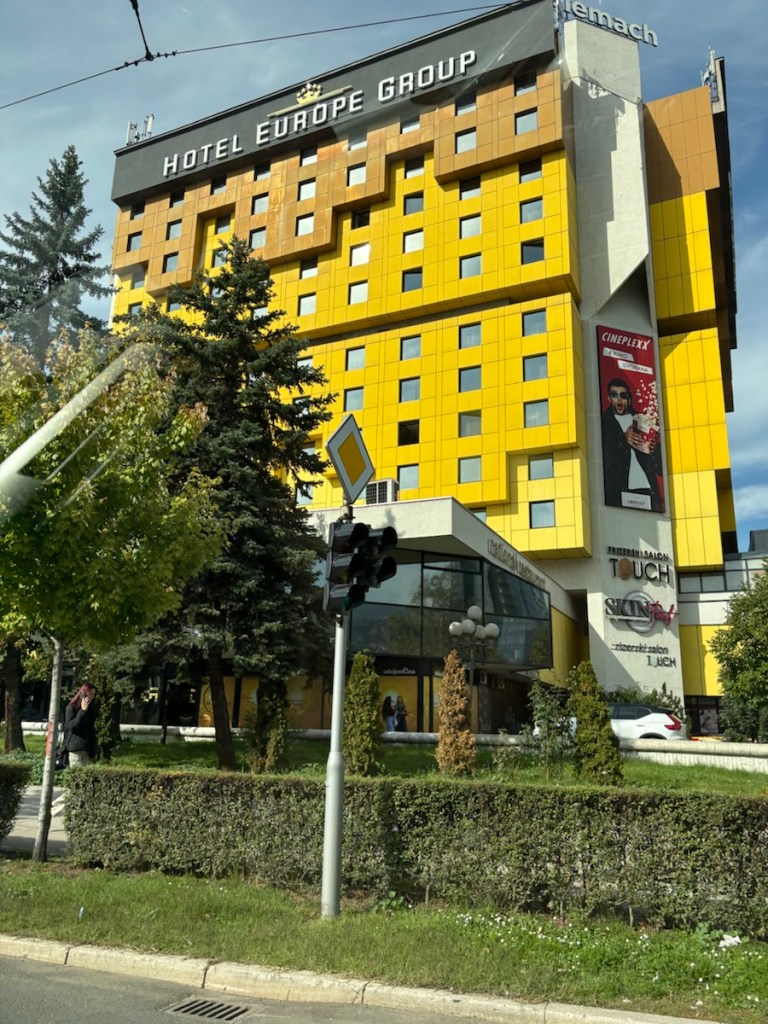
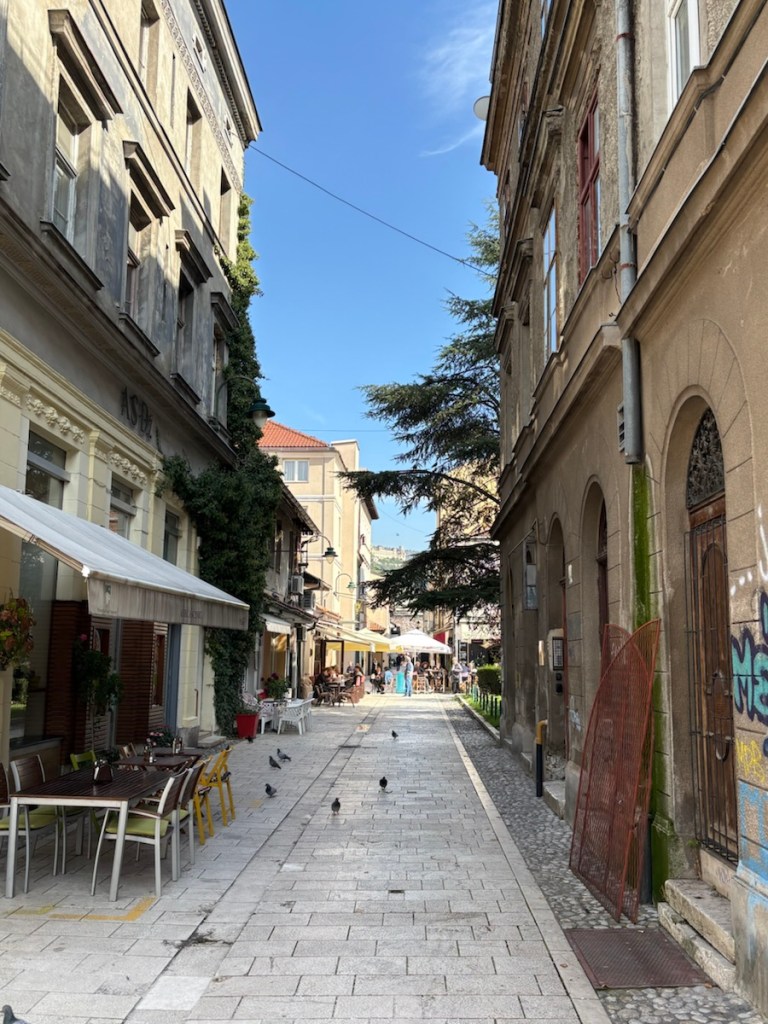
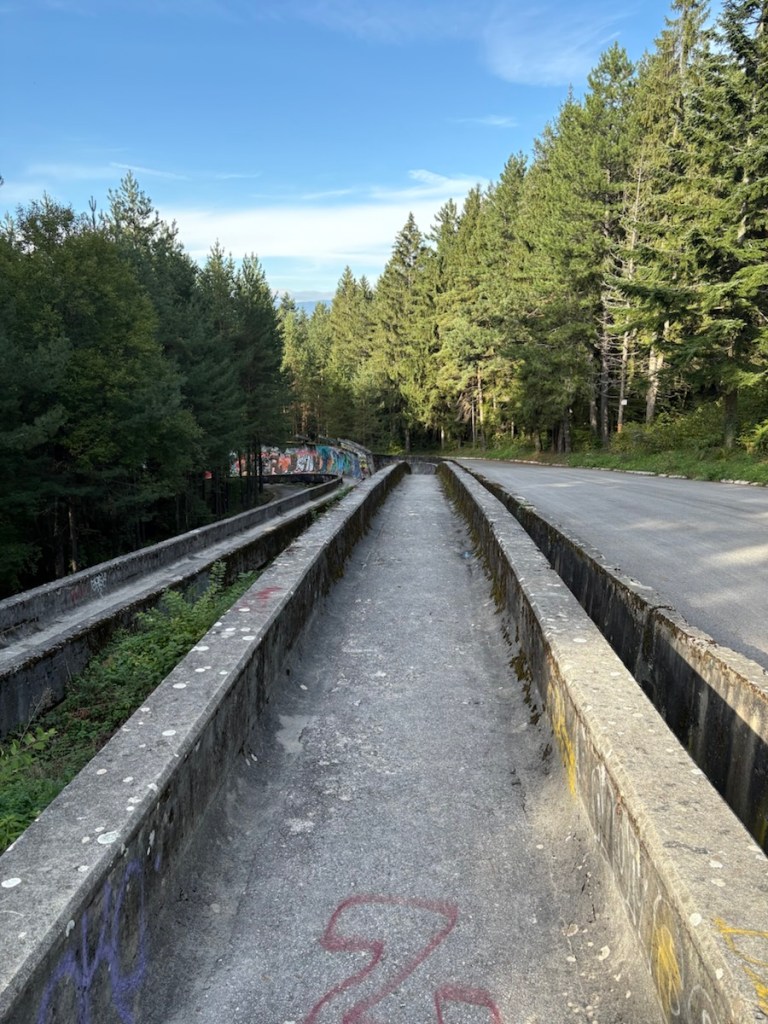
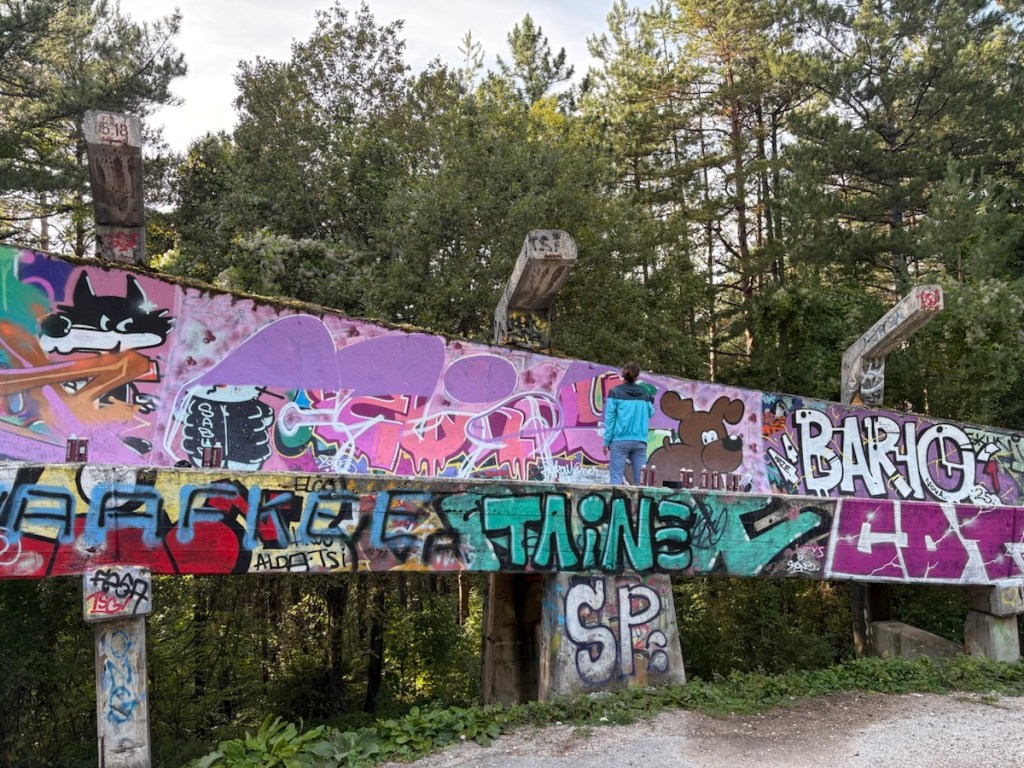
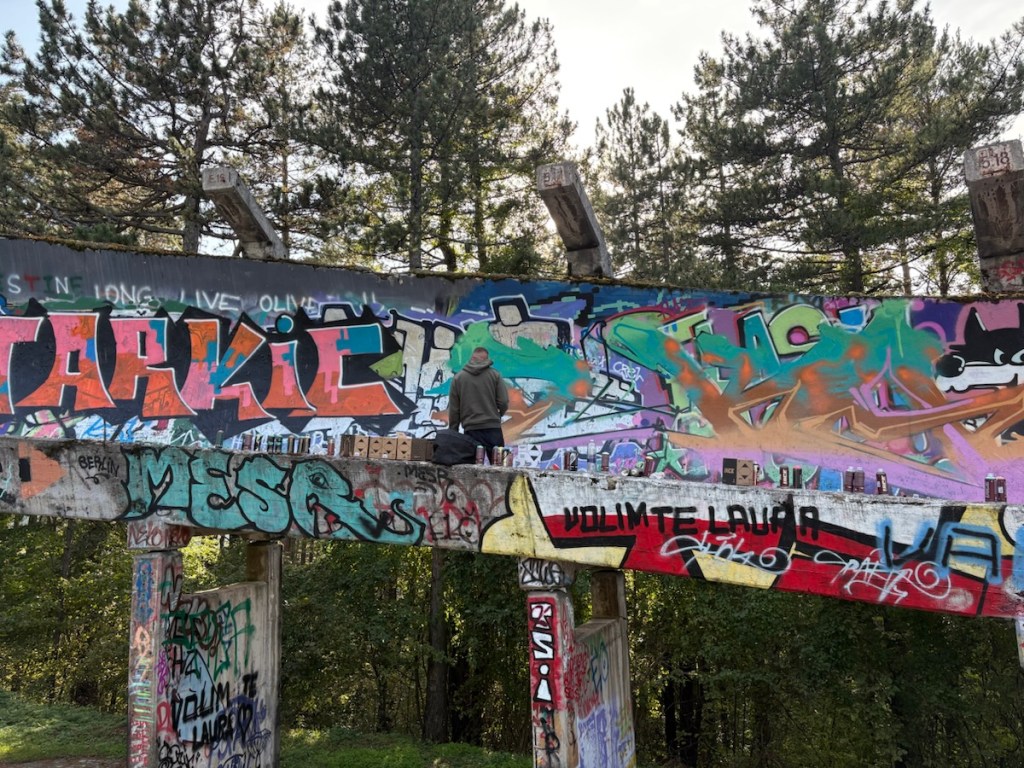
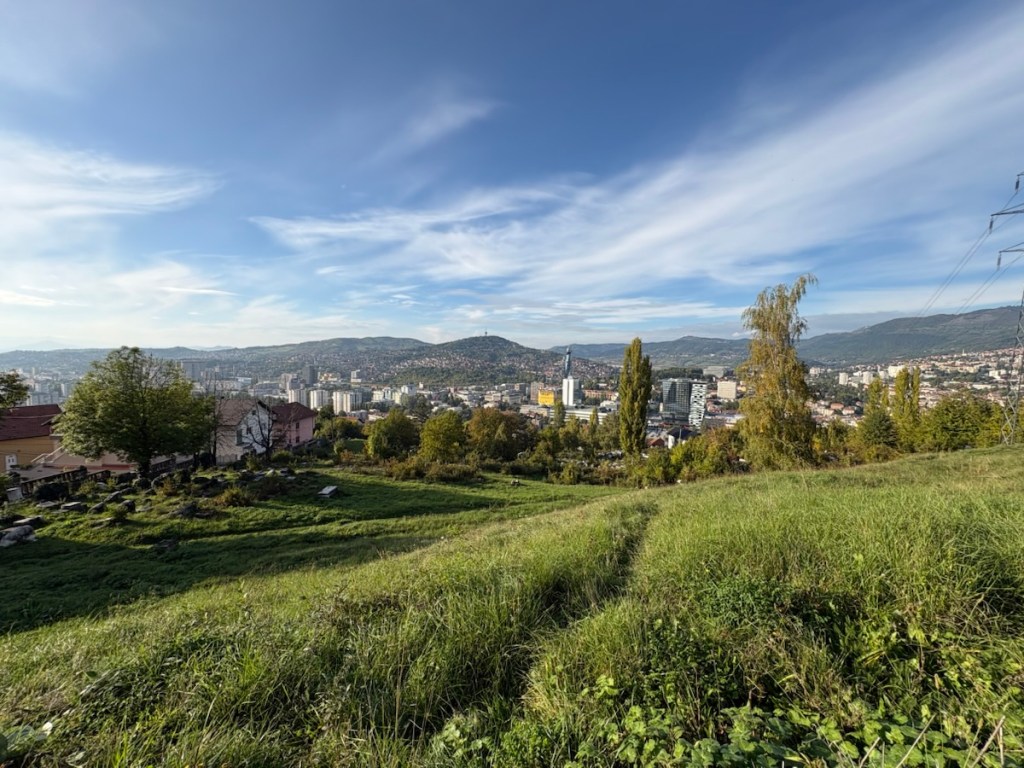
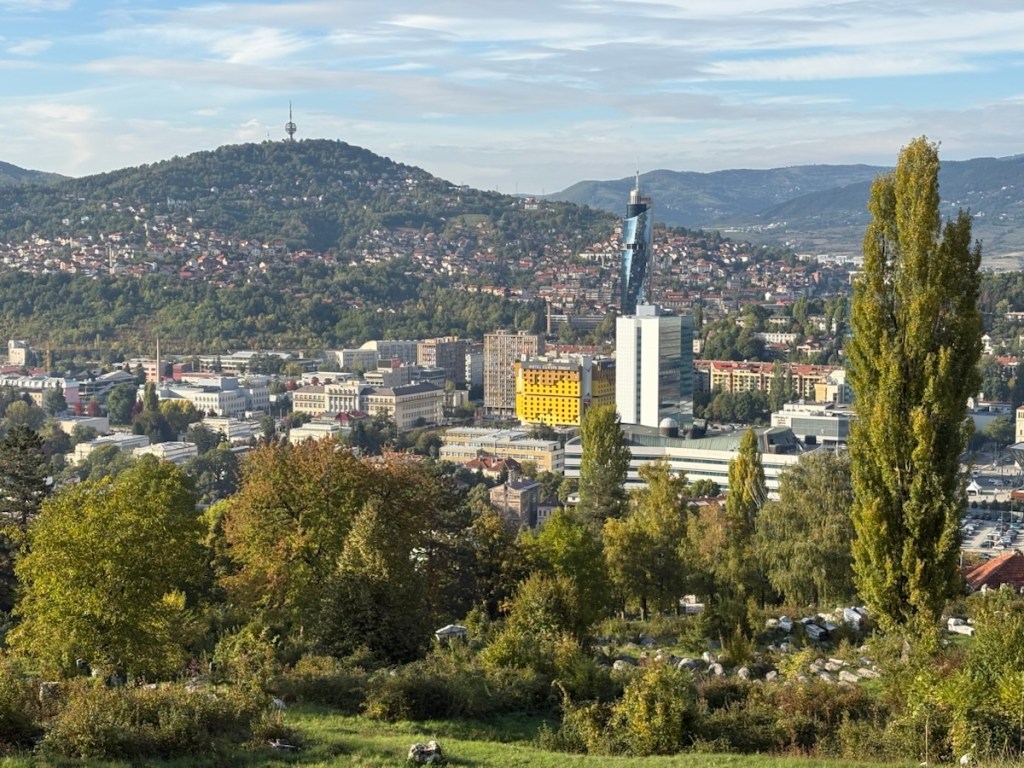
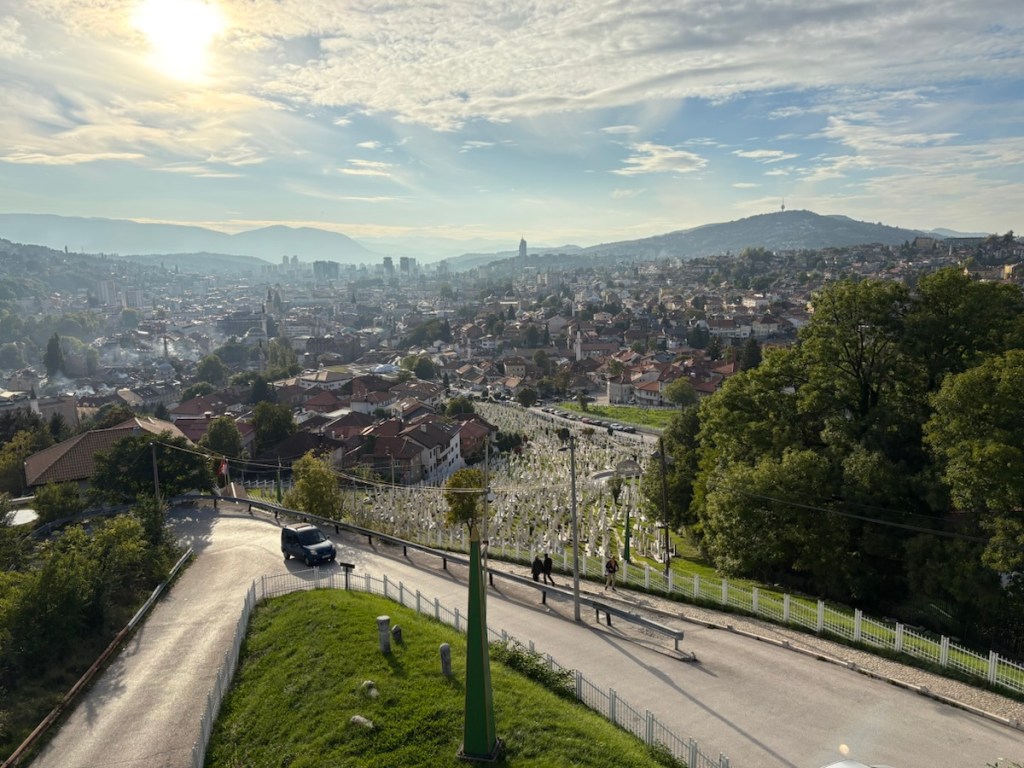
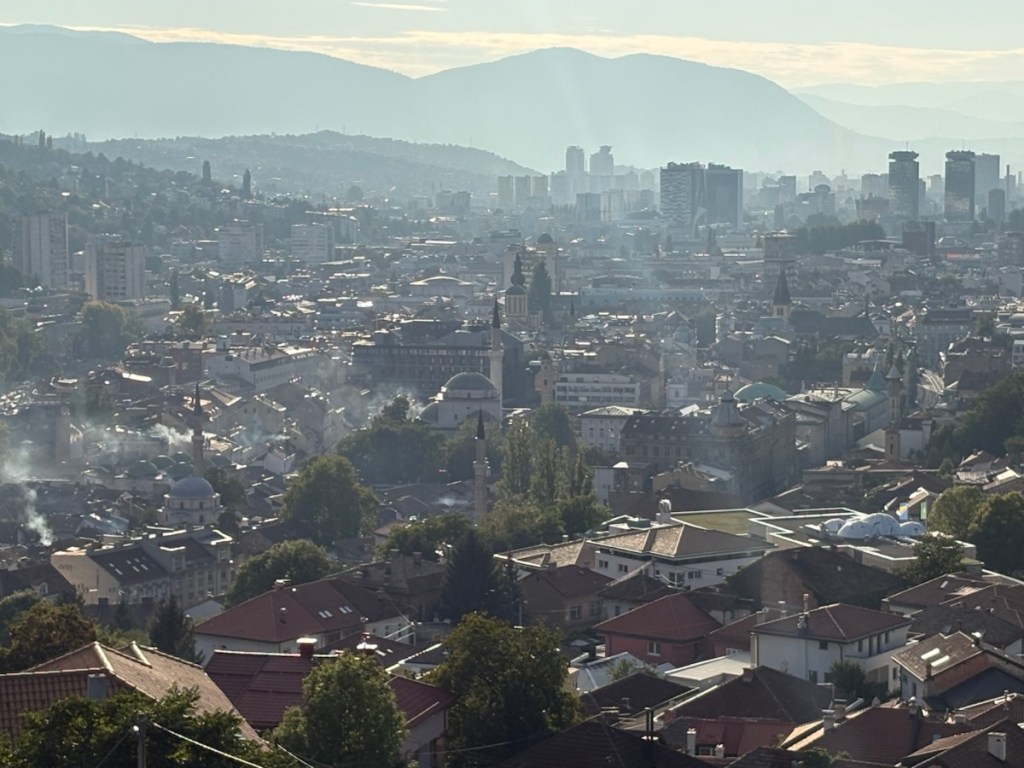
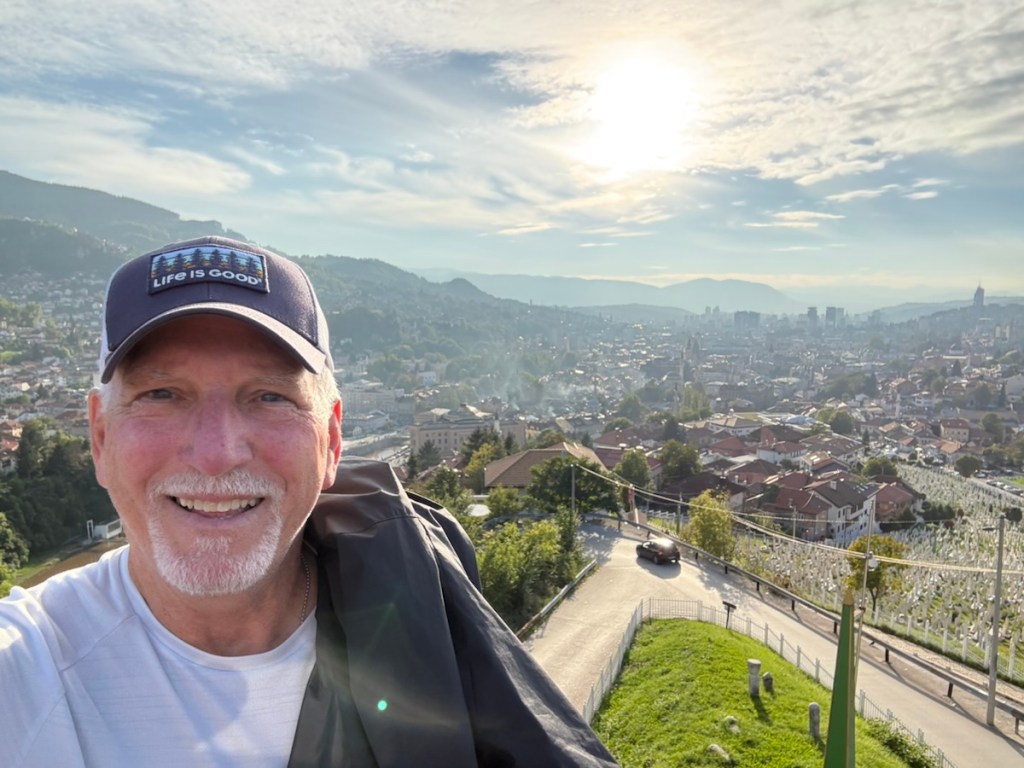
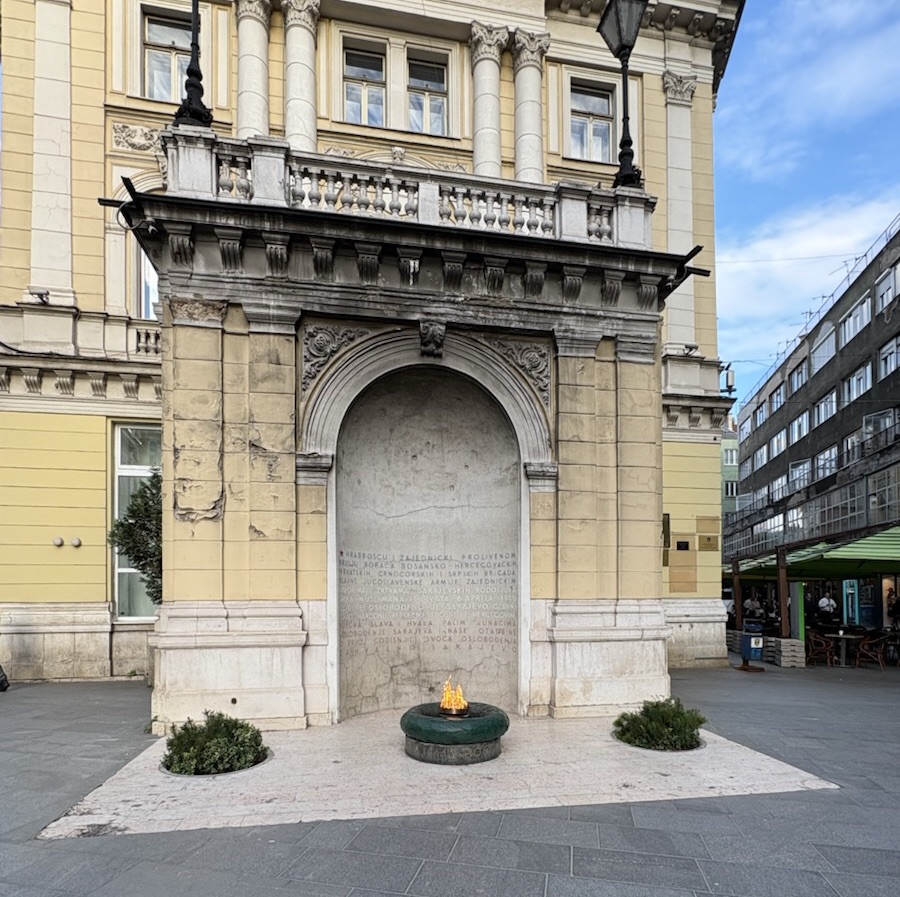
The Eternal Flame (Vječna vatra) in Sarajevo is a continuously burning memorial to the civilian and military victims of World War II, dedicated on April 6, 1946.
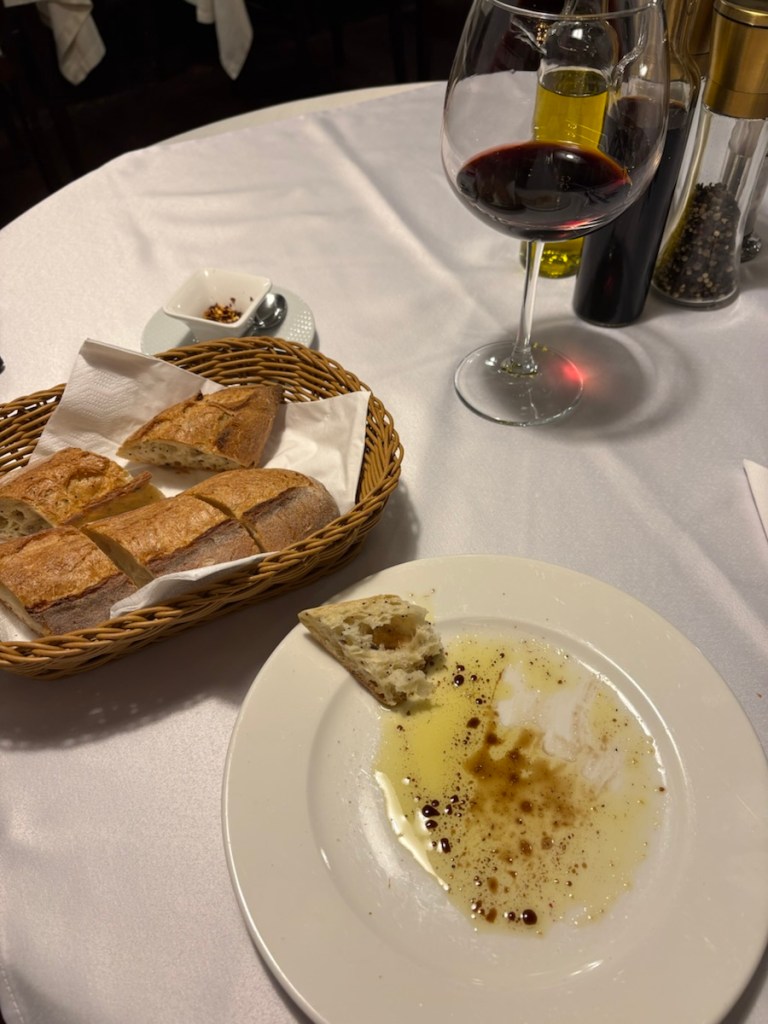
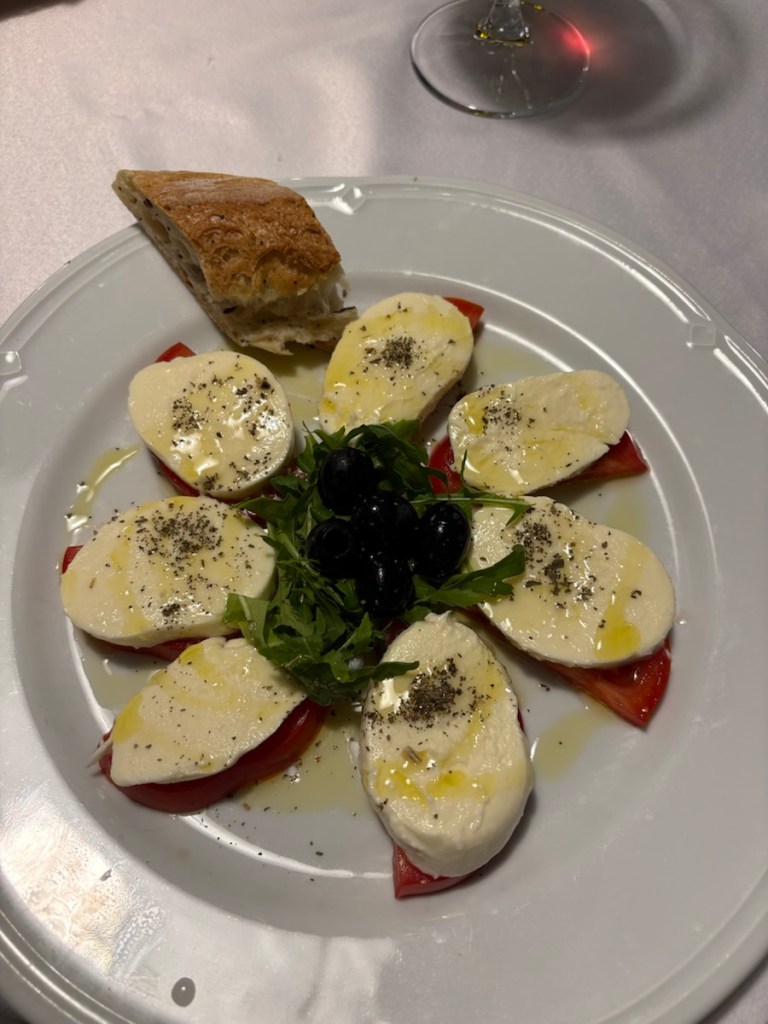
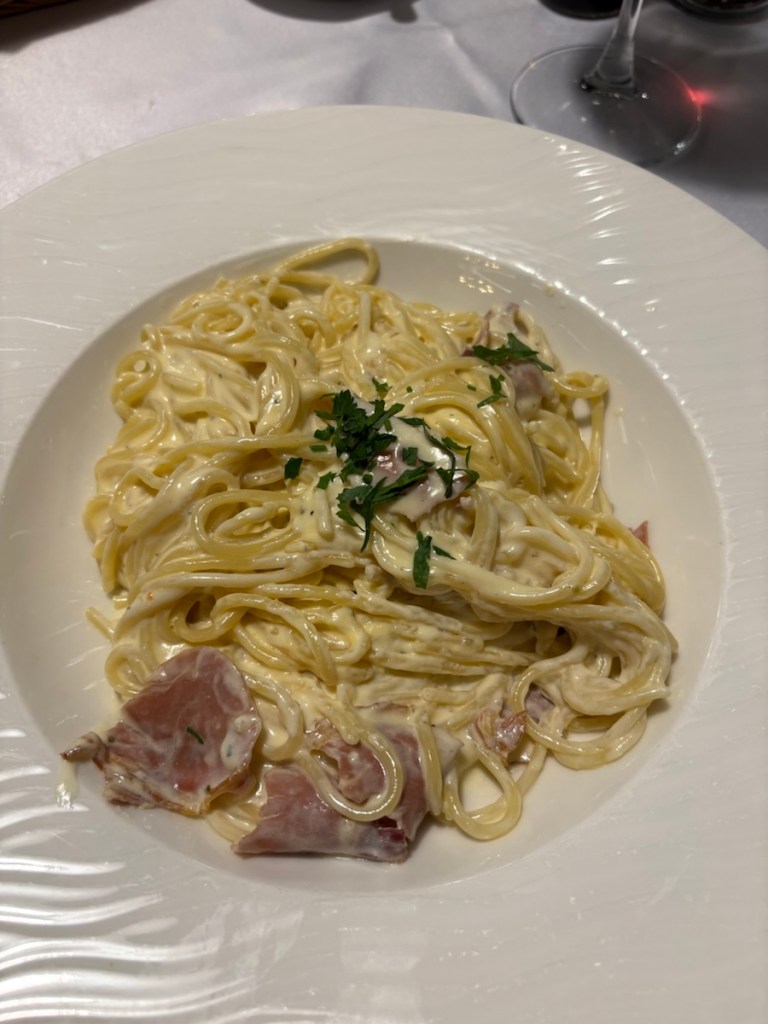
My first “fancy” meal of the trip was a dinner at Tavola Restaurant in Sarajevo. Funny since Tavola is also the name of one of our favorite restaurants in Charlottesville! The Bosnian red wine, bread, caprese salad, and pasta carbonara were all excellent – best meal so far! And only about $30!
Before you go…
“I have not failed. I’ve just found 10,000 ways that won’t work.” — Thomas Edison

 A Captain’s Adventures