
Today was all about sightseeing, and walking, a lot of walking! Like six hours of walking. But it was a comfortable temperature and an enjoyable Sunday as a tourist in Belgrade.
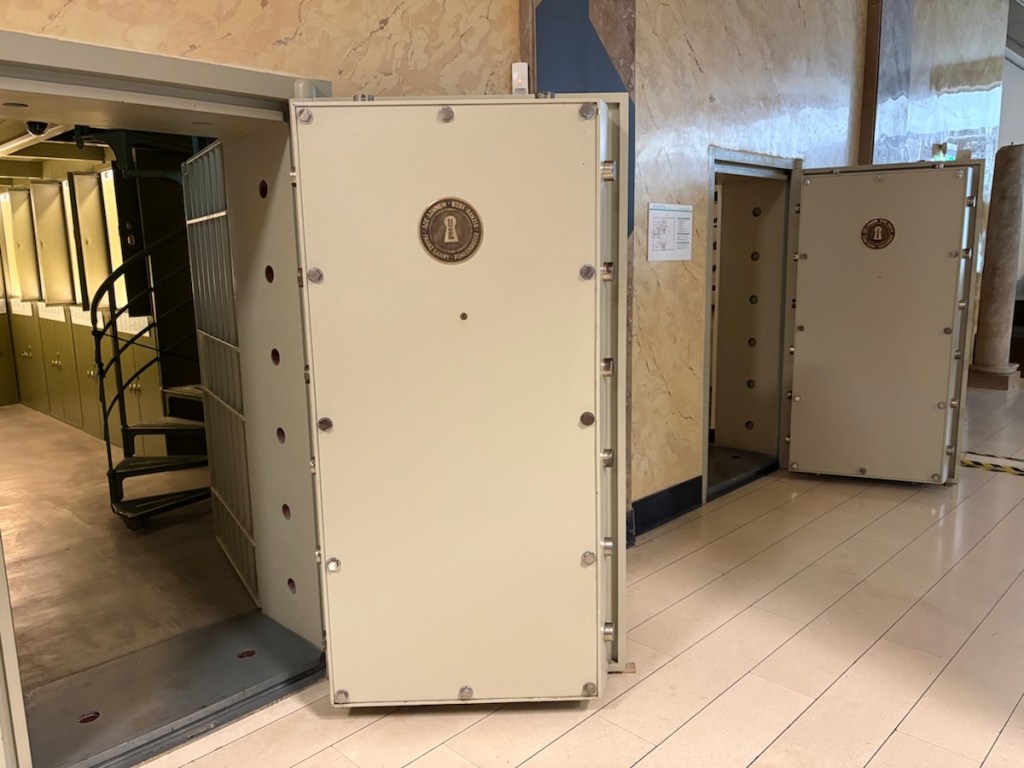
First up was the National Museum of Serbia. The museum is in an old bank building as you can see by the vaults that are still inside the building. The building actually closed in 2002 for a brief renovation, but brief actually turned into 16 years! It did not reopen until 2018!
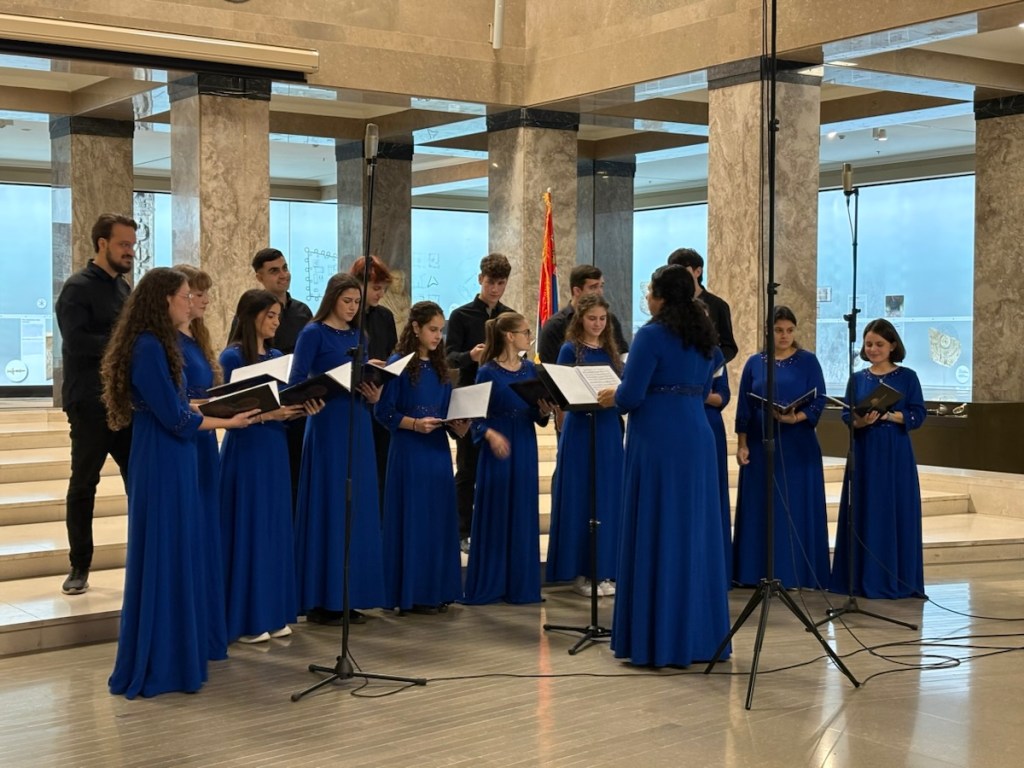
While in the museum, a small choral group of mostly teens sang several songs. I swear it was the voices of Angels! The acoustics were excellent, but I think this group would sound good anywhere. Quite amazing and enjoyable!
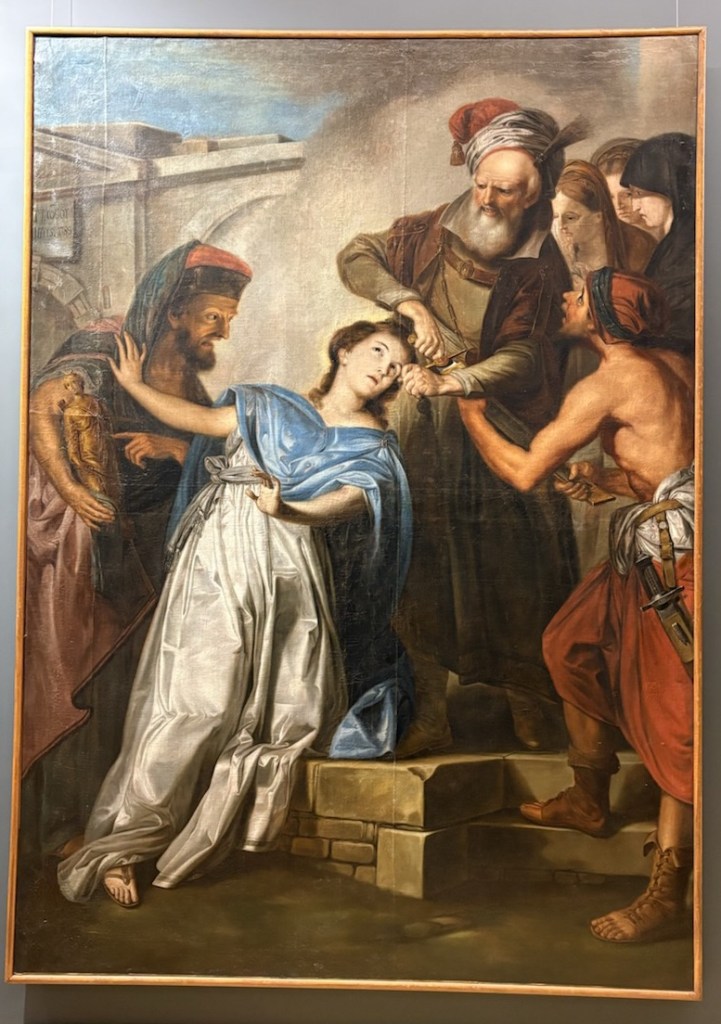
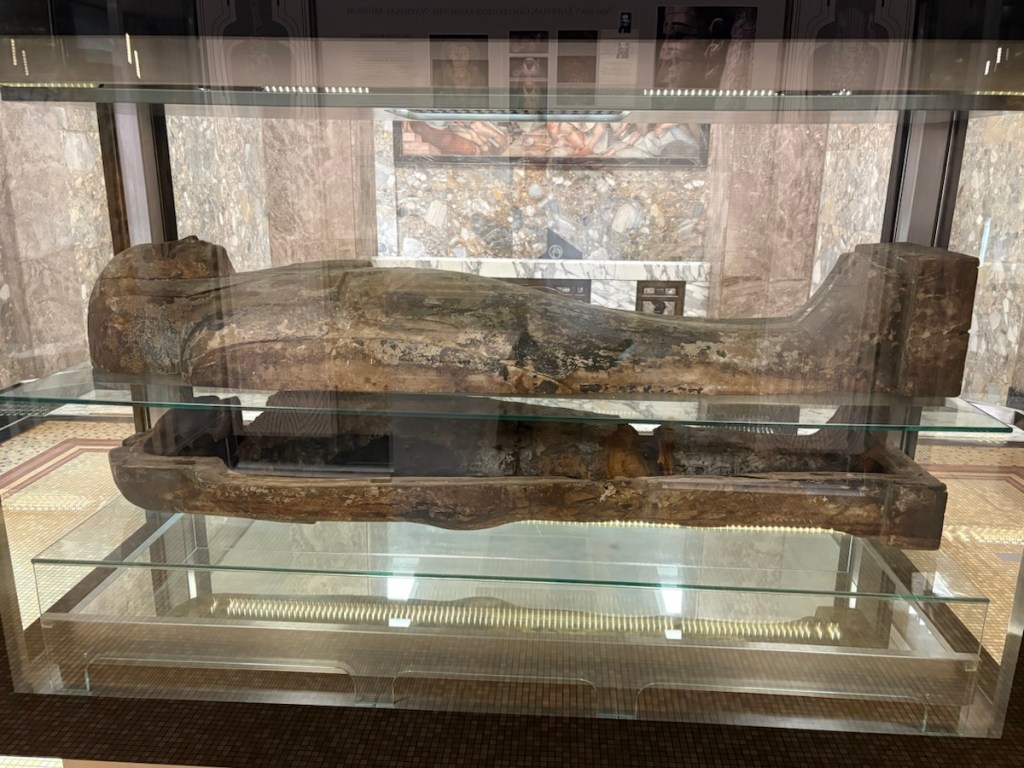
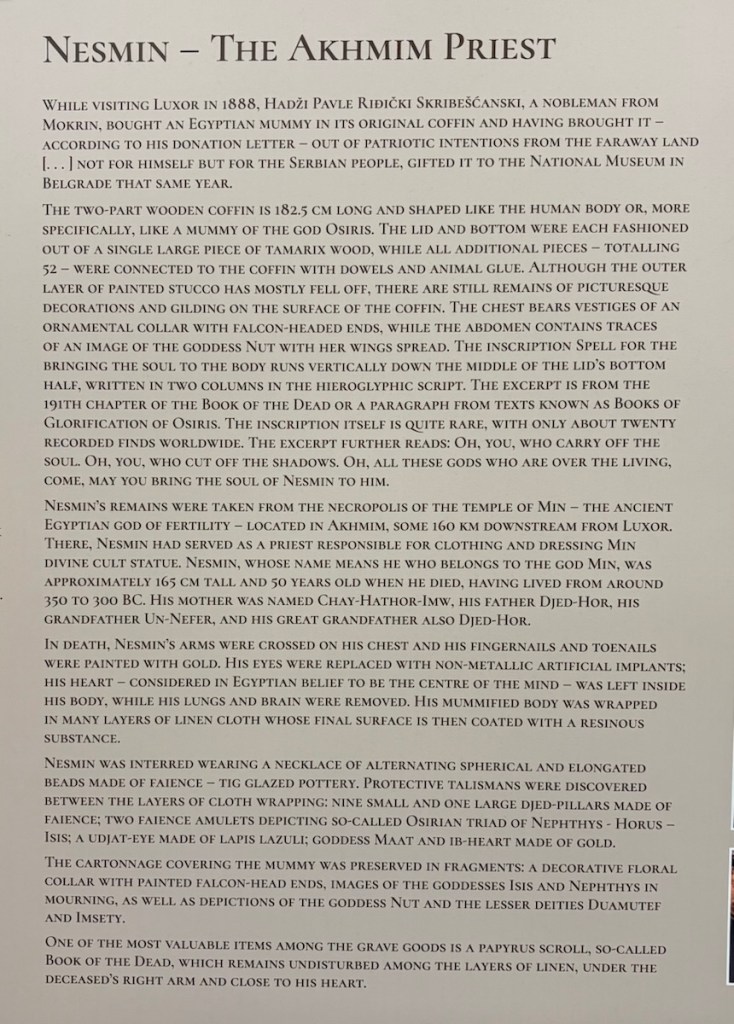
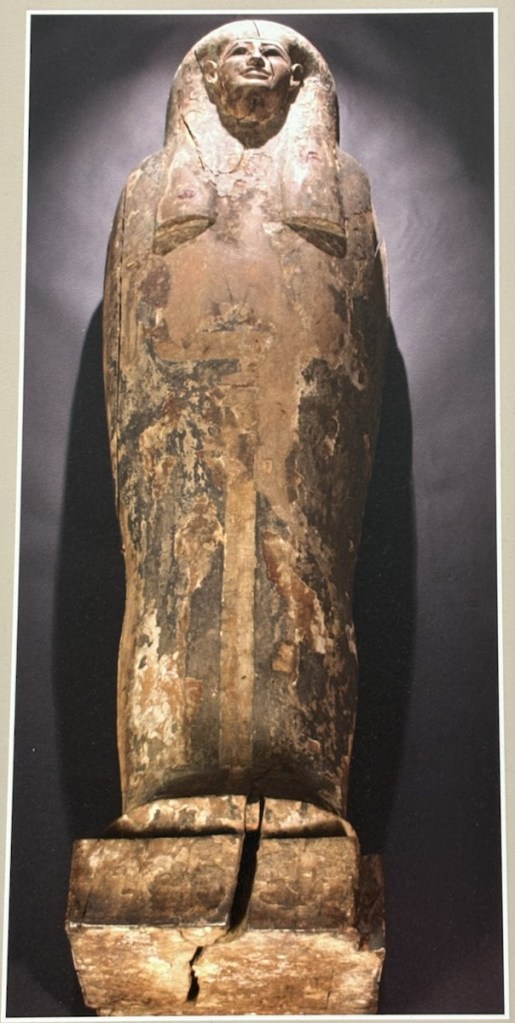
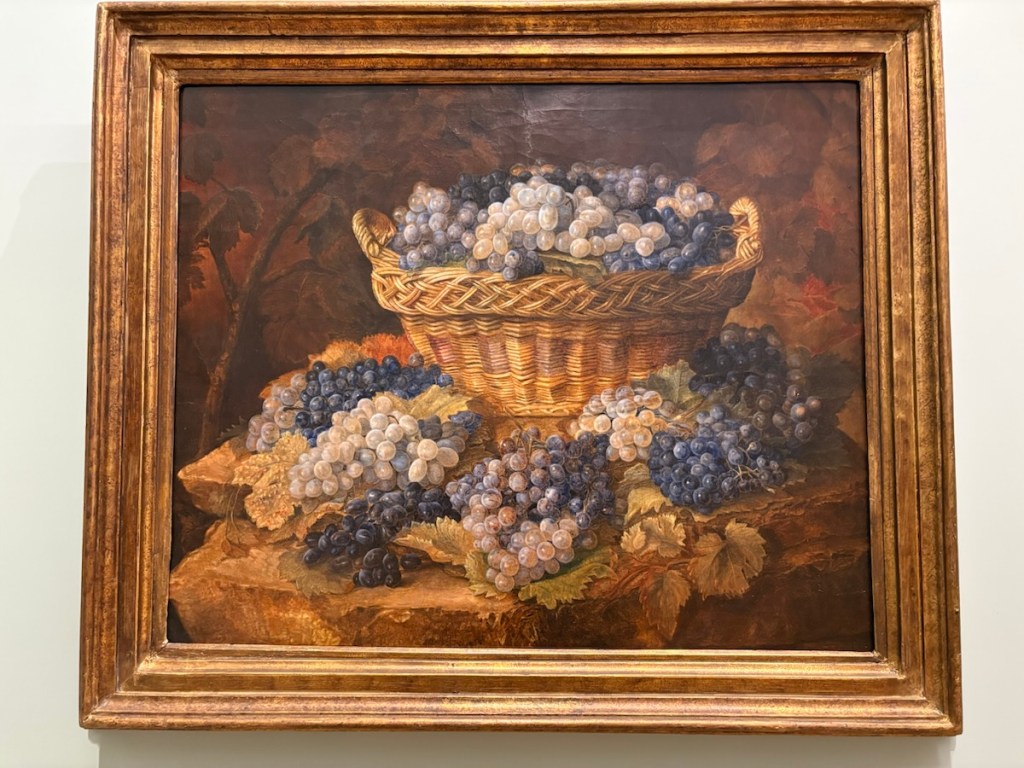
Here are some of the exhibits that caught my eye…
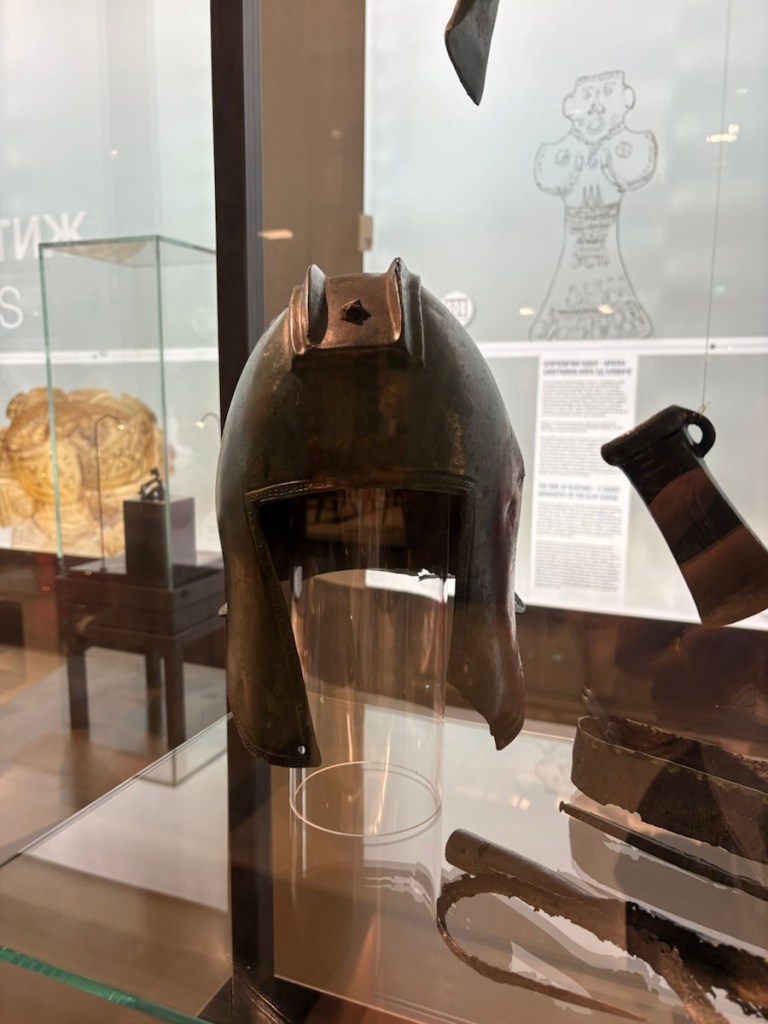
Roman Soldiers (from the museum label)
In the late 1s* century BC, Octavian Augustus embarked on a process of military reform, transforming the Roman army into a professional one. He instituted a military budget (aerarium militare), established permanent army camps, and introduced new professions in the fortifications alongside the military. Legions (4,000 to 6,000 soldiers) were the army’s Largest units, while smaller units consisted of various auxiliary troops (e.g. cavalry), and a navy. Each legion had its own insignia. The symbols of the Upper Moesian legions Legio VII Claudia and Legio IV Flavia Felix were a bull and a lion, respectively. Military service lasted 25 years, after which soldiers received a monetary reward or land. Military diplomas are testimony that those who were not citizens were granted citizenship after their discharge. A soldier was supplied with military equipment, consisting of personal equipment (e.g. a military belt – cingulum) and weapons, both offensive (sword, spear, dagger, slingshot, bow and arrows) and defensive (armour, helmet). Some soldiers also had parade equipment.
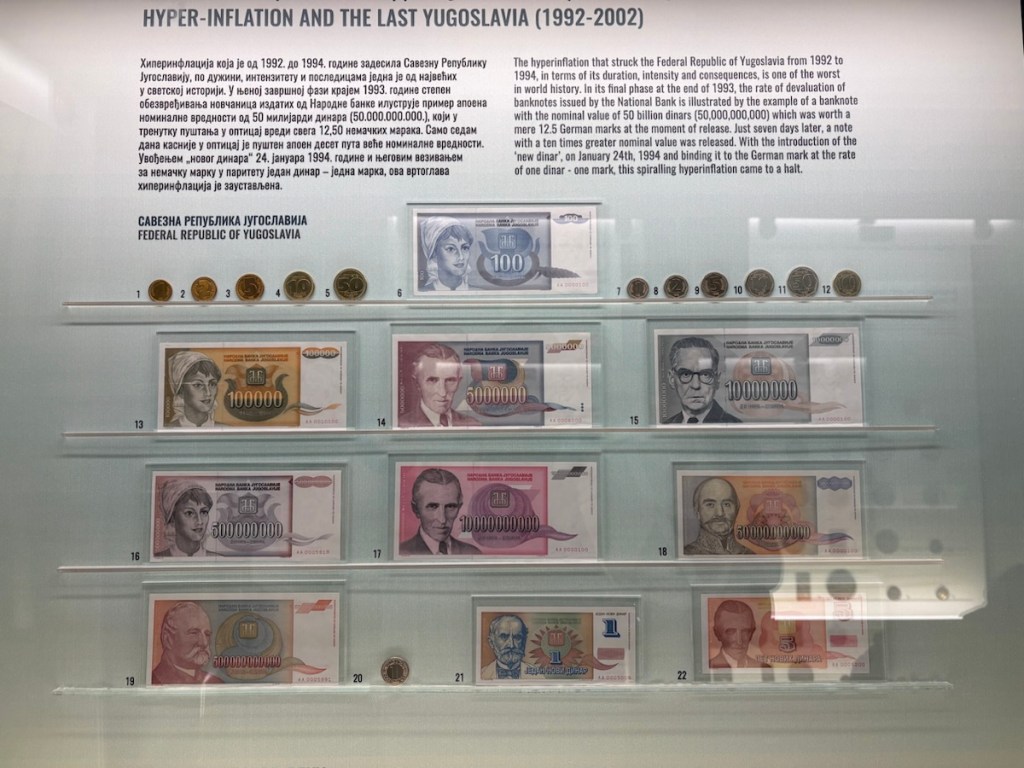
(Museum Label) The hyperinflation that struck the Federal Republic of Yugoslavia from 1992 to 1994, in terms of its duration, intensity and consequences, is one of the worst in world history. In its final phase at the end of 1993, the rate of devaluation of banknotes issued by the National Bank is illustrated by the example of a banknote with the nominal value of 50 billion dinars (50,000,000,000) which was worth a mere 12.5 German marks at the moment of release. Just seven days later, a note with a ten times greater nominal value was released. With the introduction of the “new dinar,” on January 24th, 1994, and binding it to the German mark at the rate of one dinar – one mark, this spiralling hyperinflation came to a halt.
There was an exhibit room entitled, “The HARDER PATH: Works by Foreign Women Artists at the National Museum of Serbia.” Along with the displayed works of art, I was struck by one of the quotes included:
“What I long for is the freedom of going about alone, of coming and going, of sitting in the seats of the Tuileries, and especially in the Luxembourg, of stopping and looking at the artistic shops, of entering churches and museums, of walking about old streets at night, that’s what I long for; and that’s the freedom without which one cannot become a real artist.” — Marie Bashkirtseff, 2 January 1879
Next up was the beautiful National Assembly Building and the Belgrade City Hall across the street.
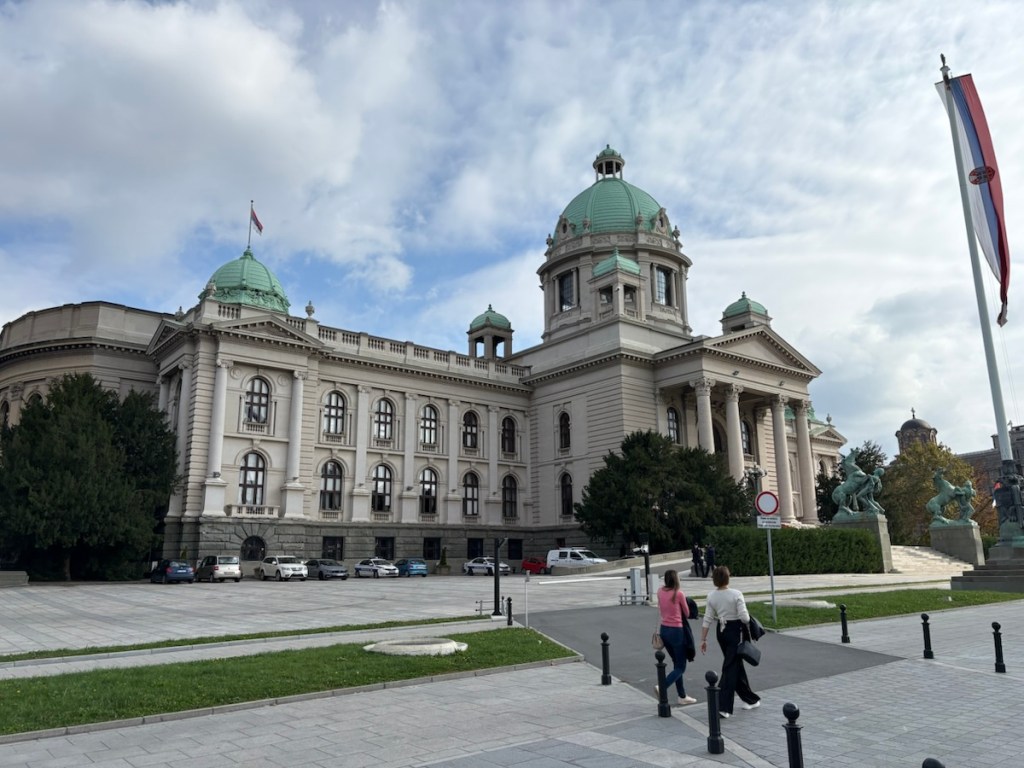
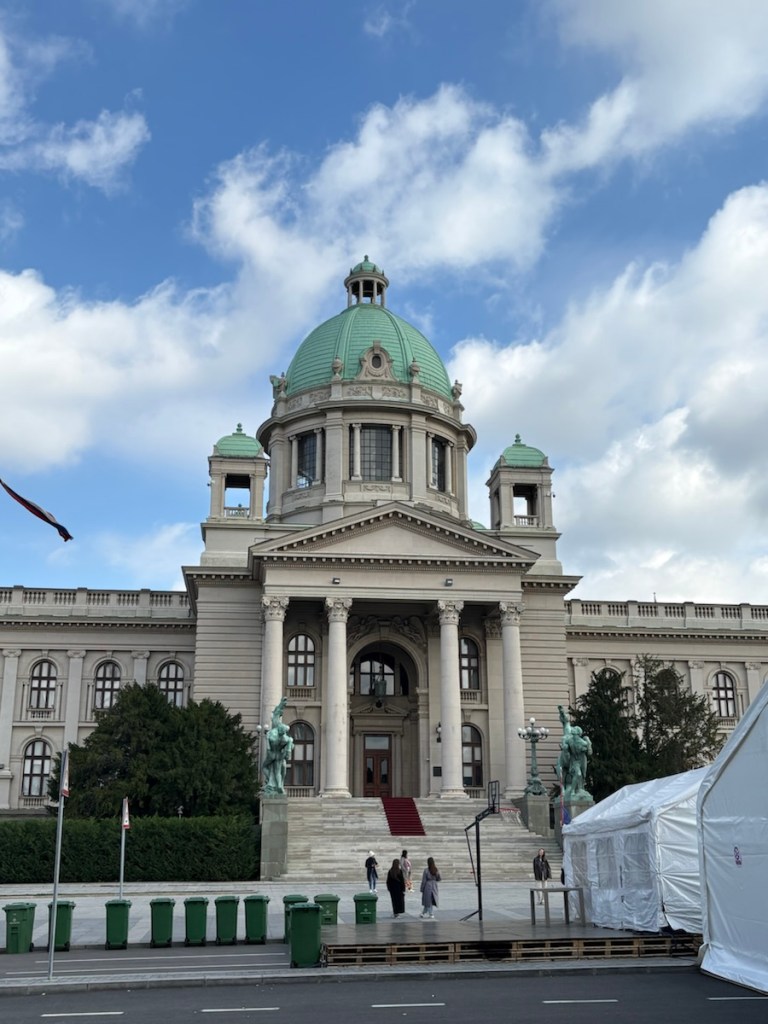
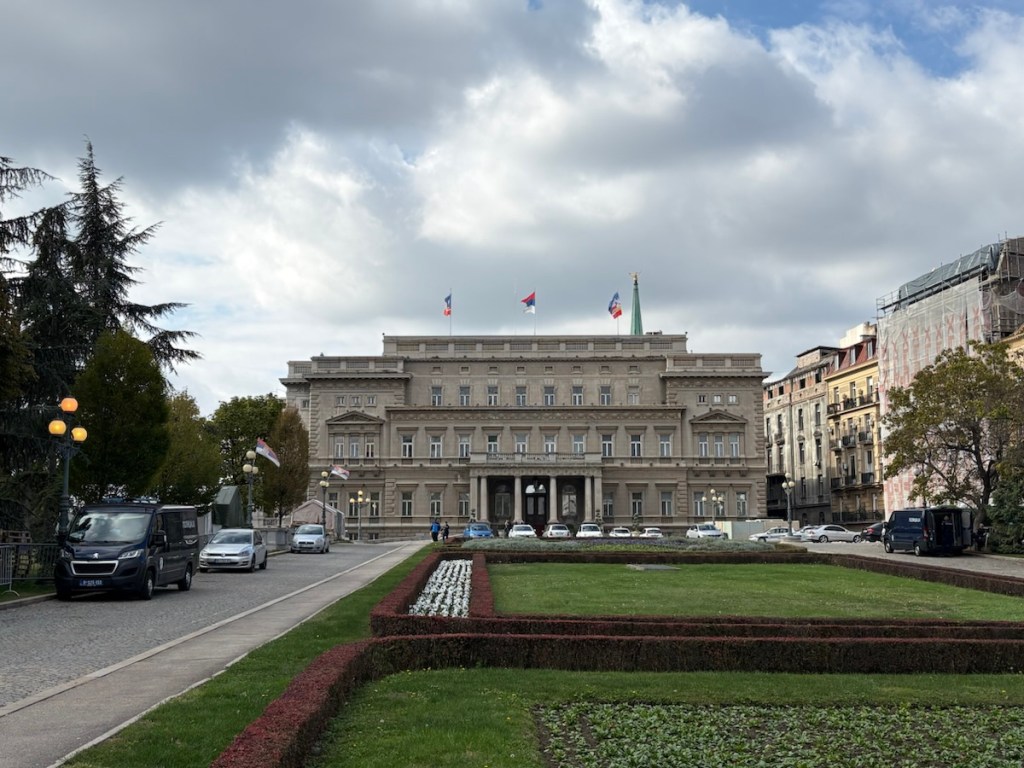
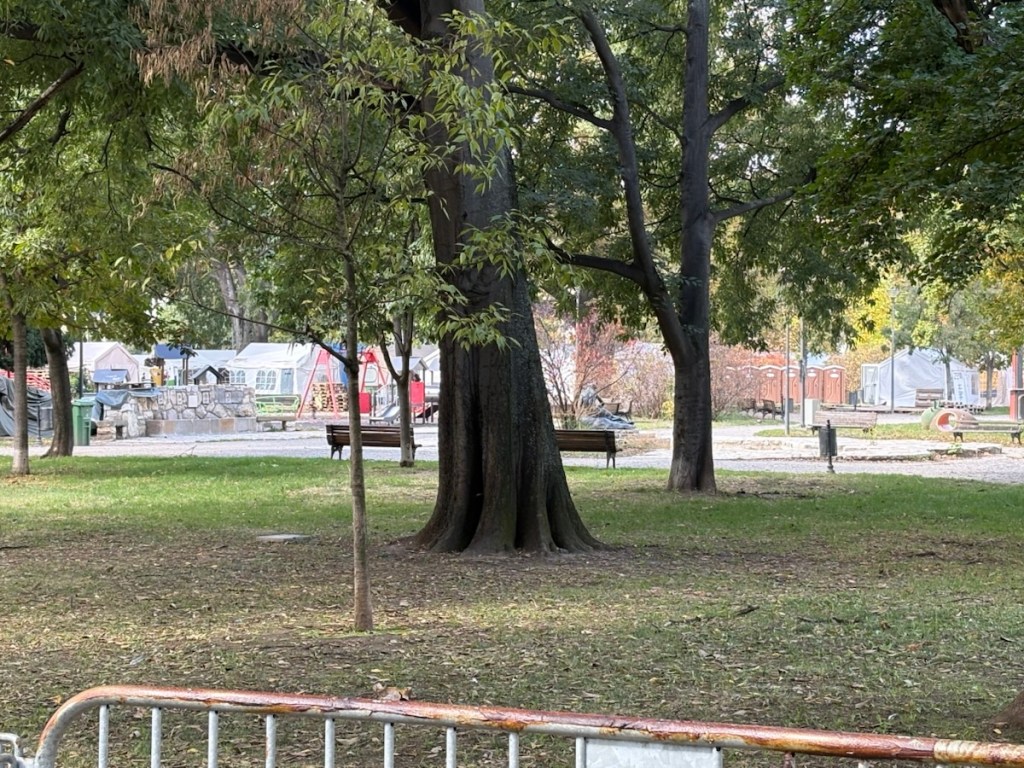
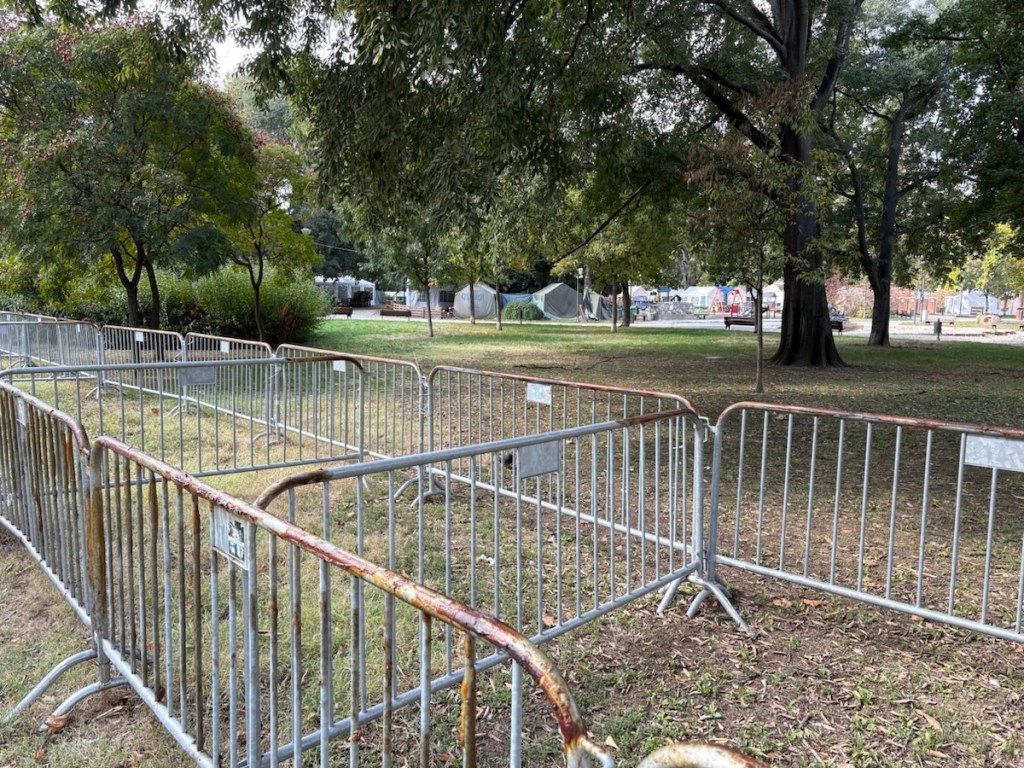
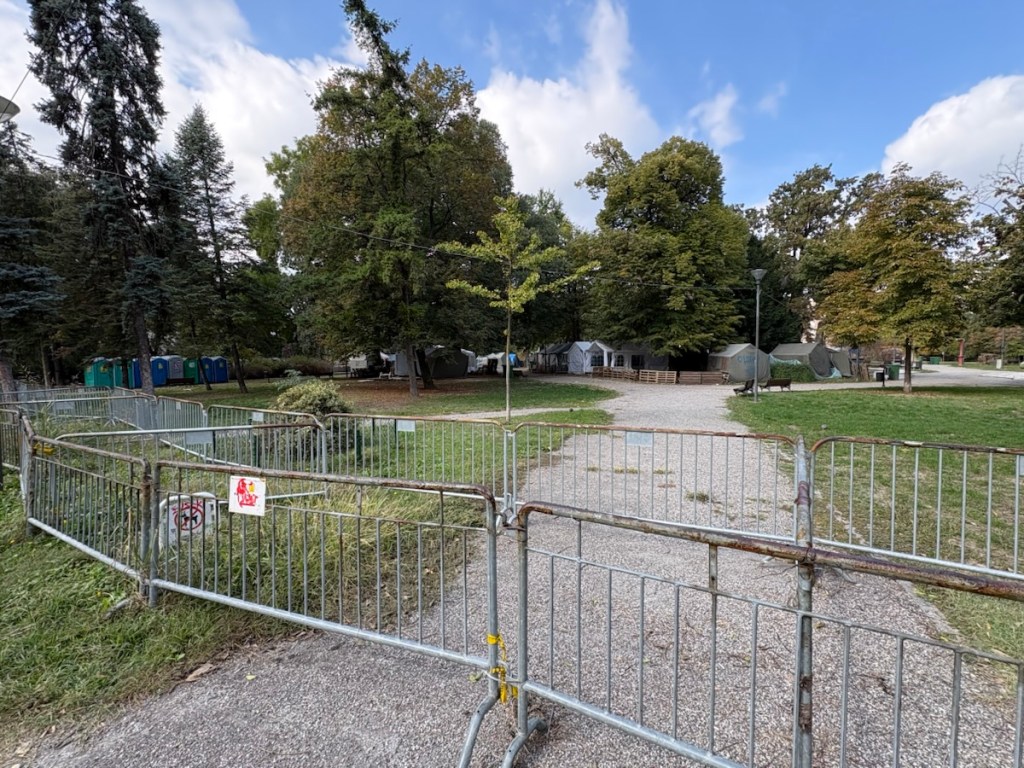
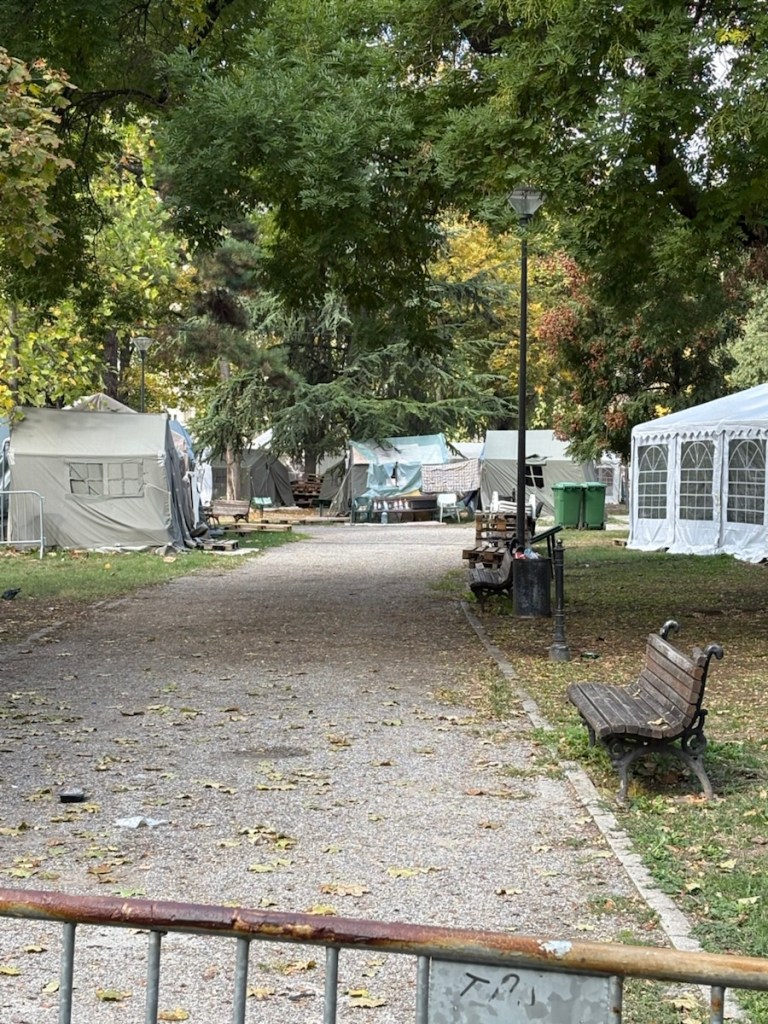
The once lovely and adjacent Pioneers Park was the sight of an important archeological dig in recent years when they were building an underground parking garage. Significant finds from the Roman era were discovered. Interestingly, the park has also been completely fenced off by temporary barricades since March 2025 due to protesters occupying the park. Lots of tents, portable toilets, etc. The back story is complicated, but I don’t think too many locals are pleased based on online posts I’ve read. There was also a significant police presence at various points around the park.
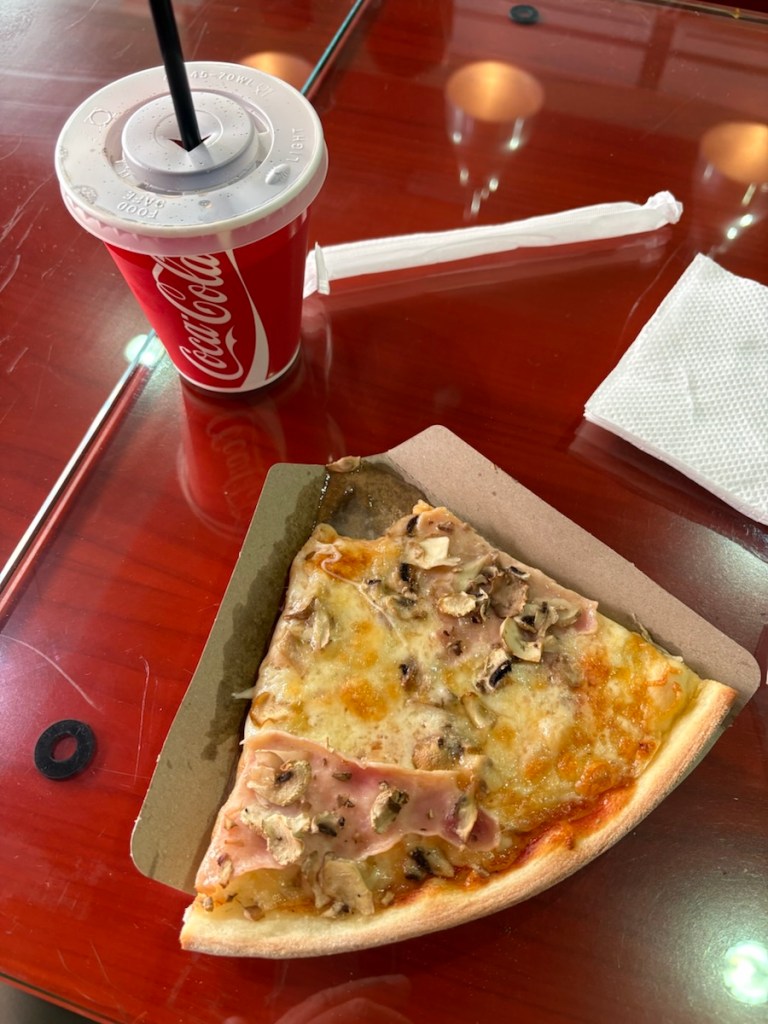
I had a quick lunch on the way to my next stop.
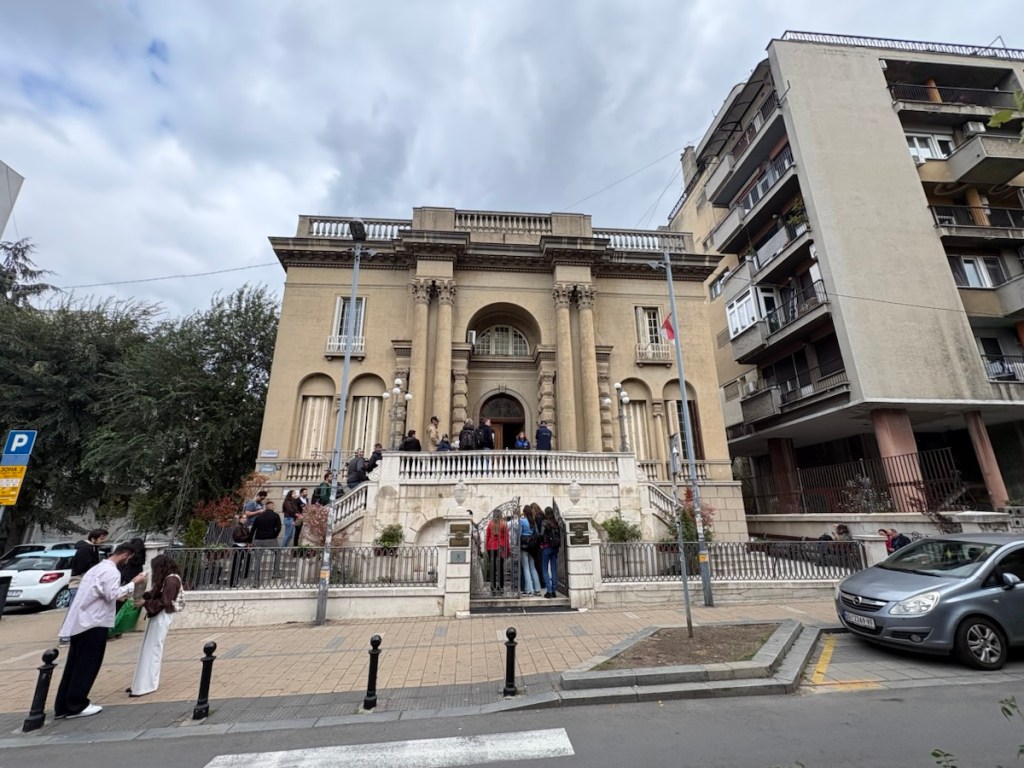
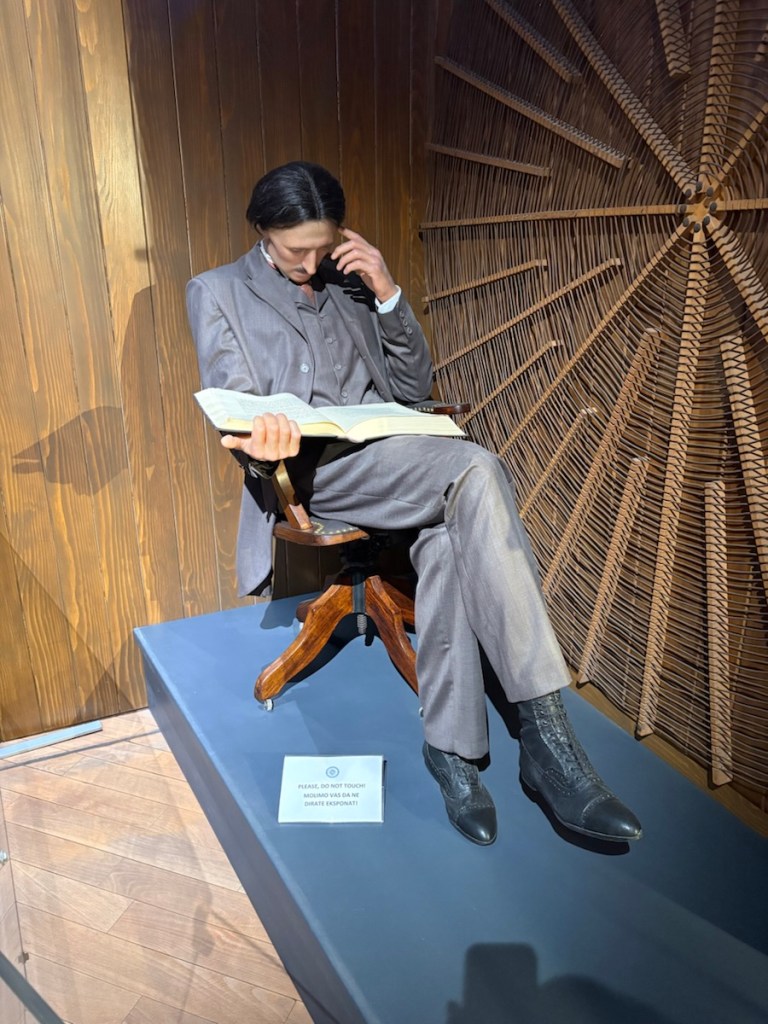
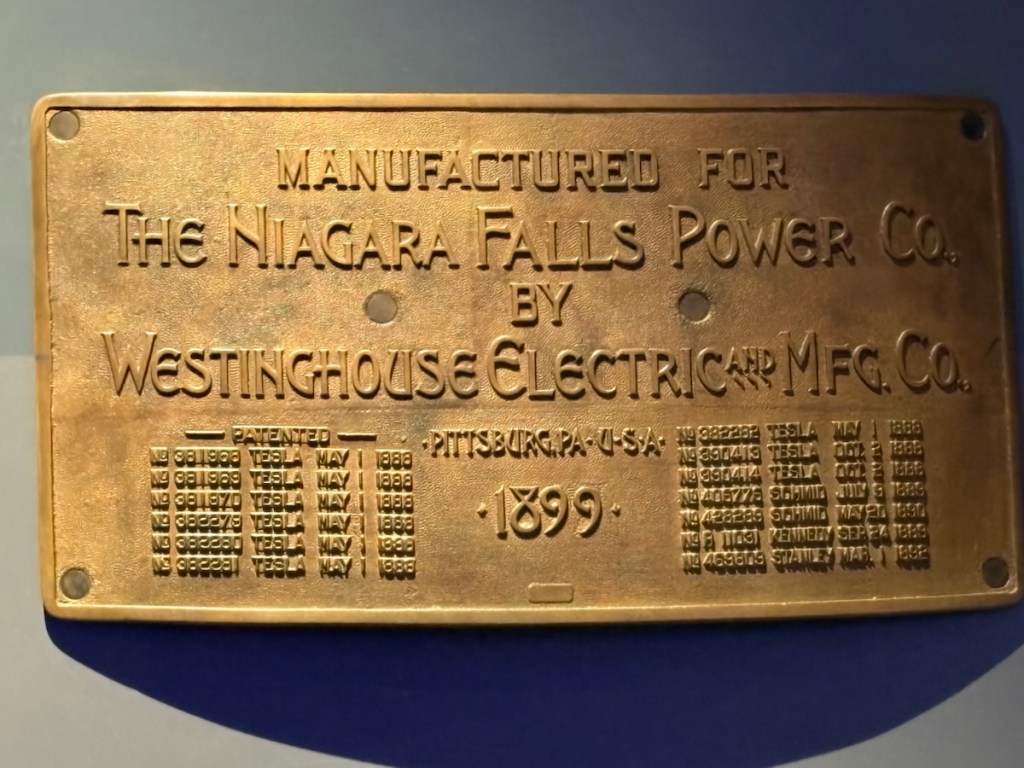
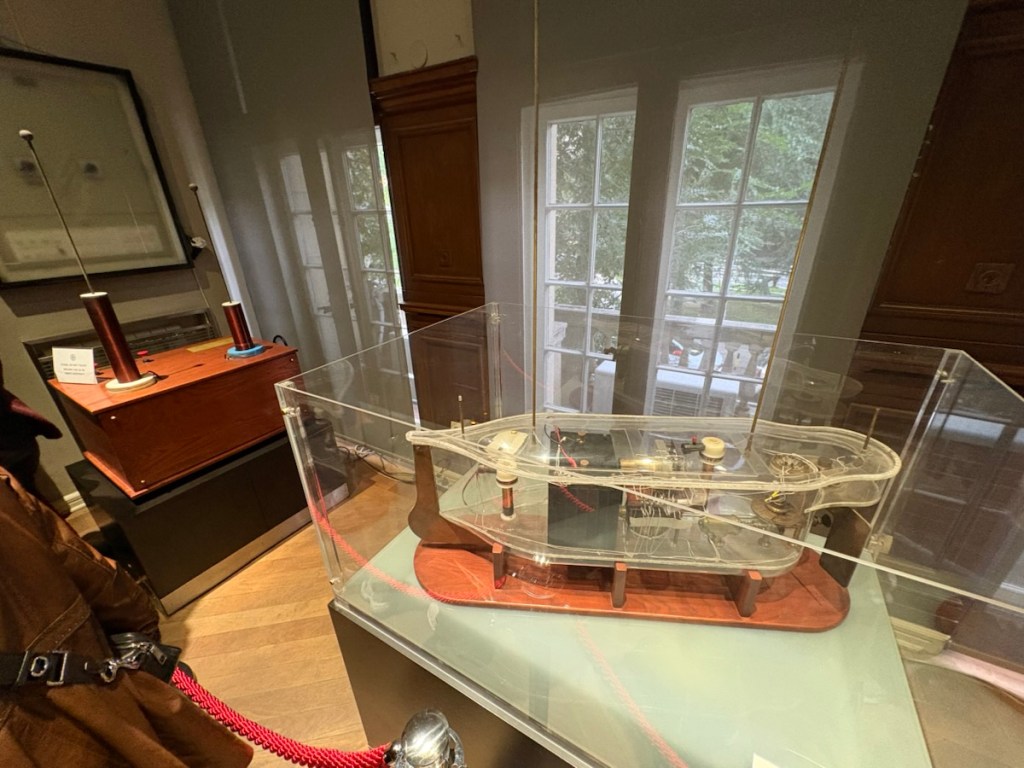
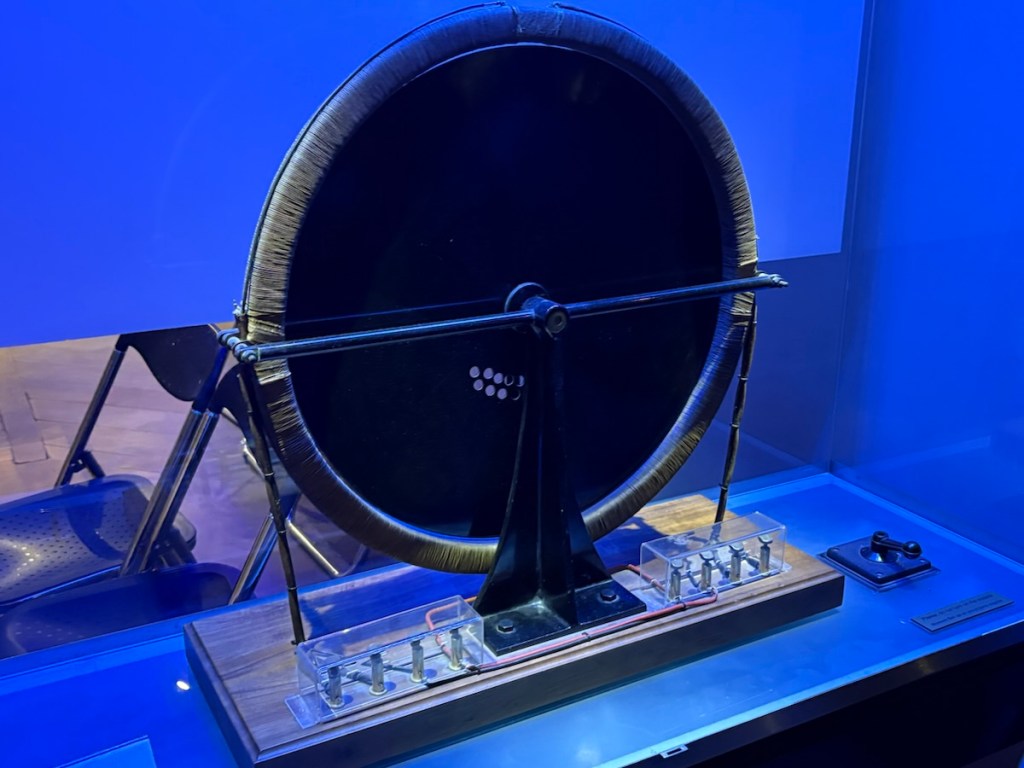
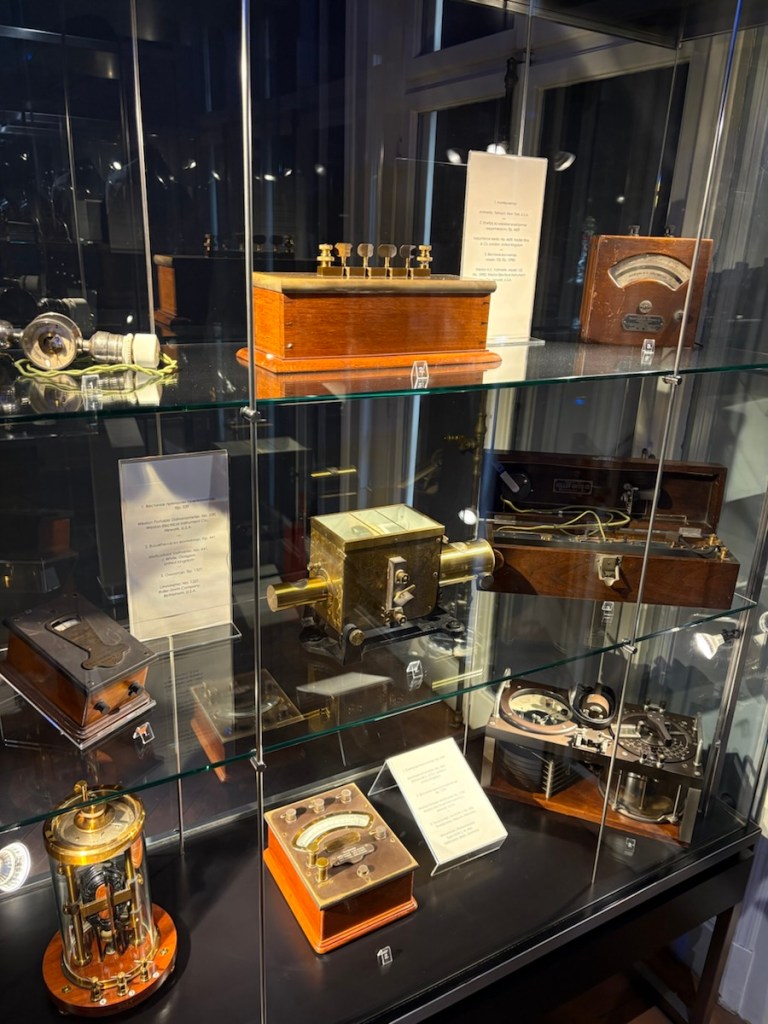
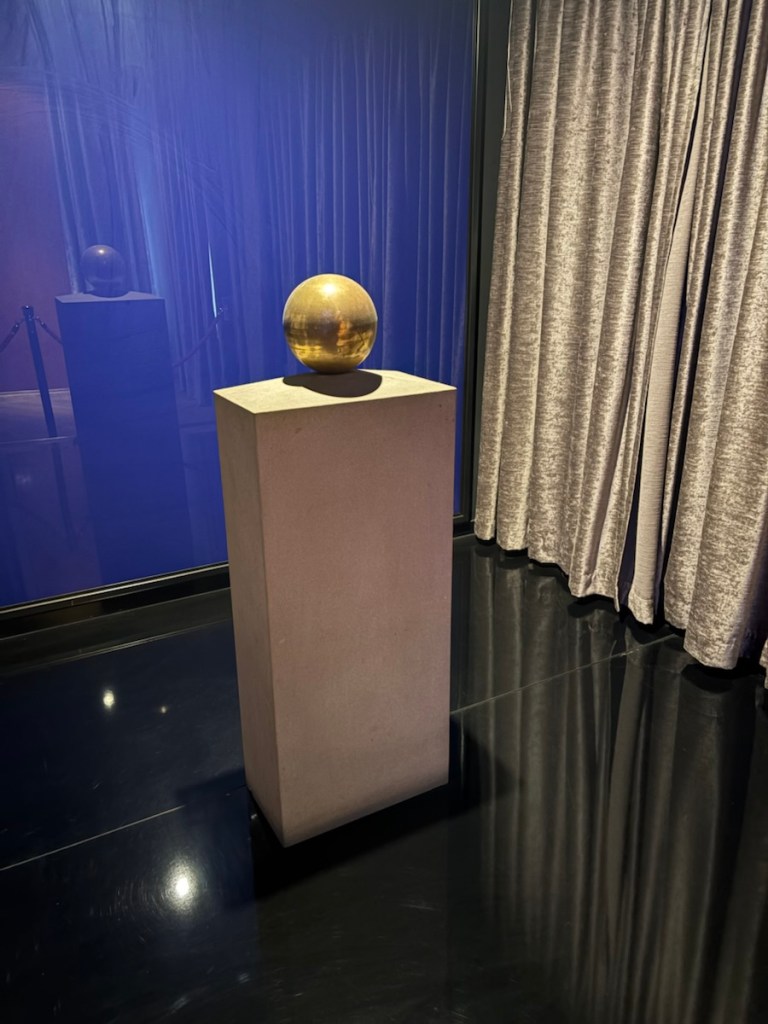
After lunch, I toured the official Nikola Tesla Museum (official since it actually hold his cremains). The museum houses a collection of artifacts and documents from the life and work of the inventor. They also showed a very interesting 15-minute film about his life and work.
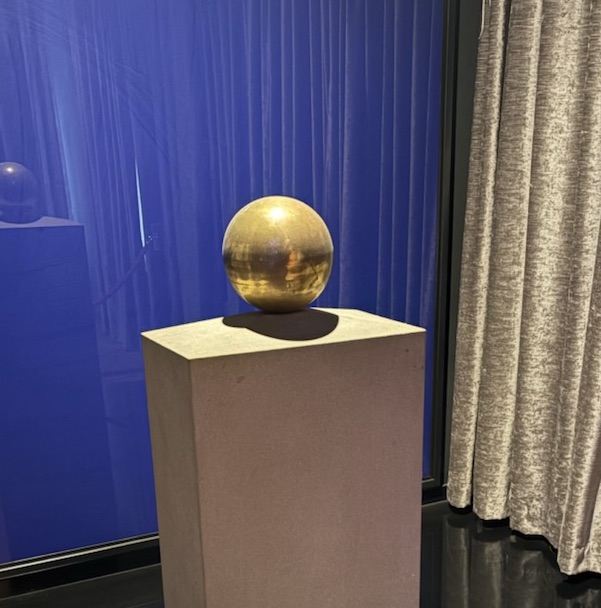
A Tesla Quote:
“We are living in an age of unprecedented technical achievements leading to a more and more complete mastery of the forces of nature, and annihilation of time and space. But this development, while contributing to our comfort, convenience and safety of existence, is not in the direction of true culture and enlightenment. On the contrary, it is destructive of ideals… The real cause for the fall of nations is the inability of mankind to solve the SOCIAL, MORAL and SPIRITUAL problems. So long as the strug gle for existence is such that only the fittest can survive, there is a healthy development under the sway of individualism. When reaction sets in the individual is eliminated, original effort and initiative suppressed and the creative faculties impaired, the race gradually lapses into sav-agery and perishes. A similar end threatens our present civilisation…”
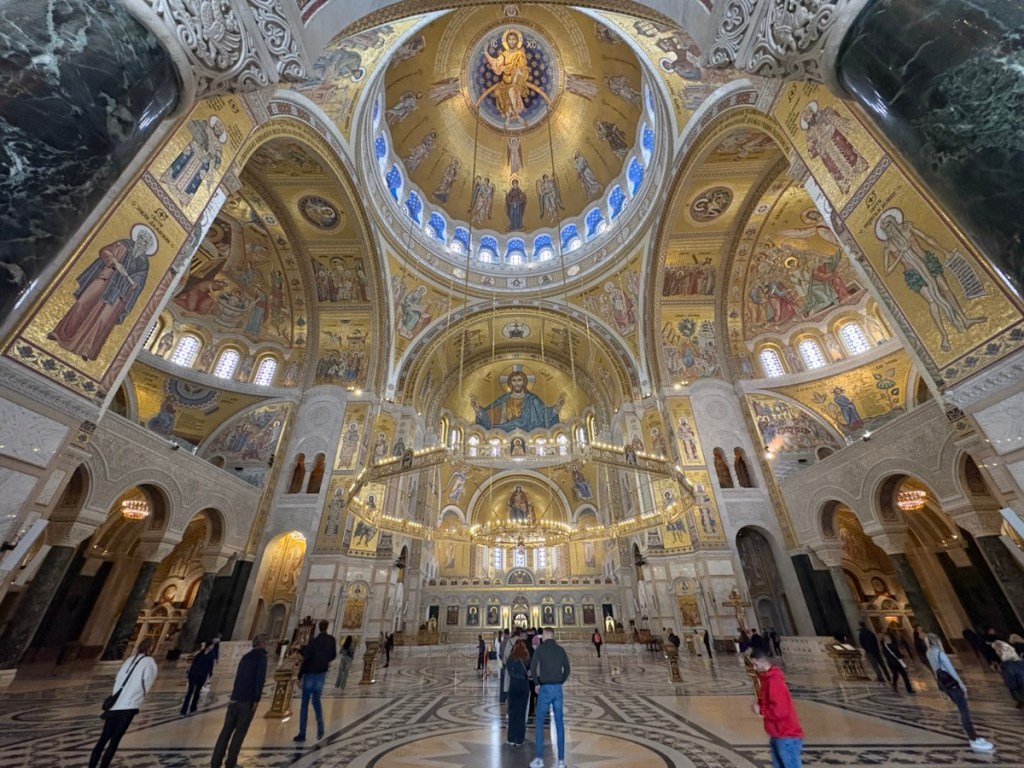
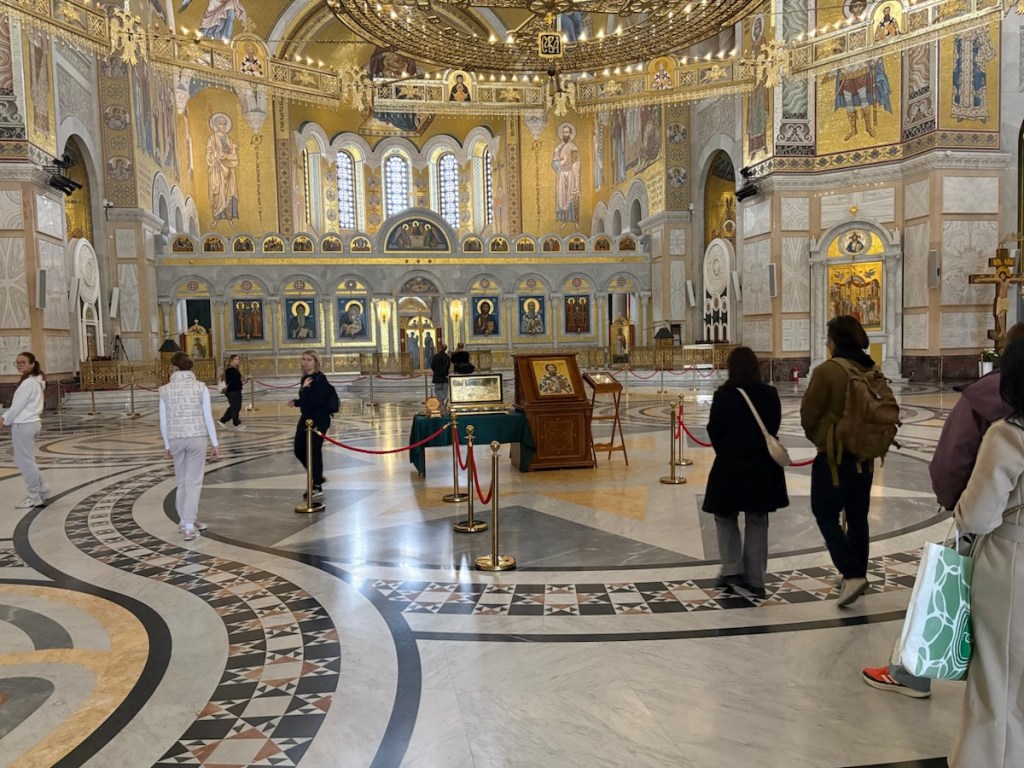
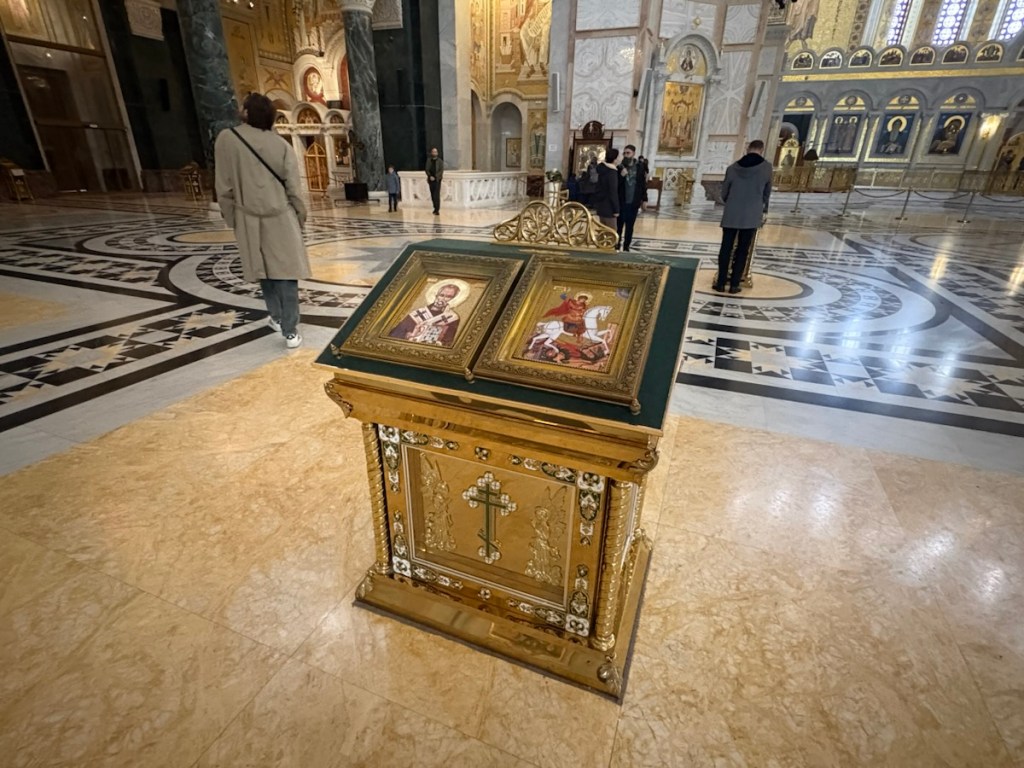
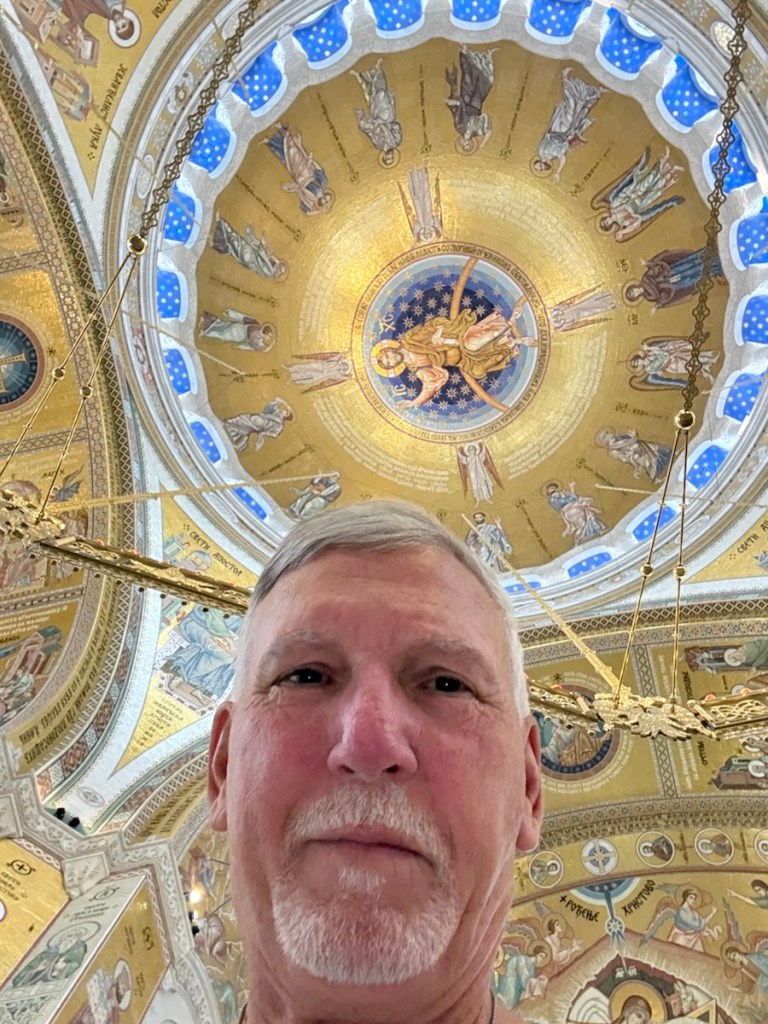
Next I headed on to the stunning Temple of Saint Sava. It is a massive, iconic Orthodox church located on a hill in the city center. It may have the most beautiful interior I’ve ever seen in any church, mosque, or synagogue around the world!
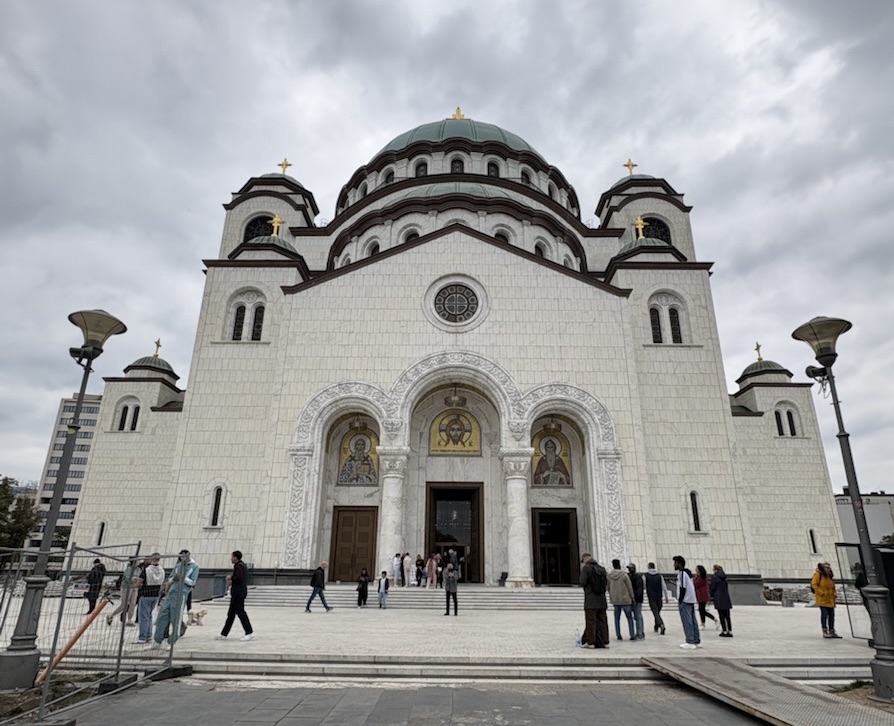
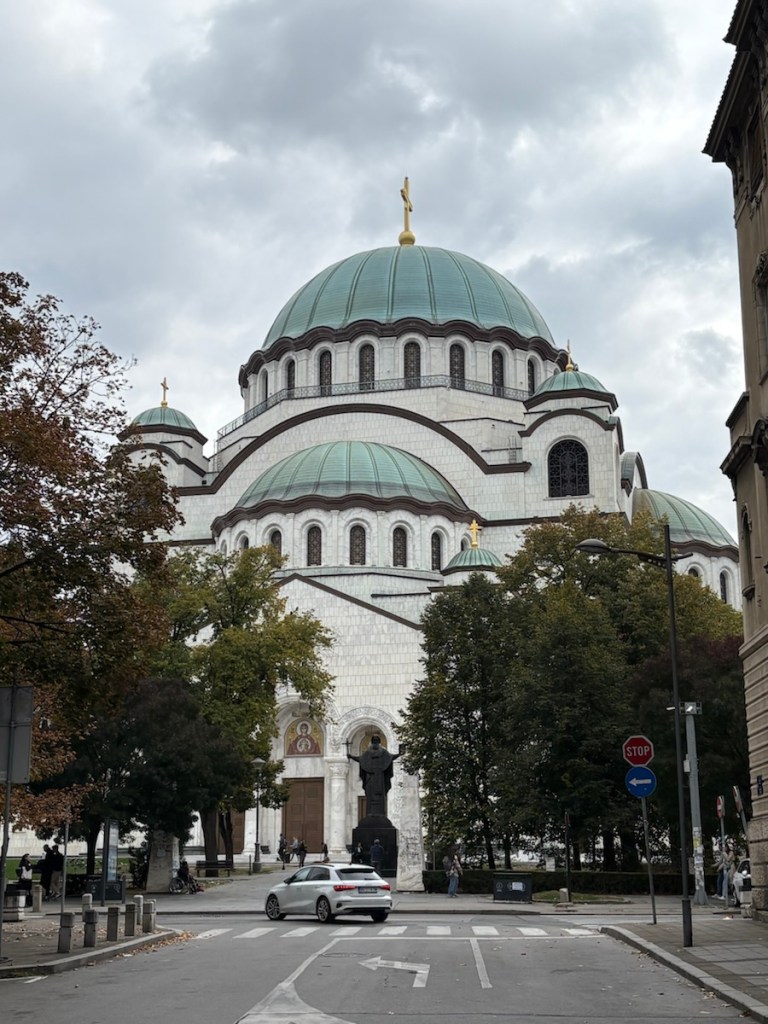
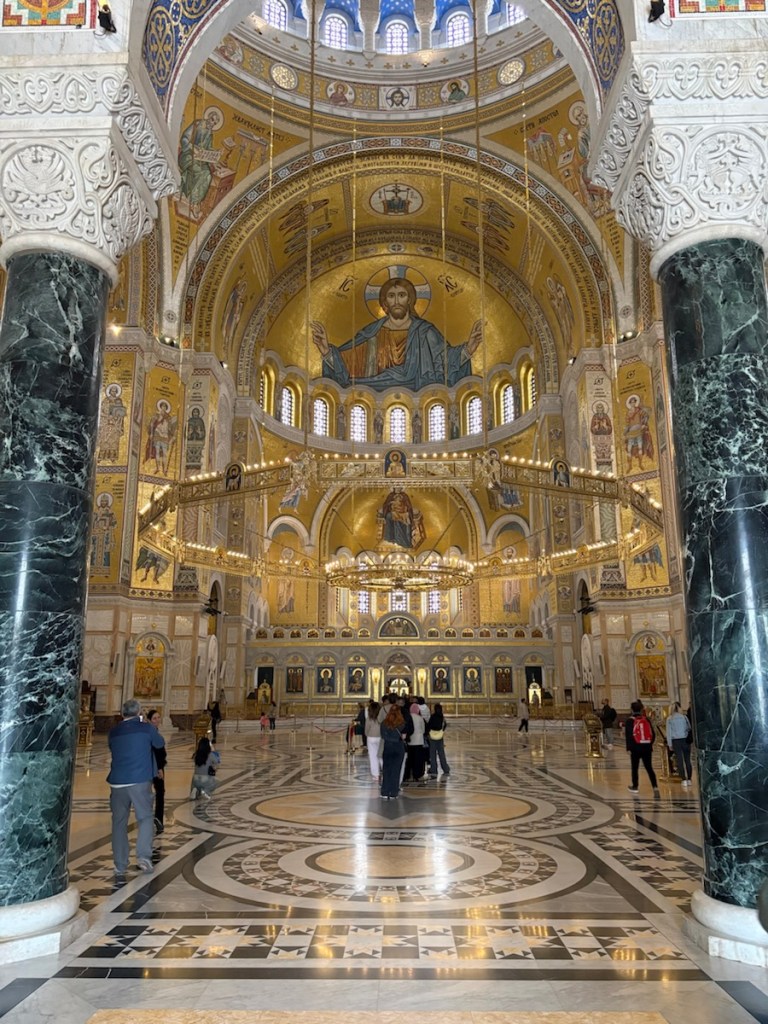
One note, if you ever plan to attend service at a Serbian Orthodox Church, pray for a short sermon – since there are no seats at all! Everyone stands!
On the long walk to my next stop, I passed by a large military school, with many camo clad students out and about doing various chores. They all look to be around high school age. (No photos allowed)
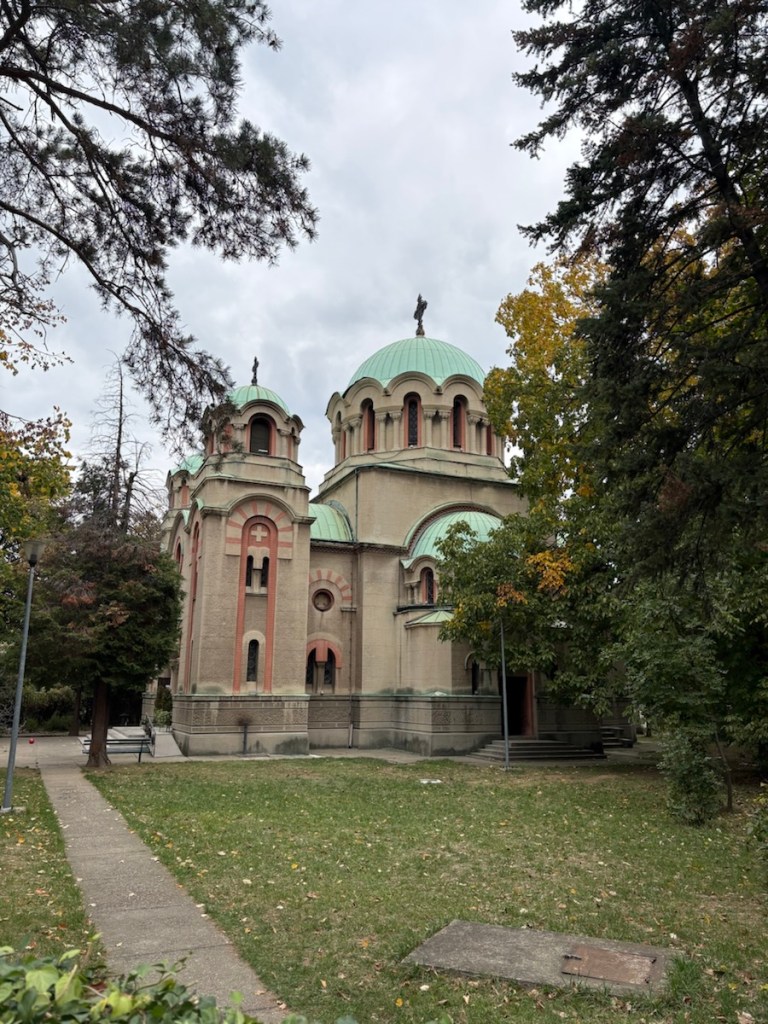
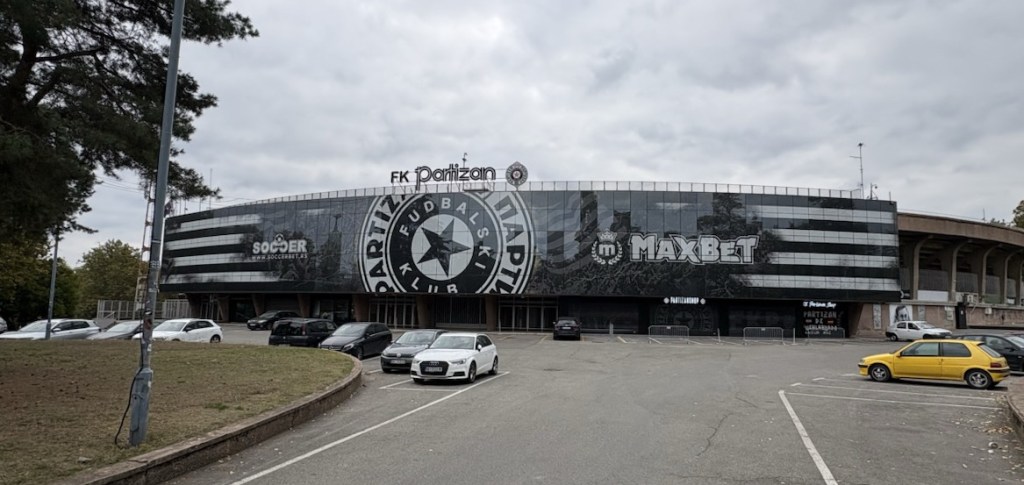

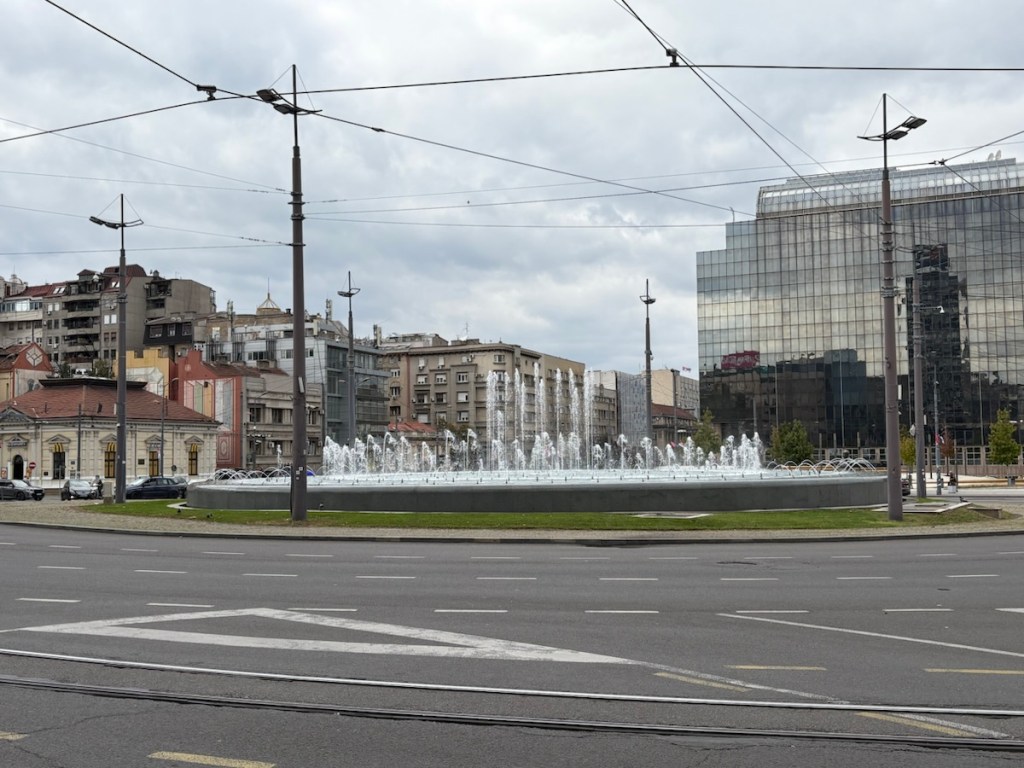
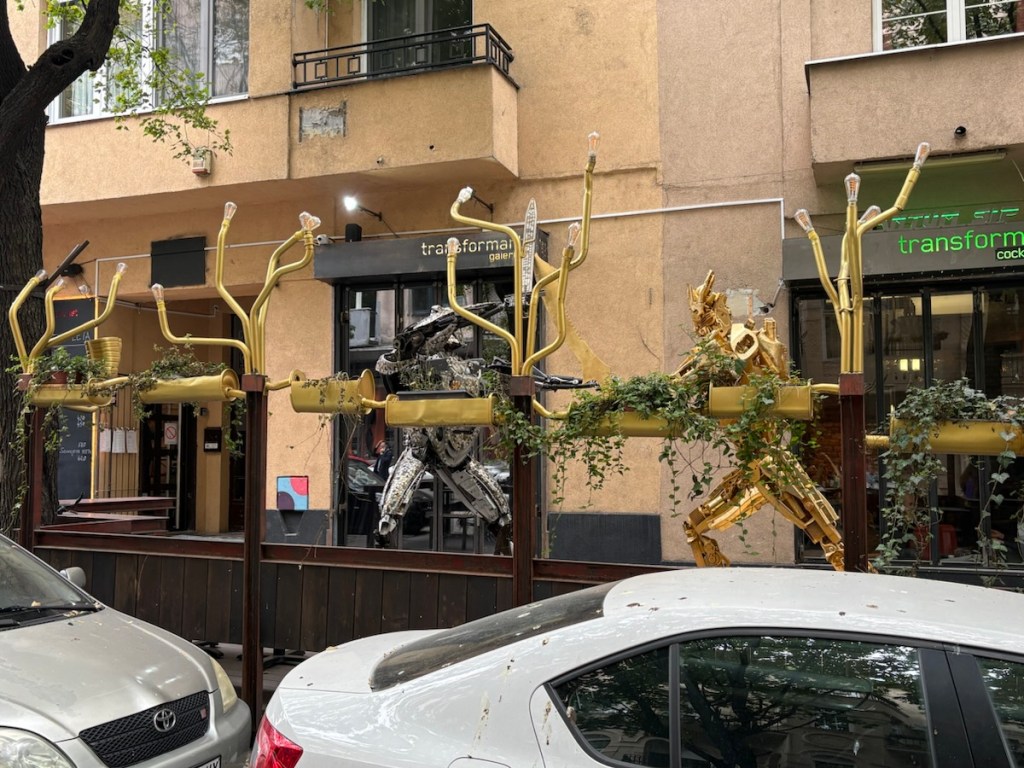
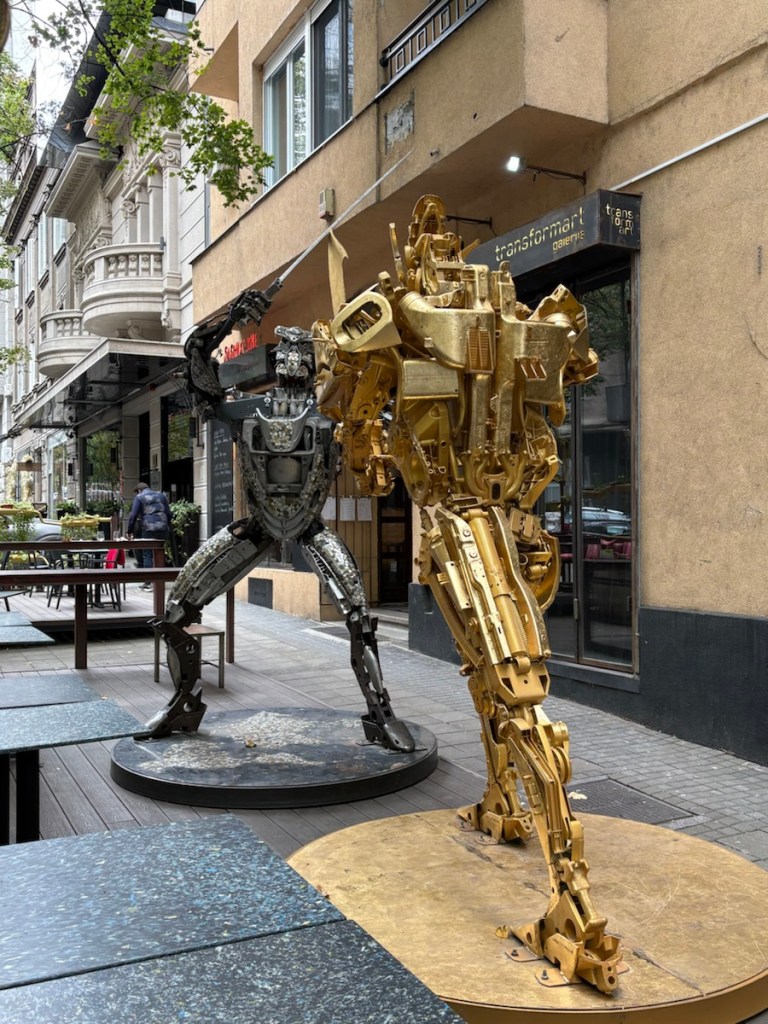
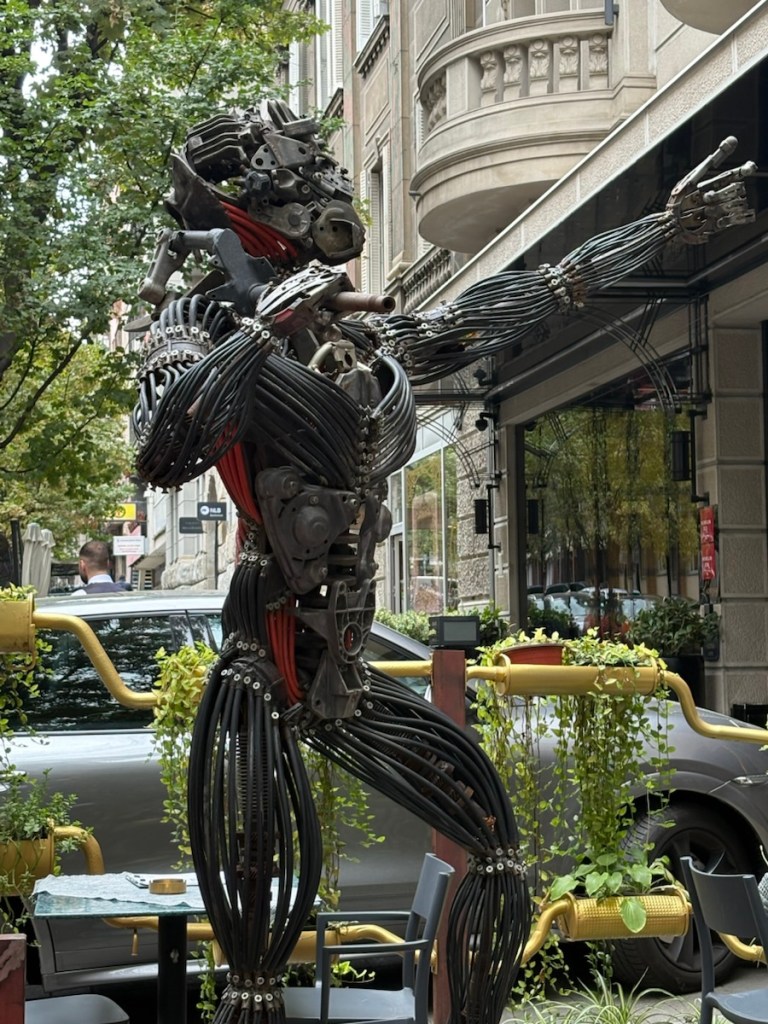

Note the car mufflers!
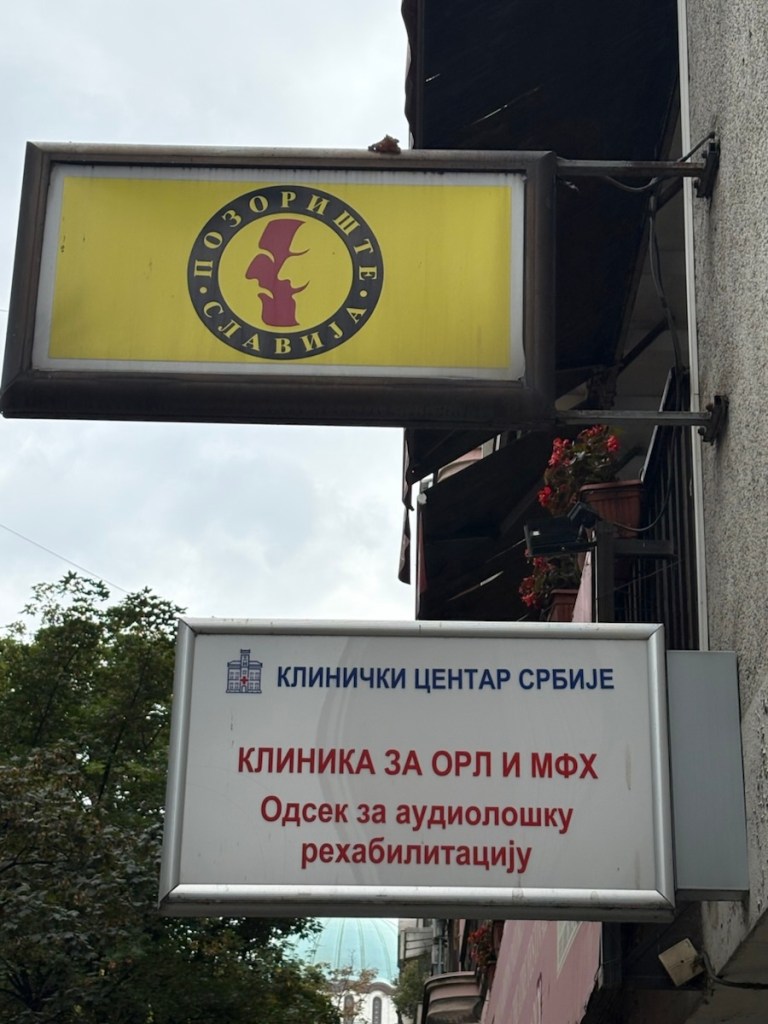
CLINICAL CENTER OF SERBIA
ENT AND ENT CLINIC
Department of Audiological Rehabilitation
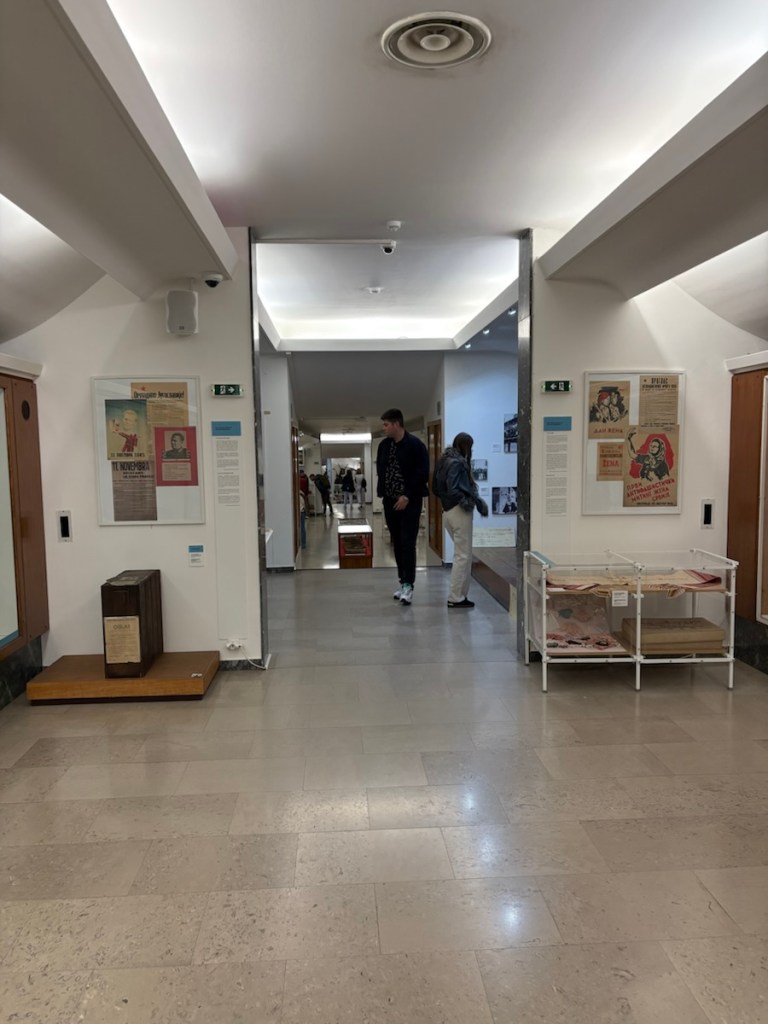
The last stop of the day was to the interesting Museum of Yugoslavia, a complex that includes the House of Flowers, Josip Broz Tito’s residence and now his mausoleum. Tito was the ruler of the former Yugoslavia from 1945 until his death in 1980. The complex also has the “Old Museum” and the “25th May Museum” buildings, along with beautiful grounds and a couple currently drained fountains.
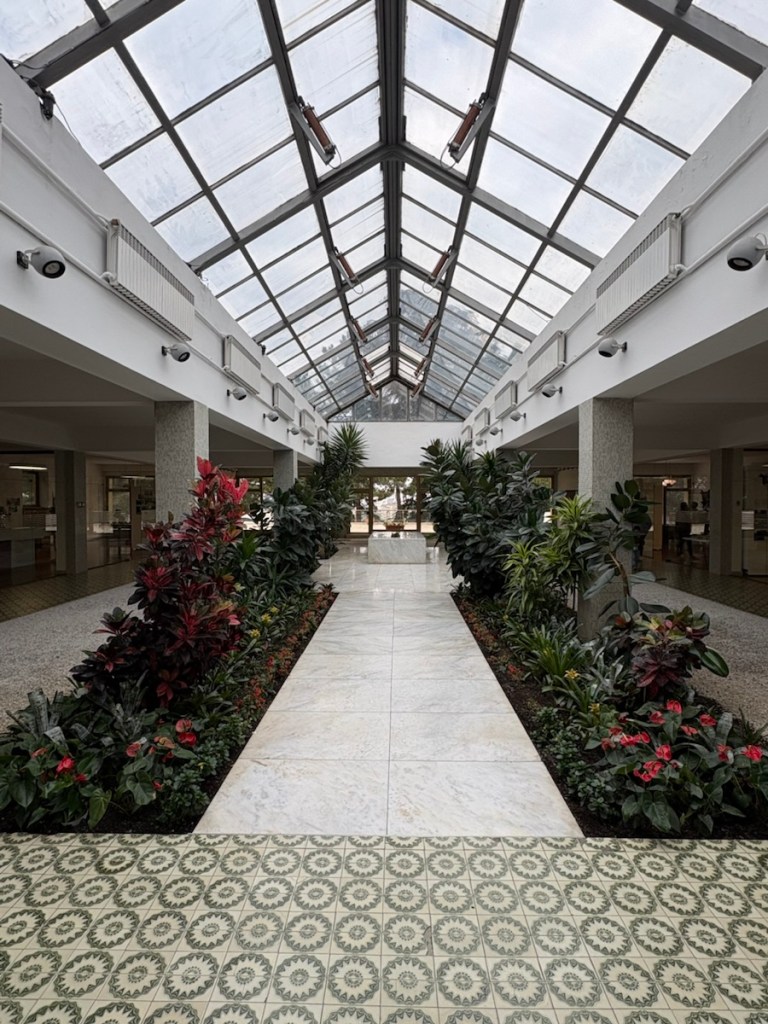
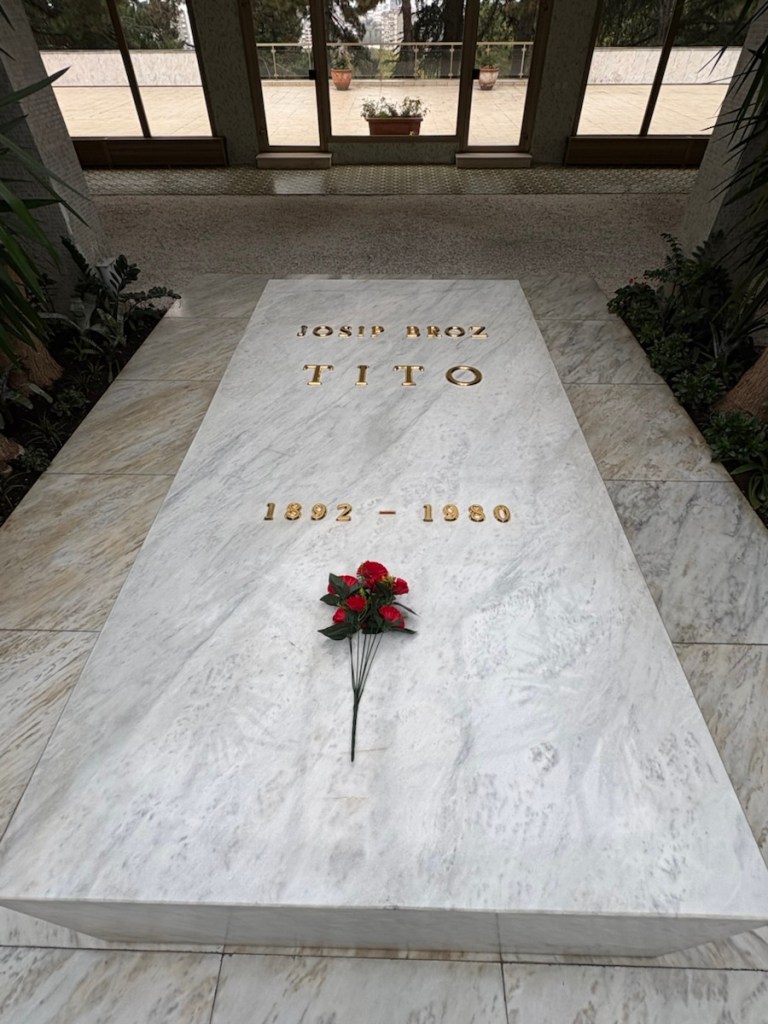
His given name, Josip Broz, was modified when he adopted the name “Tito” as a revolutionary pseudonym during his early Communist activities. The origin is widely believed to come from the phrase “Ti, to!” in Serbo-Croatian, meaning roughly “You, do this!” or “You, that!”, reflecting his commanding style and leadership approach. It became his enduring nom de guerre and later his official identity as leader of Yugoslavia.
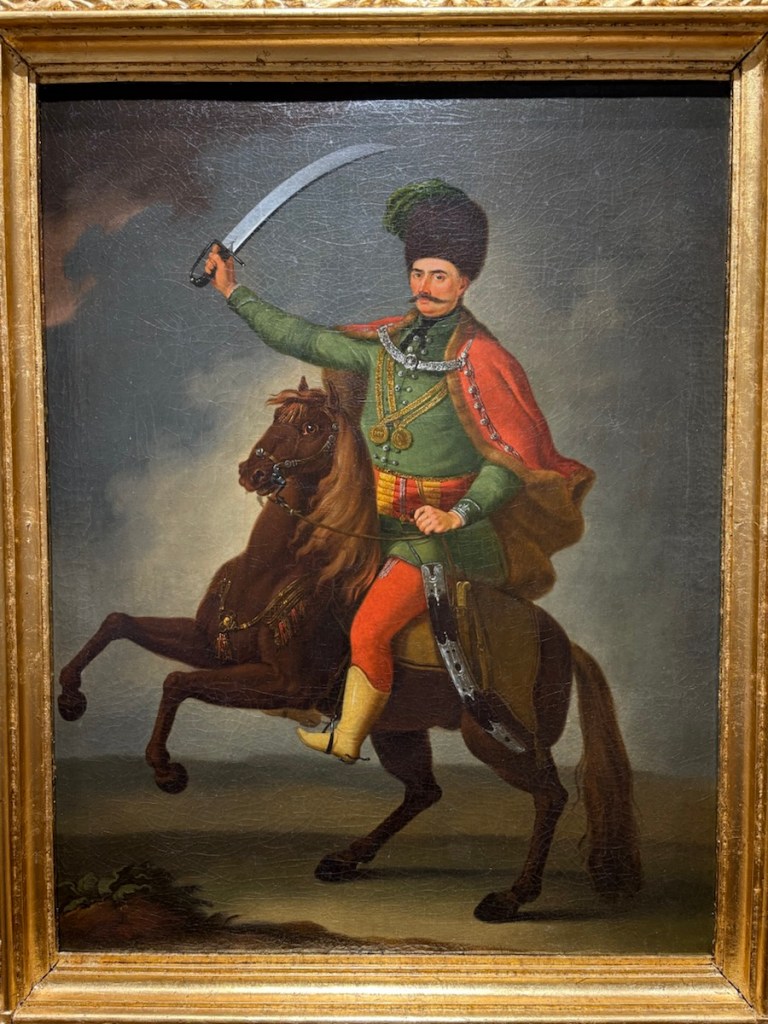
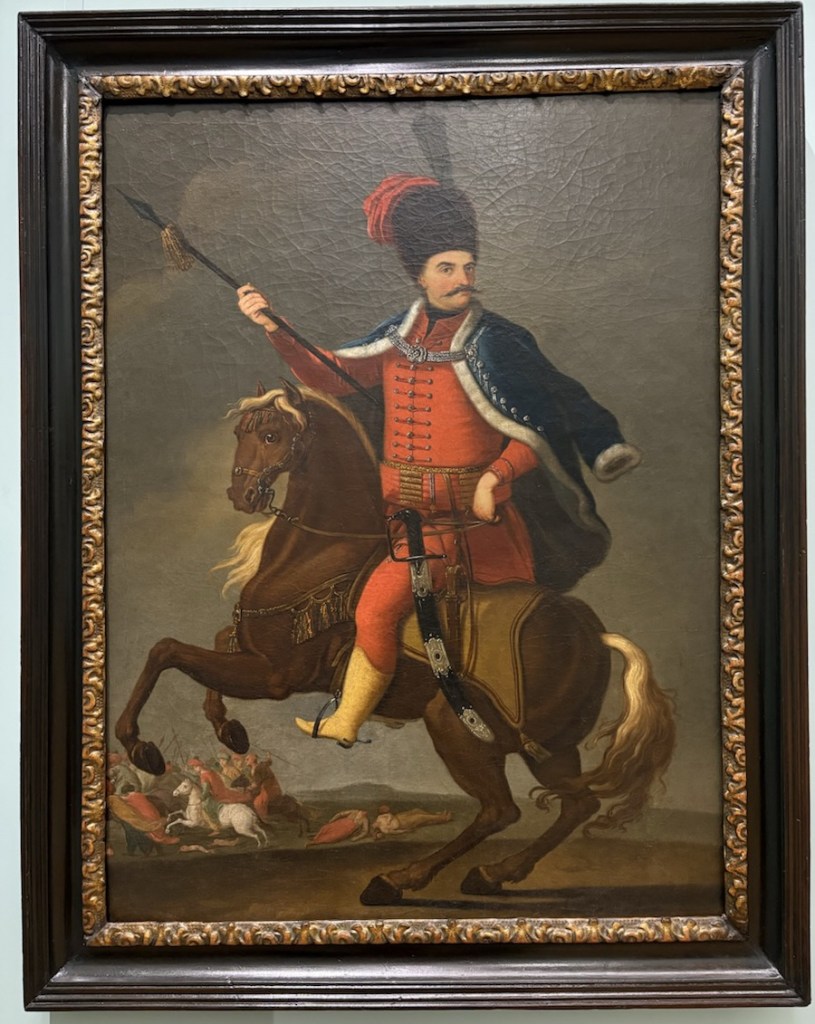
And an artwork mystery…
Two paintings shown below. Did the same artist paint both? Are they of the same subject in different outfits? The horses are shown equally small in relation to the size of the horsemen.
After a little web research, I found they are indeed both by the same painter, and artist named, “Arsenije Arsa Teodorović.” And apparently, the subjects are of two brothers, Bogić and Ivan Vučković. Crazy!
And tomorrow, it’s on to Romania! And Dracula! And bears!
Before you go…
If you think you are too small to be effective, you have never been in the dark with a mosquito.

 A Captain’s Adventures