
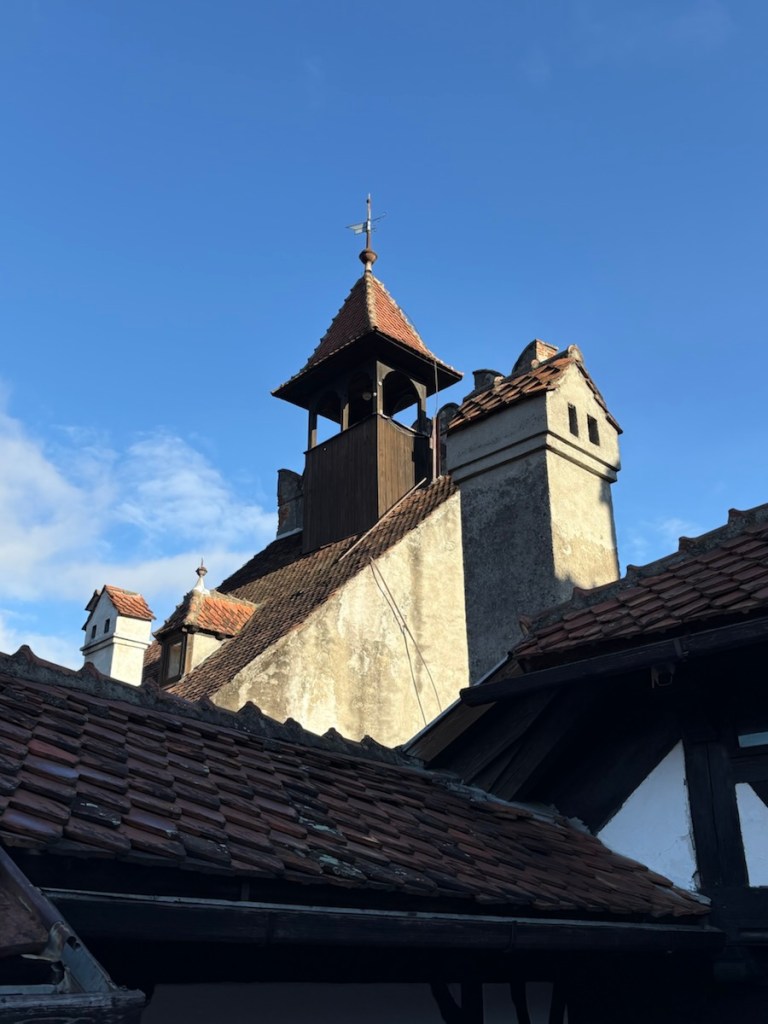
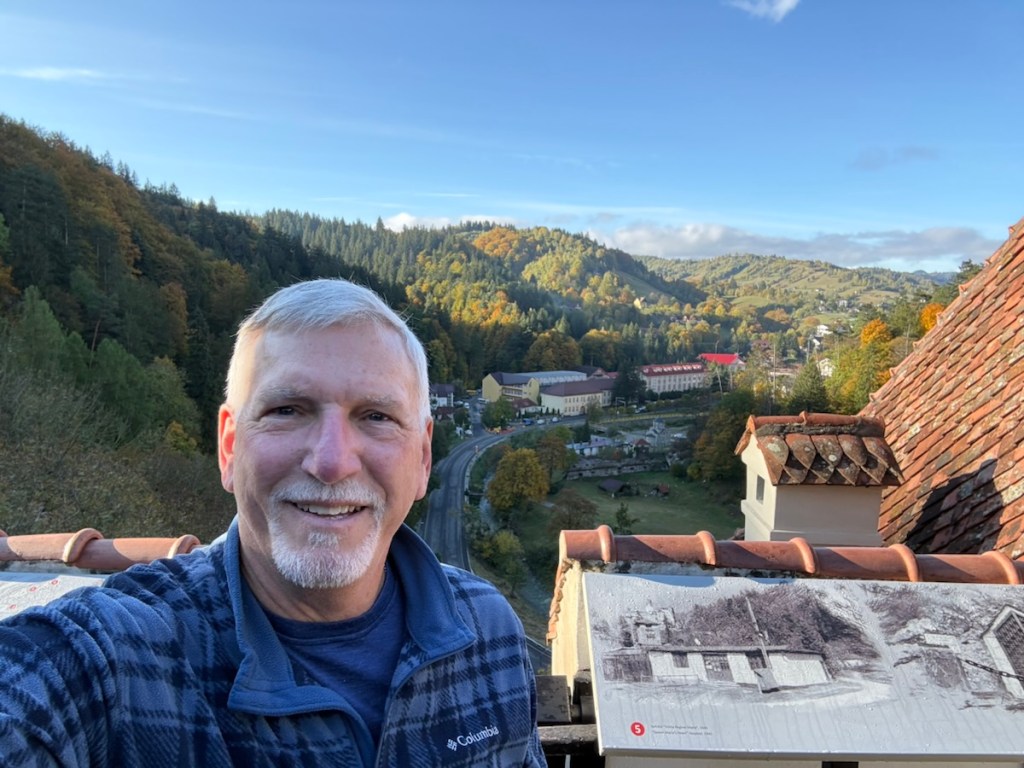
Bran Castle was a delight, due in large part to the stories told by my guide, Sebastian. He was full of historical facts and jokes.
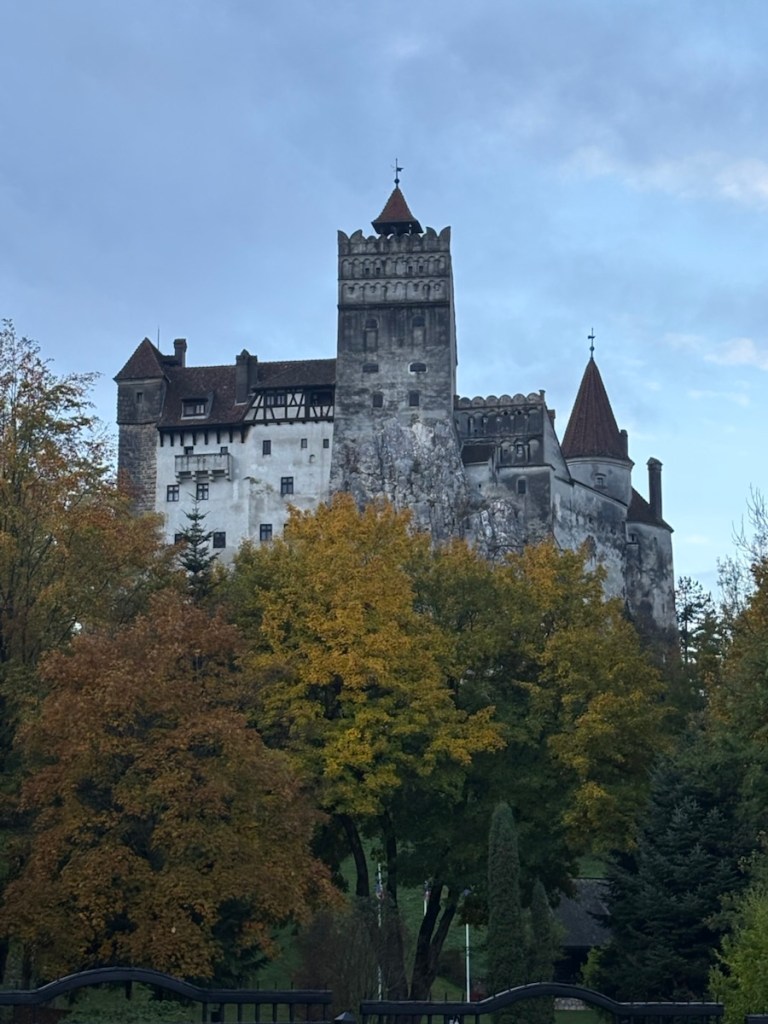
The Castle has had three primary roles over the centuries since it was built.
1 – Medieval Fortress
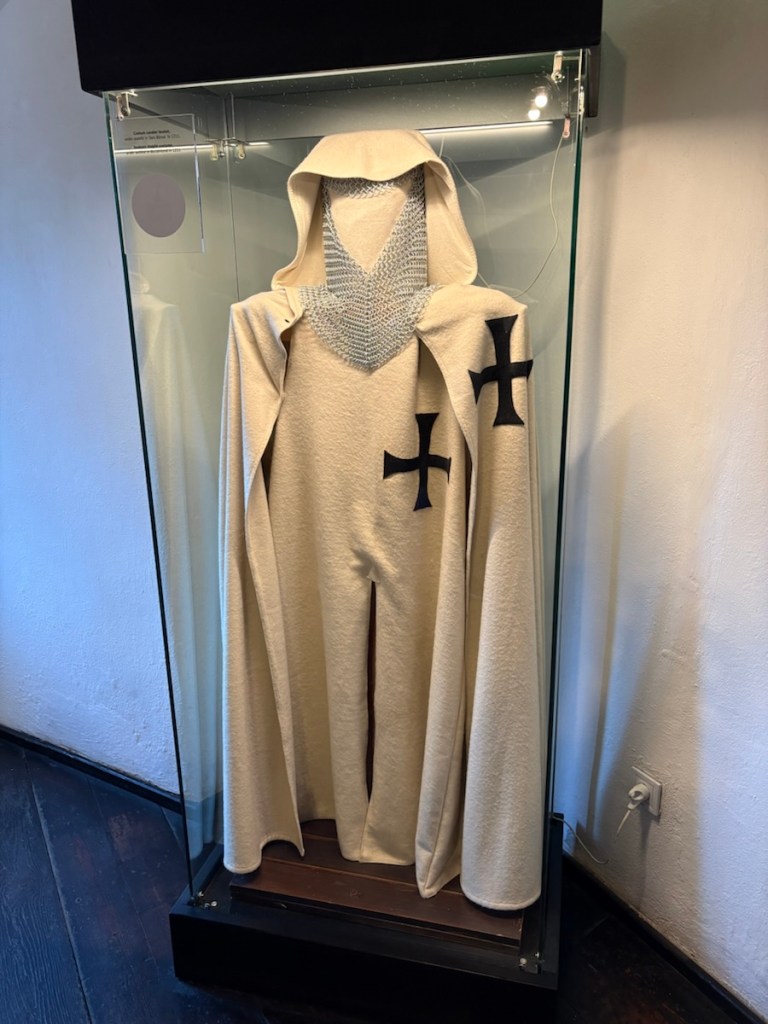
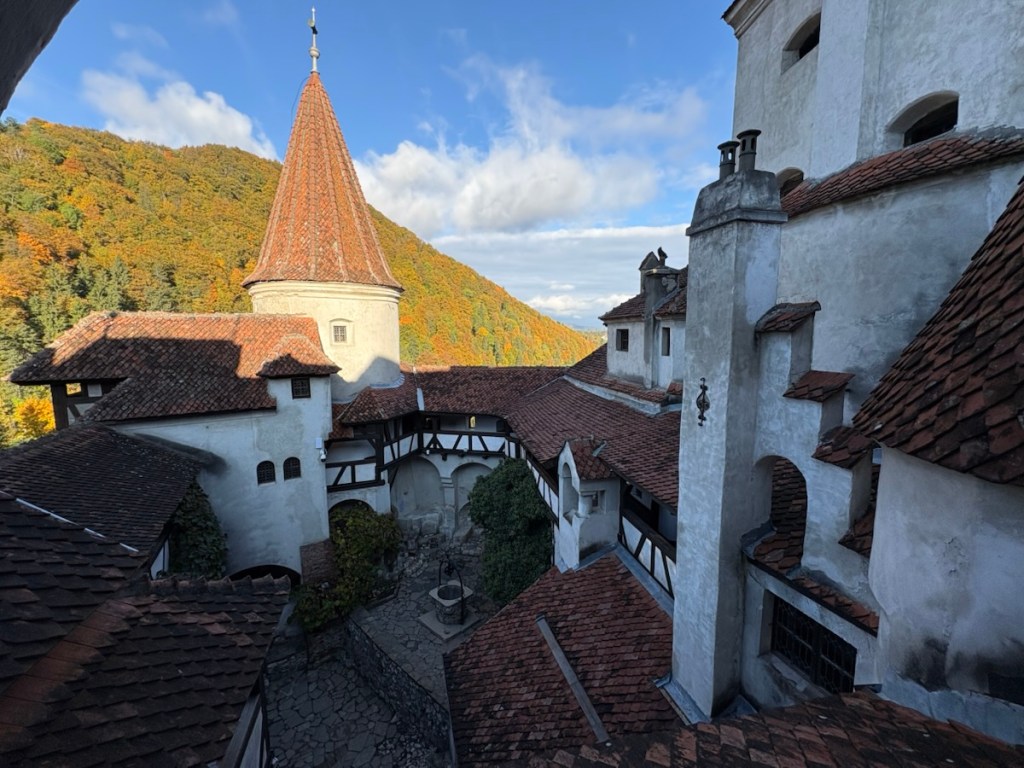
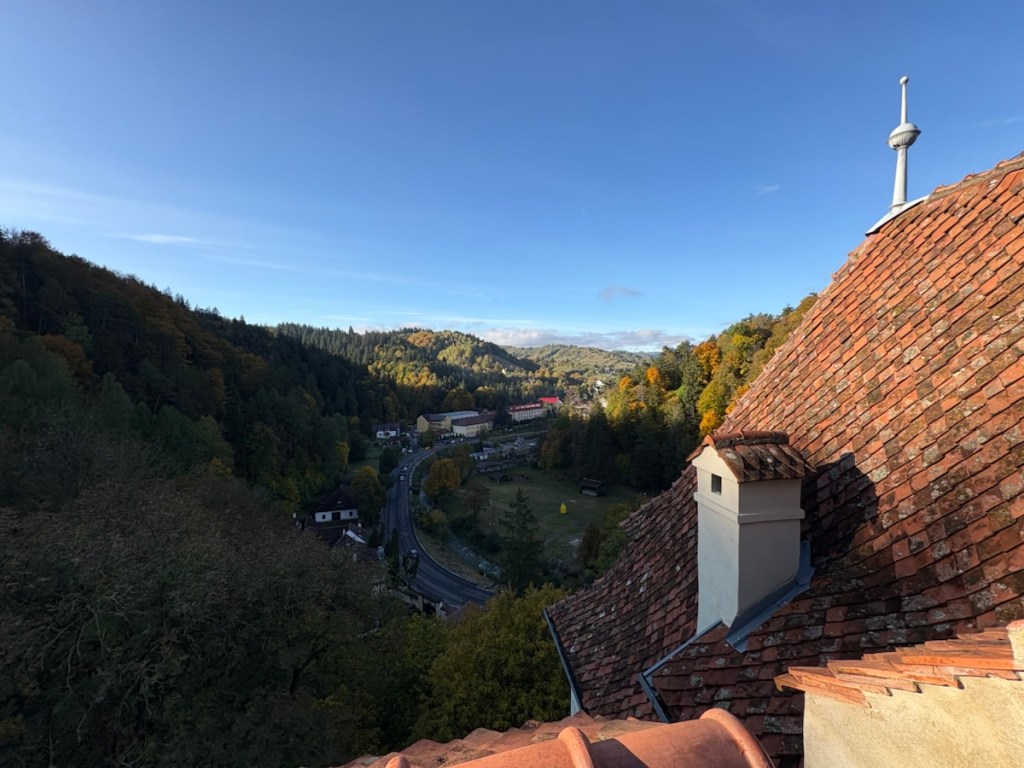
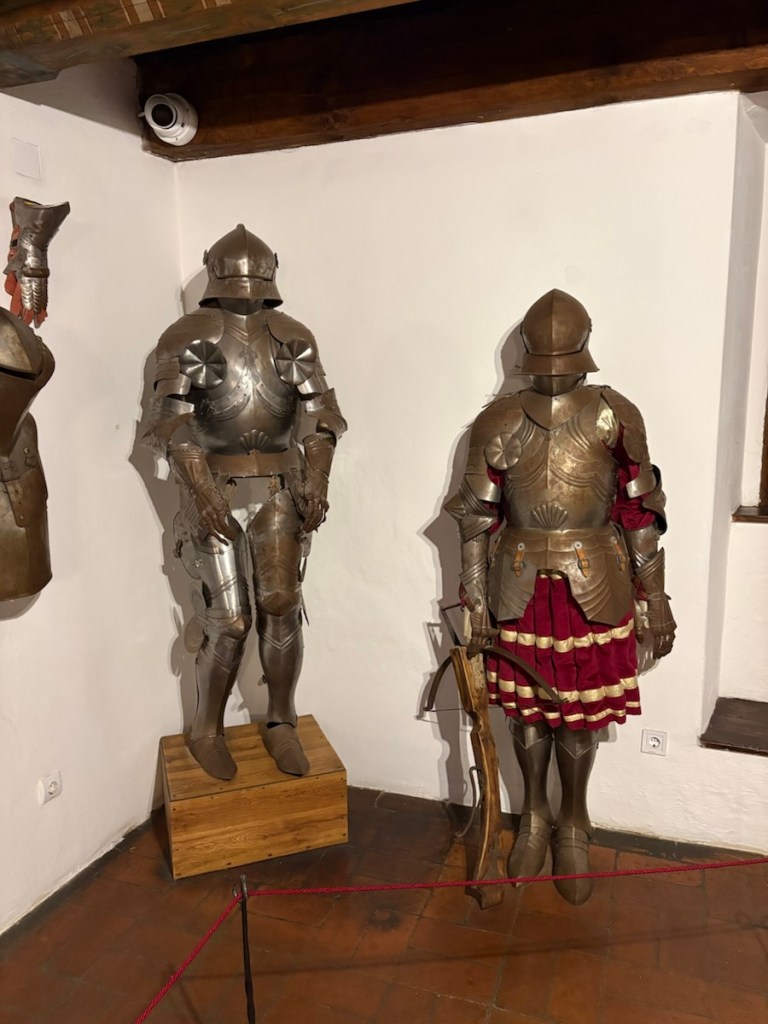
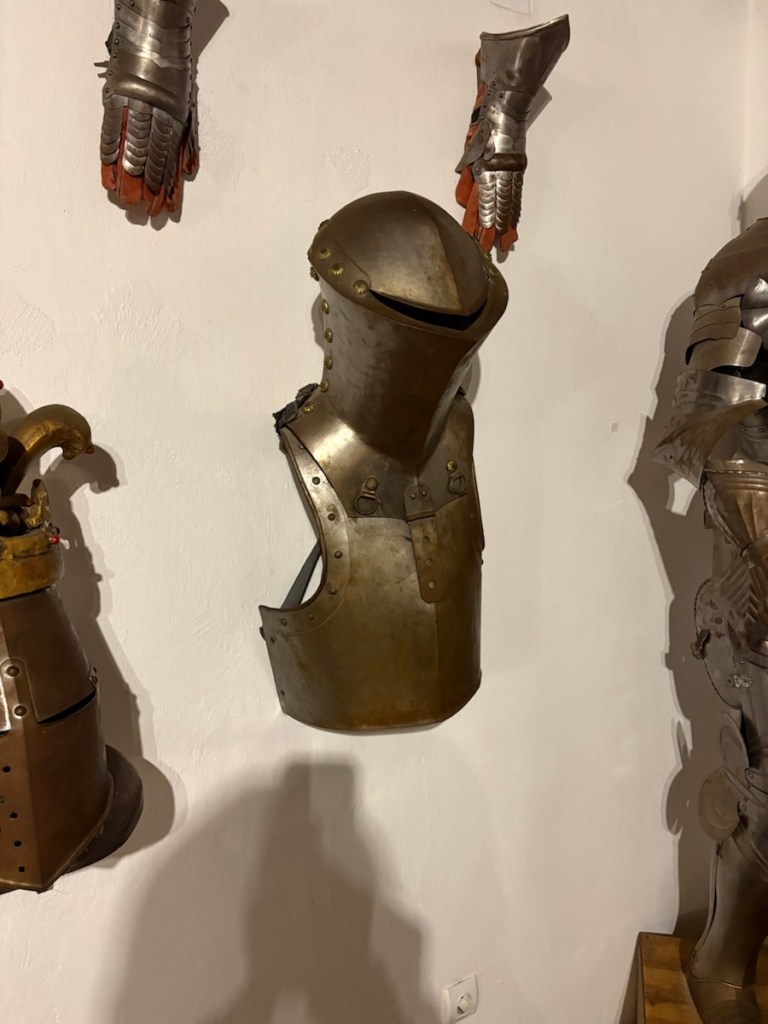
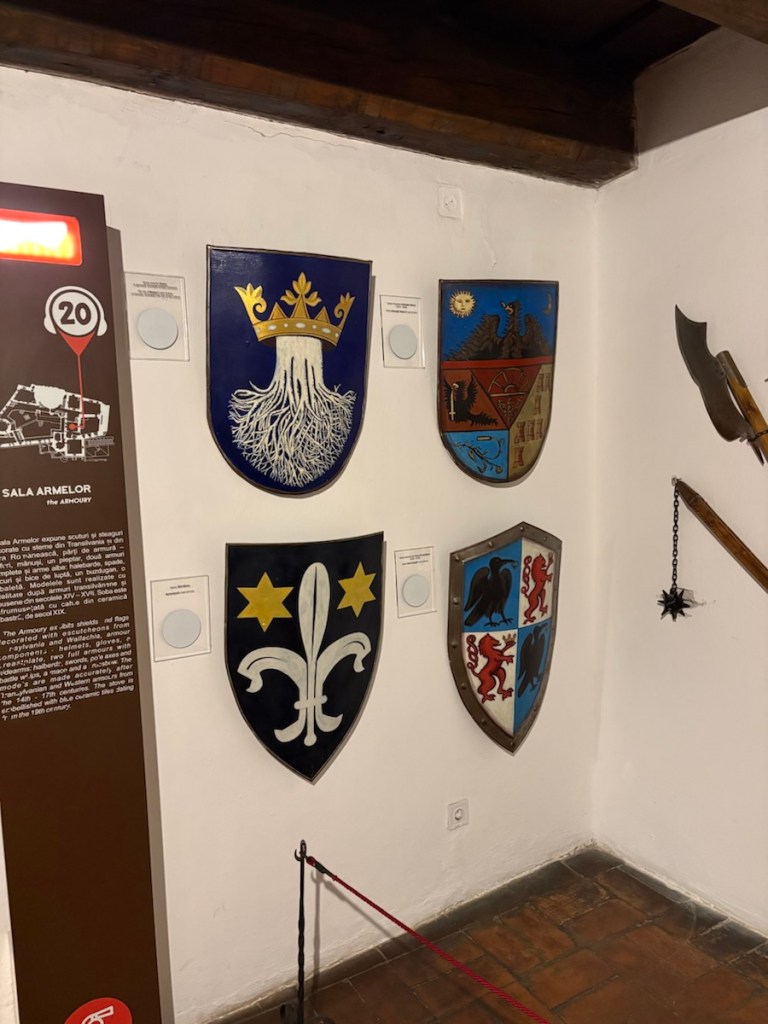
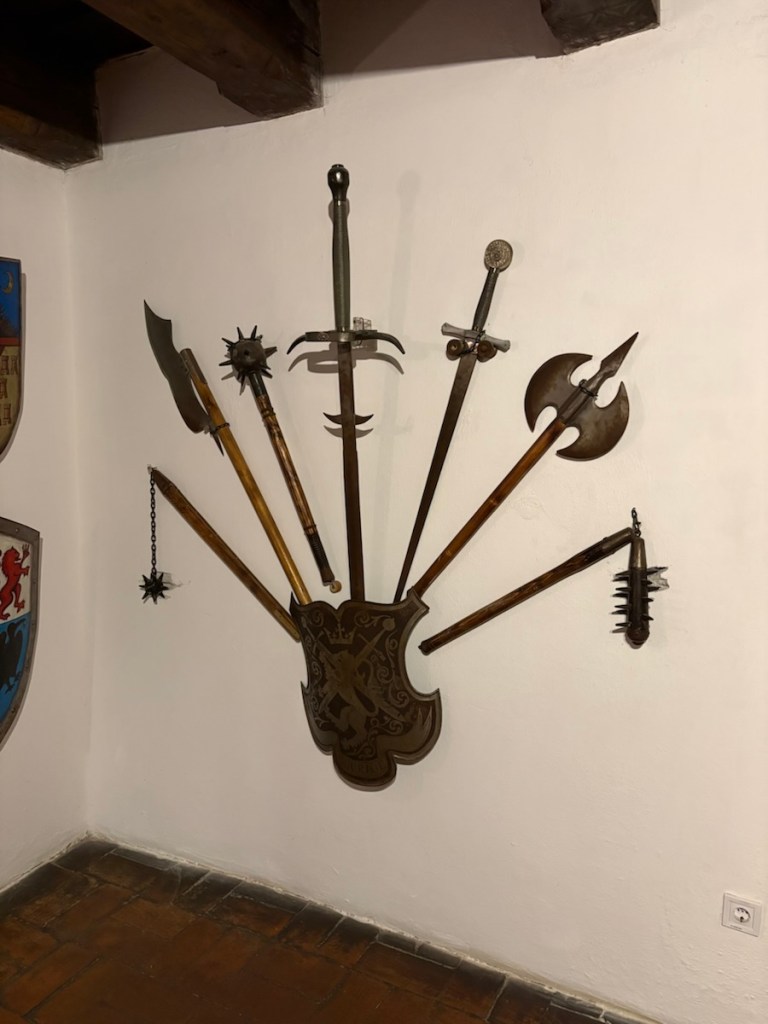
Bran Castle was built between 1377 and 1382 for economic and strategic reasons: the defence of the Customs House and the commercial roads passing through the Bran Gorge. The fortress was built by the inhabitants of Brasov at their expense, in exchange for customs privileges. The geographical position has ensured the surveillance of the gorge, thus receiving significant military attributes. The main mission was to block any enemy invasion at the gates of the fortress until help would arrive from Raşnov and Braşov. According to historical sources, English mercenaries formed the fortress’s garrison, which defended the gorge. Generally, the garrison numbered between 12 and 24 men, with few exceptions: in 1599 when it numbered 40 men and in 1658 when it counted 30 soldiers. Bran Castle remained the customs point until 1836.
2 – Royal Castle
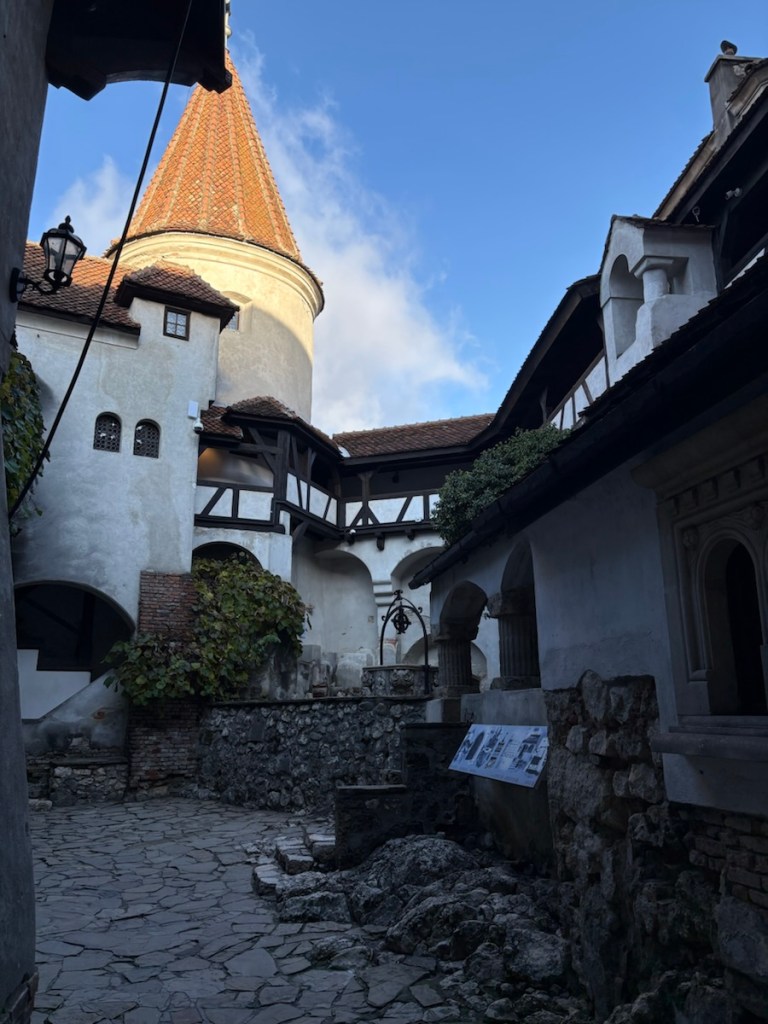
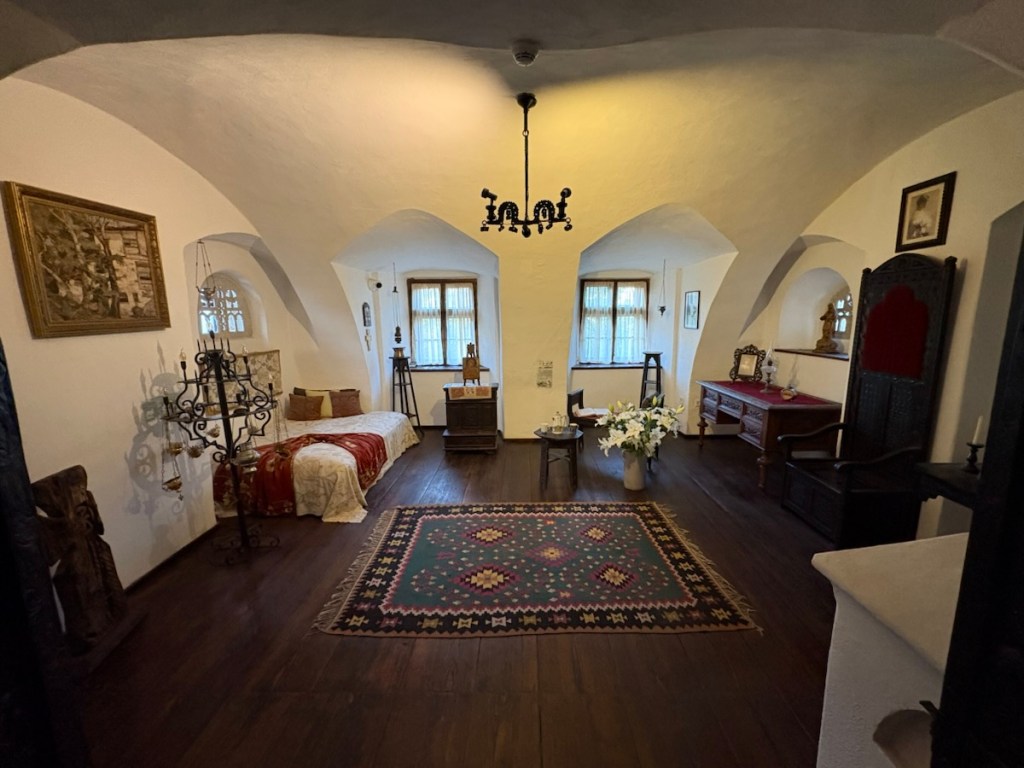
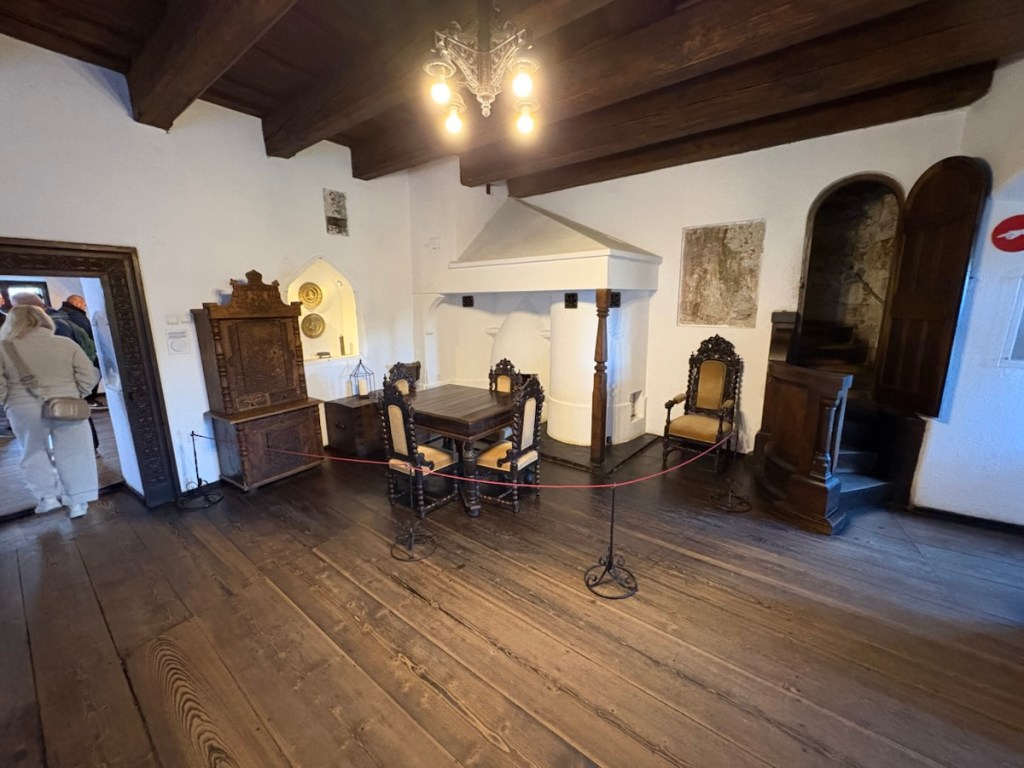
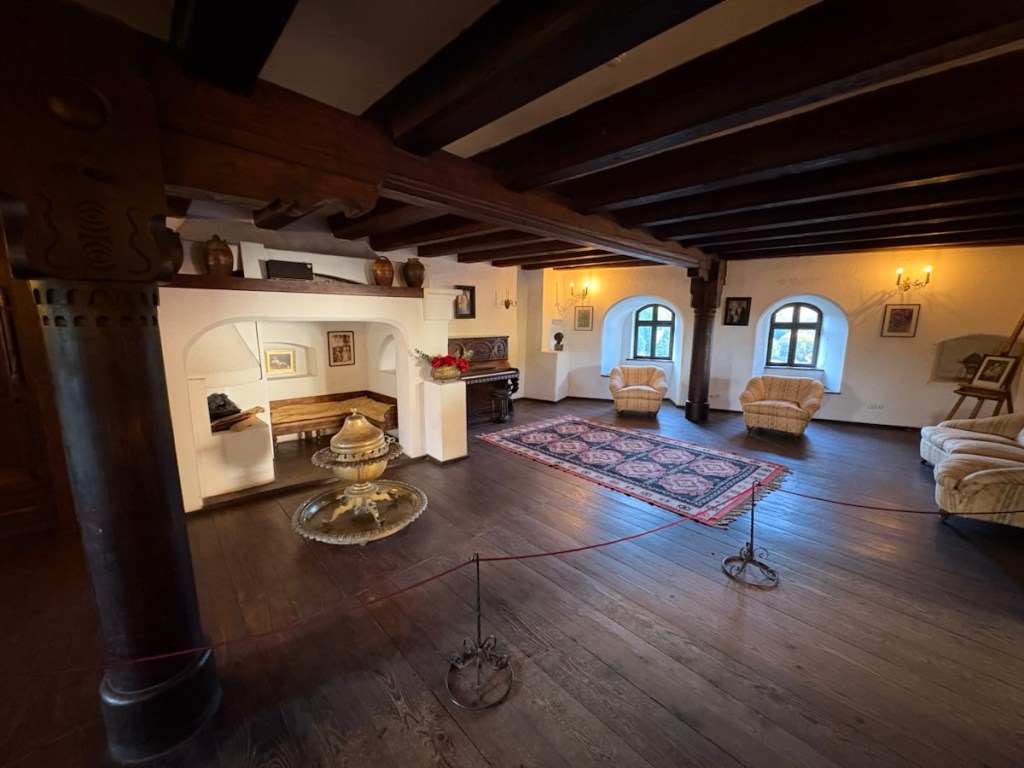
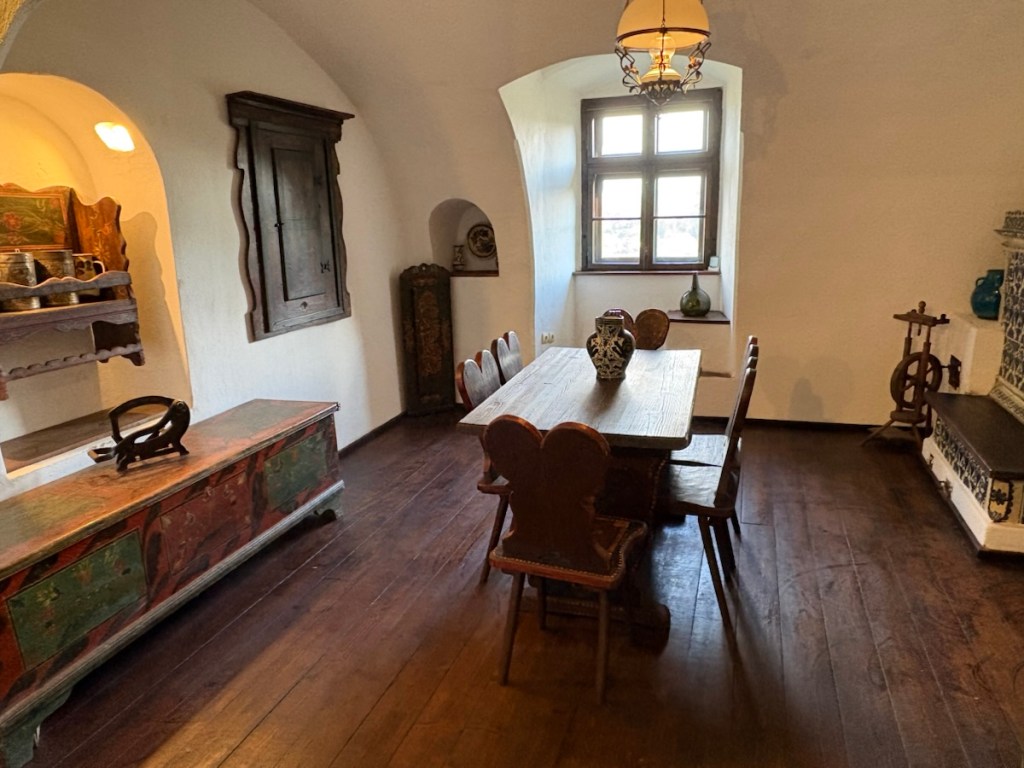
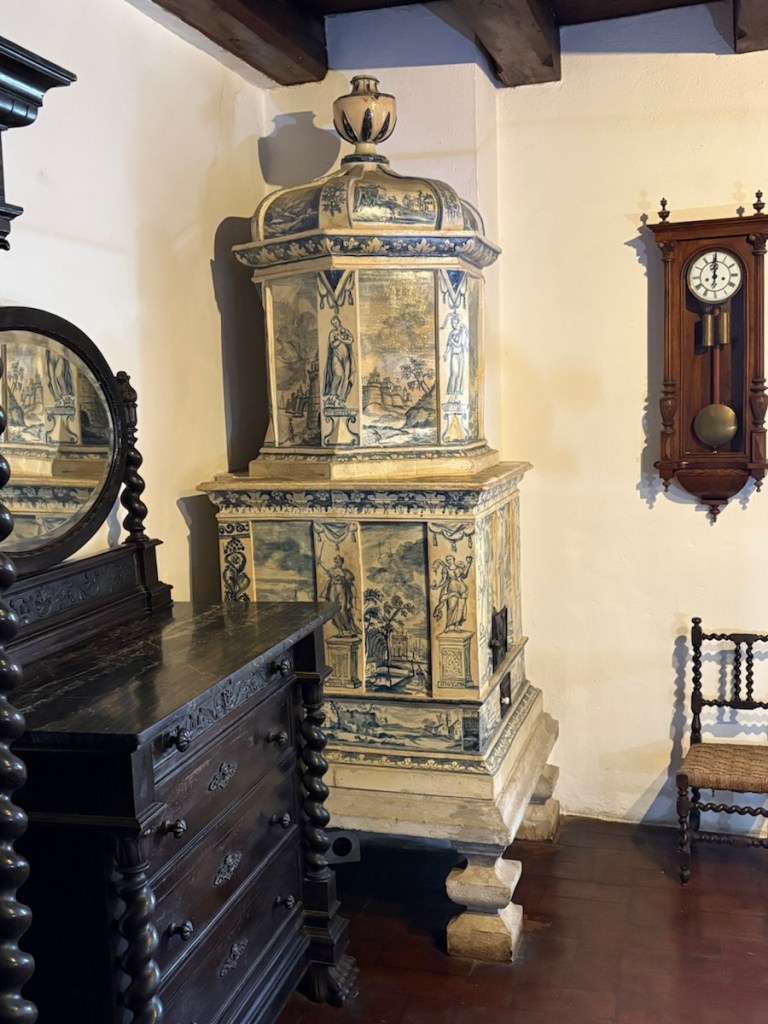
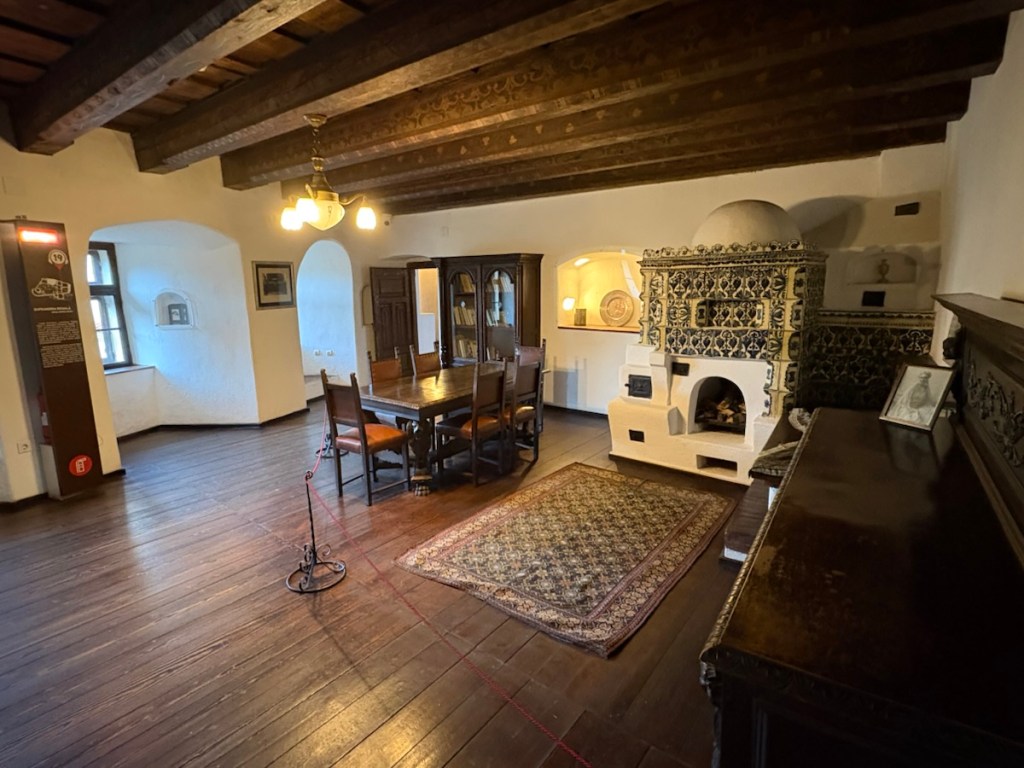
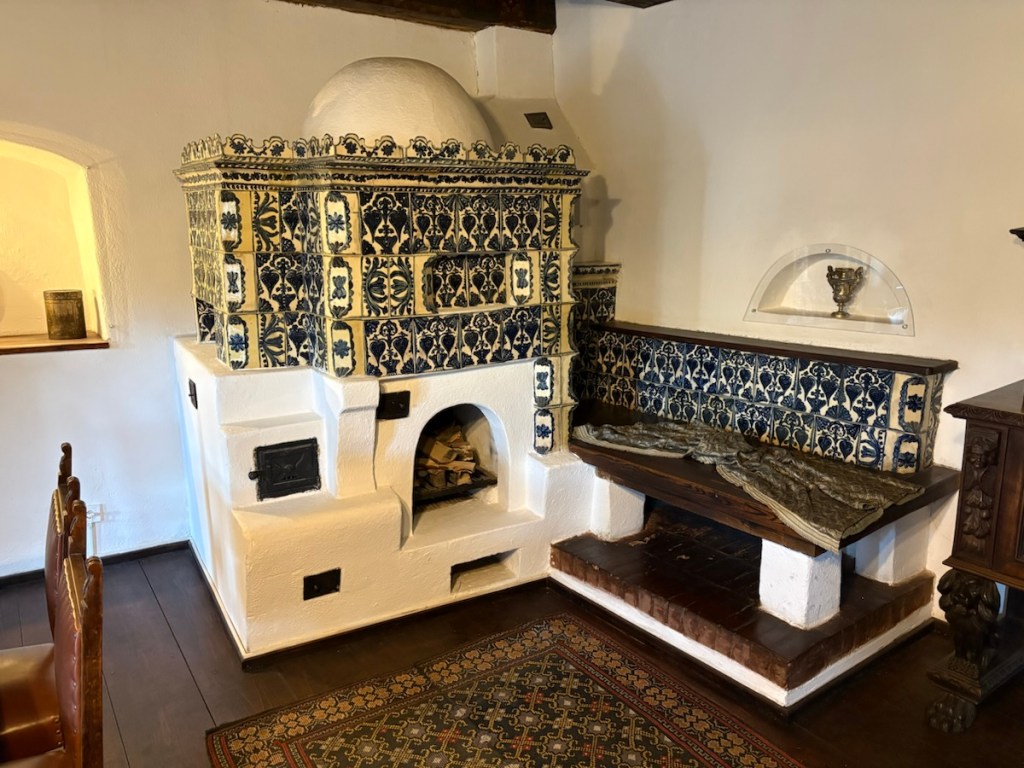
After 1918, Transylvania became part of Greater Romania. In 1920 the City Council of Brasov symbolically offered Bran Castle to Queen Marie. Between 1920 and 1937 under the strict supervision of the Queen and the Royal House architect, Karel Liman, the Castle was renovated: the 3rd and 4th floors were added with access stairs, the ramparts and the crenels became windows, the open fireplaces were replaced by beautiful tile stoves, a telephone was installed and a lift was built to facilitate access from the Royal Park to the Castle.
In 1932, in order to illuminate the Castle, Queen Marie ordered the construction of an electric turbine that offered free electricity to the surrounding villages: Bran, Şimon and Moieciu. Queen Marie left Bran Castle to Princess Ileana. Between 1944 and 1948, the Princess, together with her husband, Anton Habsburg, Archduke of Austria, and their children lived in the Castle and continued its’ development.
3 – Nocturnal Residence of Count Dracula
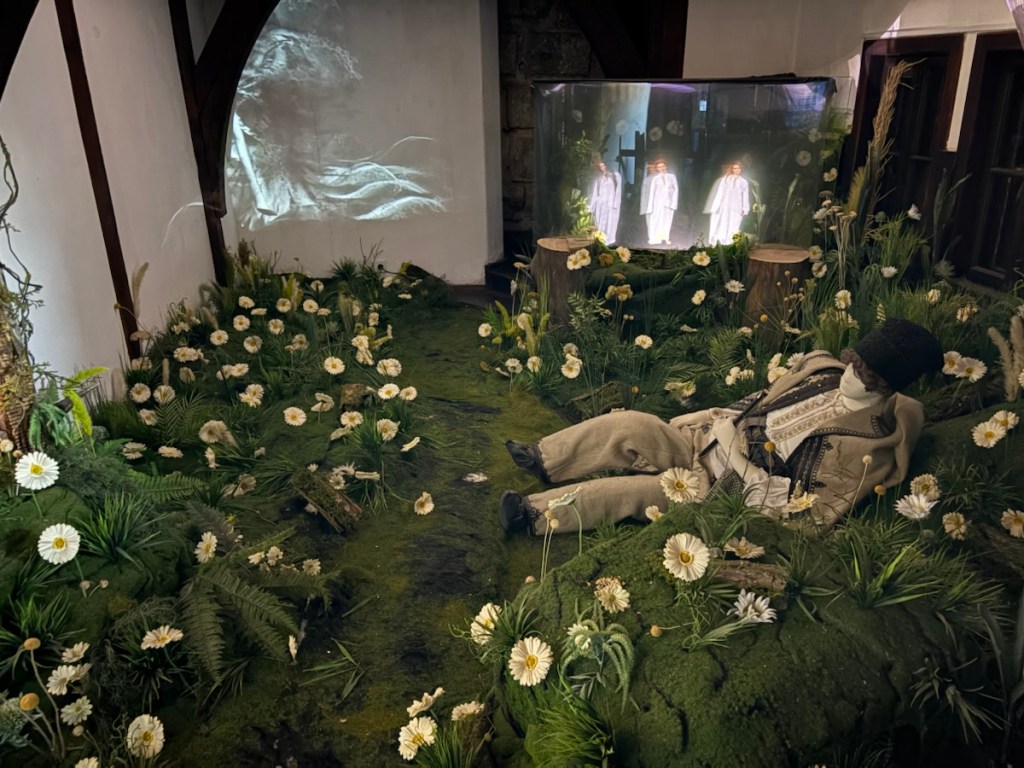
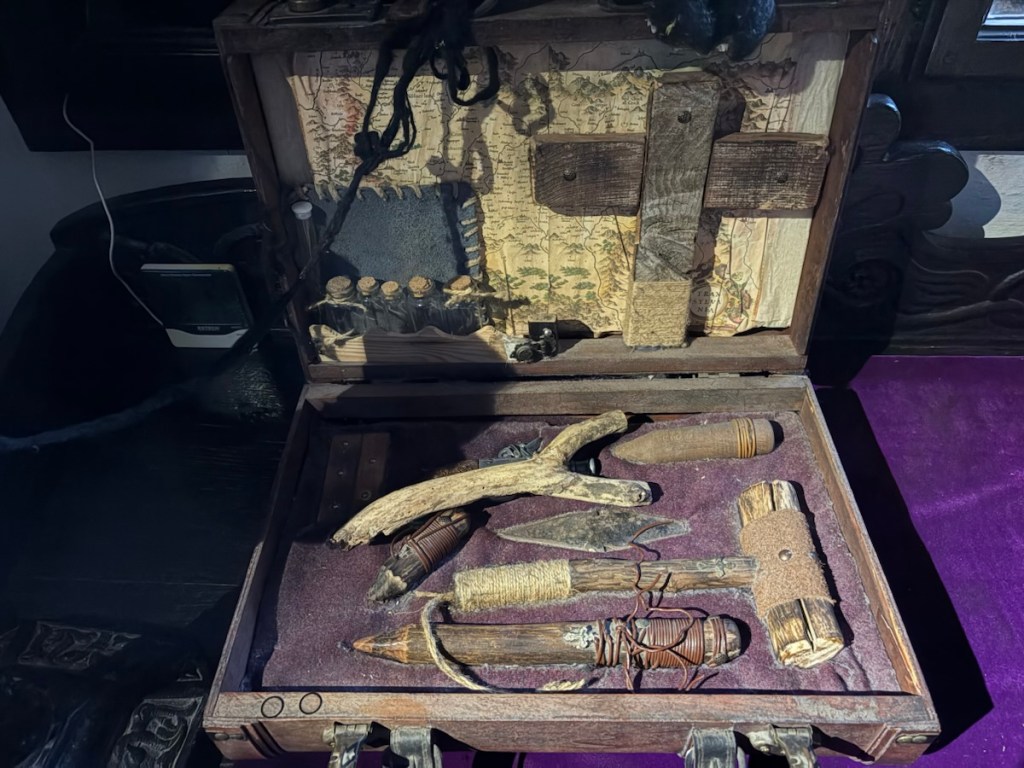
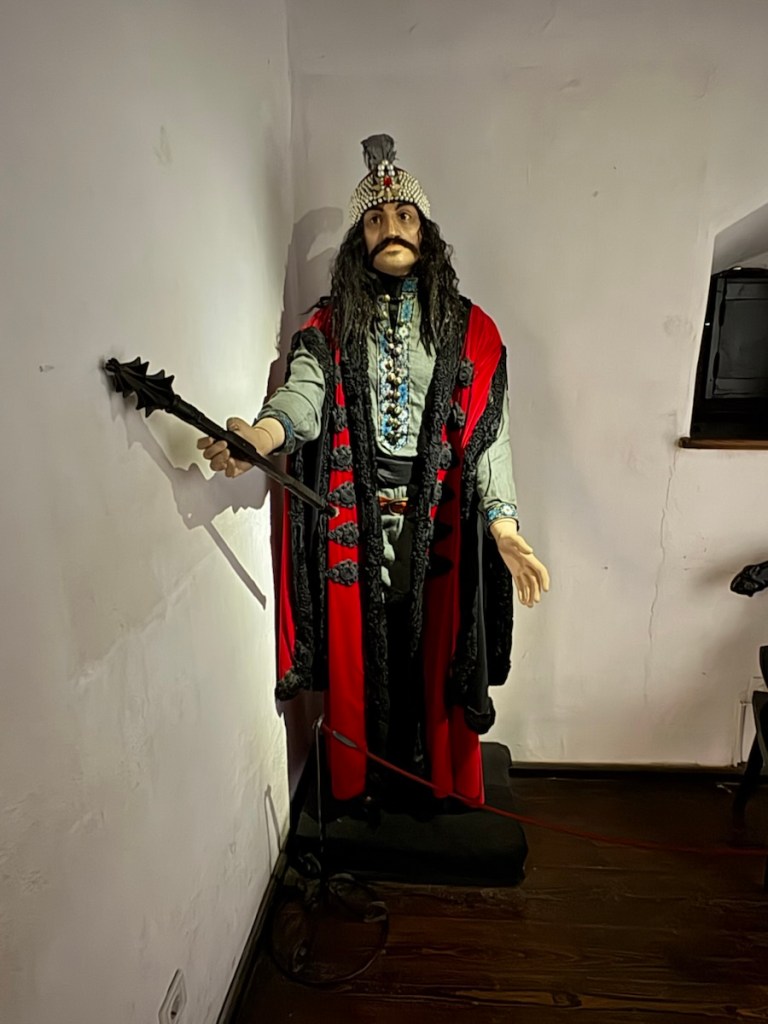
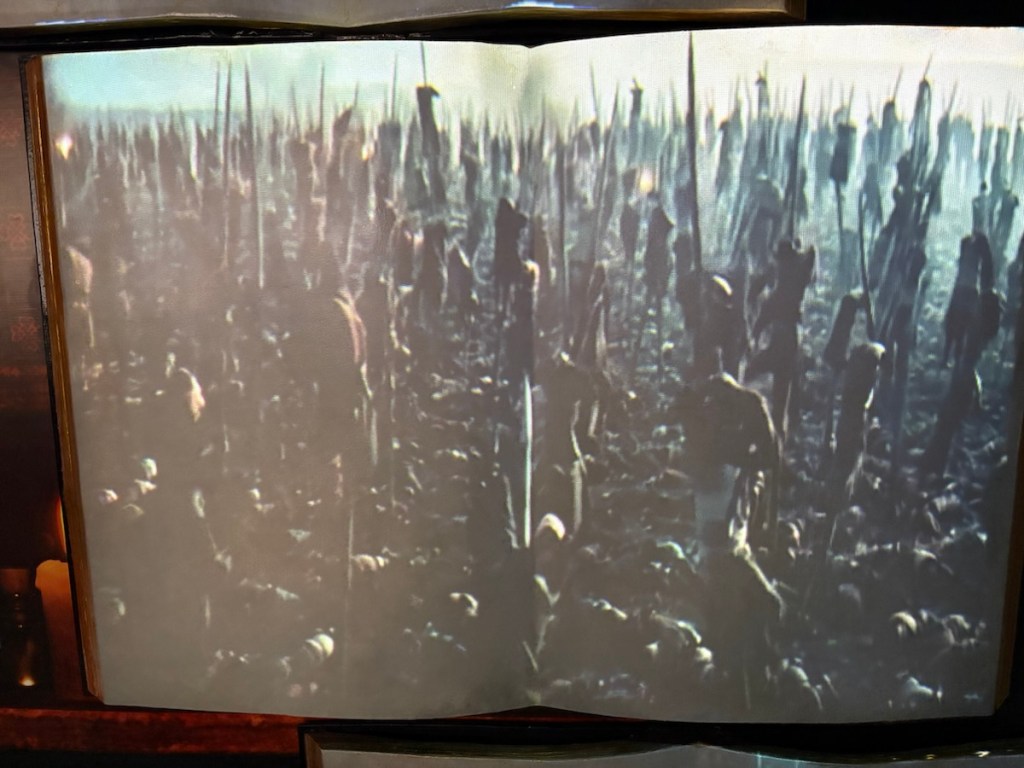
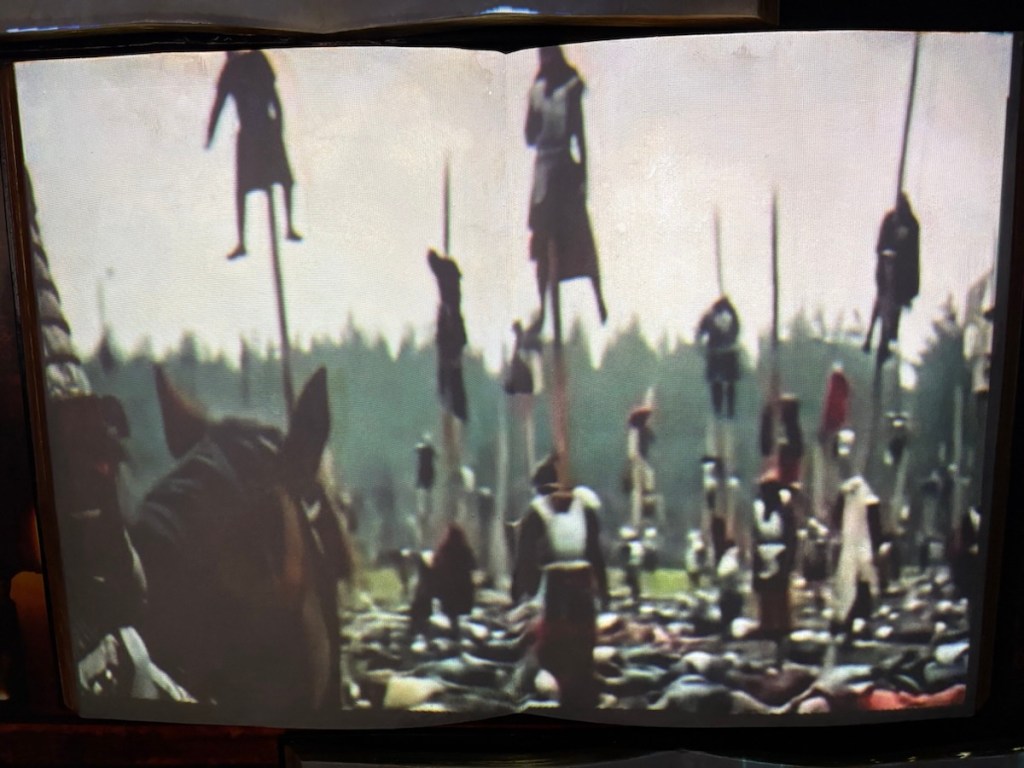
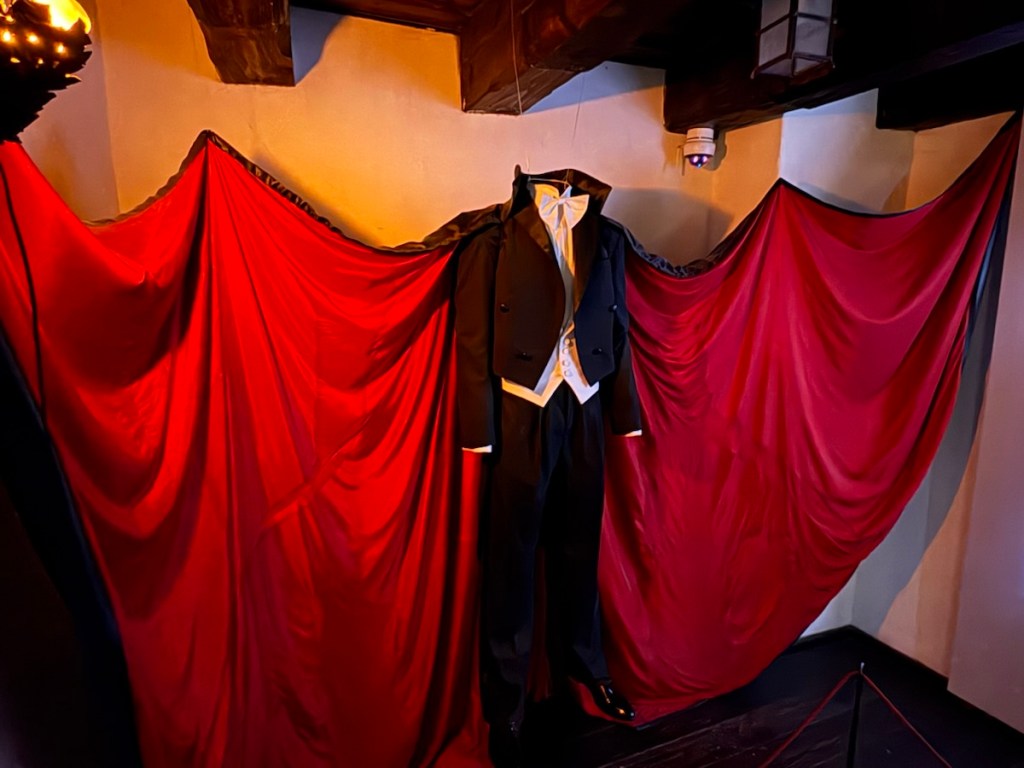
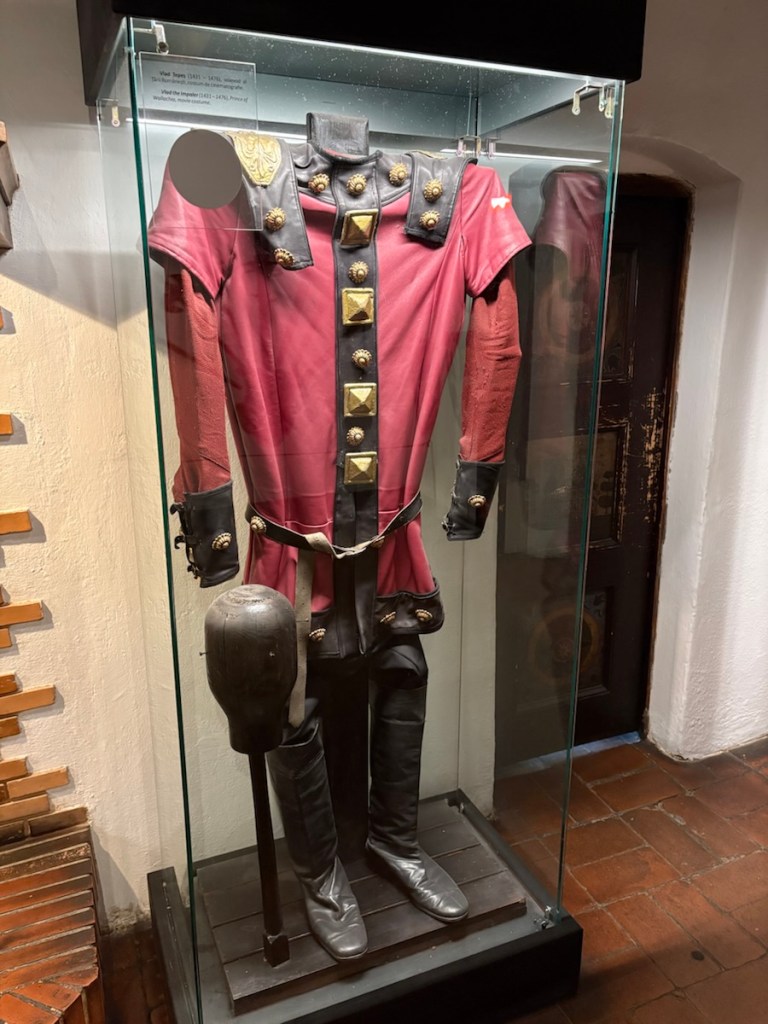
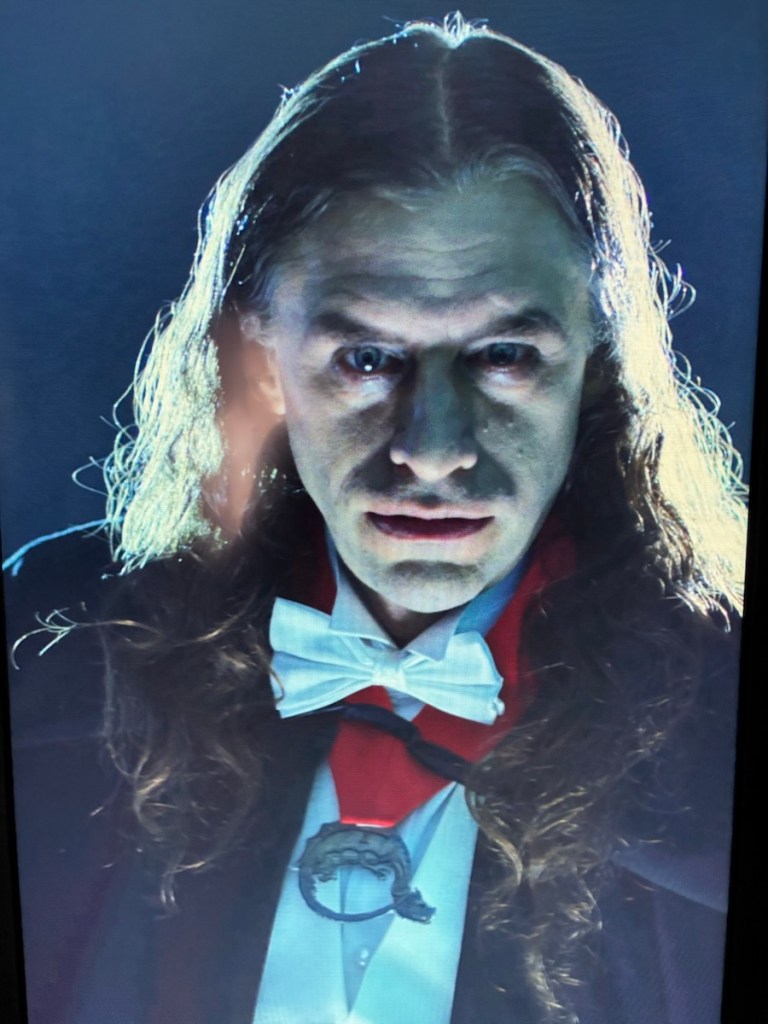
In 1897, the Irish writer Bram Stoker gave the world an imaginary character that even today fascinates audiences from all over the world: Dracula, an immortal Transylvanian count, thirsty for innocent blood. The legend created by Stoker is based on the fictional image of the 15th century Wallachian prince, Vlad Tepeş (better known as Vlad the Impaler), who was famous at the time by his severe punishment of the law breakers. Starting from Tepe’s bloody reputation, from his enigmatic death and the belief in supernatural beings such as the living dead, present in the Romanian folklore, Dracula is a mixture of real historical facts and imaginary. Bran Castle, described in literature as a great fortress difficult to conquer, located in a mysterious place in the midst of the Carpathians Mountains, was the ideal framework for Bram Stoker’s novel. Nowadays, Bran Castle is not only the imaginary residence of Count Dracula, but also presents to its public the characters of the Romanian folk tales: Strigoi, Moroi, lele, Muma-Pădurii.
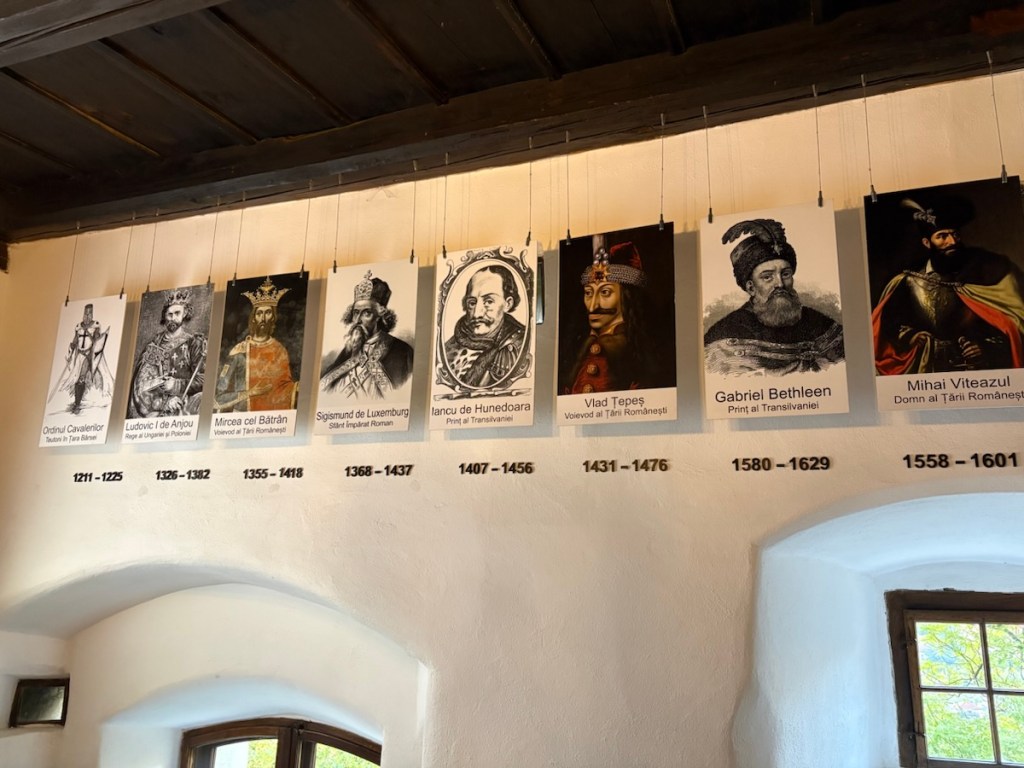
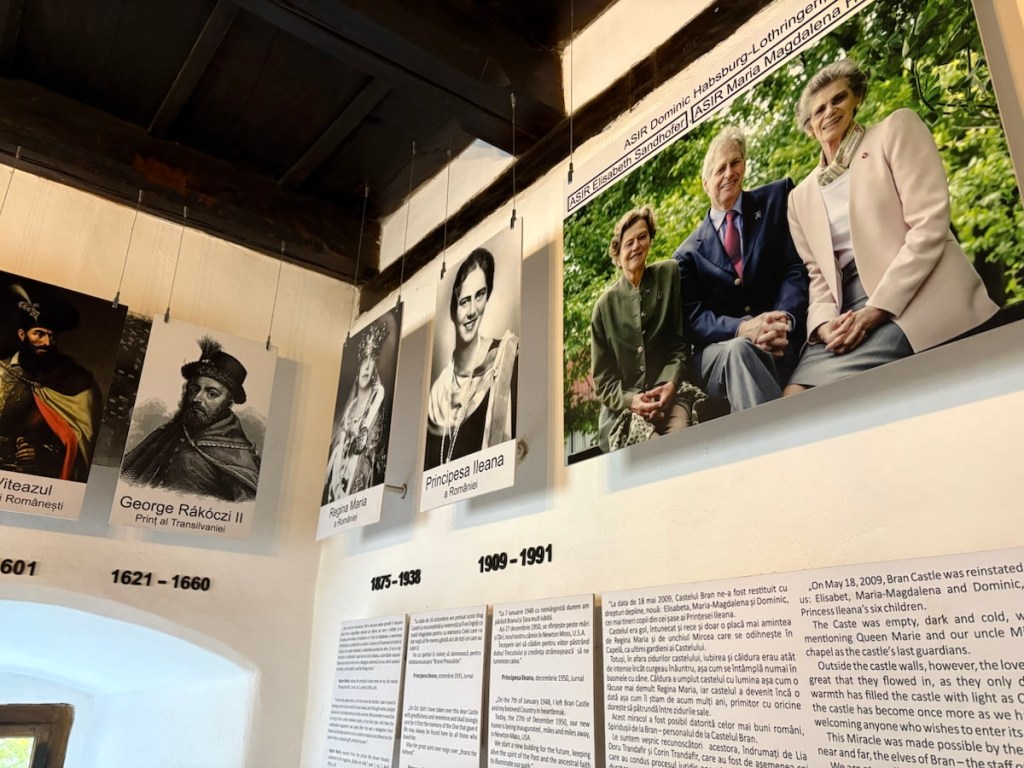
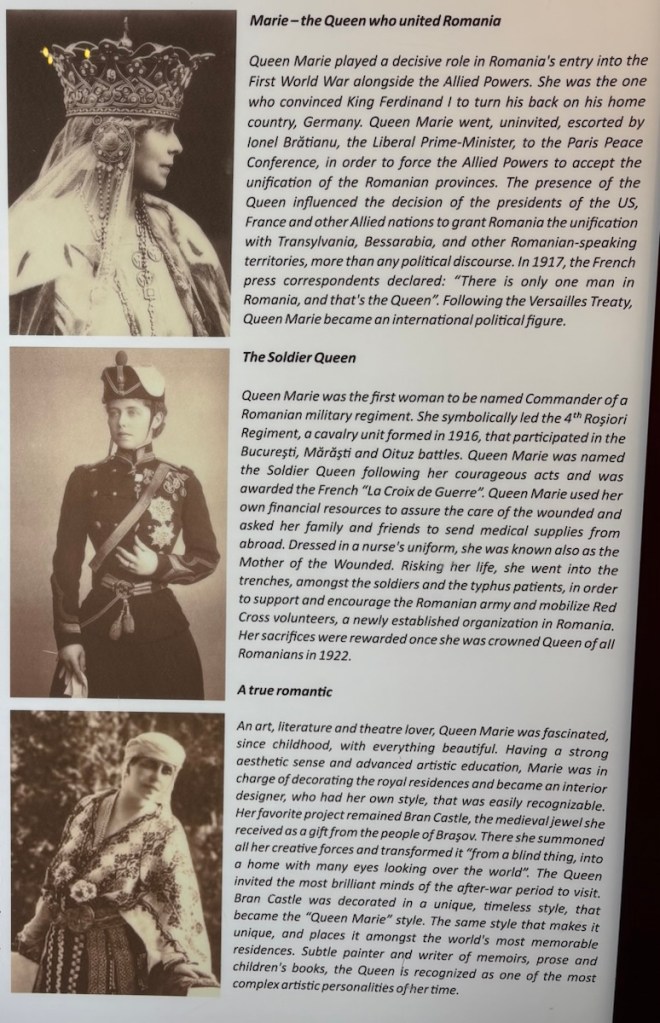
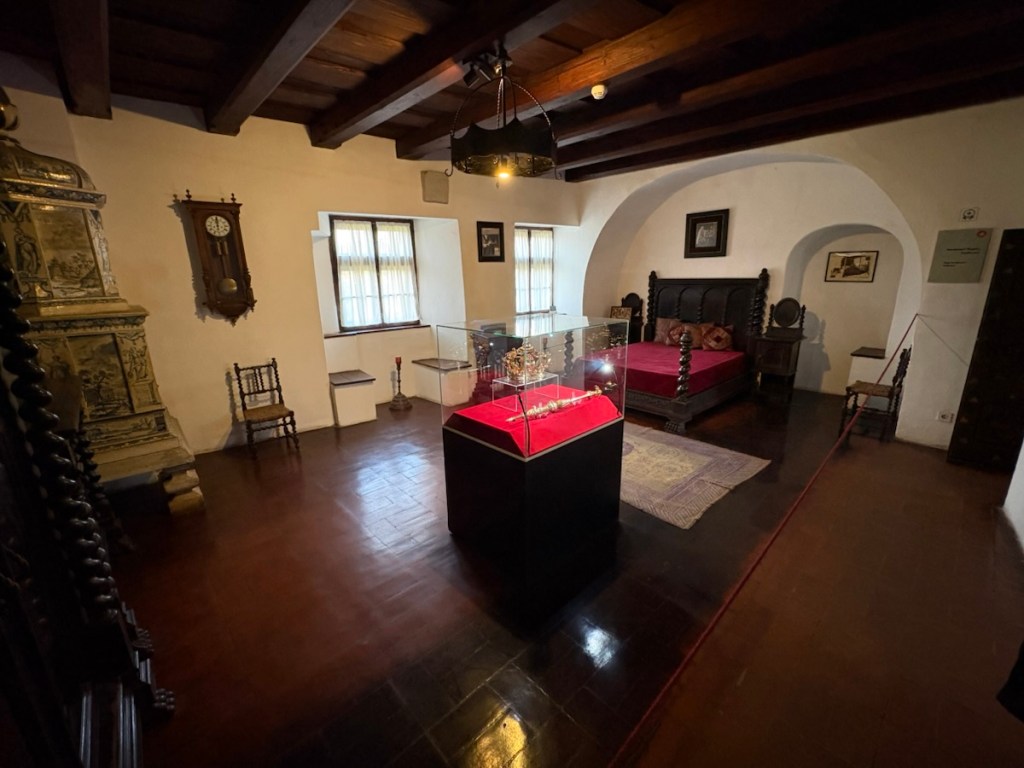
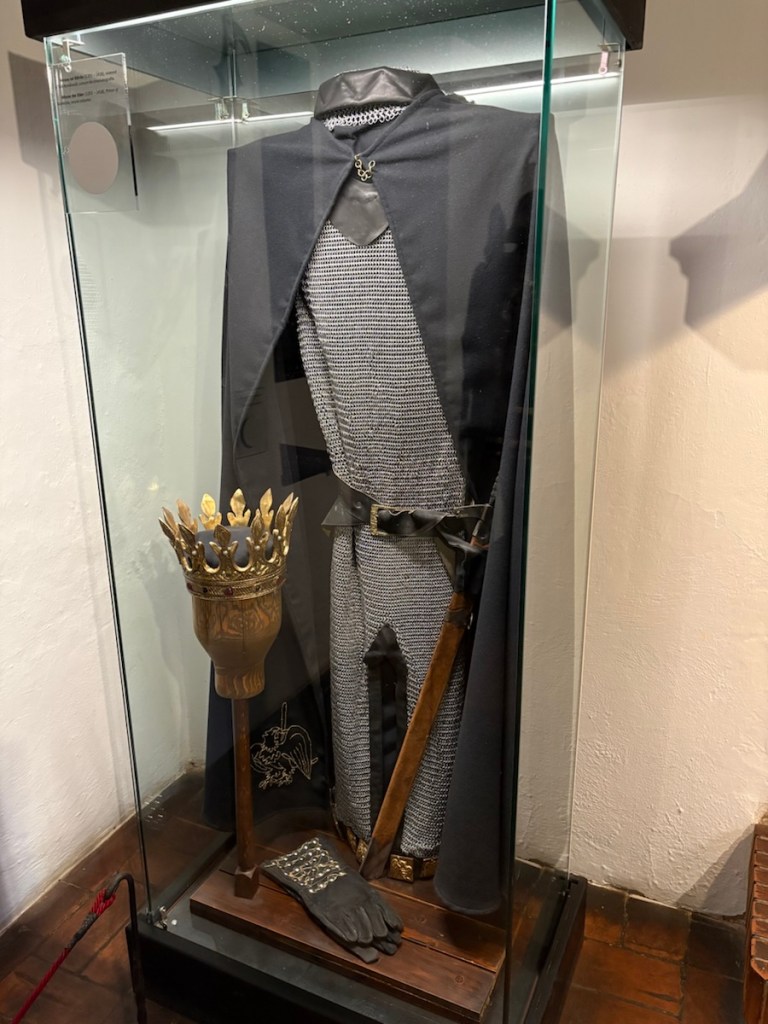
Marie Alexandra Victoria of Saxe-Coburg and Gotha was born on October 29th, 1875, and spent her childhood years at Eastwell Park in Kent. She was the granddaughter of Queen Victoria of Great Britain and of Alexander Il of the Romanov dynasty, Tsar of Russia. In 1893, she married Prince Ferdinand I of Romania at 18 years of age. Her first born son became the first Christian Orthodox king of Romania, King Carol II. At the end of the First World War, on October 15, 1922, she became Queen of Greater Romania, crowned in the cathedral in Alba-lulia. The Queen’s crown was inspired by Romanian medieval princesses’ crowns, and was made, symbolically, of Transylvanian gold. Marie, Queen of all Romanians, died on July 18th, 1938, passing from her people’s hearts into a legend.
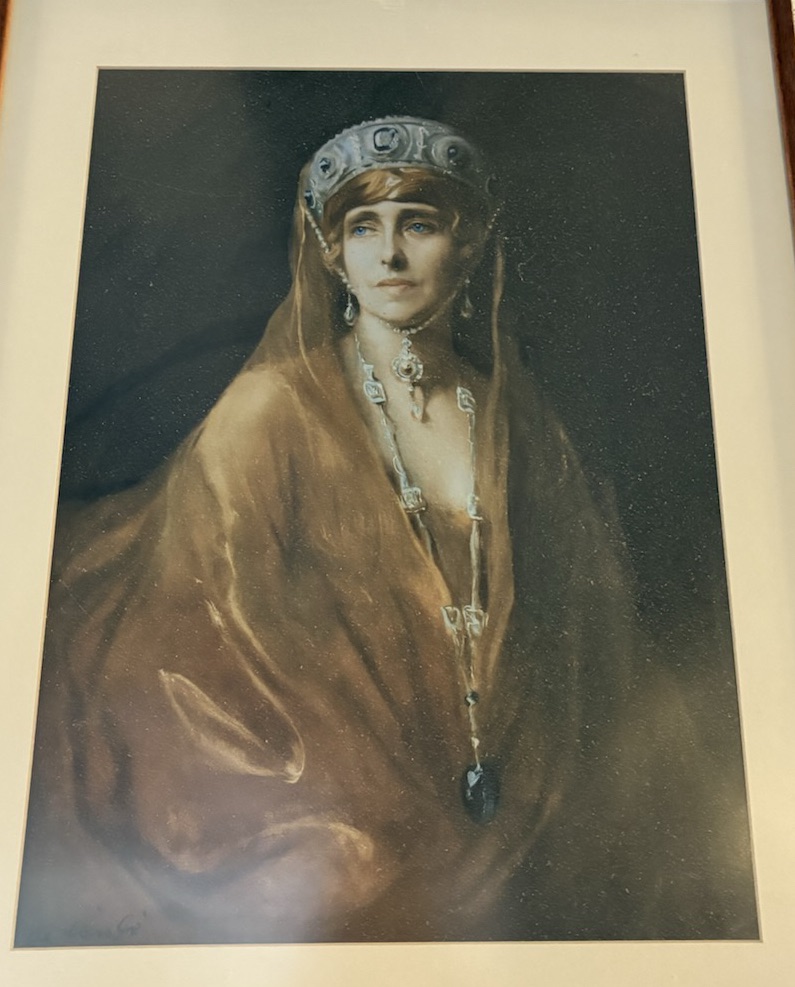
advertisement in 1924.
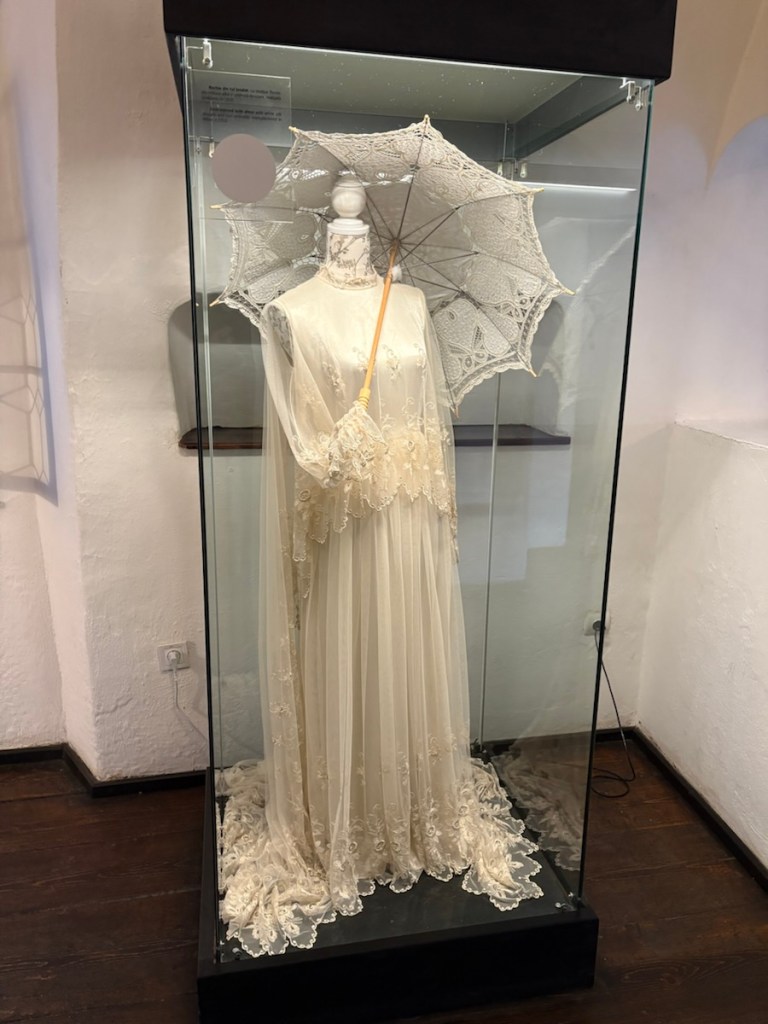
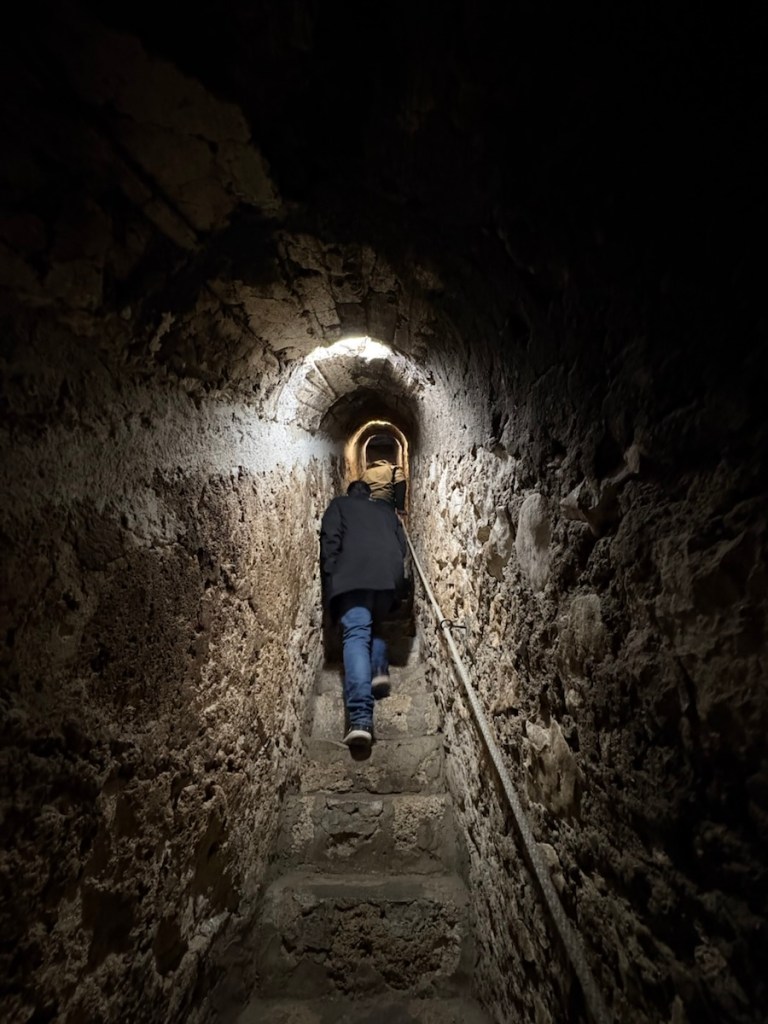
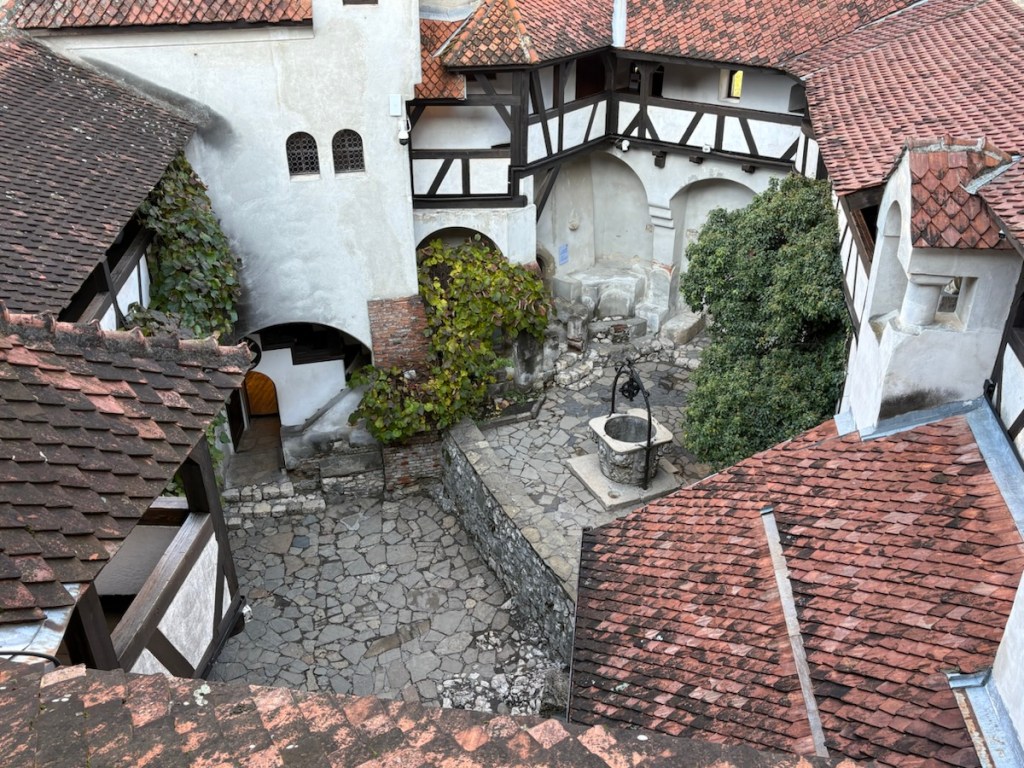

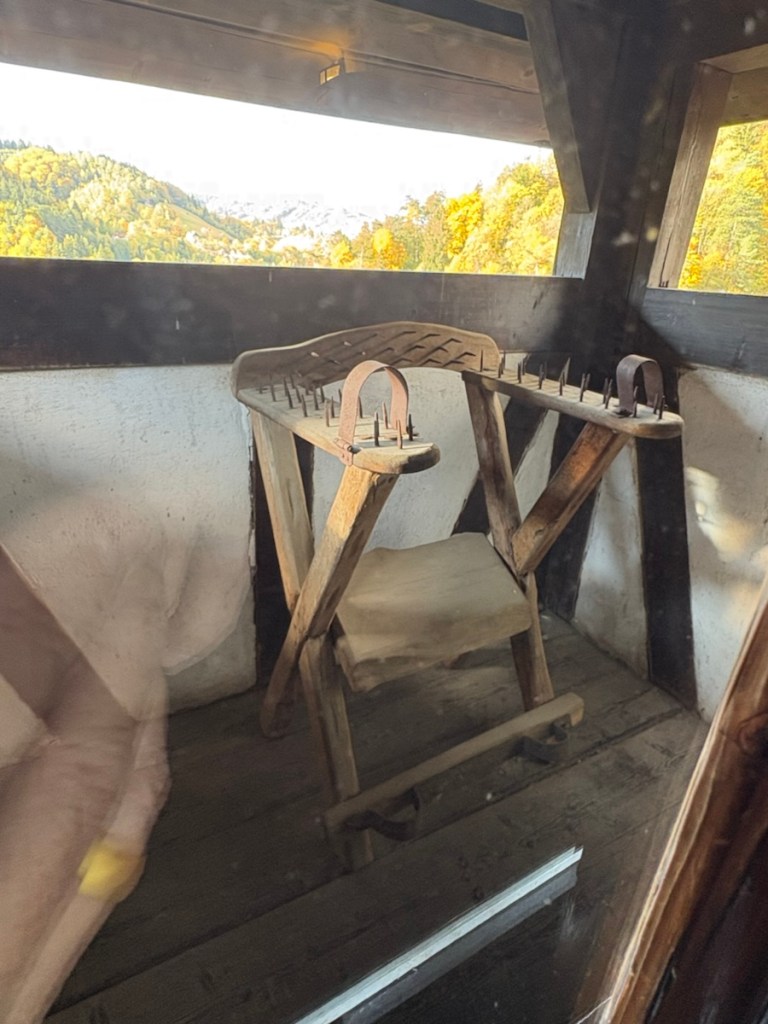
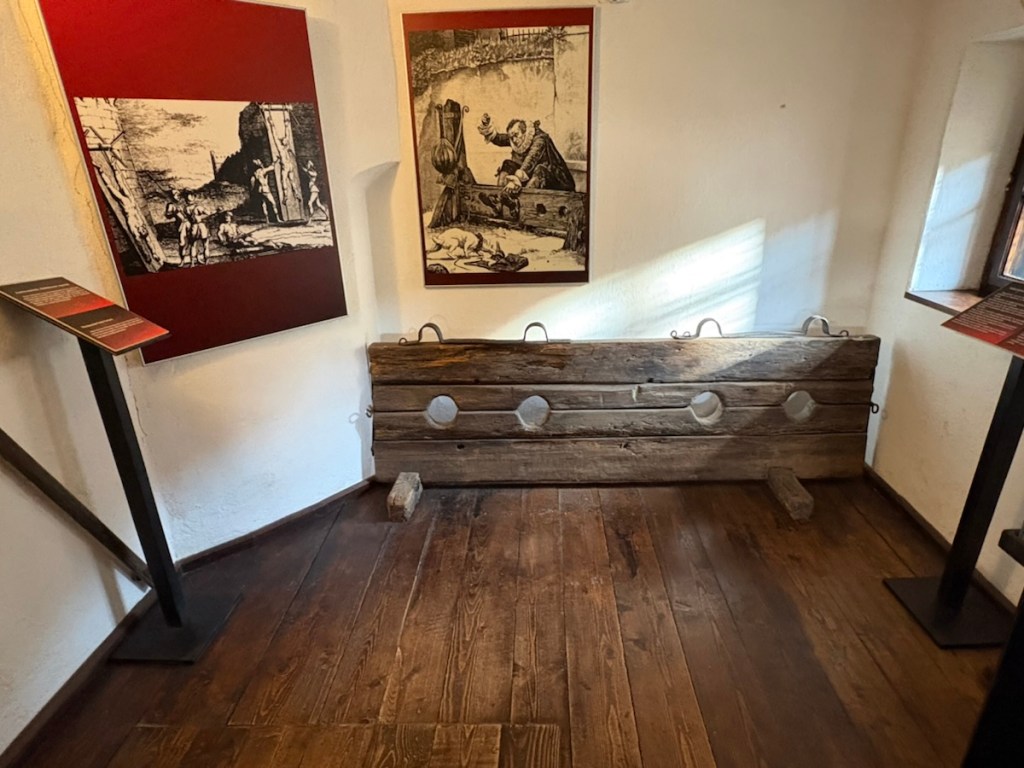
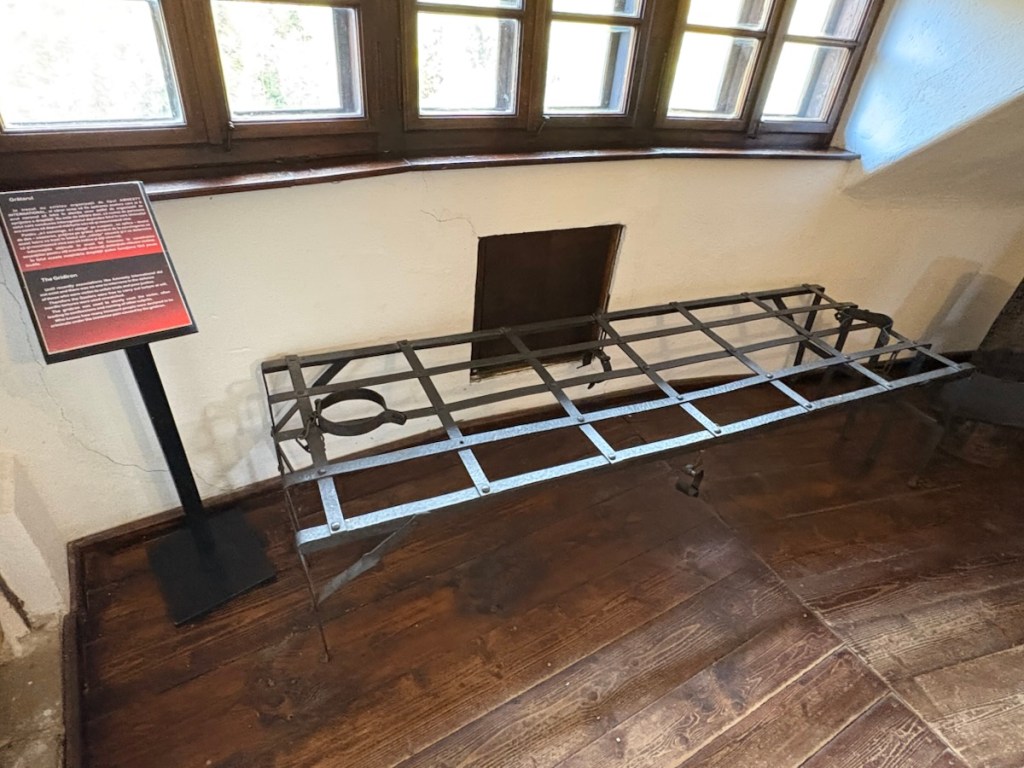
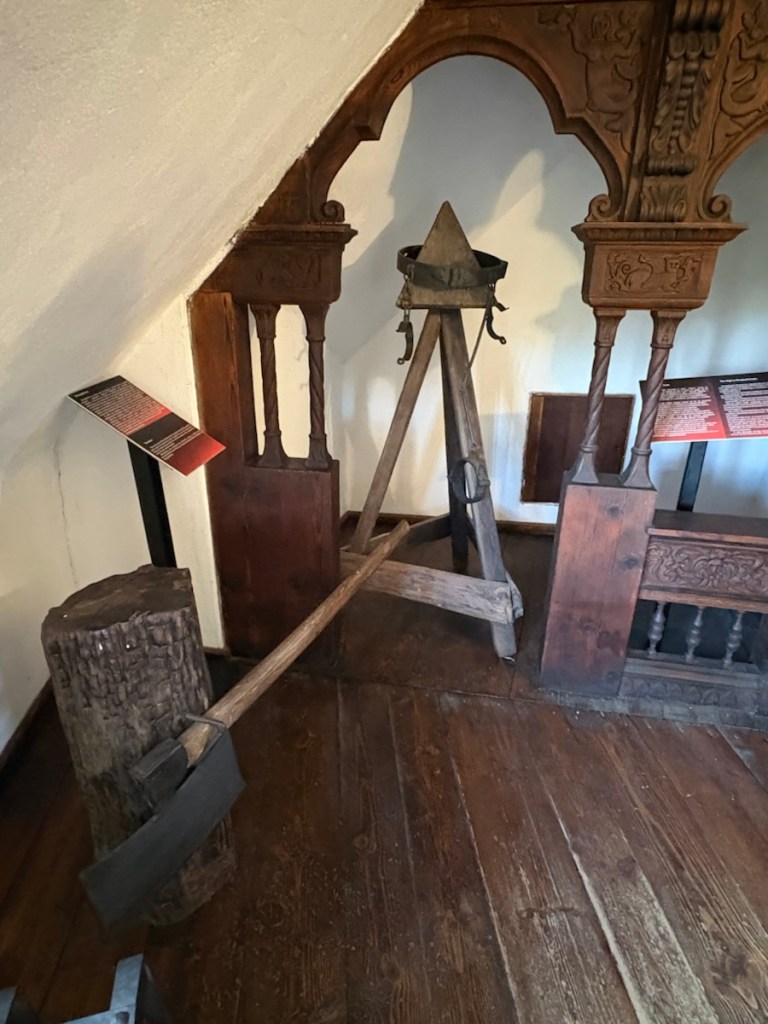
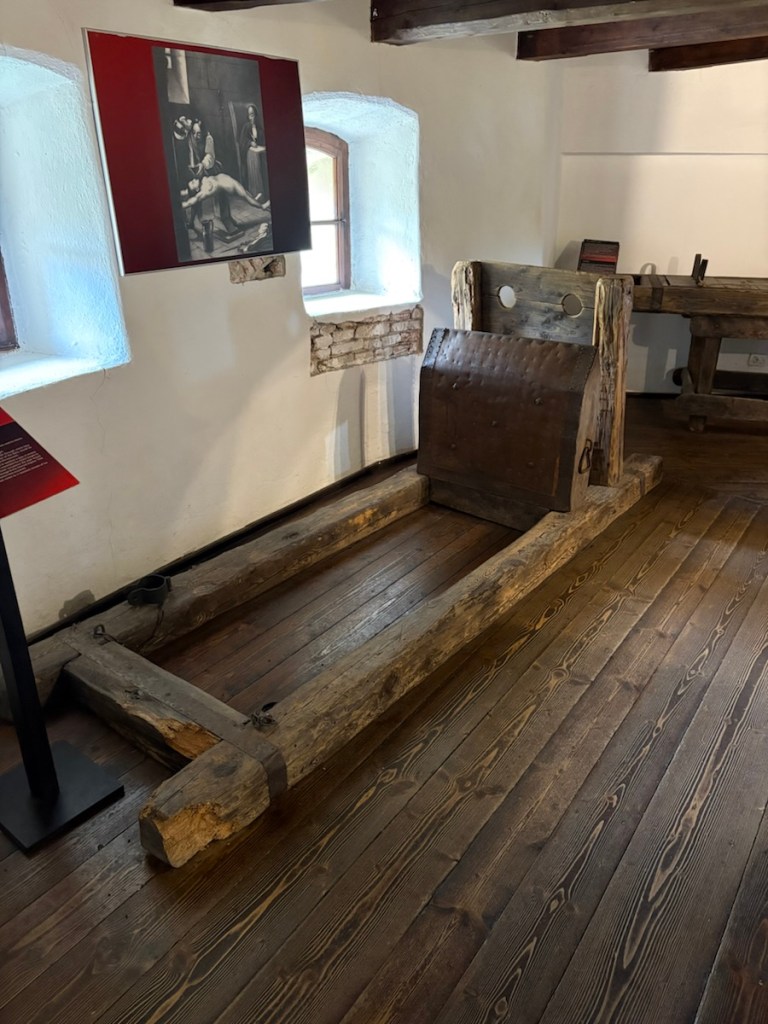
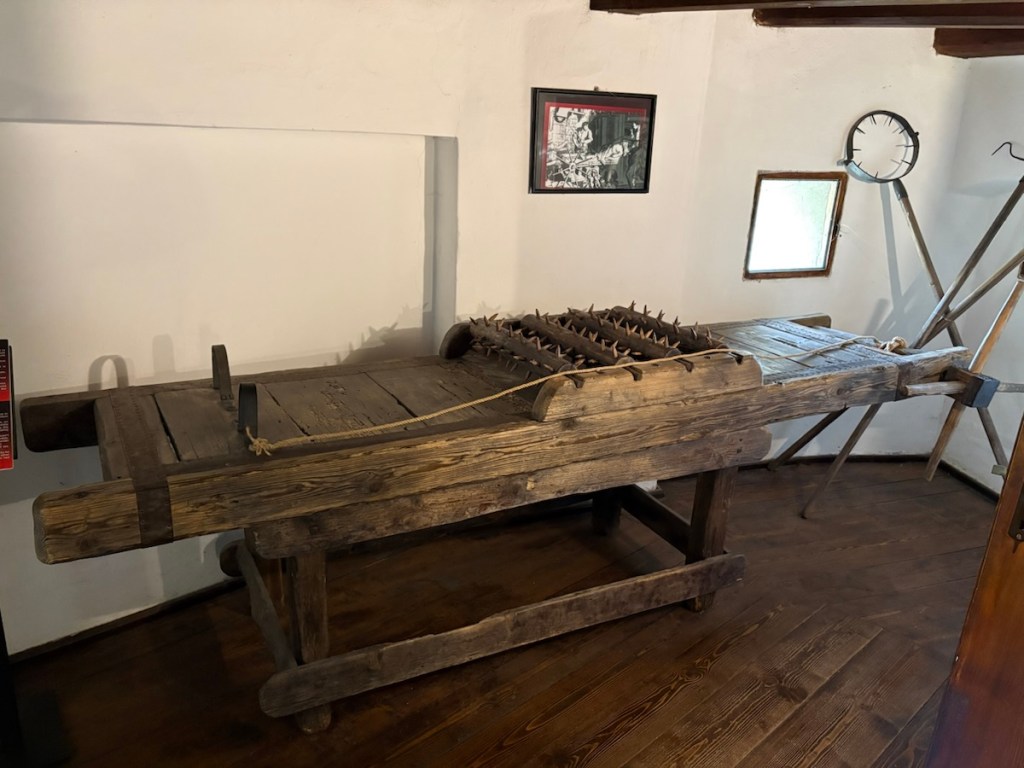
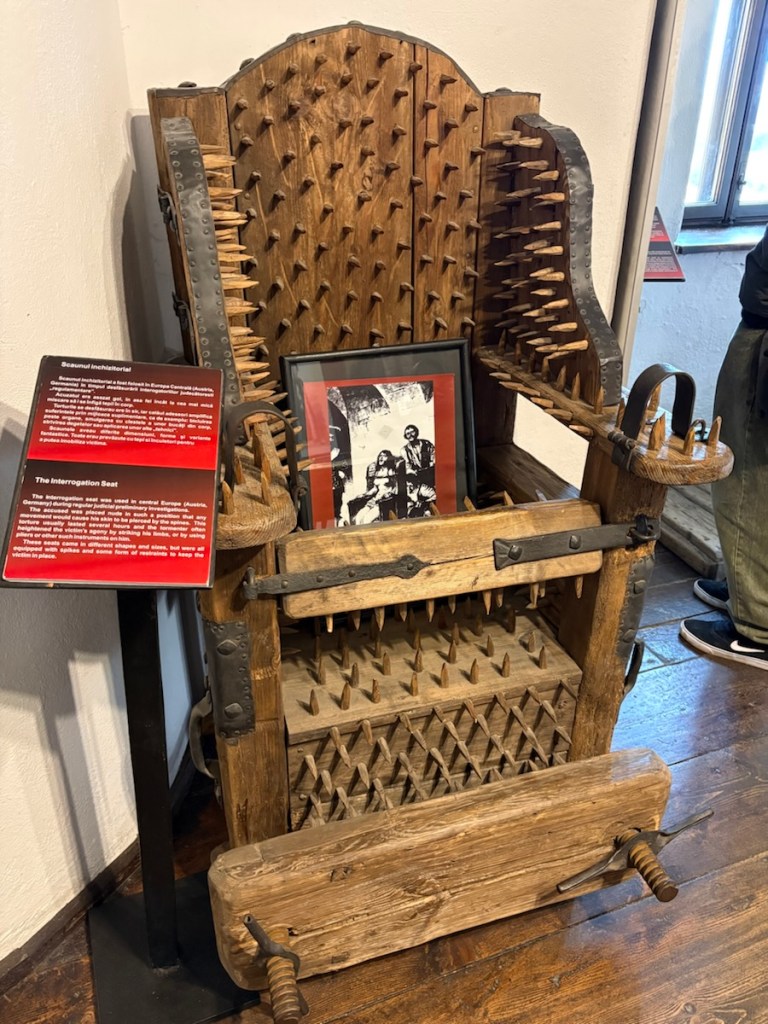
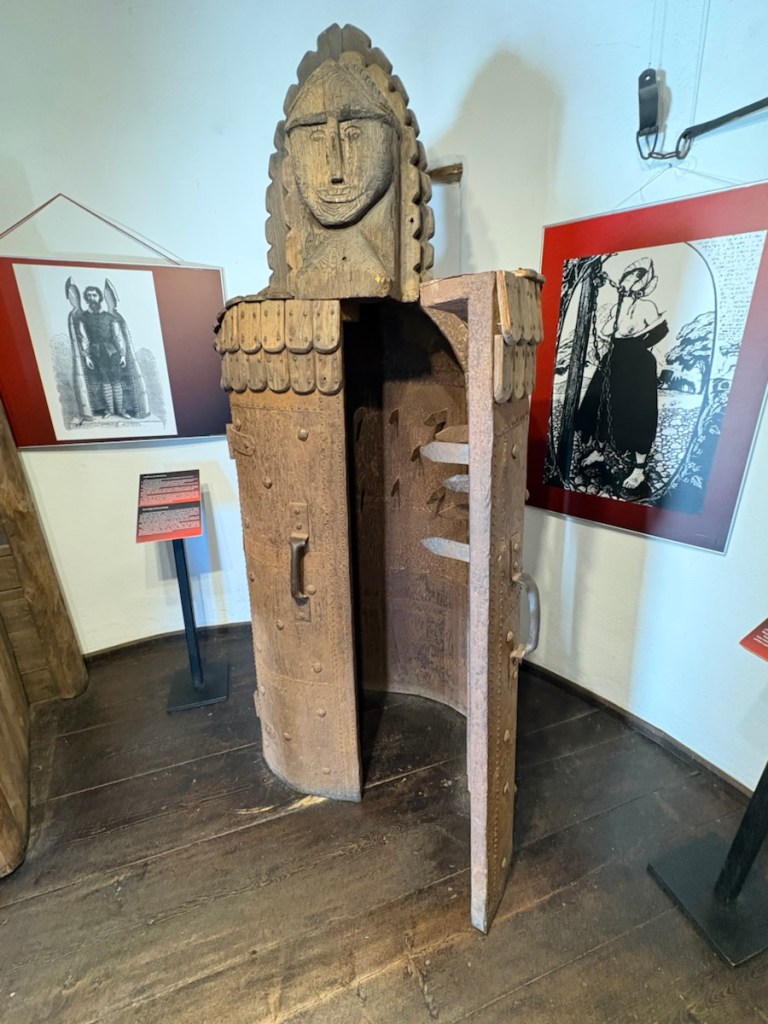
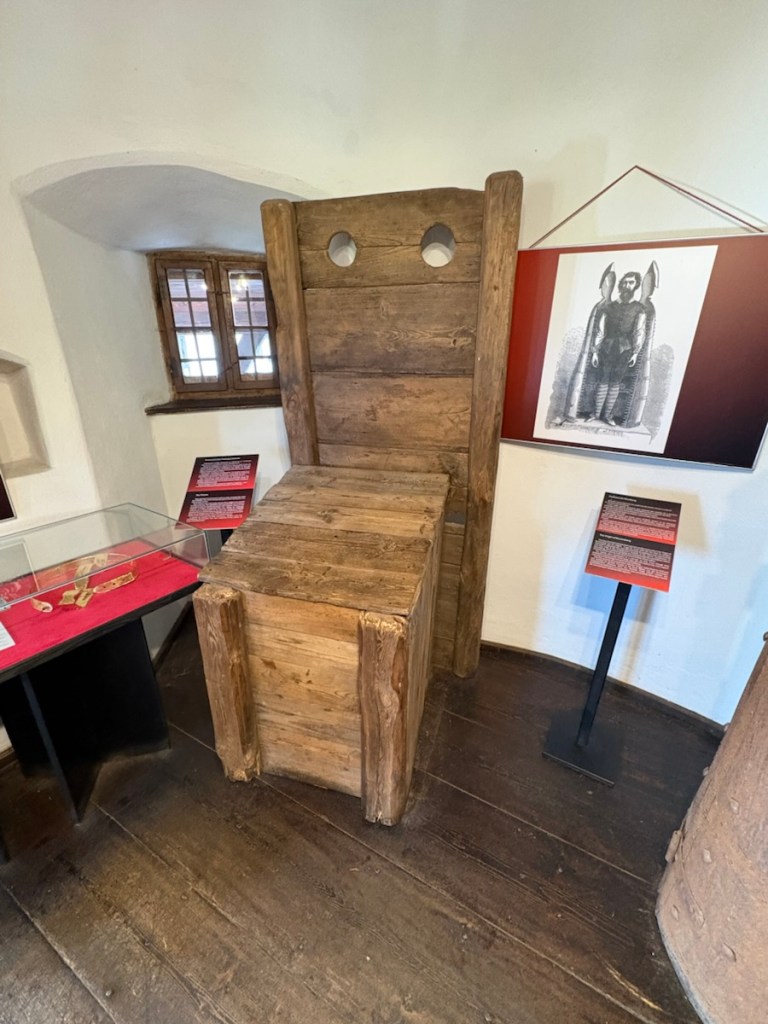
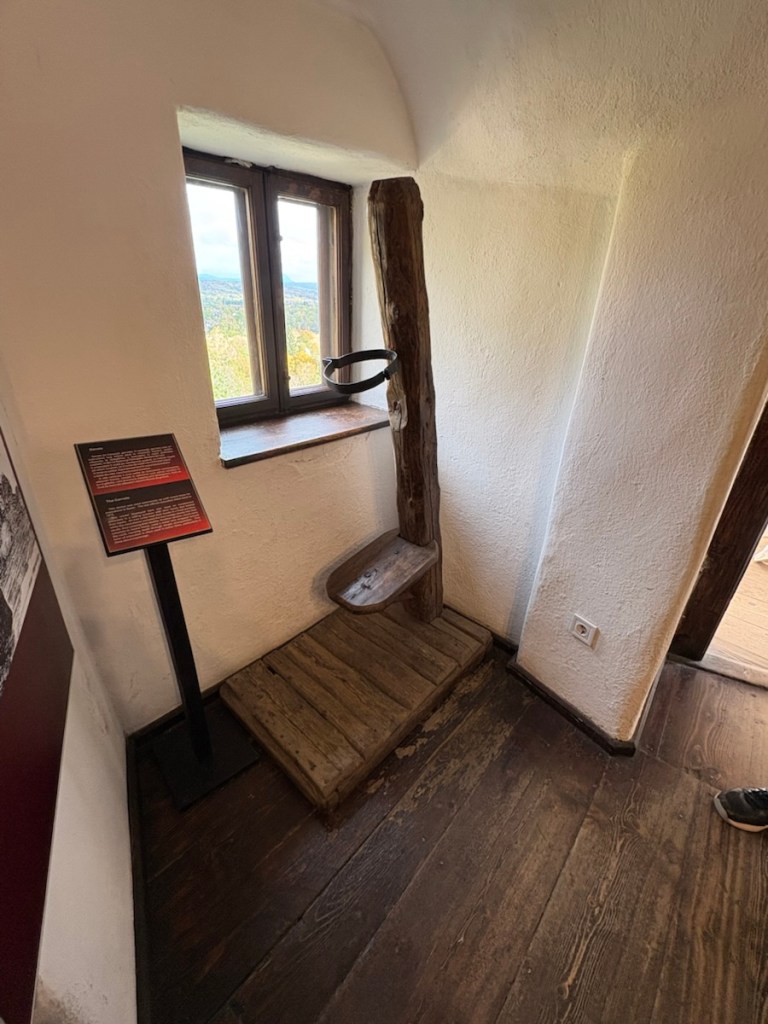
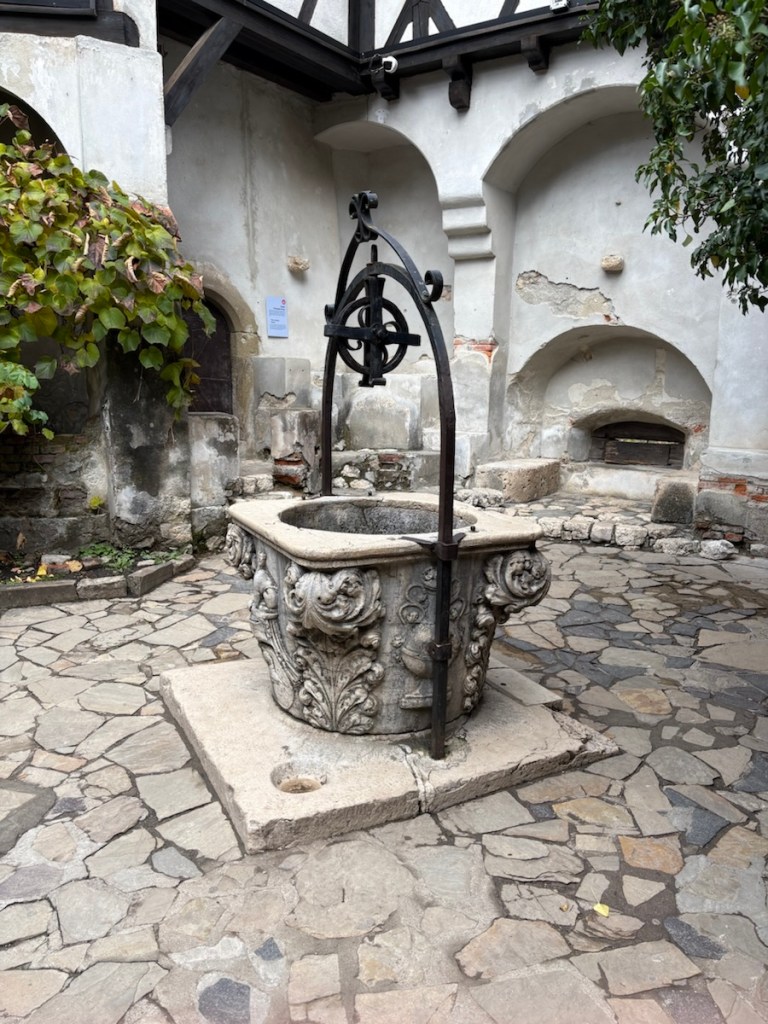
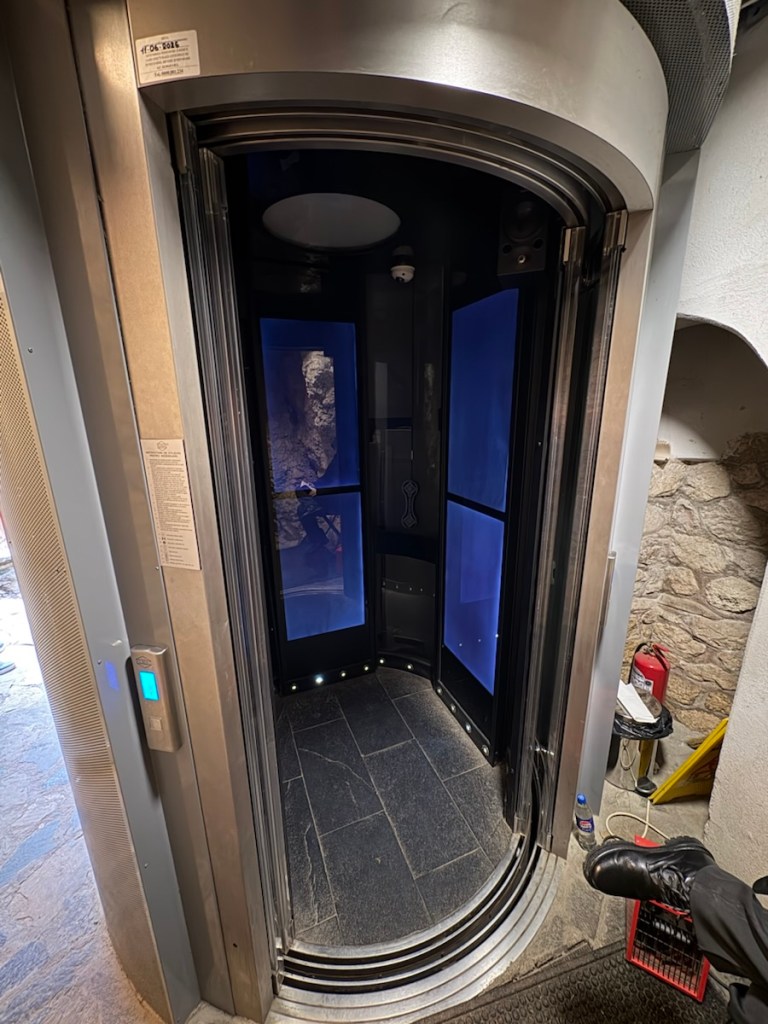
The guide said it was the first “wellevator” in history.
Before you go…
“Do not let making a living prevent you from making a life.” — John Wooden

 A Captain’s Adventures