
I woke this morning to rain and 40°, but the forecast looks better for the afternoon. I headed out for the hour drive to tour Peleş Castle as a quick side trip on the way to Bucharest.
Peleş Castle
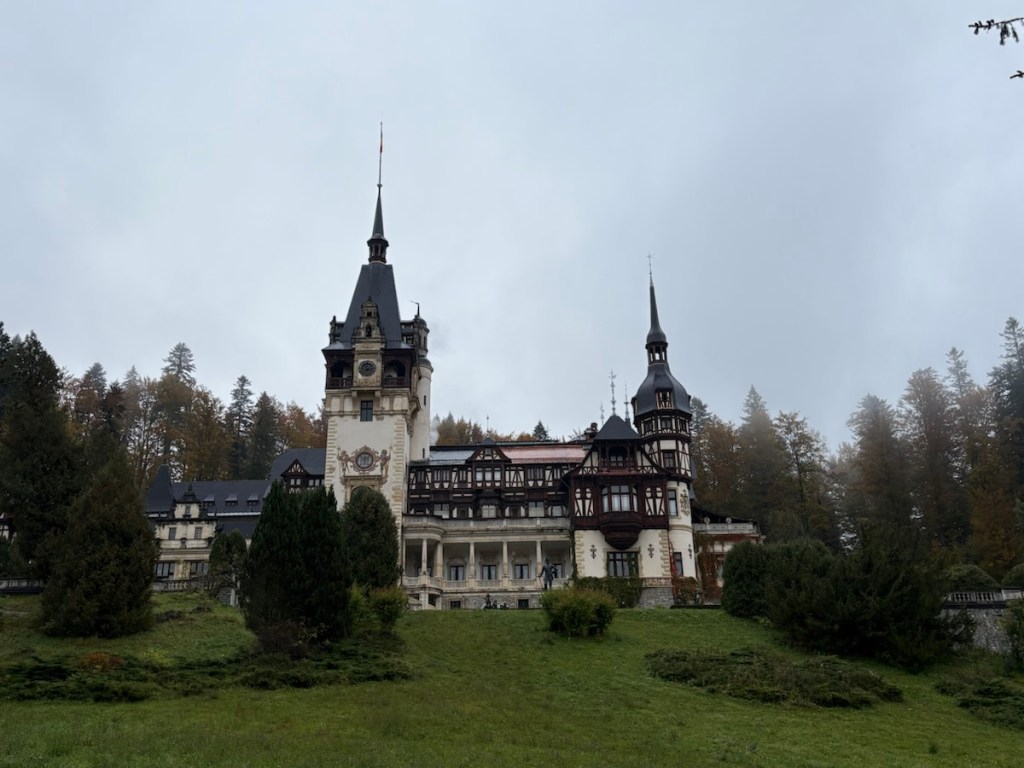
The former summer residence of King Carol I and Queen Elisabeth, Peles Castle became “the origin of the national dynasty,” a place for political decisions and an important European cultural centre at that time. Prince Carol of Hohenzollern-Sigmaringen was brought from Germany to the Romanian throne in 1866 and ruled the country until 1914, the year of his death.
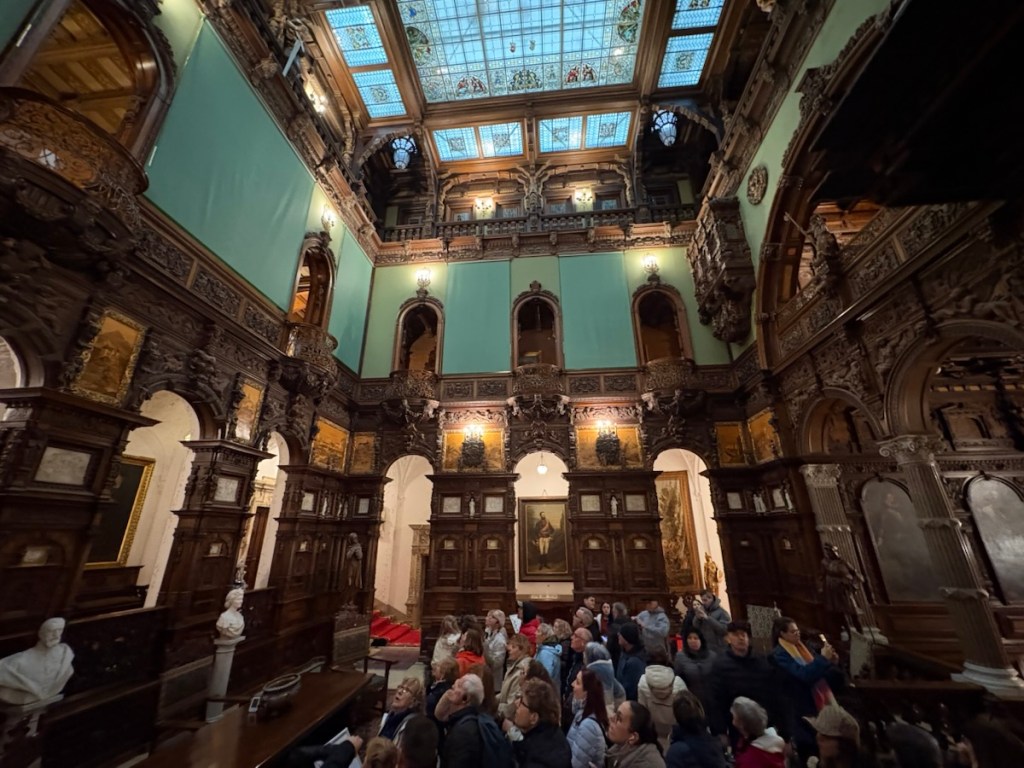
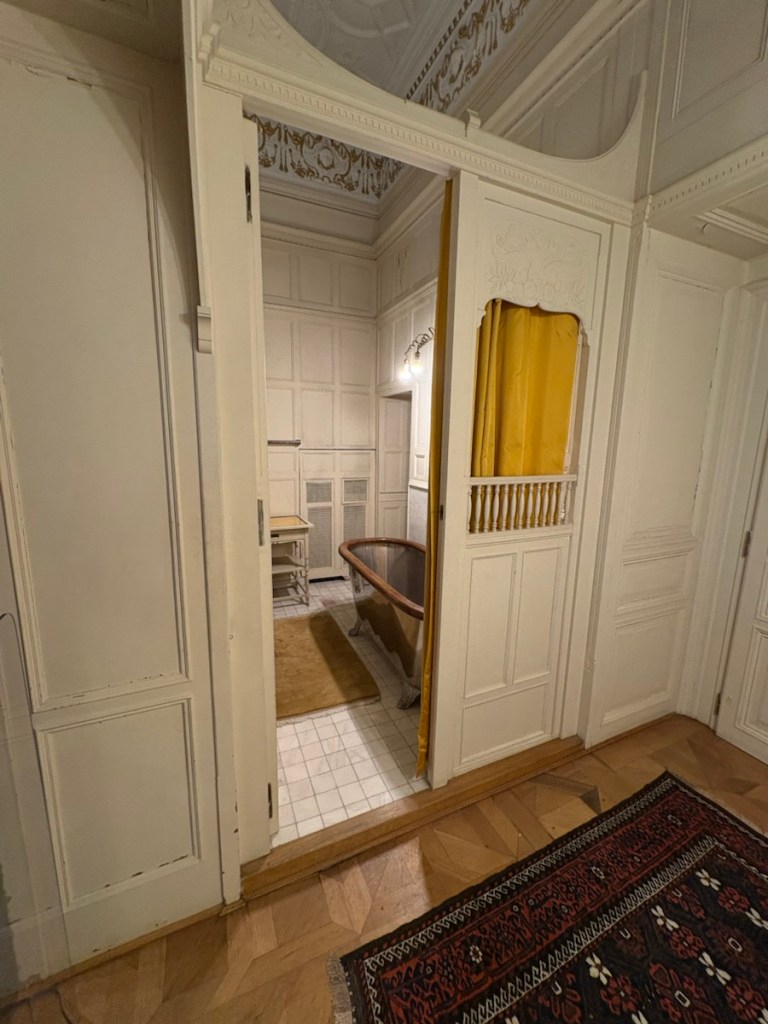
Peles Castle was built between 1873-1914, following the plans of German architects Wilhelm Doderer and Johannes Schultz, then amplified and modernized after 1890 by the Czech architect Karel Liman. The first shape was inaugurated in the year 1883. Peles Castle was the first building in Romania to have central heating, an electric system, a central vacuum cleaner, a ducted air heating system, and an electric elevator!
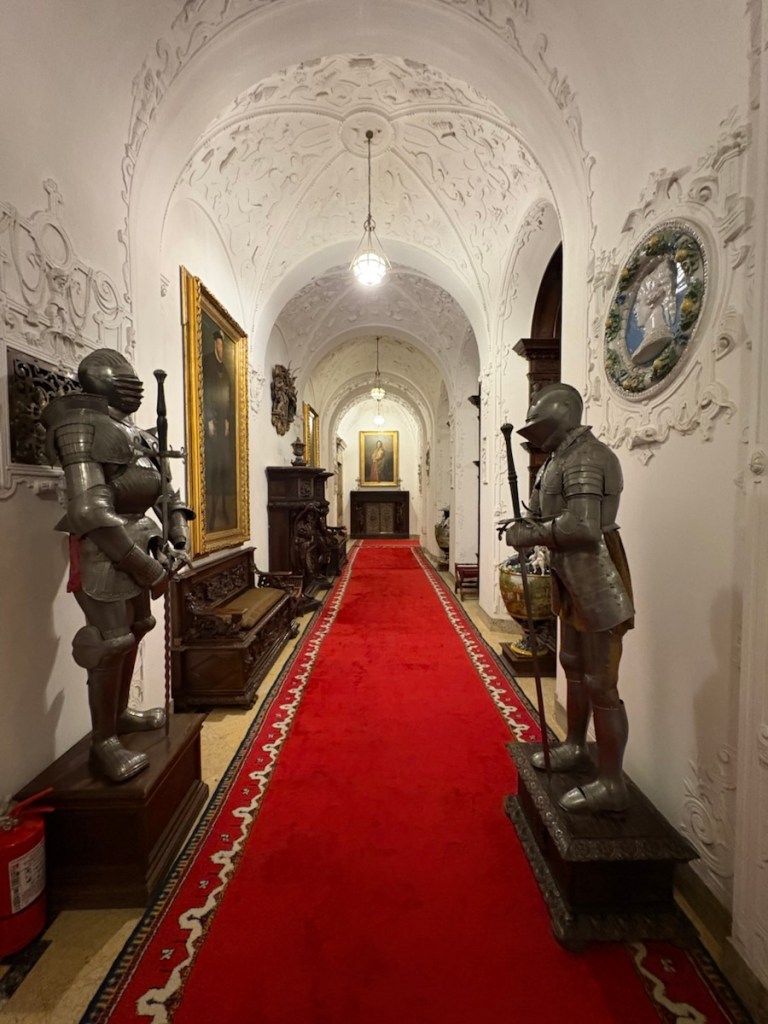
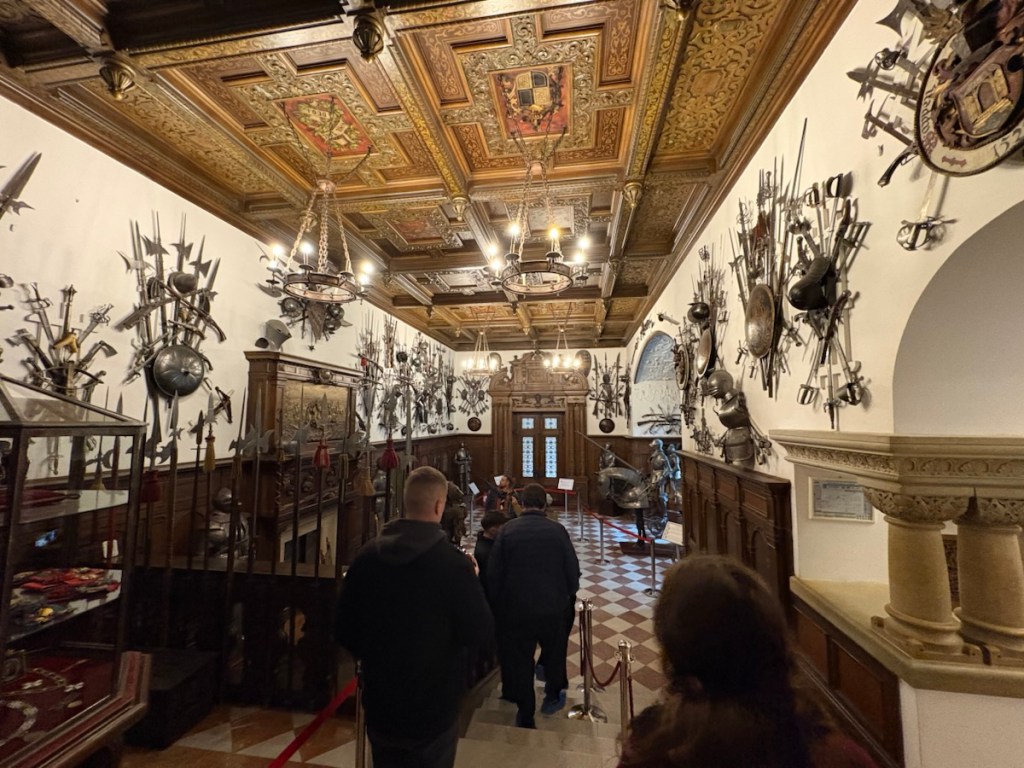
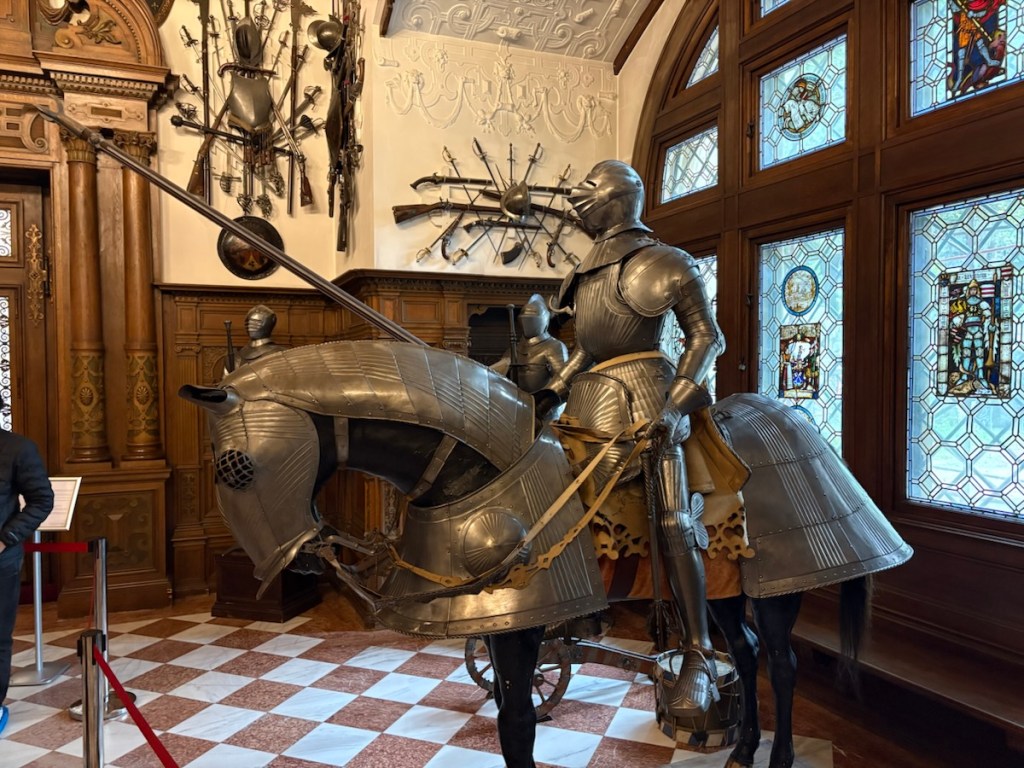
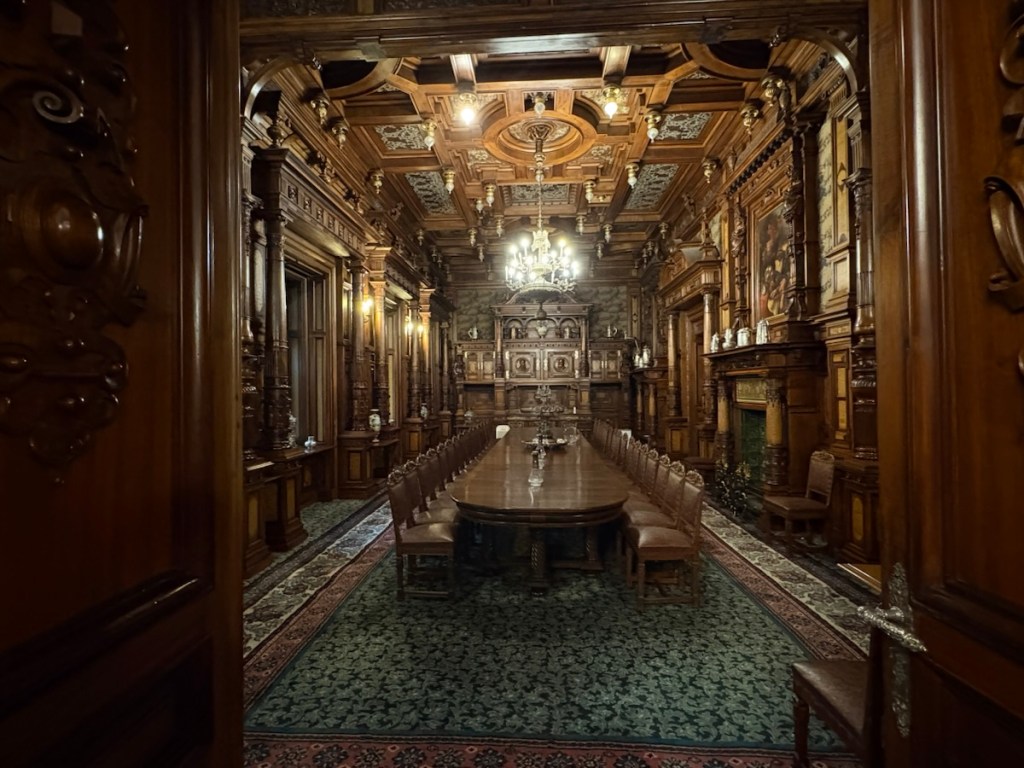
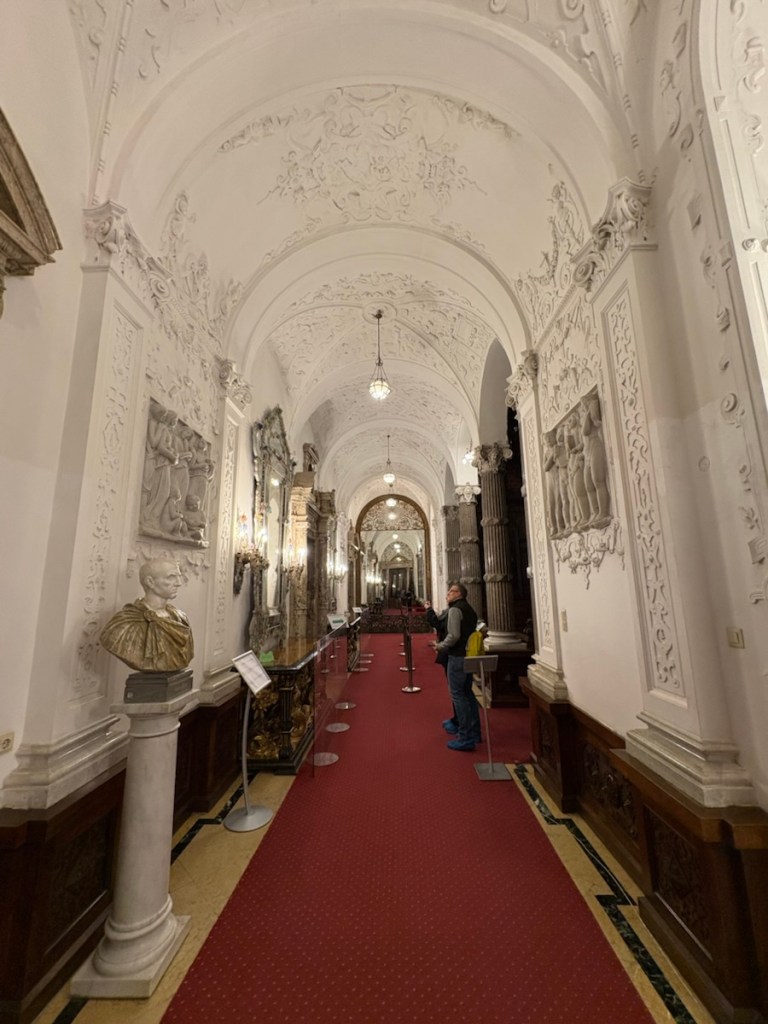
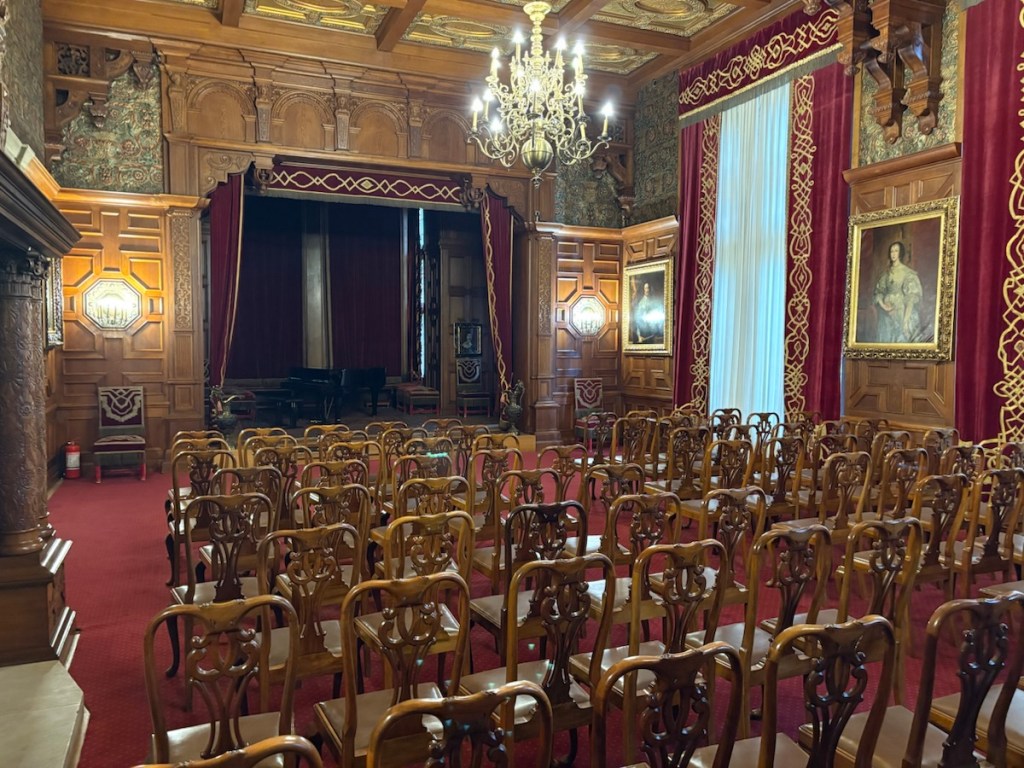
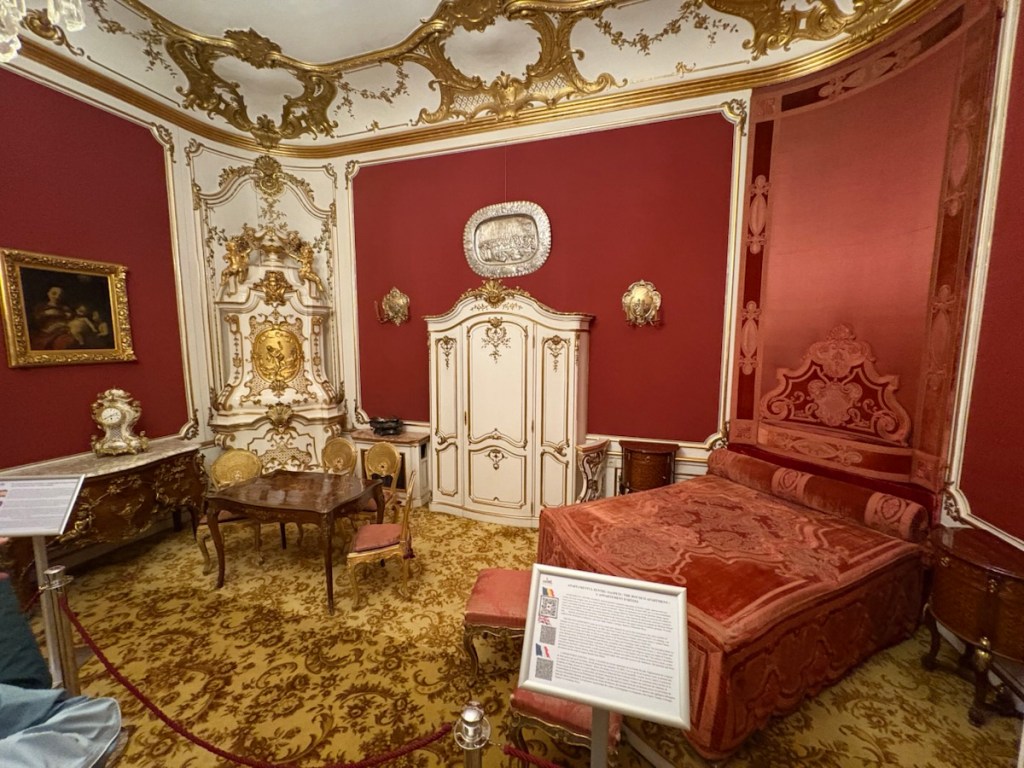
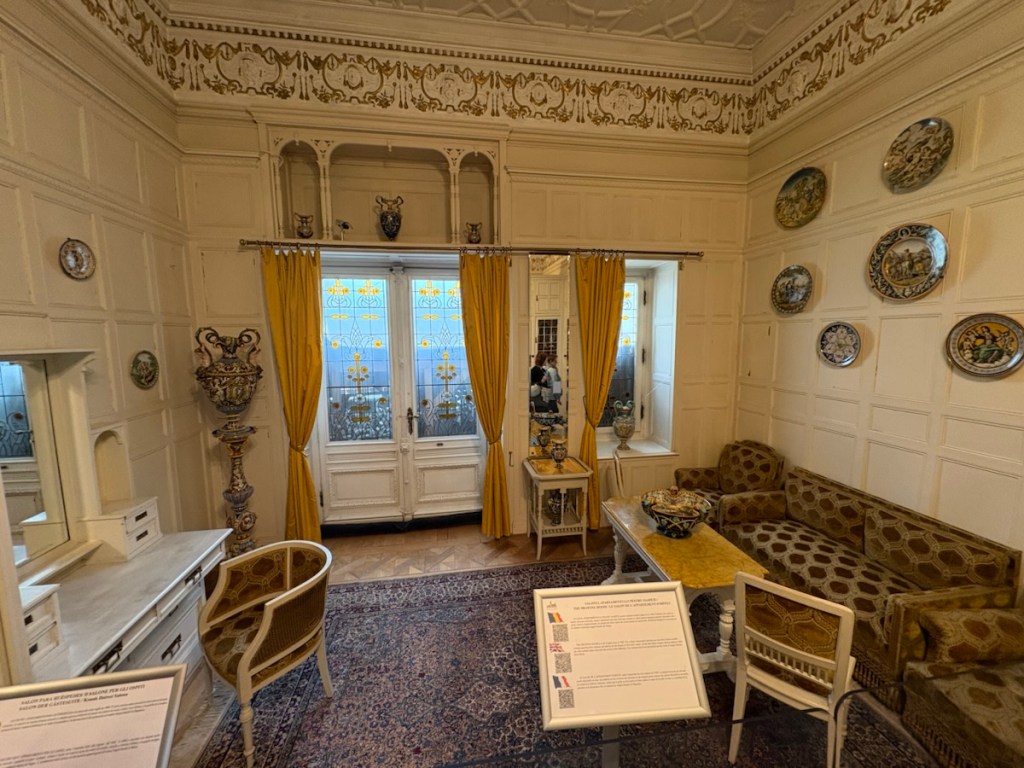
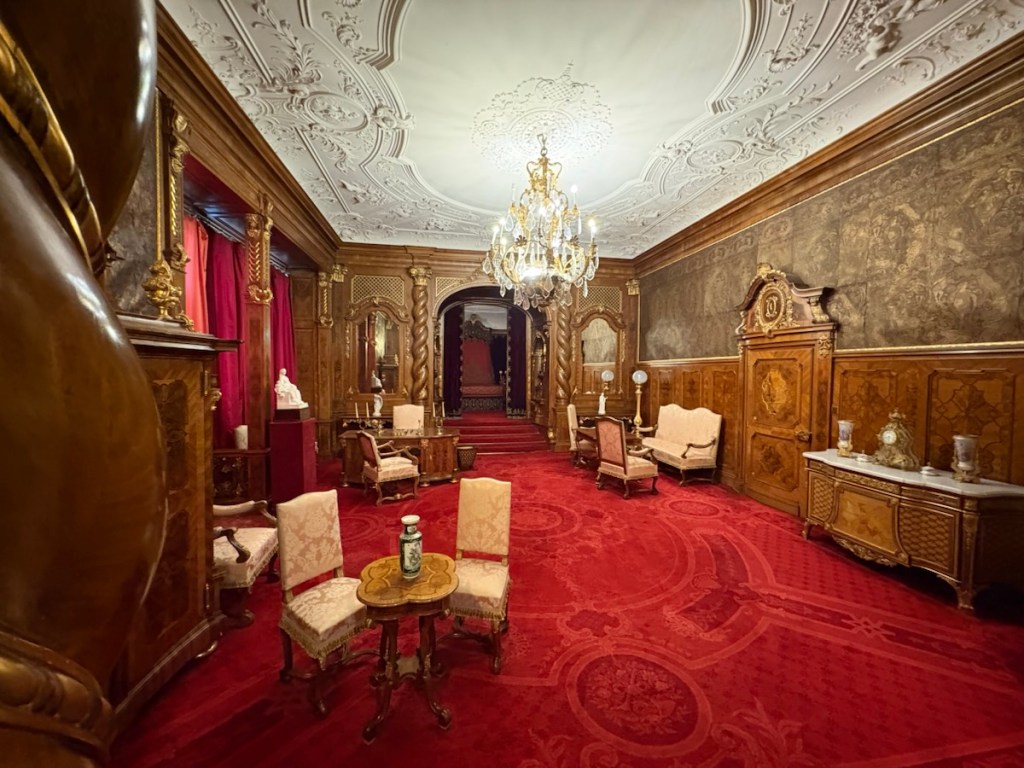
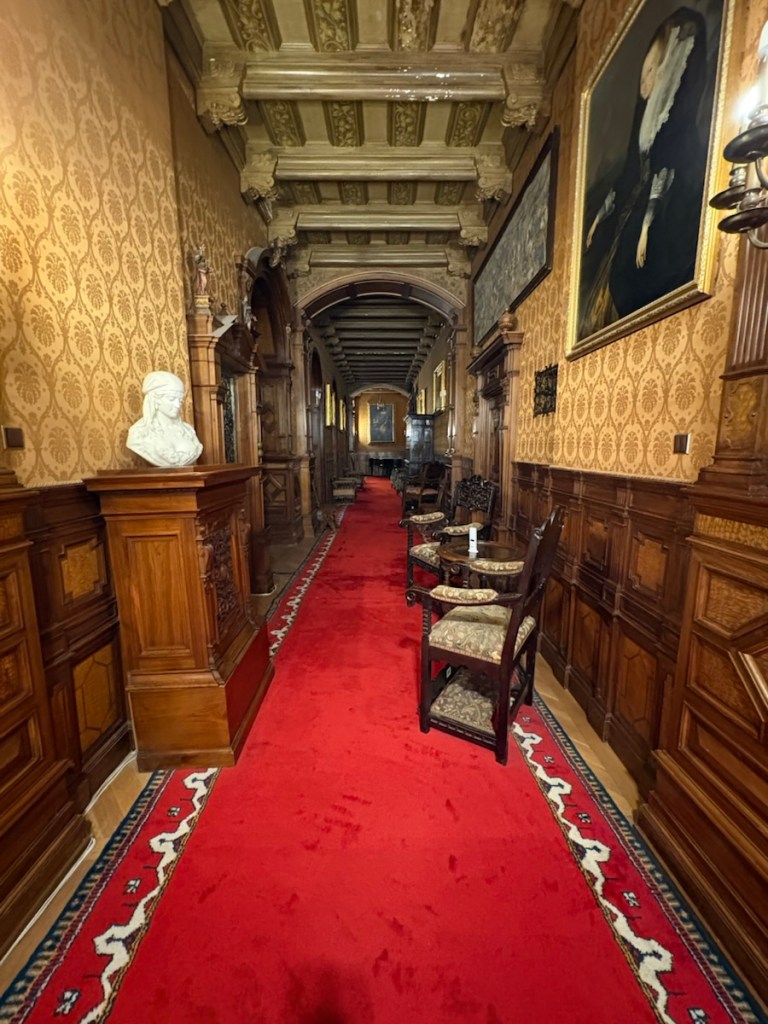
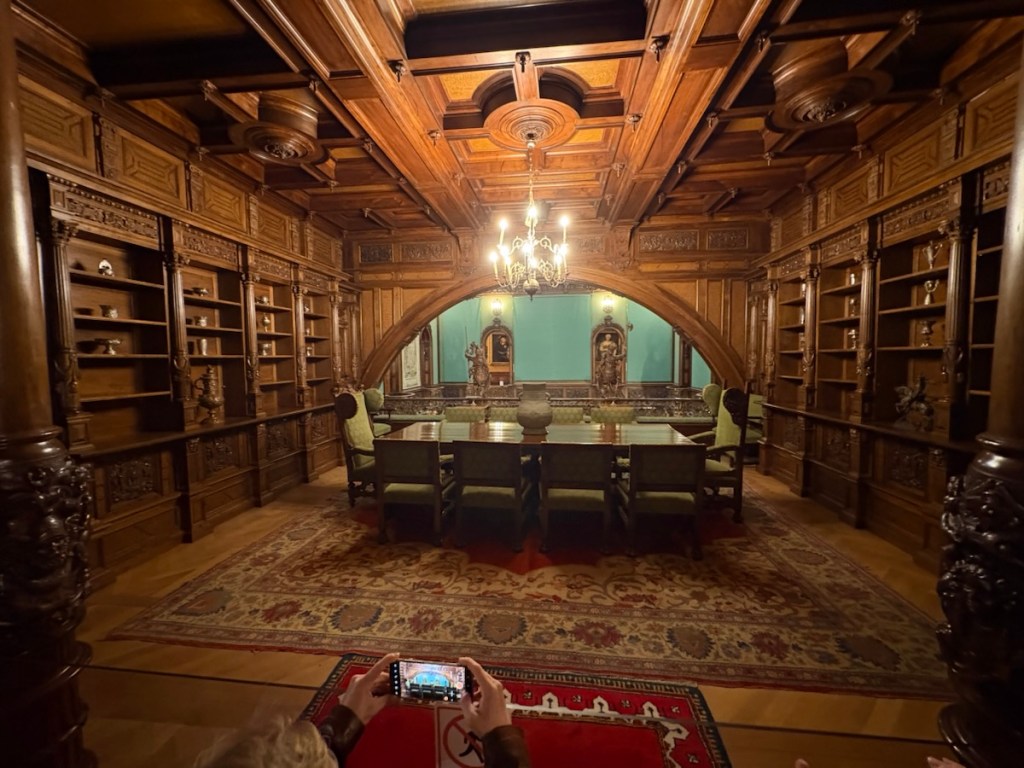
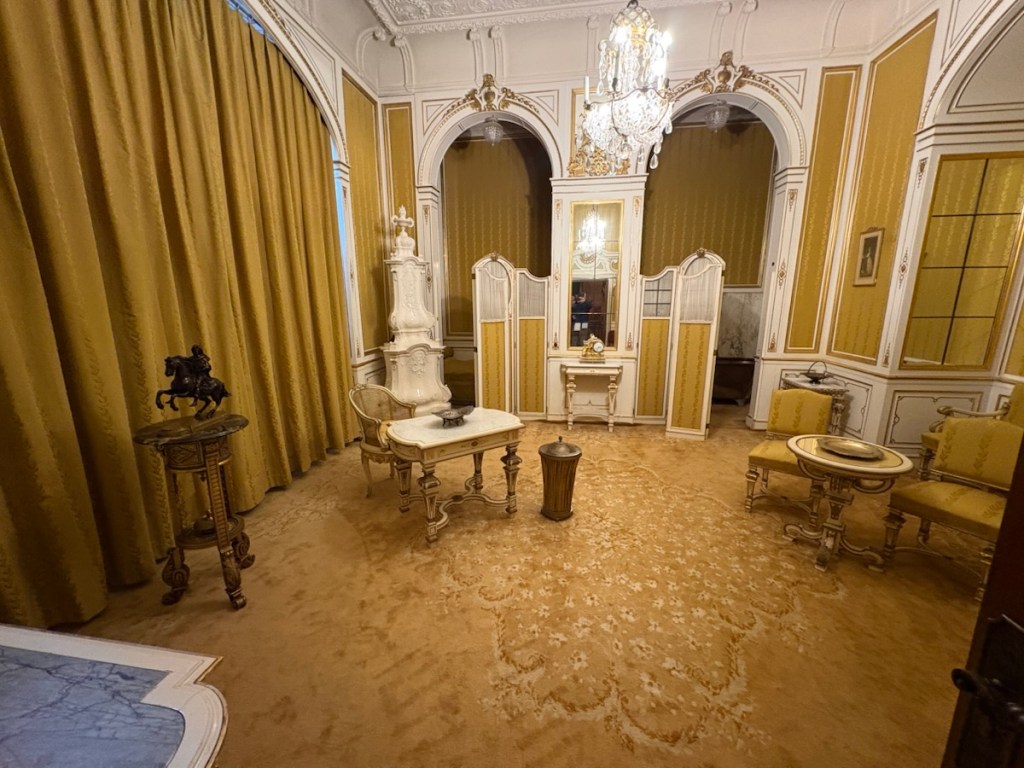
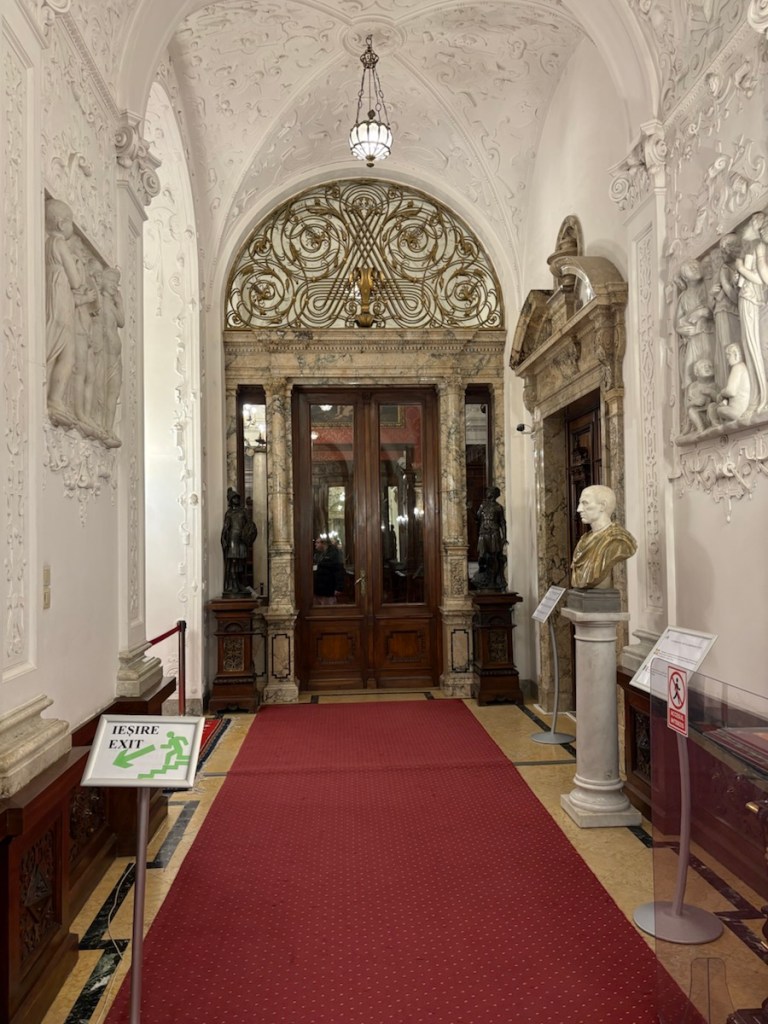
Since 2007, Peles Castle is the property of the Romanian Royal House and it is rented by the state and open as a public museum. The castle has an extraordinary value as a monument of European architecture, typical for late 19th and early 20th century. Its interior decoration revealed by the halls, is a remarkable stylistic synthesis: German Neo-Renaissance, Italian Neo-Renaissance, Neo-Baroque, with elements of Louis XIV, Louis XV, Rococo, Empire, oriental styles and the Style of 1900.
- The dramatic mountain scenery surrounding Peles Castle is often compared to Neuschwanstein Castle in Bavaria.
- The castle boasts 160 rooms, each uniquely decorated with influences from Turkish, Florentine, Venetian, Gothic, and Oriental styles.
- Discover features like ornate balconies, secret passageways, rustic wooden spiral staircases, and Murano crystal chandeliers.
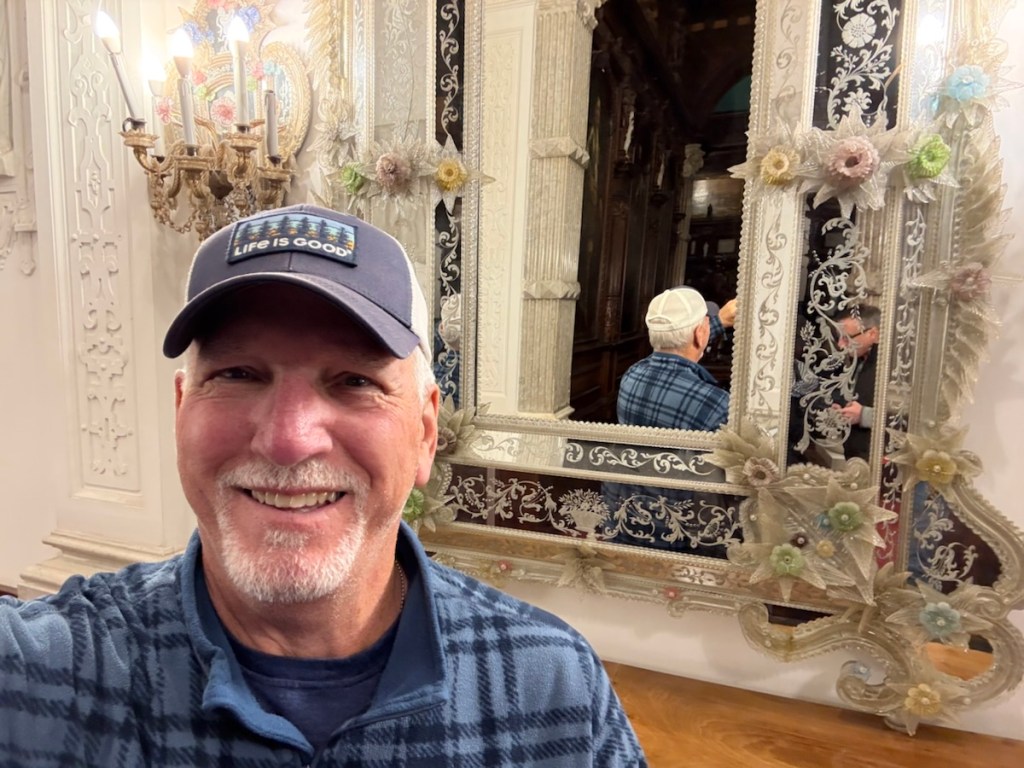
And the castle was VERY spectacular! Here are photos from the tour:
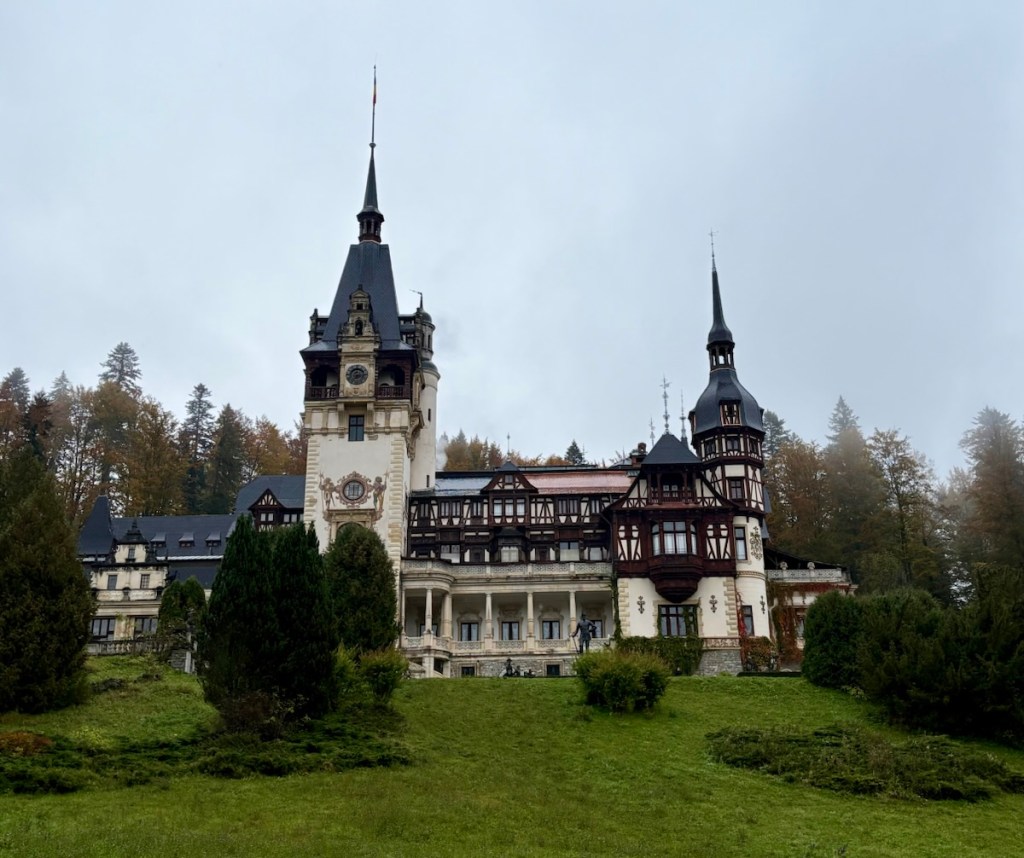
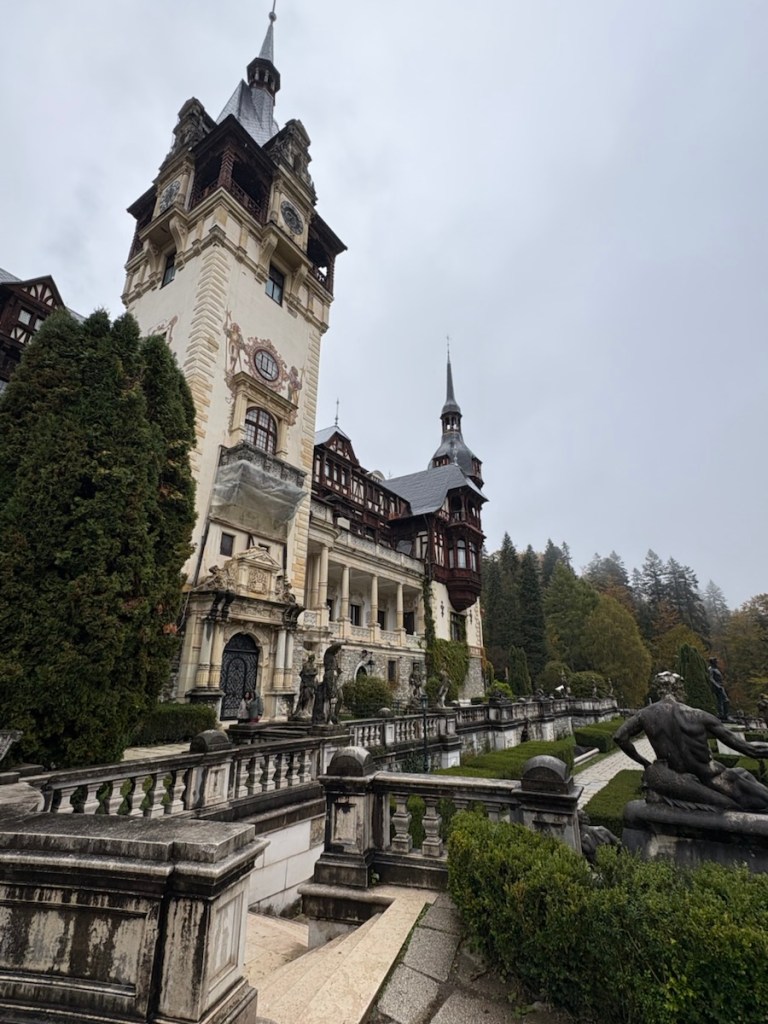
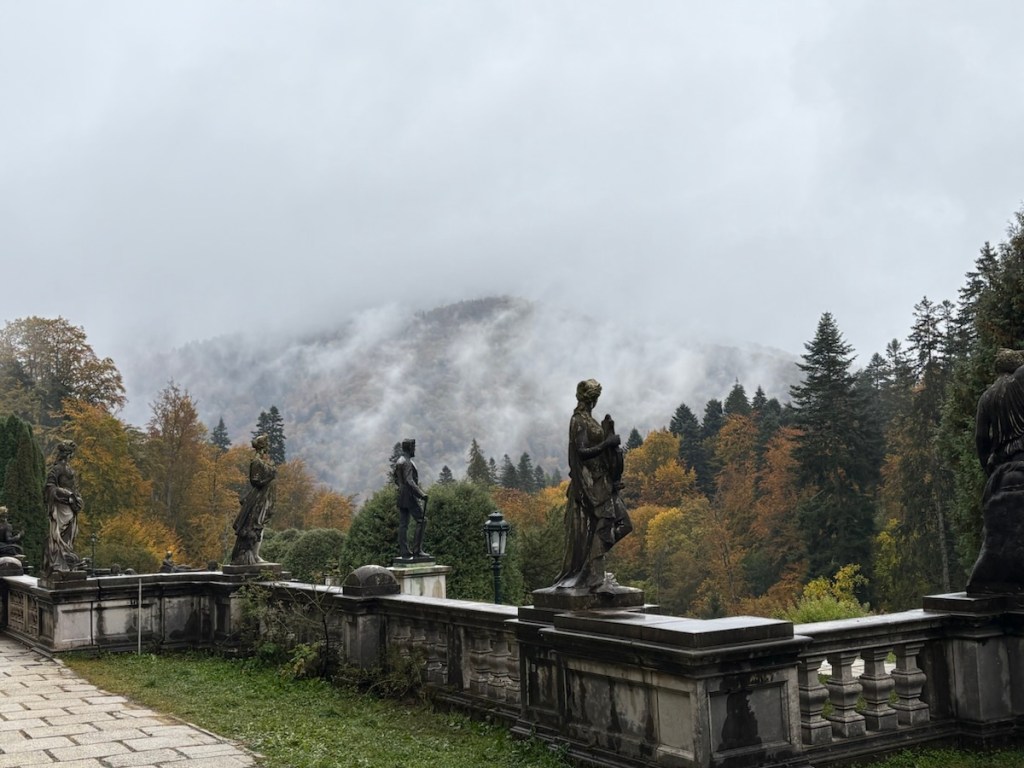
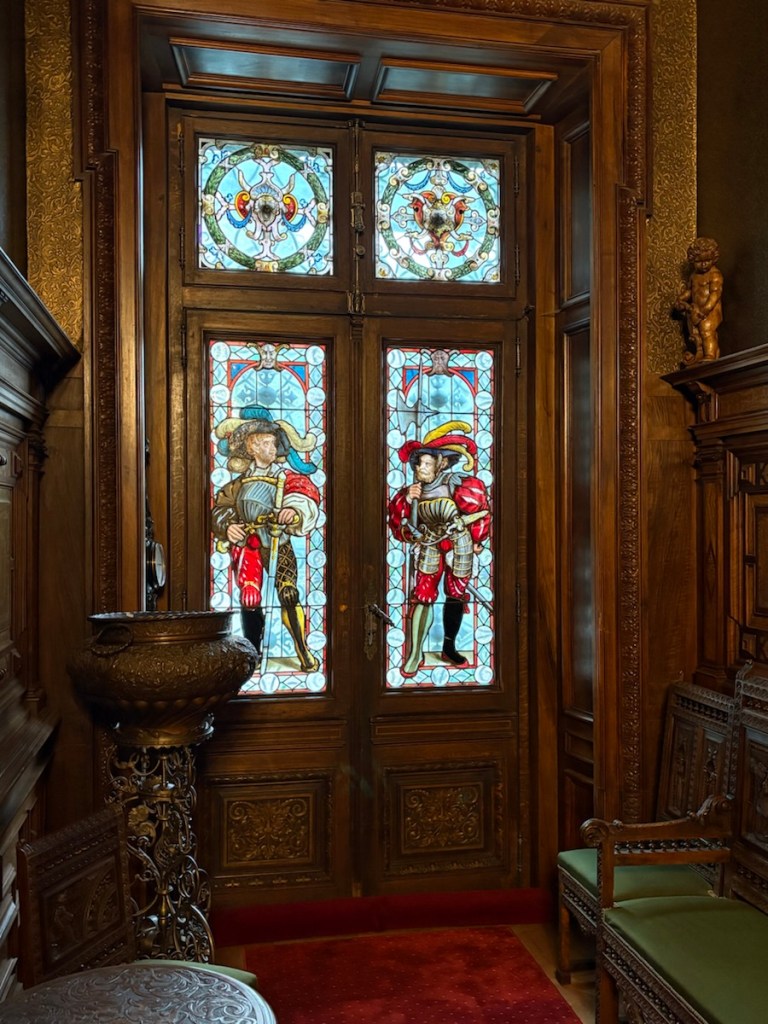
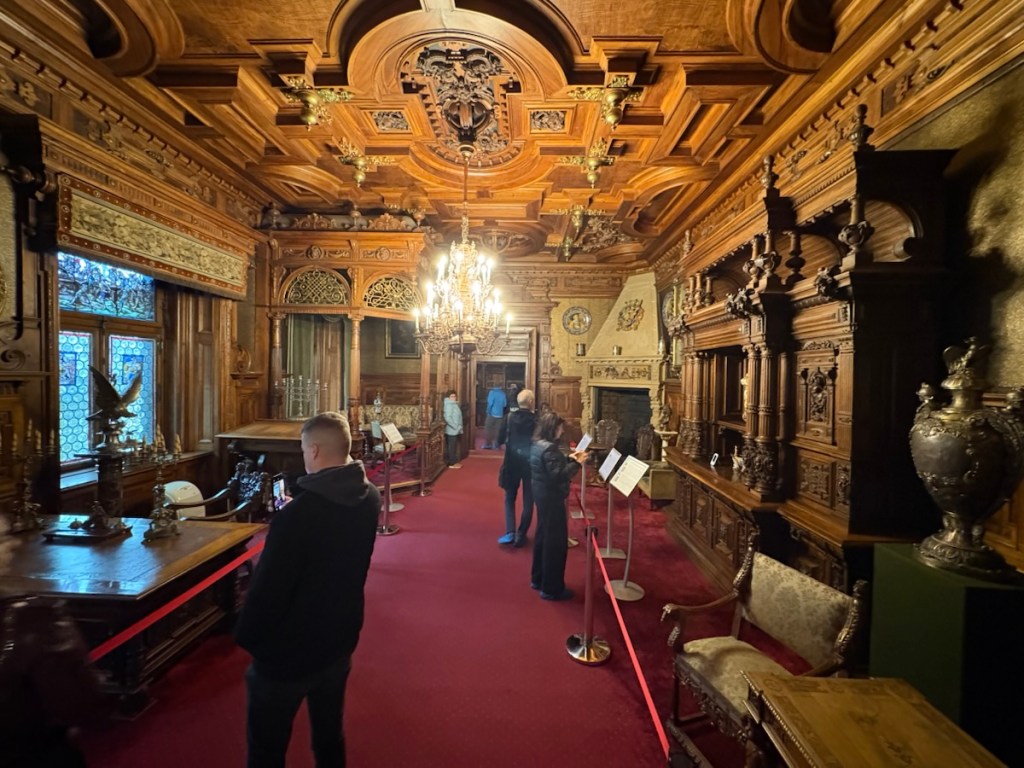
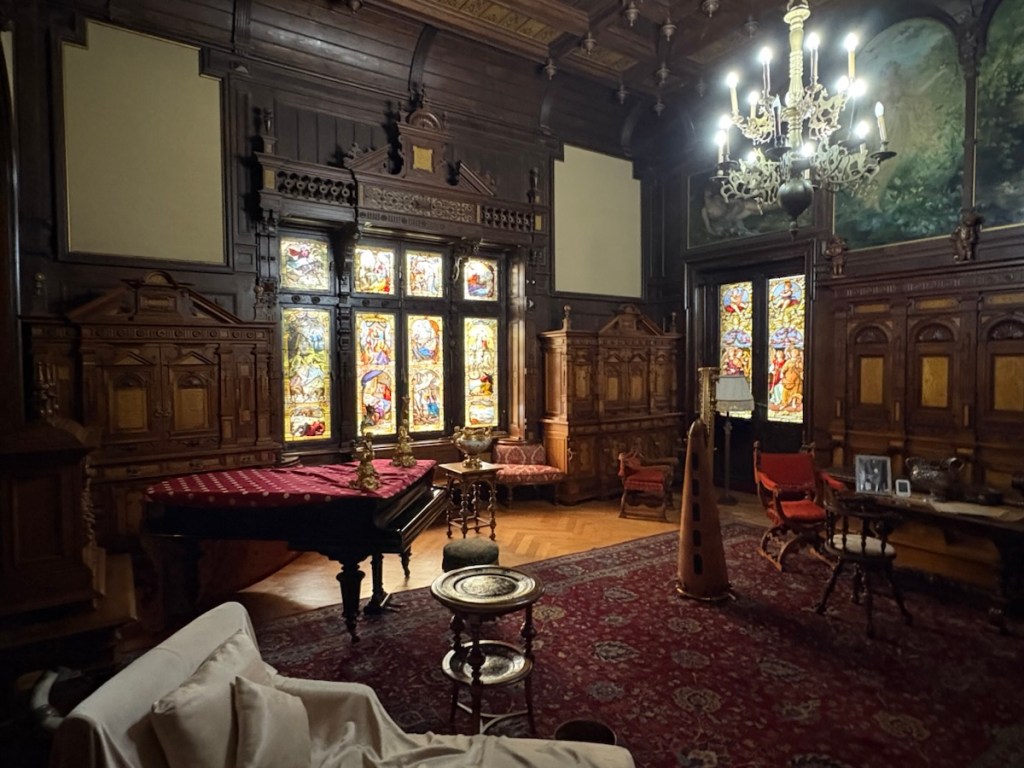

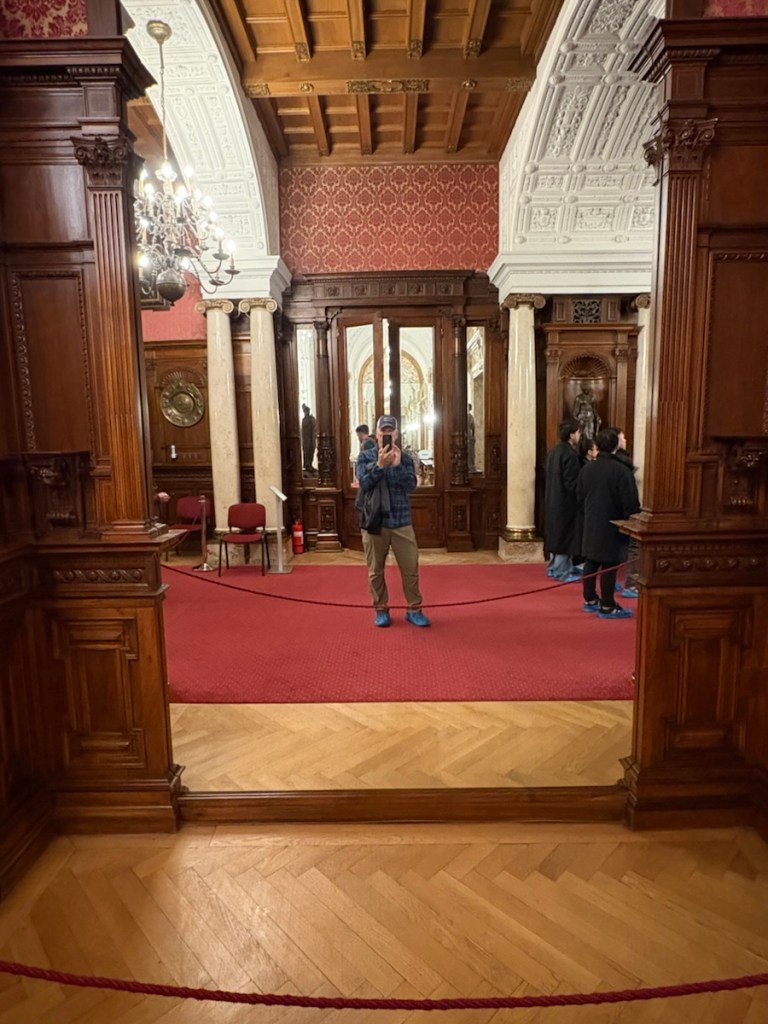
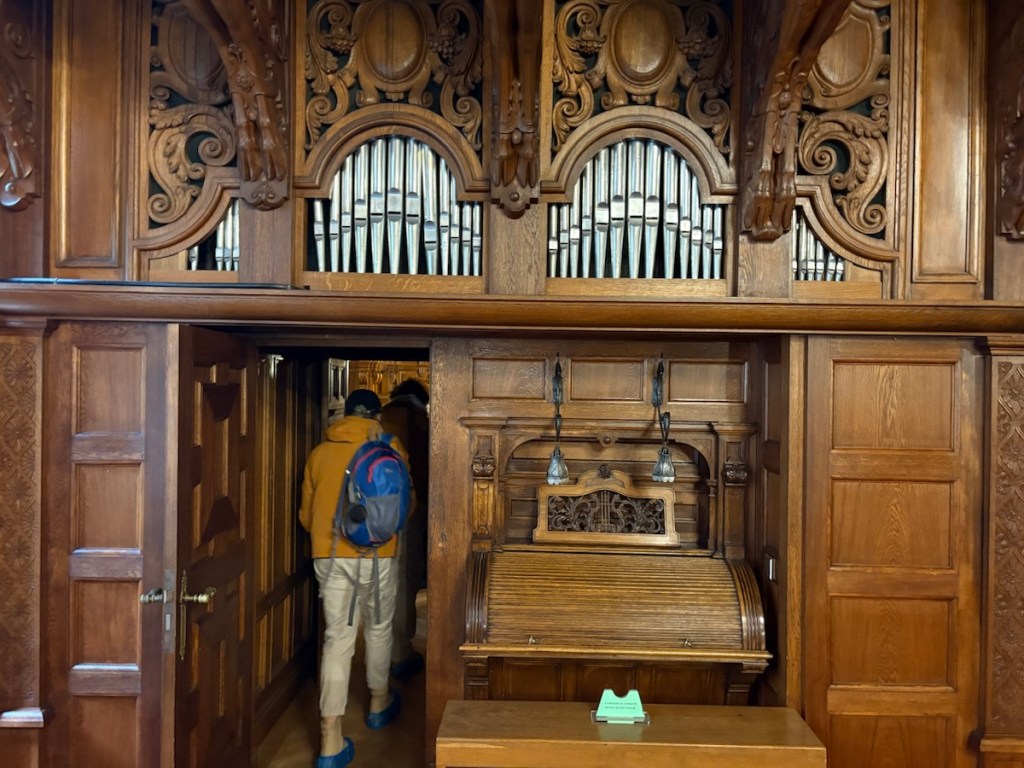
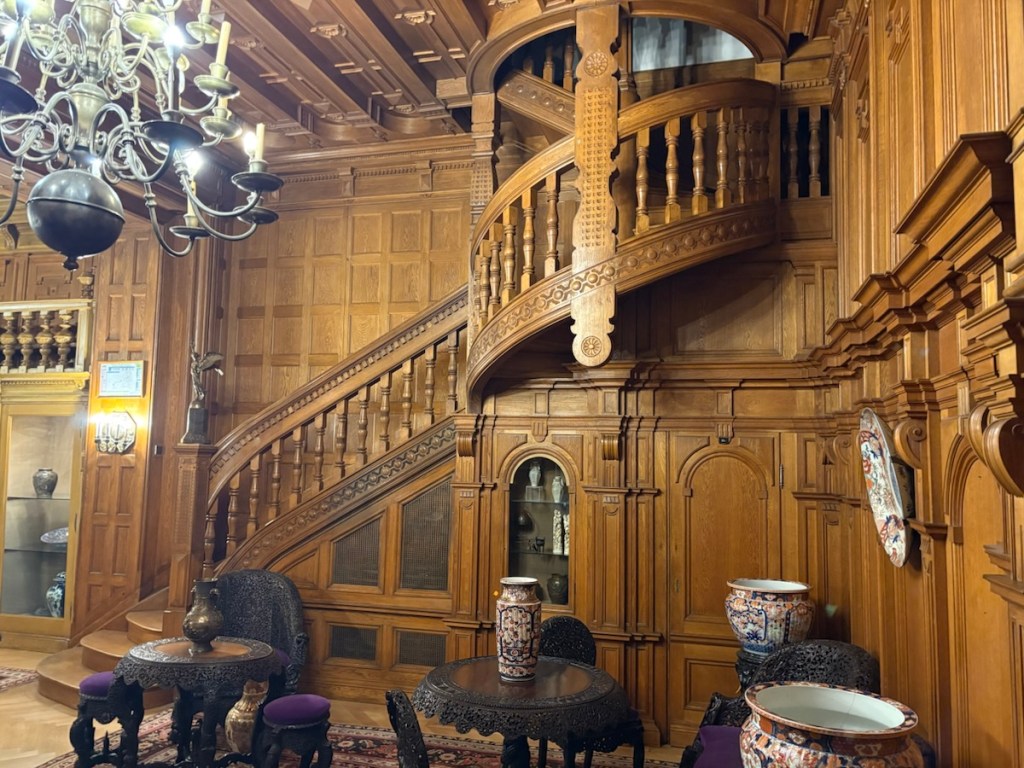
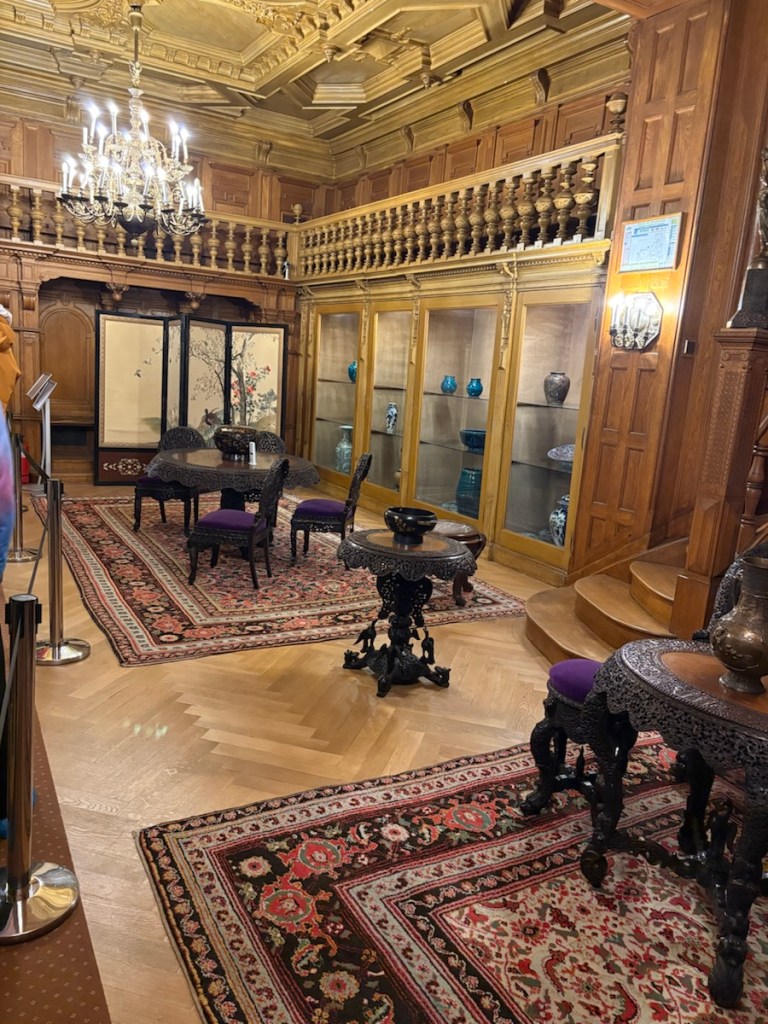
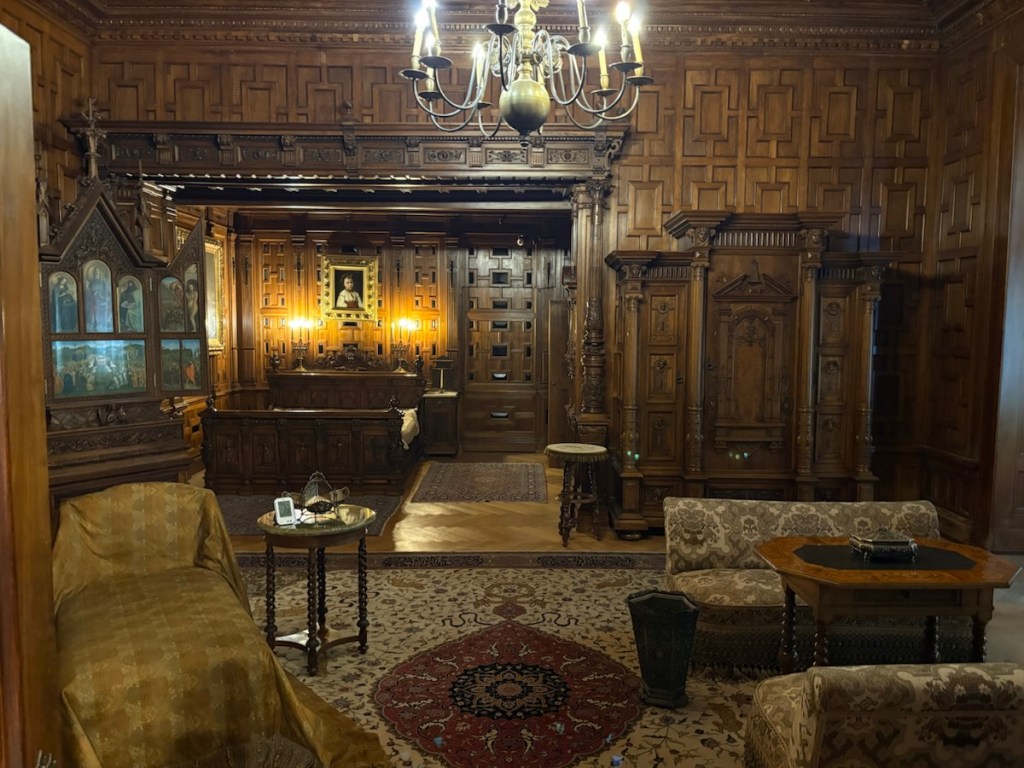
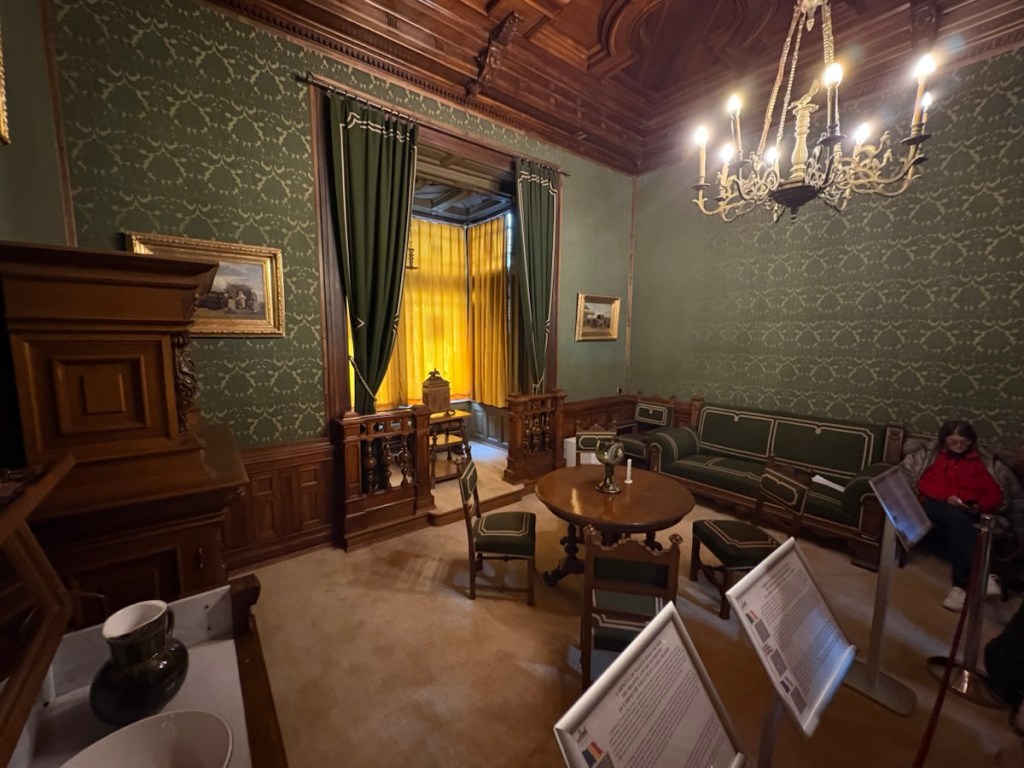
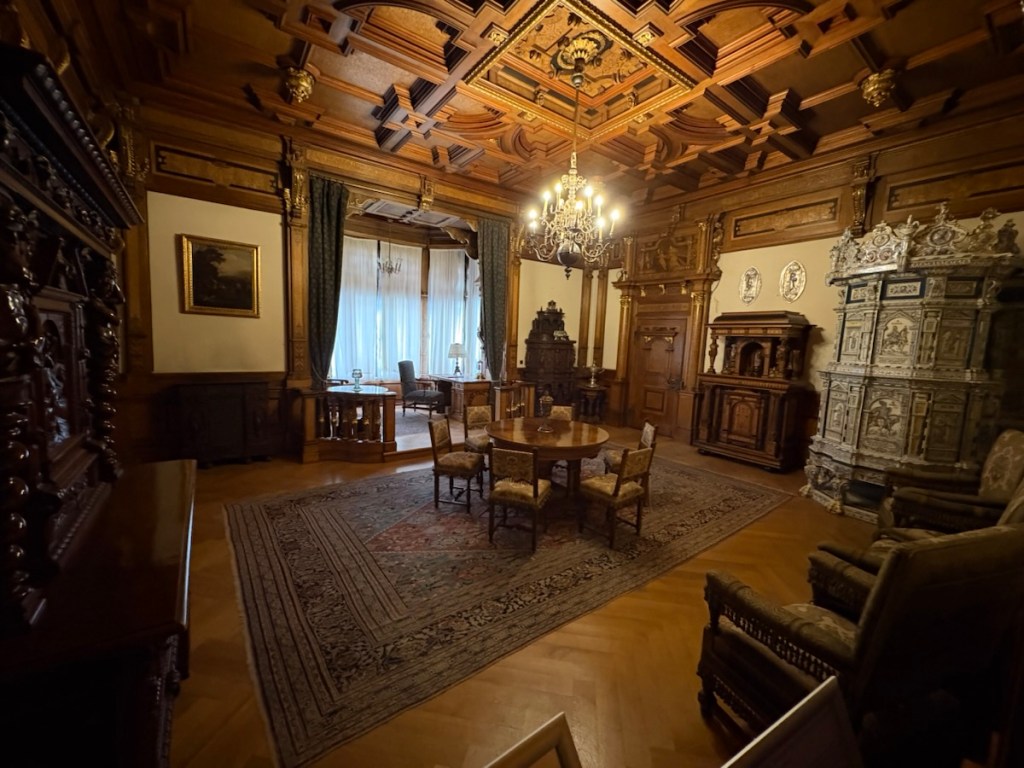
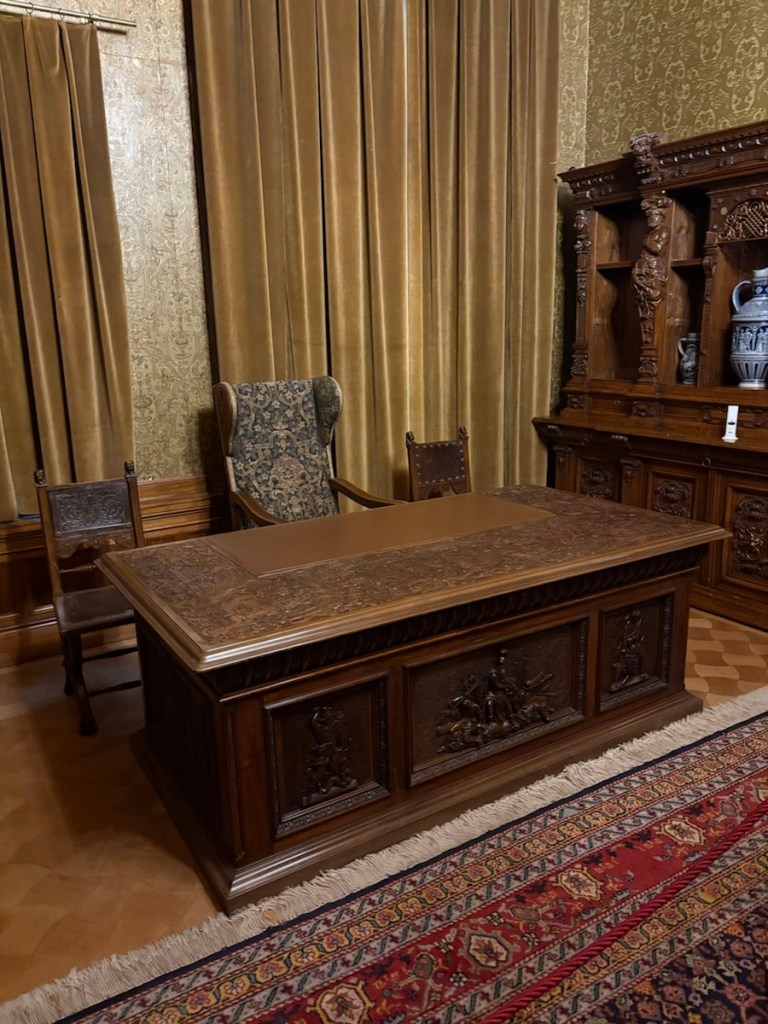
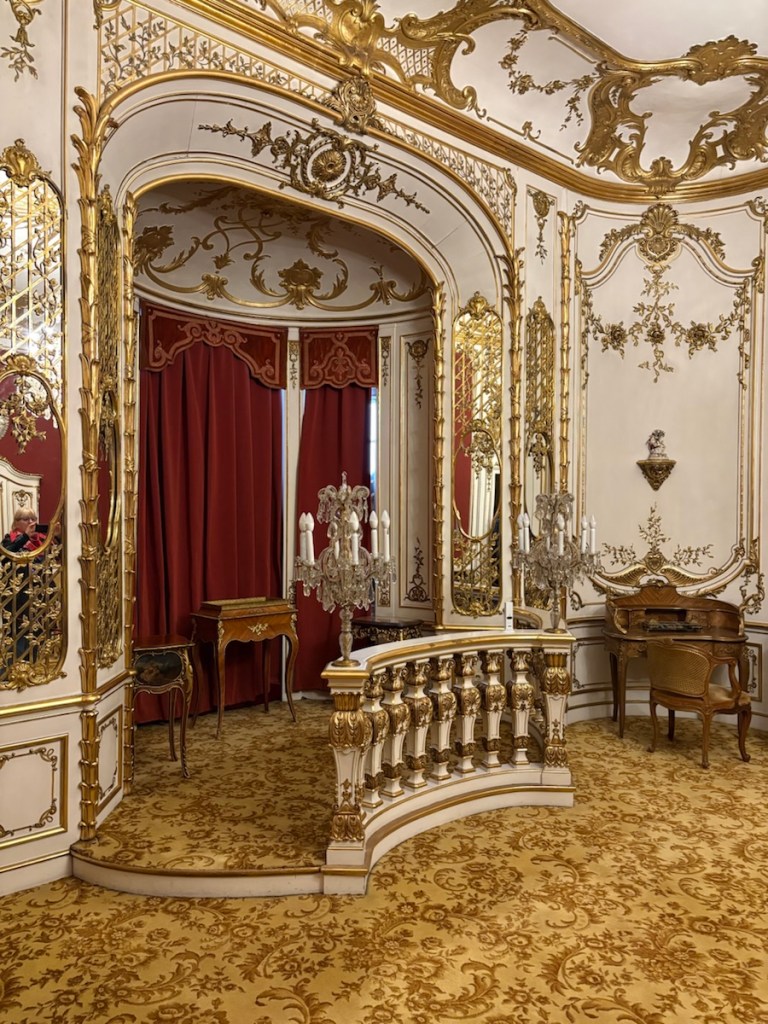
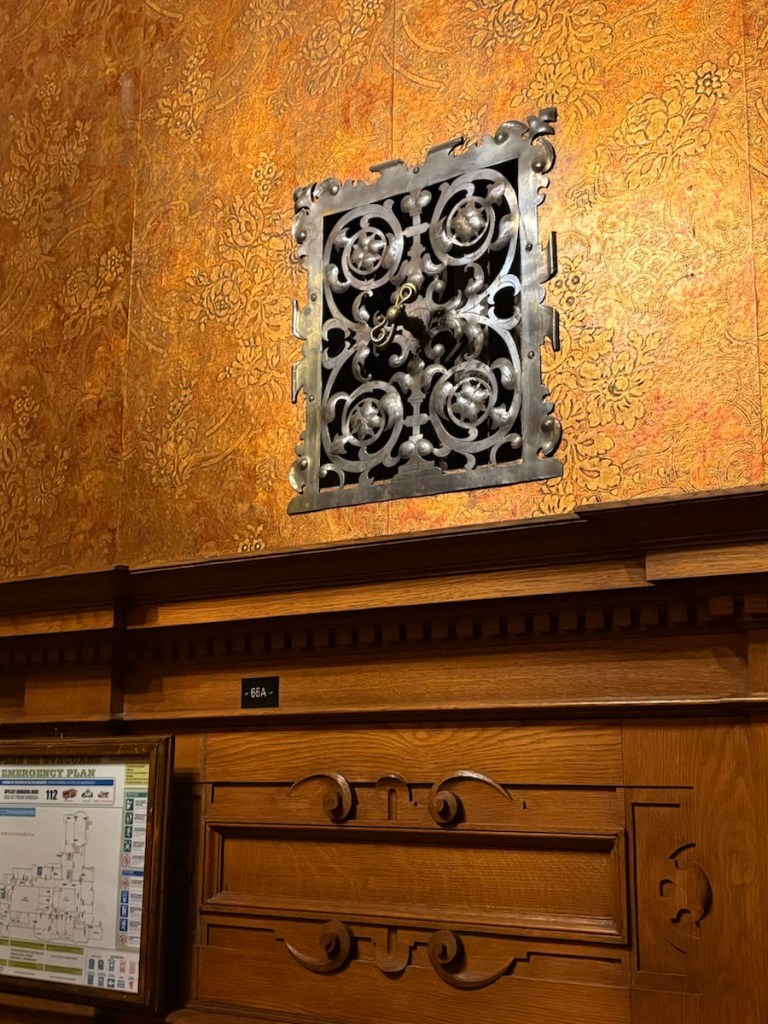
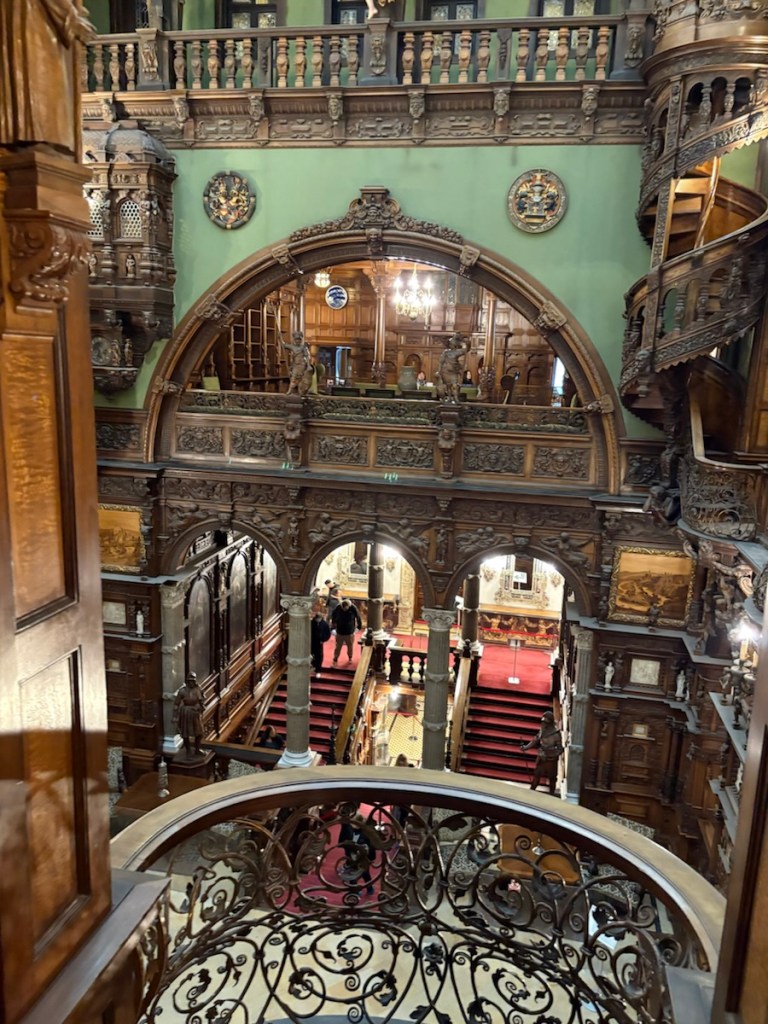
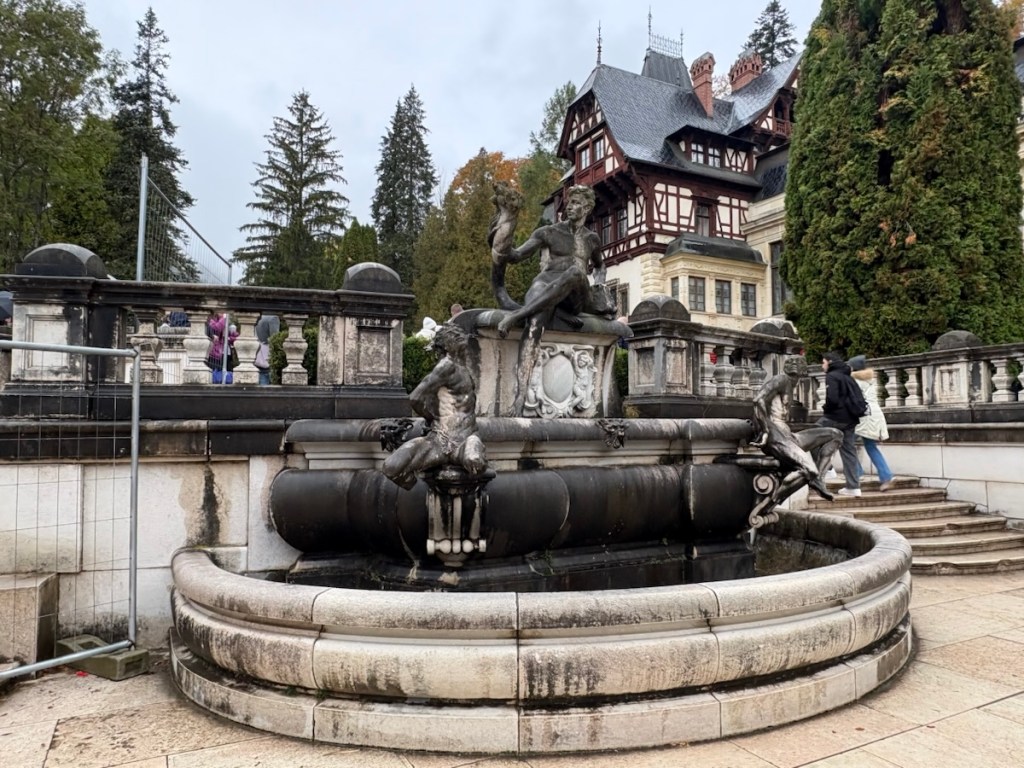
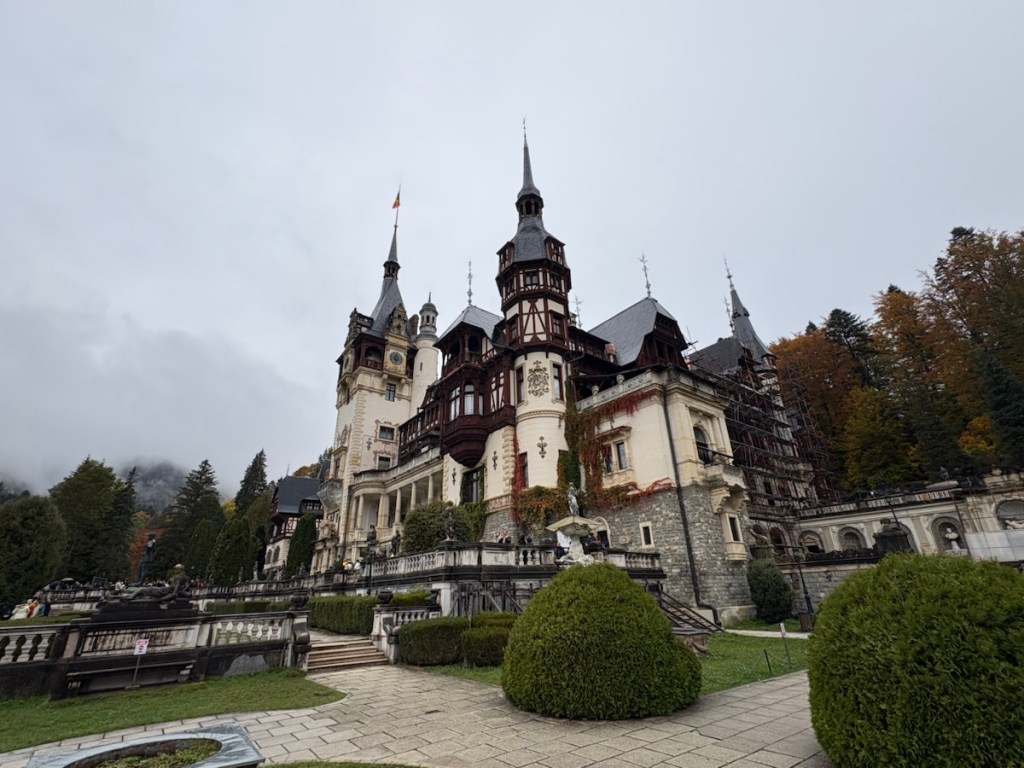
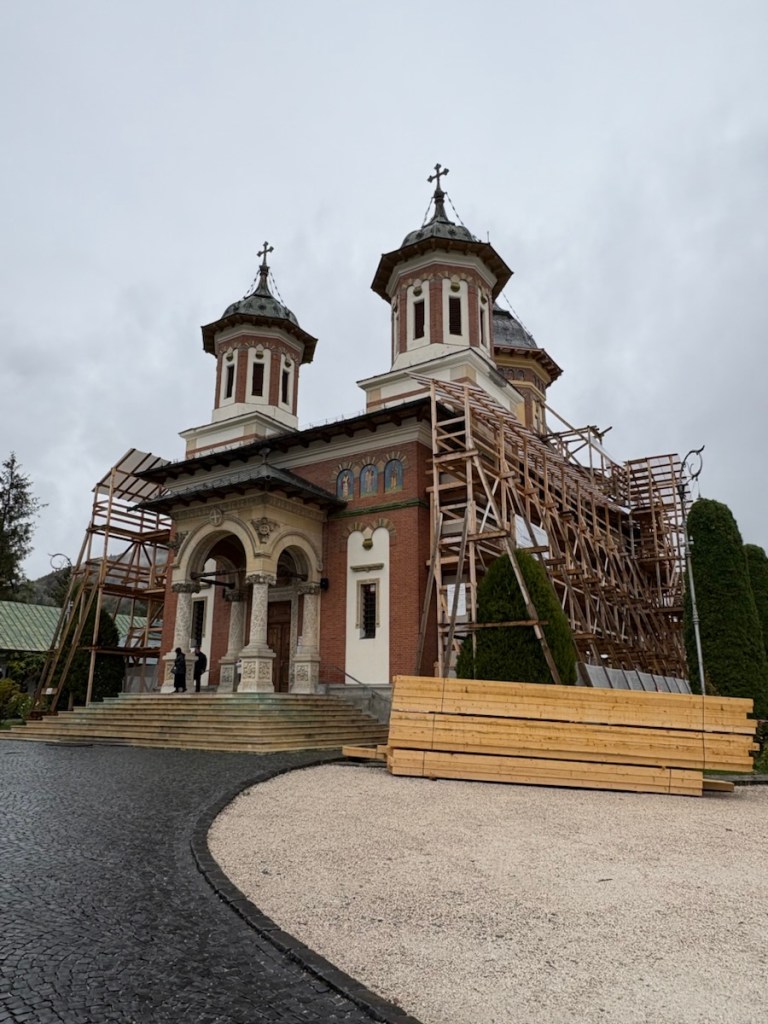
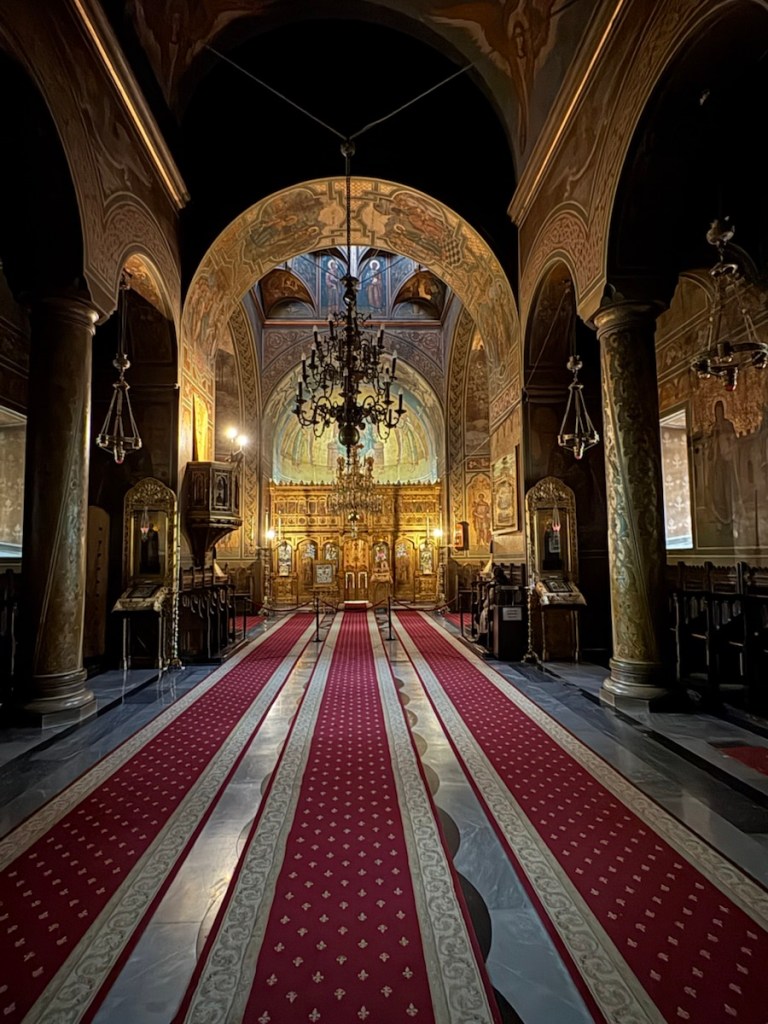
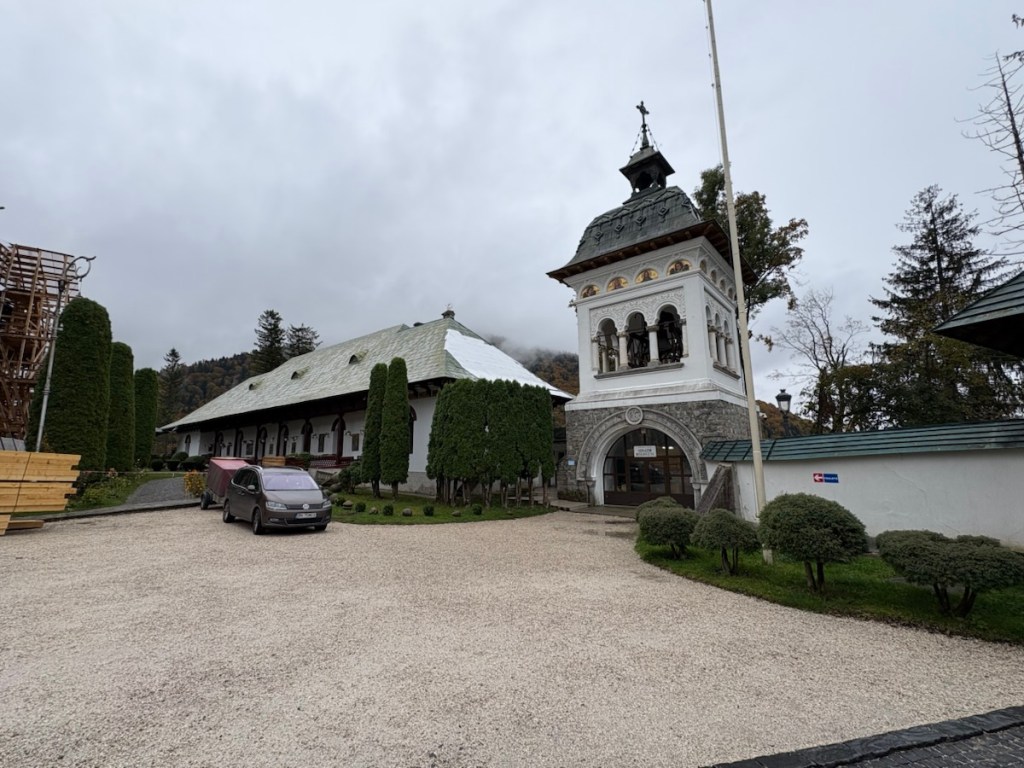
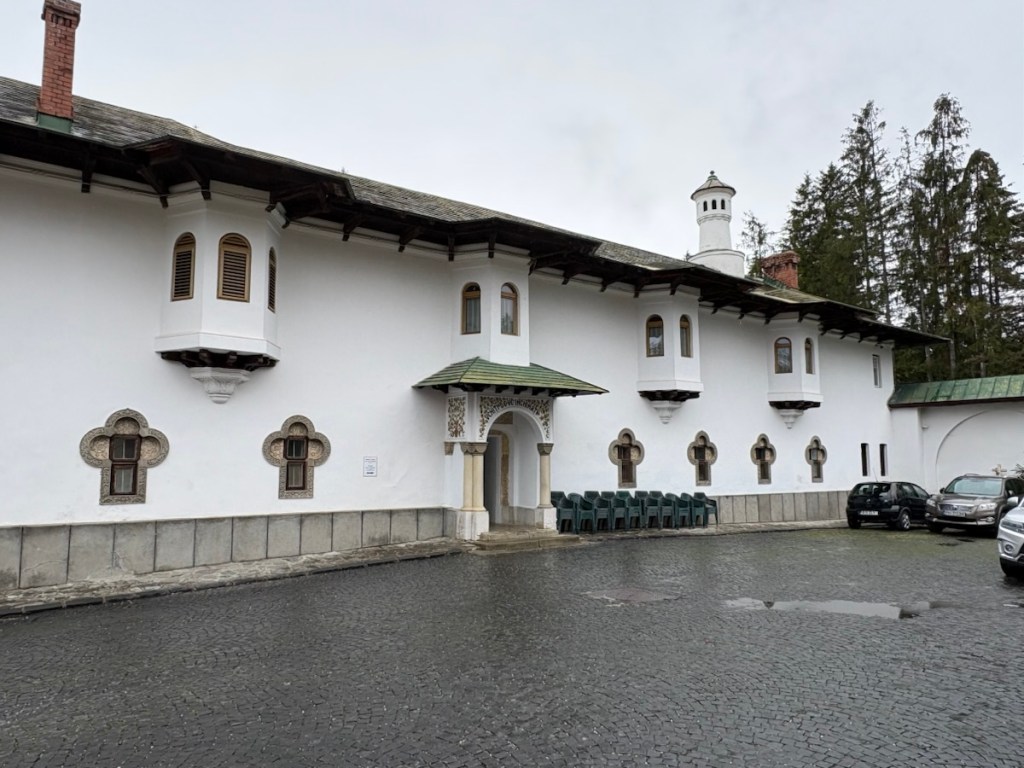
I also made a quick stop at the nearby Sinaia Monastery. The Monastery was founded between 1690 and 1695 by Prince Mihai Cantacuzino after a pilgrimage to Mount Sinai. Initially a fortified monastery for 12 monks, it grew to become the first settlement in the area, and the town of Sinaia was named after it. Notable additions include the 19th-century “New Court” church with electric lighting and an 1892 bell tower, and a 1895 museum containing the first Romanian Bible. Of note:
- During the Russo-Turkish War, the monastery’s valuables were buried inside a bell, and the monastery was attacked and partially burned by Ottoman troops.
- The royal family used the monastery as a temporary residence before the completion of Peleș Castle.
- The monastery actually has two churches. The original church at the monastery, called the “Old Church” (Biserica Veche), with the official name, ”Assumption of the Virgin Mary Church.” It was founded around 1695.
- The second, newer church is called, the “Great Church or New Court Church” (Biserica Mare) and named, the “Holy Trinity Church.” It was built between 1842 and 1846 to accommodate a larger number of monks and was the first church in Romania to be electrified.
The weather did clear up by the time I reached Bucharest in the afternoon. But the rest of the day I was just lazy – picking up groceries, relaxing in the apartment, laundry, dinner in the room, and I watched a movie on TV. Tomorrow will be for some Bucharest sightseeing!
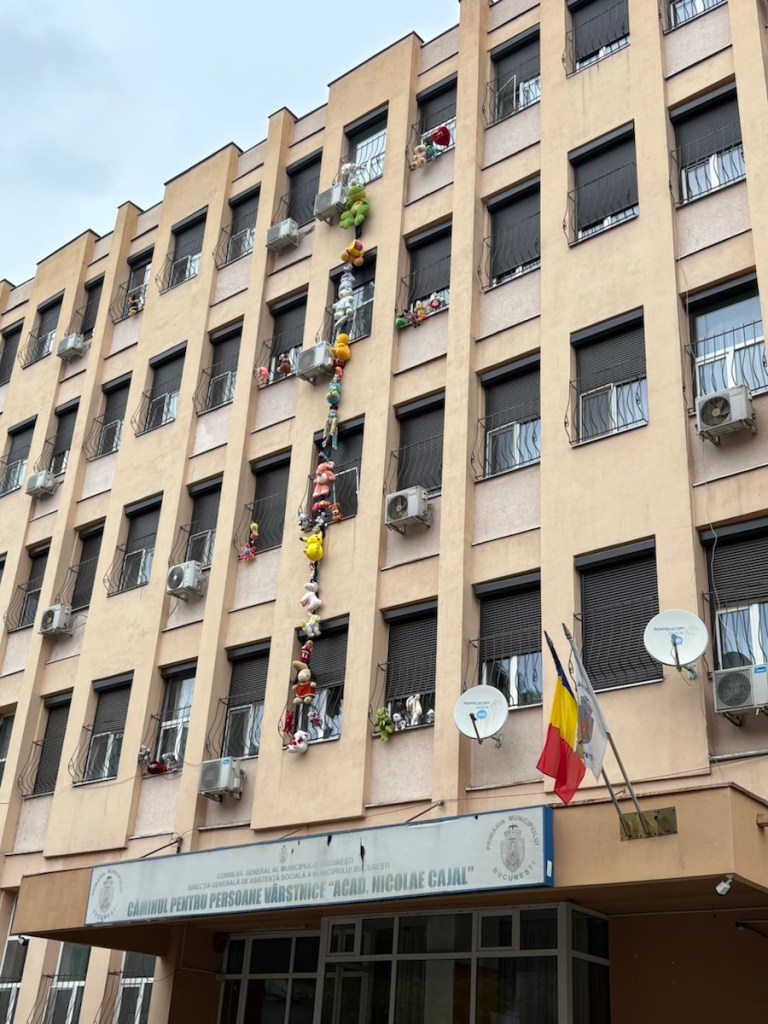
So why are there a ton of stuffed animal hanging on the building? Strange sight.
Before you go…
I once wrote a song about a tortilla… but it was more of a wrap.

 A Captain’s Adventures