
Being only 3 hours from the border with Ukraine got me thinking, what if I…? But I wisely decided that was best saved for a later trip! So with Ukraine off the table, there was no better way to spend a dreary and chilly day in Bucharest than a free walking tour! So that’s what I did instead.
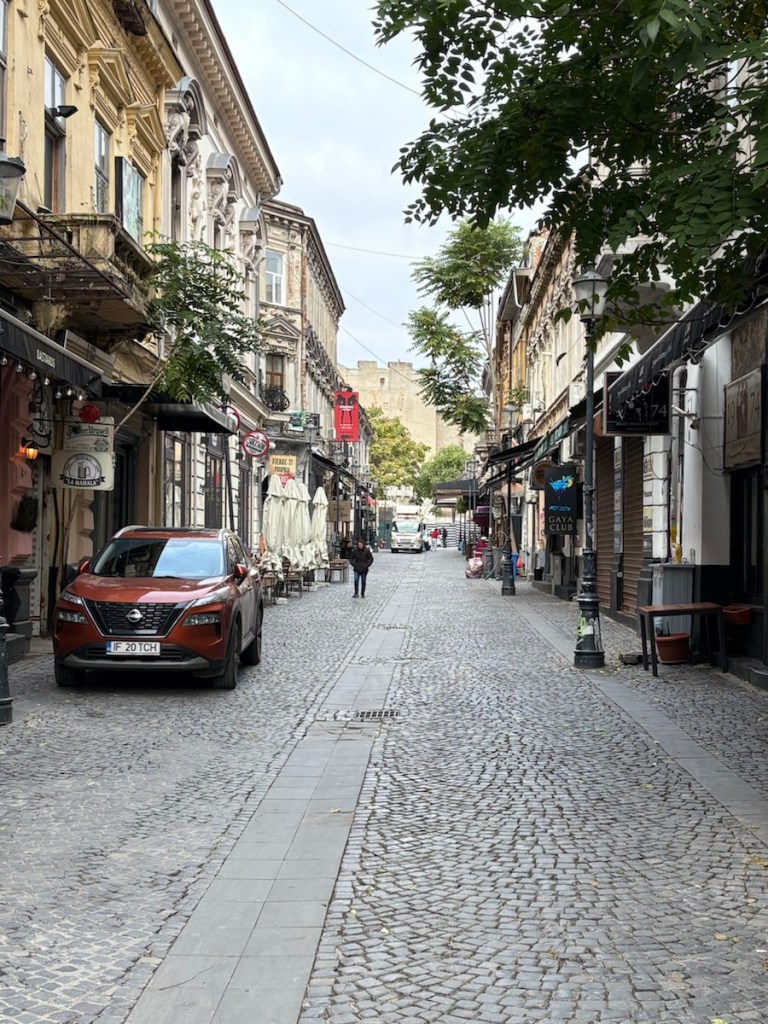
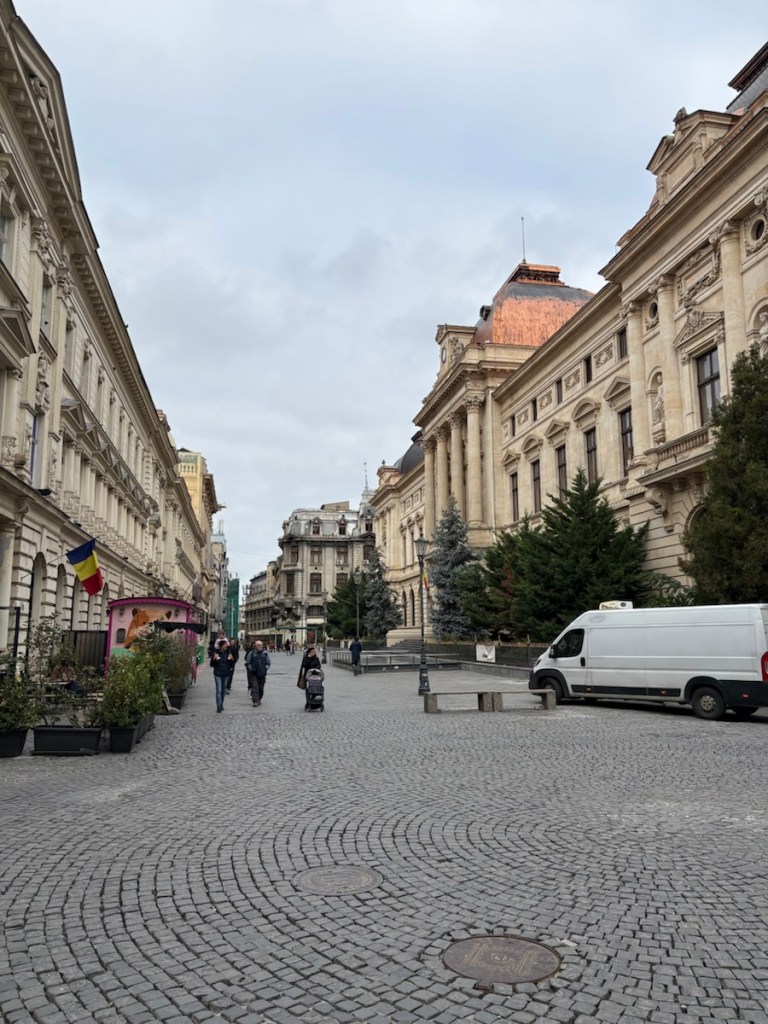
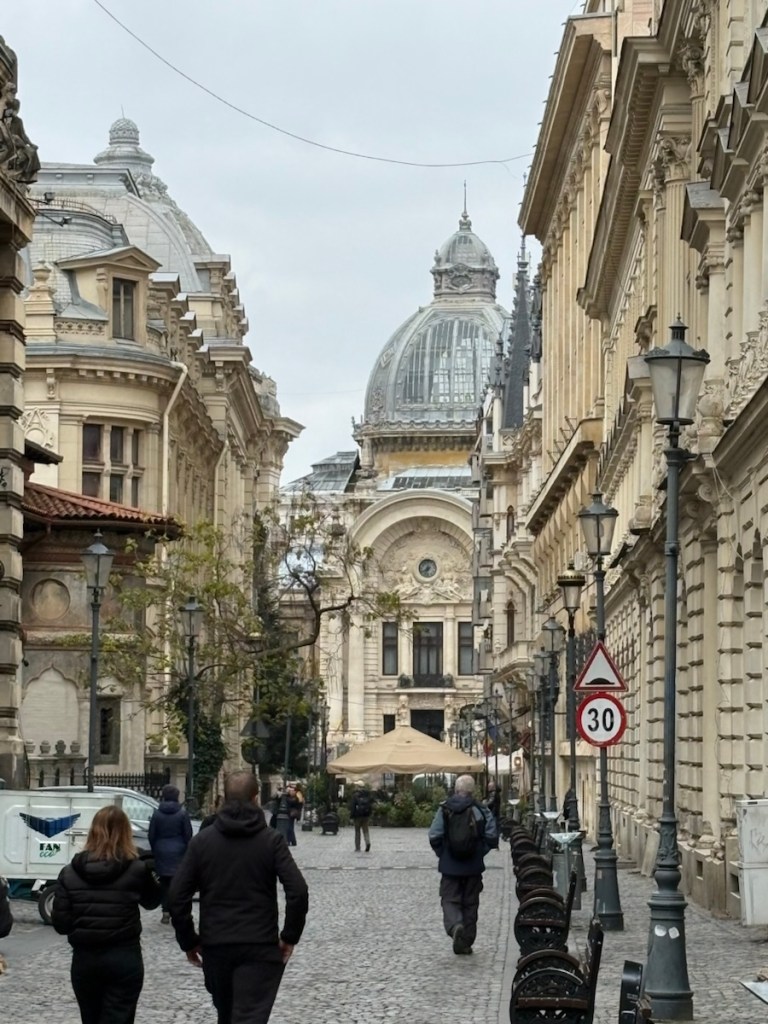
After a half hour walk into Old Town, I joined my free tour with Beatrice, our Romanian guide.
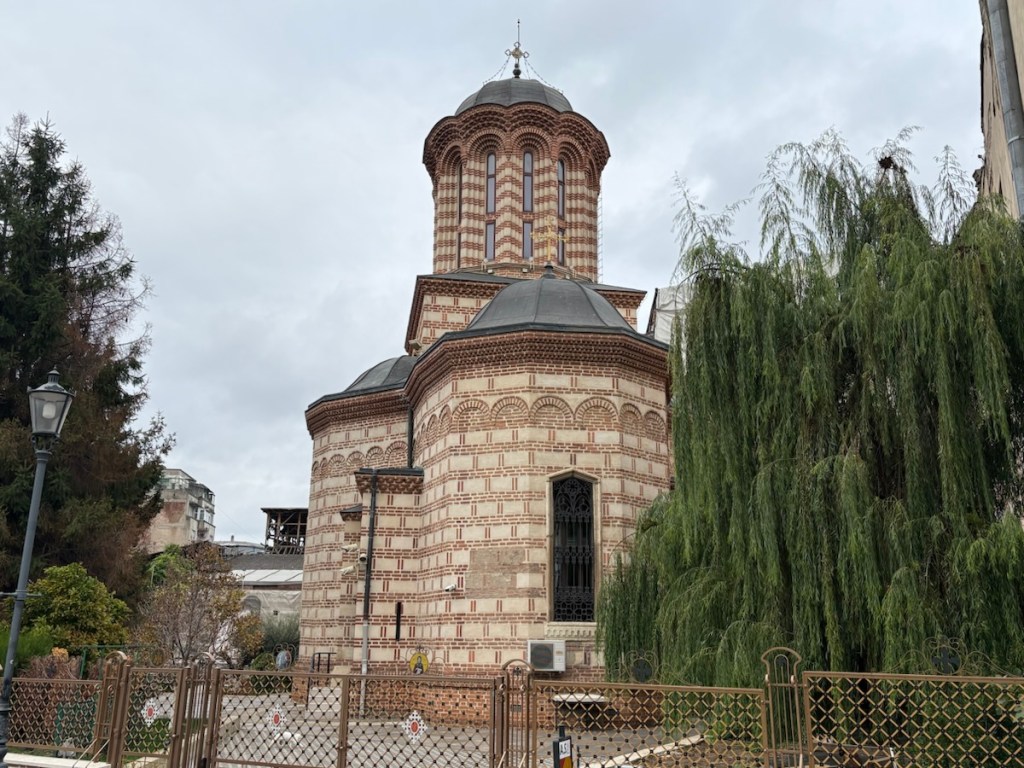
Founded in 1559, St. Anthony’s is considered the oldest church in Bucharest. It’s even been through the great fire of 1847 and restored in later years.
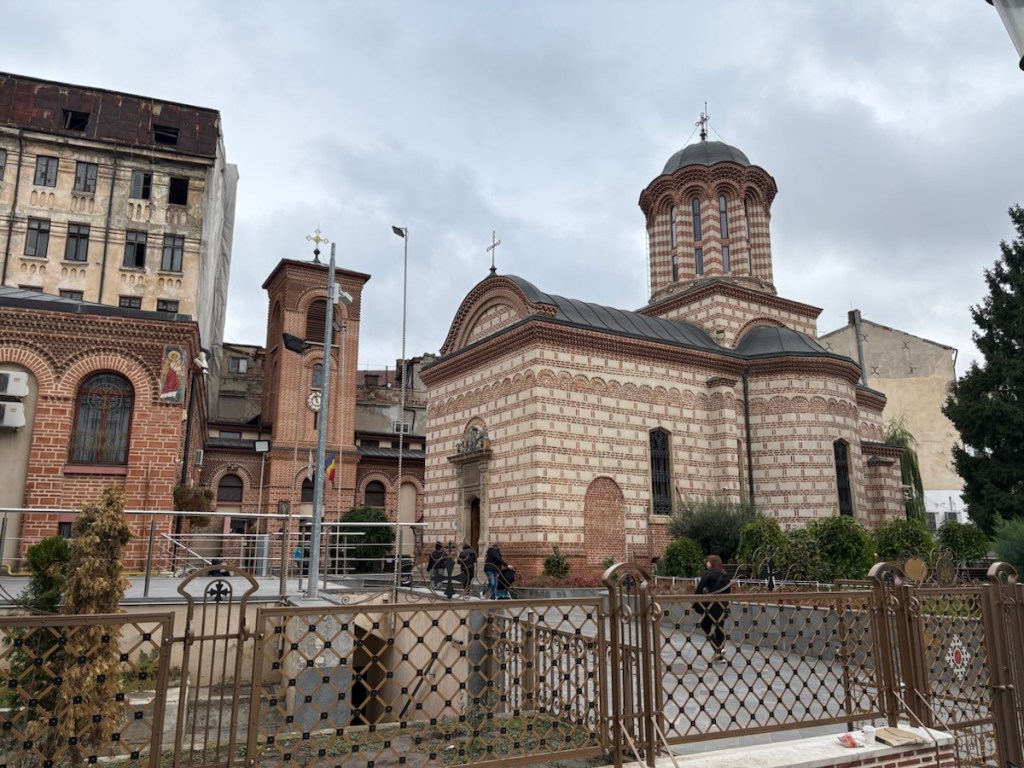

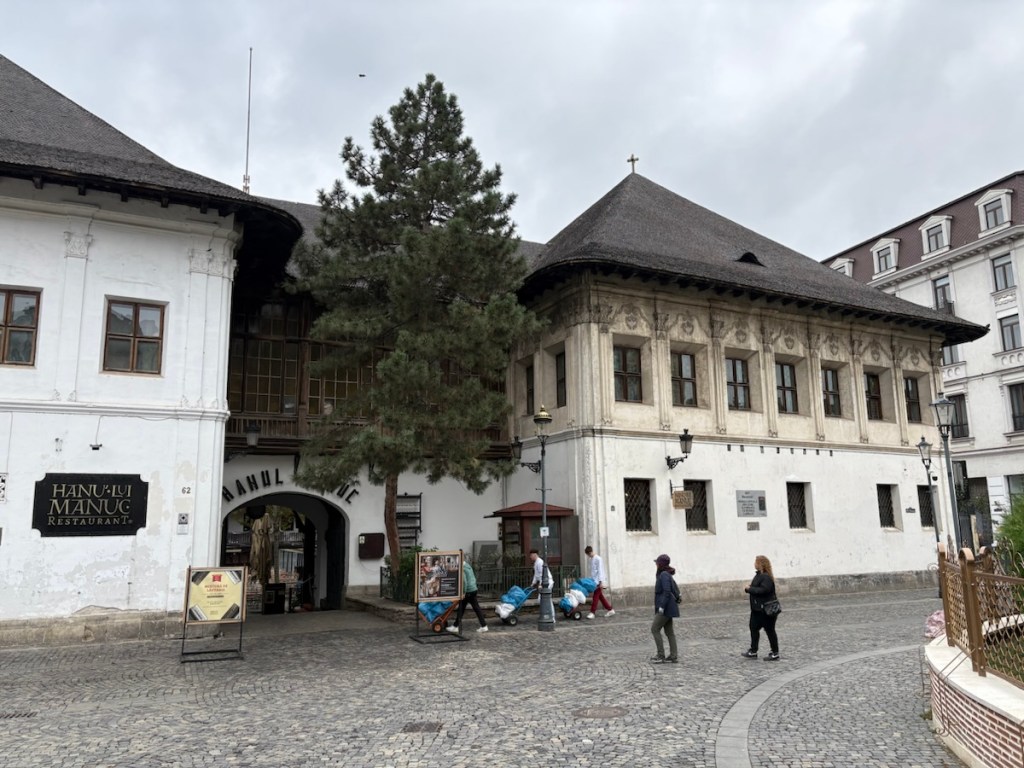
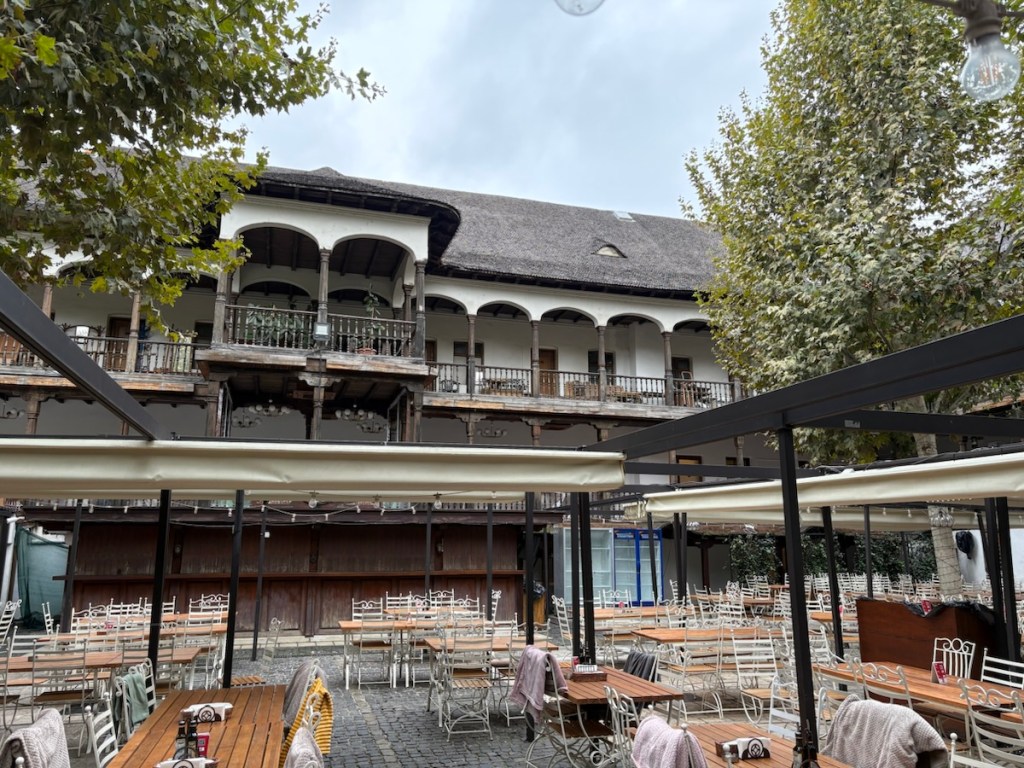
Manuc’s Inn (Hanu’ lui Manuc) is a historic building dating back to 1808, known as the oldest operating hotel in the city. It was built by Armenian merchant Emanuel Marzaian and is a significant landmark in the city’s Old Town. Today, it is a popular venue with restaurants, a café, bars, and shops, and features a large central courtyard that hosts events. The top floor is currently being renovated to be reopened as a hotel.
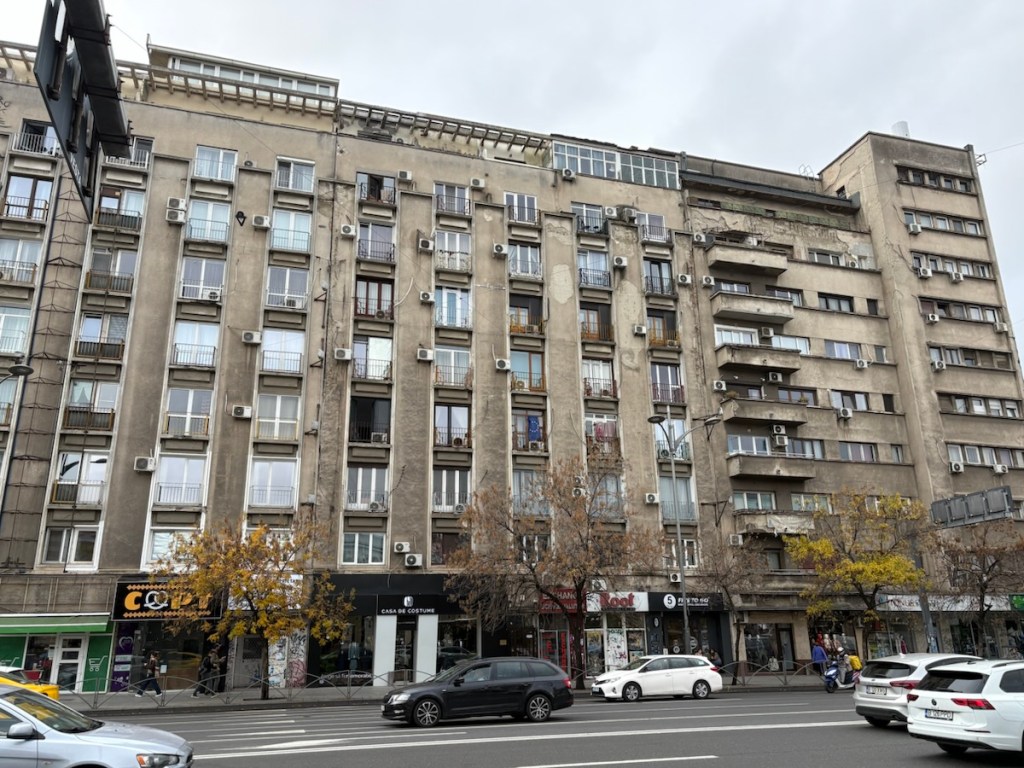
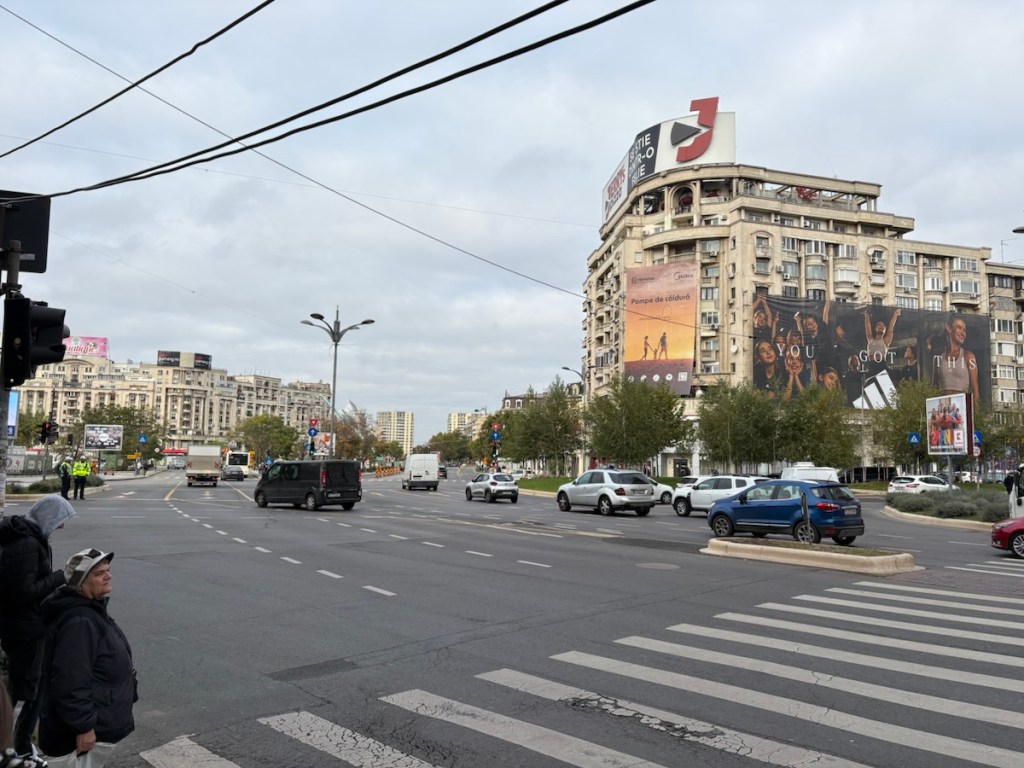
Pointing out some of the the old communist era buildings along the way, our guide said, “Look at the lovely shades of gray! What more could you want…besides freedom.”
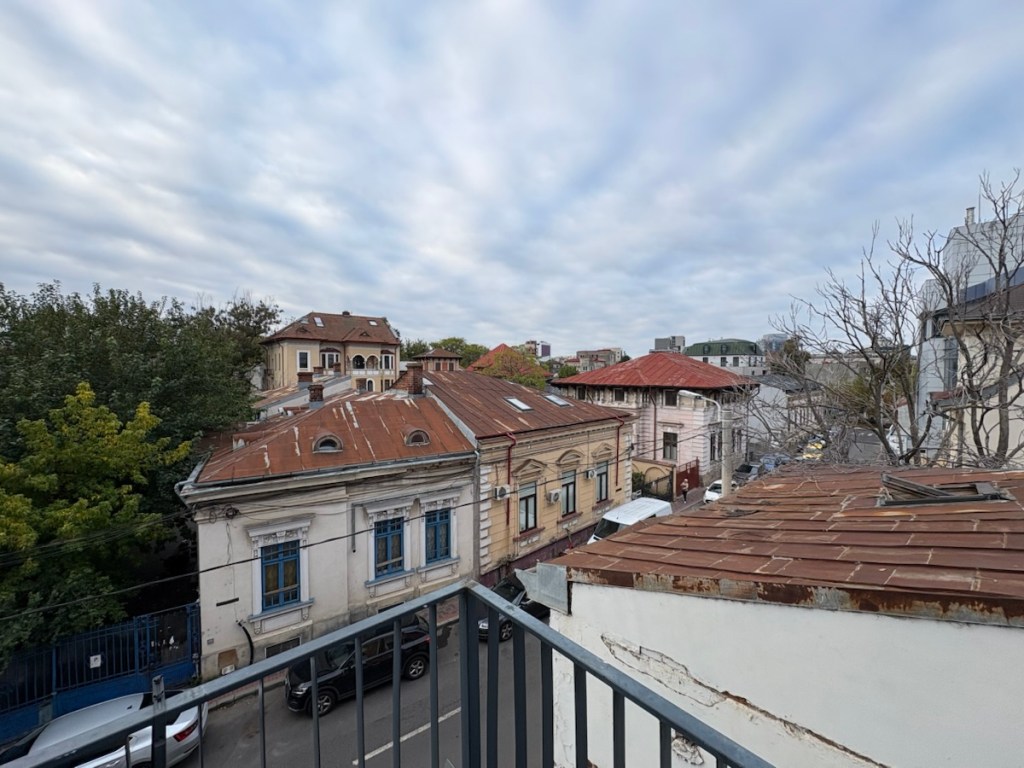
There are a LOT of crumbling buildings in Bucharest. And bad sidewalks. And bad roads. And trash. And cats! Although there are certainly some beautiful structures, they are the exception. The French, Portuguese, German, and communist influences show up in the varied architecture, too. And as a result, in combination with the decay, the city looks like a run down hodgepodge of buildings with no two alike. And to think it has been called, “The Paris of the East.”
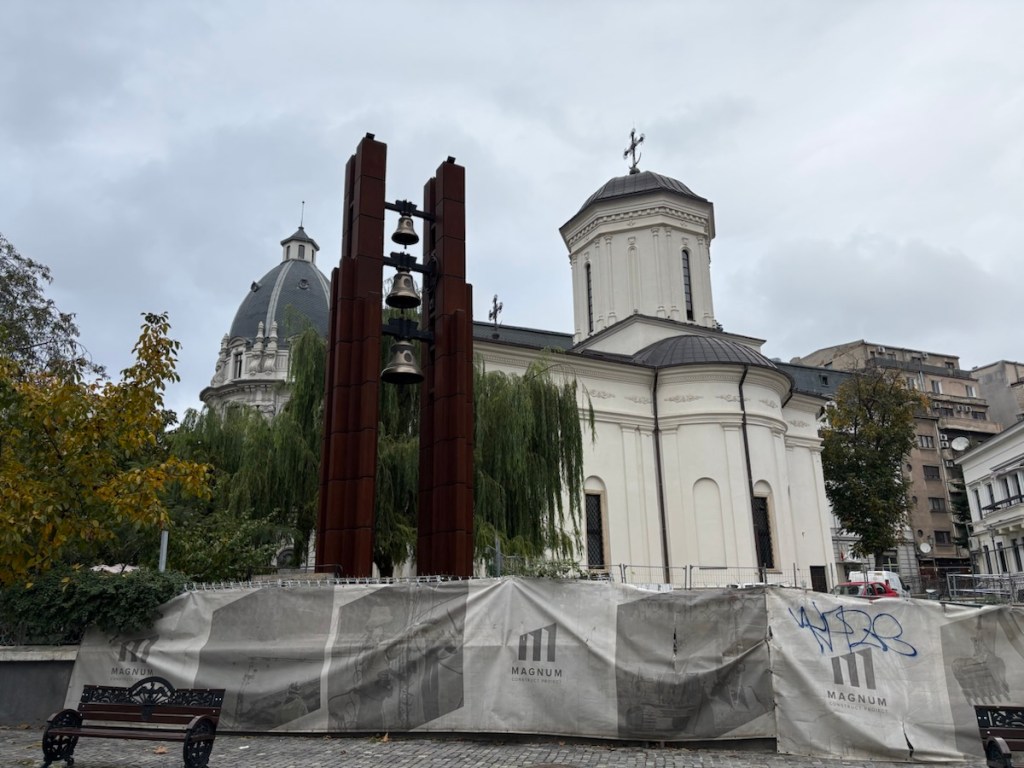
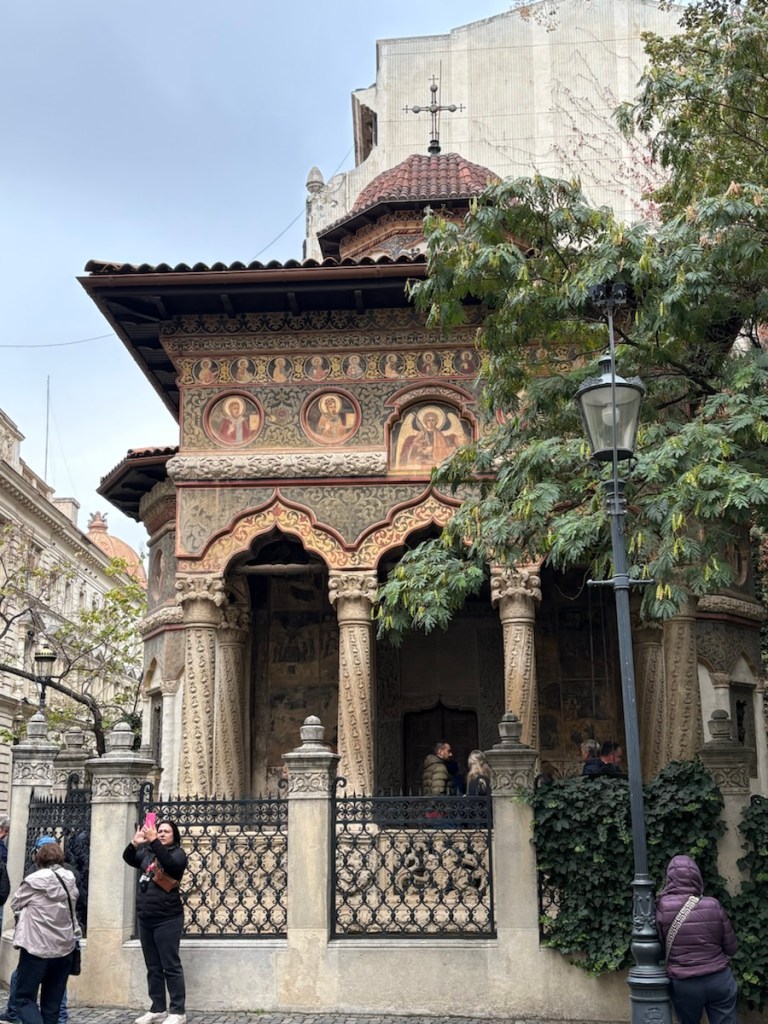
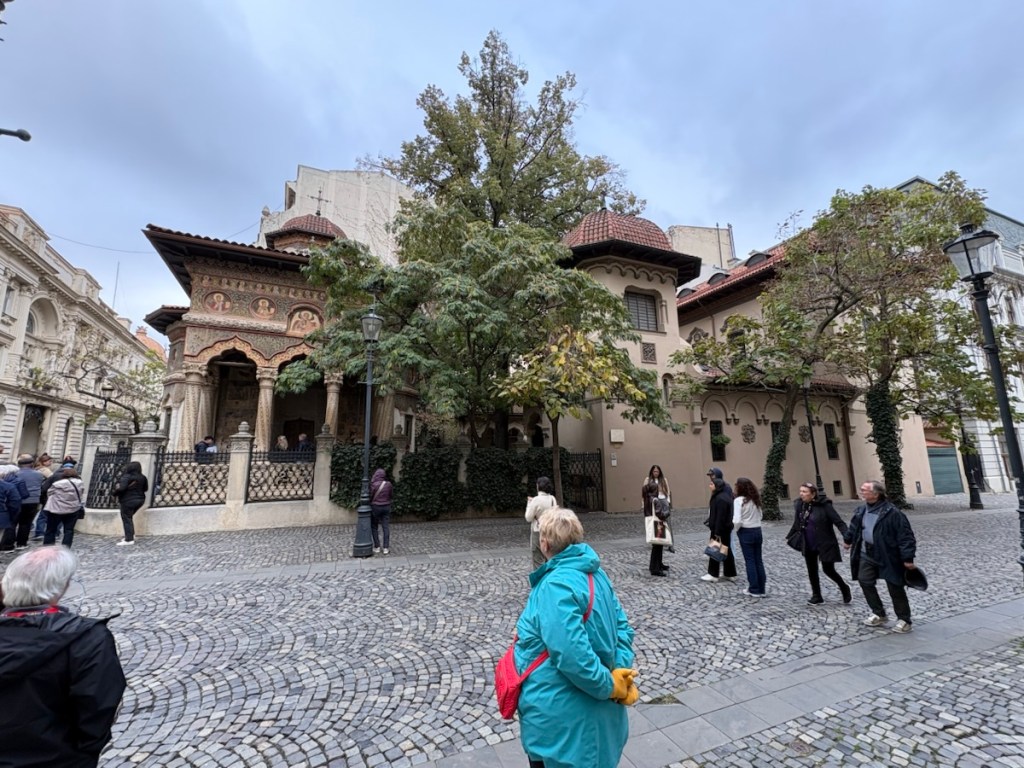
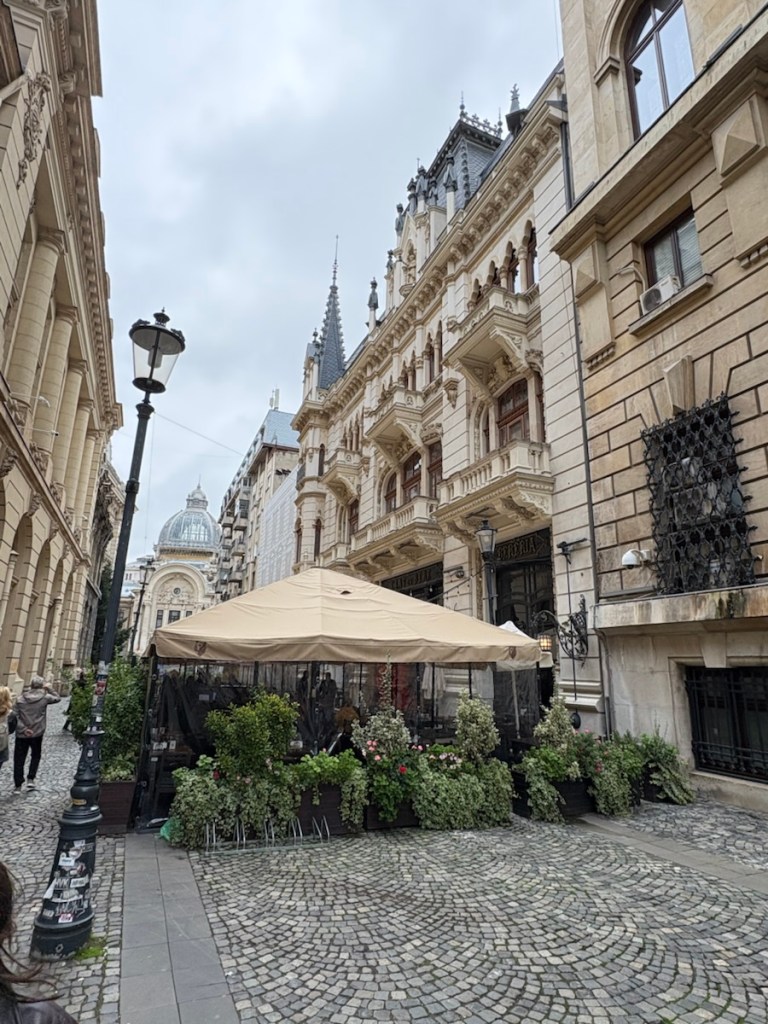
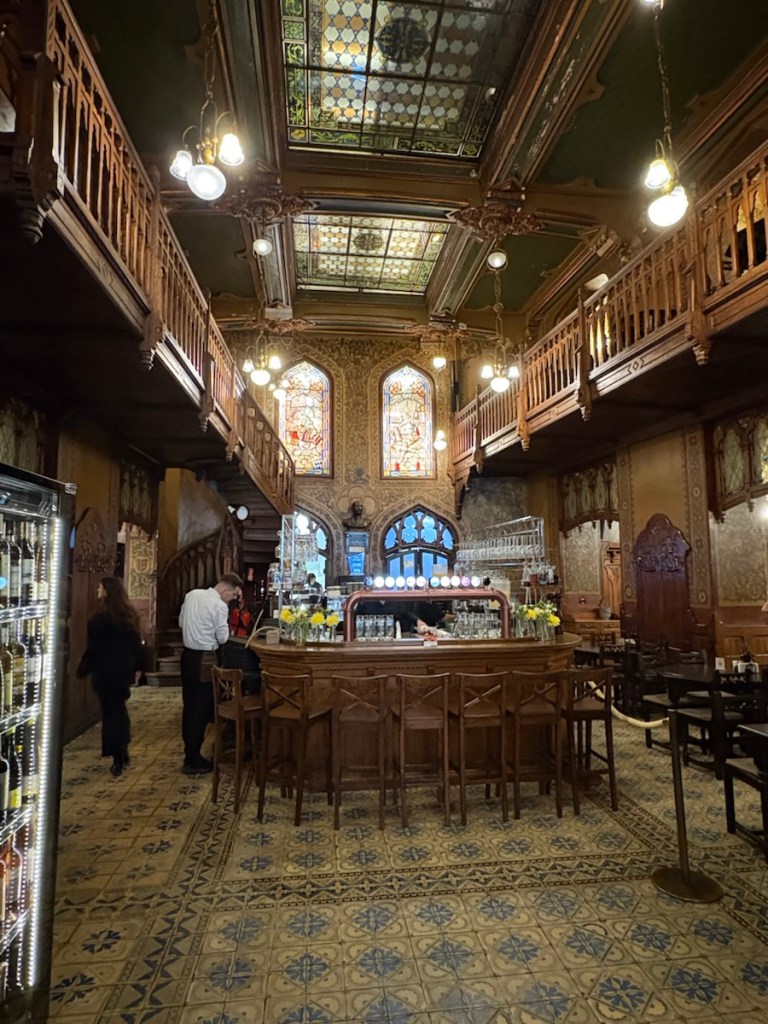

Picking up the theme? Everything was labeled as a “church” of some sort by our guide.
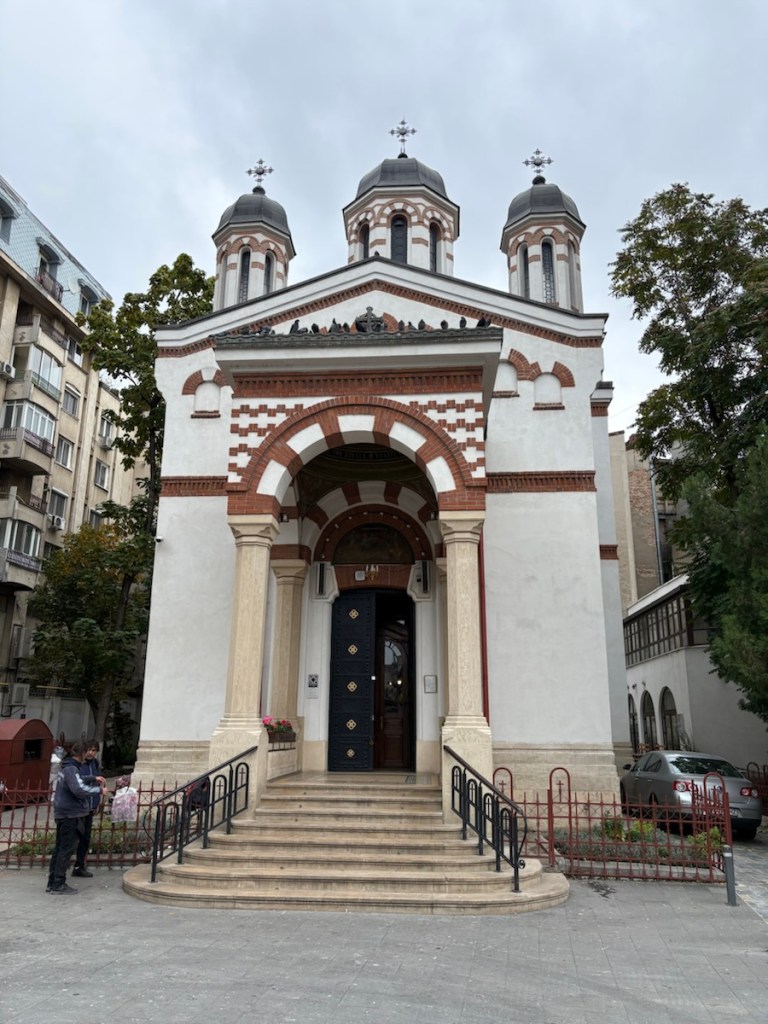
Founded by constable Mihai Cantacuzino, on the site (or near) of an older 17″ century church, raised for the goldsmiths of “priest Manta’s” quarter. In 1850-1852, the church was rebuilt in its present form by abbots Calistrat and Athanasie.

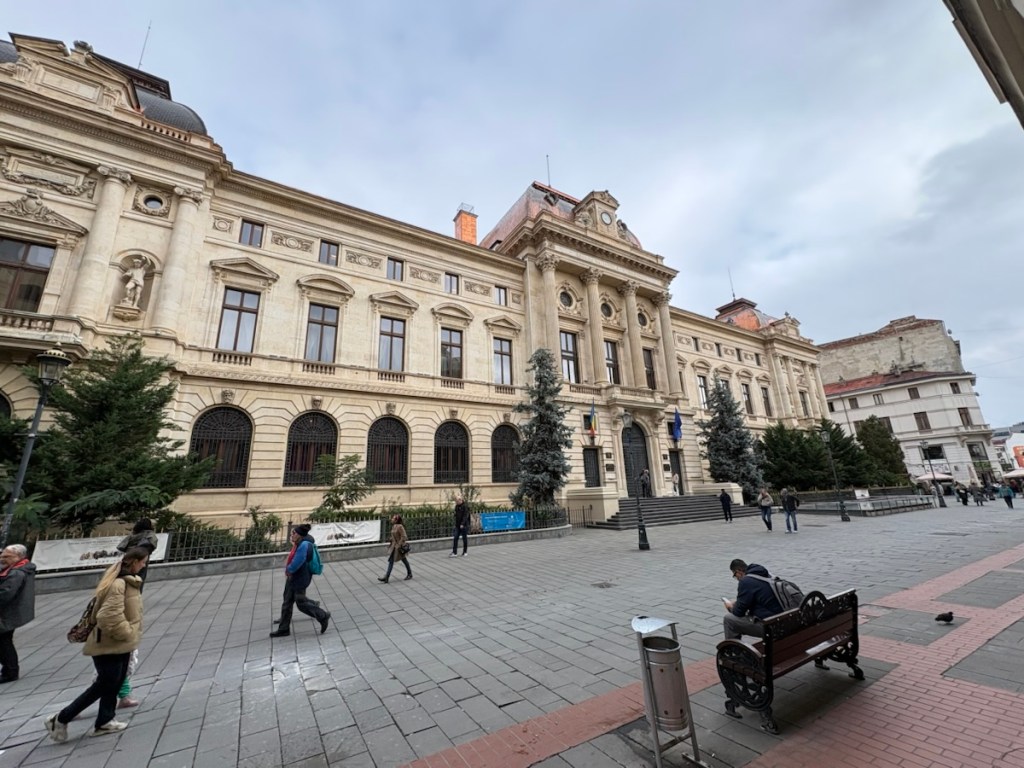
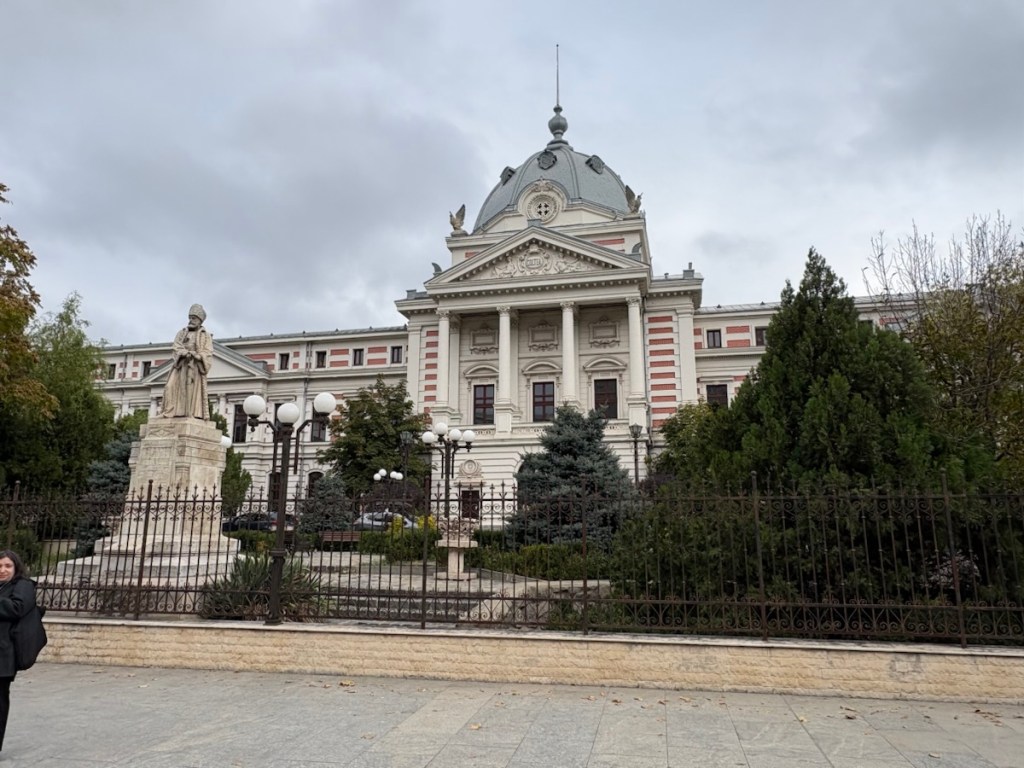
French Academic style building, erected between 1867-1888, to the design of the architect Alexandru Freiwald, under the guidance of the building entrepreneur Conradt Schwenk, on the site of the former Coltea Hospital, founded in 1704 by the sword-bearer Mihail Cantacuzino (with later additions and transformations carried out by the architect Nicolae Ghika-Budesti between 1895 and 1942)
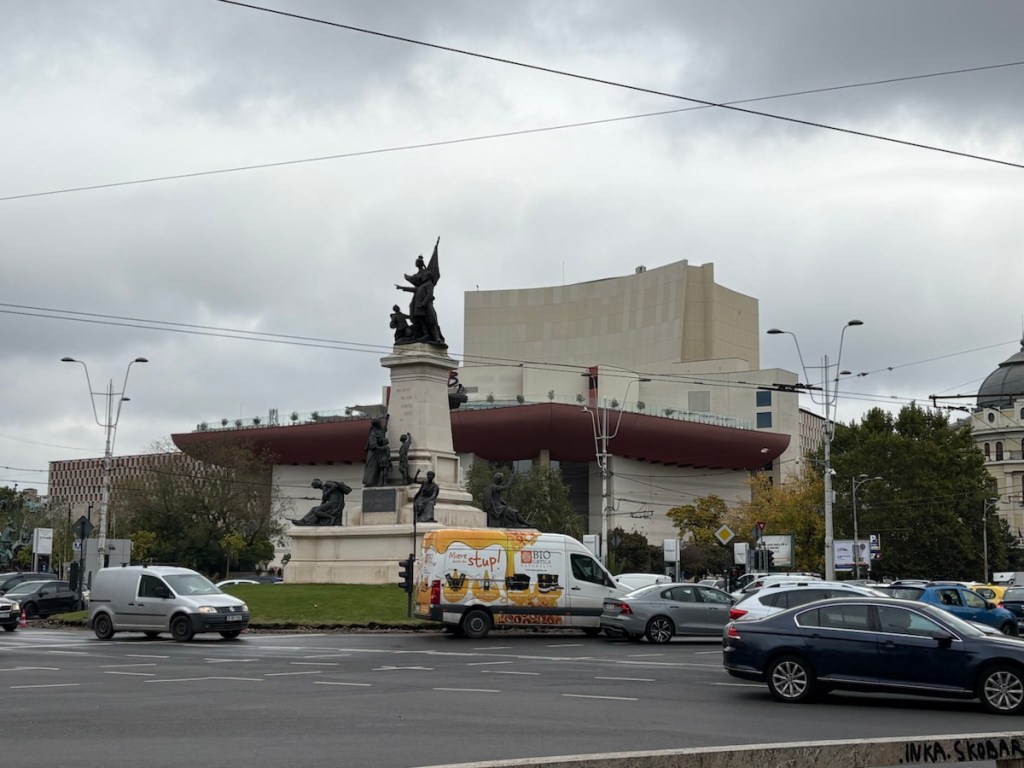
Our guide described some of the prevailing sentiment – very unpopular – about the time of Nicolae Ceaușescu’s Communist rule until his violent overthrow in 1989. He was executed by firing squad on live TV in 1989.
A couple times during our tour, the guide reminded us that we were in “Bucharest,” not “Budapest.” It seems that many confuse the two famous city names. Even Michael Jackson made the mistake in the 90s when he visited here and saying, saying he was glad to be in, “Budapest.”
The guide also talked about the grilling of meat – seemingly a national pastime! Especially pork products. She went on to say that, “Pork is a Romanian’s favorite vegetable!”
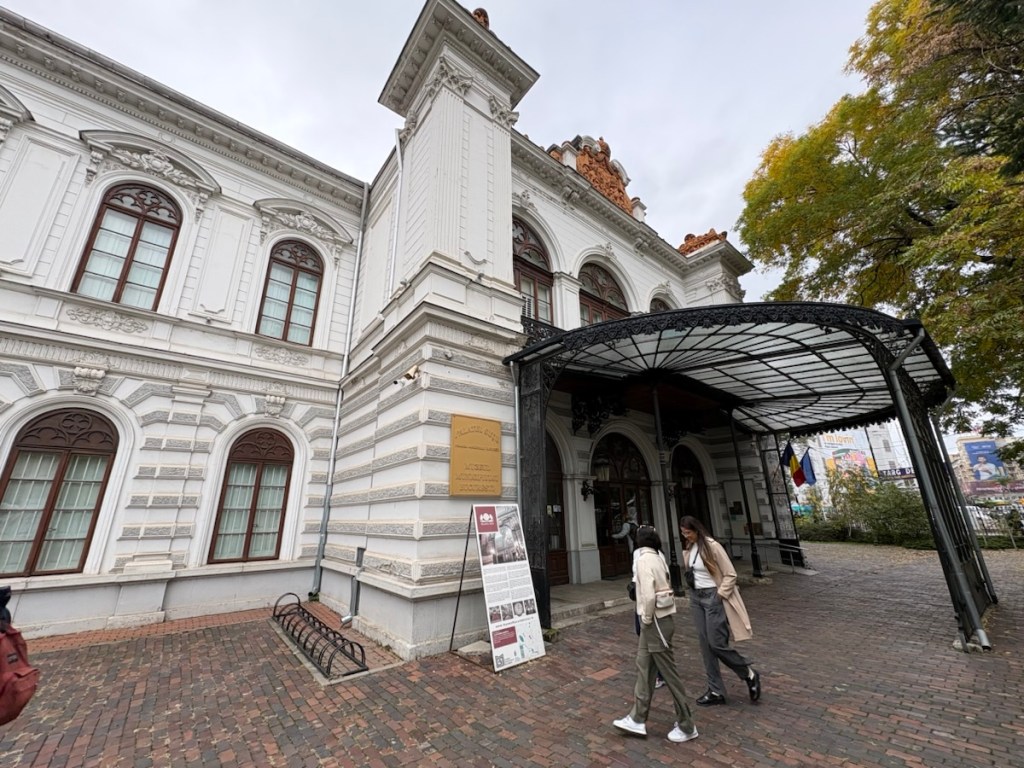
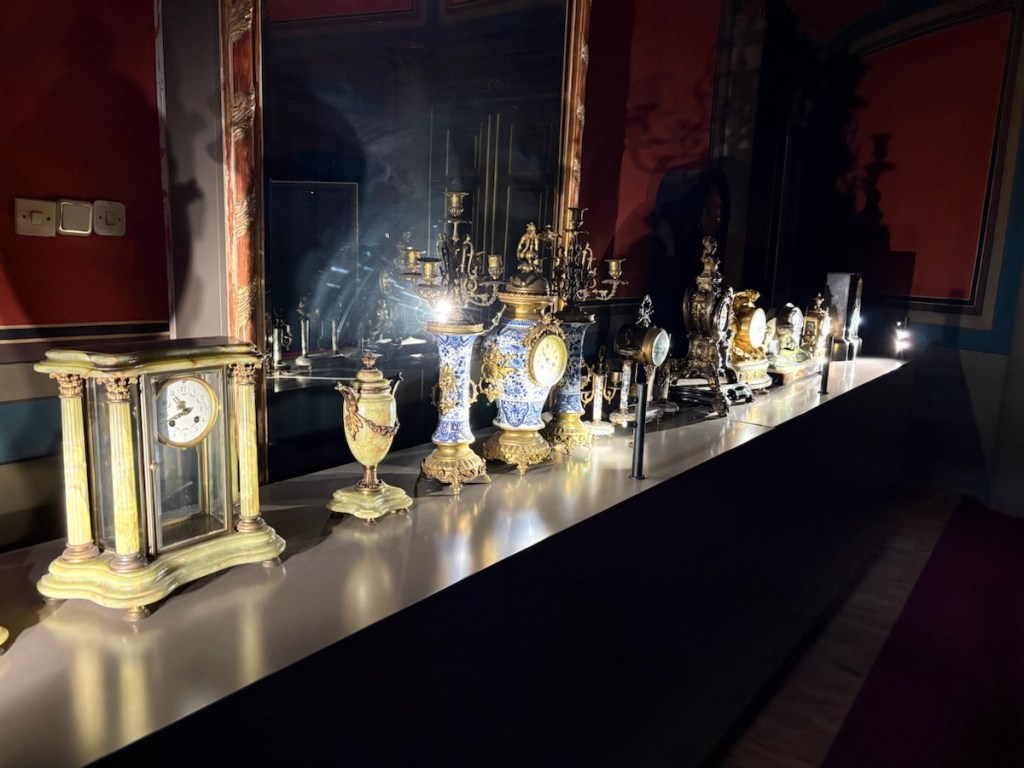
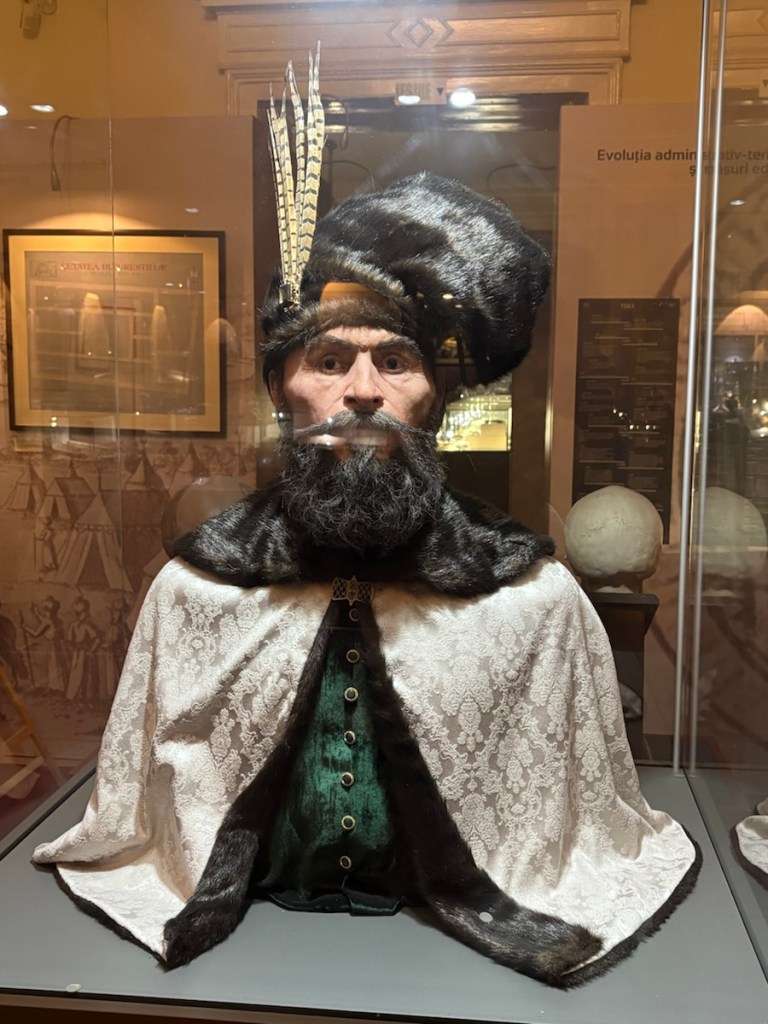
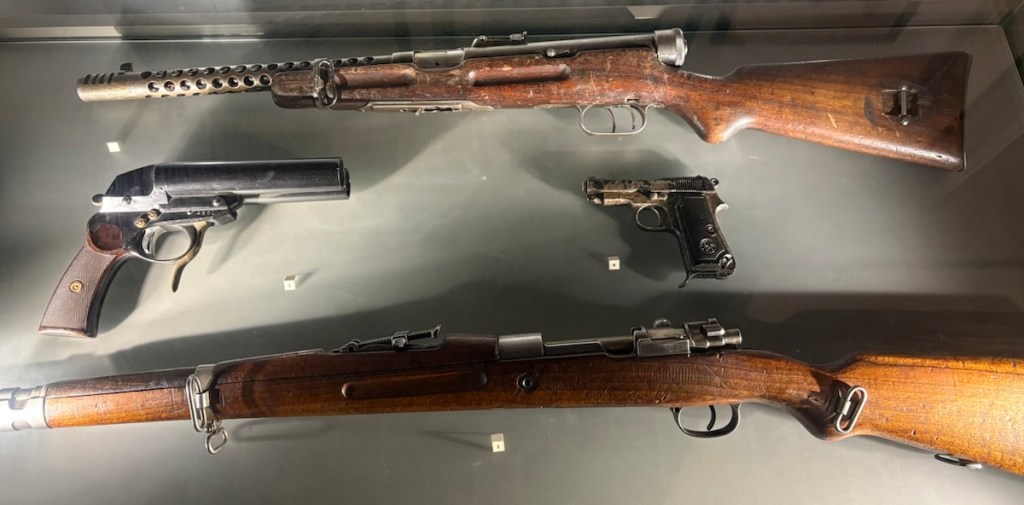
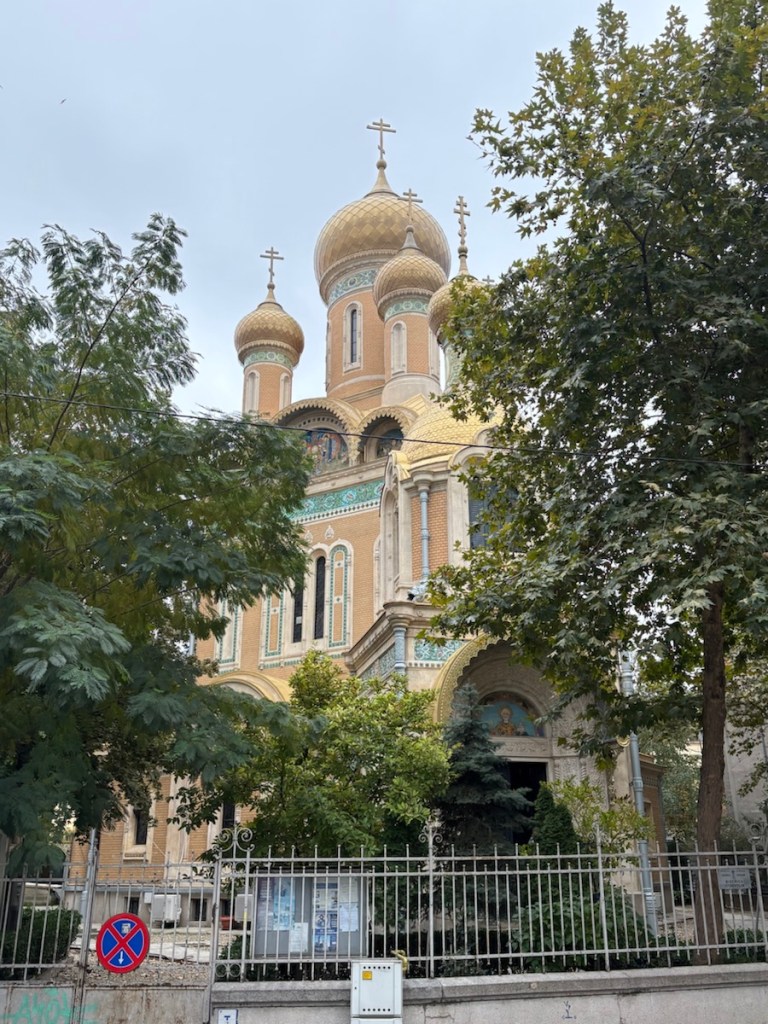
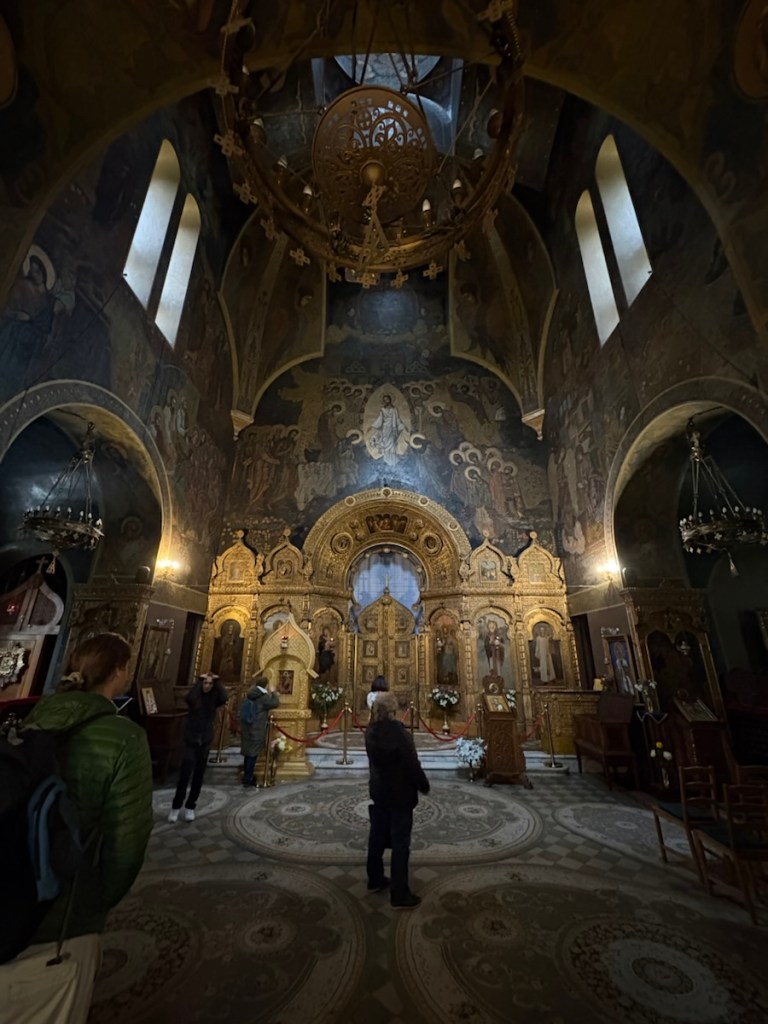

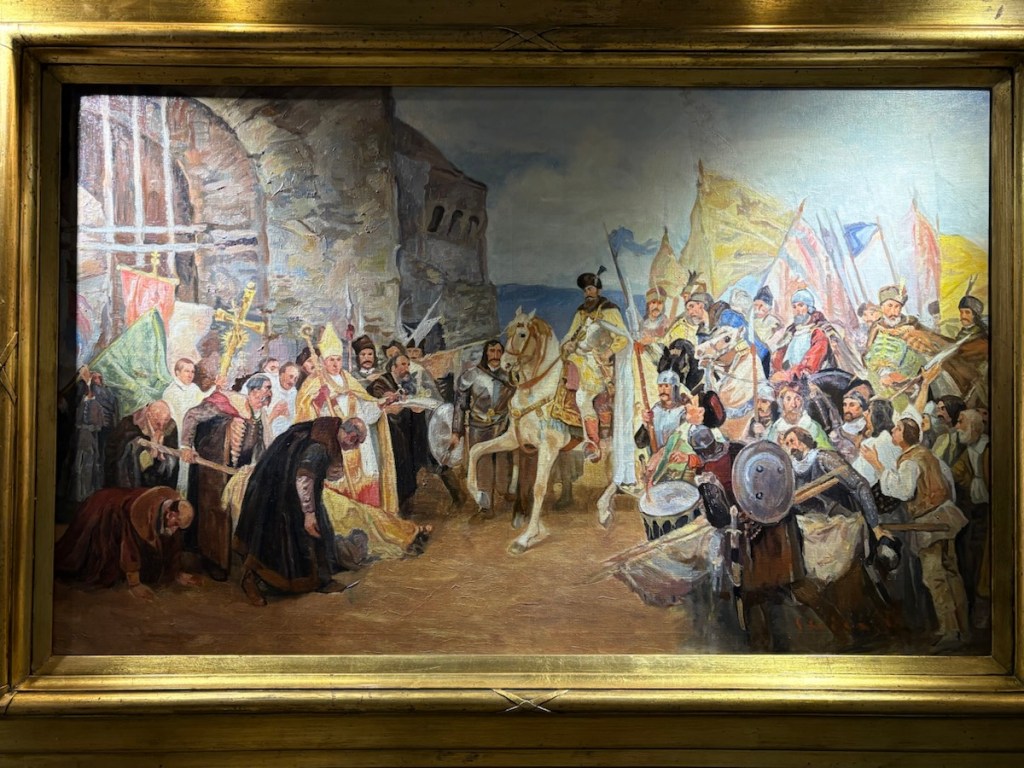
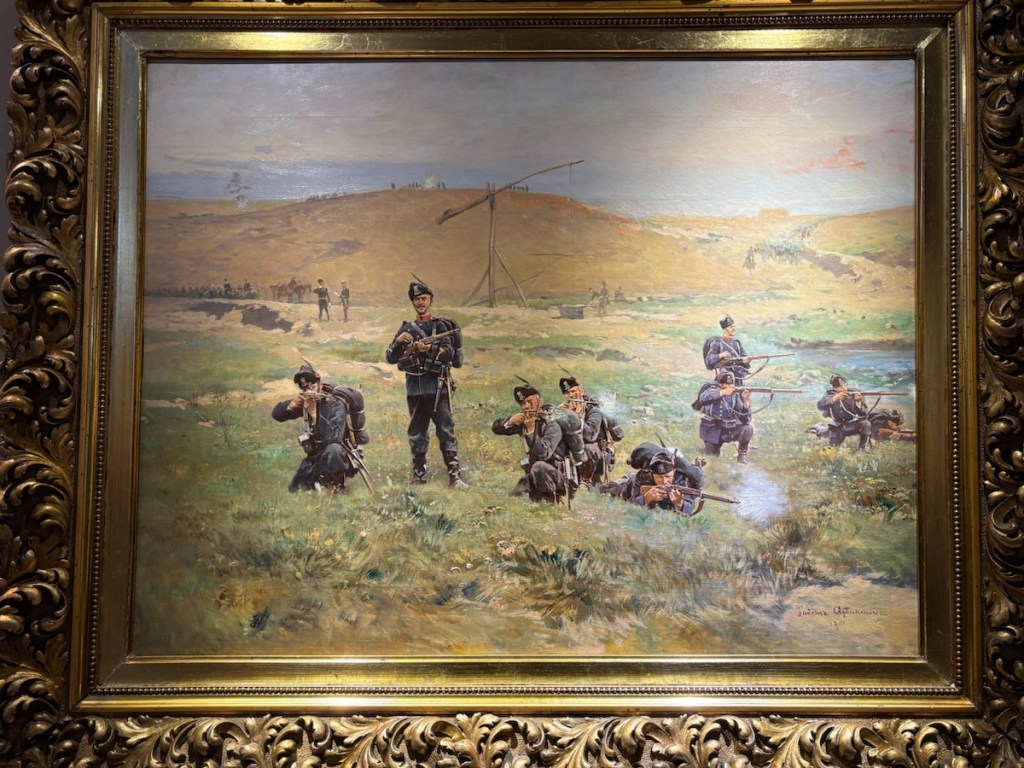
National Museum of Romanian History
Restored paintings below in the museum, included interesting displays on how the restorations were accomplished.
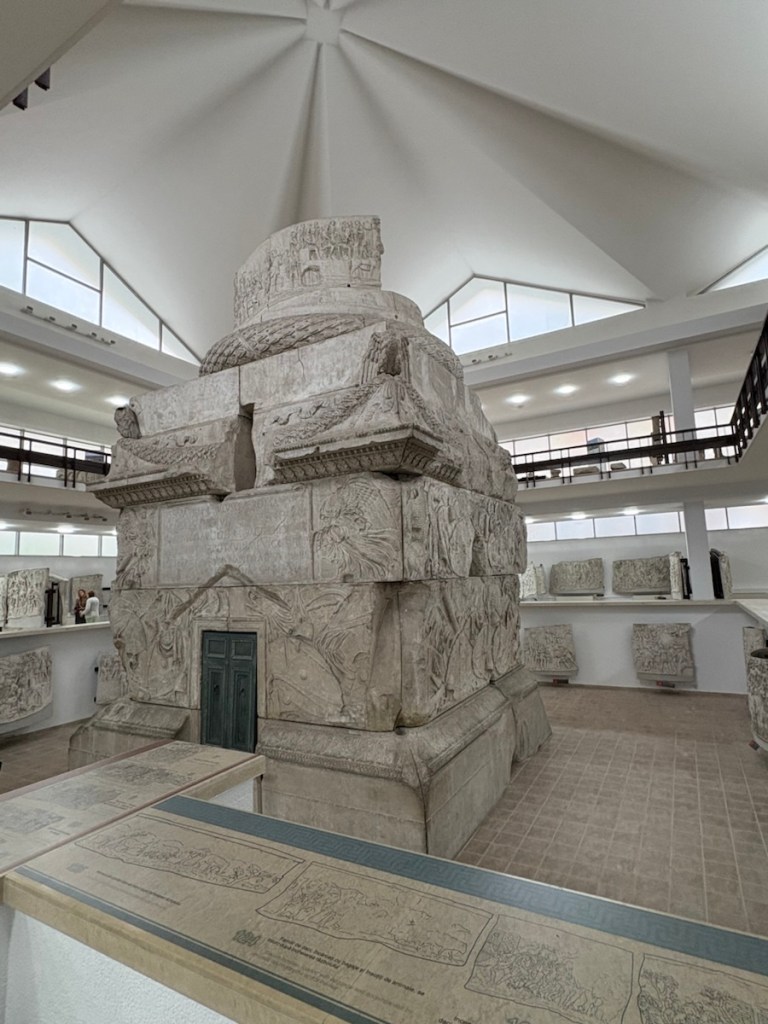
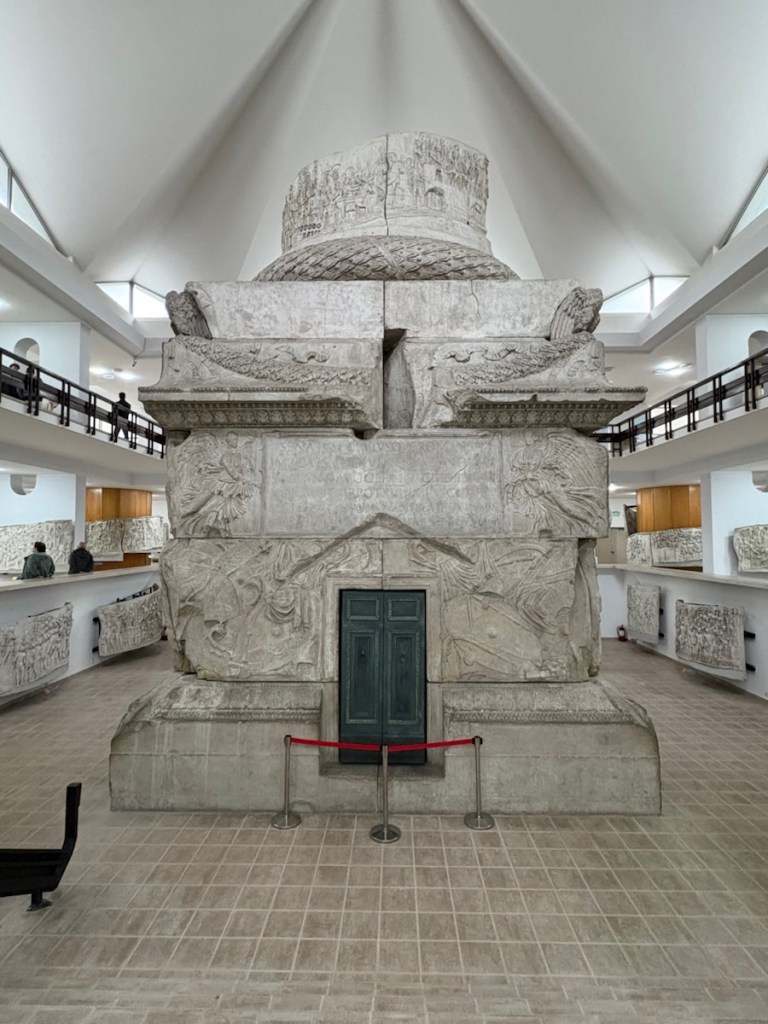
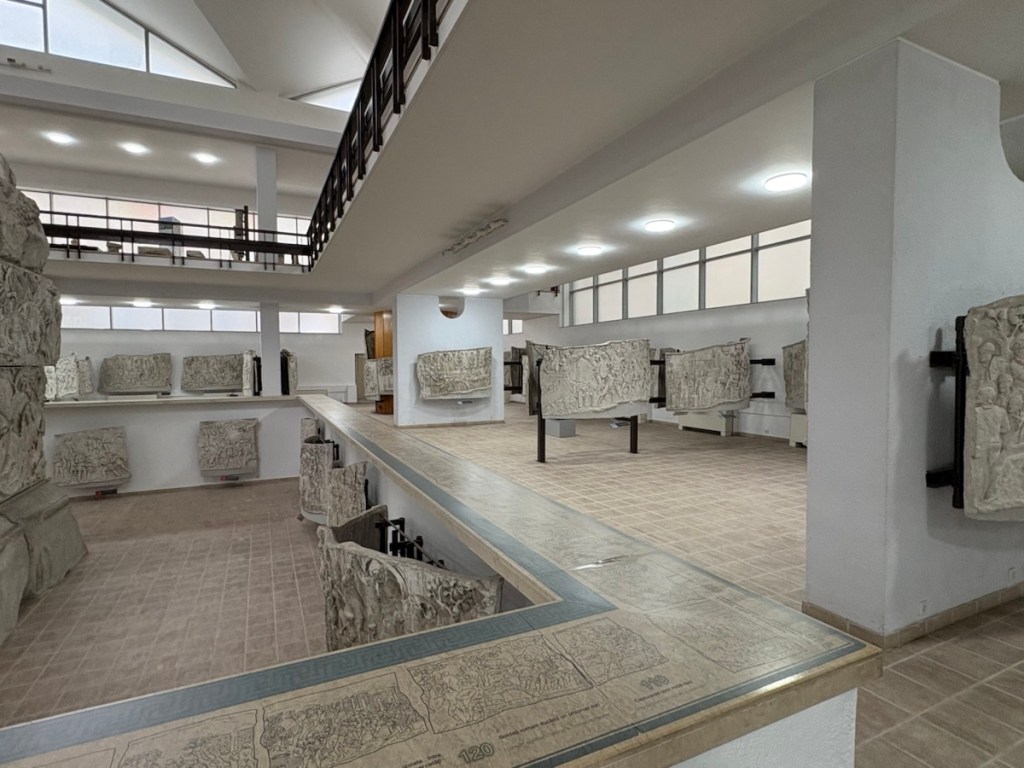
The museum had a replica of a famous Roman column – Trajan’s Column – that is in Rome. The short National Geographic video about the supposed column construction methods was fascinating. Here is the link to the five minute video. Check it out!
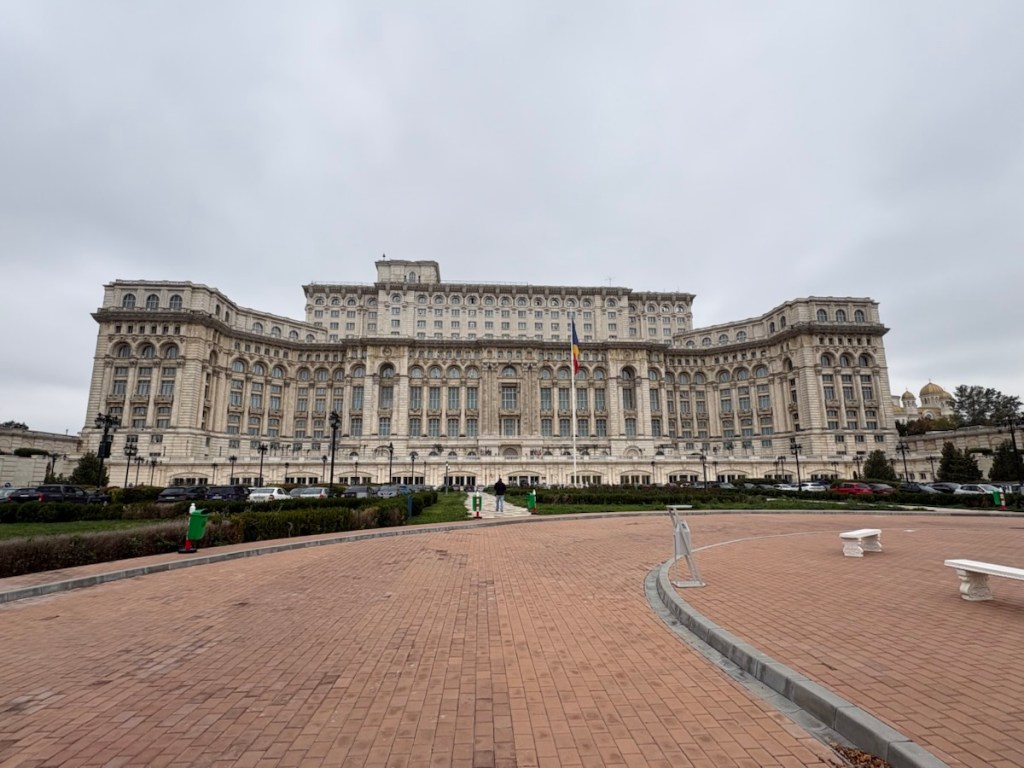
Under construction since 2007, the Consecration of the new National Cathedral of Romania (below) is scheduled for Sunday, October 26, 2025.
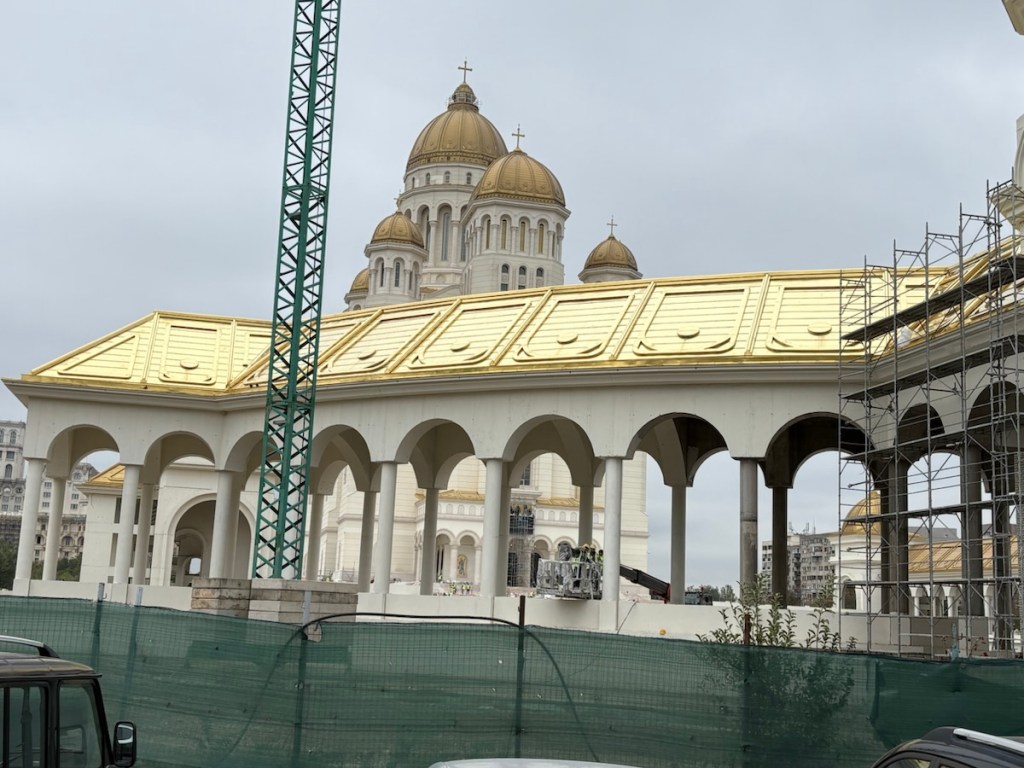
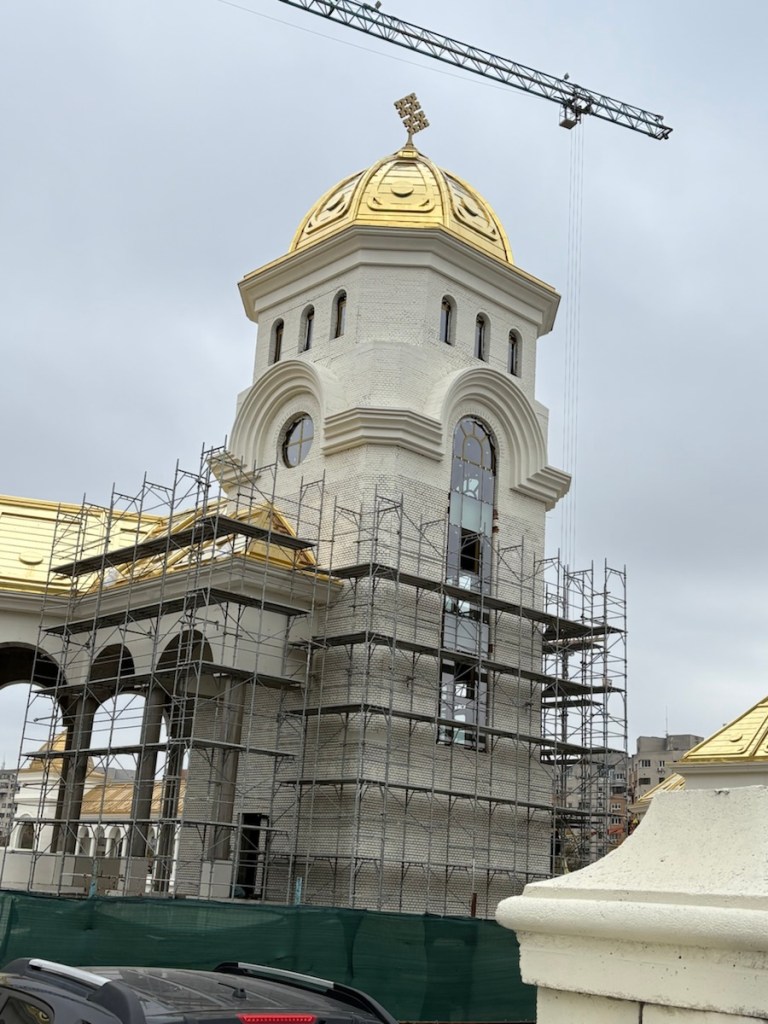
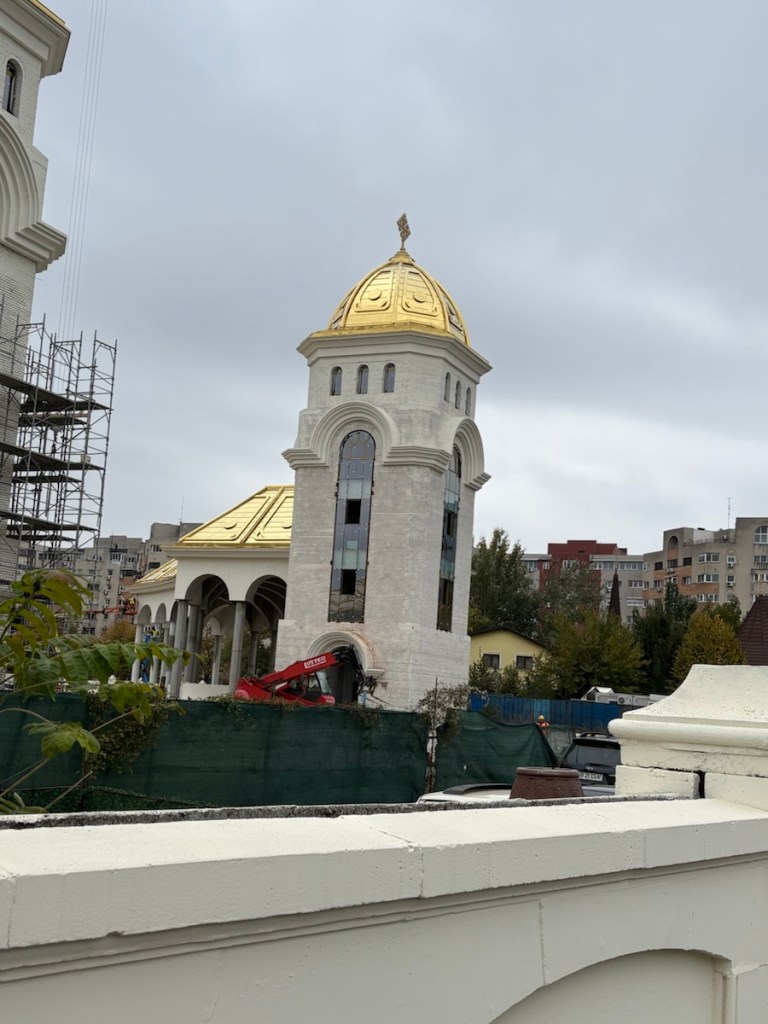
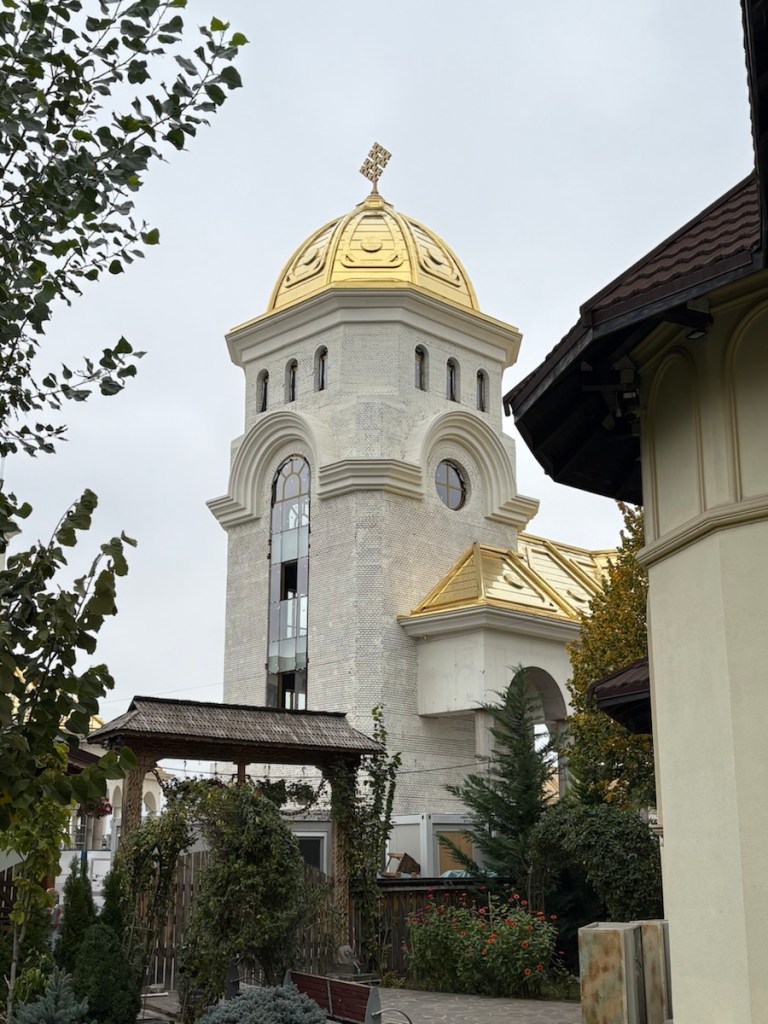
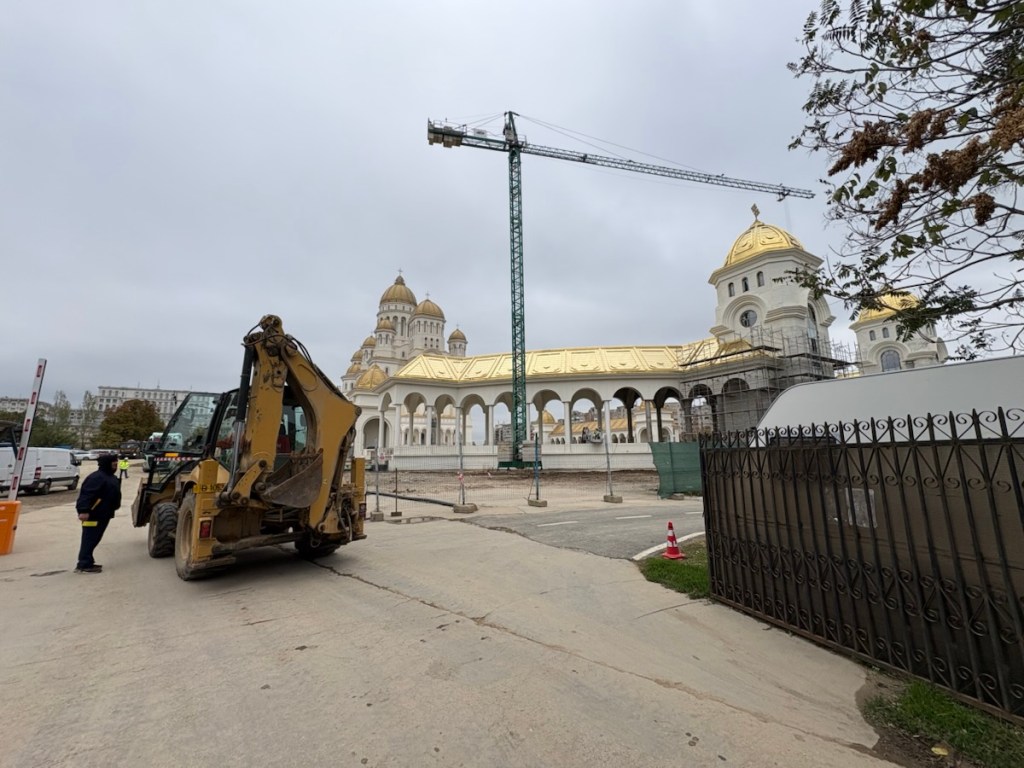
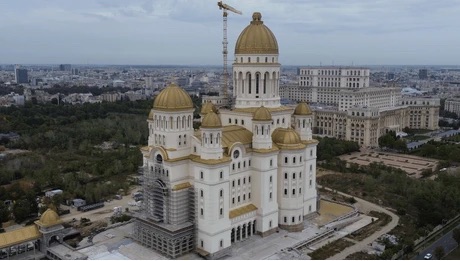
The National Cathedral in Bucharest is preparing to accommodate large gatherings by enabling the Divine Liturgy to be celebrated at an outdoor summer altar. This setup will allow greater participation during significant feast days and national religious events.
The summer altar will be arranged in front of the main western porch (pronaos) of the Cathedral, allowing the service to be held in open air. The square in front of the Cathedral can host around 23,000 worshippers during such celebrations.
The main entrance to the National Cathedral features a monumental porch with arches, flanked by side porticos that define the Cathedral’s architectural ensemble. The design combines Romanian architectural traditions—such as Moldavian niches, Brâncovenesc-style porches, and slender Transylvanian towers—with elements of Western monumental architecture, reflecting the spiritual and cultural unity of Romanians both at home and abroad.
Before you go…
“By failing to prepare, you are preparing to fail.” Benjamin Franklin

 A Captain’s Adventures