
The morning dawned with crystal blue sunny skies with temps in the 40s and climbing. Well, I’m actually not sure what it was like when the sun was dawning since I didn’t roll out of bed until 9:00 am! But it was really nice by then! And what a great day for some walking and a museum tour in Sofia!
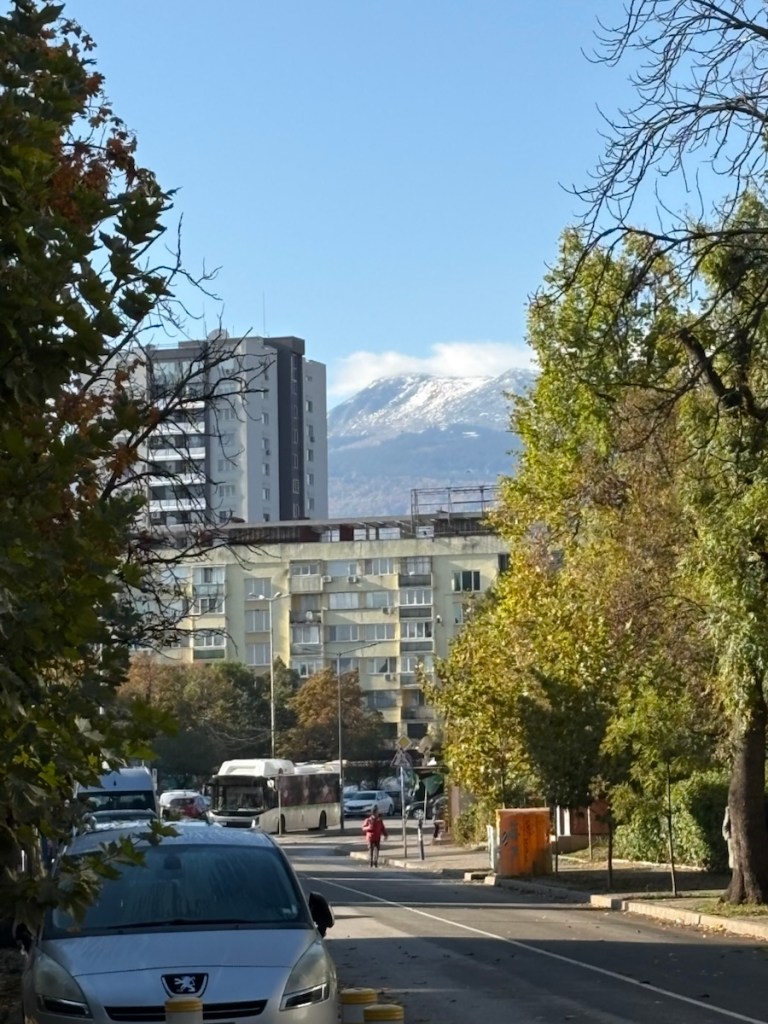
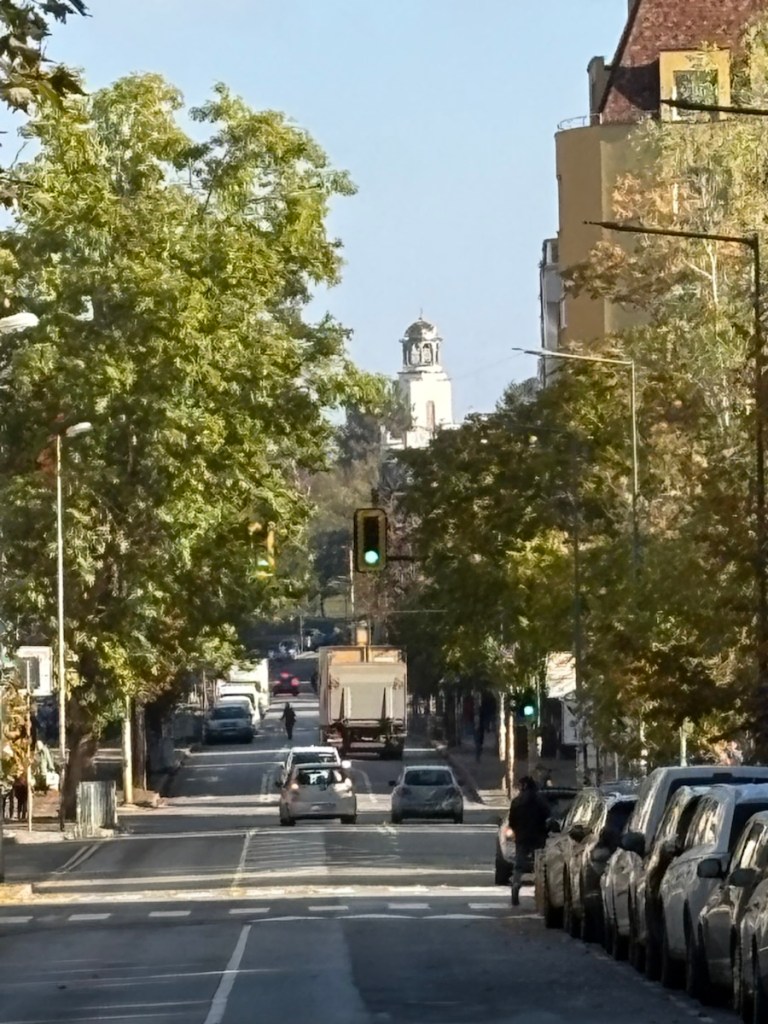
I think Sofia may be one of the nicest large cities in the Balkans. Seems cleaner, newer, and maybe friendlier than some of the others. The language is difficult and the signs impossible, but it’s rare when someone doesn’t speak English. And Siri knows her way around when I’m driving!
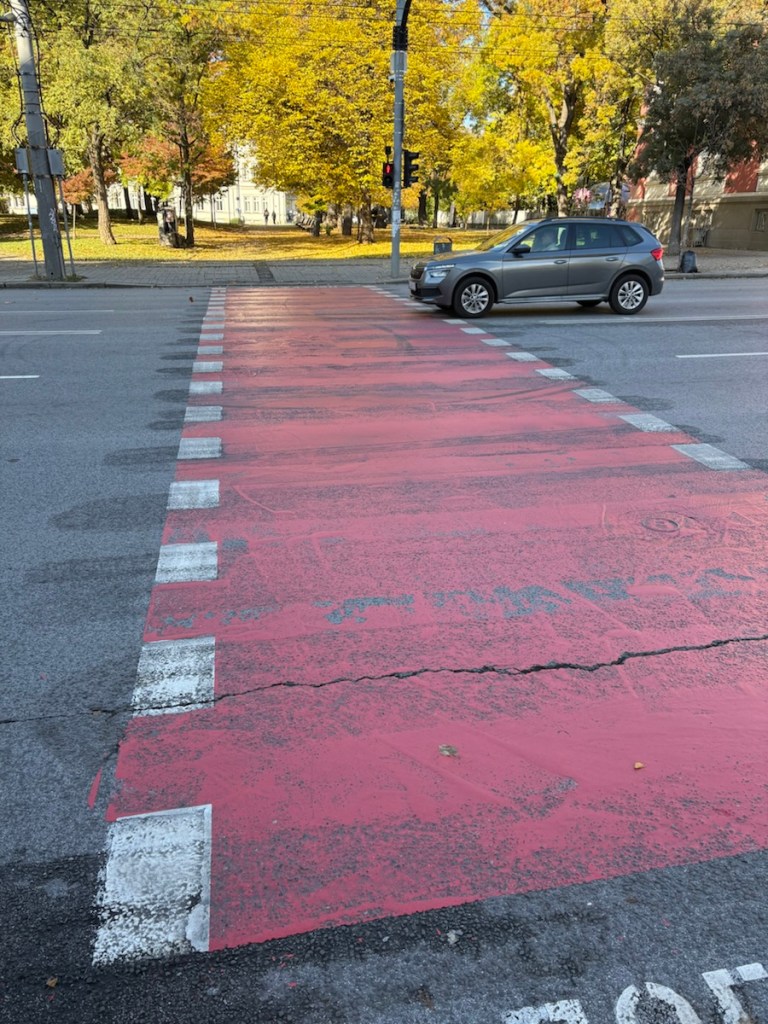
One thing Sophia has plenty of is liquor stores! I mean everywhere! In the city, there are liquor stores on practically every block.
My first stop this morning after a thirty minute walk was the National Museum of Military History. I was looking forward to that one. “Was” is the operative word since the dang thing was closed for renovation! Would have been nice if my phone or the website had let me know.
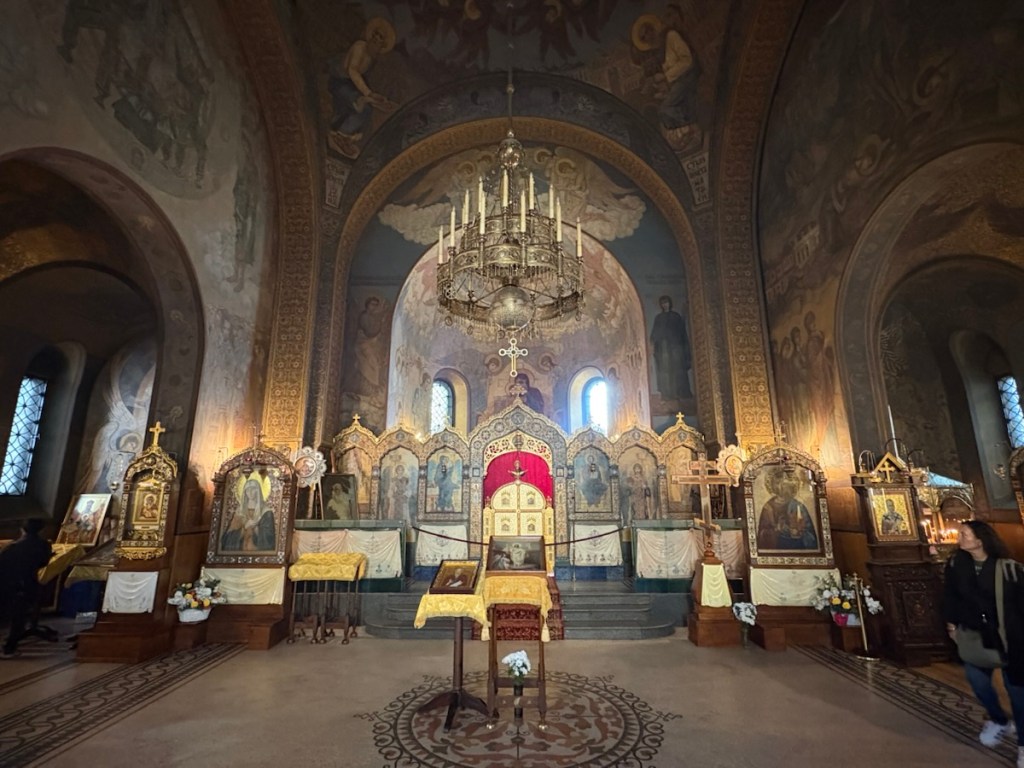
National Museum of Natural History
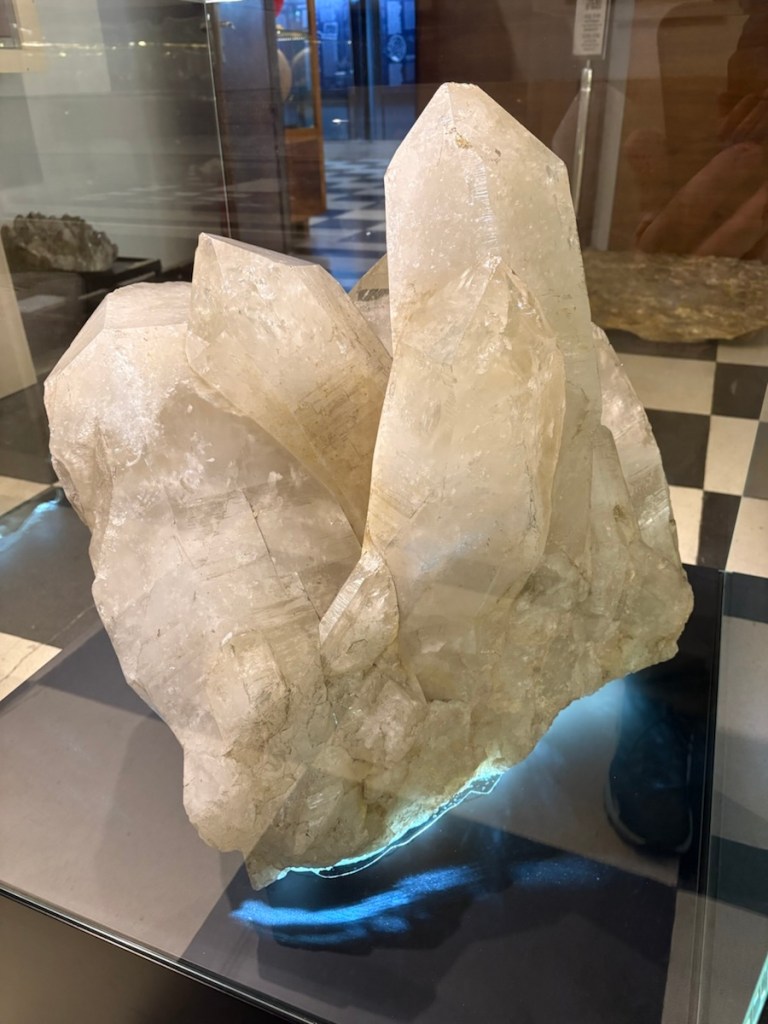
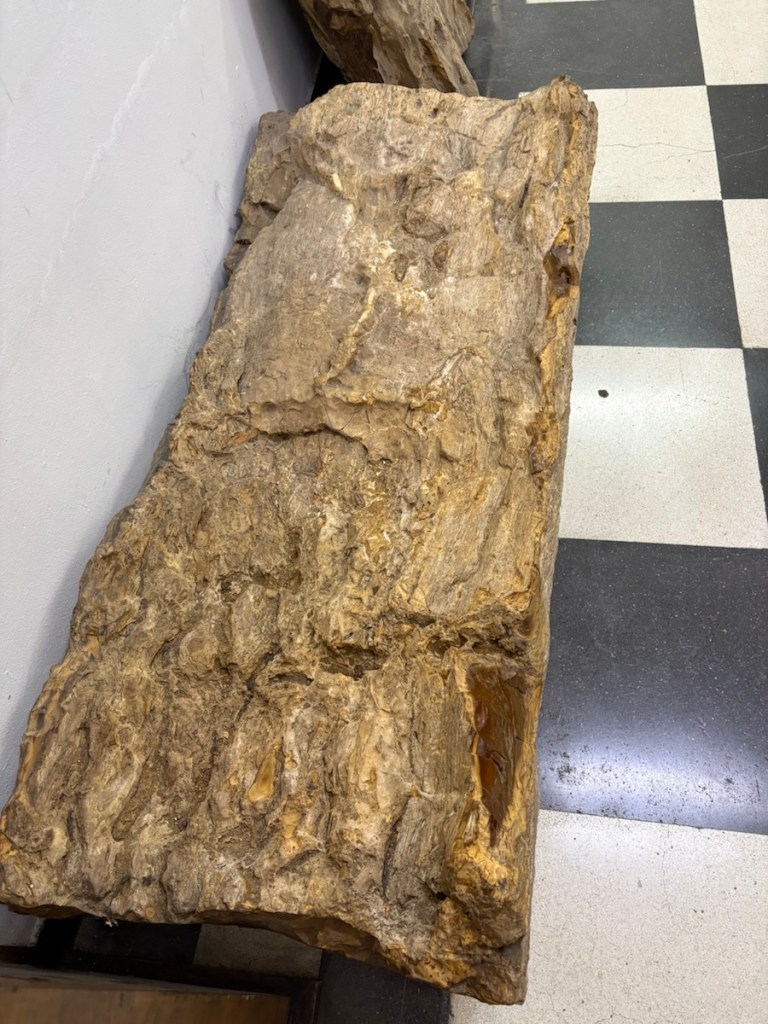
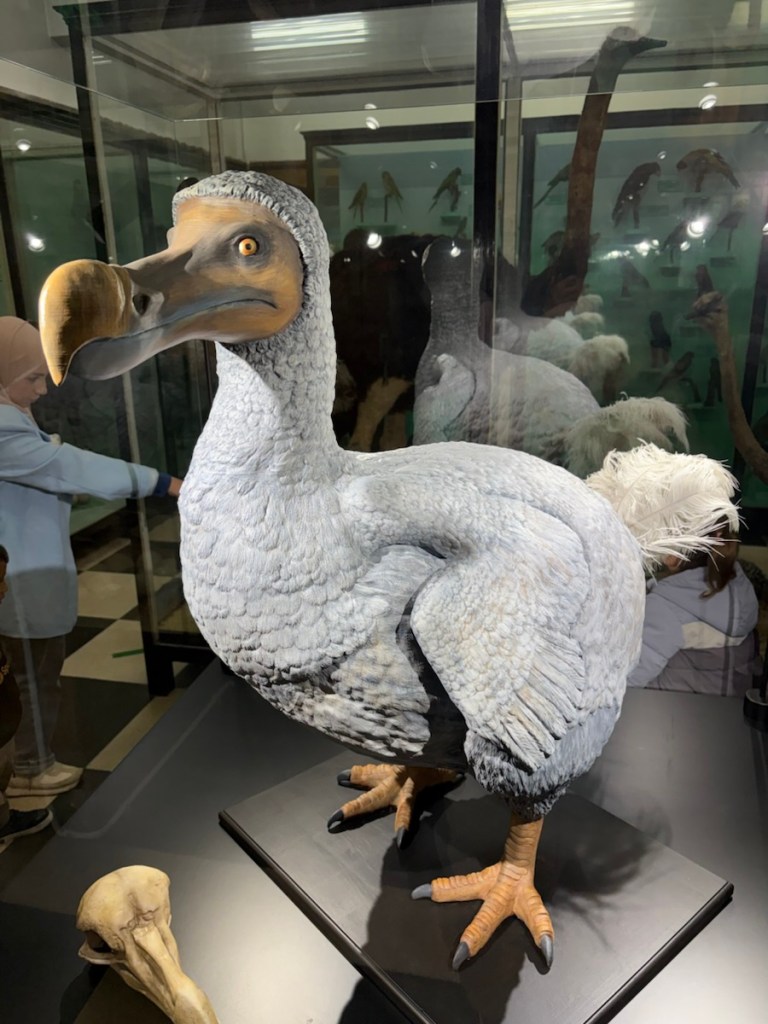
Info from the museum’s label. Probably more than some will want to read, but I found it interesting.
- The dodo, also known as the dront, is one of the most famous extinct animals and a symbol of human impact on nature. This flightless bird inhabited only the island of Mauritius in the Indian Ocean and reached a height of 62 to 75 cm and a body weight between 10 and 18 kg. Its size is among the clearest examples of so-called “island gigantism” – a phenomenon in which, in isolated environments and in the absence of predators, organisms evolve significantly larger sizes than their relatives.
- The biology of the dodo is no less remarkable. It was a ground-dwelling, slow-moving, flightless bird with extremely short, rudimentary wings, a reduced tail of soft feathers, and a massive, curved beak. Unlike most pigeon species, it laid only one egg per clutch, which greatly limited its reproductive potential. Its diet consisted of fallen fruits, fresh leaves, flowers and buds, bulbs, roots, and small terrestrial invertebrates.
- The origin of the names by which the species is known is also intriguing. Dutch sailors from the ship Gelderland, who landed on the island in 1602, called the bird “dront” (“swollen”, likely referring to its rounded body shape. The more widespread name “dodo” has several possible origins: from the Dutch words dodoor (“sluggard”) or dodaars (“fat-bottomed”), the Portuguese doudo (“fool,” “mad”), or even as an imitation of the bird’s supposed two-tone cooing sound – something like “doo-doo” or “doh-doh.”
- The dodo became completely extinct around the year 1700 – just 190 years after the discovery of the island by Portuguese navigators. The main causes of its extinction include excessive hunting, egg collection, the introduction of non-native predators by humans, and the bird’s low reproductive capacity. Today, its closest living relative is the Nicobar pigeon (Caloenas nicobarica).
- Despite its tragic fate, the dodo remains vivid in the human imagination as a symbol of extinct species. The renowned British conservationist Gerald Durrell chose the bird as the emblem of his wildlife conservation trust, and the magazine he founded bears the name, Dodo.
- Although no complete skeletons have survived, individual bones and partial remains are preserved in museums in Bucharest, Copenhagen, London, Moscow, Oxford, Paris, Prague, and other cities. The first known specimen to reach Europe was delivered to Emperor Rudolf Il in Vienna between 1605 and 1610. In 1626, another specimen was brought to Amsterdam, and in 1638, a live dodo arrived in London.
- In 2025, 325 years after its final disappearance, the first scientifically crafted dodo model was exhibited in Bulgaria, commemorating this astonishing bird.
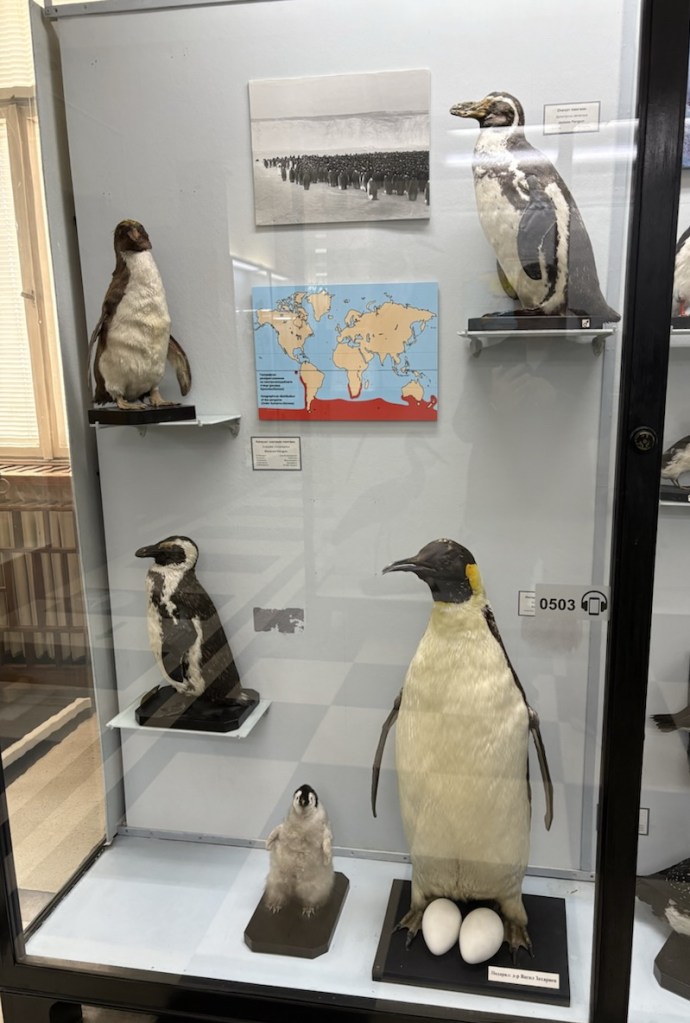
I’ve heard of Emperor Penguins (bottom right), but never Macaroni (top left) or Jackass (top right) Penguins!
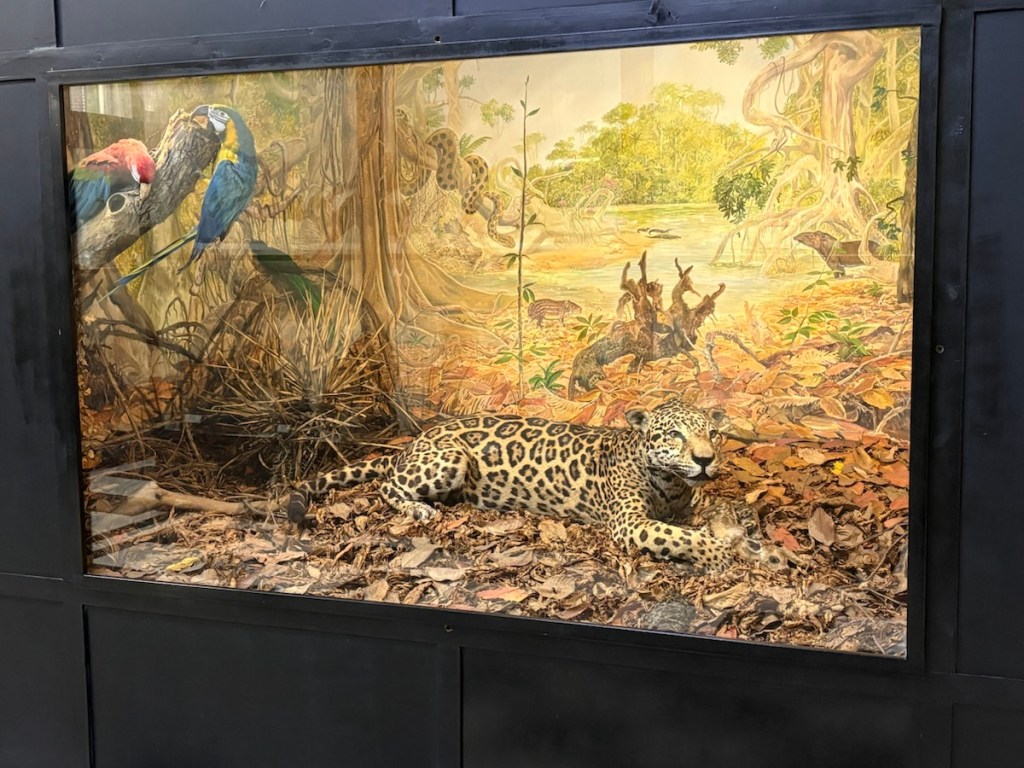
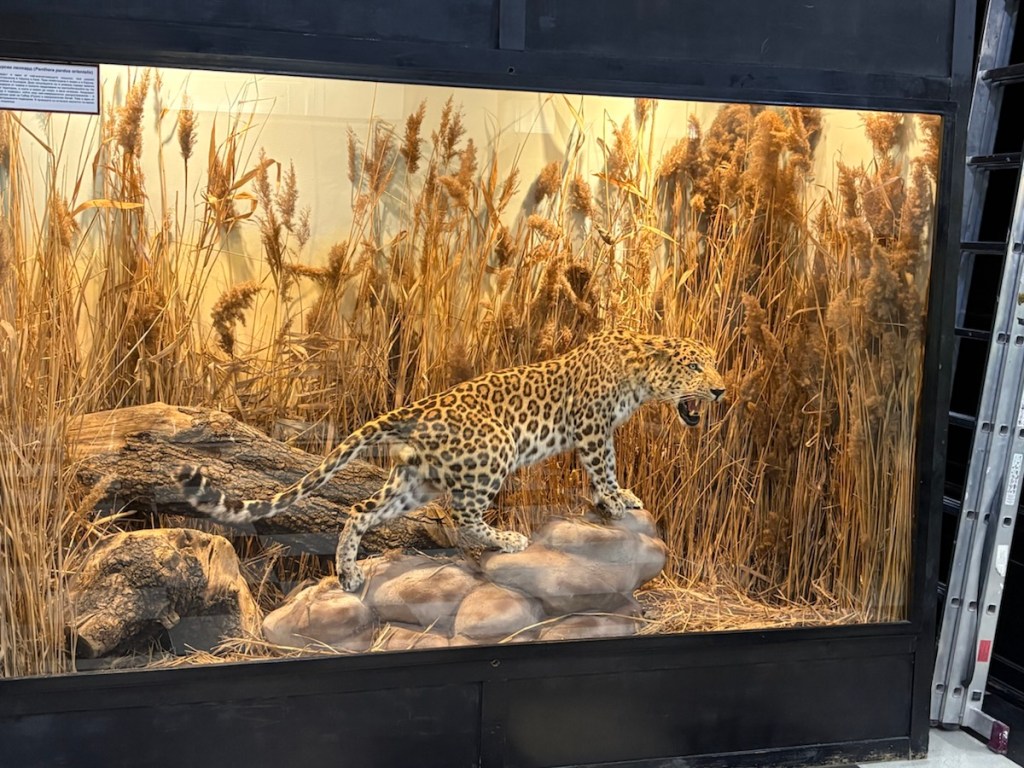
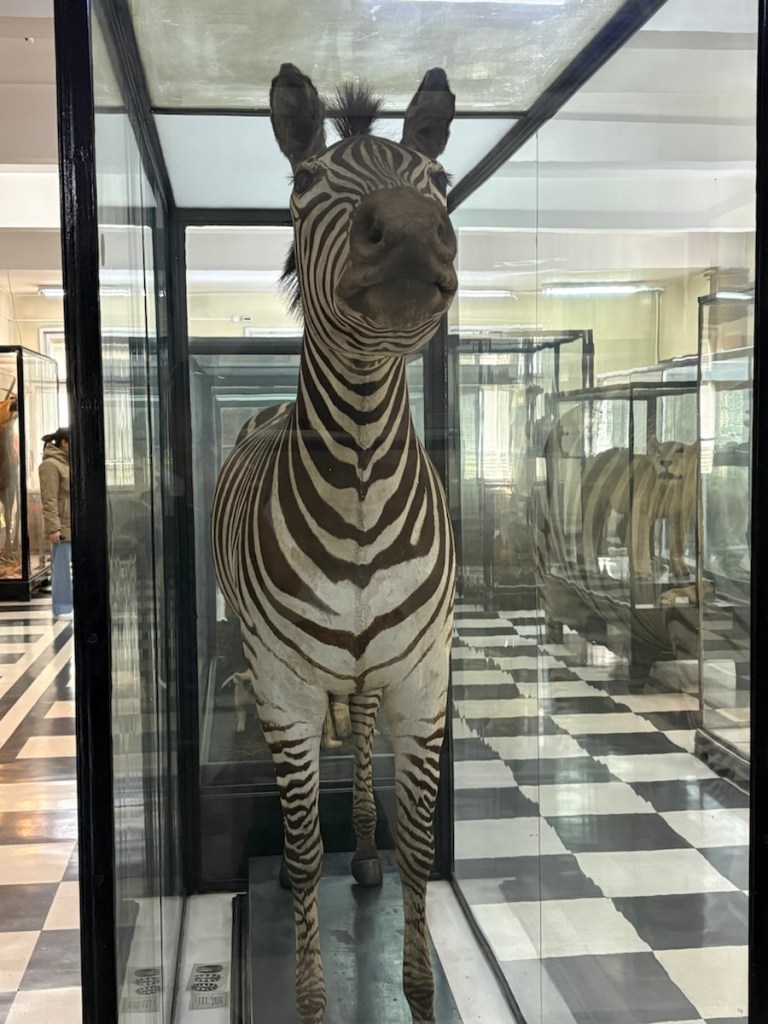

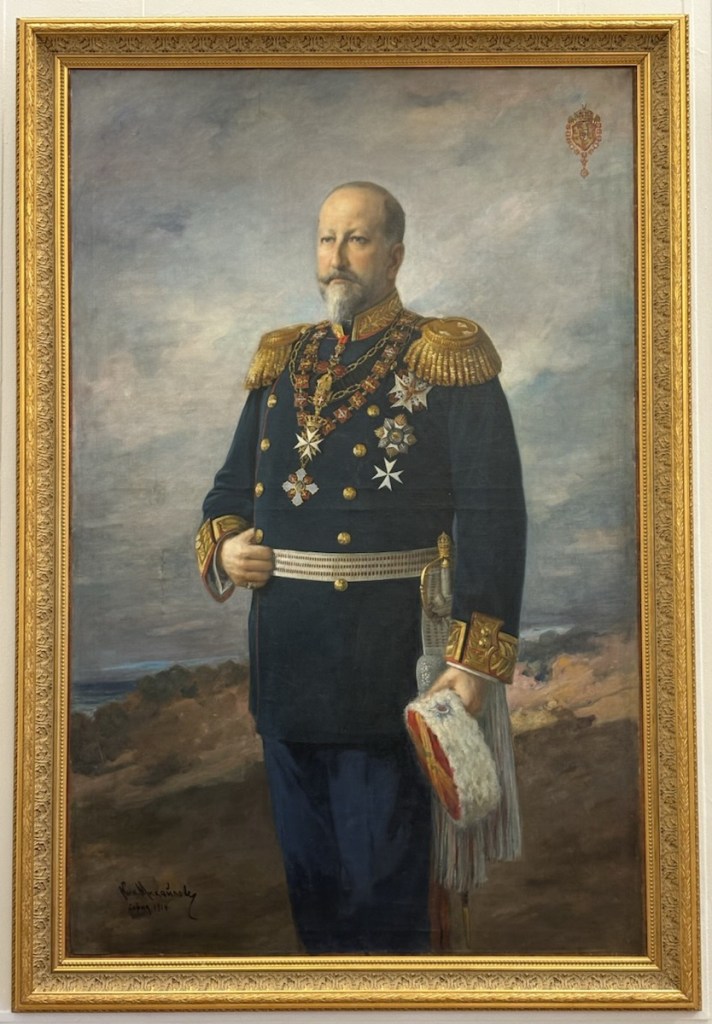
The National Gallery of Art did not have a very impressive collection. Even the interior of the building could use a good cleaning and painting. I’m thankful I got in for the “Retired Persons” rate!
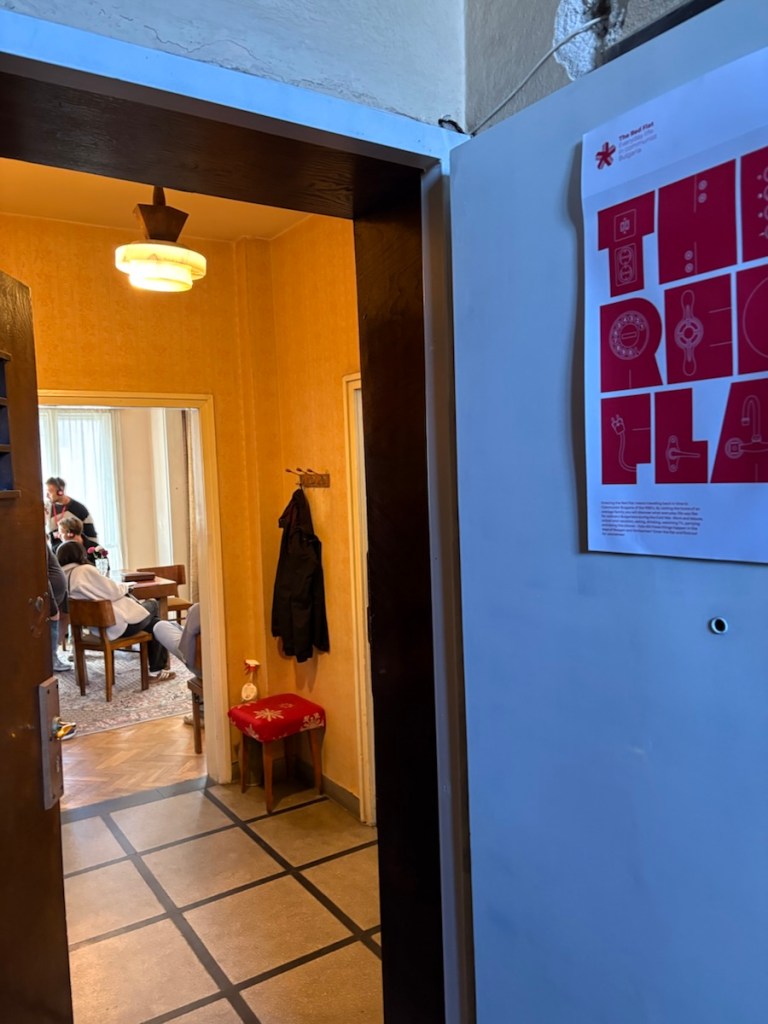
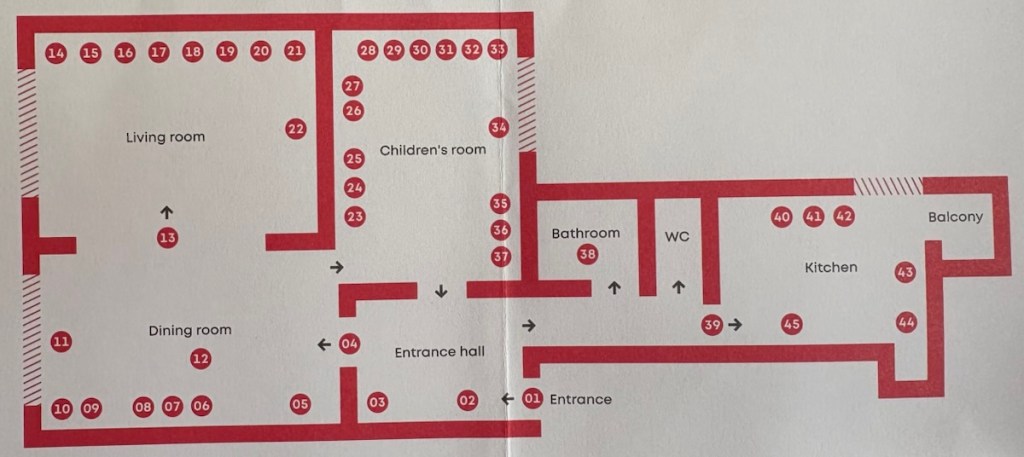
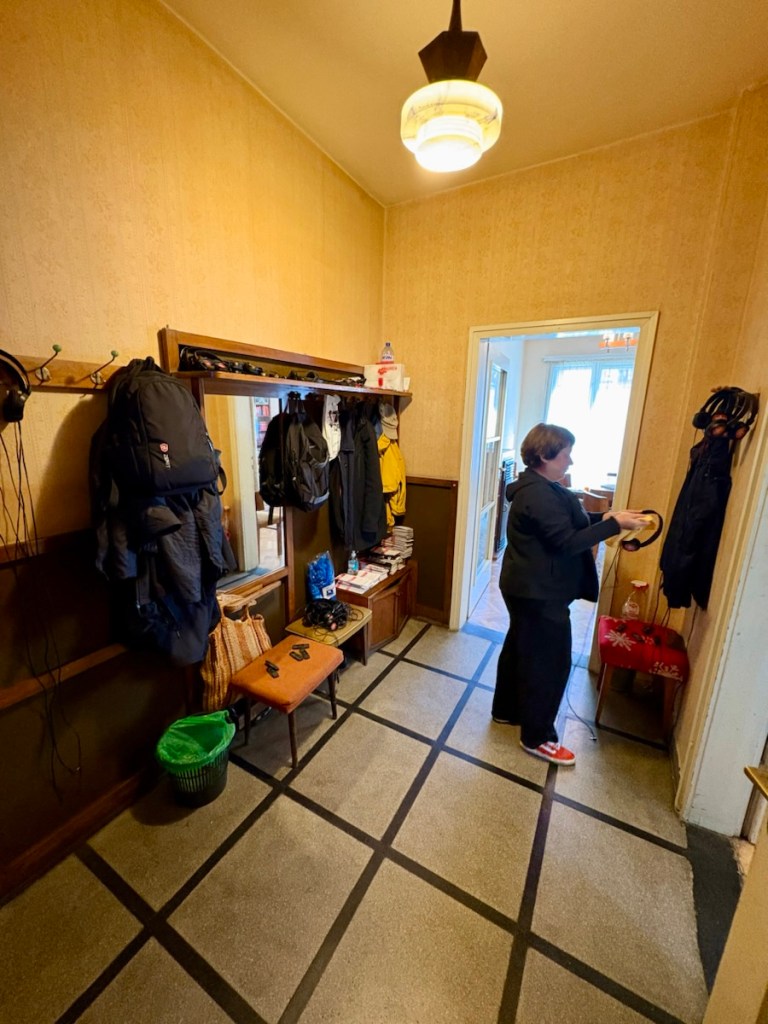
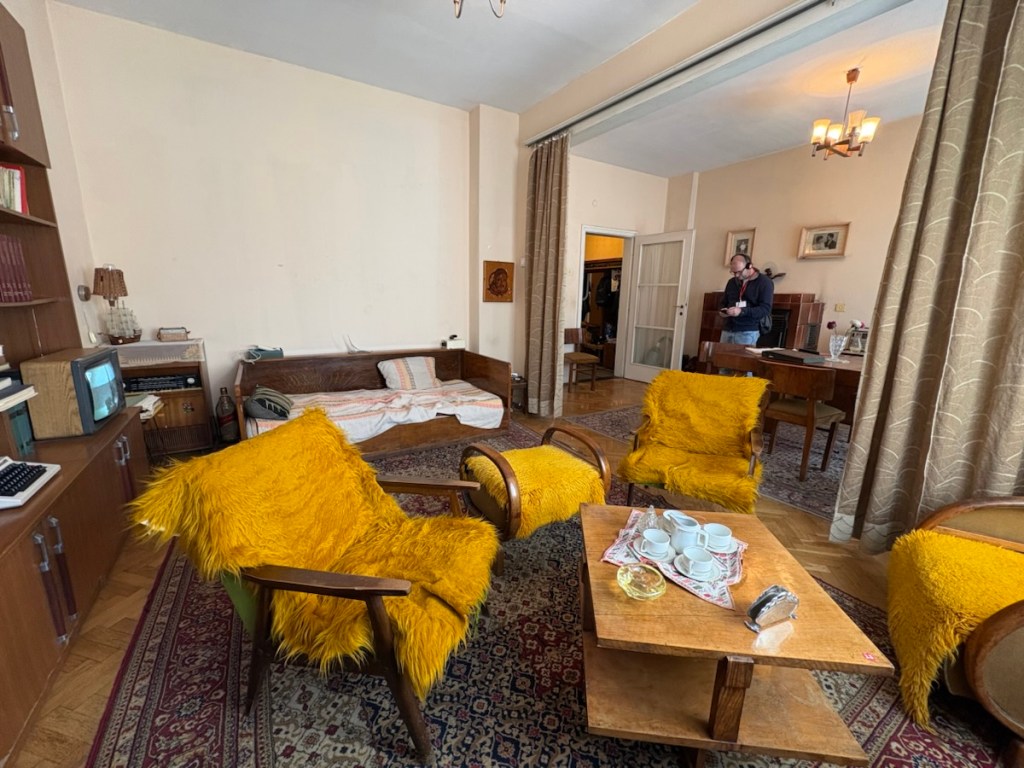
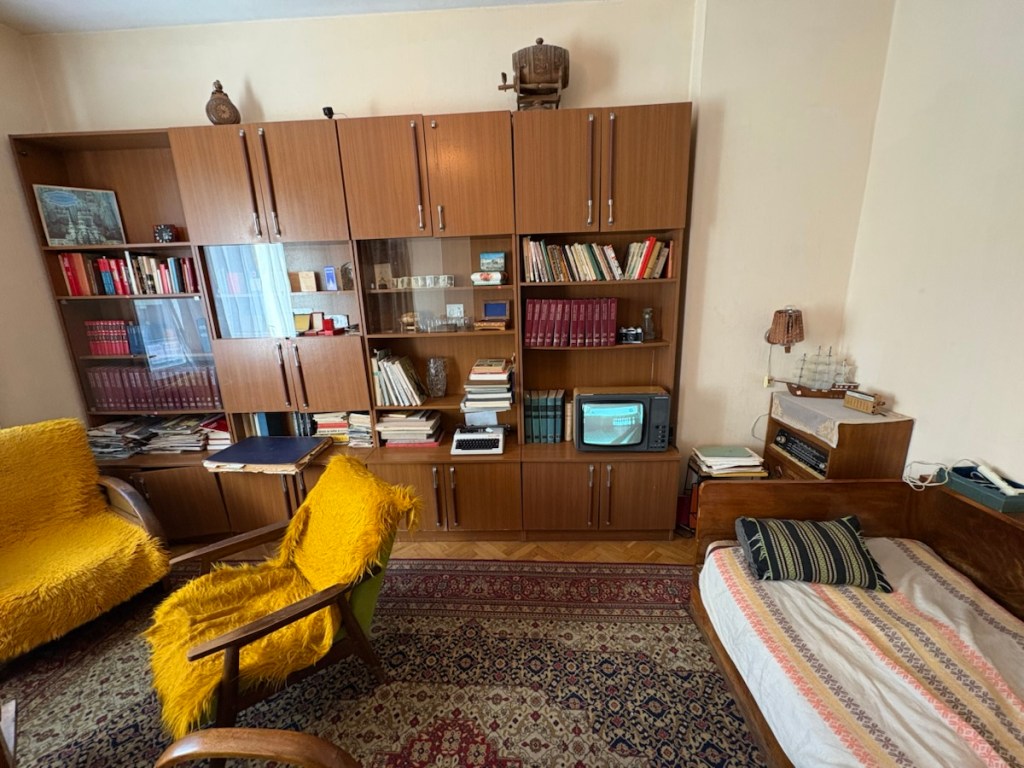
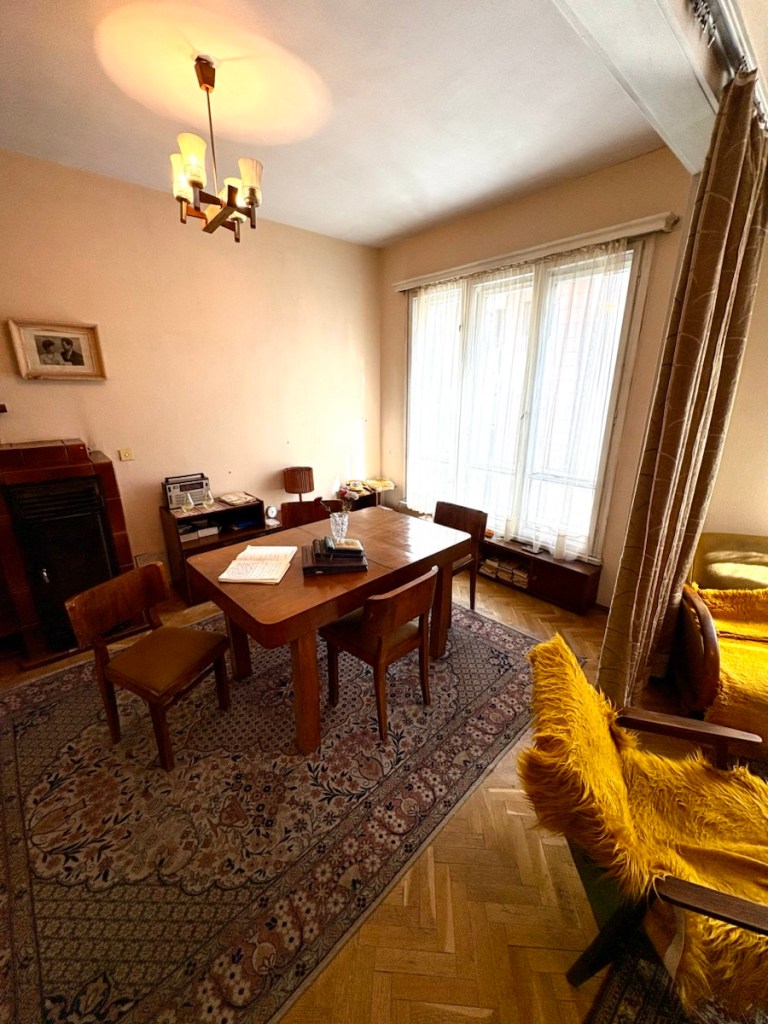
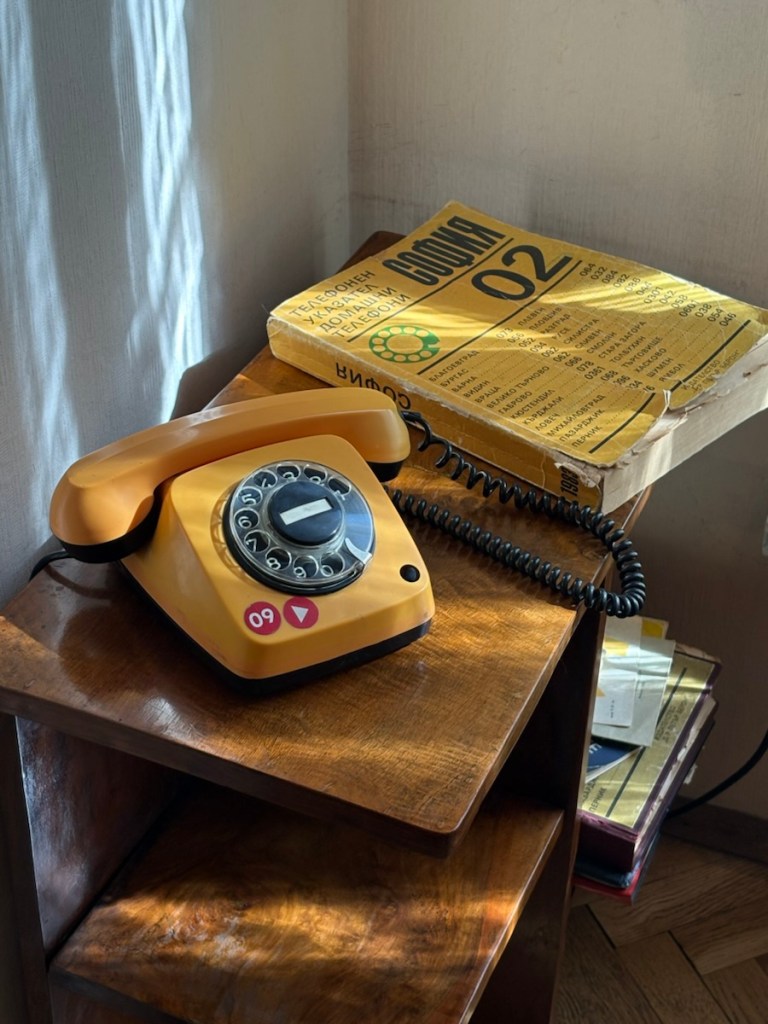
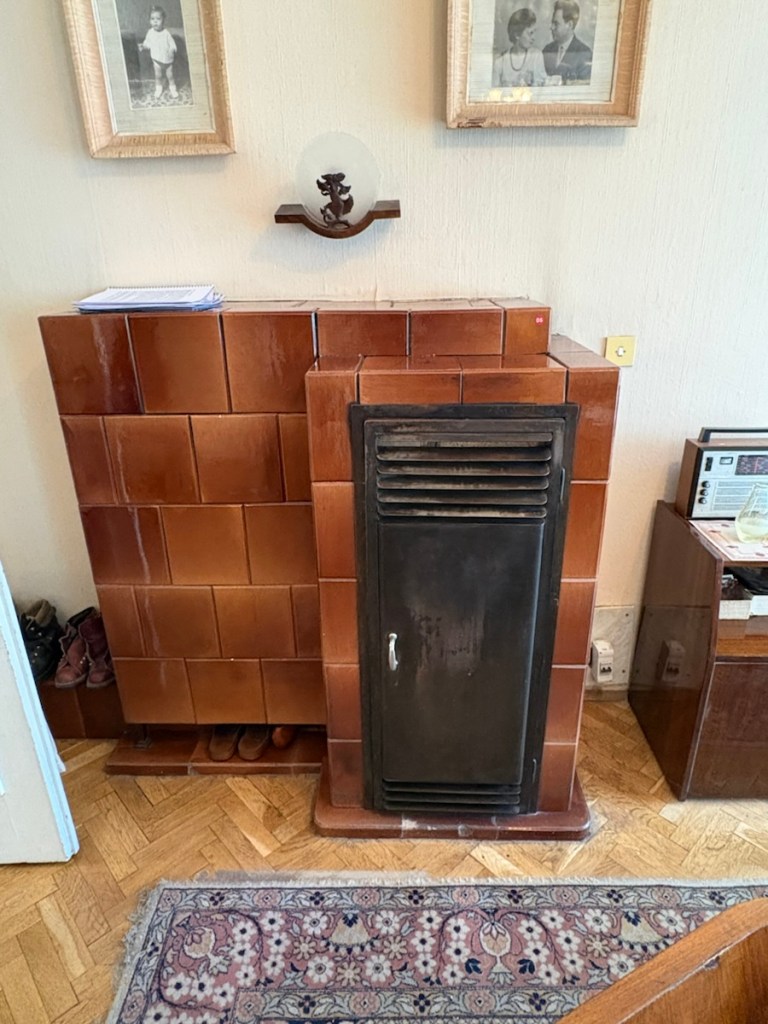
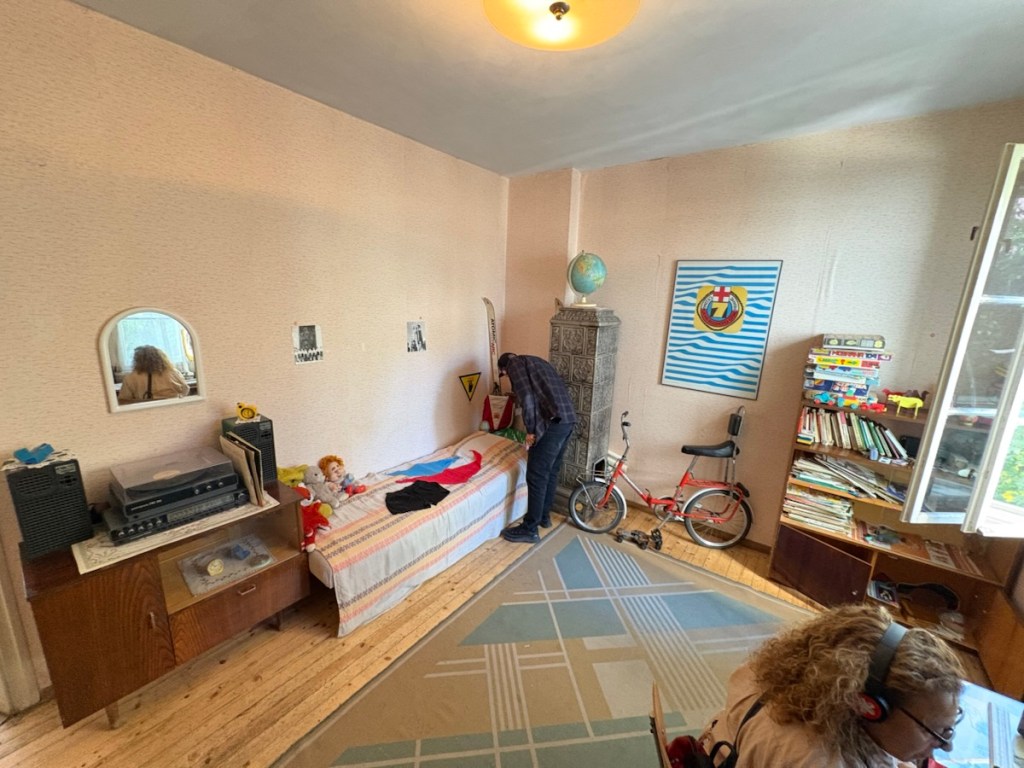
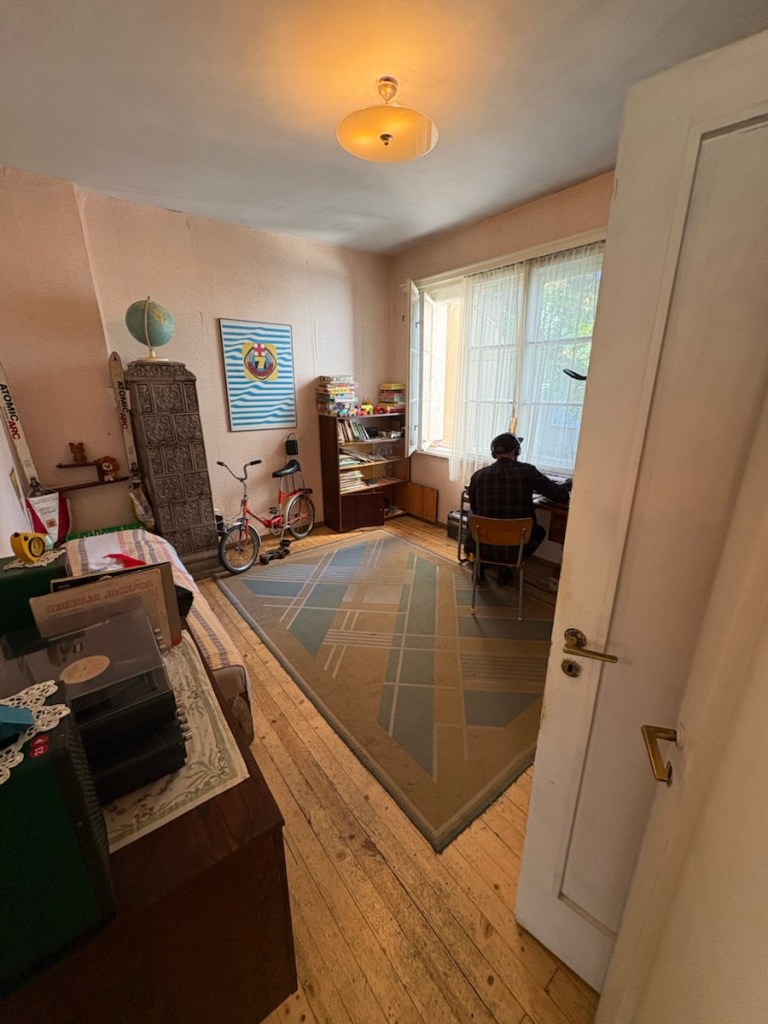
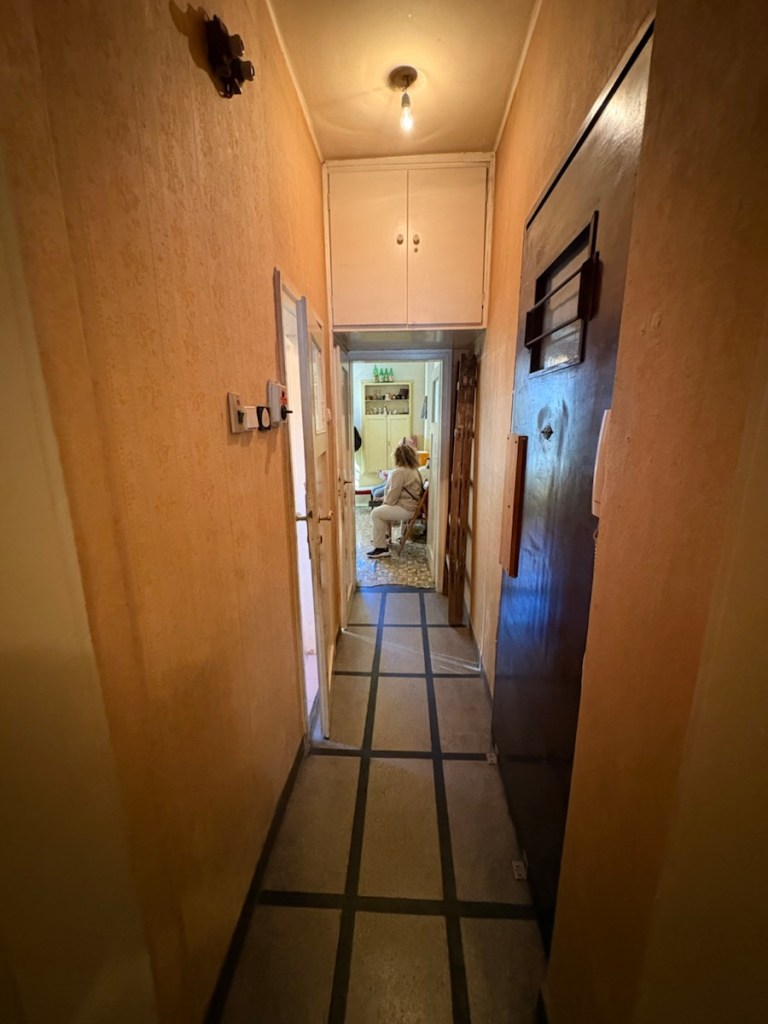
Next up was “The Red Flat” museum. It is a tour of an actual apartment in a pre-WWII building and was supposedly that actual home of a communist era family. The father, mother, and son lived there, although the father was often working in Libya or elsewhere as an engineer. The self-guided audio tour was very interesting. You could sit anywhere and even handle most of the contents. Like a time warp that sent me back to the 50s-70s.
“Entering the Red Flat means travelling back in time to Communist Bulgaria of the 1980’s. By visiting the home of an average family you will discover what everyday life was like for ordinary Bulgarians during the Cold War. Work and leisure, school and vacation, eating, drinking, watching TV, partying and doing the chores – how did these things happen in the days of Reagan and Gorbachev? Enter the flat and find out for yourselves!”
Here are some photos of the apartment and its furnishings.
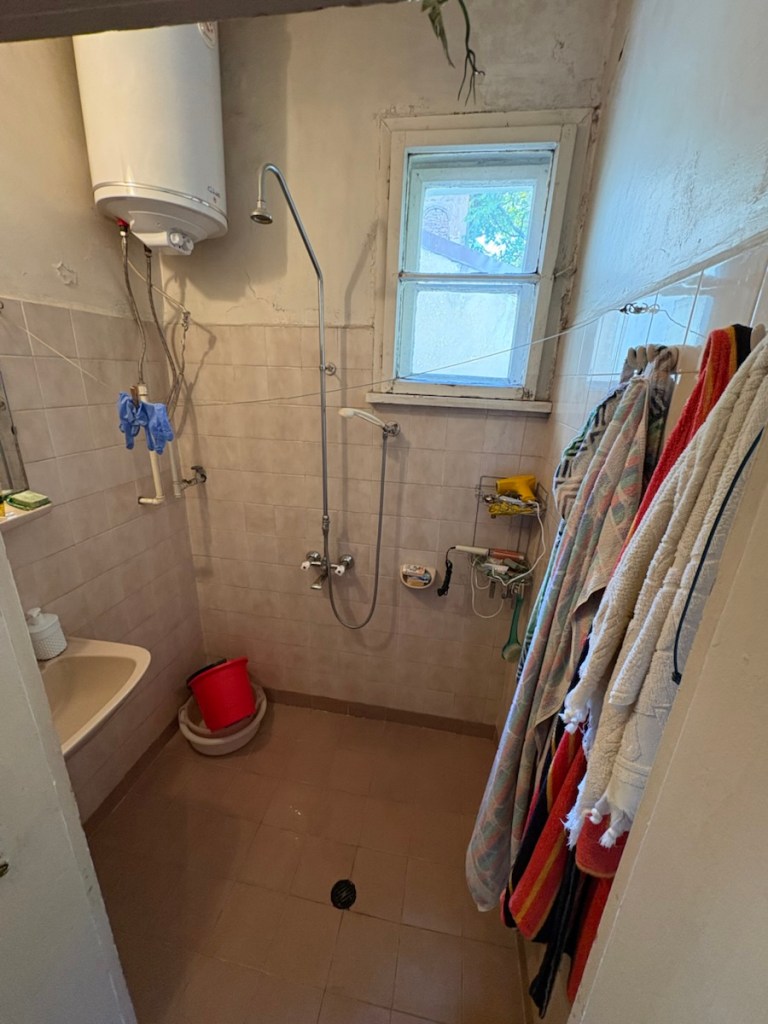
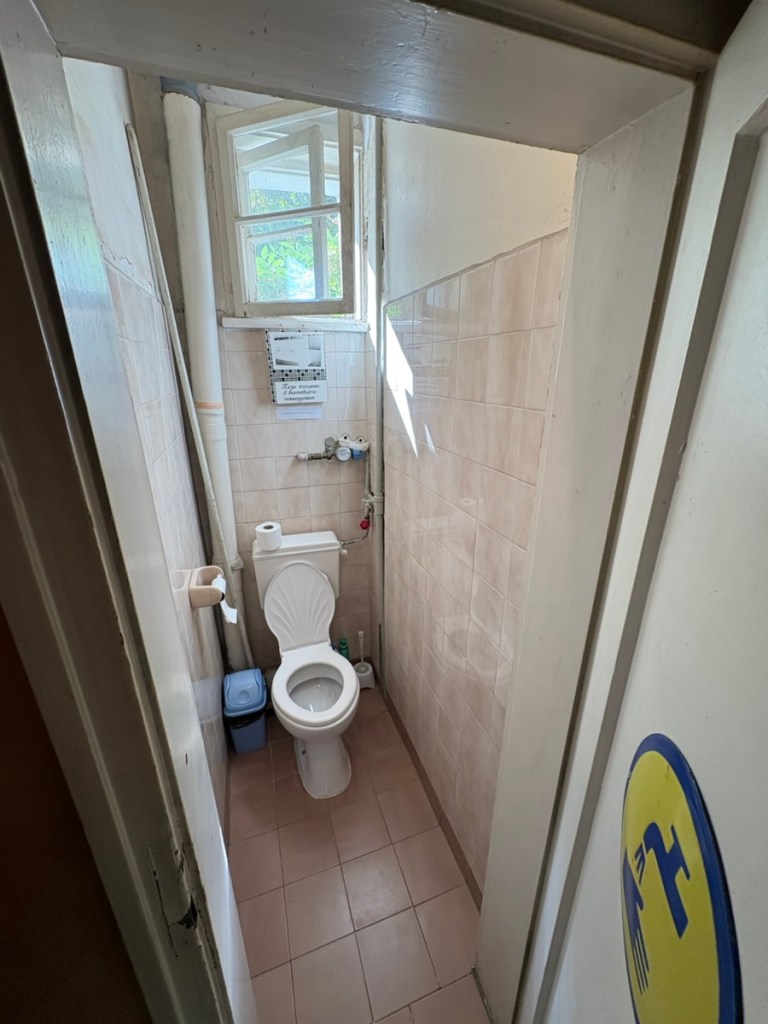
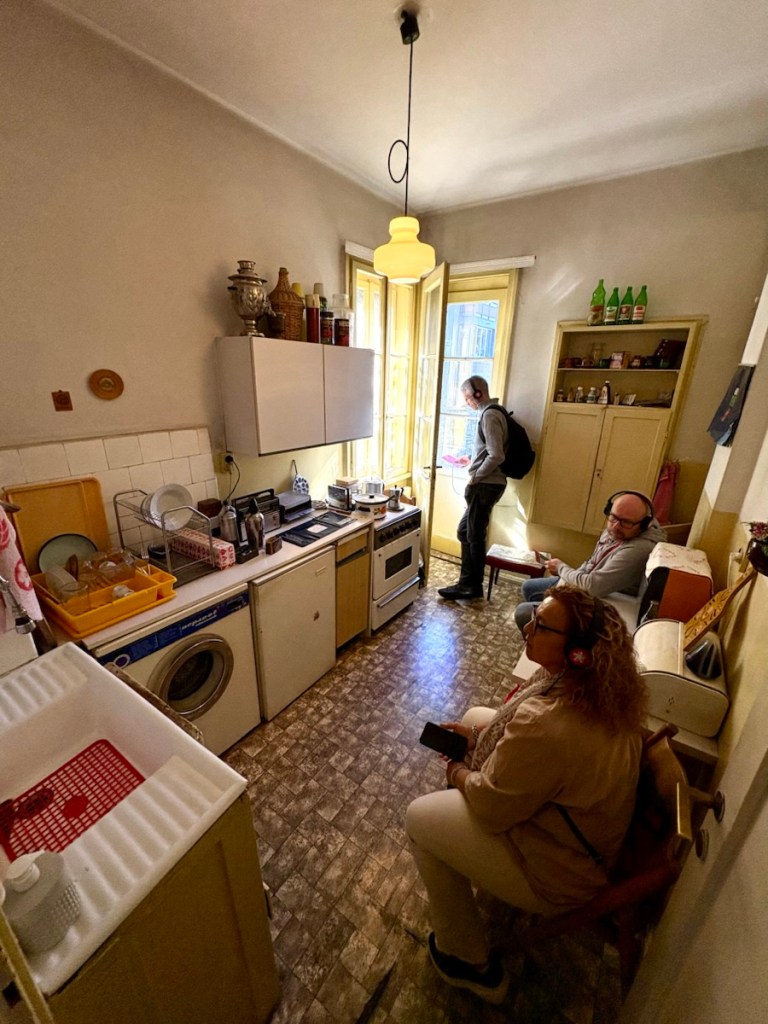
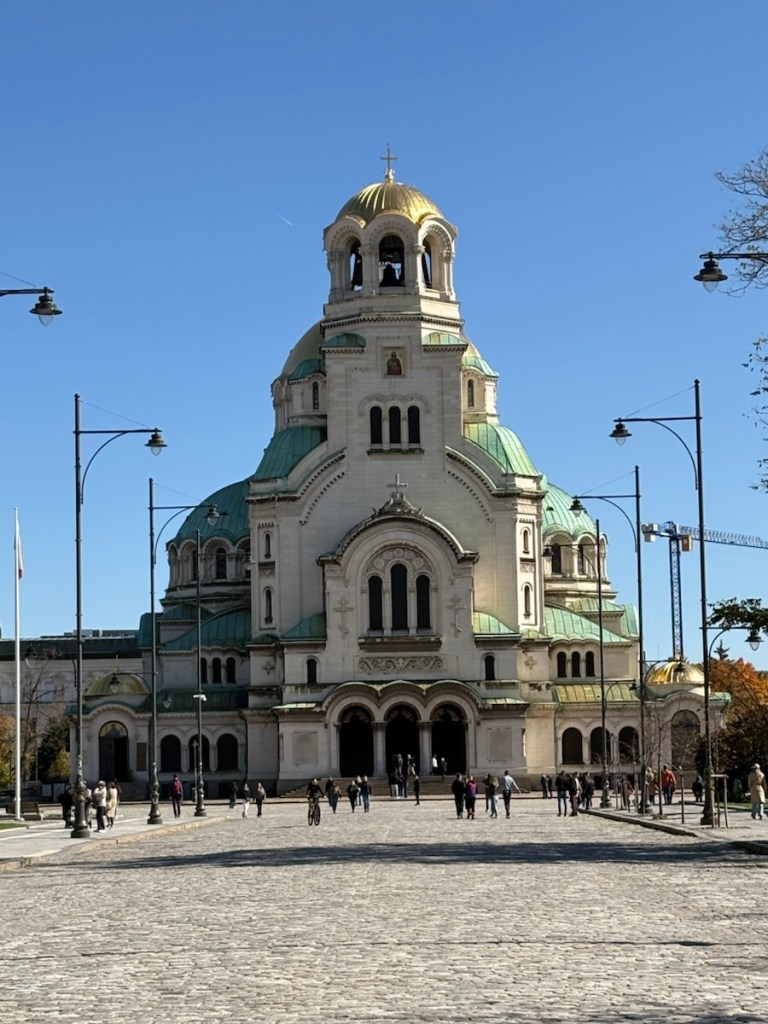
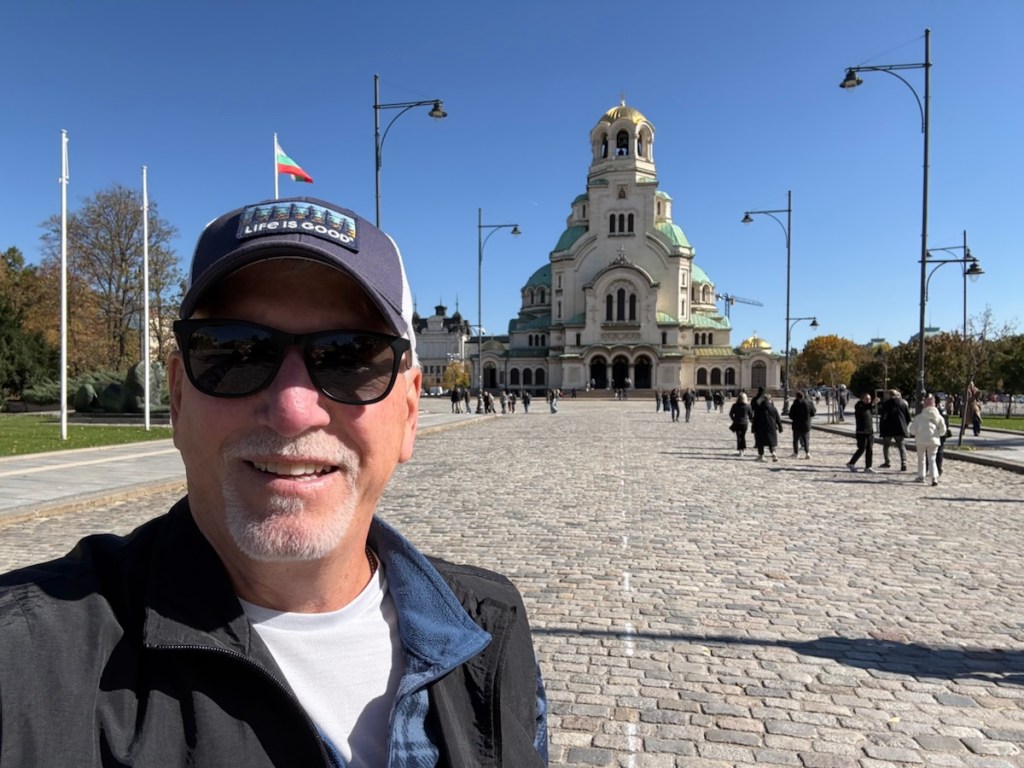
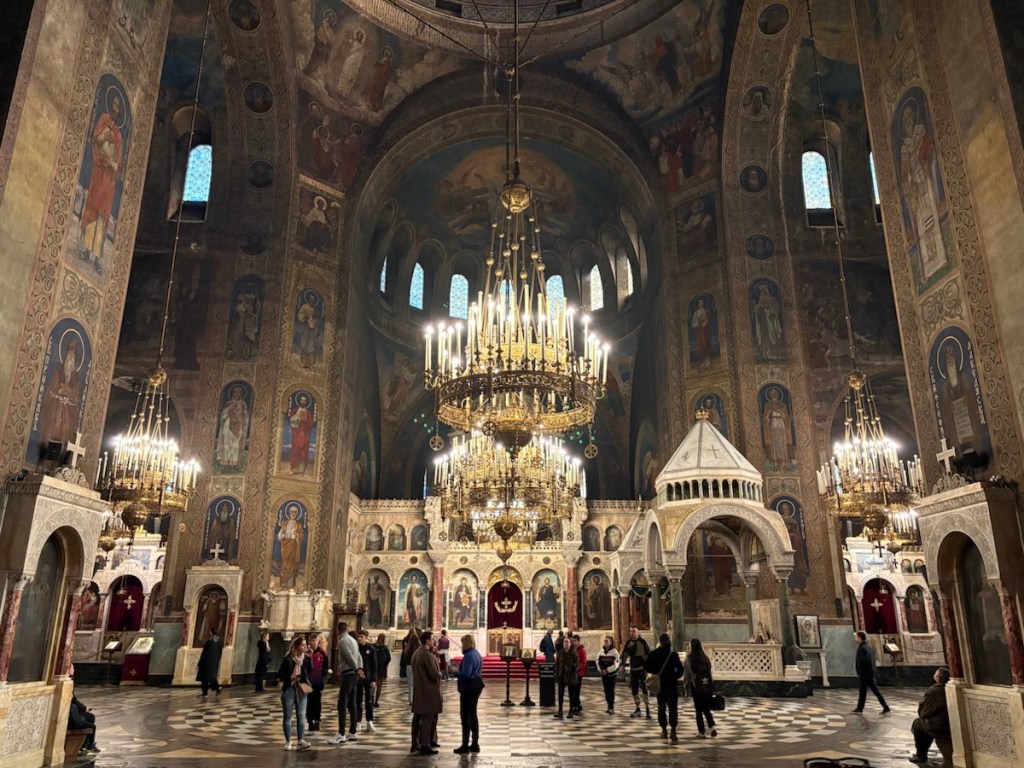
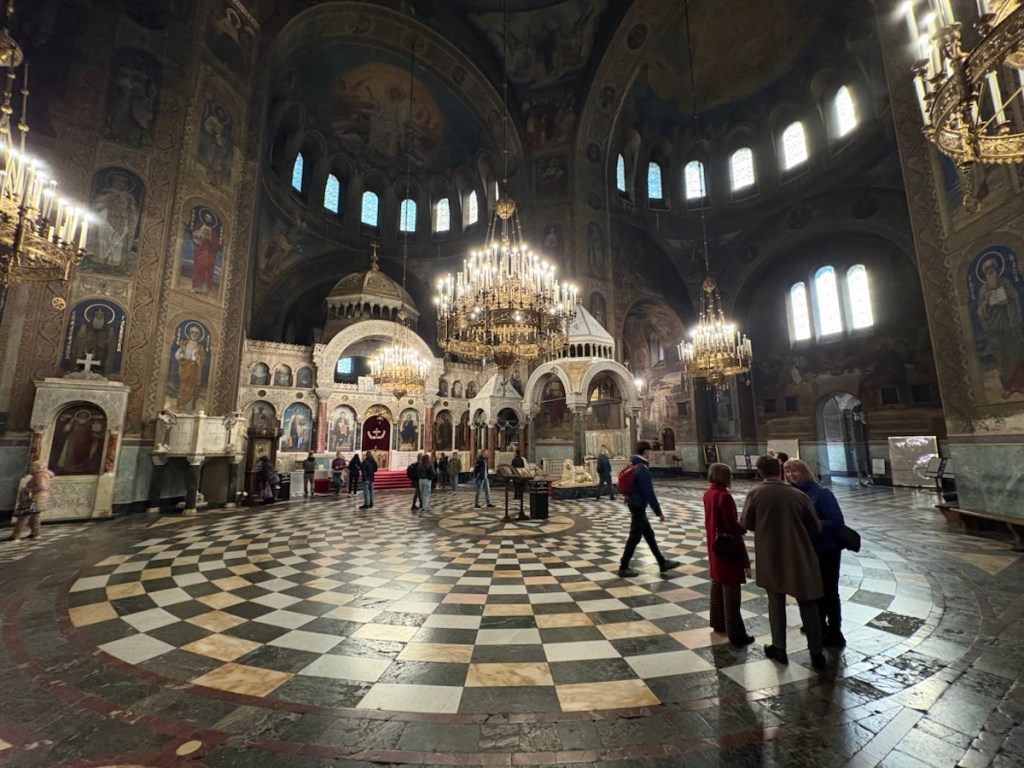
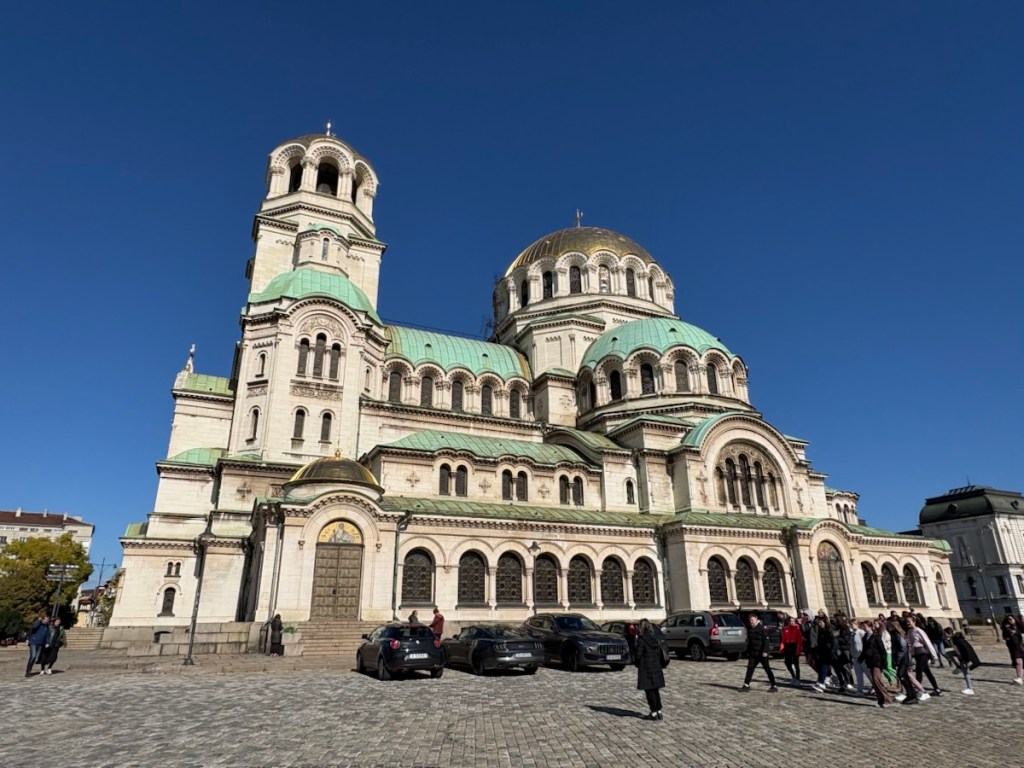
After the Red Flat, I stopped by the Aleksandar Nevsky Cathedral again to see it in the daylight on this stop in Sofia. While the outside is spectacular, especially at night, the inside is pretty underwhelming when compared to a number of the other beautiful churches I’ve seen on the trip.
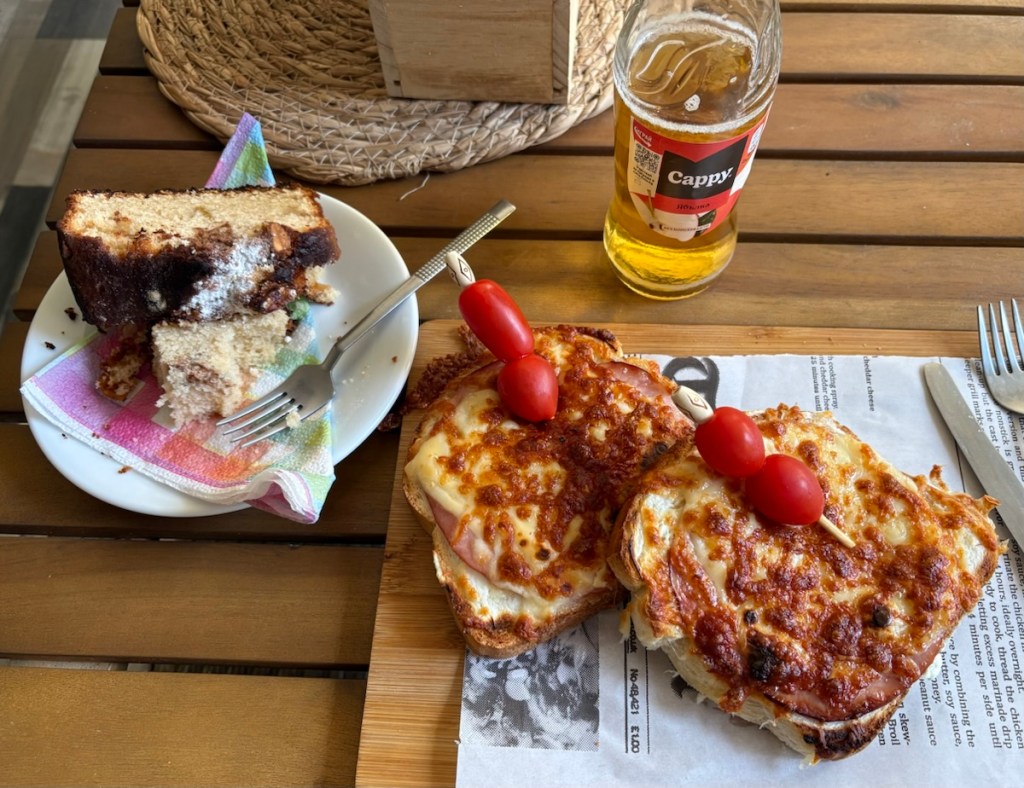
After finding many restaurants closed near my hotel, I was lucky to get into a small local restaurant a few blocks away. I think the husband and wife proprietors were getting ready to lock the doors for the day when I showed up. That was to my good fortune! My late lunch / early dinner was delicious! And the cake was the best ever! Like a light pound cake with cinnamon and nuts on top. Wow!
Before you go…
I love you more than coffee, but not always before coffee.

 A Captain’s Adventures