Brasov – Day 2:  Bran Castle 

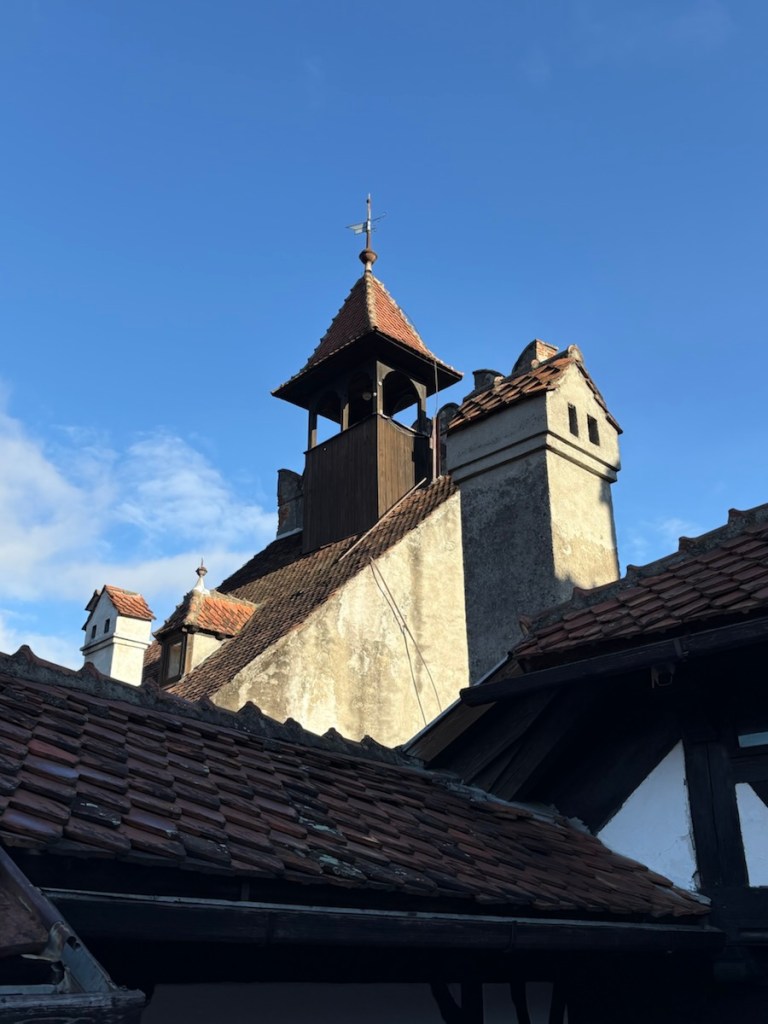
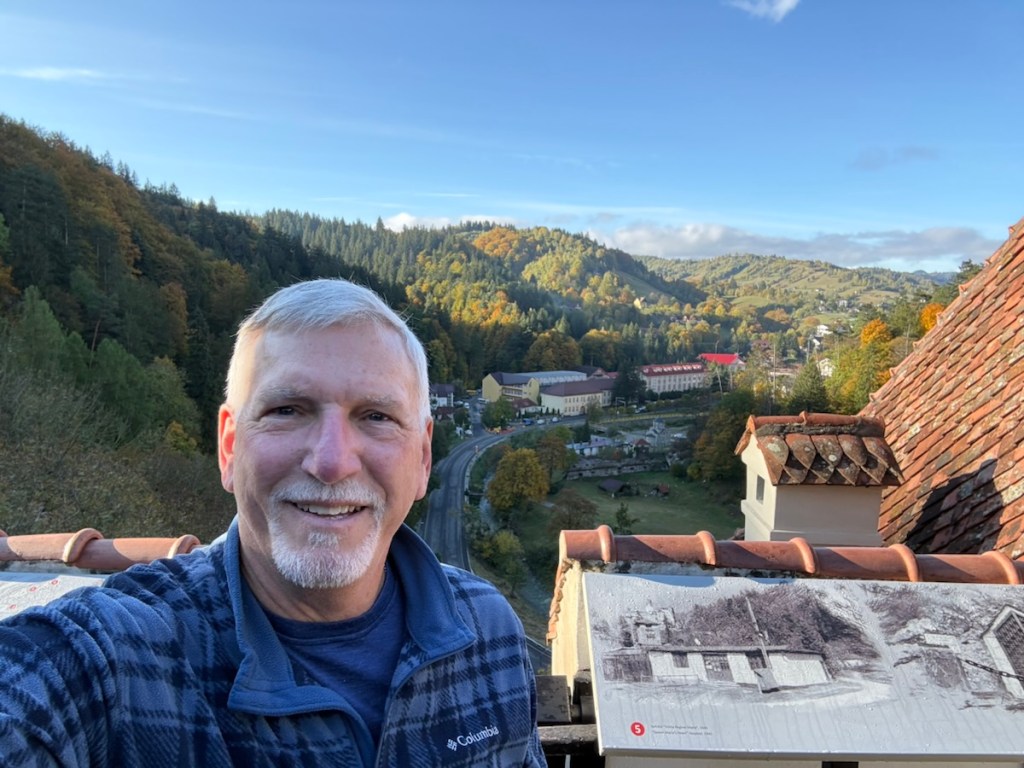
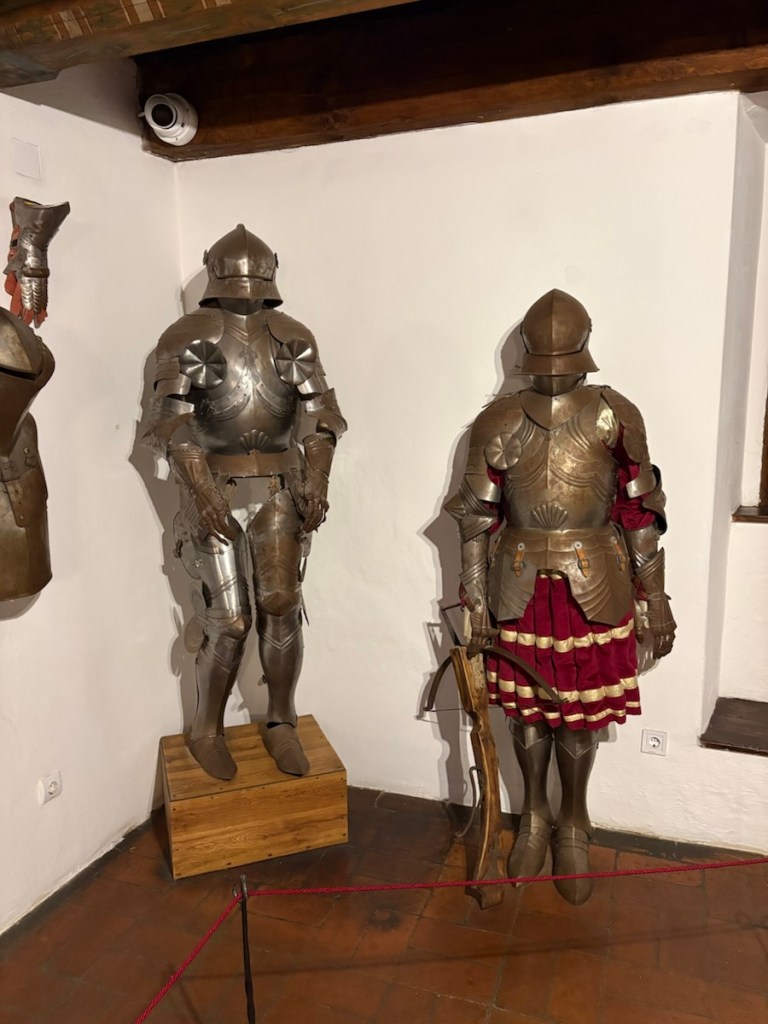
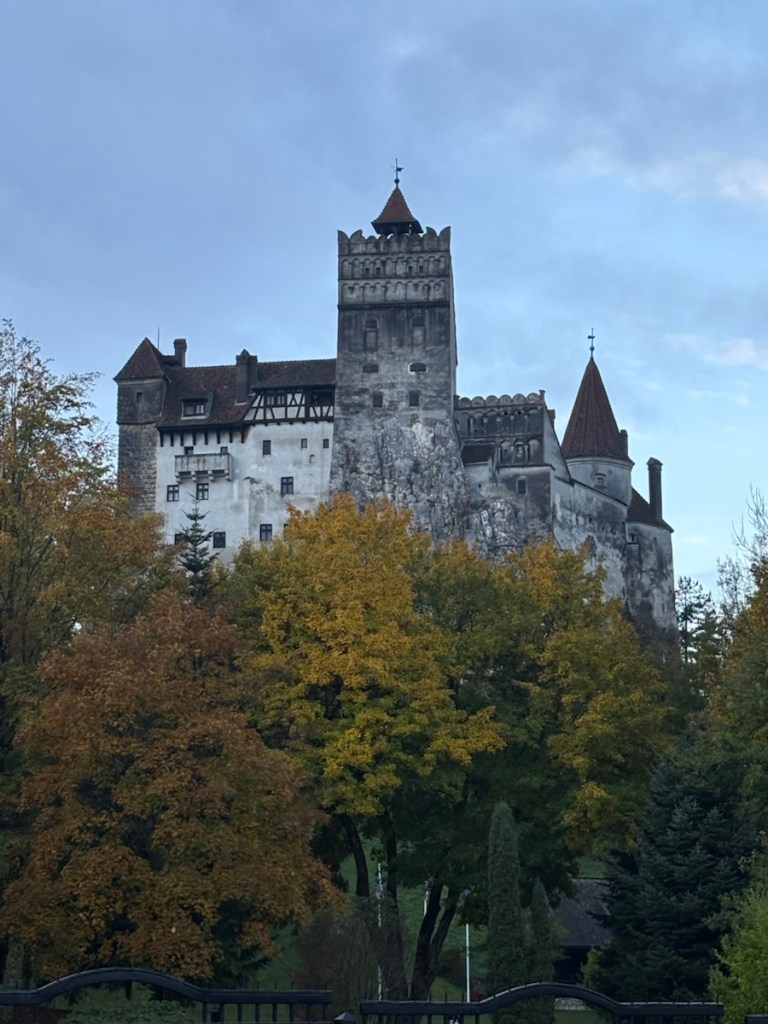
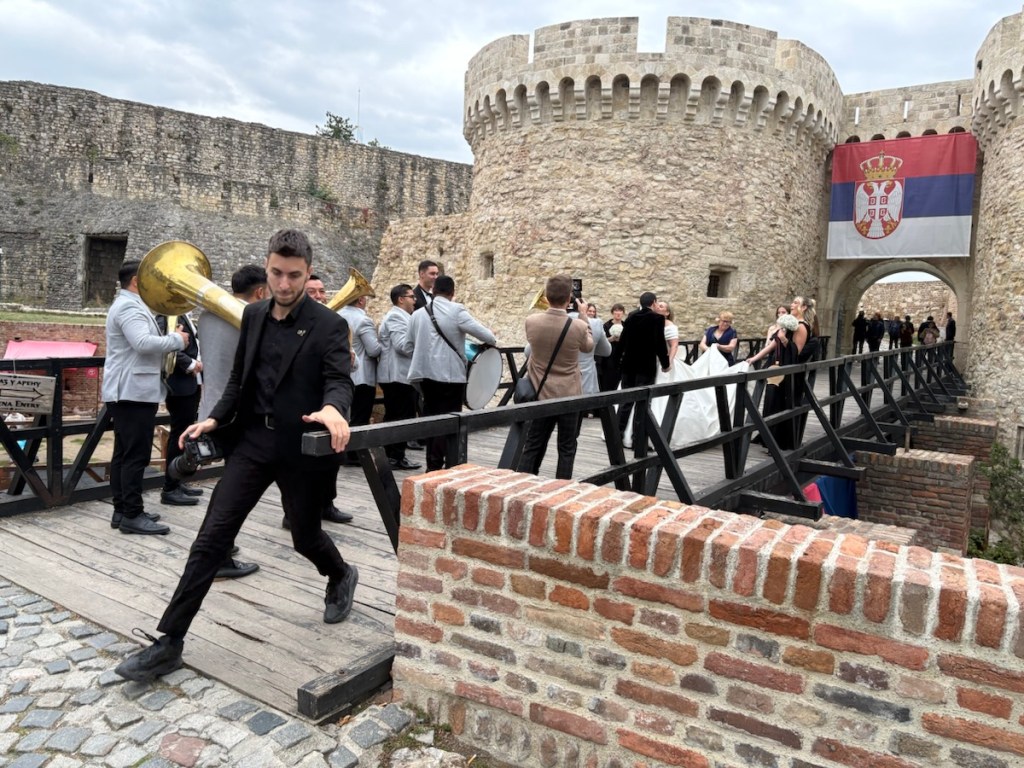
Bran Castle was a delight, due in large part to the stories told by my guide, Sebastian.  He was full of historical facts and jokes.
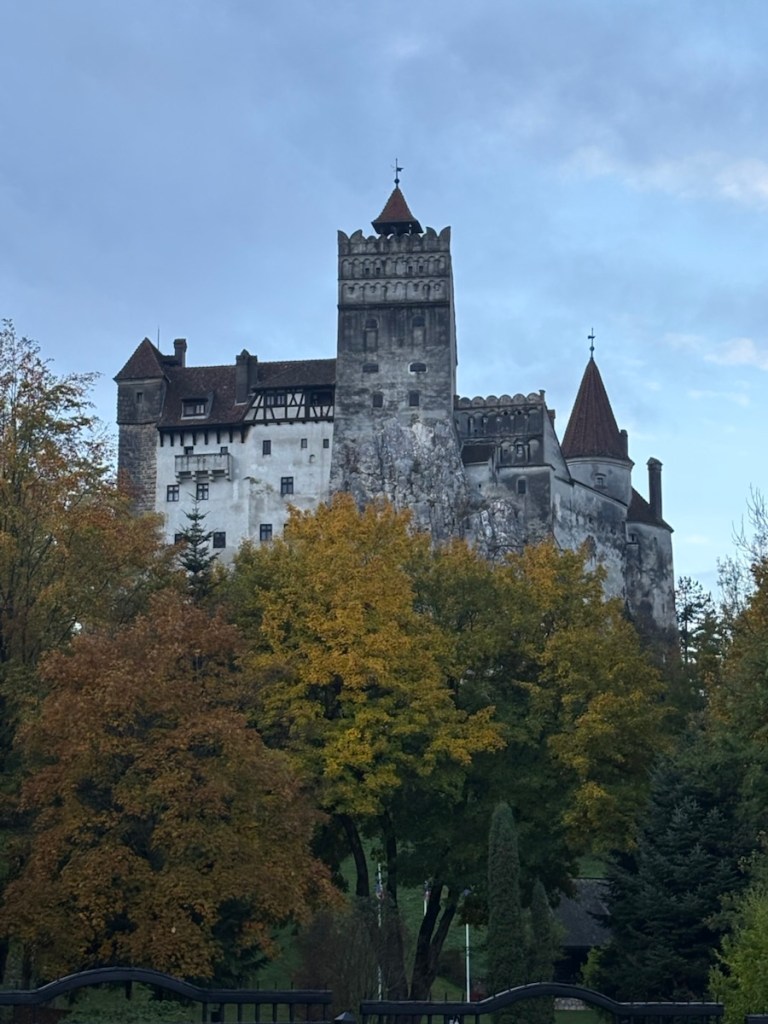
Bran Castle

The Castle has had three primary roles over the centuries since it was built.

1 – Medieval Fortress

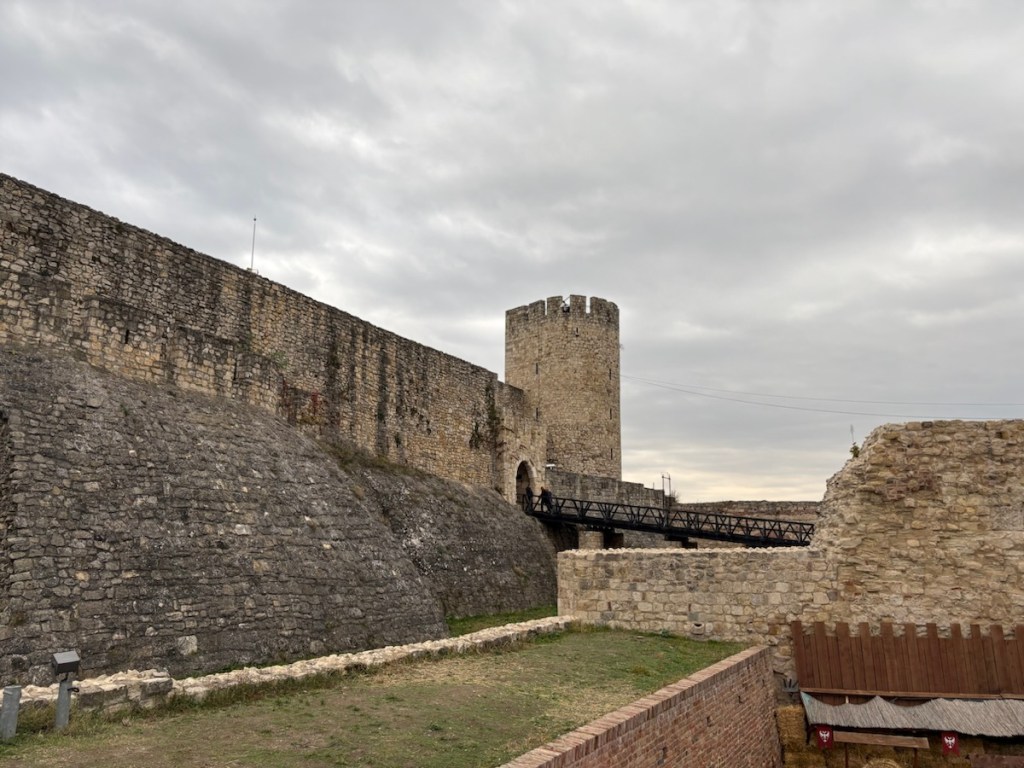
Bran Castle was built between 1377 and 1382 for economic and strategic reasons: the defence of the Customs House and the commercial roads passing through the Bran Gorge. The fortress was built by the inhabitants of Brasov at their expense, in exchange for customs privileges. The geographical position has ensured the surveillance of the gorge, thus receiving significant military attributes. The main mission was to block any enemy invasion at the gates of the fortress until help would arrive from Raşnov and Braşov. According to historical sources, English mercenaries formed the fortress’s garrison, which defended the gorge. Generally, the garrison numbered between 12 and 24 men, with few exceptions: in 1599 when it numbered 40 men and in 1658 when it counted 30 soldiers. Bran Castle remained the customs point until 1836.

2 – Royal Castle

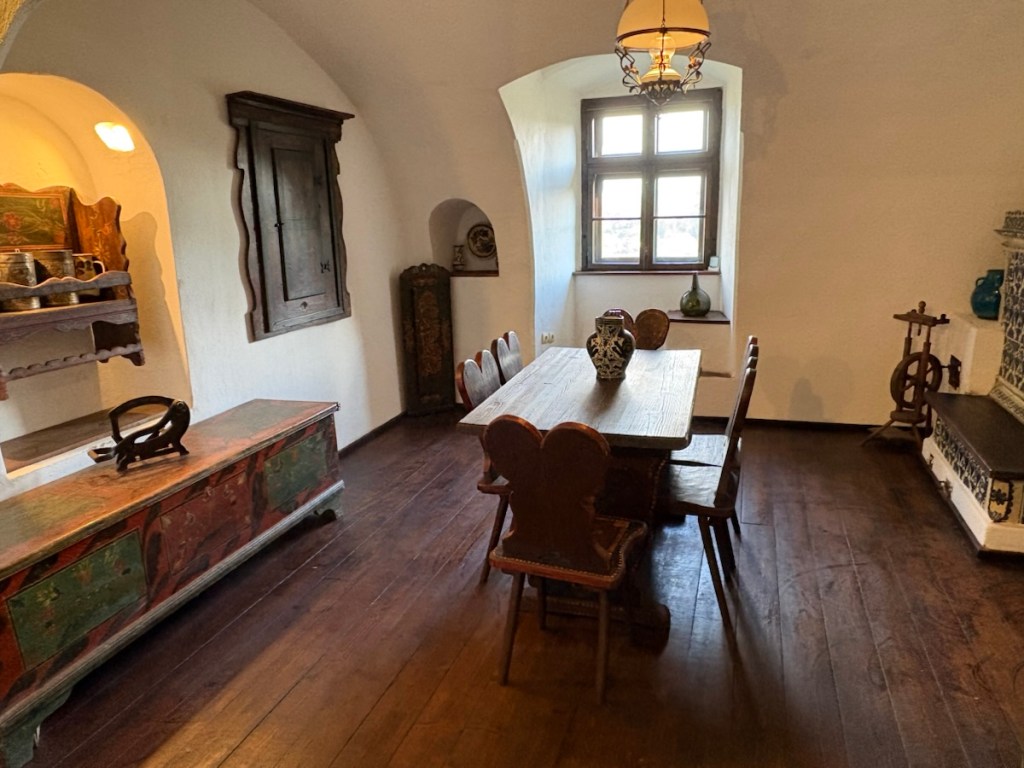
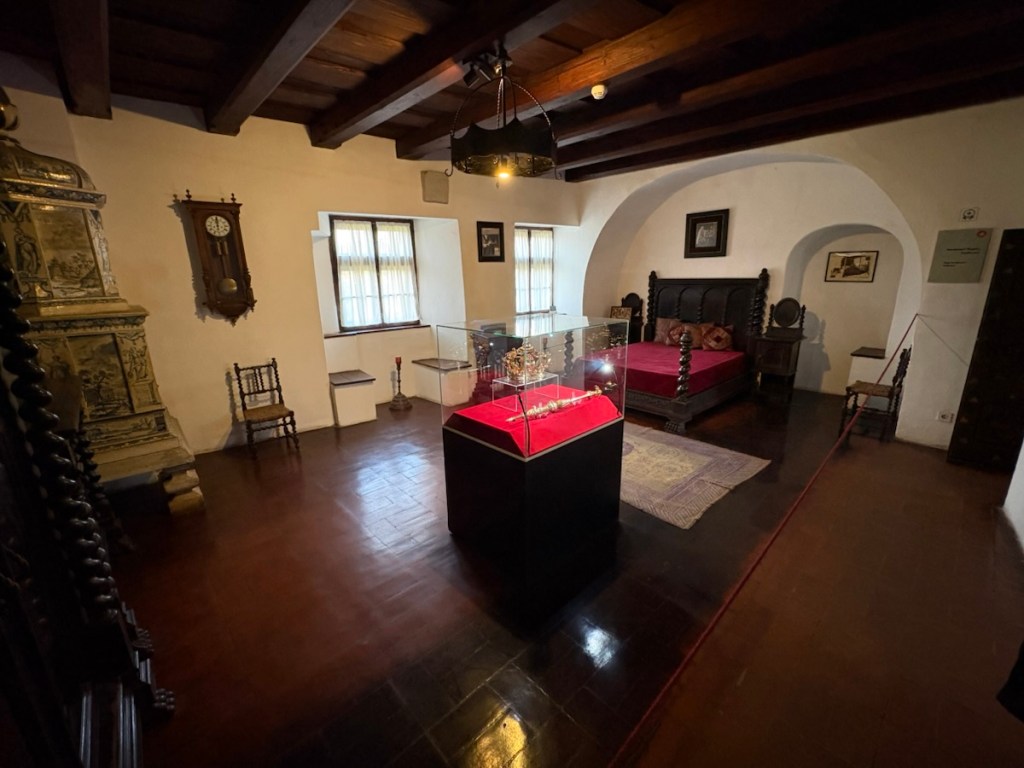
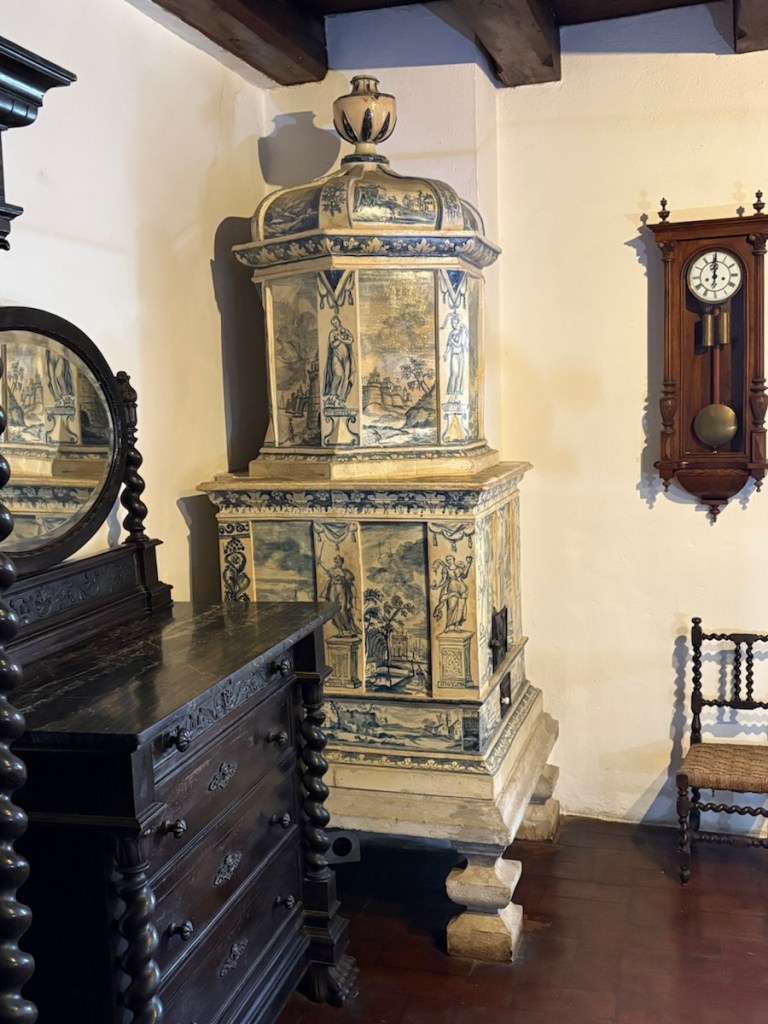
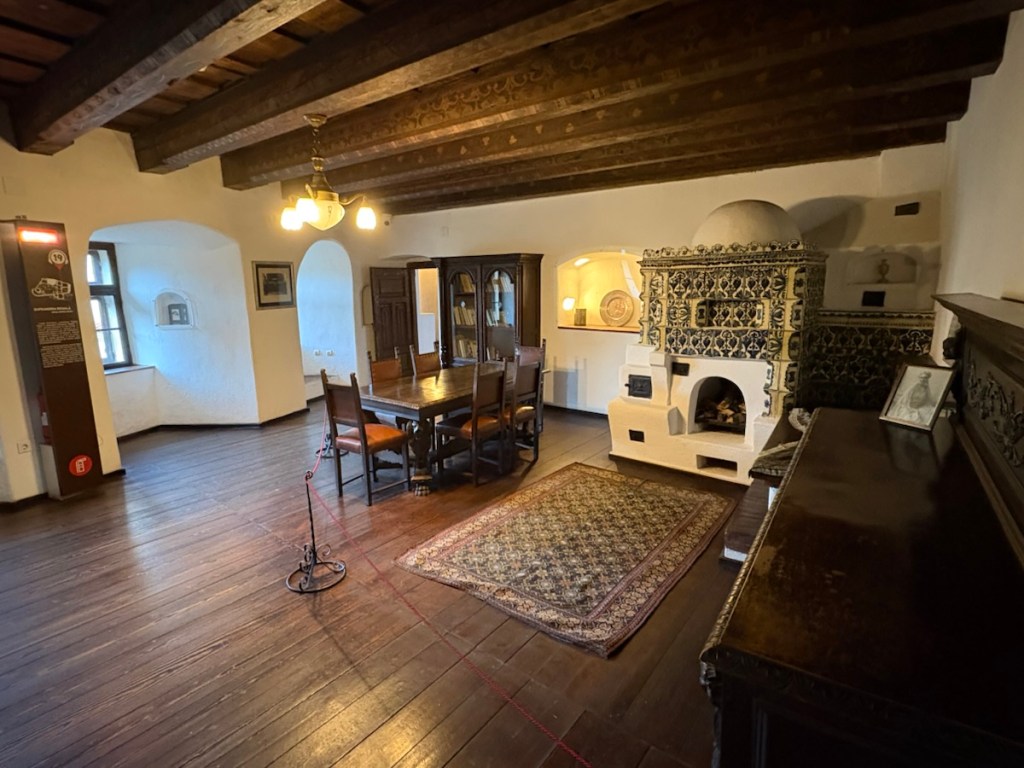
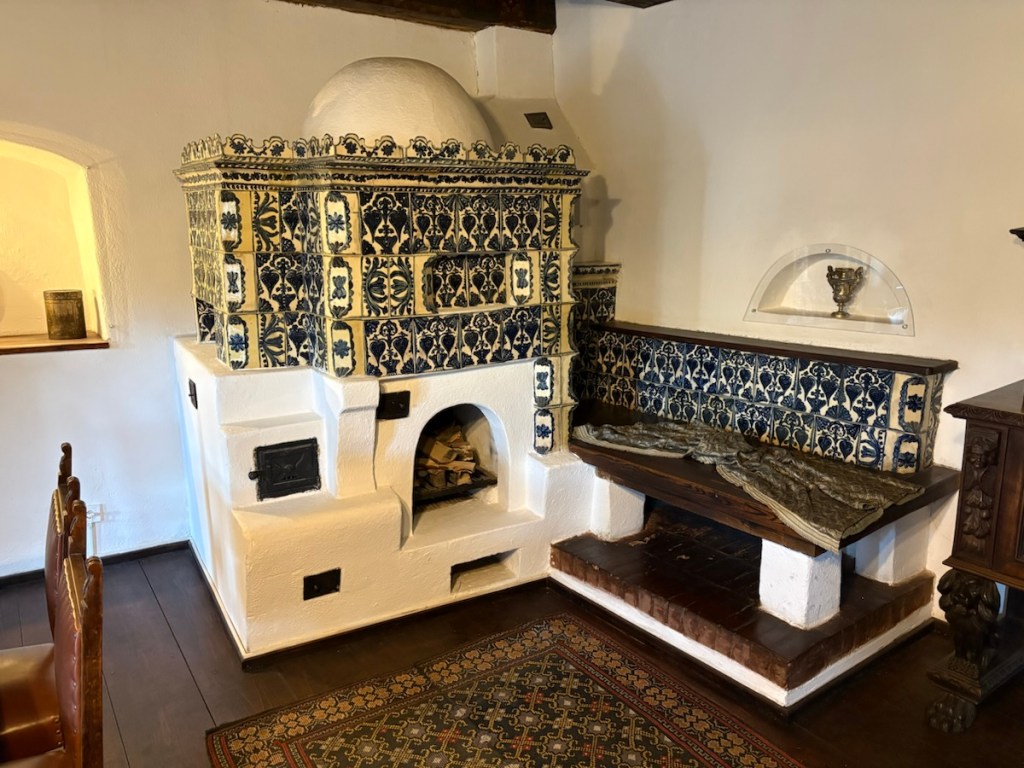
After 1918, Transylvania became part of Greater Romania. In 1920 the City Council of Brasov symbolically offered Bran Castle to Queen Marie. Between 1920 and 1937 under the strict supervision of the Queen and the Royal House architect, Karel Liman, the Castle was renovated: the 3rd and 4th floors were added with access stairs, the ramparts and the crenels became windows, the open fireplaces were replaced by beautiful tile stoves, a telephone was installed and a lift was built to facilitate access from the Royal Park to the Castle. 

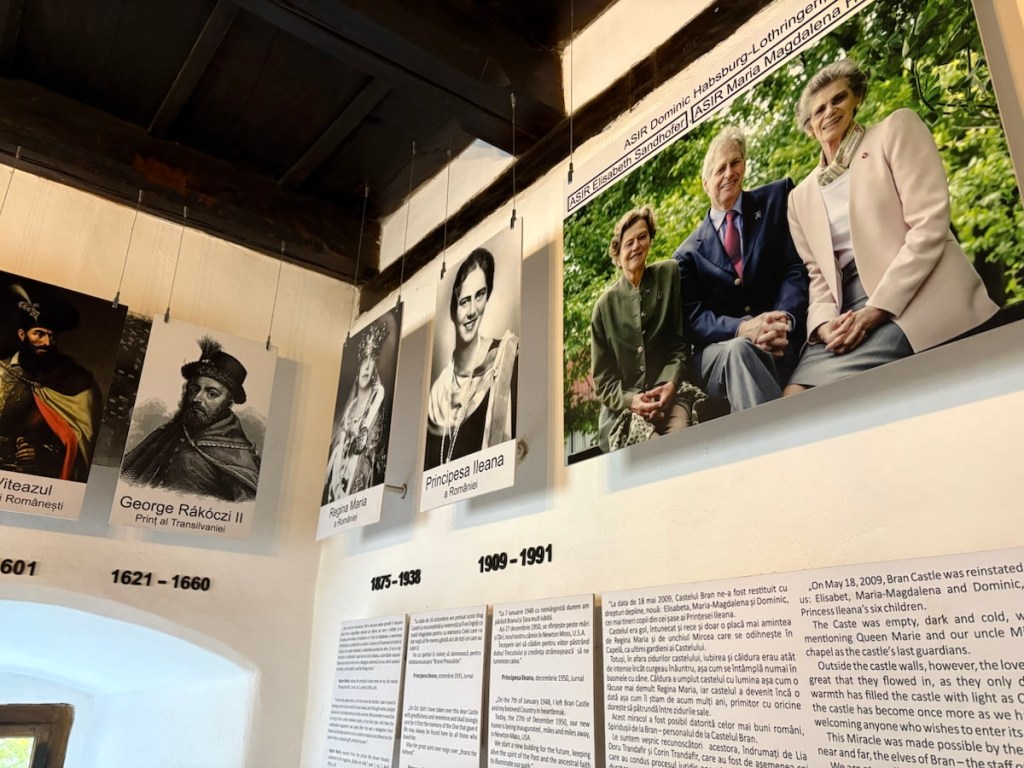
In 1932, in order to illuminate the Castle, Queen Marie ordered the construction of an electric turbine that offered free electricity to the surrounding villages: Bran, Şimon and Moieciu. Queen Marie left Bran Castle to Princess Ileana. Between 1944 and 1948, the Princess, together with her husband, Anton Habsburg, Archduke of Austria, and their children lived in the Castle and continued its’ development.

3 – Nocturnal Residence of Count Dracula

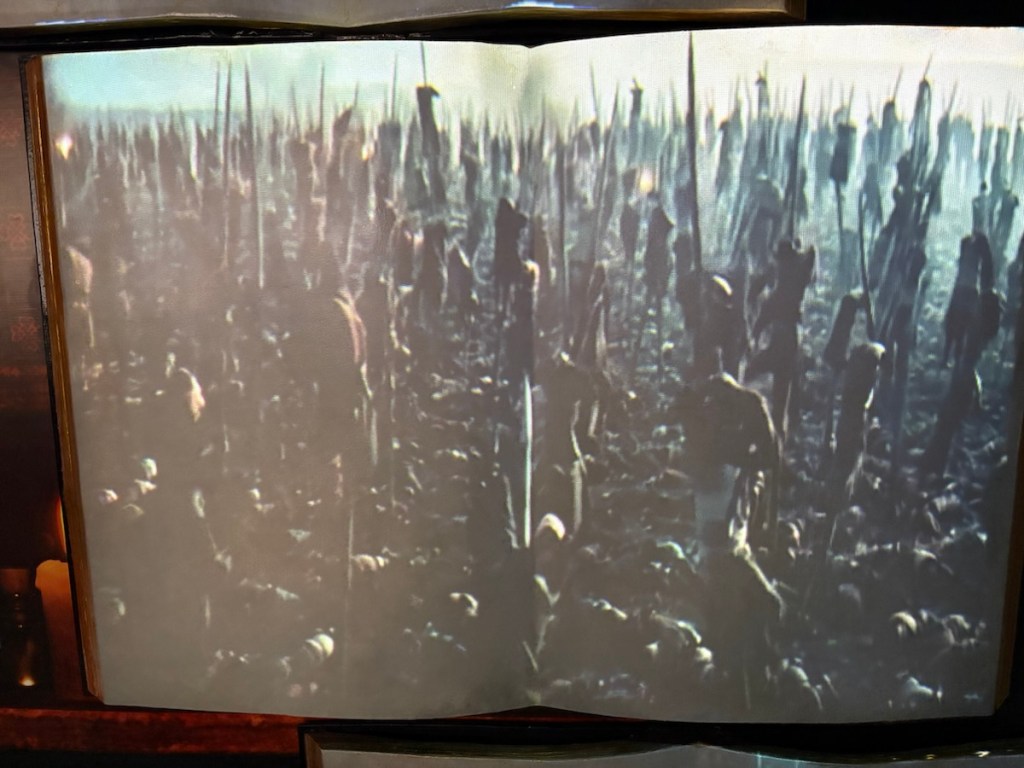
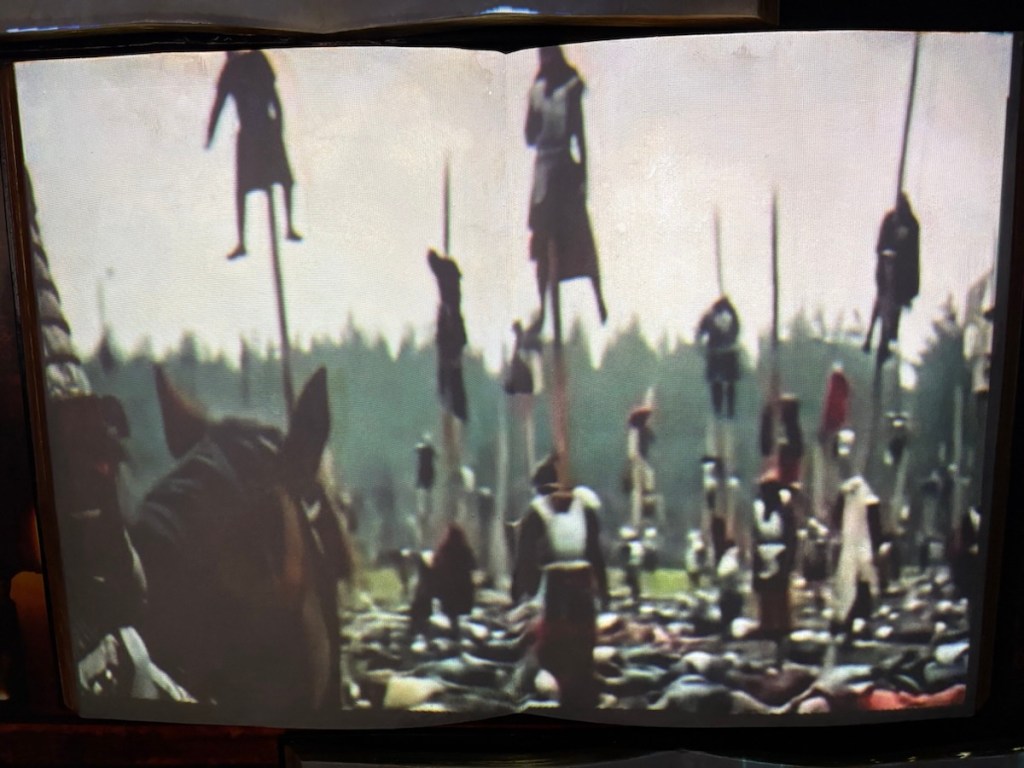
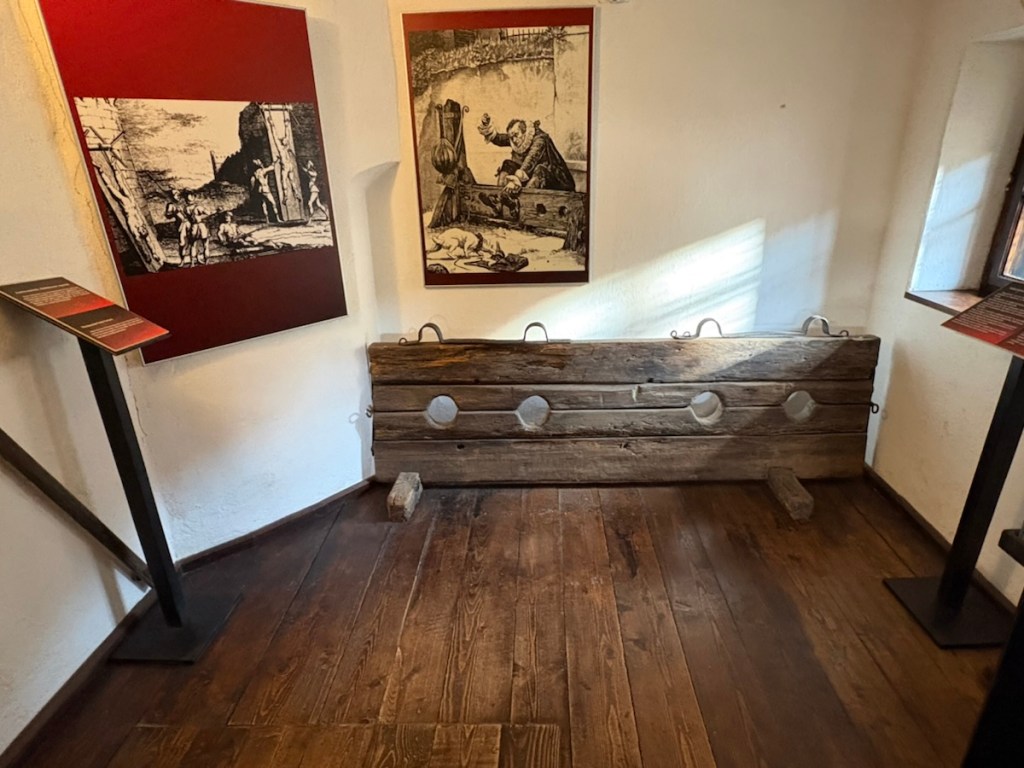
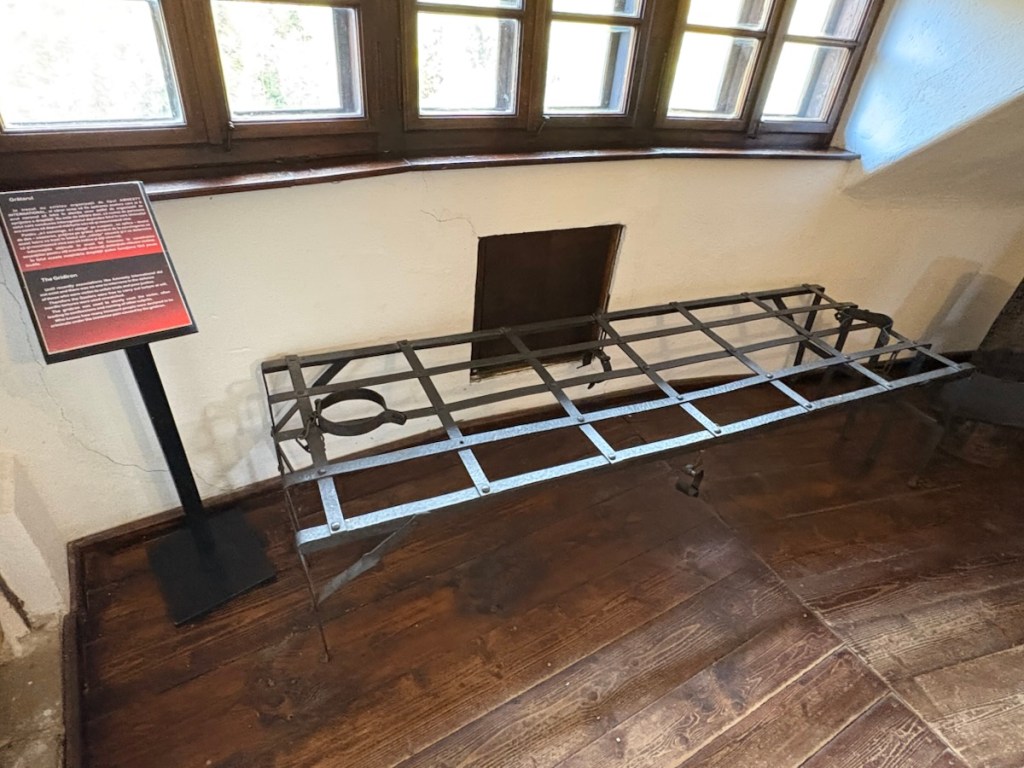
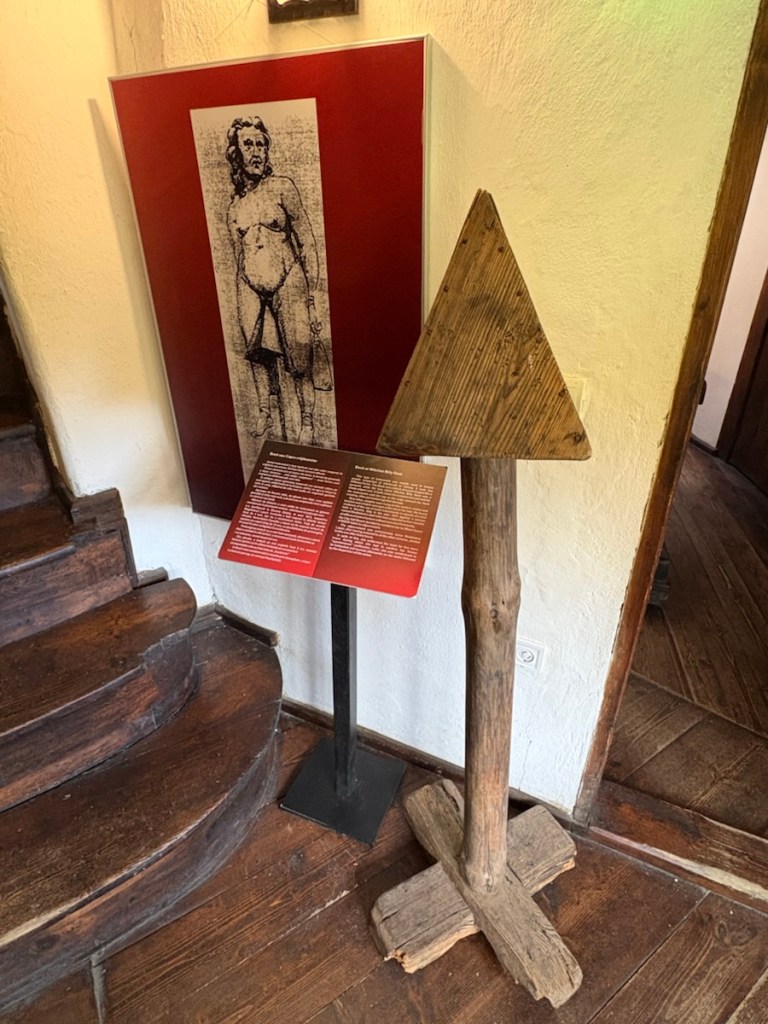
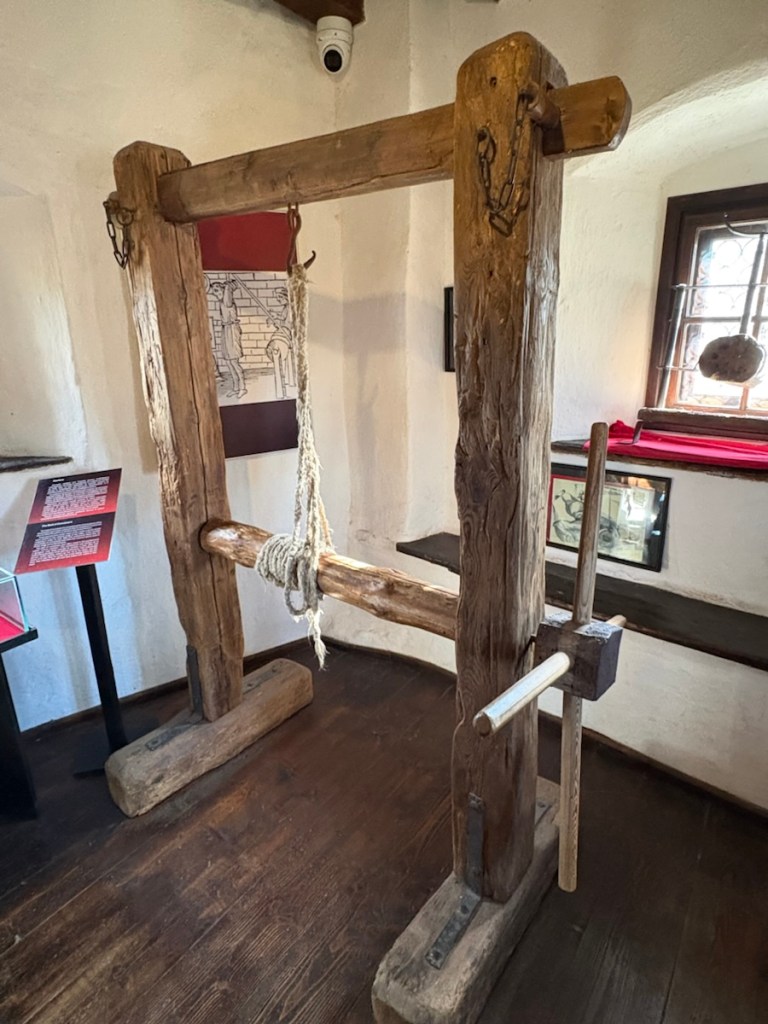
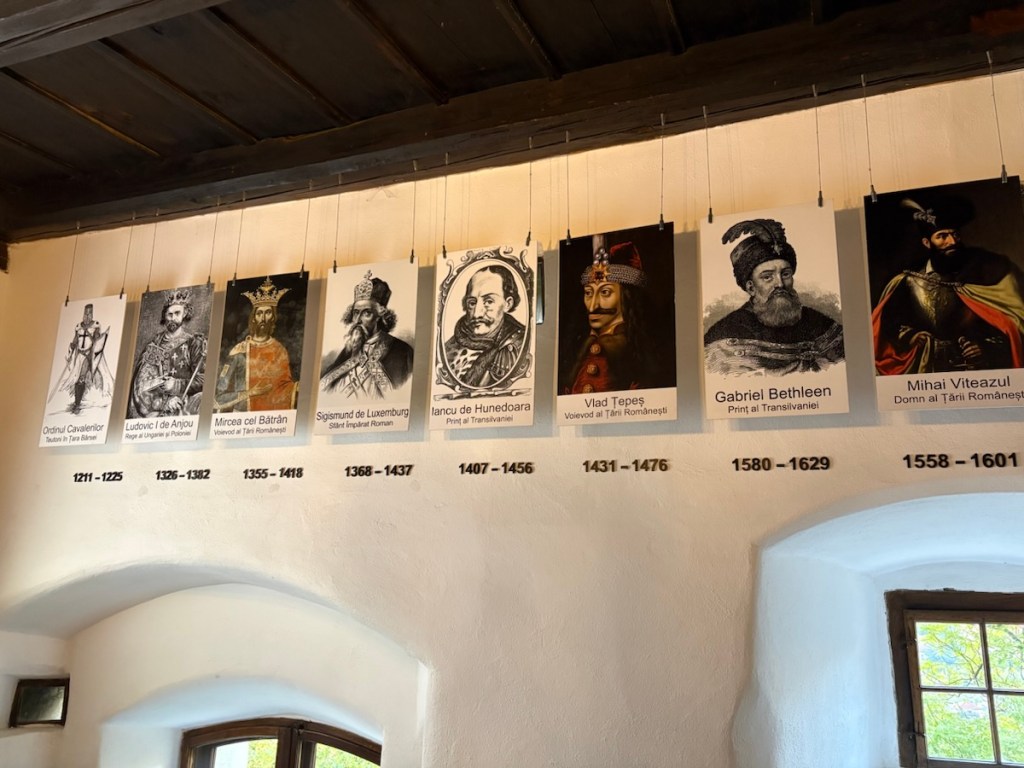
In 1897, the Irish writer Bram Stoker gave the world an imaginary character that even today fascinates audiences from all over the world: Dracula, an immortal Transylvanian count, thirsty for innocent blood. The legend created by Stoker is based on the fictional image of the 15th century Wallachian prince, Vlad Tepeş (better known as Vlad the Impaler), who was famous at the time by his severe punishment of the law breakers. Starting from Tepe’s bloody reputation, from his enigmatic death and the belief in supernatural beings such as the living dead, present in the Romanian folklore, Dracula is a mixture of real historical facts and imaginary. Bran Castle, described in literature as a great fortress difficult to conquer, located in a mysterious place in the midst of the Carpathians Mountains, was the ideal framework for Bram Stoker’s novel. Nowadays, Bran Castle is not only the imaginary residence of Count Dracula, but also presents to its public the characters of the Romanian folk tales: Strigoi, Moroi, lele, Muma-Pădurii.
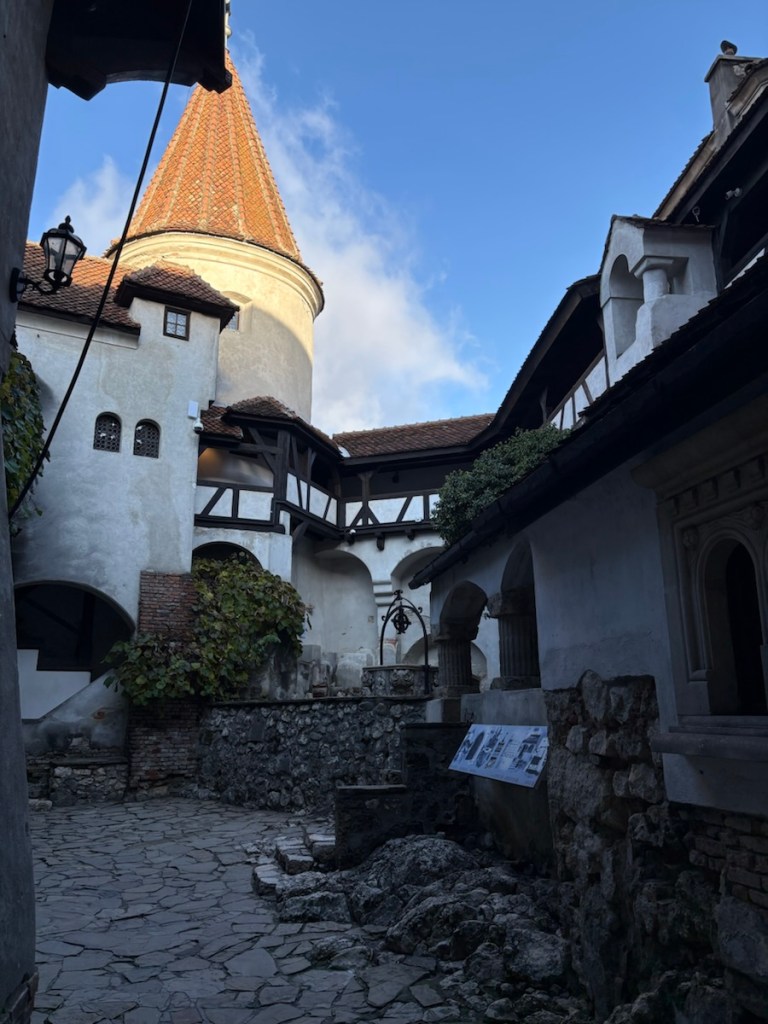
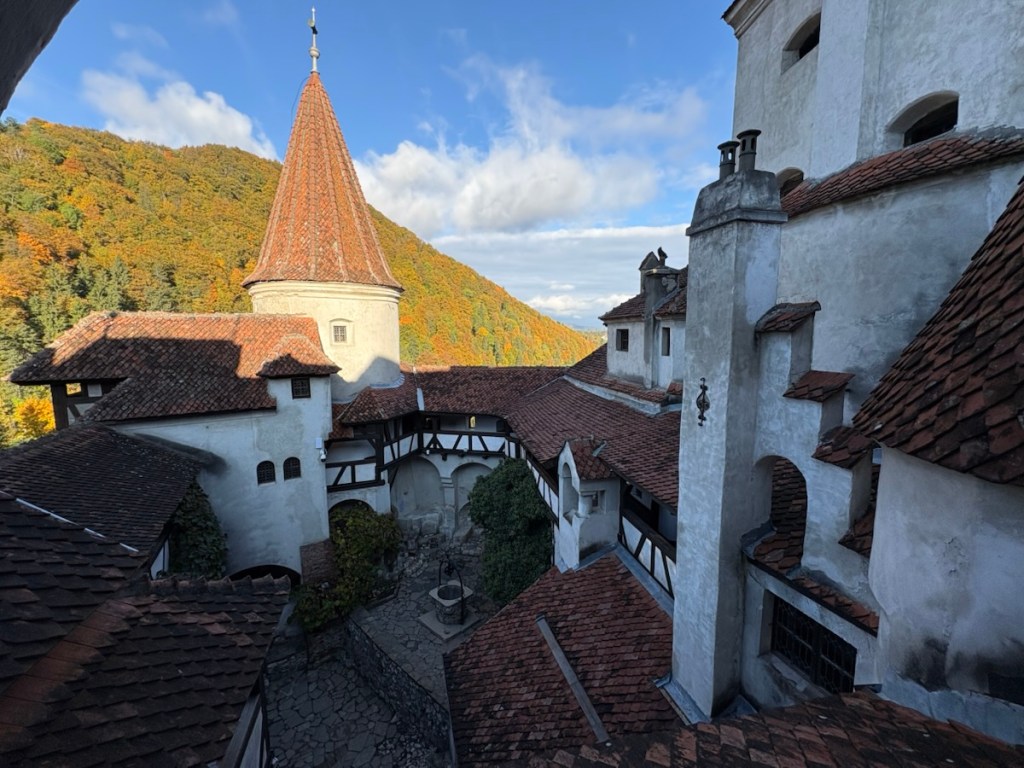
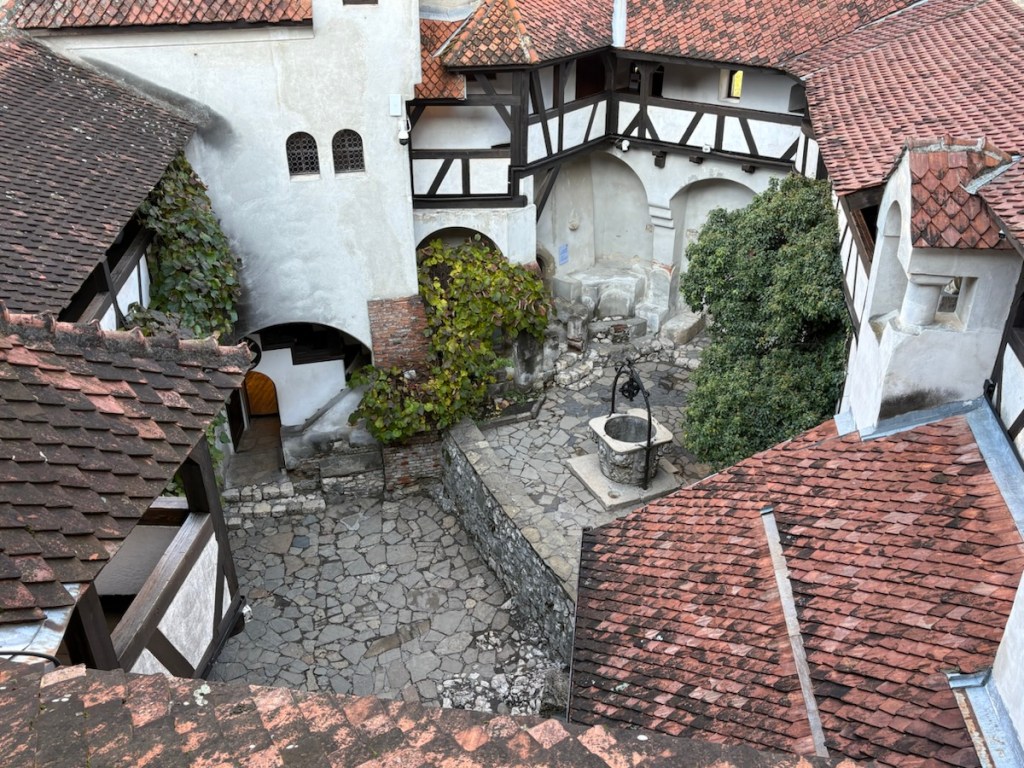
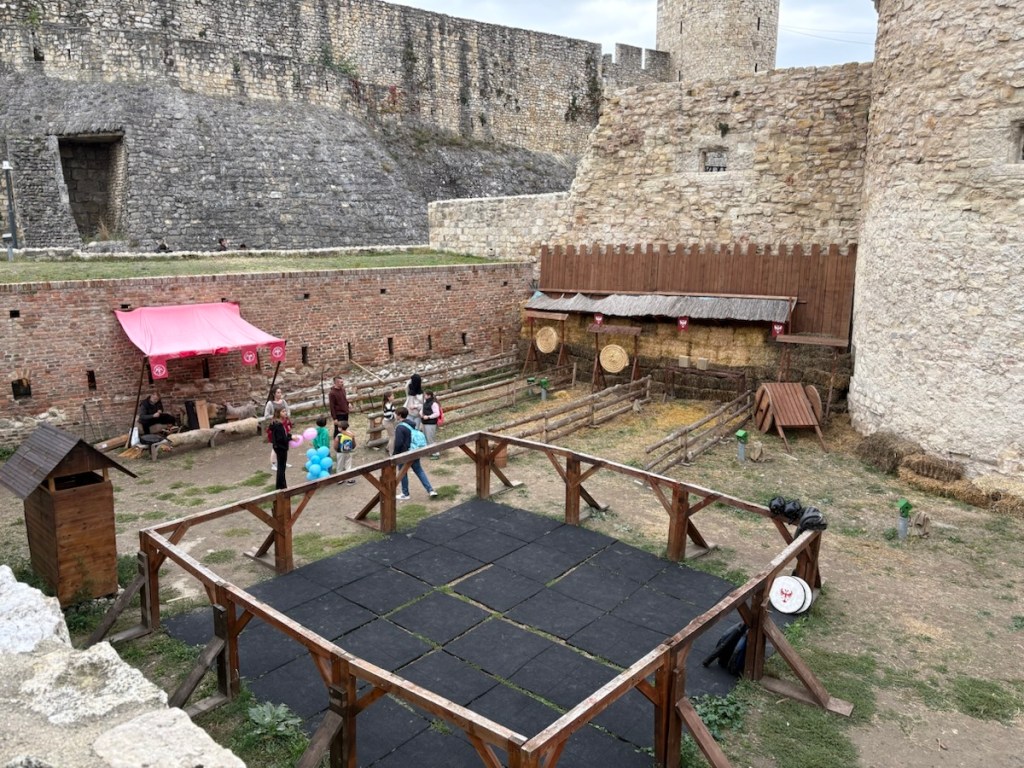
An interior courtyard

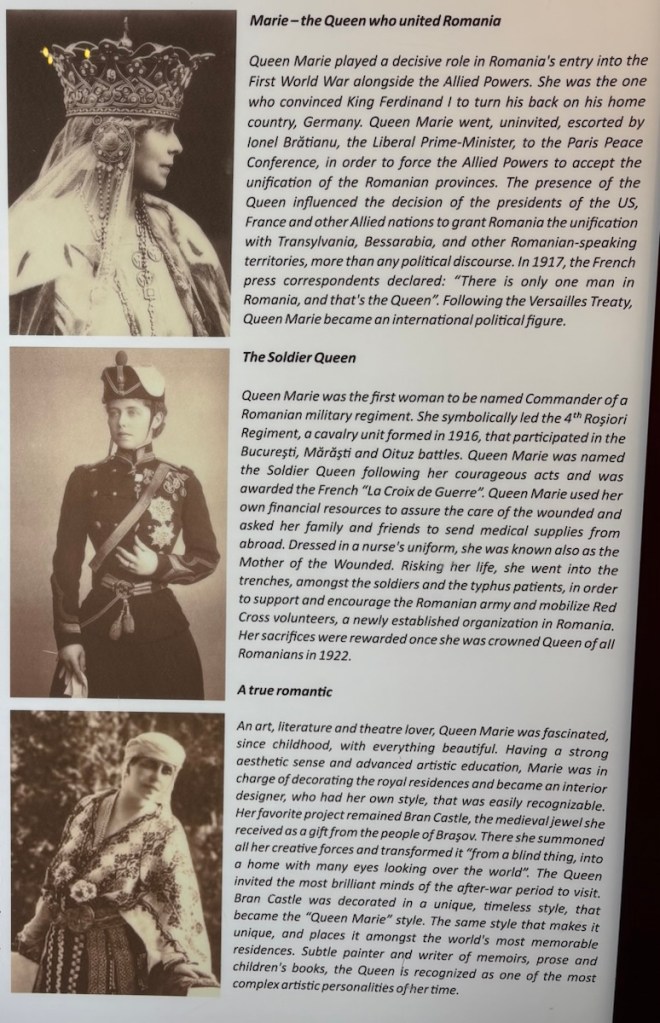
Marie Alexandra Victoria of Saxe-Coburg and Gotha was born on October 29th, 1875, and spent her childhood years at Eastwell Park in Kent. She was the granddaughter of Queen Victoria of Great Britain and of Alexander Il of the Romanov dynasty, Tsar of Russia. In 1893, she married Prince Ferdinand I of Romania at 18 years of age. Her first born son became the first Christian Orthodox king of Romania, King Carol II. At the end of the First World War, on October 15, 1922, she became Queen of Greater Romania, crowned in the cathedral in Alba-lulia. The Queen’s crown was inspired by Romanian medieval princesses’ crowns, and was made, symbolically, of Transylvanian gold. Marie, Queen of all Romanians, died on July 18th, 1938, passing from her people’s hearts into a legend.
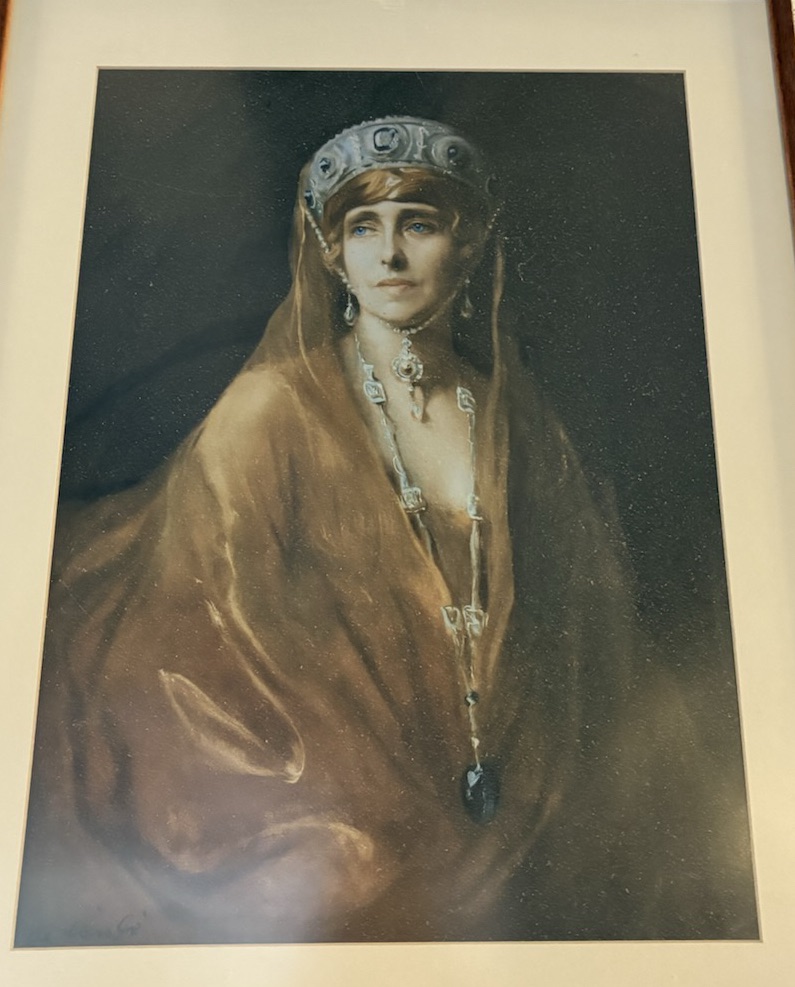
Queen Marie in the Pond’s Cold Cream
advertisement in 1924.
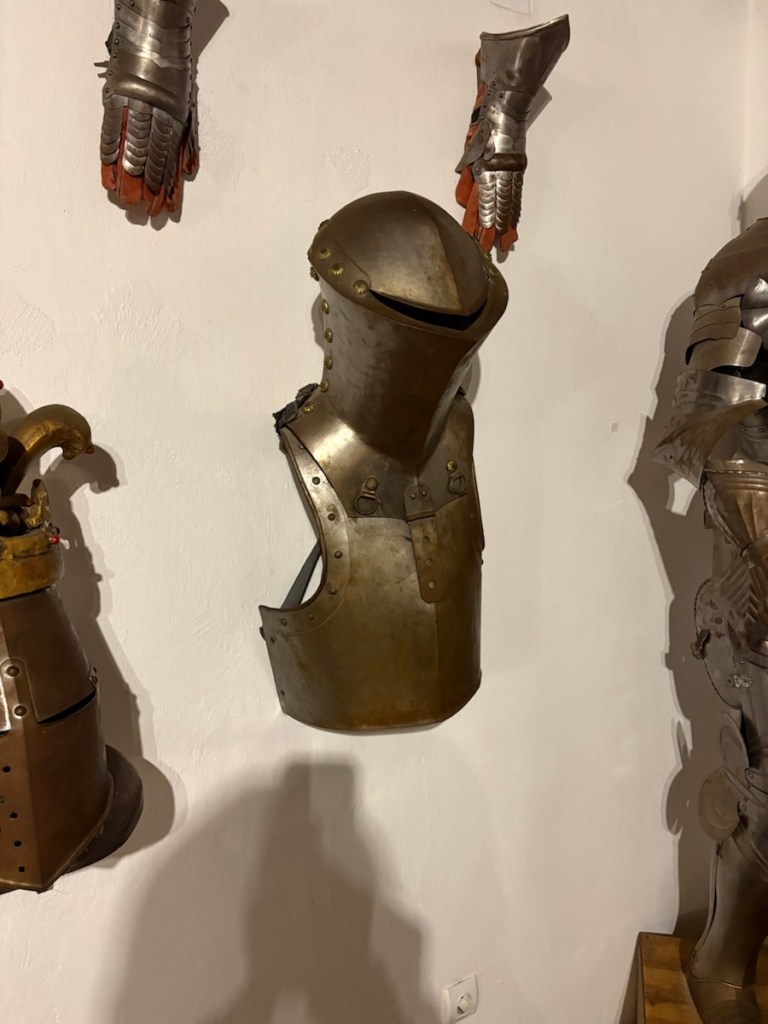
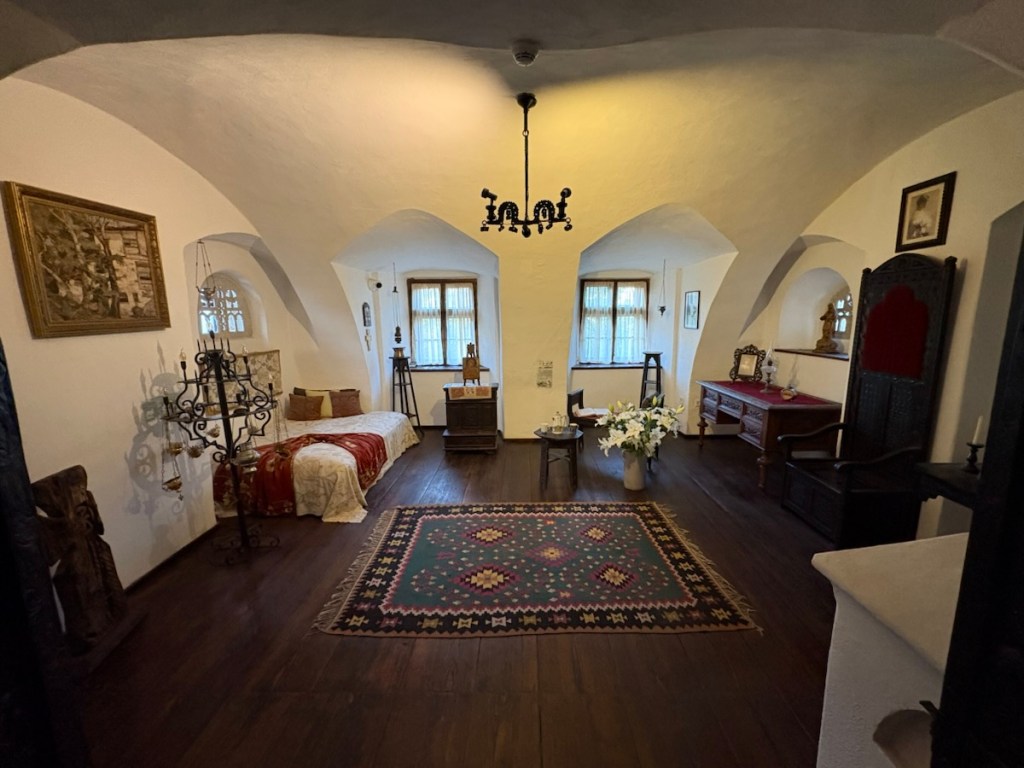
The Queen’s Bedroom
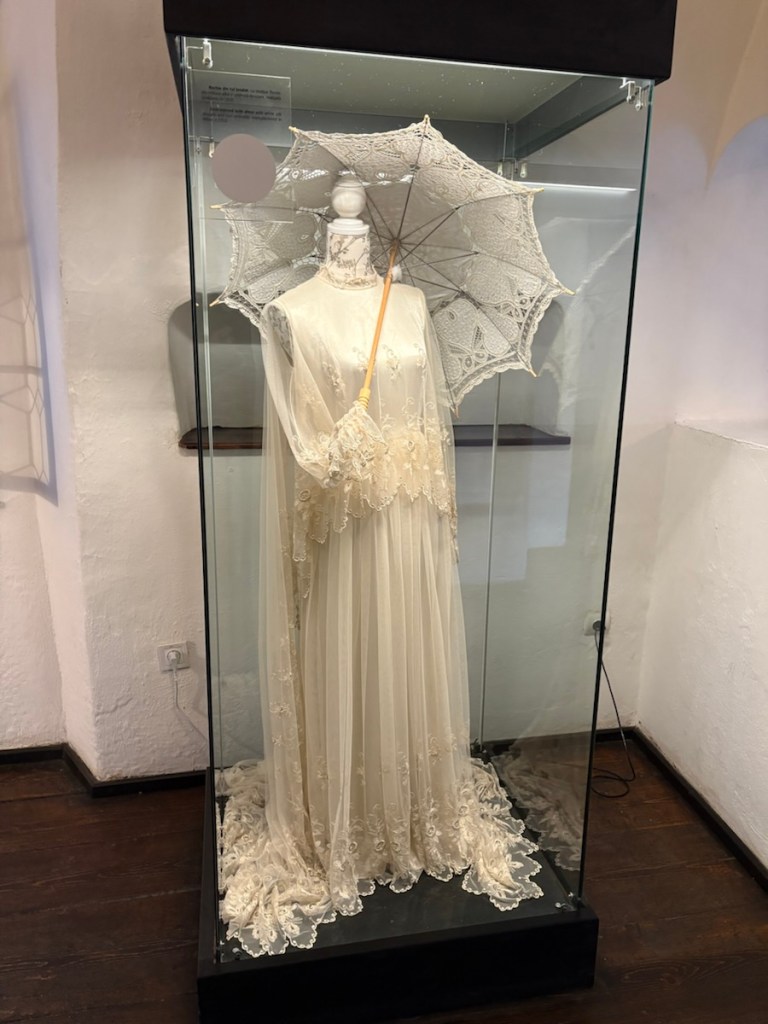
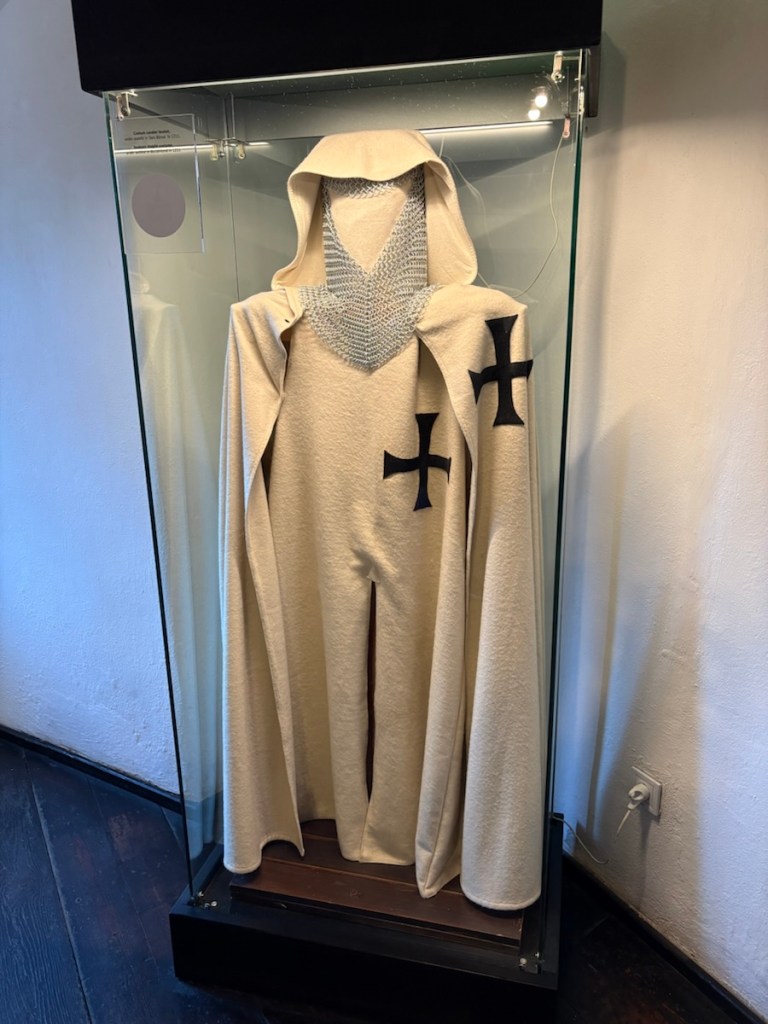
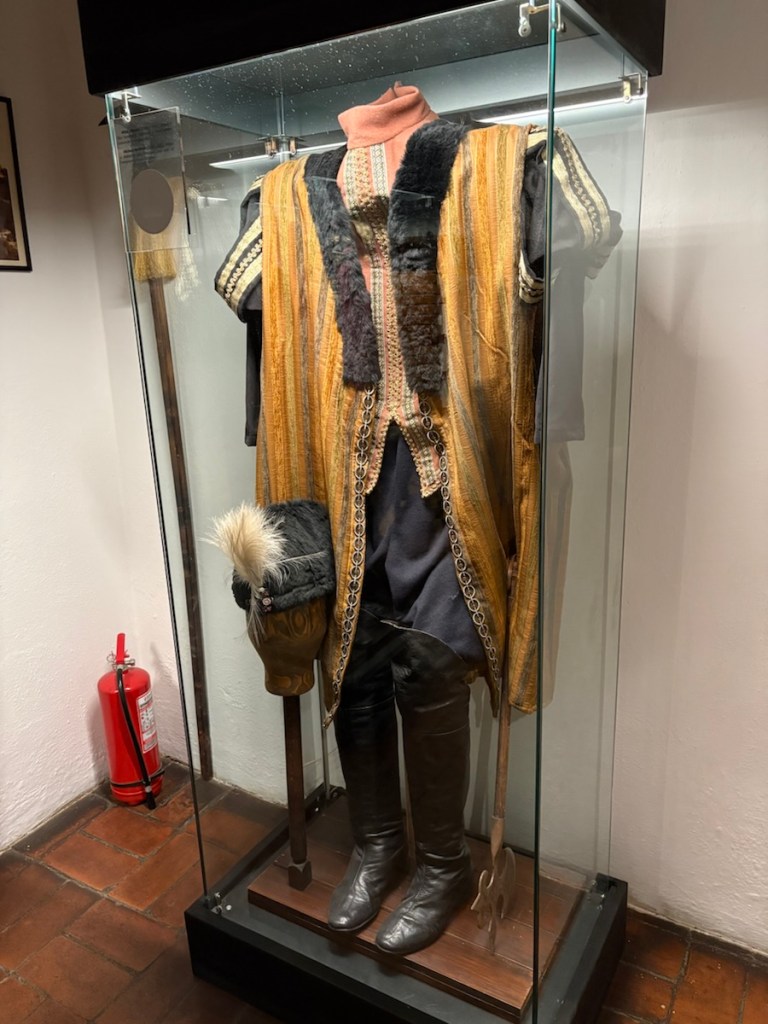
Clothing of Queen Marie
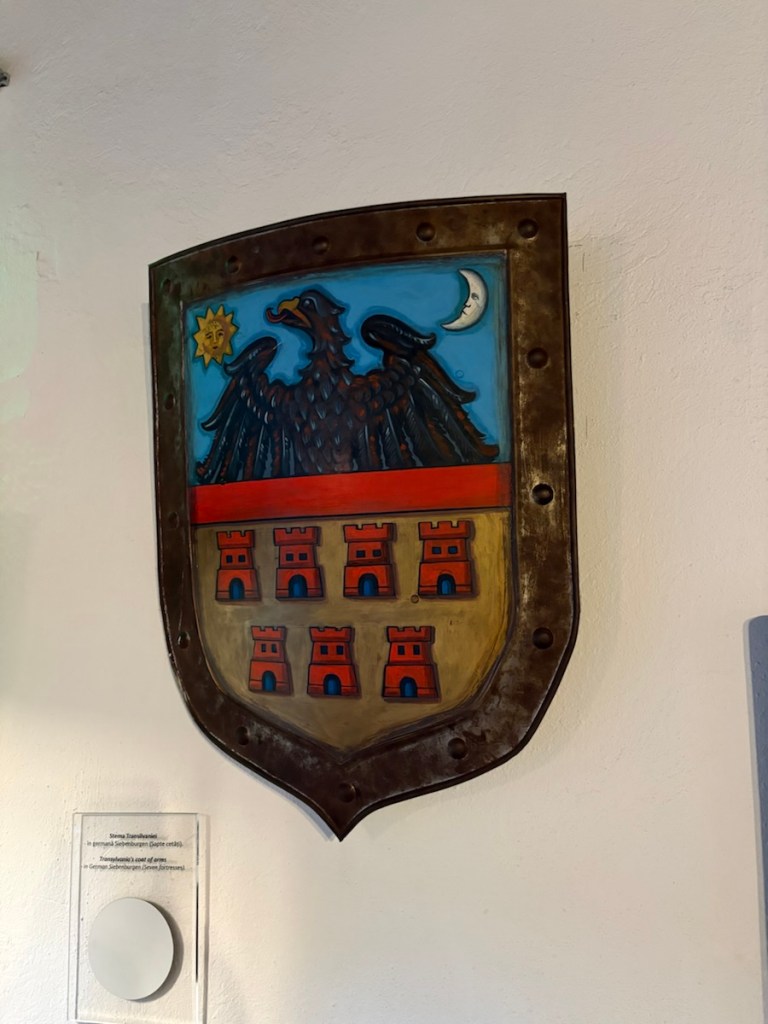
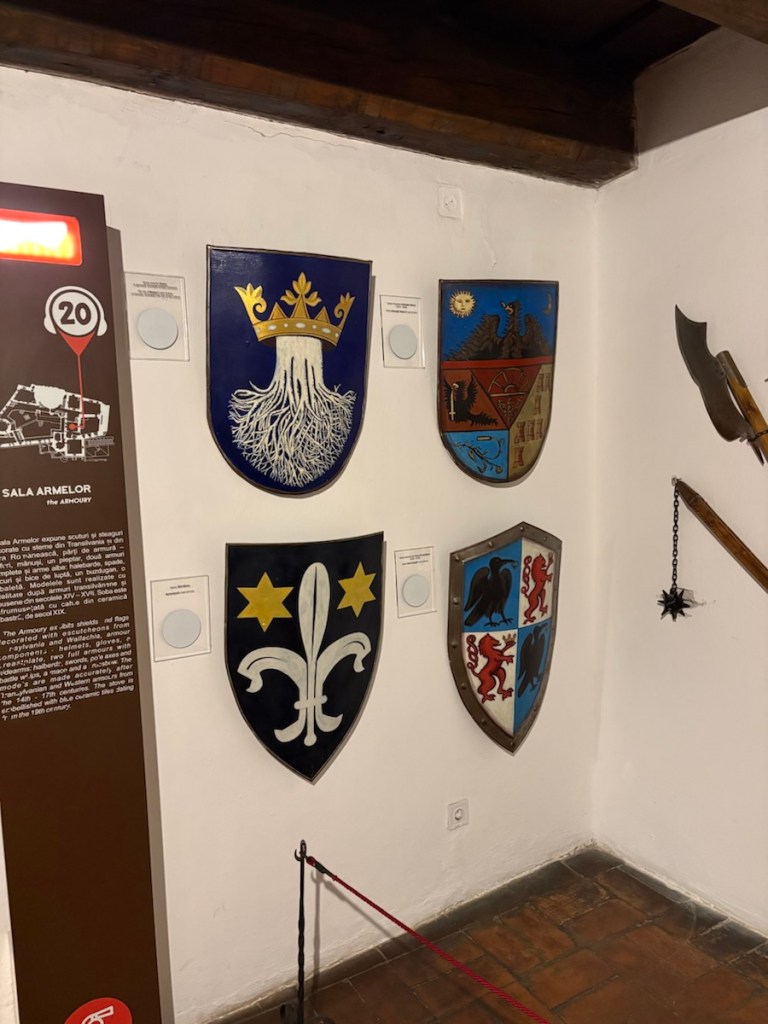
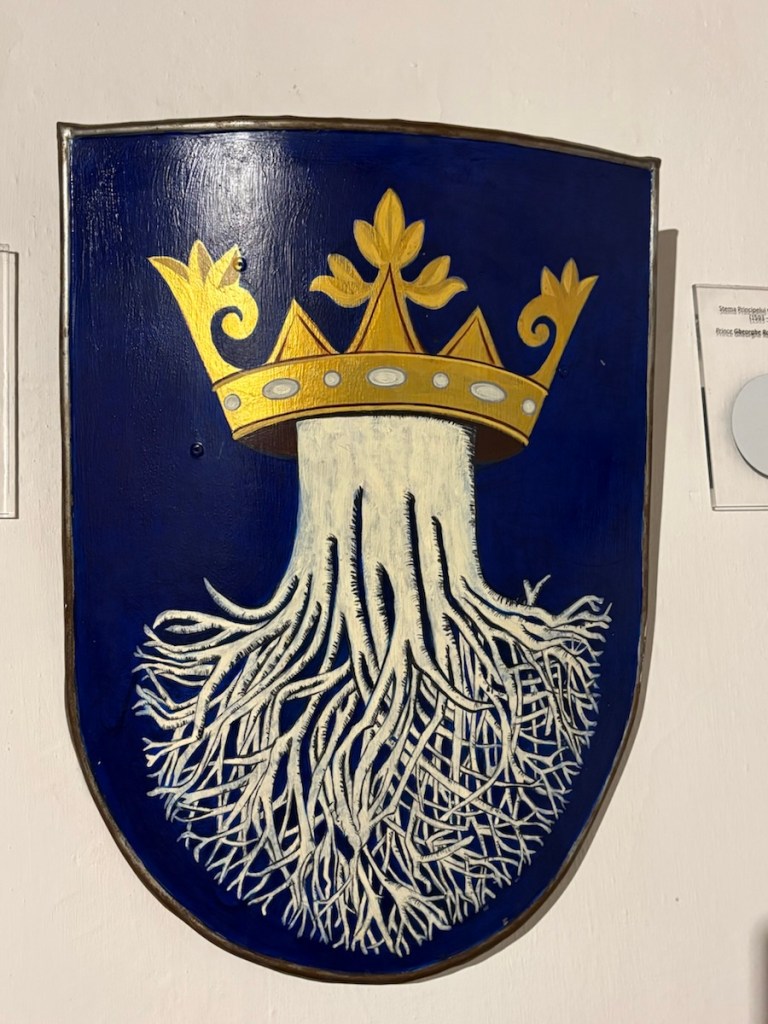
Transylvania Coat of Arms
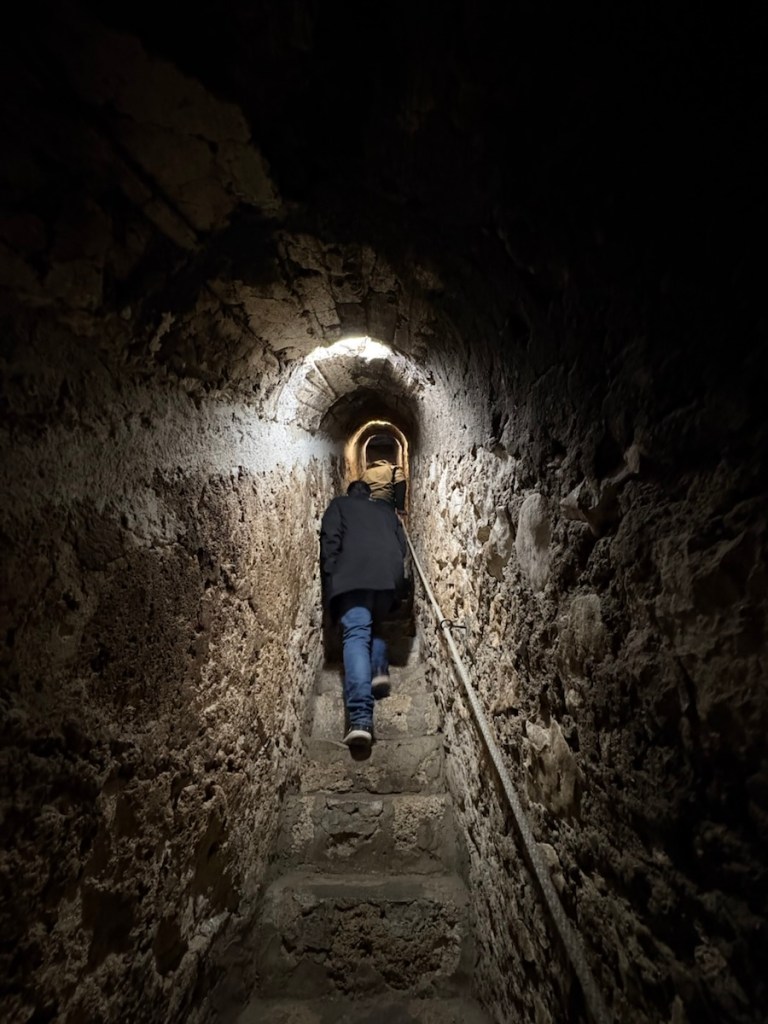
One of the secret staircase passageways
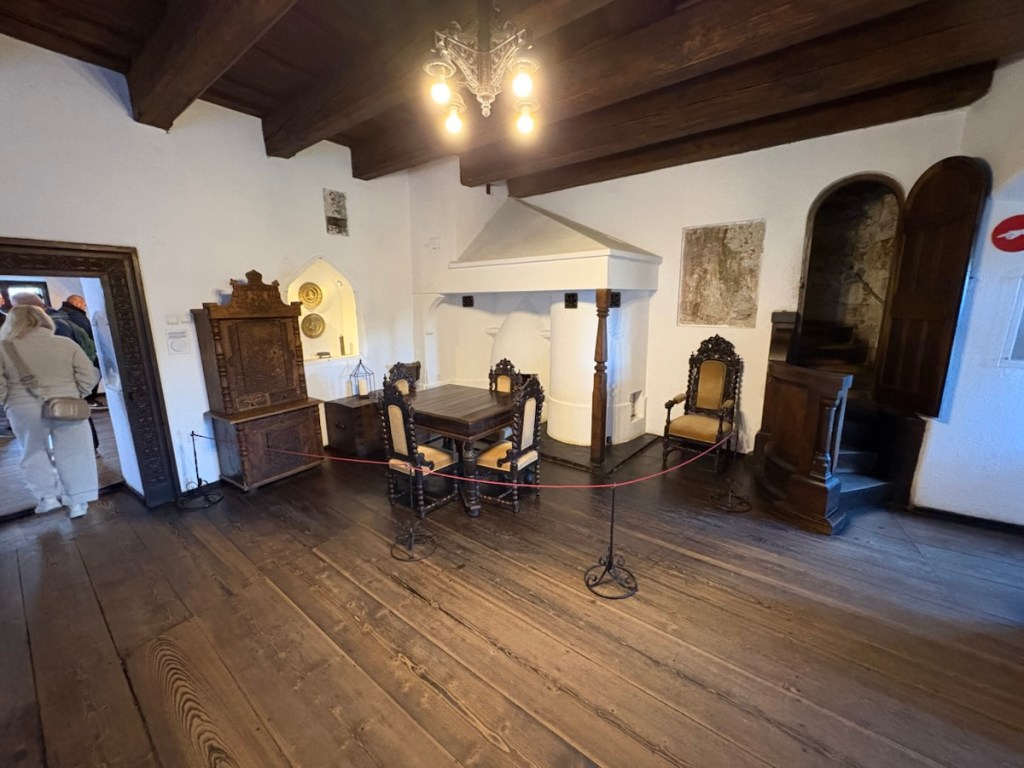
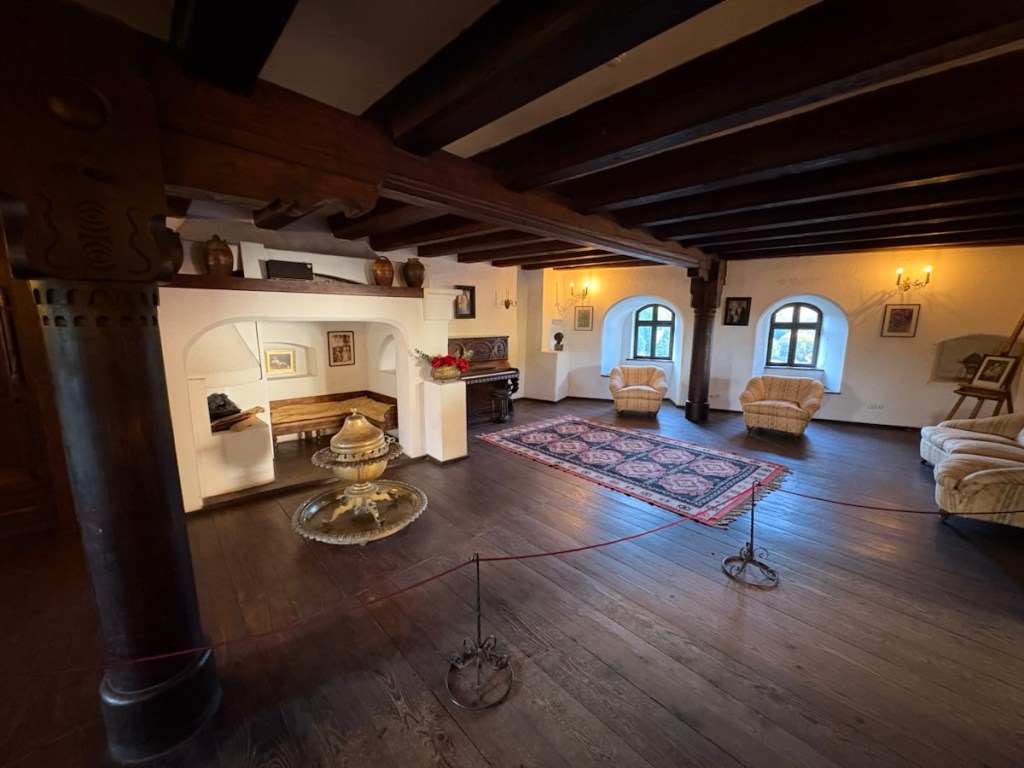
The music and sitting room
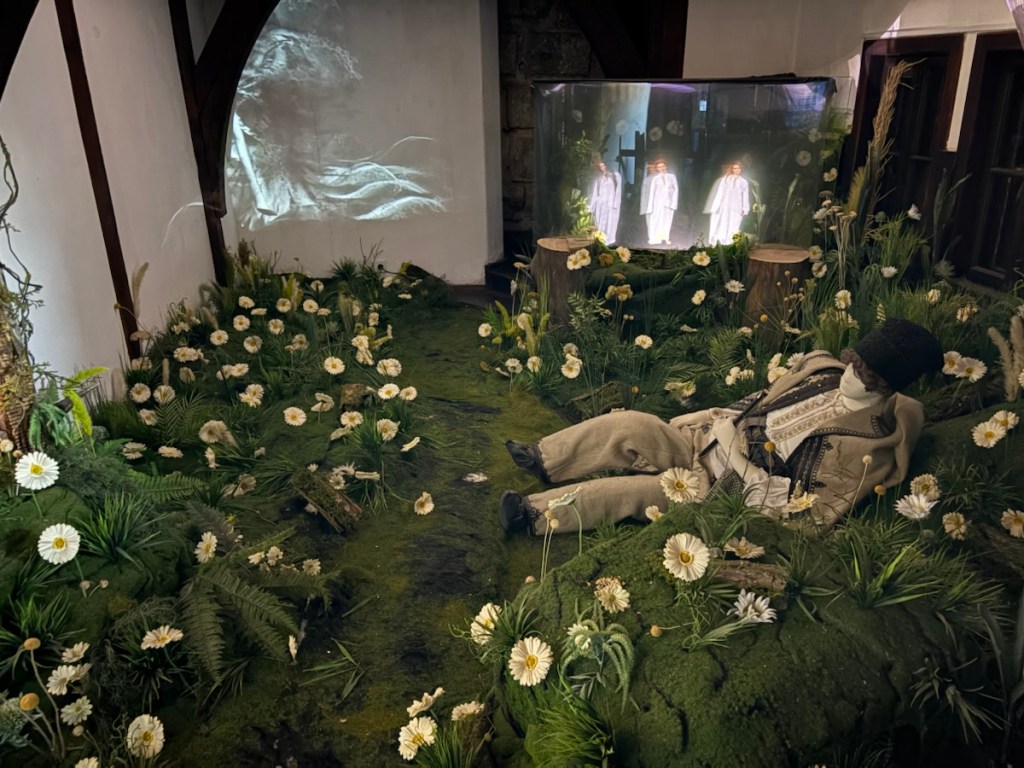
Stories about the Garden Fairies
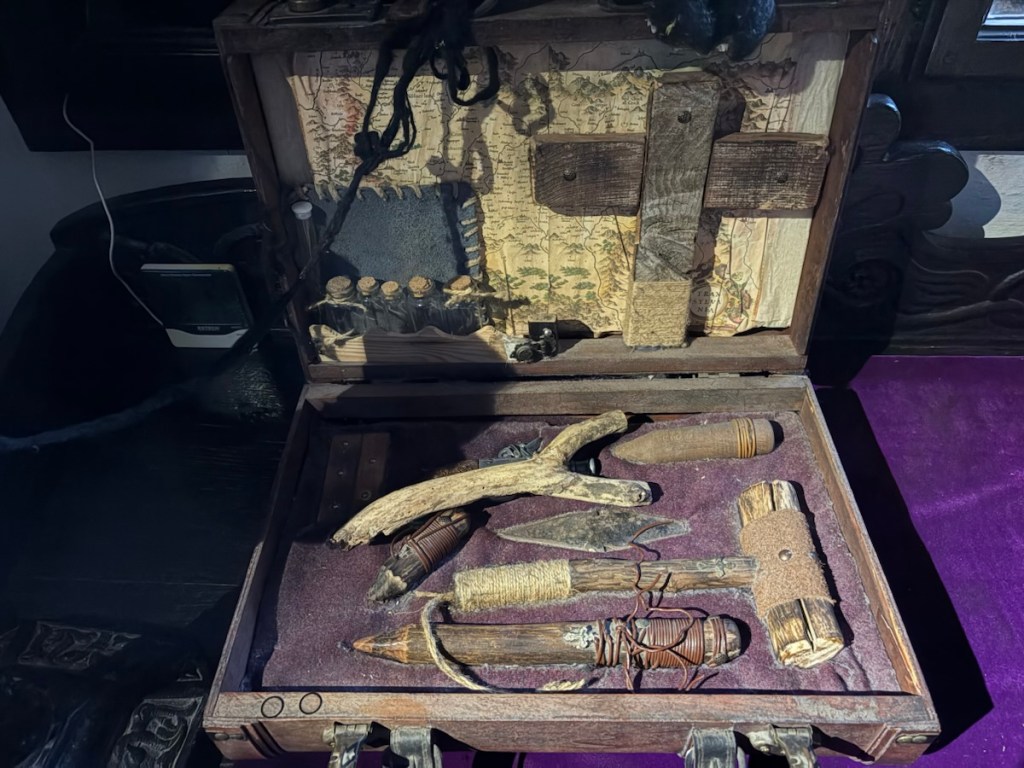
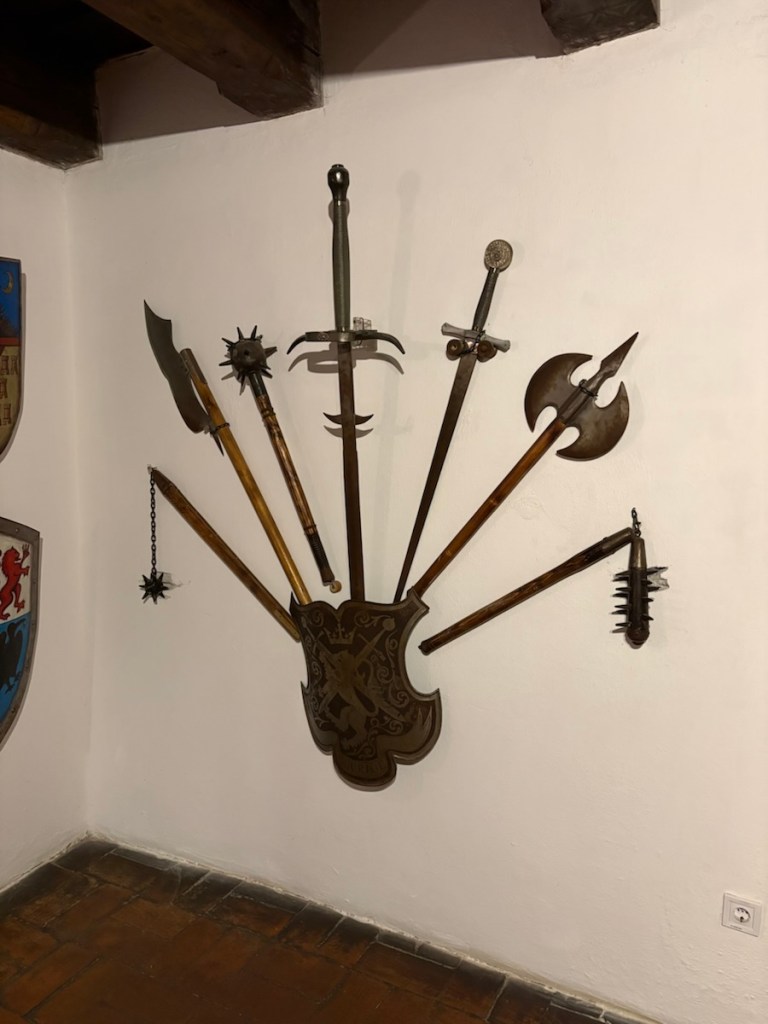
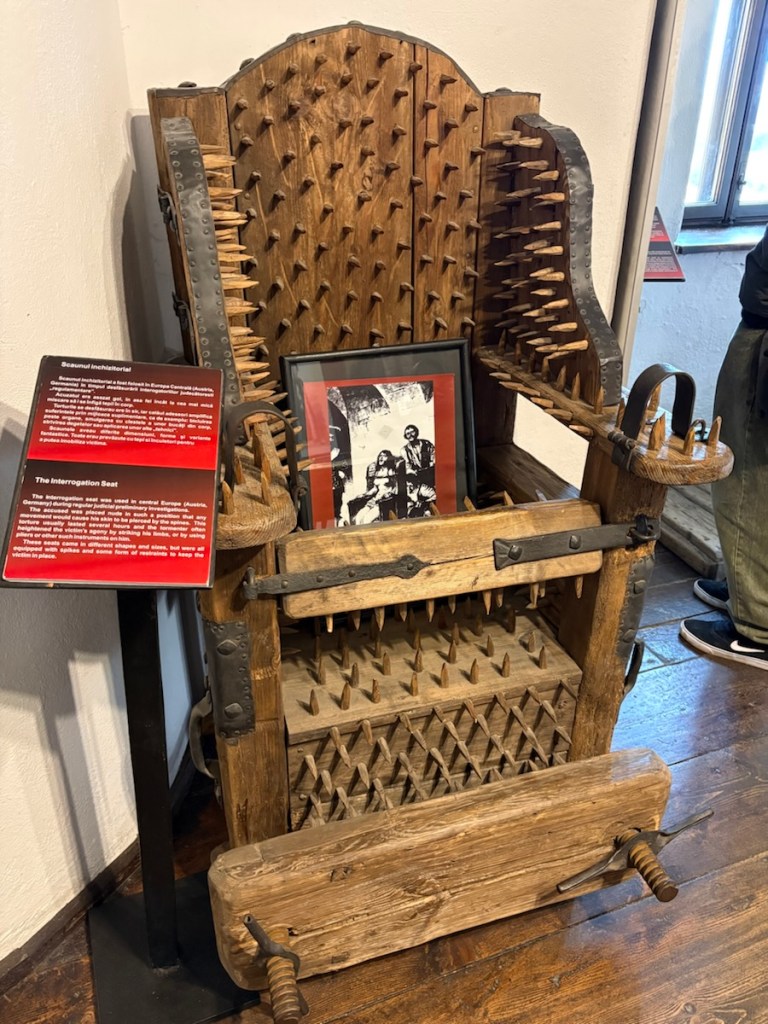
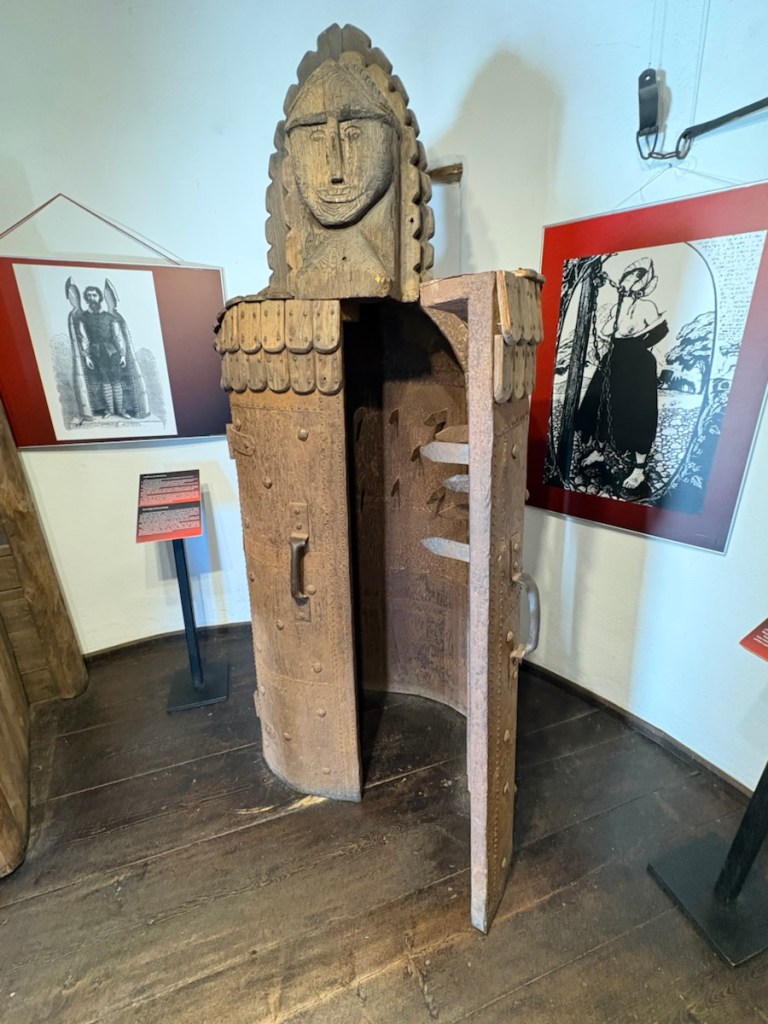
A Vampire Killer Kit…
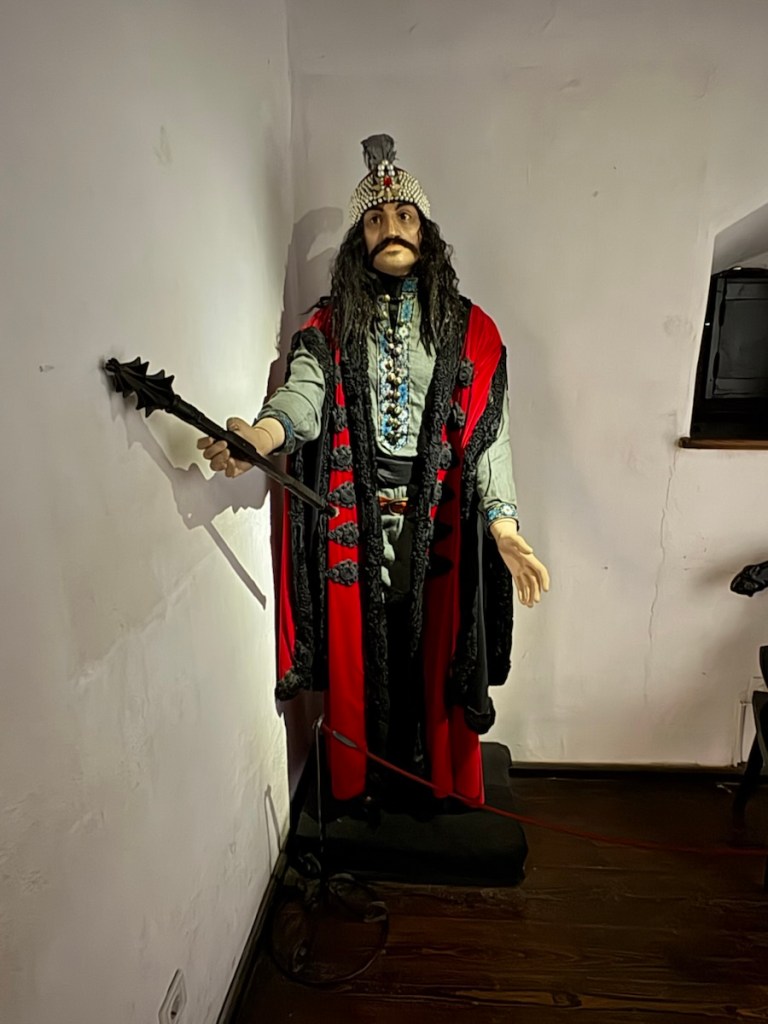
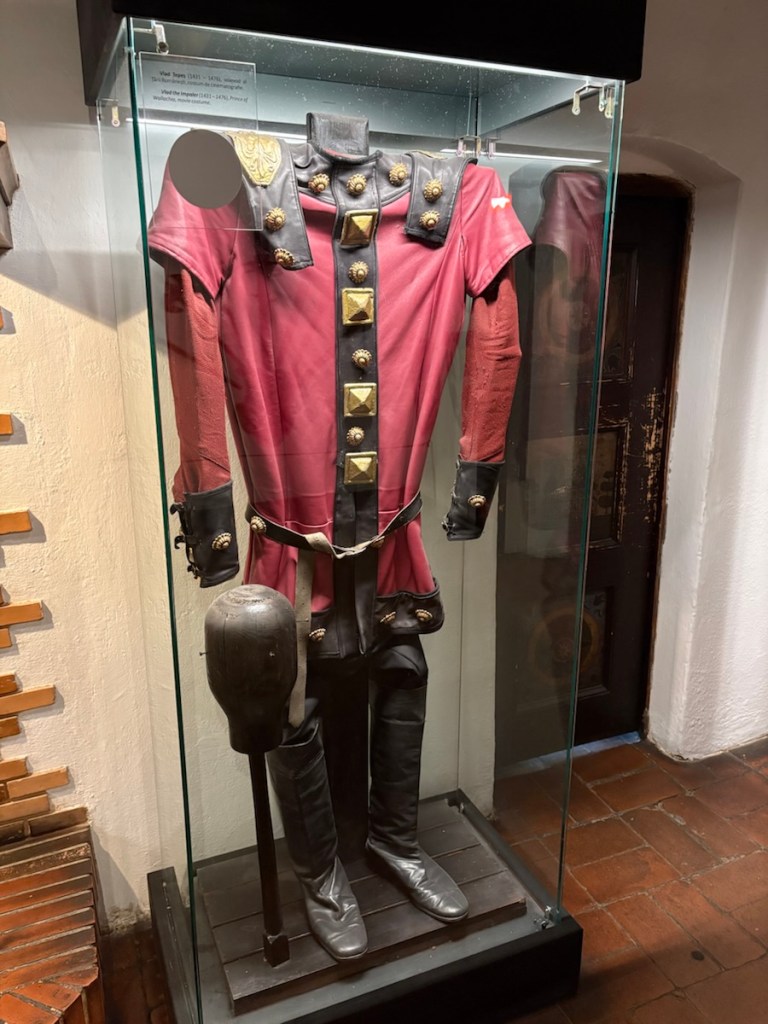
Vlad the Impaler, or Dracula. (He was the son of Vlad Dracul, and thus known as “Dracula,” meaning, the “son of Dracul.”
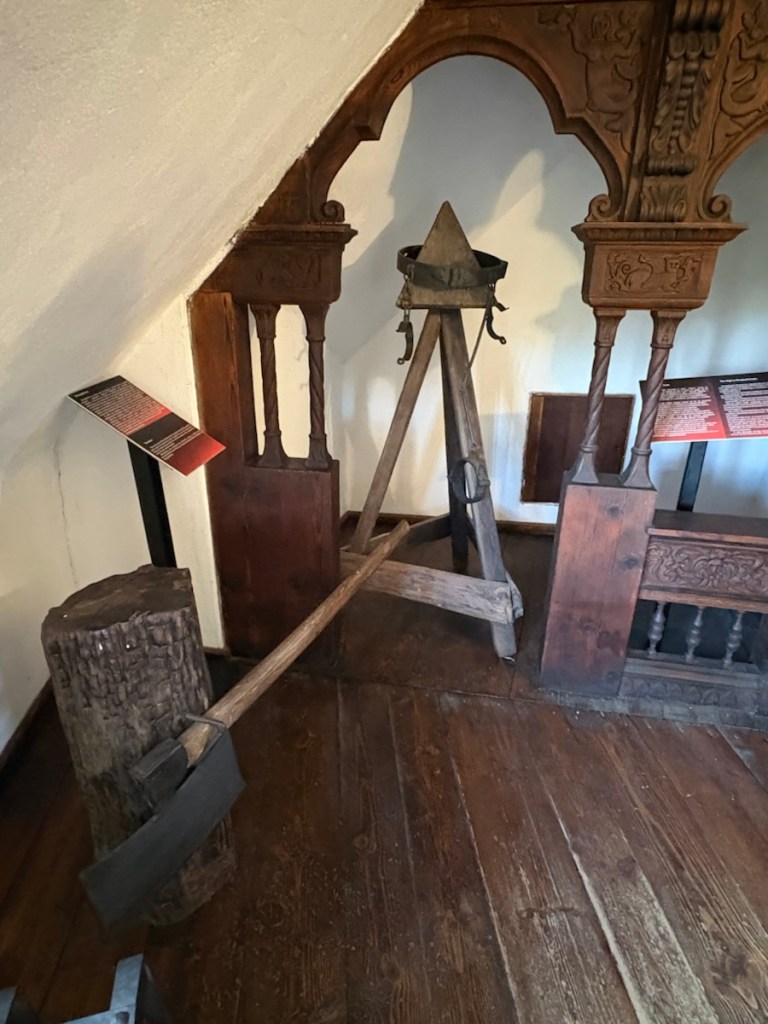
Did you know that there have been over 400 movies made about Dracula and vampires?
The Coat of Arms of Brasov

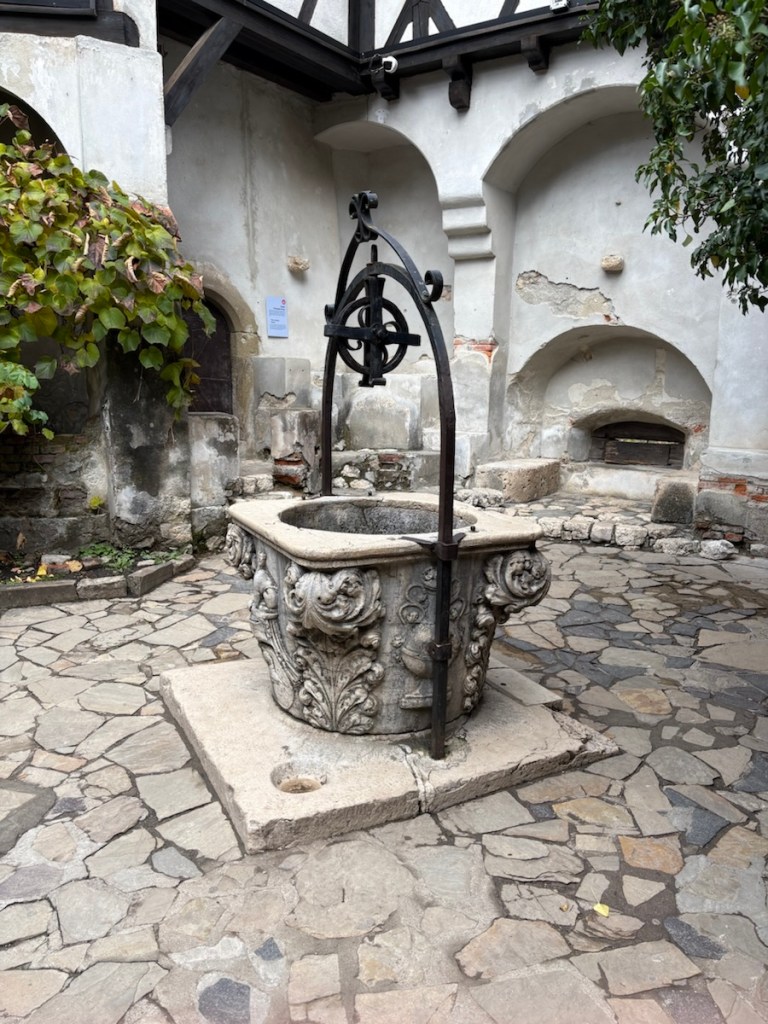
The new well
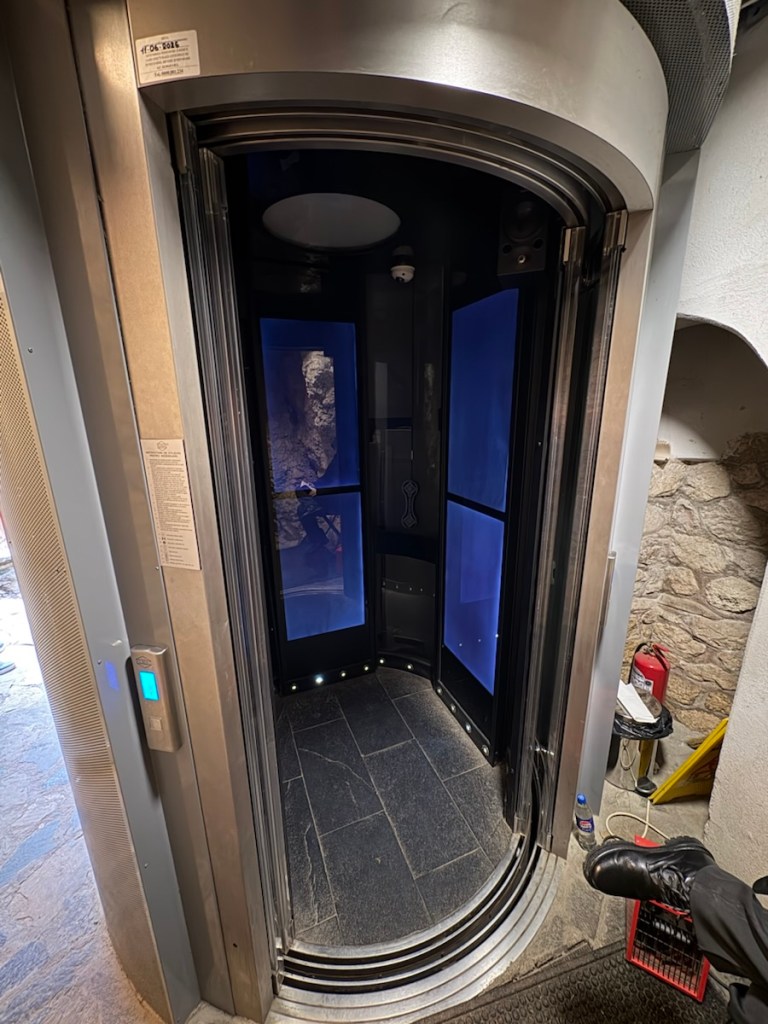
The shaft from the old well (that took 6 yrs to dig!) was turned into a shaft for the new elevator!
The guide said it was the first “wellevator” in history.
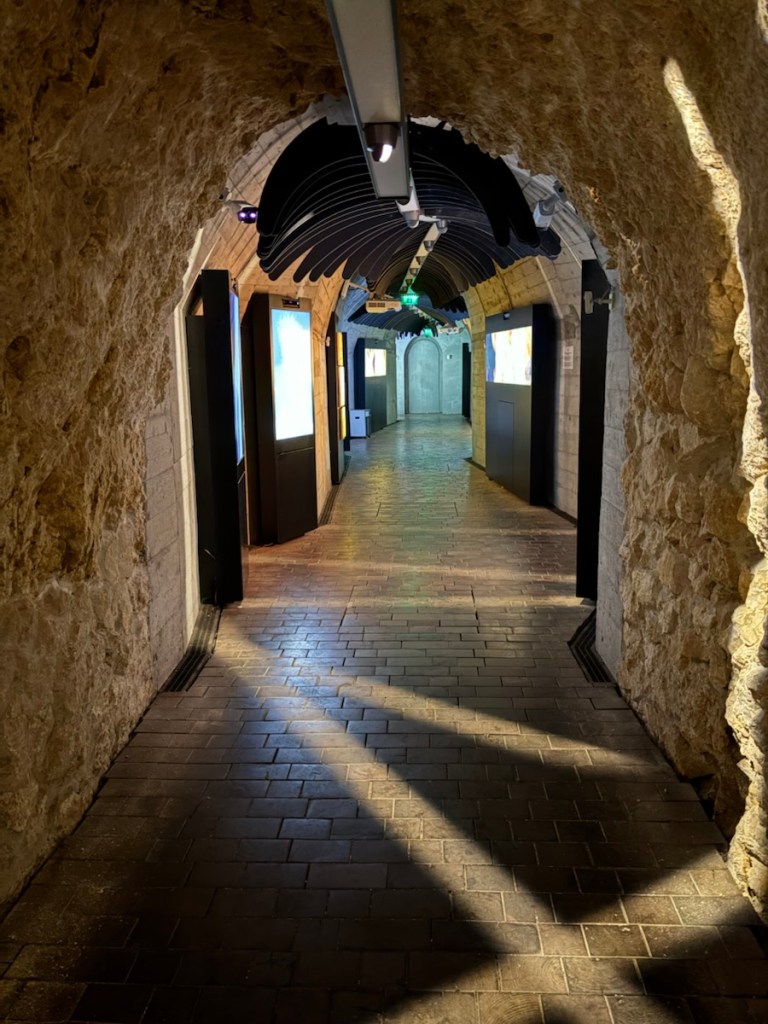
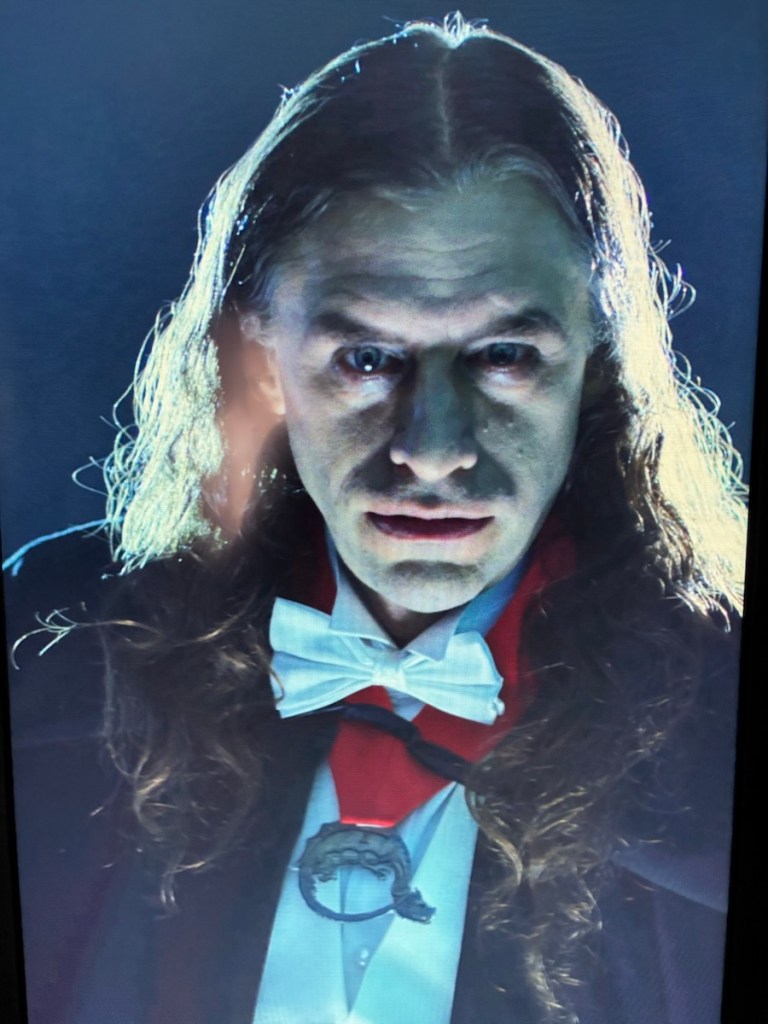
The spooky Time Tunnel exit
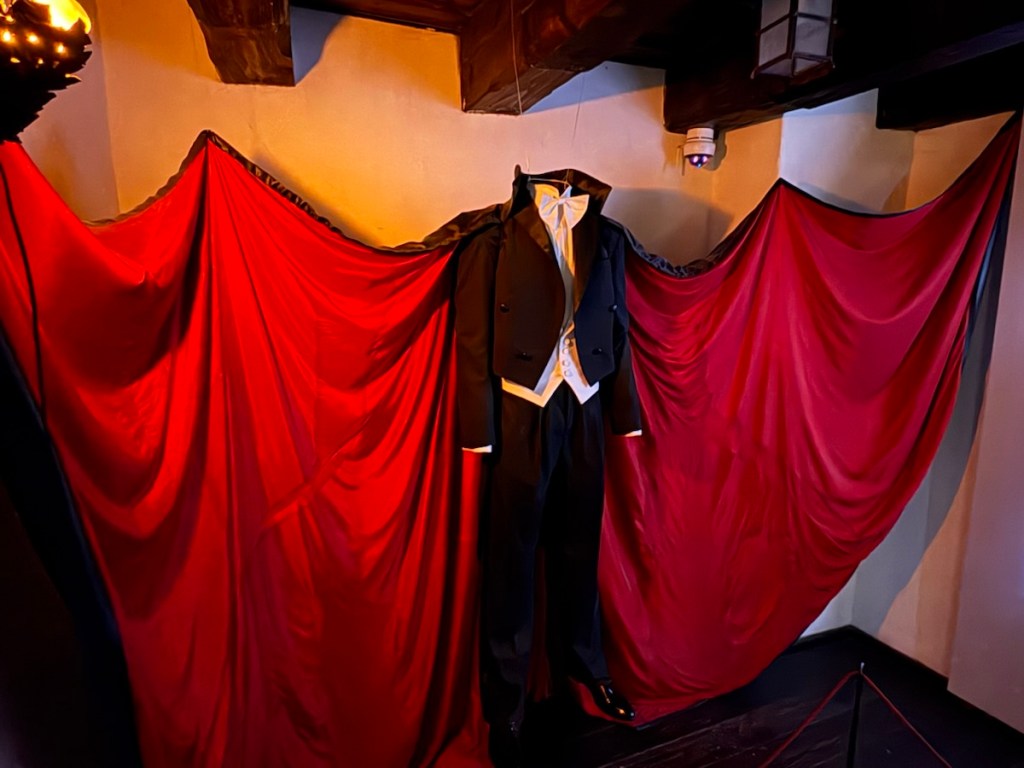
A movie Dracula
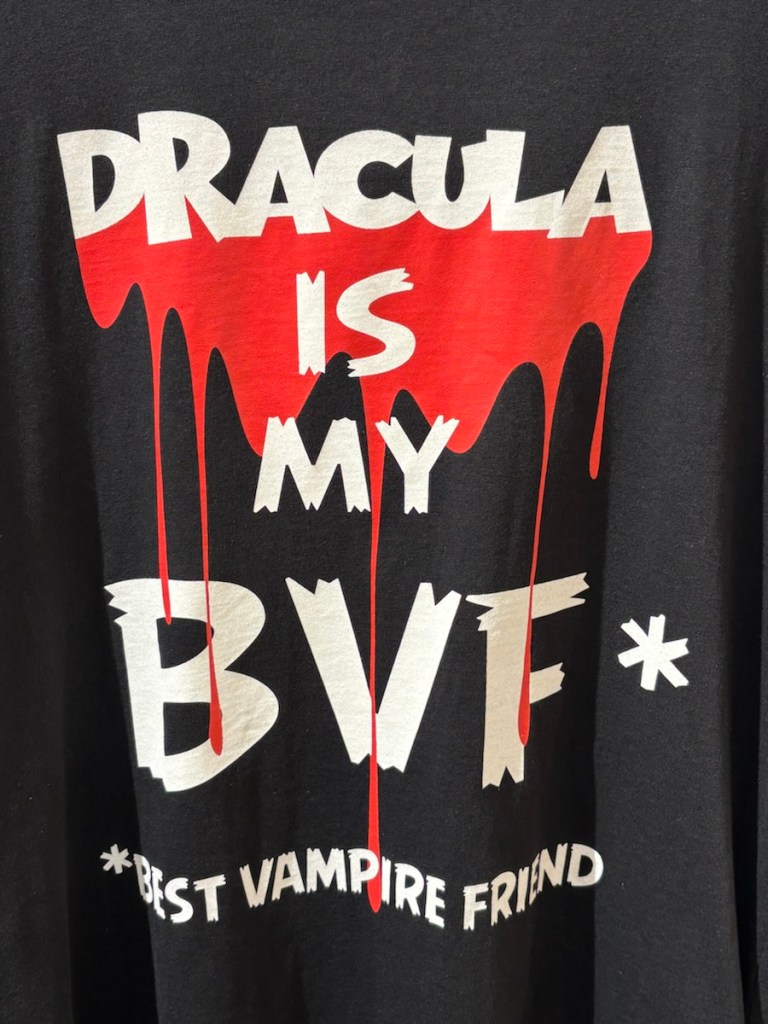
A t-shirt option in the Bran Castle Gift Shop

Before you go…

“Do not let making a living prevent you from making a life.”  — John Wooden
Brasov – Day 2:  Râşnov Fortress, Bran Castle, and the Transfăgărăşan Highway 

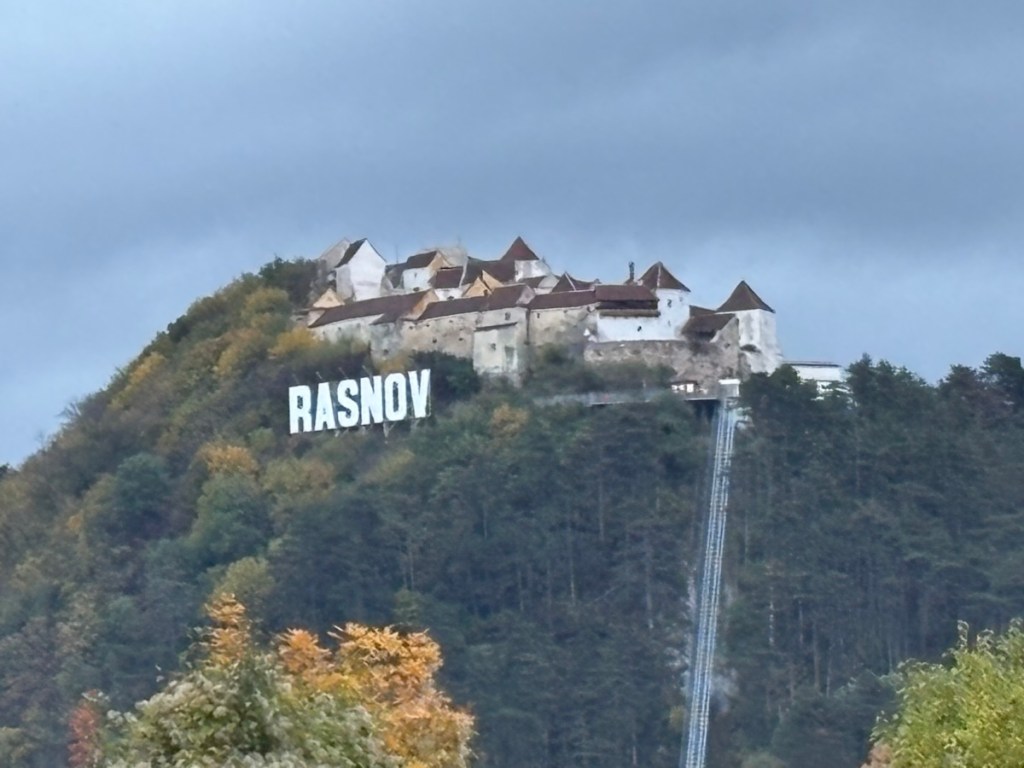
Well that is a day I’m not eager to repeat!  It started out fine under partly sunny skies at 7:00 am.  I did a brief drive through the town of Rasnov to get a look at the Râşnov Fortress. I knew the fortress was closed for renovation, but I could at least shoot a couple photos of the hilltop bastion.  So far so good!

The Fortress on the hill

Then it was just a 15 minute drive south to the town of Bran, home of the famous Bran Castle, often referred to as, “Dracula’s Castle!” The 90 minute guided tour was excellent and my photos and notes of the visit are coming tomorrow in another post (too late getting back).

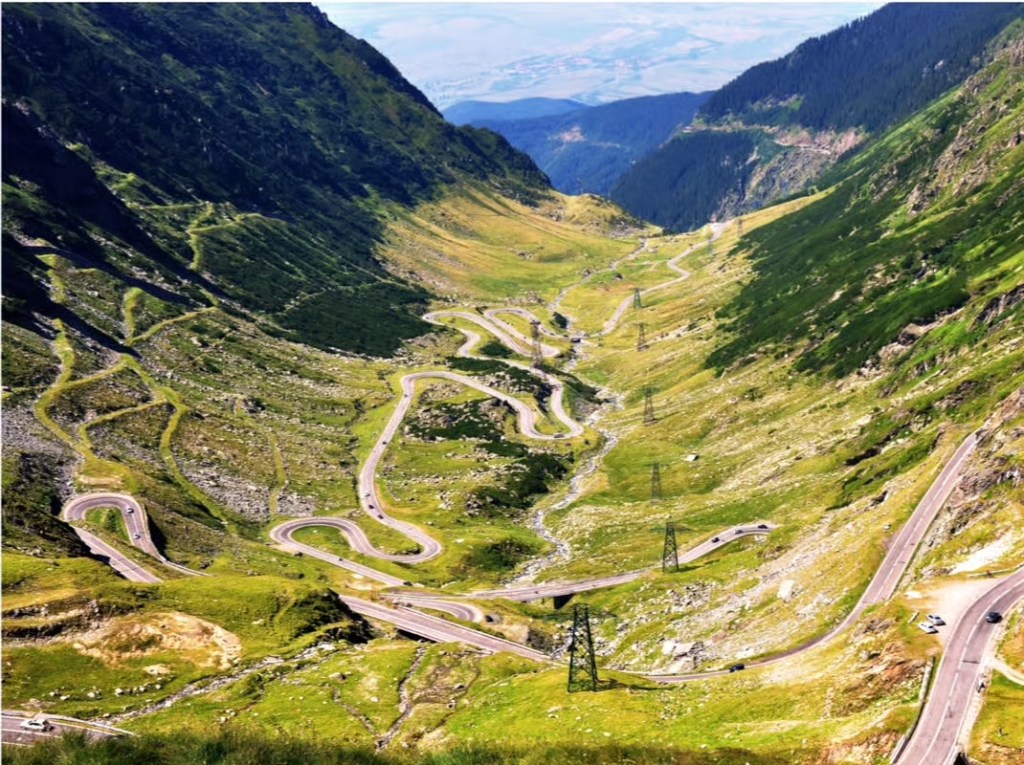
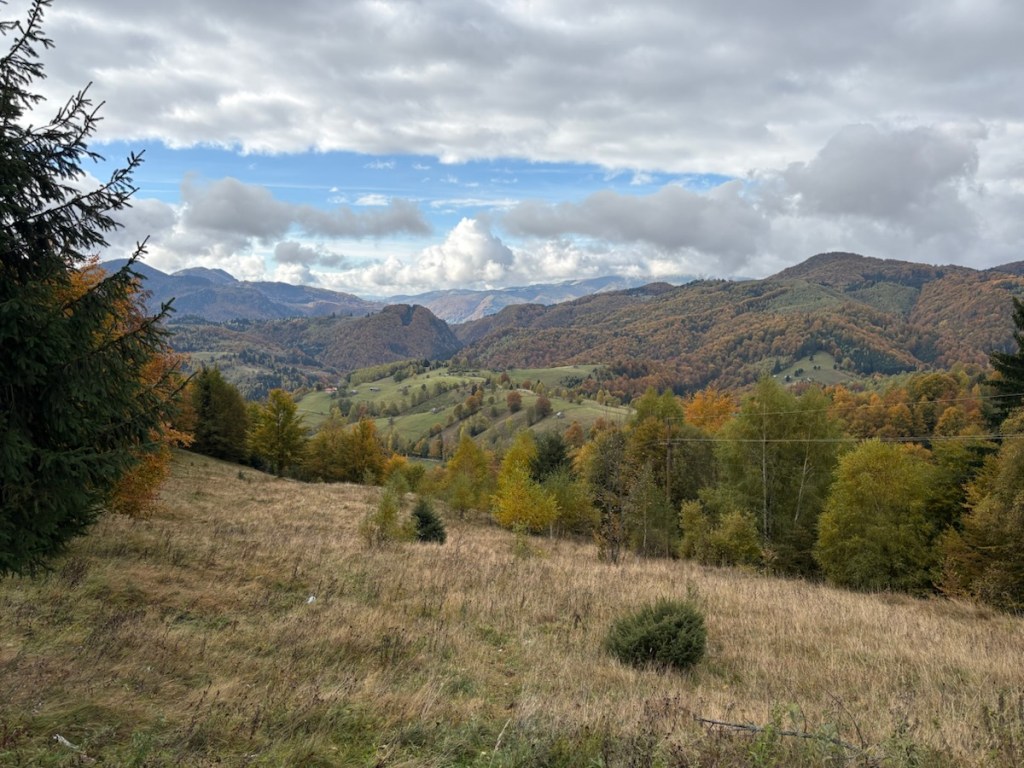
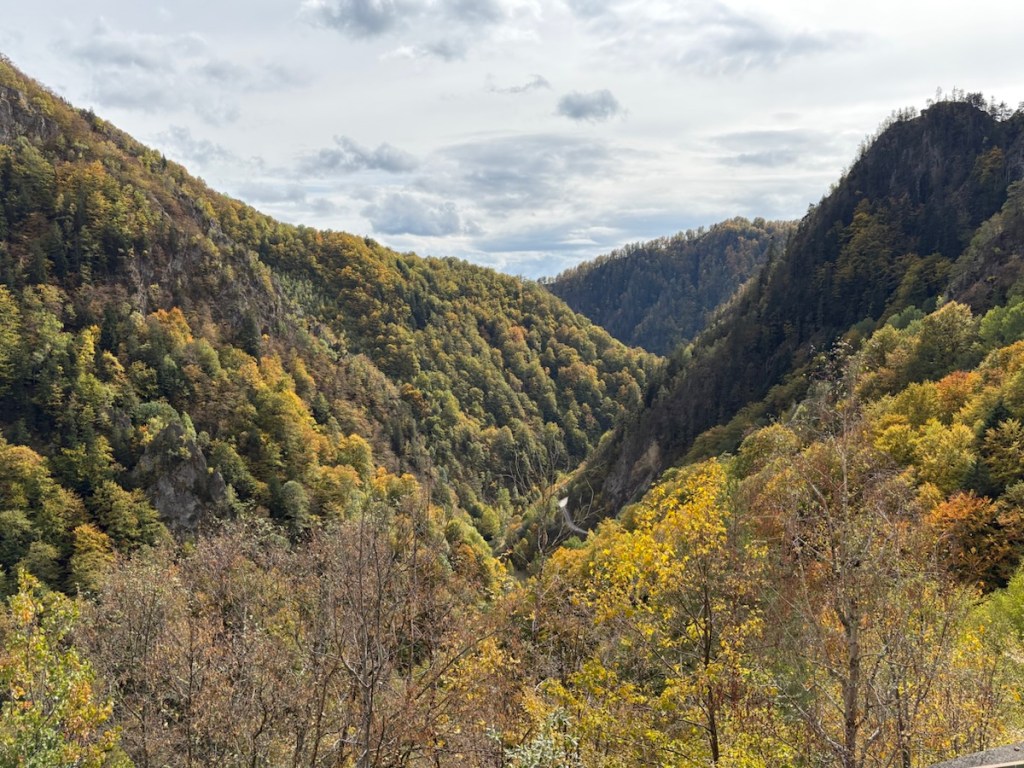
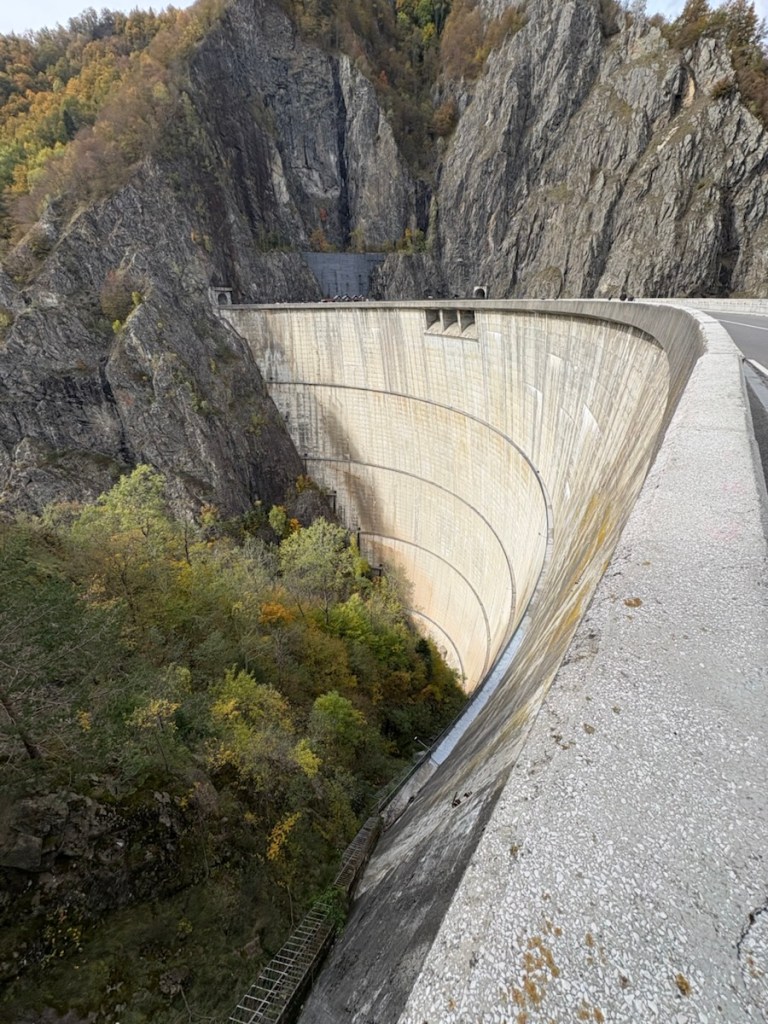
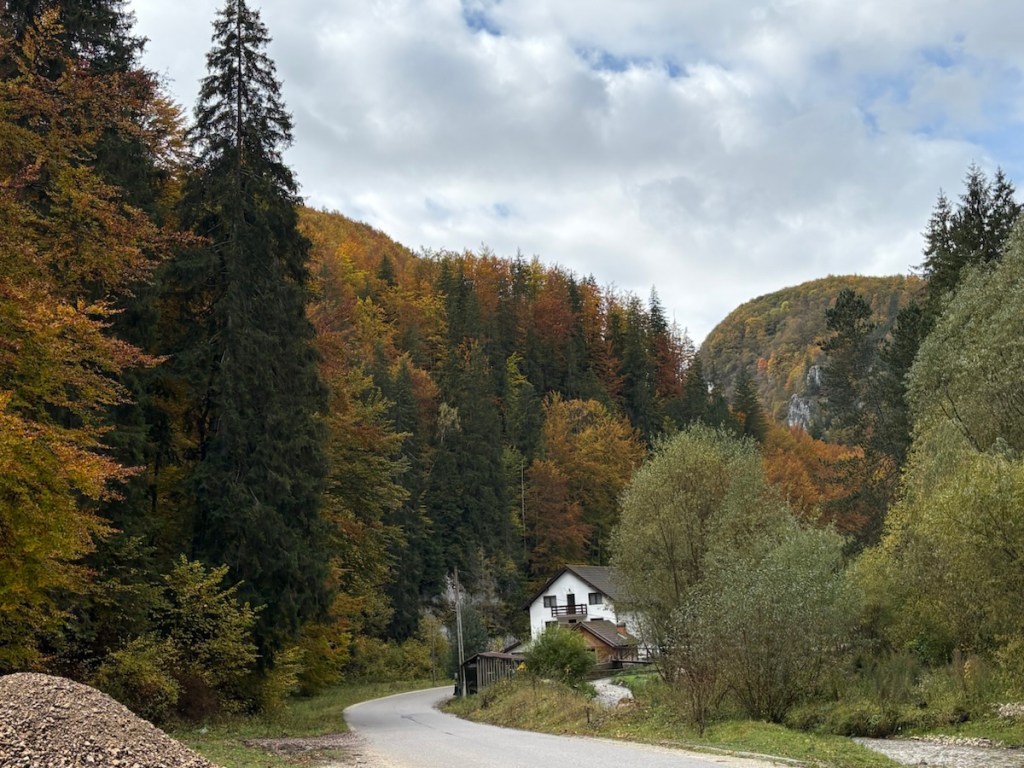
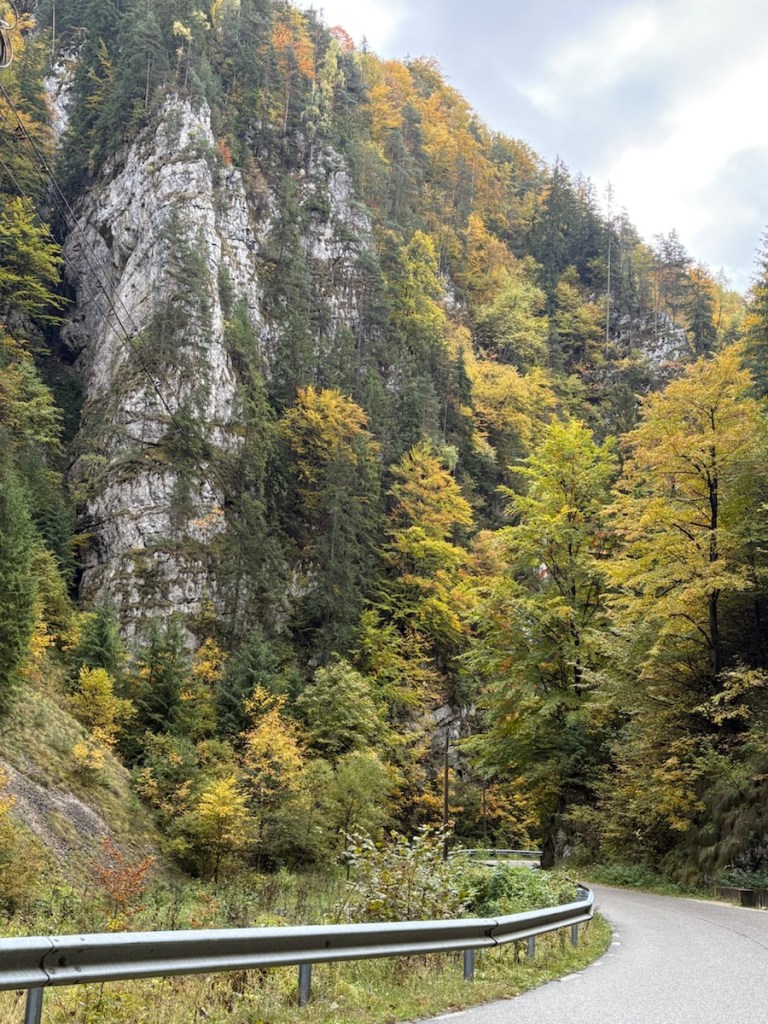
After leaving Dracula behind, it was to be a 2+ hour drive to access the amazing Transfăgărăşan Highway.  The Transfăgărășan is a spectacular road in Romania, approximately 95 miles long, that crosses the Făgăraș Mountains, connecting the south of Romania with Transylvania in the north. It is known for its numerous switchbacks, impressive mountain landscapes and attractions along the route, such as Lake Bâlea, the Bâlea Waterfall, and the Vidraru Dam.

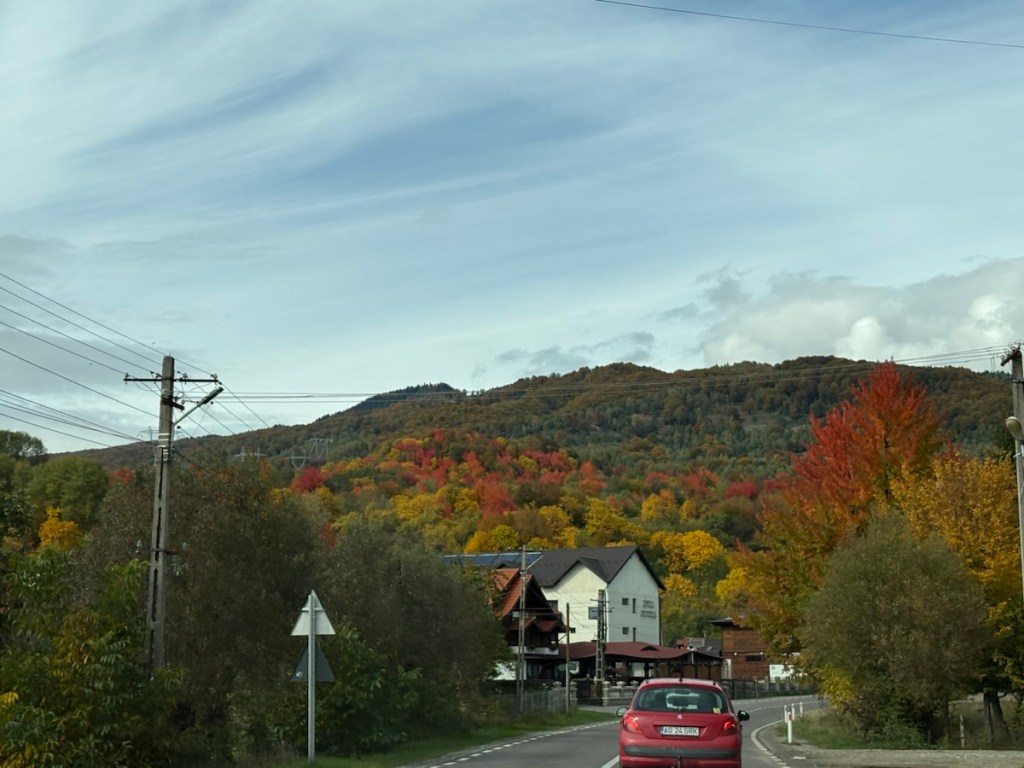
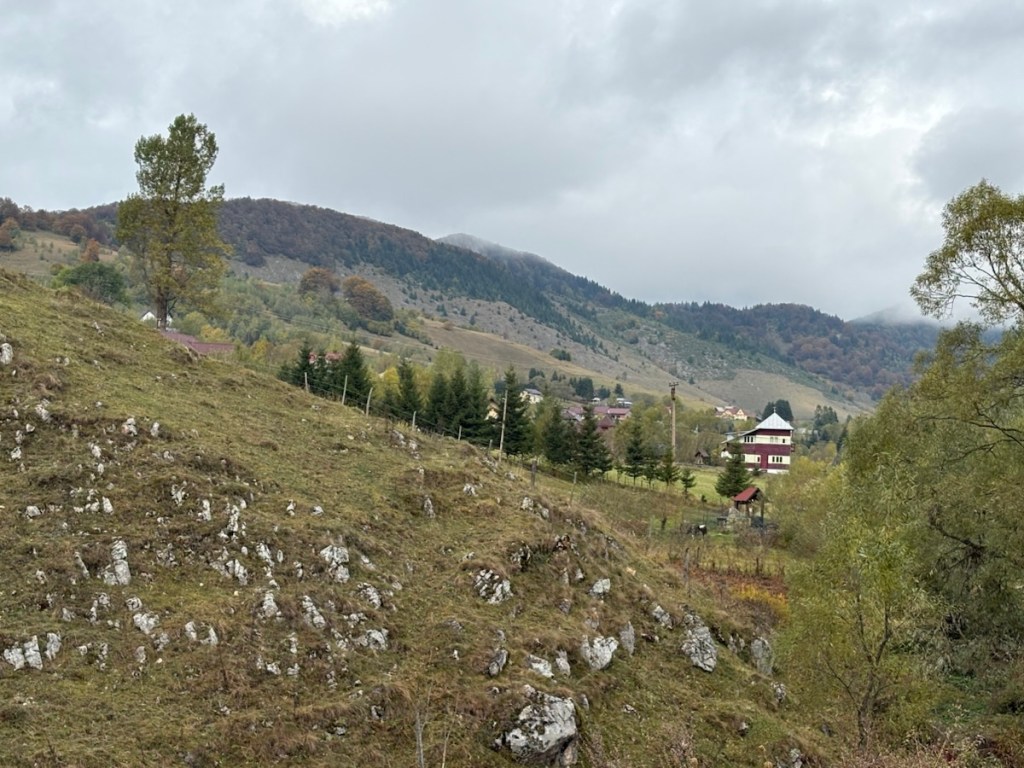
Well, it was a drive that should have taken me a total of 4-5 hours to get back to Brasov where I was staying.  And it was spectacular…until I was more than half way through the mountains…and the road was suddenly closed!  Too much snow overnight just beyond my stopping point.  Sooooo, I had to turn around and backtrack to Brasov.  I had expected to be back in town about 2:00 or 3:00 in the afternoon.  It ended up being 8:00 pm!  Good dang thing that the scenery was beautiful, but I finished with a 13 hour day, and more than ten hours of that driving.  Whew!

And…it seems like 75% of the roads in Romania are being constructed, being repaired, or intermittently closing for one reason or another.  On my exceedingly long driving day, I must have stopped for one way traffic to pass at least 20 times! Sometimes a minute, but often 2-3 minutes wait.

A web photo of part of the Transfăgărăşan Highway
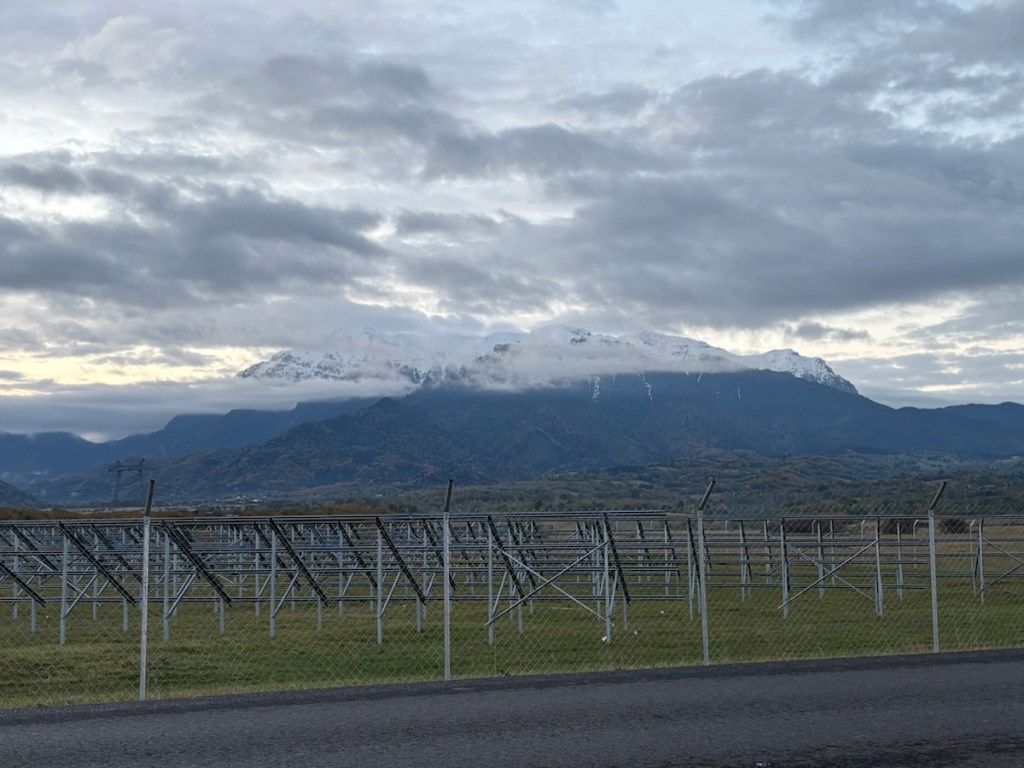
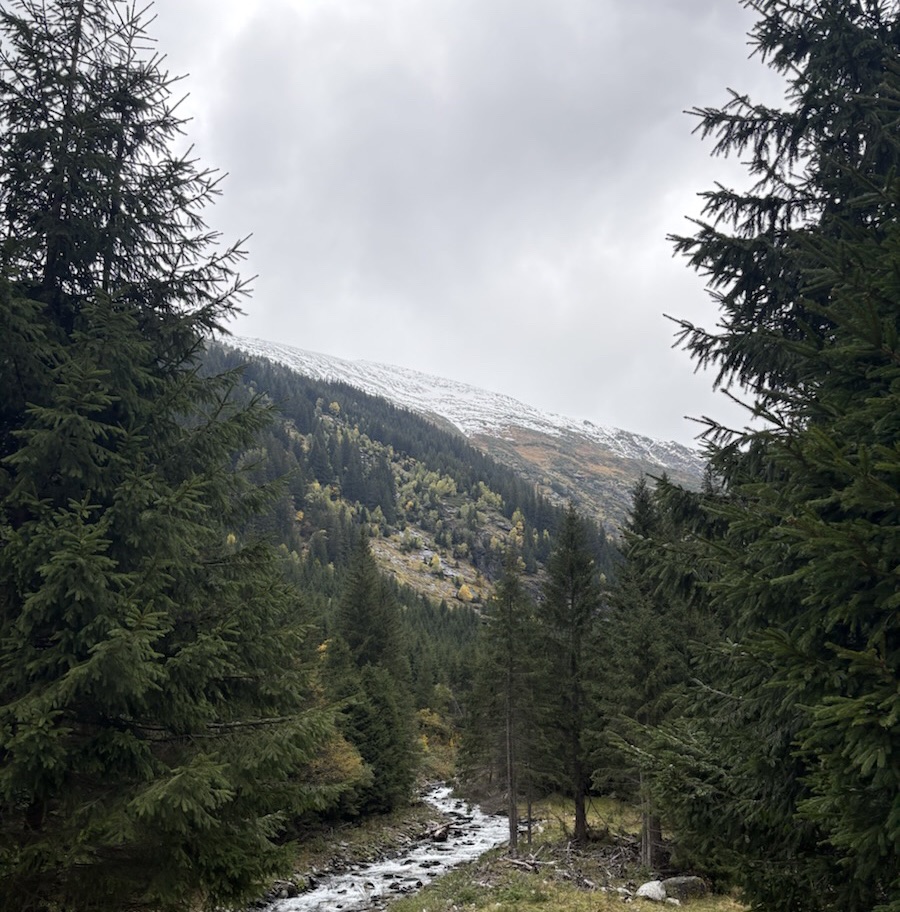
Guess I should have seen trouble coming based on the snow at altitude
Ready for renovation!
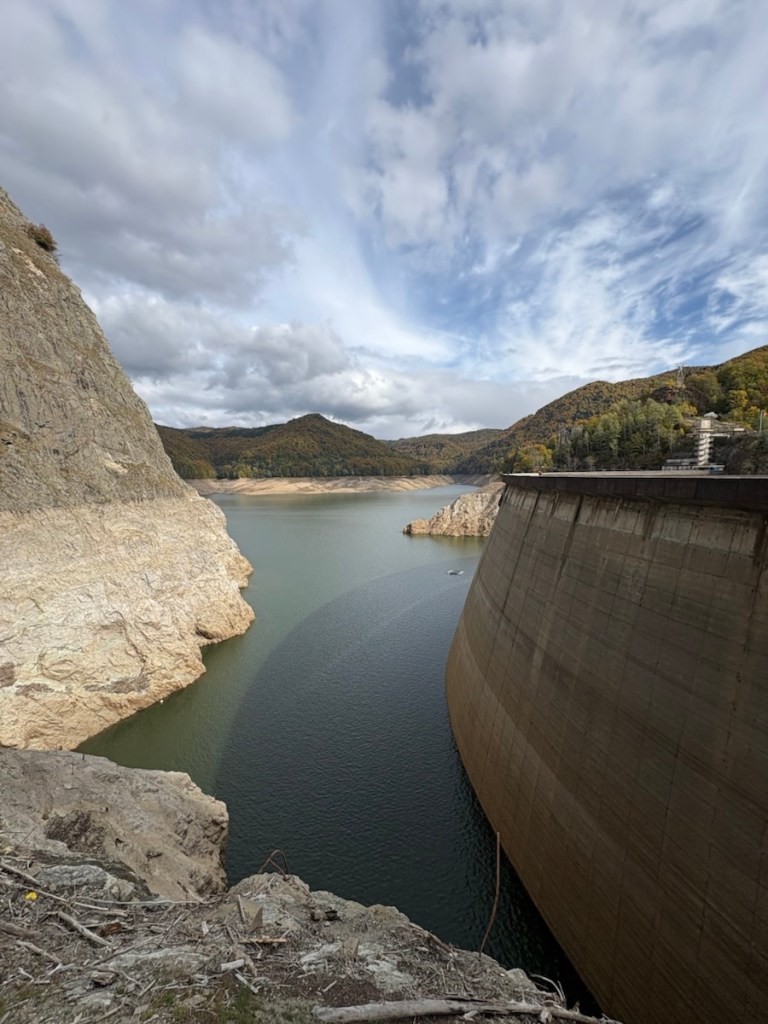
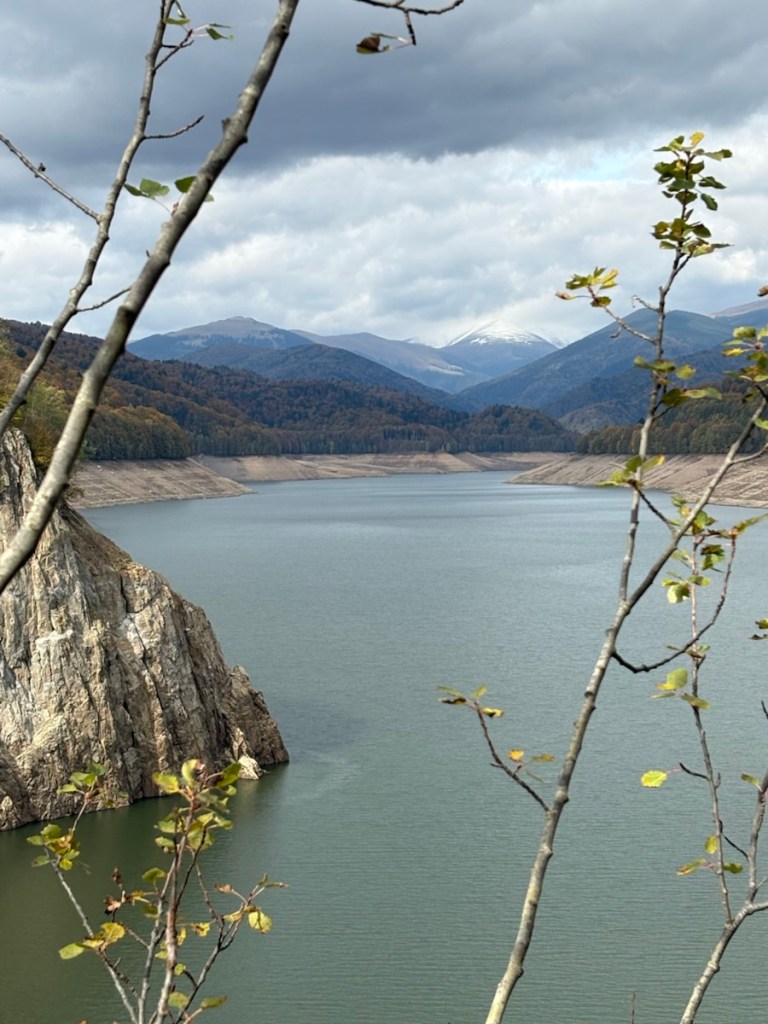
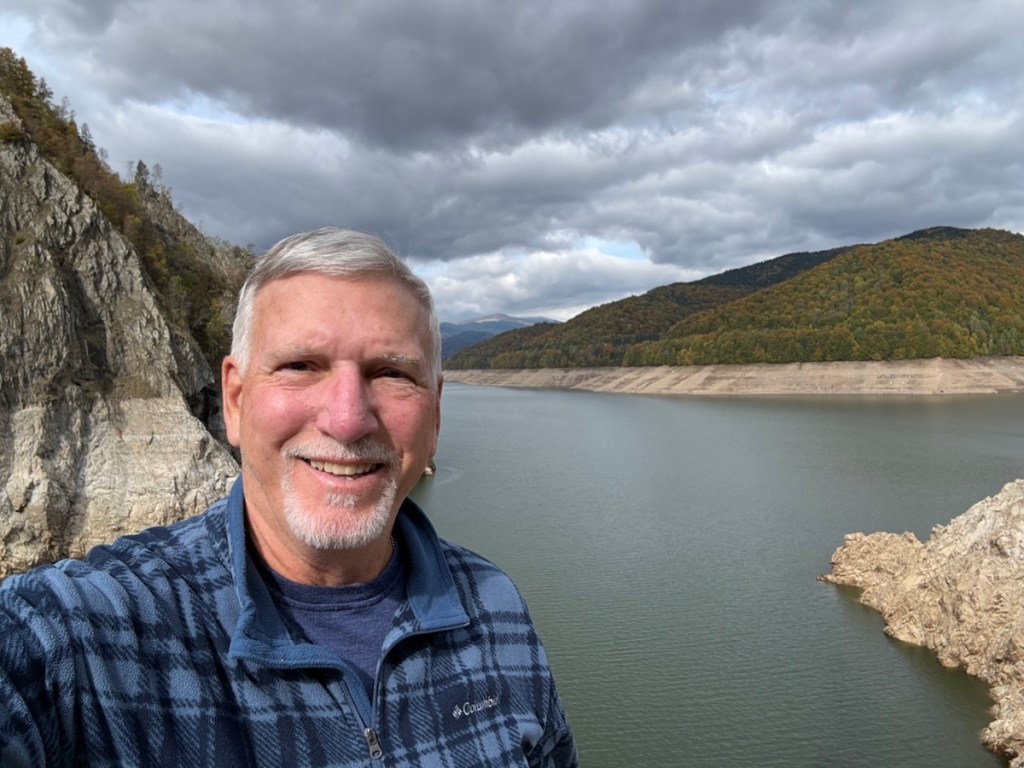
The Vidraru Dam
The water level was really low!

Bran Castle

Stay Tuned – Lots coming tomorrow about Bran Castle.

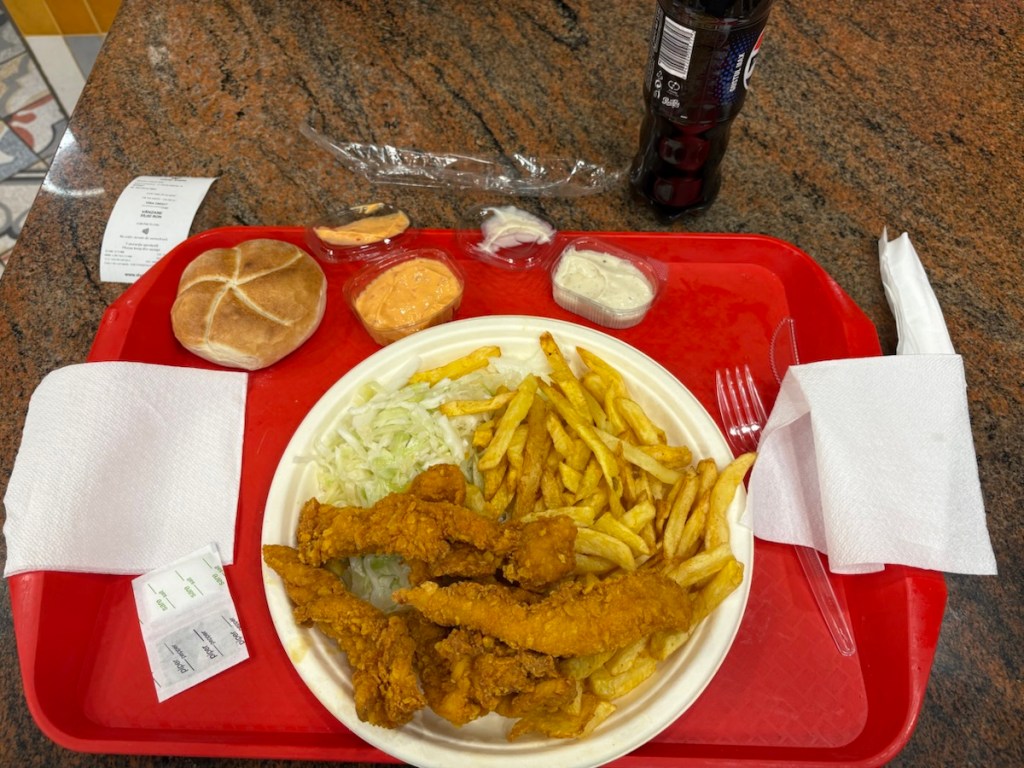
Since I got back late, it was Romanian fast food for dinner (chicken strips) and it was really good.

My $8.00 meal

Before you go…

I once got into a fight with a broken elevator. I took it to another level.

Heading to Braşov, Romania

Happy 250th Birthday today to the United States Navy!

I plan to eat garlic today – a lot of garlic! Just a minor preventive measure since I’m in Transylvania for the next two nights! It was a relaxing and uneventful seven hour drive from Belgrade to Braşov.  Extremely flat for the first few hours – I mean Iowa flat, then increasing rolling hills, and finally smallish mountains.

Since I crossed the border into Romania, there have been many tiny roadside fruit and vegetable stands. Most just have a folding card table, a chair, and a single attendant and they’re located at any convenient pull off.

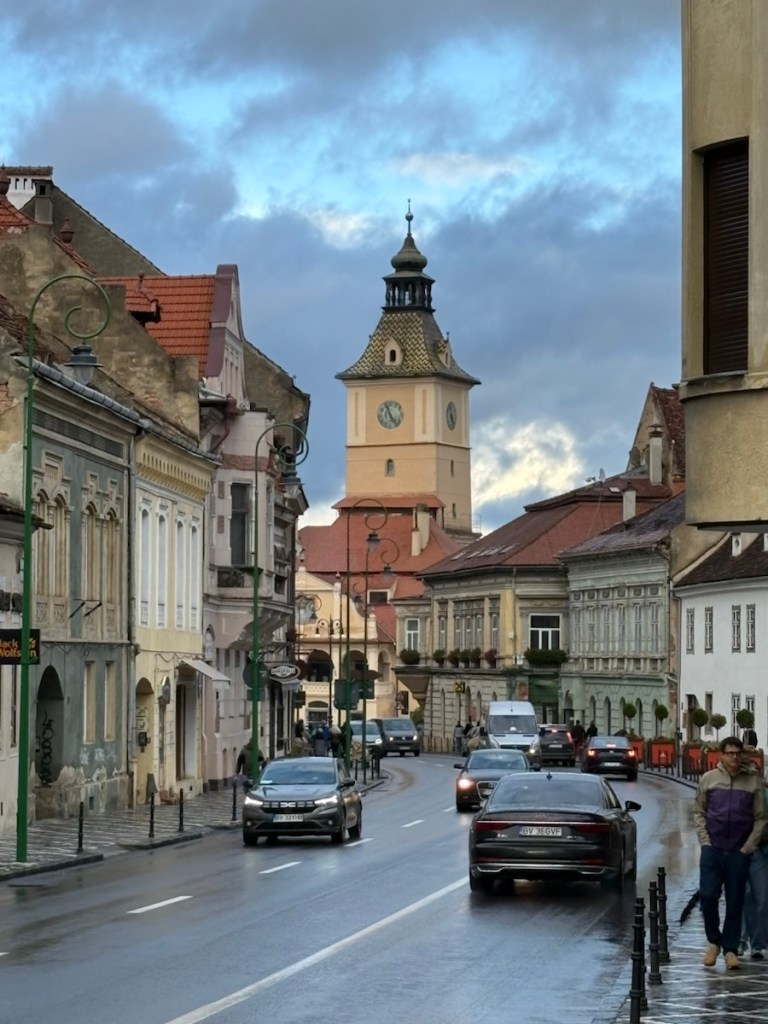
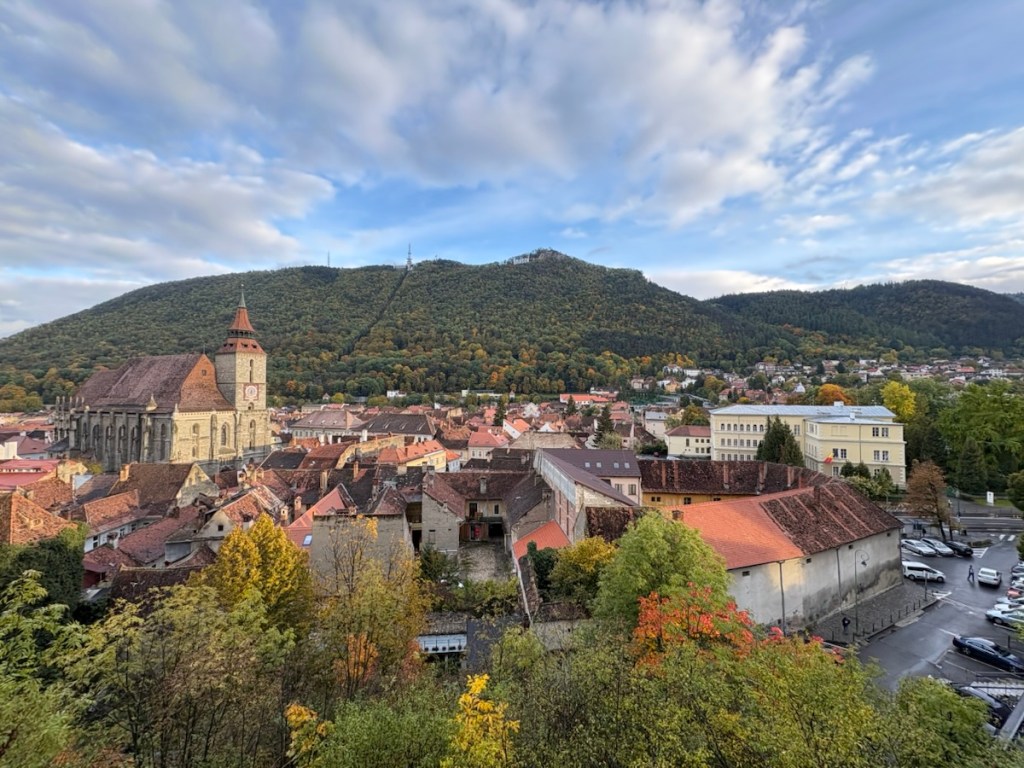
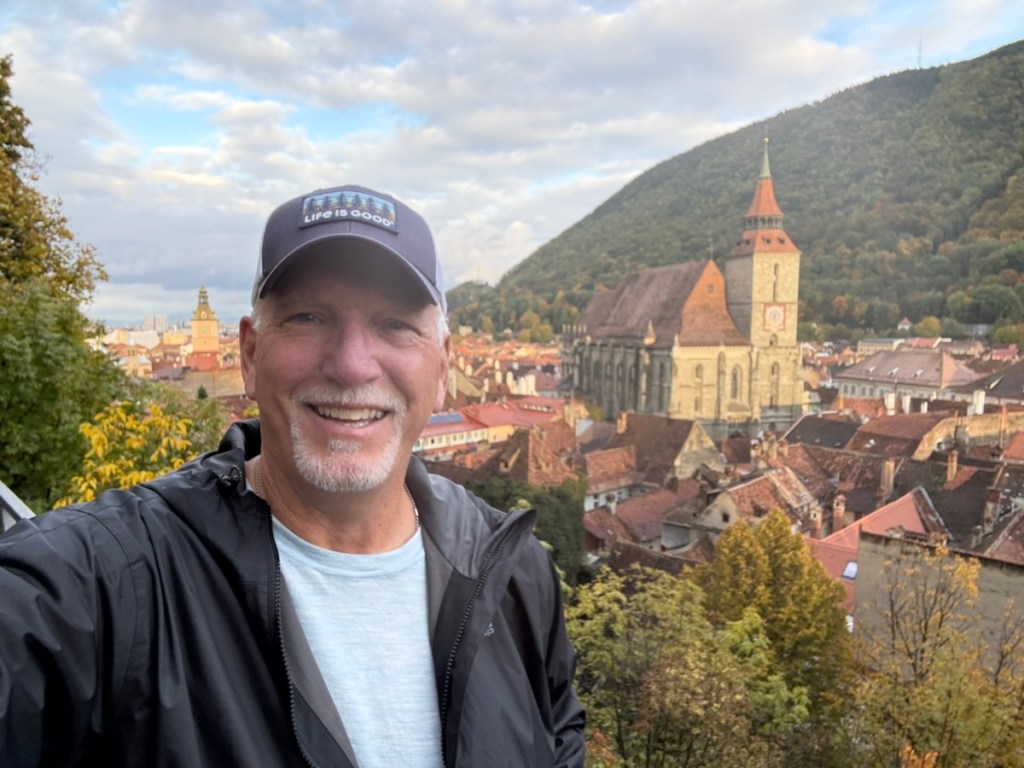
Braşov is in the heart of Transylvania, but it reminds me very much of a small German city with similar architecture and almost a Bavarian look. After I arrived in mid-afternoon, I toured through the Braşov old town area.

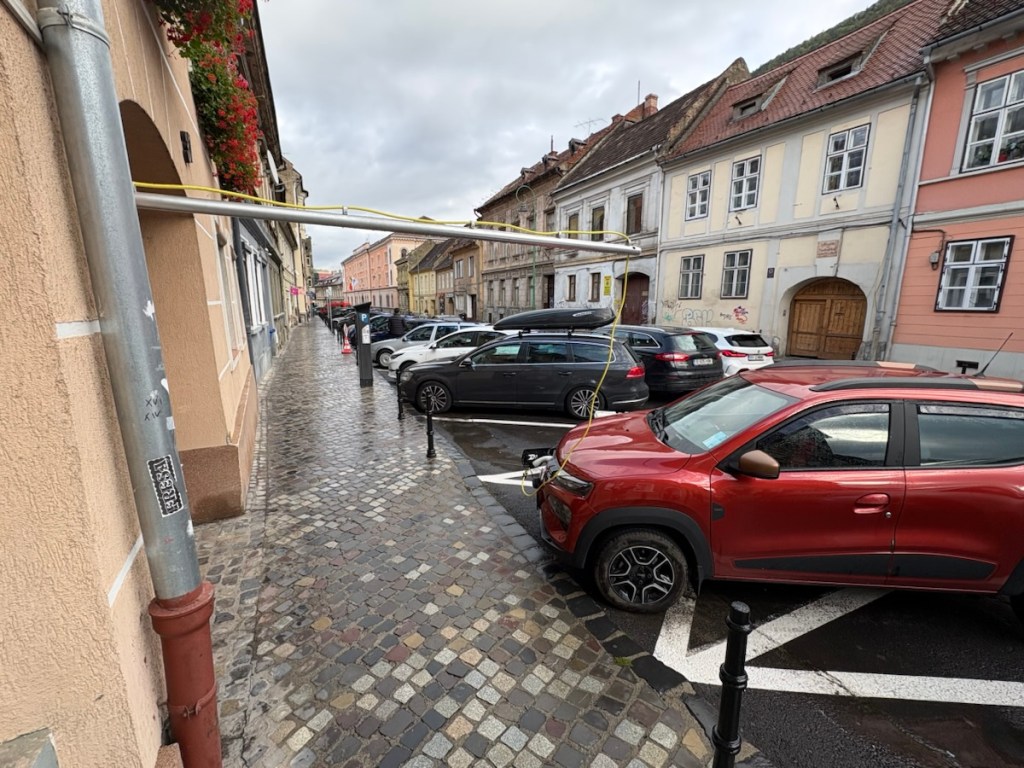
A unique way to get power to your electric car parked on the street!

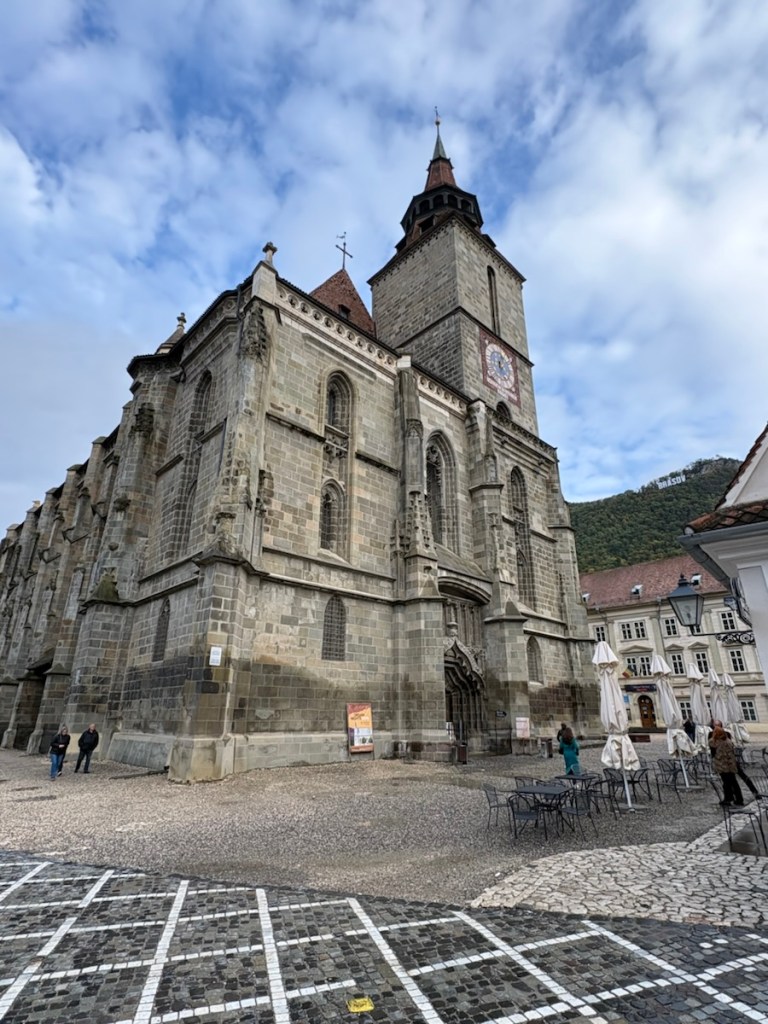
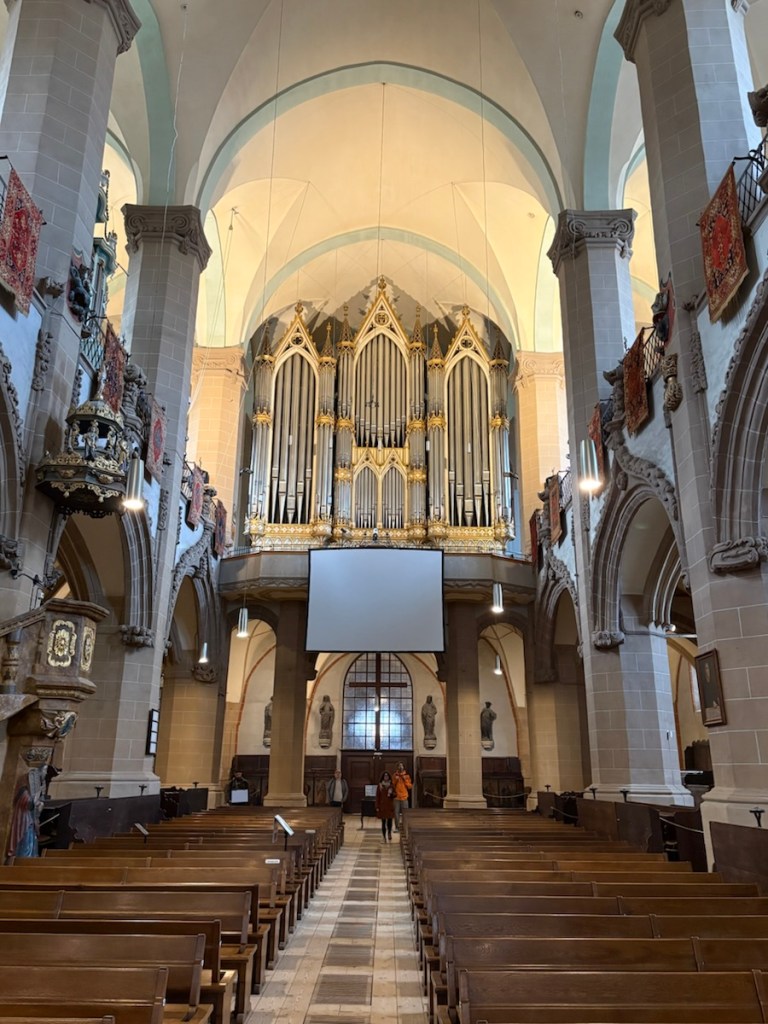
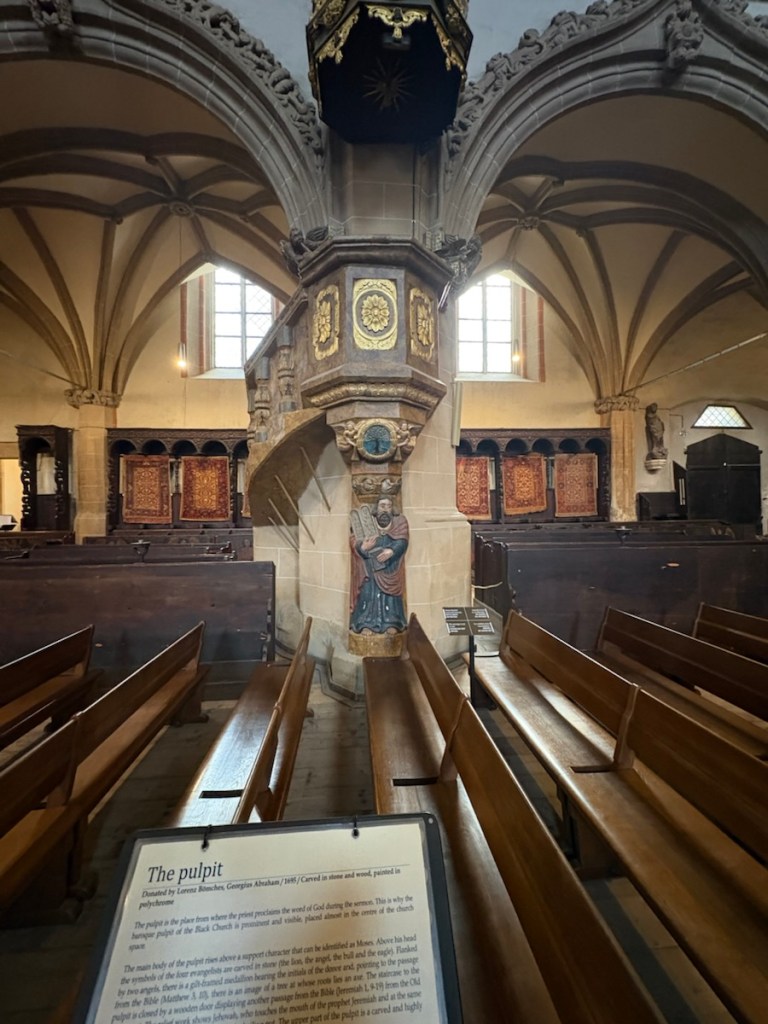
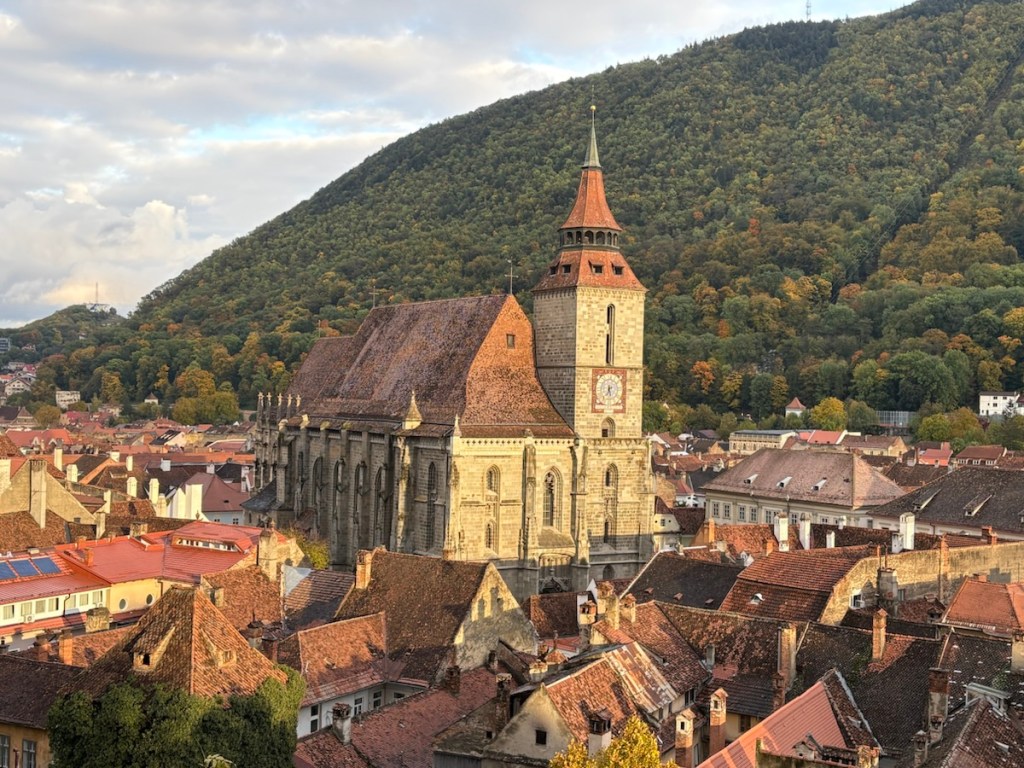
Black Church (Biserica Neagra) (https://bisericaneagra.ro/en/) is a massive Gothic Lutheran church and the most dominant symbol of Brasov.

The Black Church
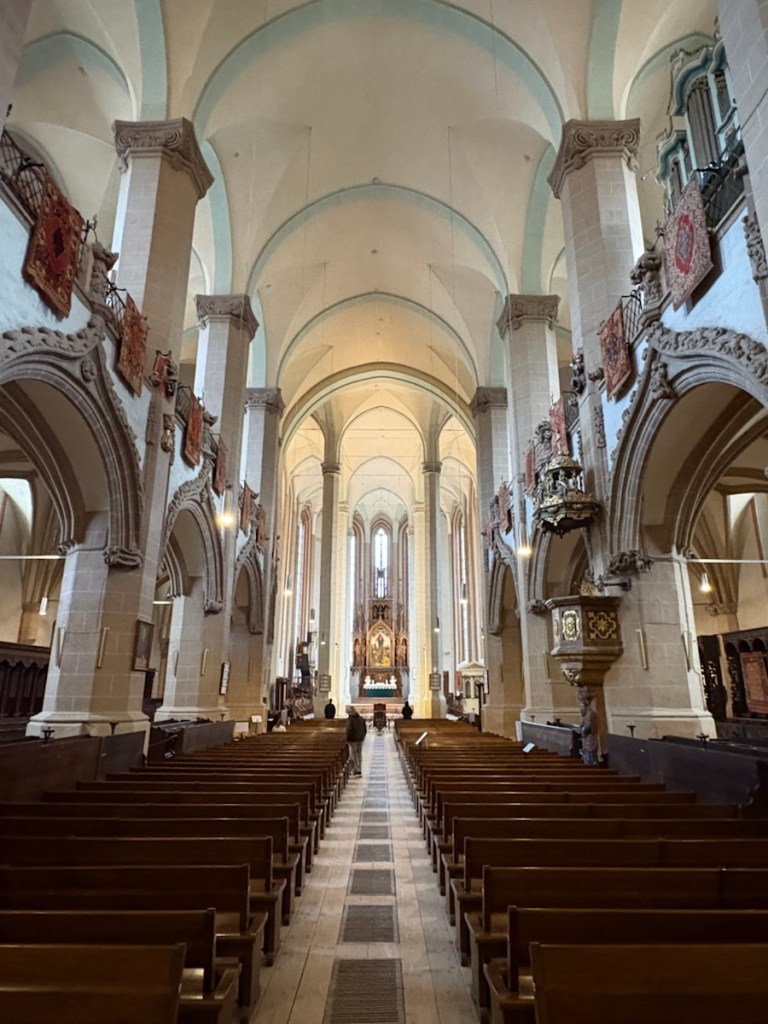
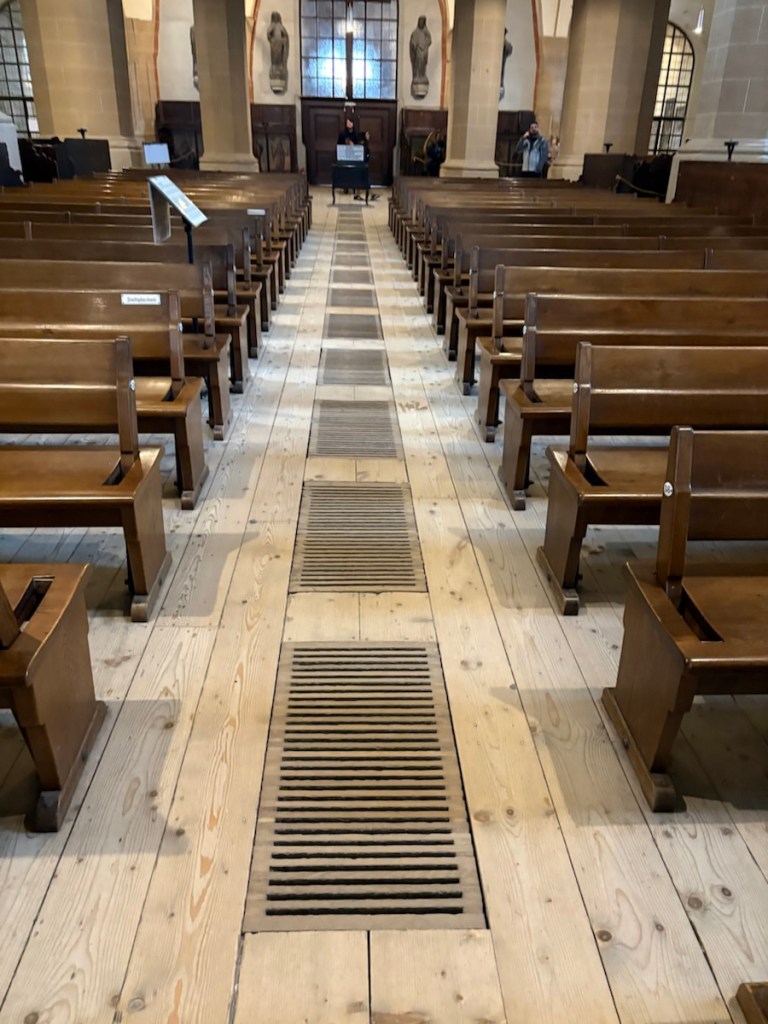
Stunning interior, with rough wood floors
What an organ!
I’ve never before seen wood grates in the floor like these. I assume it’s to collect offerings since every compartment below each grate contained coins and bills.
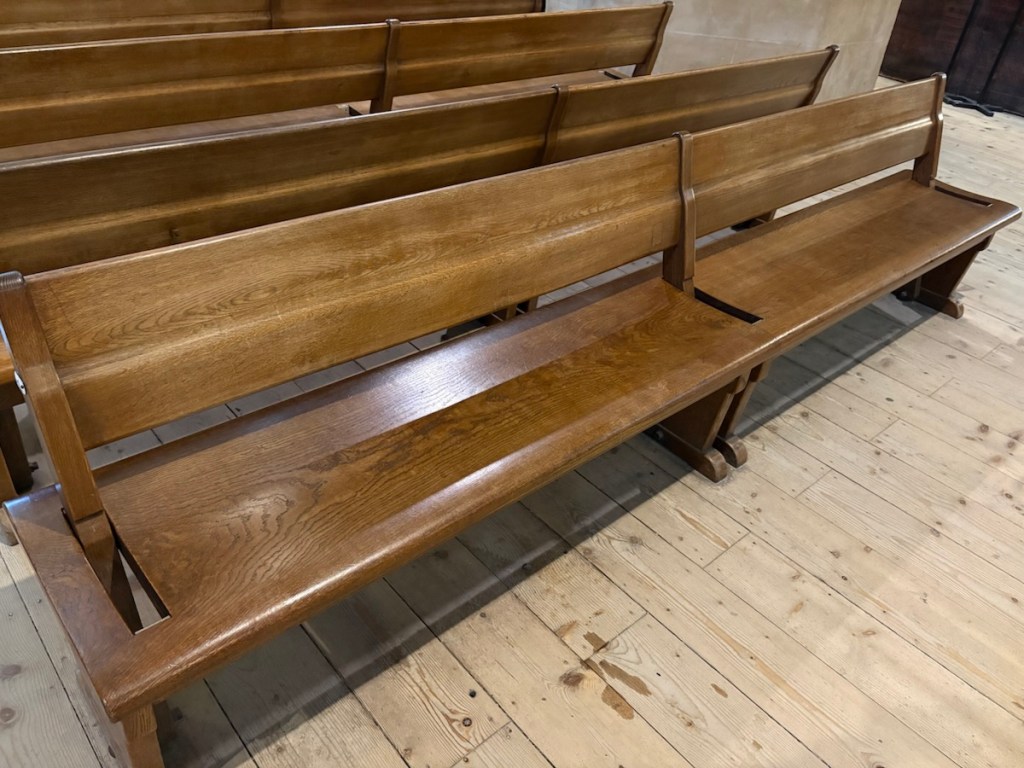
Reversible pews
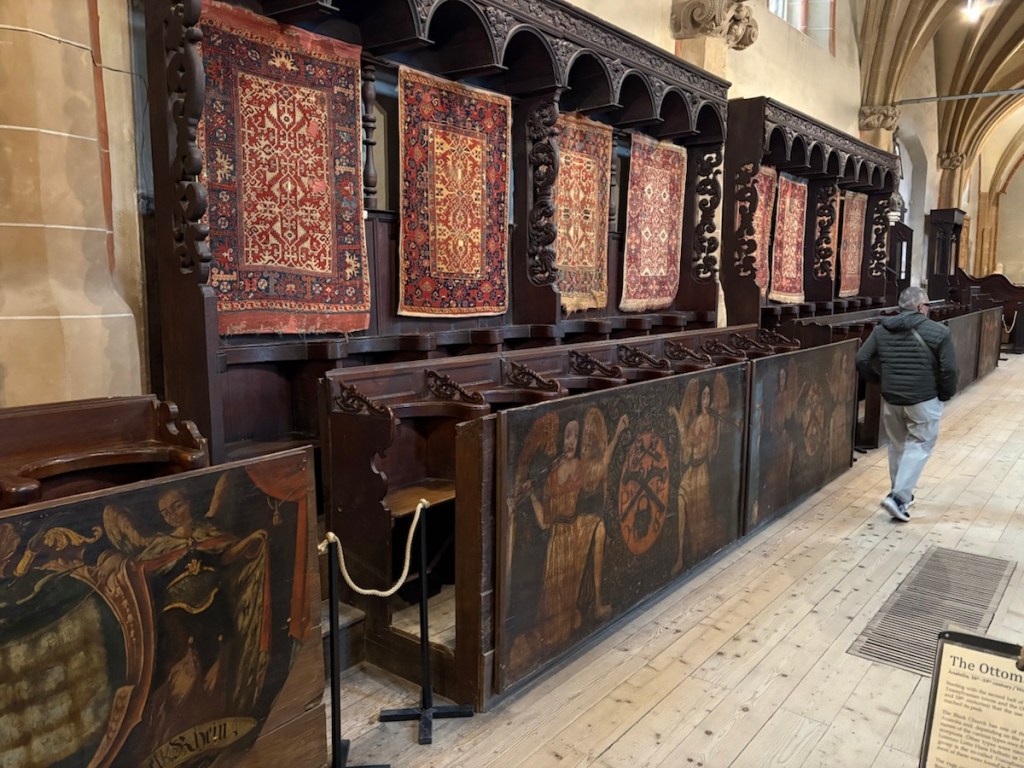
Persian rugs and tapestries, and “Private Box Seats” (if you could afford it through your tithing generosity
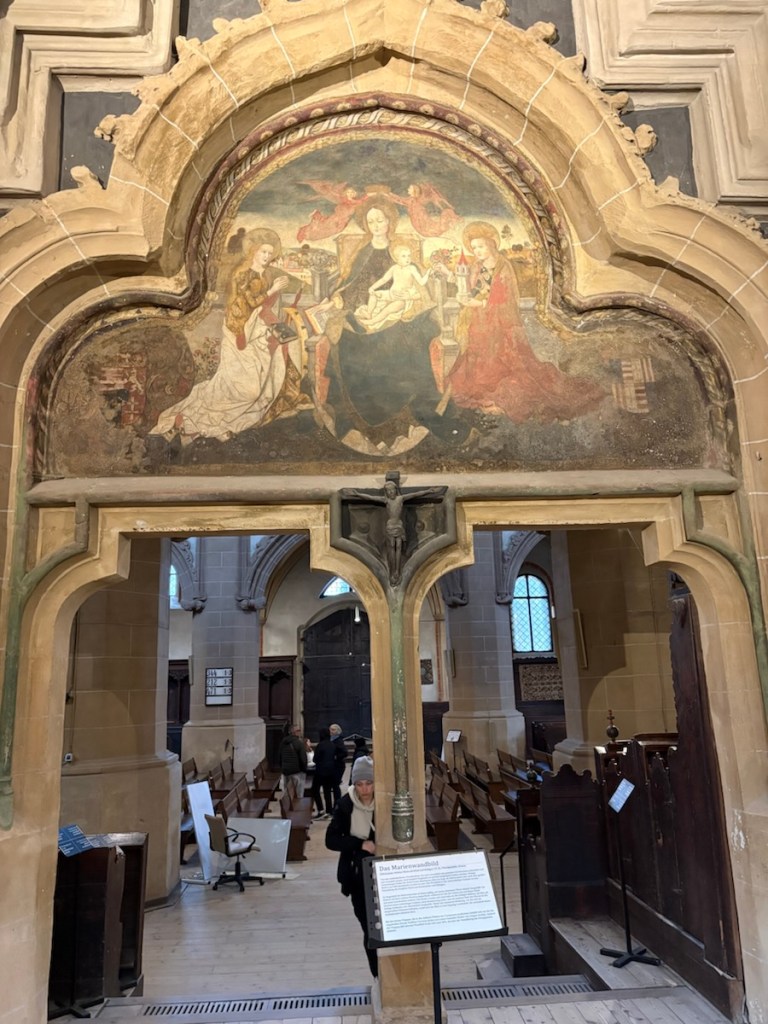
The Virgin Mother, baby Jesus, St. Barbara, and St. Catherine of Alexandria
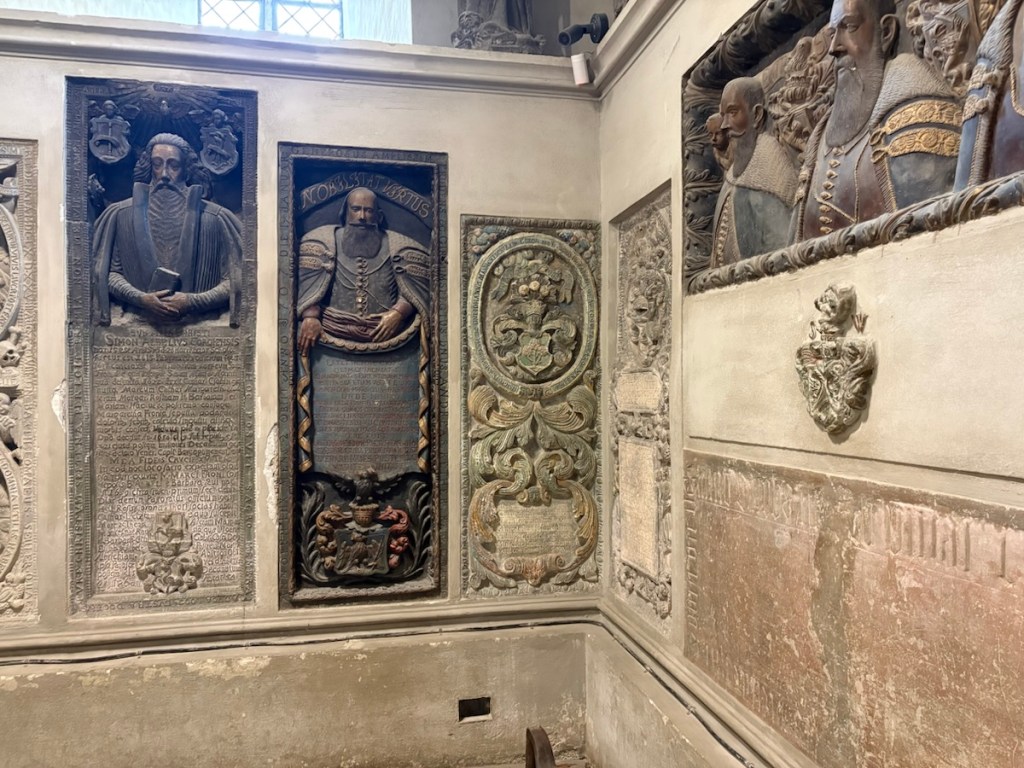
Tombstones of the wealthy or famous inside the church
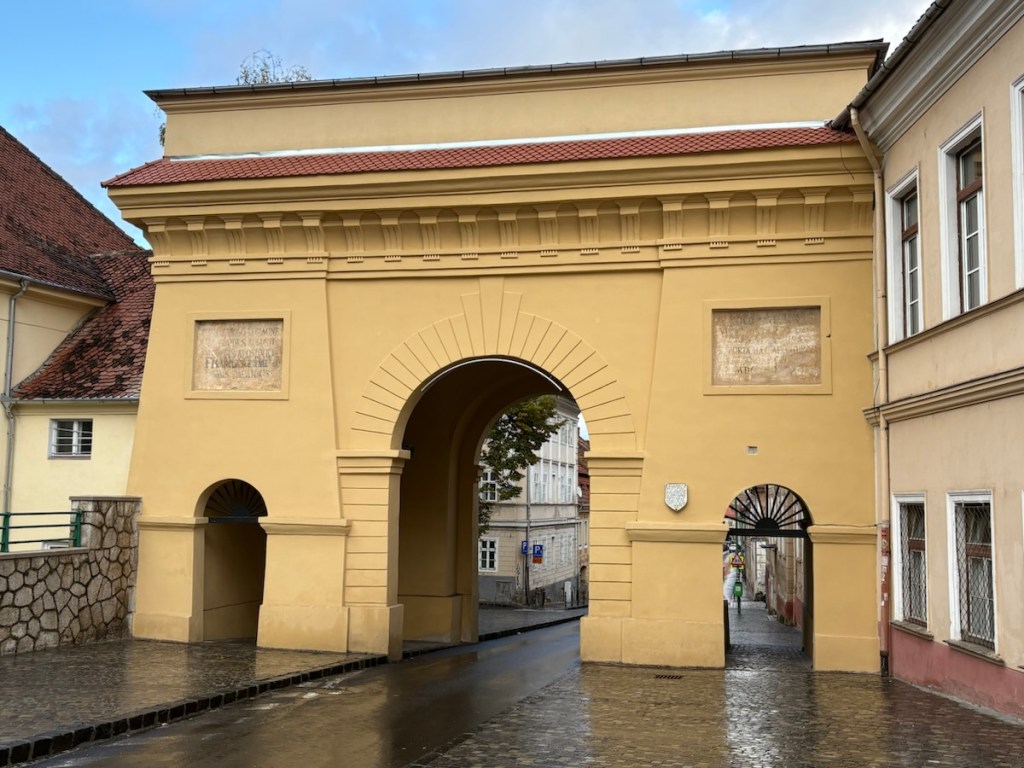
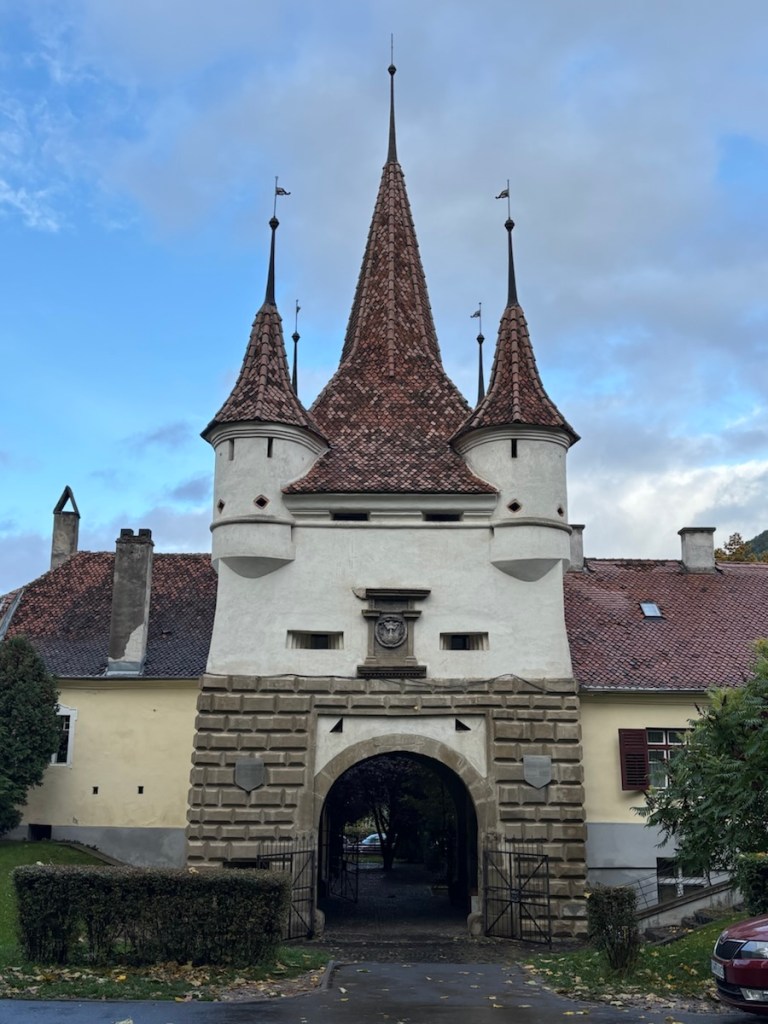
Catherine’s Gate (Poarta Ecaterina) is a historic city gate built in 1559.
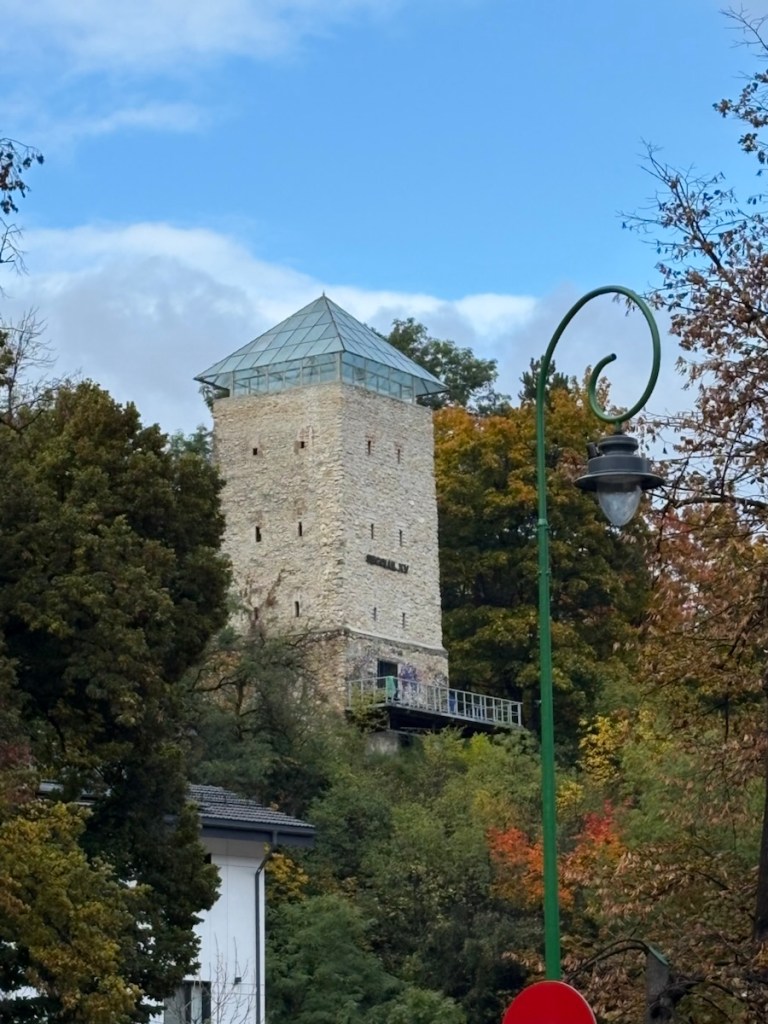
The Black Tower is one of the towers that were part of the old fortifications.

The Black Tower is one of the four observation towers of the City of Brasov. Built as an independent fortification outside the city walls, the tower stands over 11 meters tall. It covers an area of 50 square meters, with walls measuring 2 meters in thickness,

The Black Church
Cable car
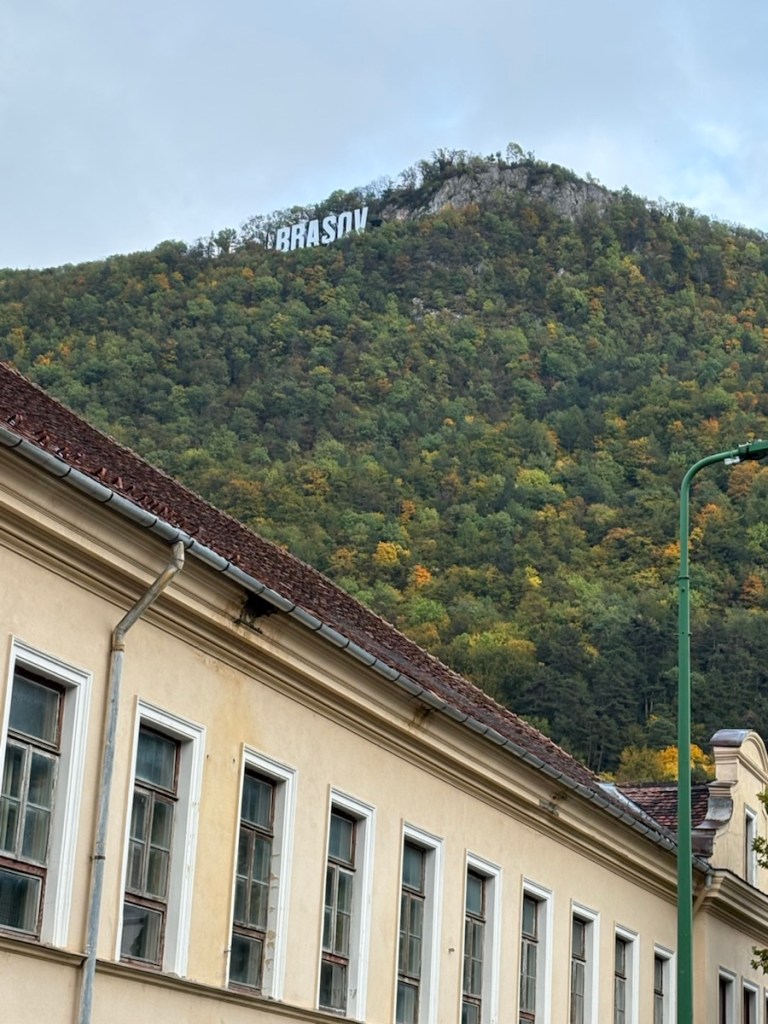
The “Hollywood” of Romania? They have a hilltop sign!
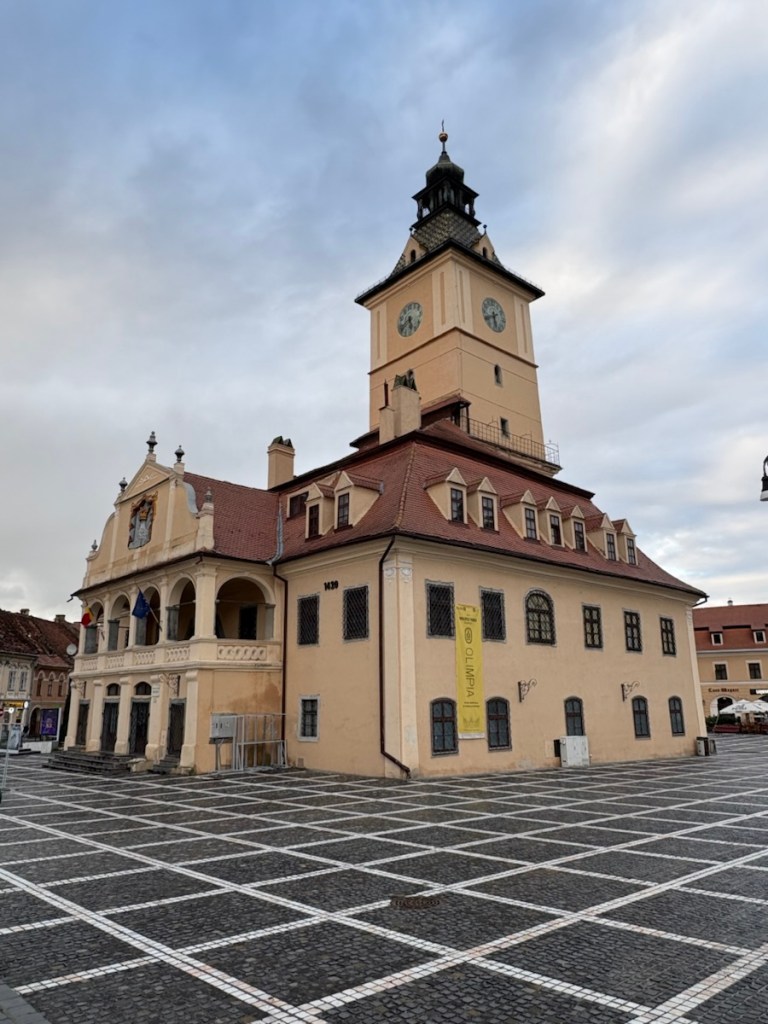
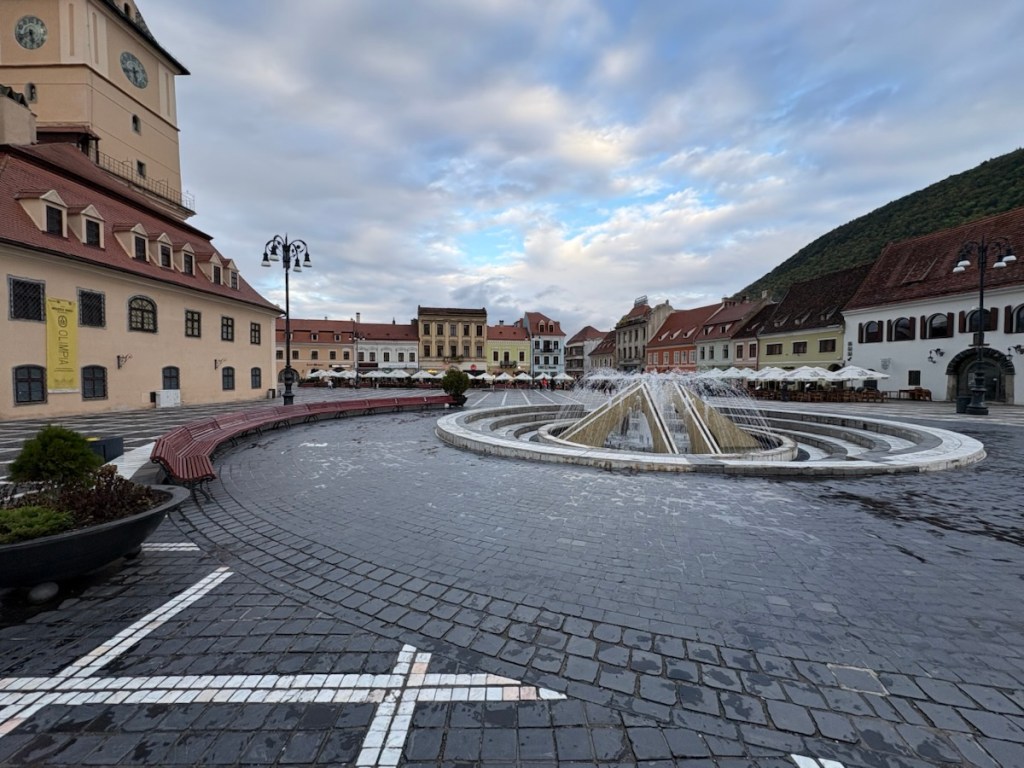
The main square in Old Town

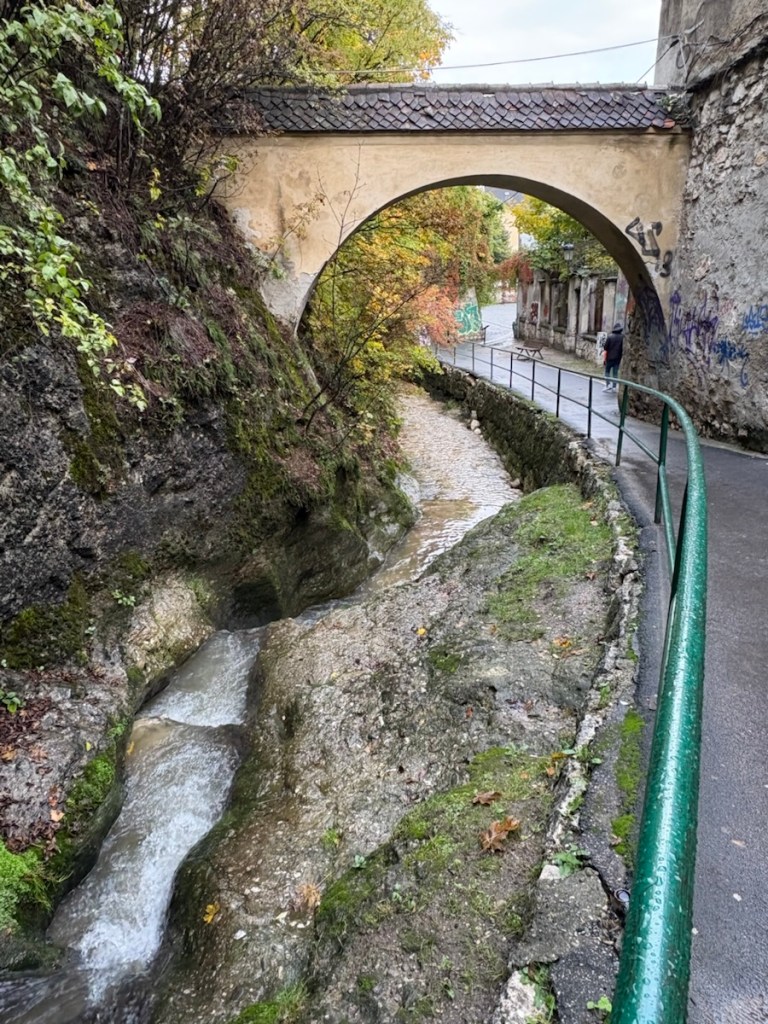
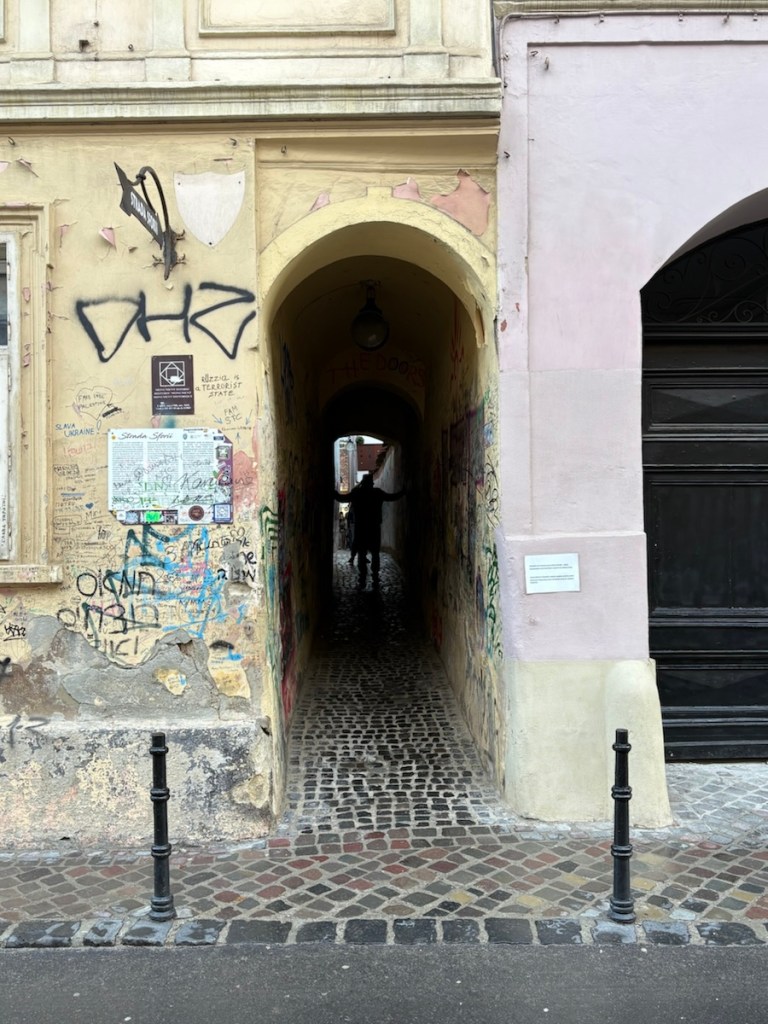
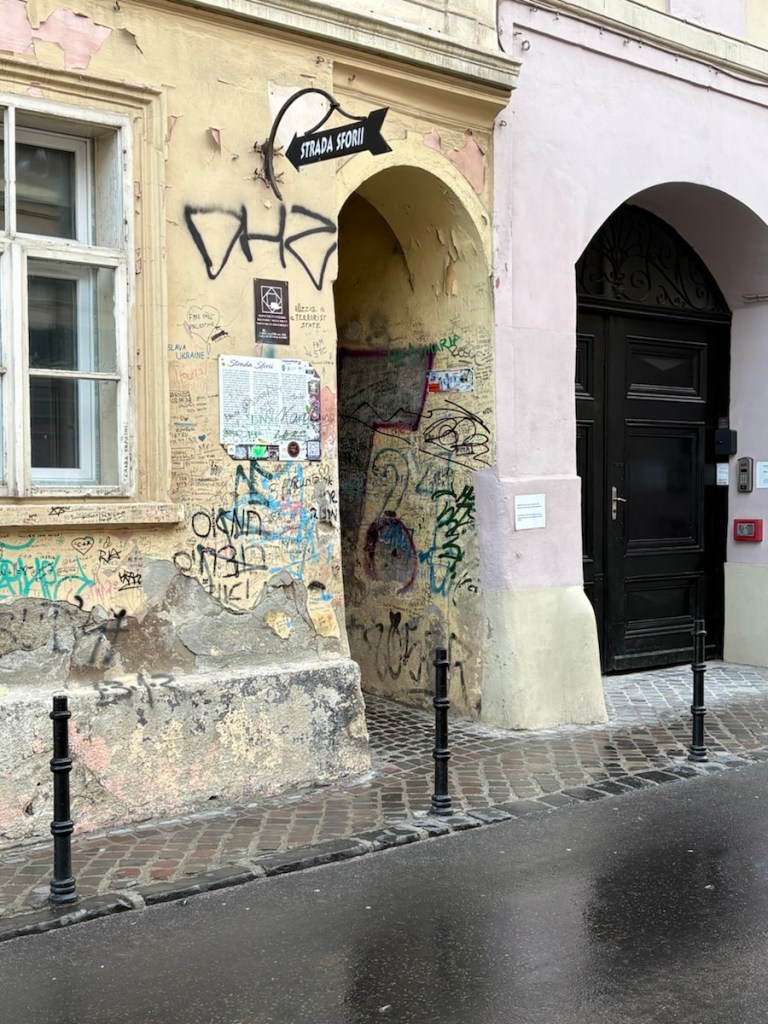
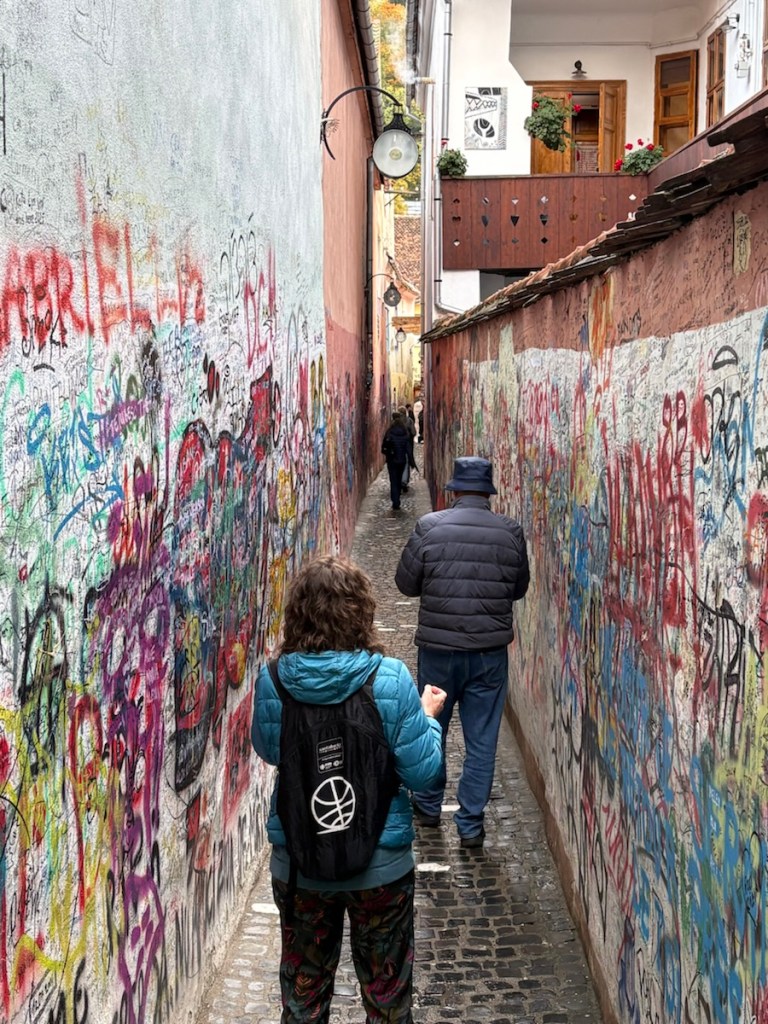
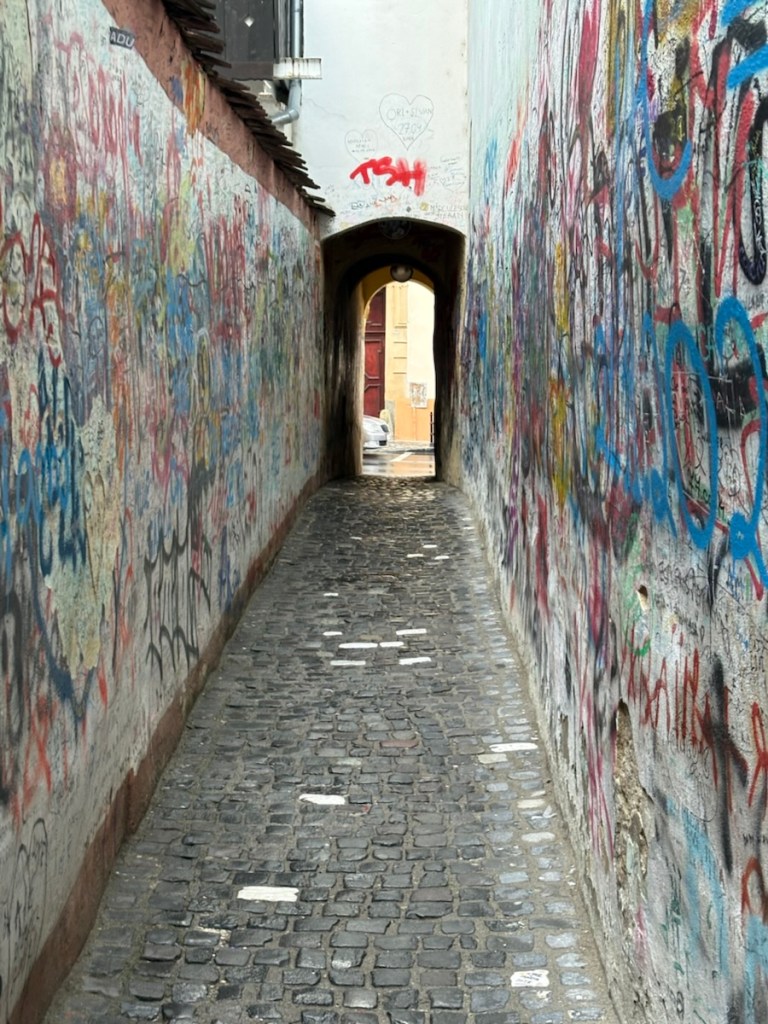
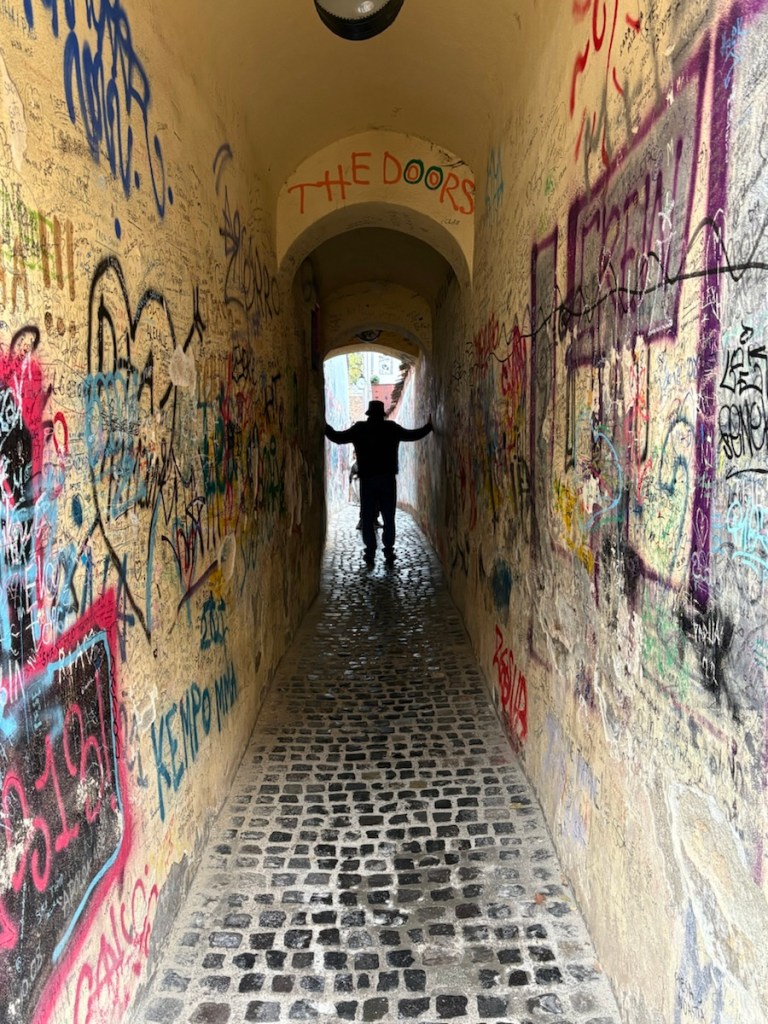
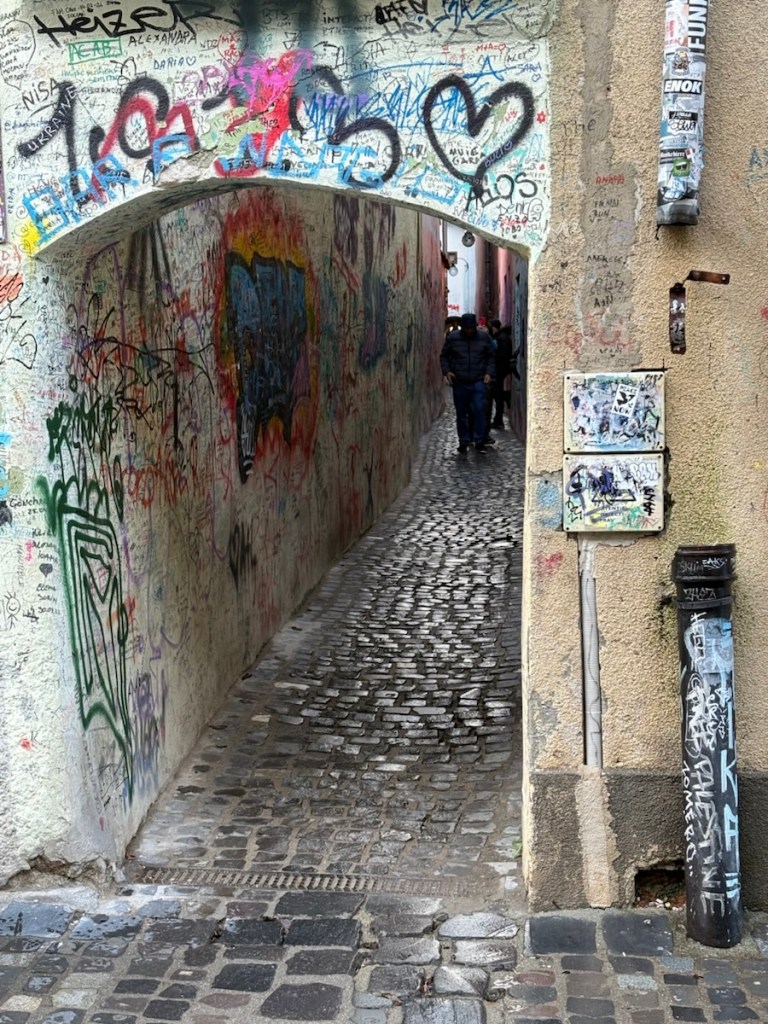
The String or Rope Street (Strada Sforii) is the narrowest street in the city, and one of the most narrow in Europe.  It’s a unique passageway to walk through, with a width of between 44 and 53 inches, and a length of less than a football field (260 ft).

Much easier to navigate in Romania since they use Latin letters in their language.
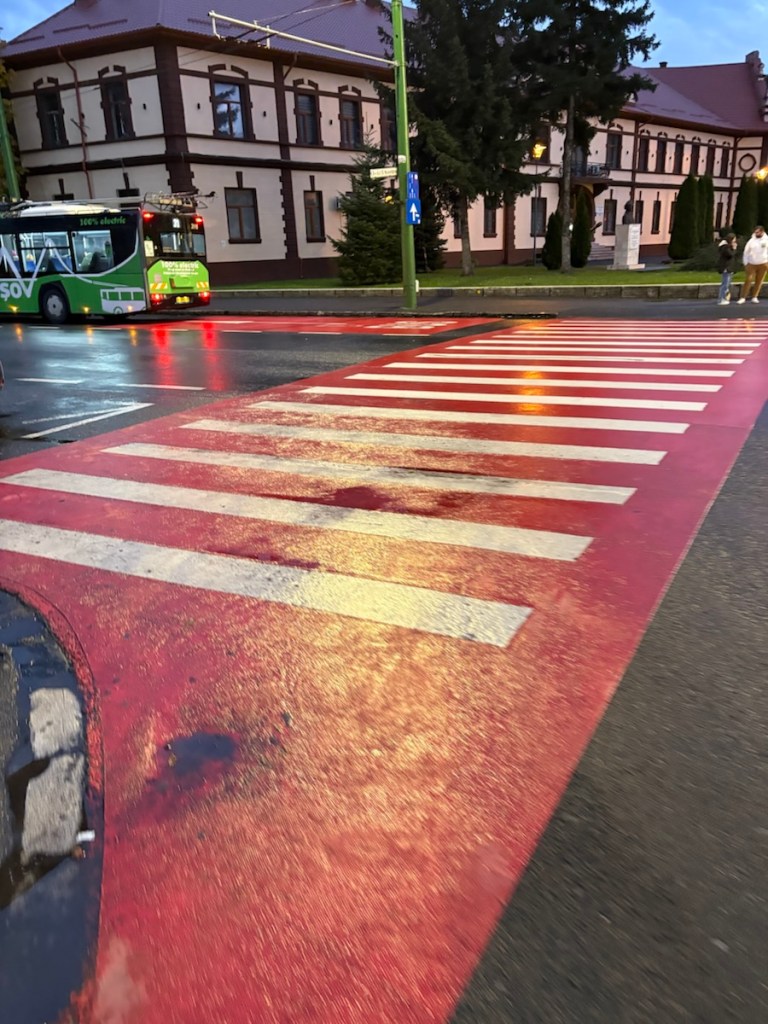
Love the marked crosswalks in Romania!
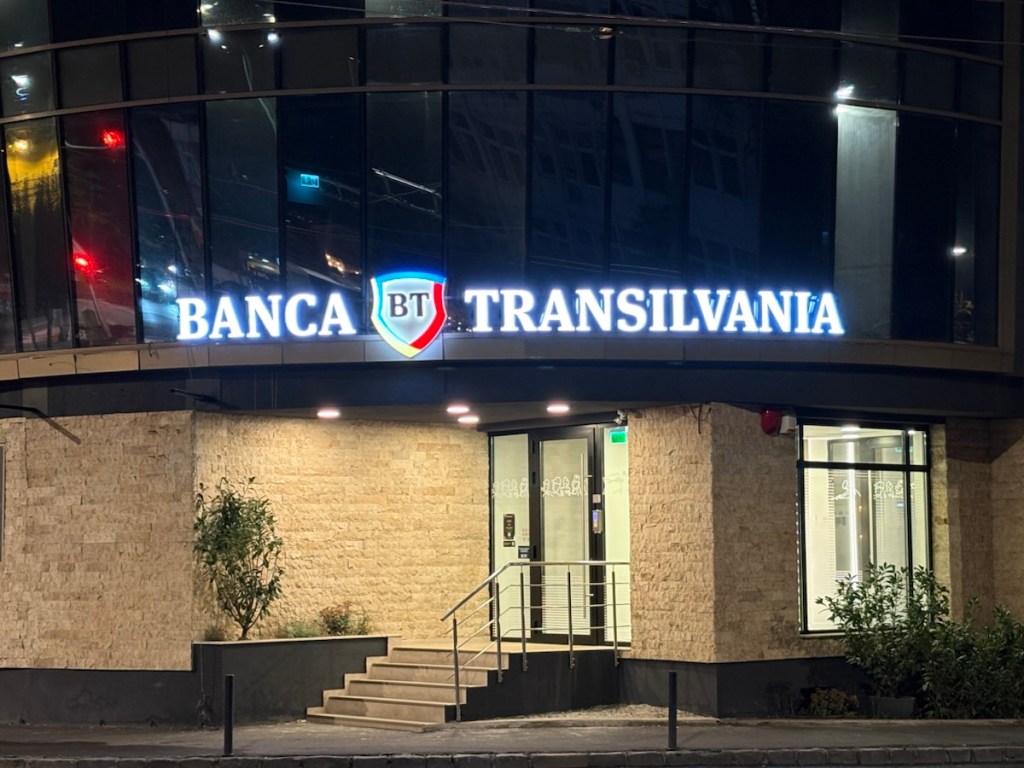
Just goes to show that vampires need a safe place for their money, too.

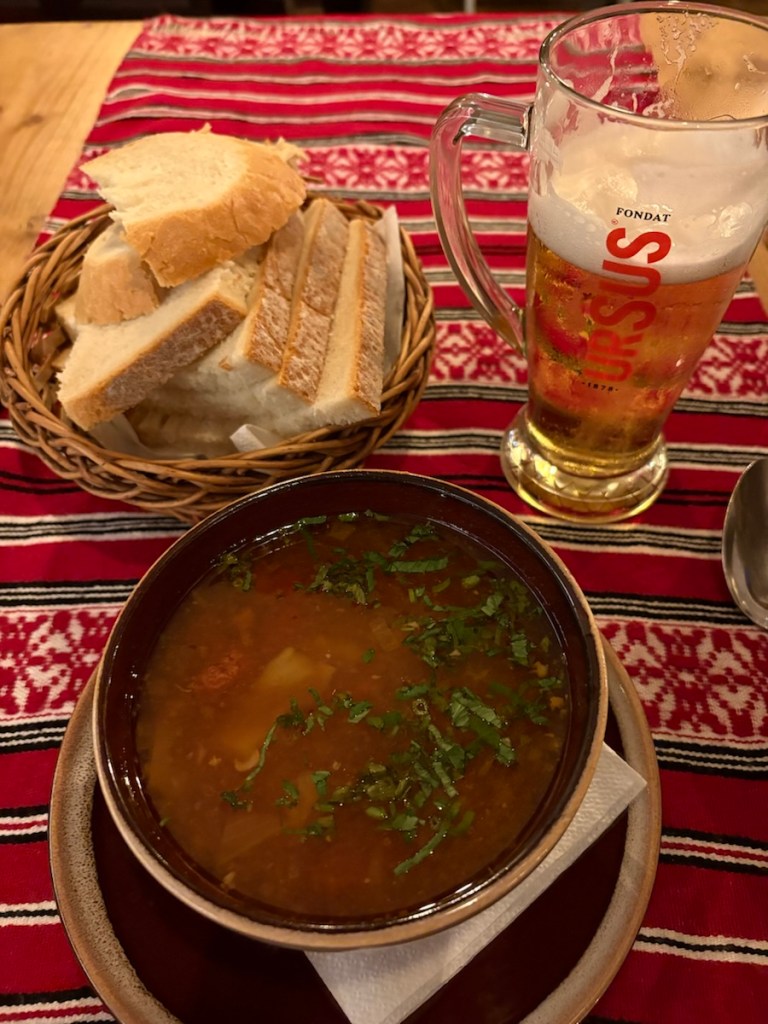
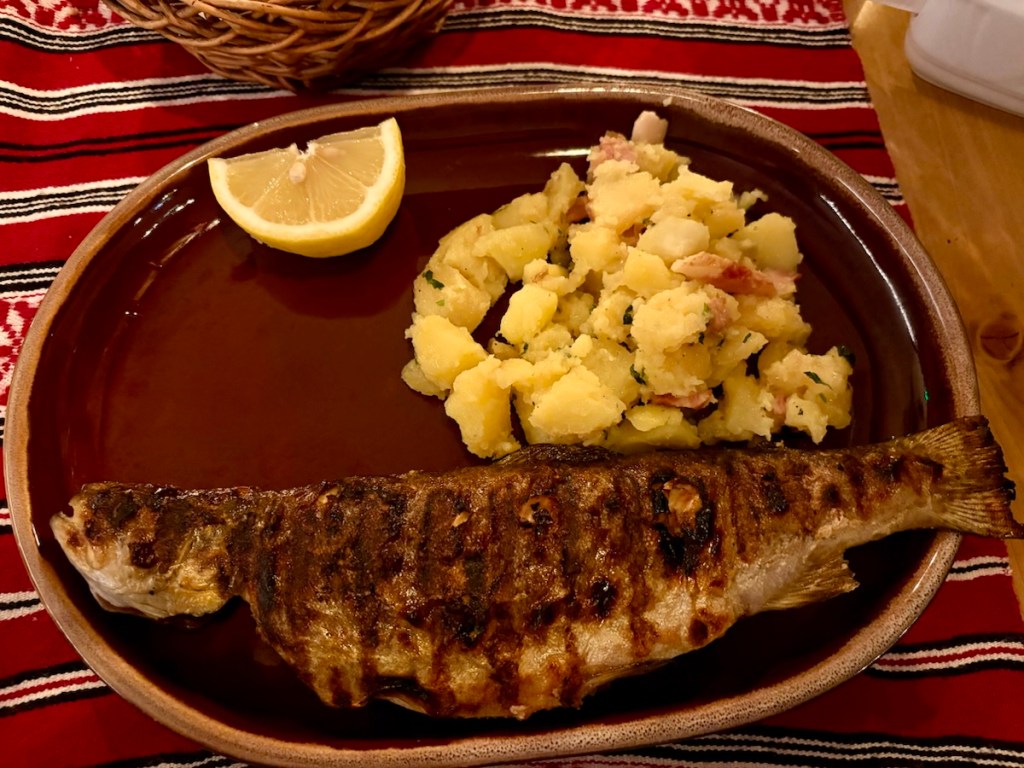
Dinner consisted of a Ursus Romanian beer, Beef Sour Soup (roast beef, vegetables, cabbage, and vinegar, plus a few other items), and Grilled Trout with Potatoes.  All amazing and value priced!

Before you go…

I told my wife she should embrace her mistakes. She gave me a hug.

Belgrade, Serbia – Day 2

Today was all about sightseeing, and walking, a lot of walking!  Like six hours of walking.  But it was a comfortable temperature and an enjoyable Sunday as a tourist in Belgrade.

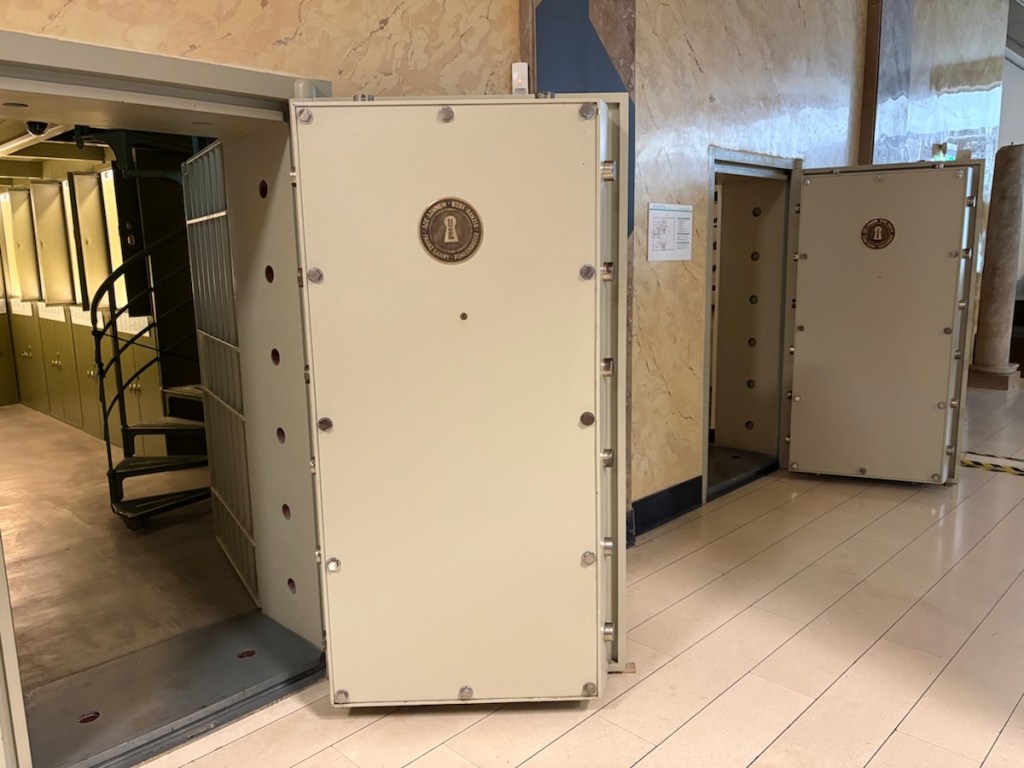
First up was the National Museum of Serbia.  The museum is in an old bank building as you can see by the vaults that are still inside the building.  The building actually closed in 2002 for a brief renovation, but brief actually turned into 16 years! It did not reopen until 2018!

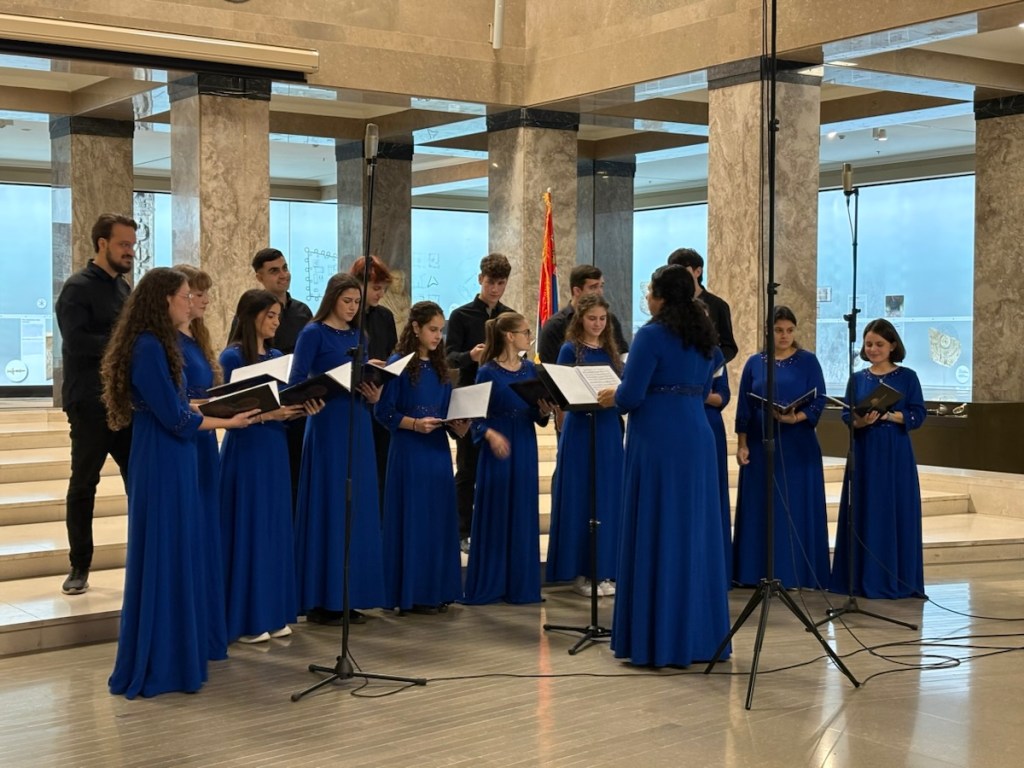
While in the museum, a small choral group of mostly teens sang several songs.  I swear it was the voices of Angels!  The acoustics were excellent, but I think this group would sound good anywhere.  Quite amazing and enjoyable!

Here are some of the exhibits that caught my eye…

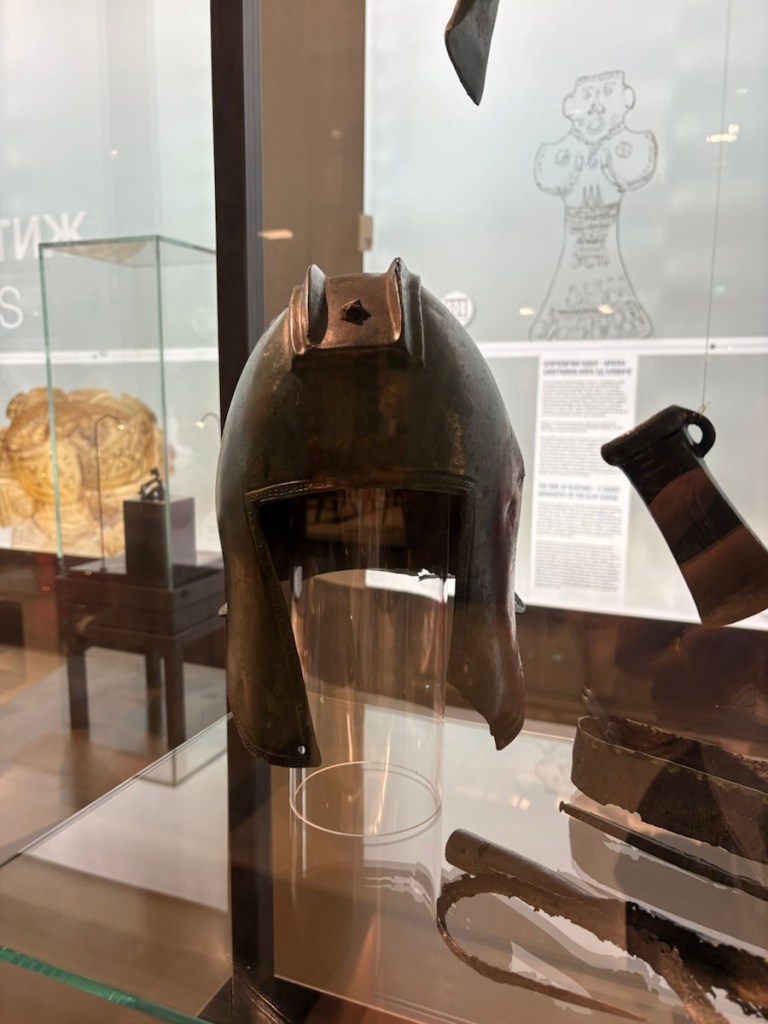
Roman Soldier’s Helmet

Roman Soldiers (from the museum label)

In the late 1s* century BC, Octavian Augustus embarked on a process of military reform, transforming the Roman army into a professional one. He instituted a military budget (aerarium militare), established permanent army camps, and introduced new professions in the fortifications alongside the military. Legions (4,000 to 6,000 soldiers) were the army’s Largest units, while smaller units consisted of various auxiliary troops (e.g. cavalry), and a navy. Each legion had its own insignia. The symbols of the Upper Moesian legions Legio VII Claudia and Legio IV Flavia Felix were a bull and a lion, respectively. Military service lasted 25 years, after which soldiers received a monetary reward or land. Military diplomas are testimony that those who were not citizens were granted citizenship after their discharge. A soldier was supplied with military equipment, consisting of personal equipment (e.g. a military belt – cingulum) and weapons, both offensive (sword, spear, dagger, slingshot, bow and arrows) and defensive (armour, helmet). Some soldiers also had parade equipment.

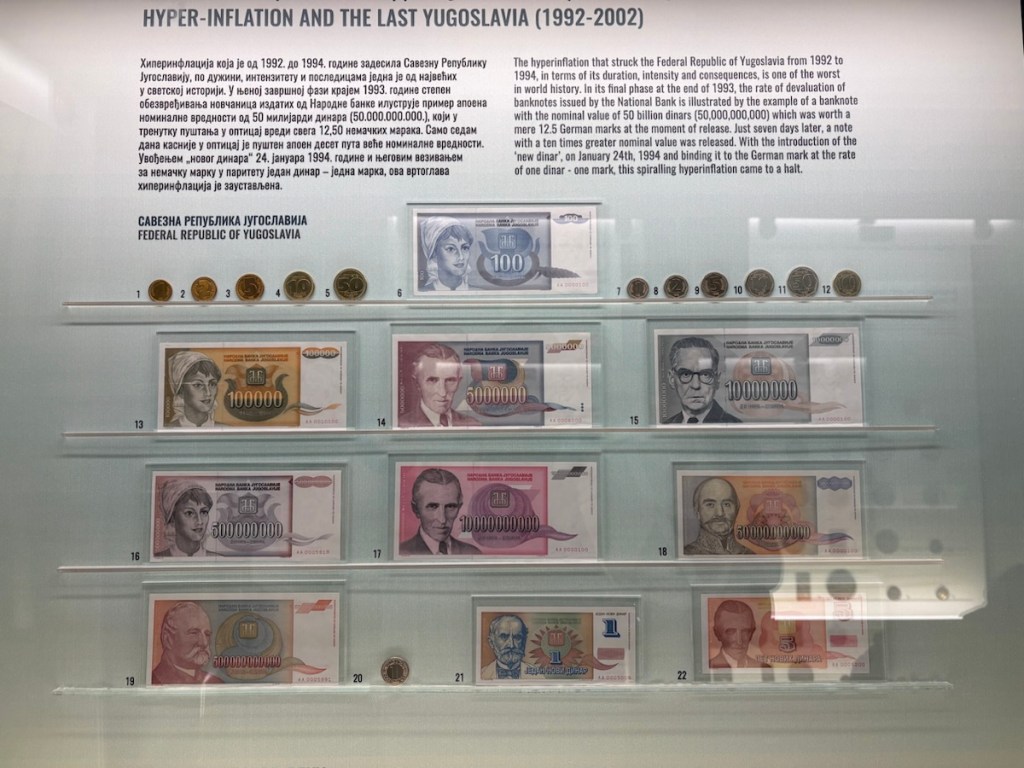
Note the 50 billion dinars bill! (bottom left)

(Museum Label) The hyperinflation that struck the Federal Republic of Yugoslavia from 1992 to 1994, in terms of its duration, intensity and consequences, is one of the worst in world history. In its final phase at the end of 1993, the rate of devaluation of banknotes issued by the National Bank is illustrated by the example of a banknote with the nominal value of 50 billion dinars (50,000,000,000) which was worth a mere 12.5 German marks at the moment of release. Just seven days later, a note with a ten times greater nominal value was released. With the introduction of the “new dinar,” on January 24th, 1994, and binding it to the German mark at the rate of one dinar – one mark, this spiralling hyperinflation came to a halt.

There was an exhibit room entitled, “The HARDER PATH: Works by Foreign Women Artists at the National Museum of Serbia.” Along with the displayed works of art, I was struck by one of the quotes included:

“What I long for is the freedom of going about alone, of coming and going, of sitting in the seats of the Tuileries, and especially in the Luxembourg, of stopping and looking at the artistic shops, of entering churches and museums, of walking about old streets at night, that’s what I long for; and that’s the freedom without which one cannot become a real artist.” — Marie Bashkirtseff, 2 January 1879

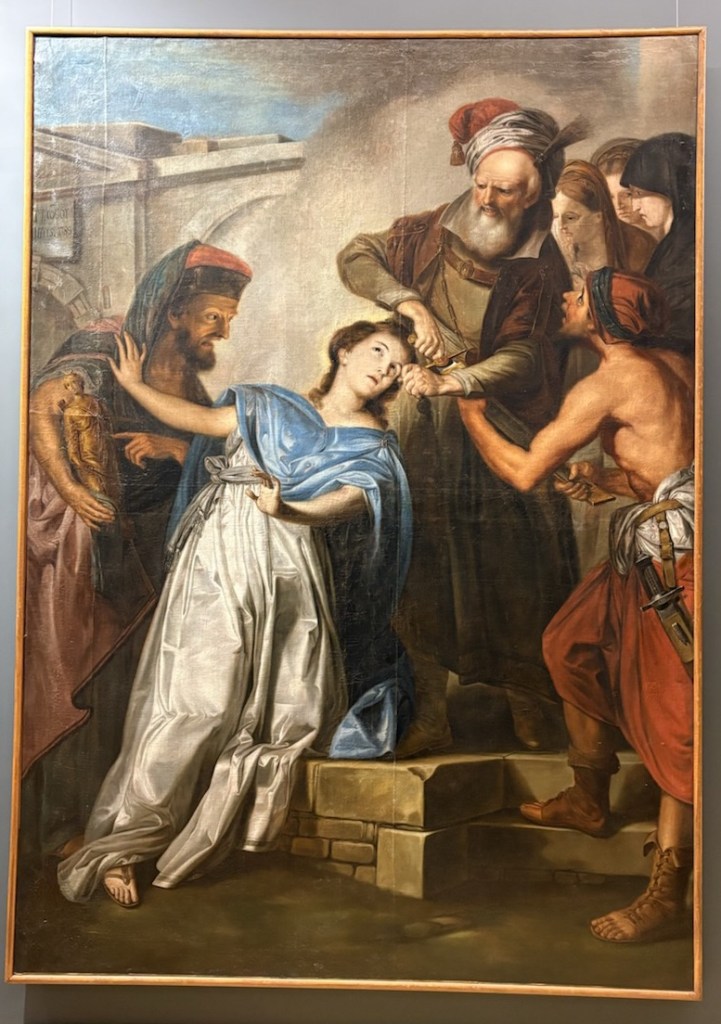
The Martyrdom of St Barbara
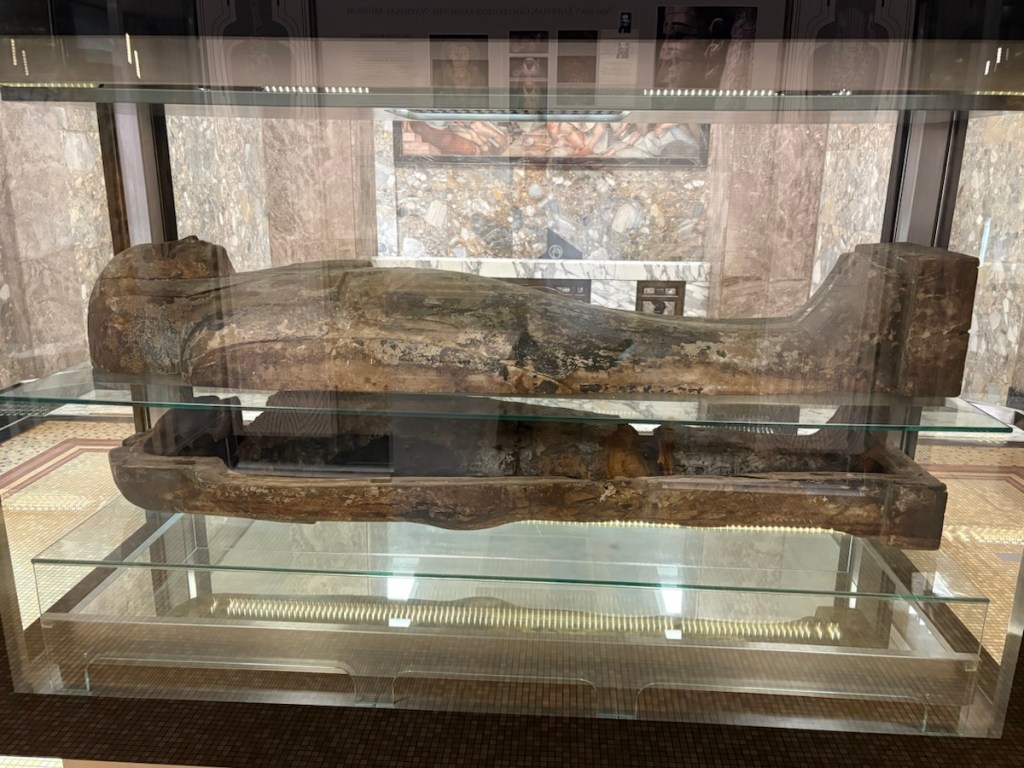
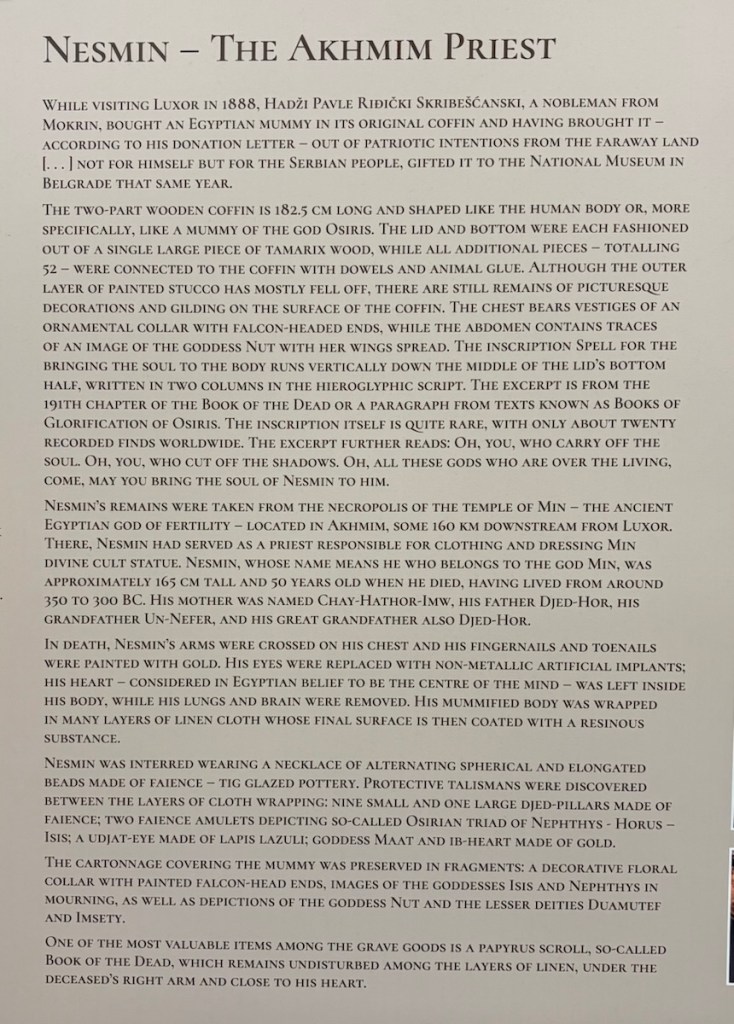
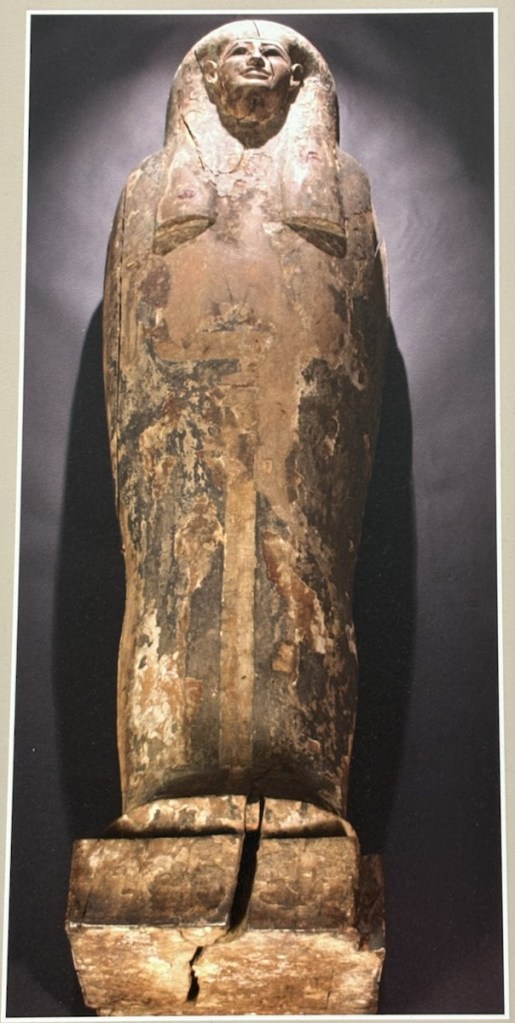
Nesmin’s sarcophagus
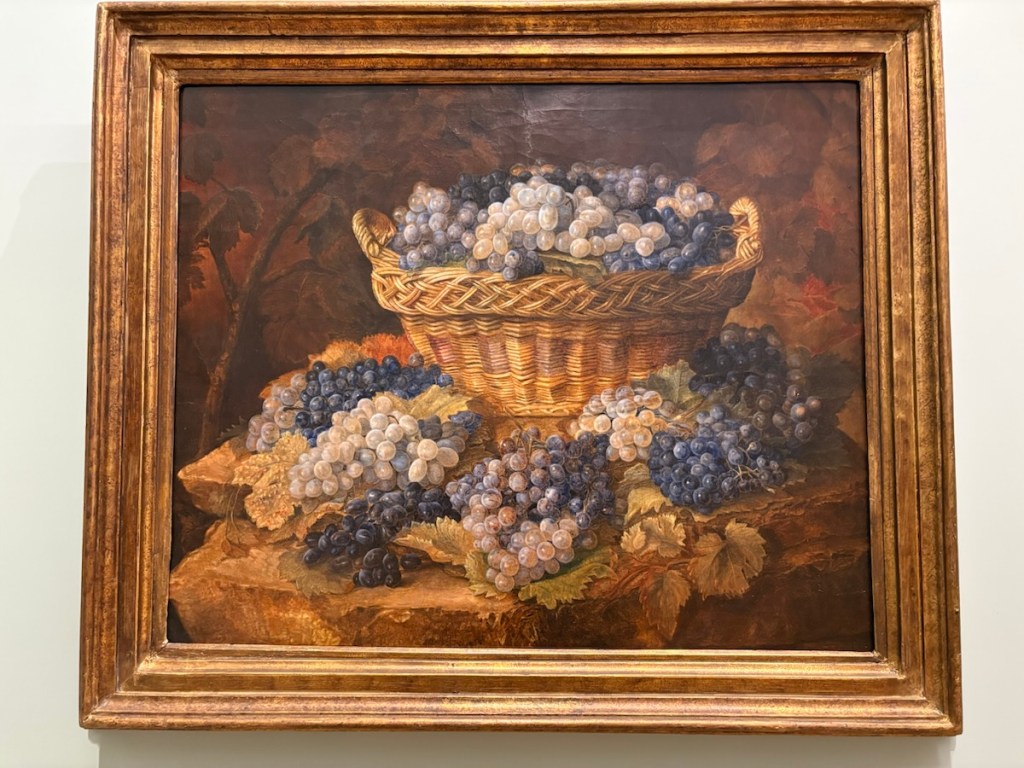
Up close, I swear the grapes are real!

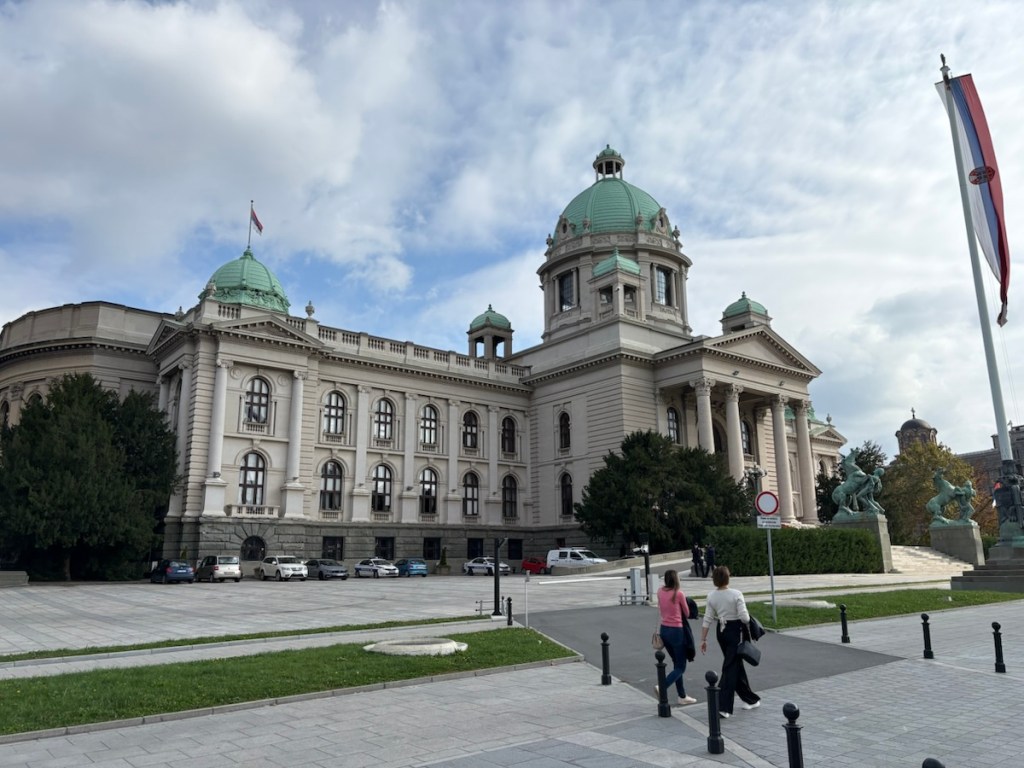
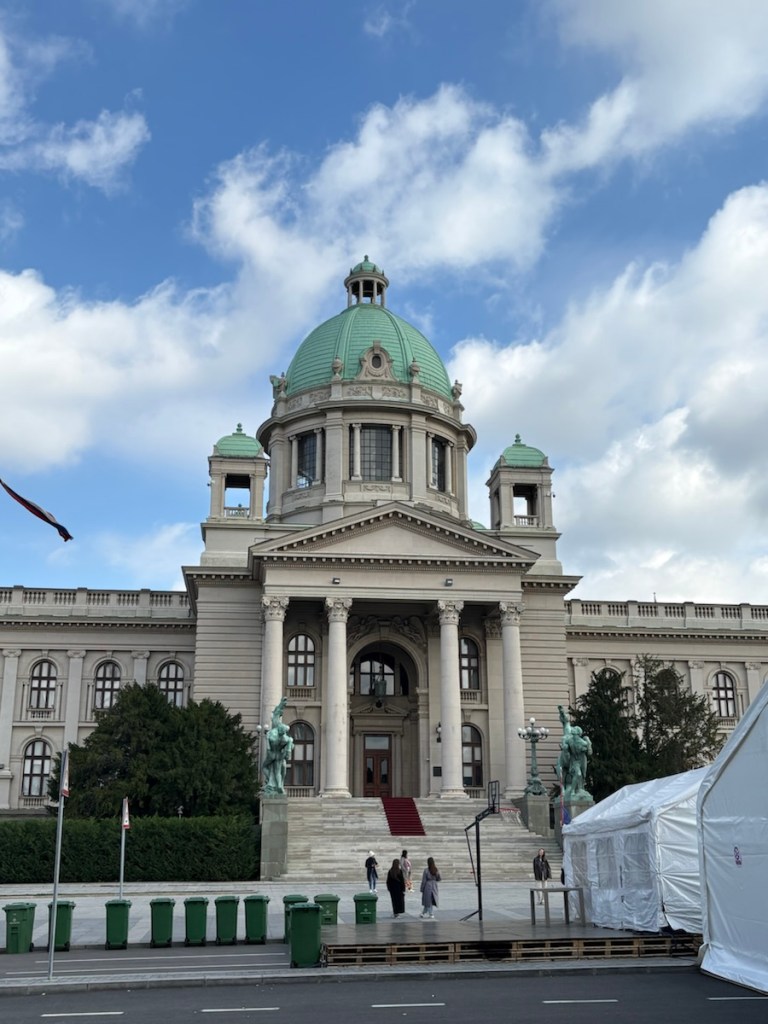
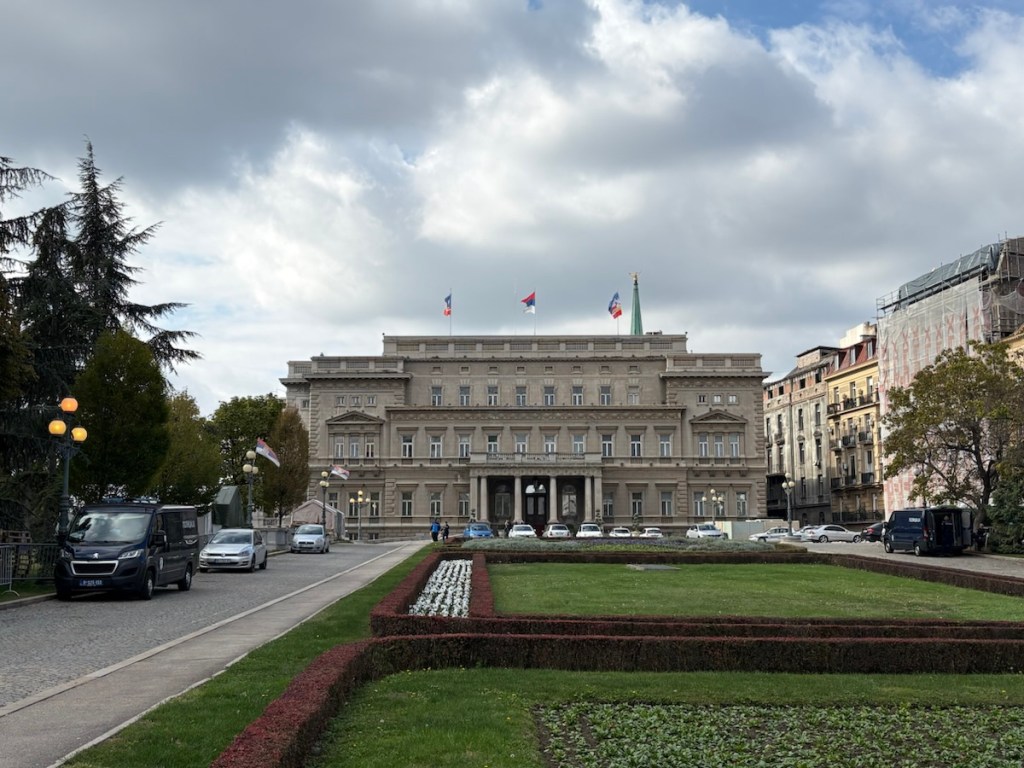
Next up was the beautiful National Assembly Building and the Belgrade City Hall across the street. 

National Assembly
City Hall

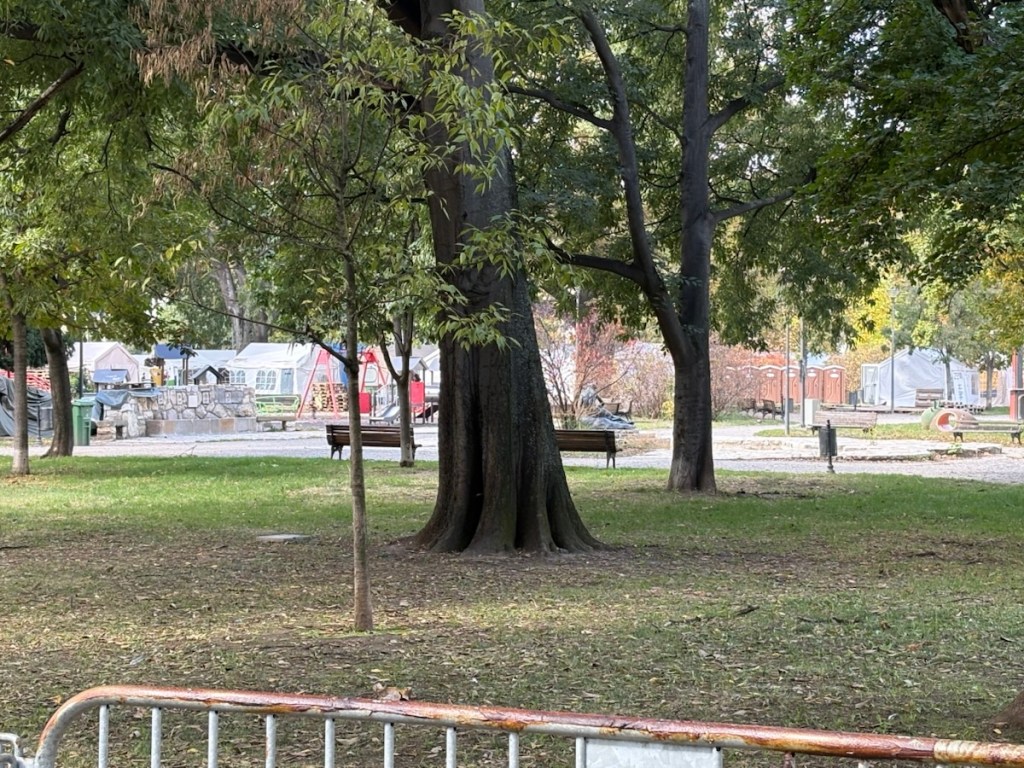
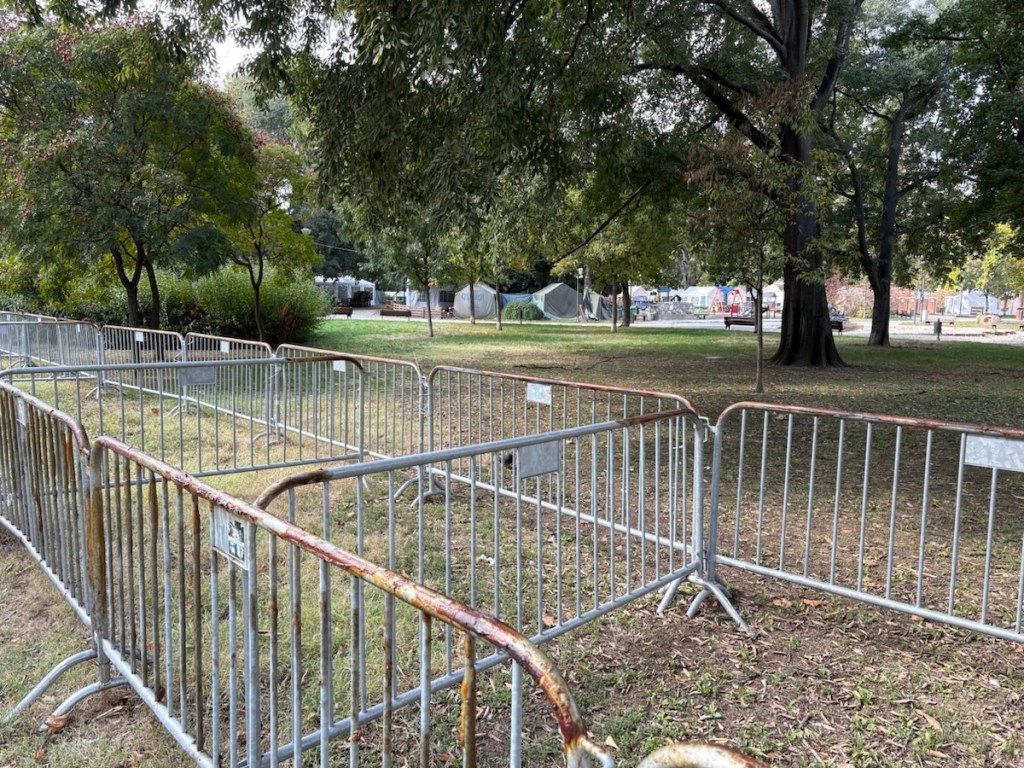
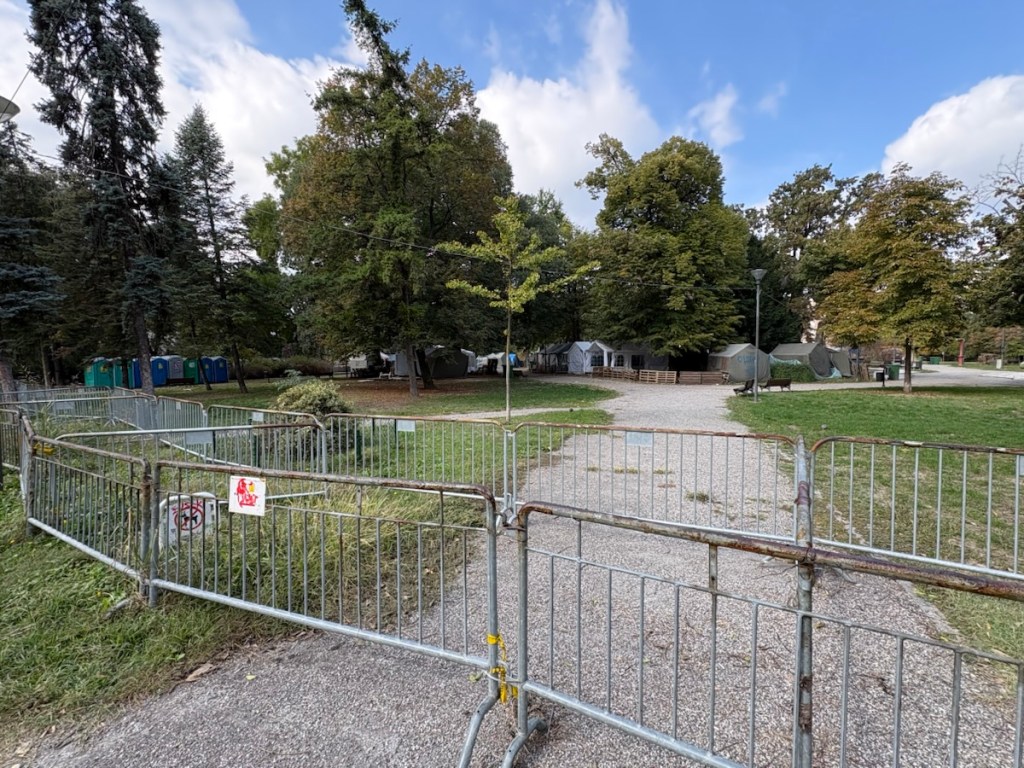
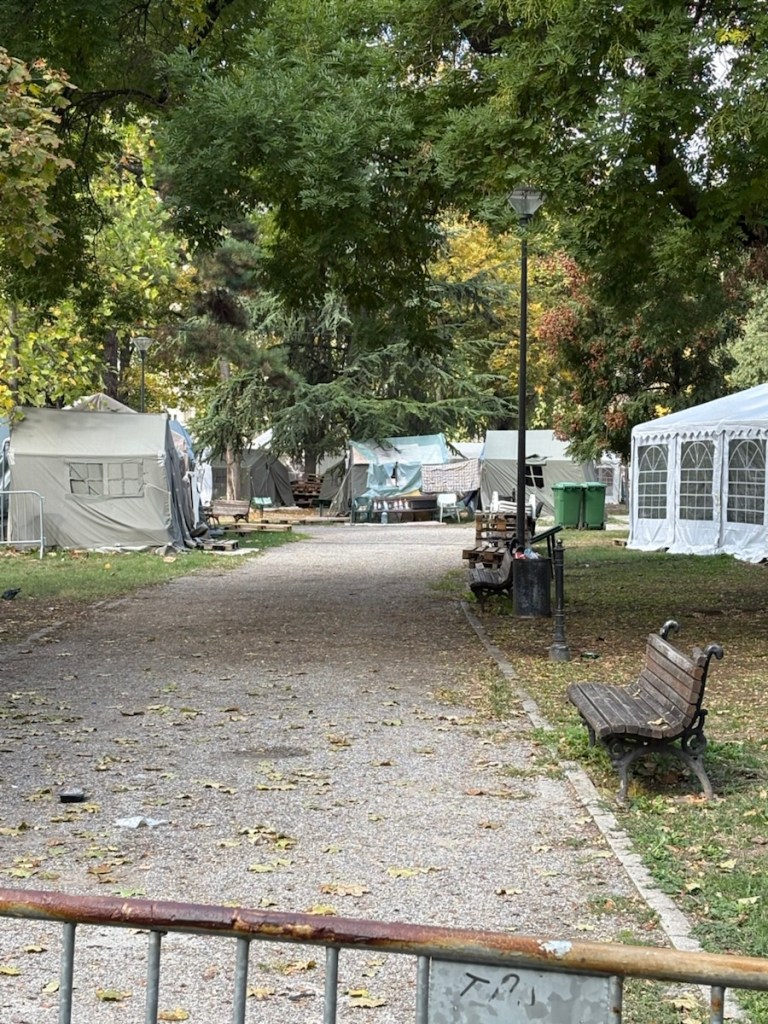
The once lovely and adjacent Pioneers Park was the sight of an important archeological dig in recent years when they were building an underground parking garage.  Significant finds from the Roman era were discovered.  Interestingly, the park has also been completely fenced off by temporary barricades since March 2025 due to protesters occupying the park.  Lots of tents, portable toilets, etc.  The back story is complicated, but I don’t think too many locals are pleased based on online posts I’ve read. There was also a significant police presence at various points around the park.

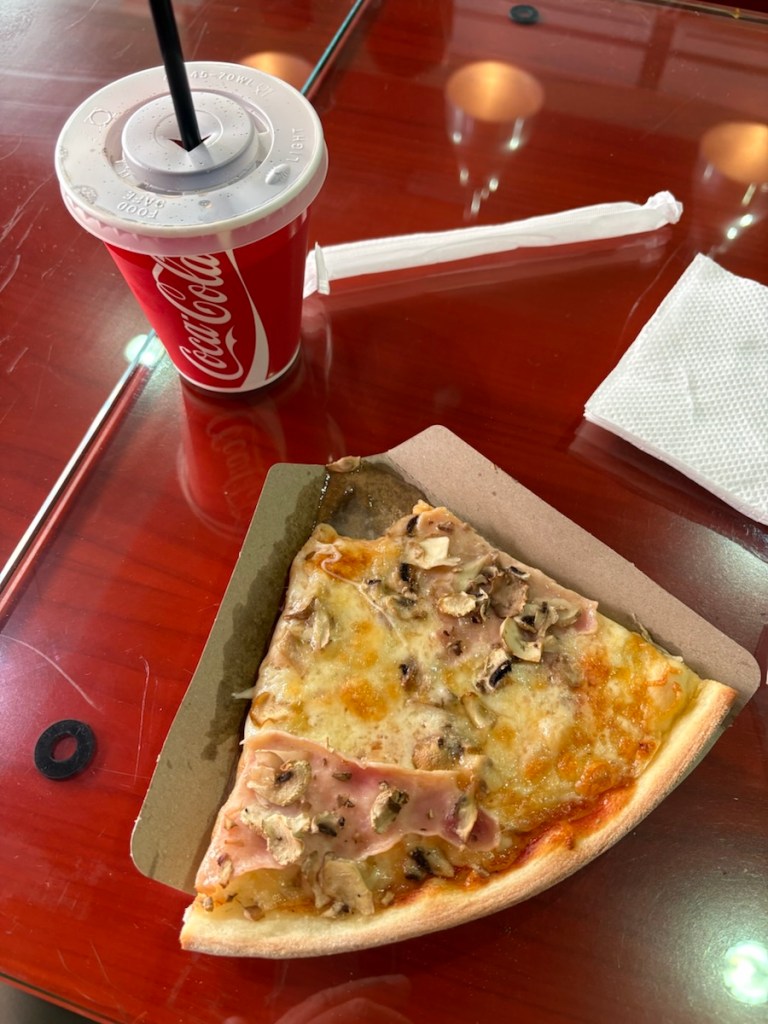
I had a quick lunch on the way to my next stop.

Pizza and a drink – $2.20

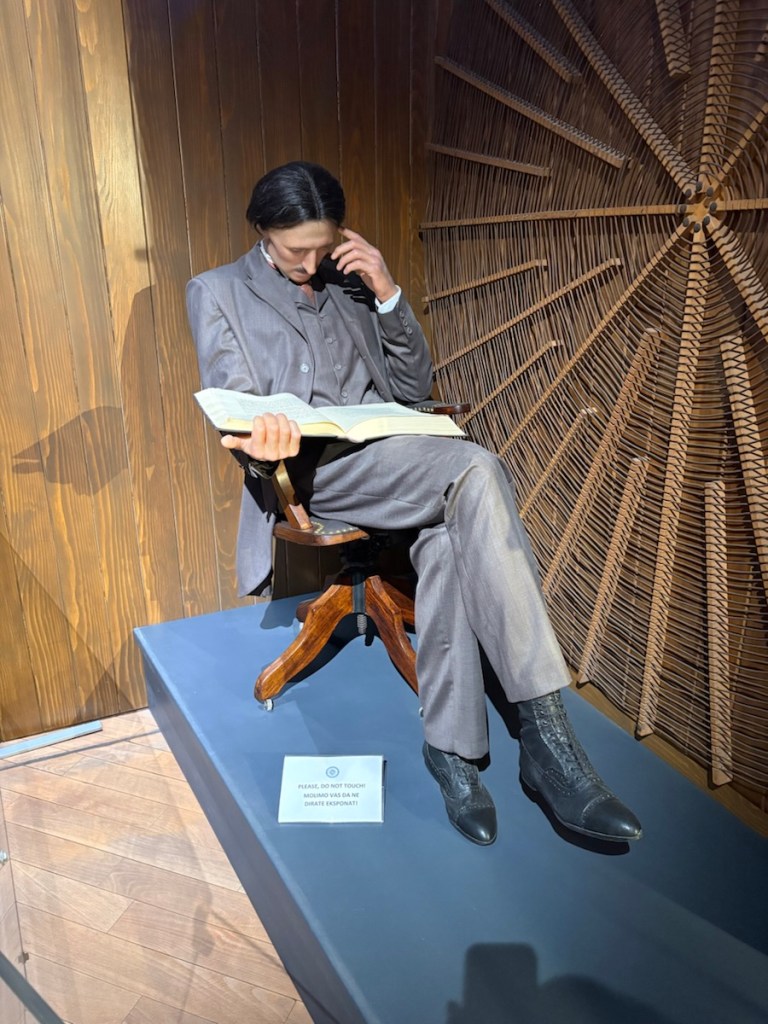
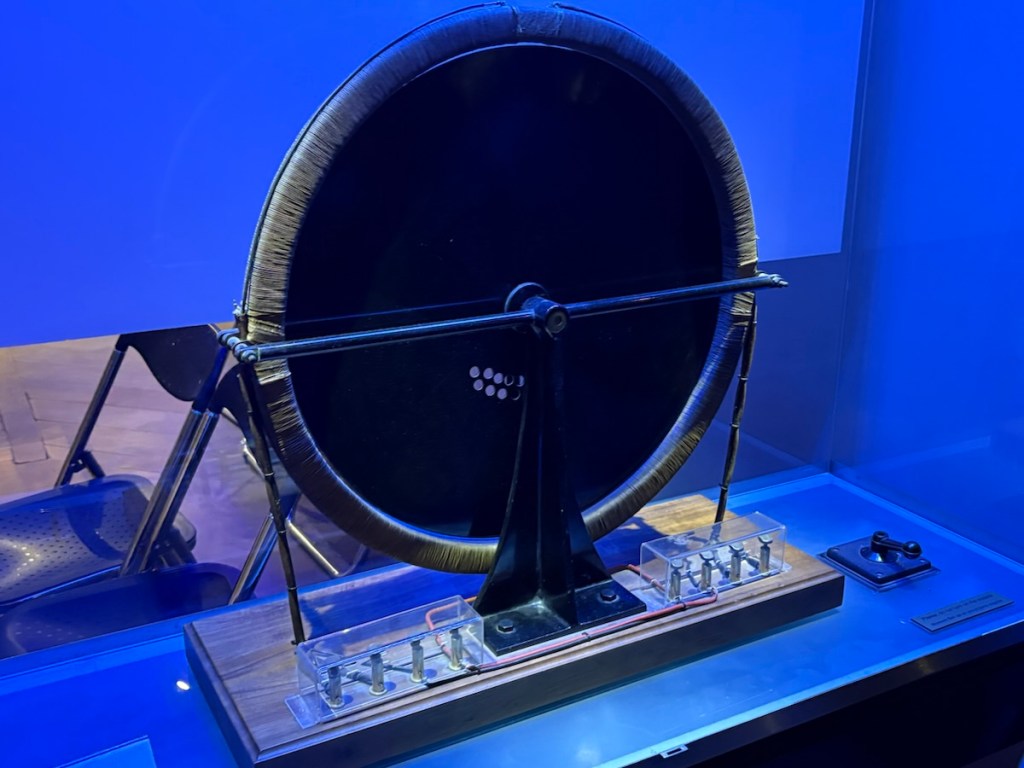
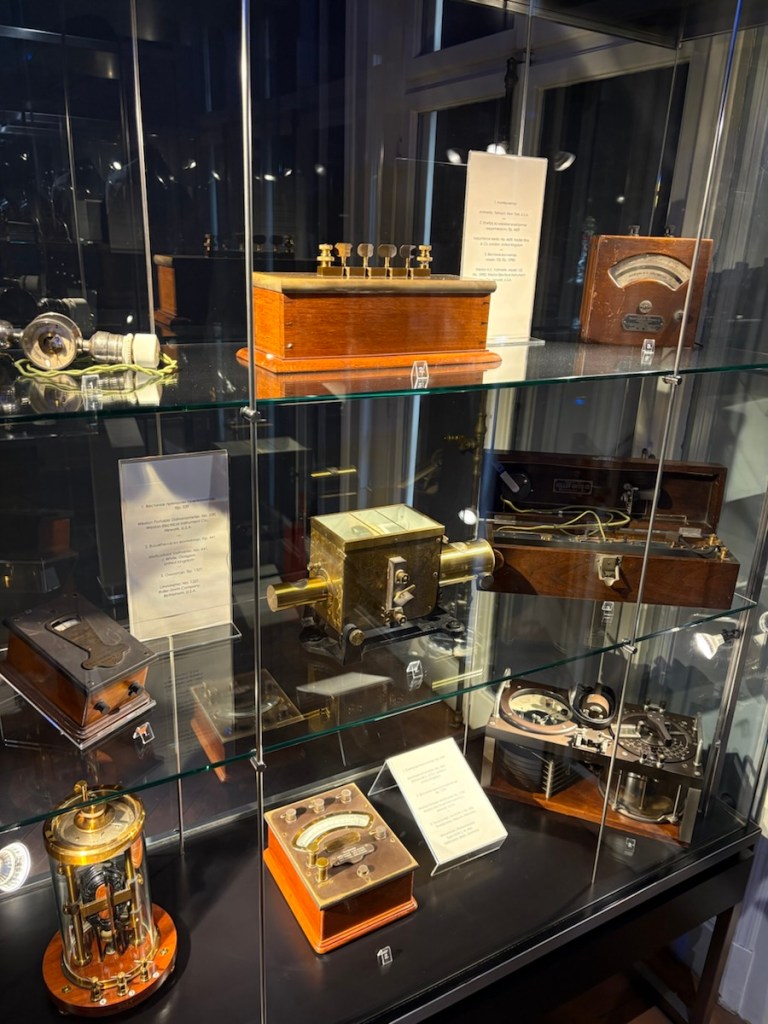
After lunch, I toured the official Nikola Tesla Museum (official since it actually hold his cremains). The museum houses a collection of artifacts and documents from the life and work of the inventor.  They also showed a very interesting 15-minute film about his life and work.

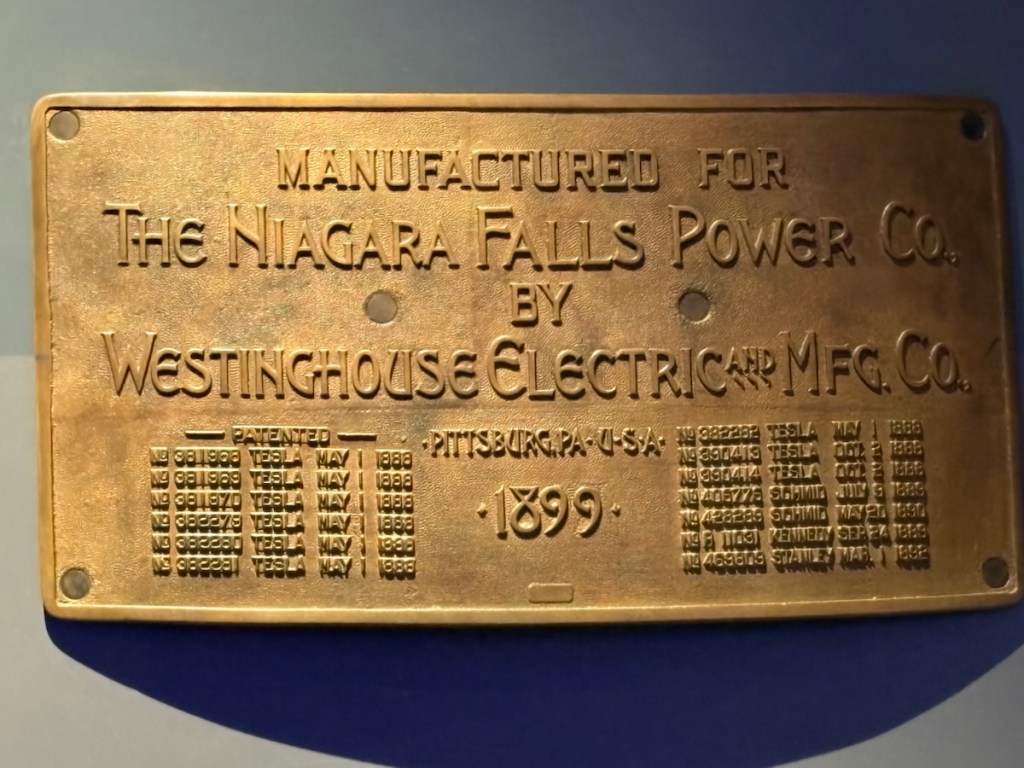
Niagara Falls Power showing that 9 of 13 patents involving the plant were Tesla’s
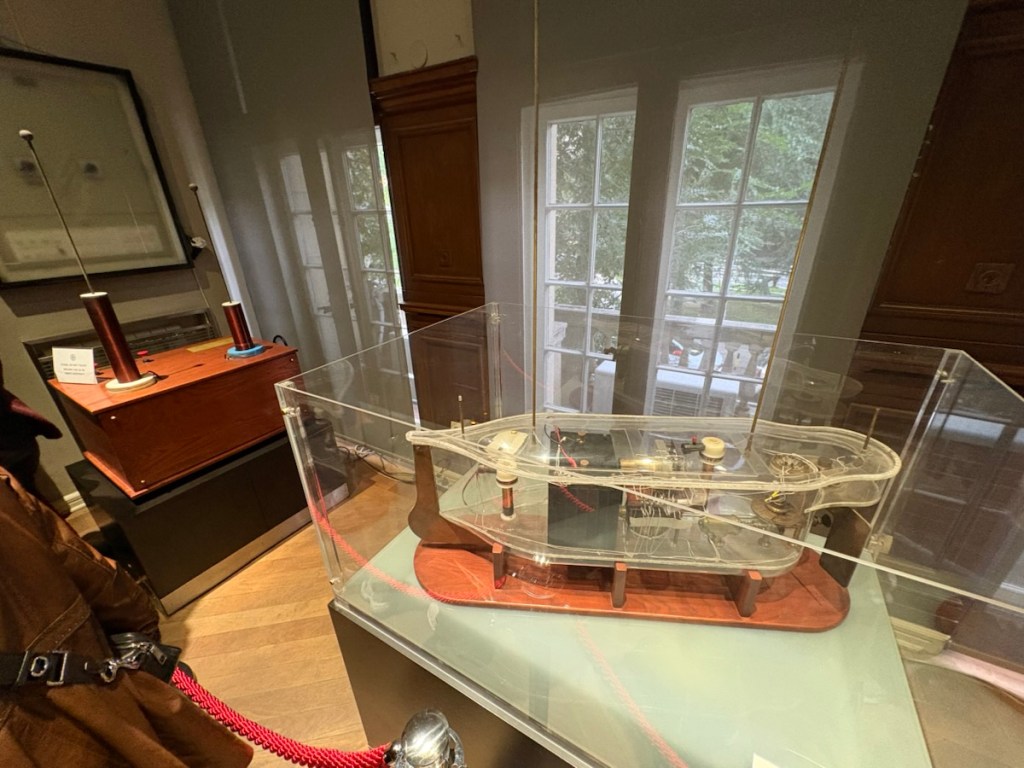
Tesla’s Remote Controlled Boat
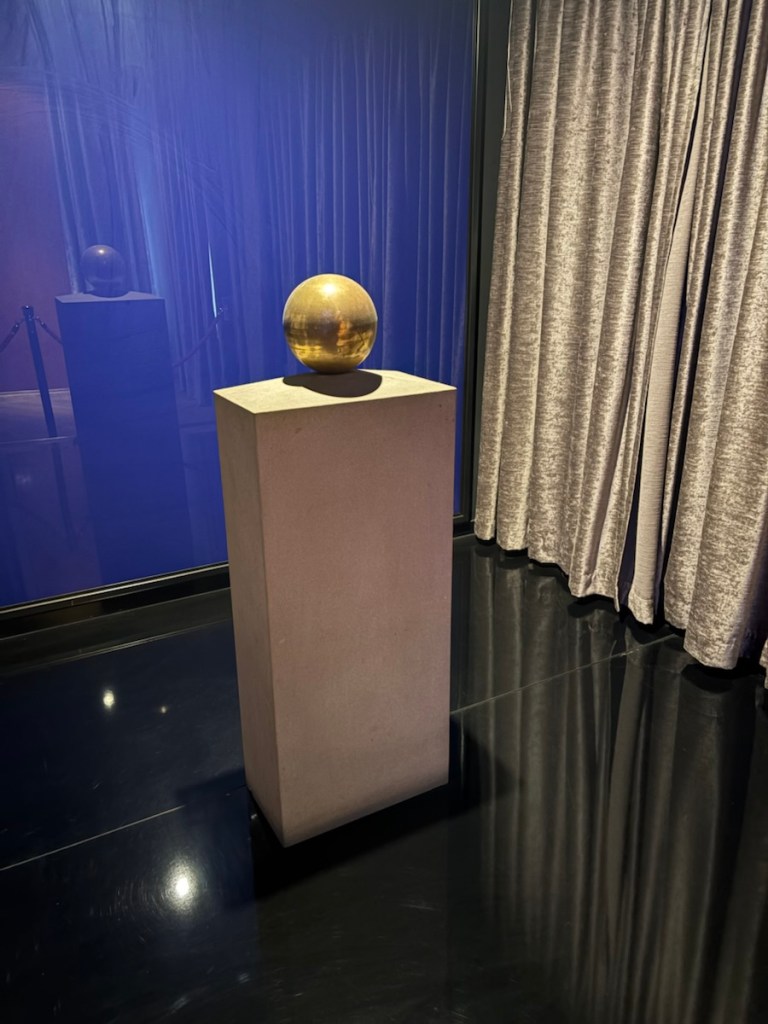
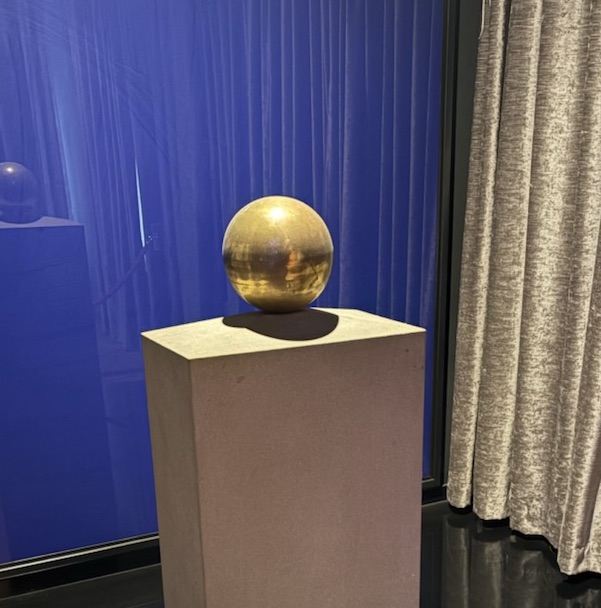
Tesla’s Cremains in a Sphere – the shape he called perfect
And a short demonstration- turning on the lights!

A Tesla Quote:

“We are living in an age of unprecedented technical achievements leading to a more and more complete mastery of the forces of nature, and annihilation of time and space. But this development, while contributing to our comfort, convenience and safety of existence, is not in the direction of true culture and enlightenment. On the contrary, it is destructive of ideals… The real cause for the fall of nations is the inability of mankind to solve the SOCIAL, MORAL and SPIRITUAL problems. So long as the strug gle for existence is such that only the fittest can survive, there is a healthy development under the sway of individualism. When reaction sets in the individual is eliminated, original effort and initiative suppressed and the creative faculties impaired, the race gradually lapses into sav-agery and perishes. A similar end threatens our present civilisation…”

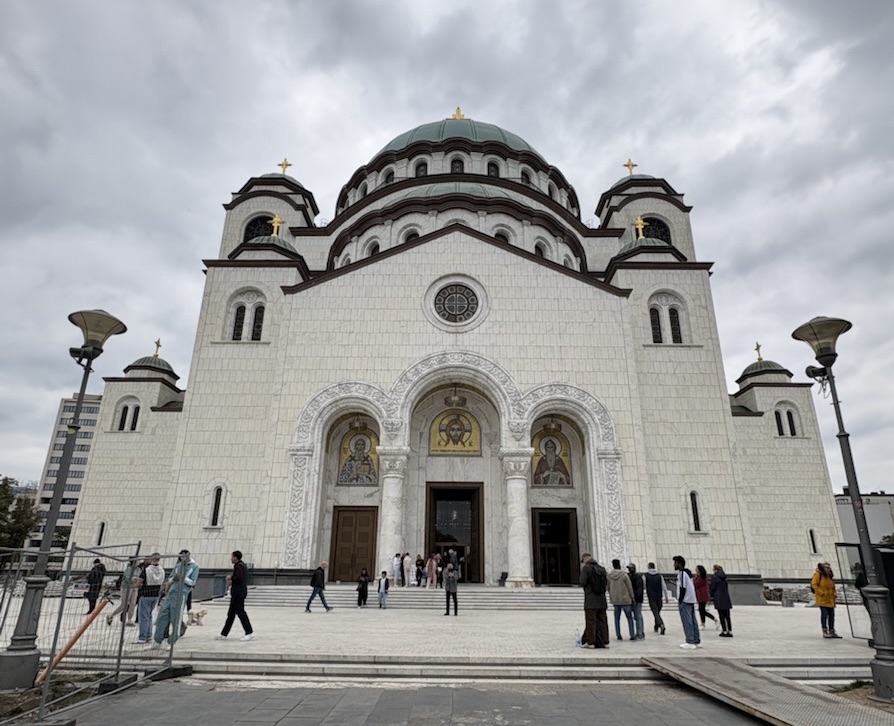
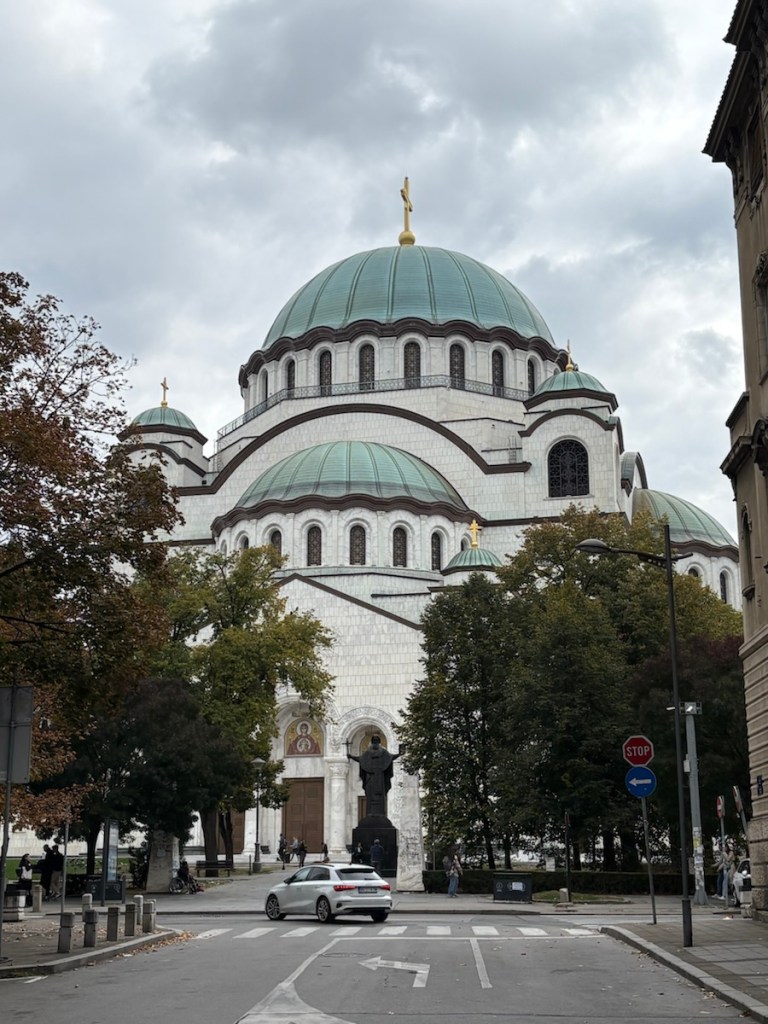
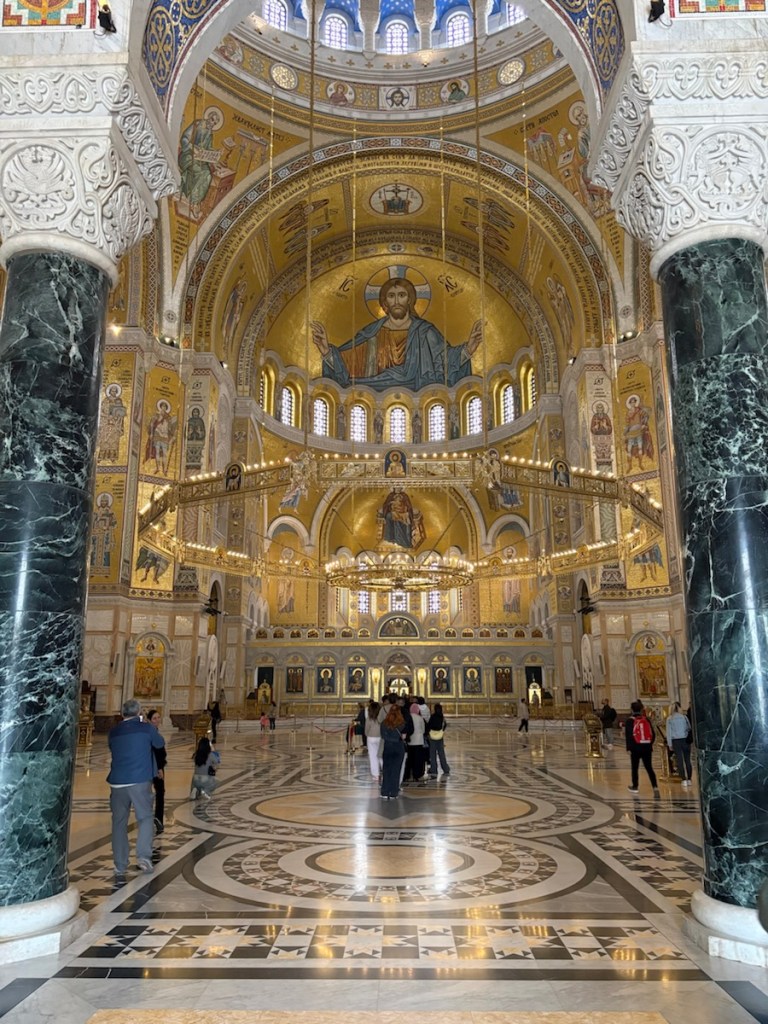
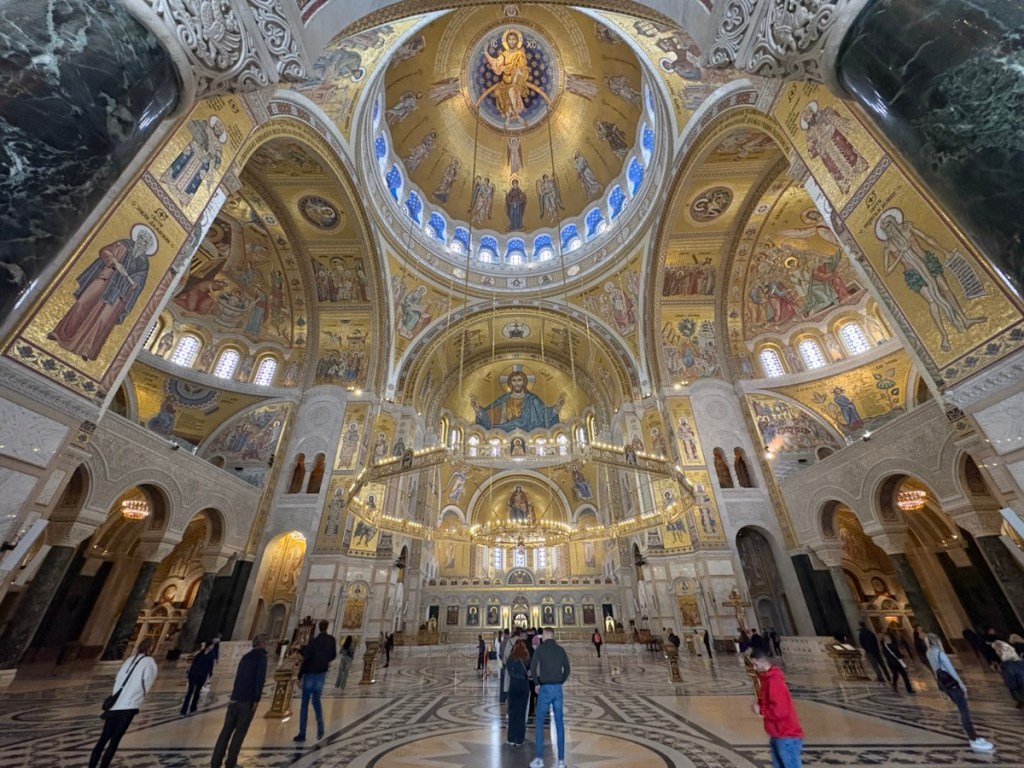
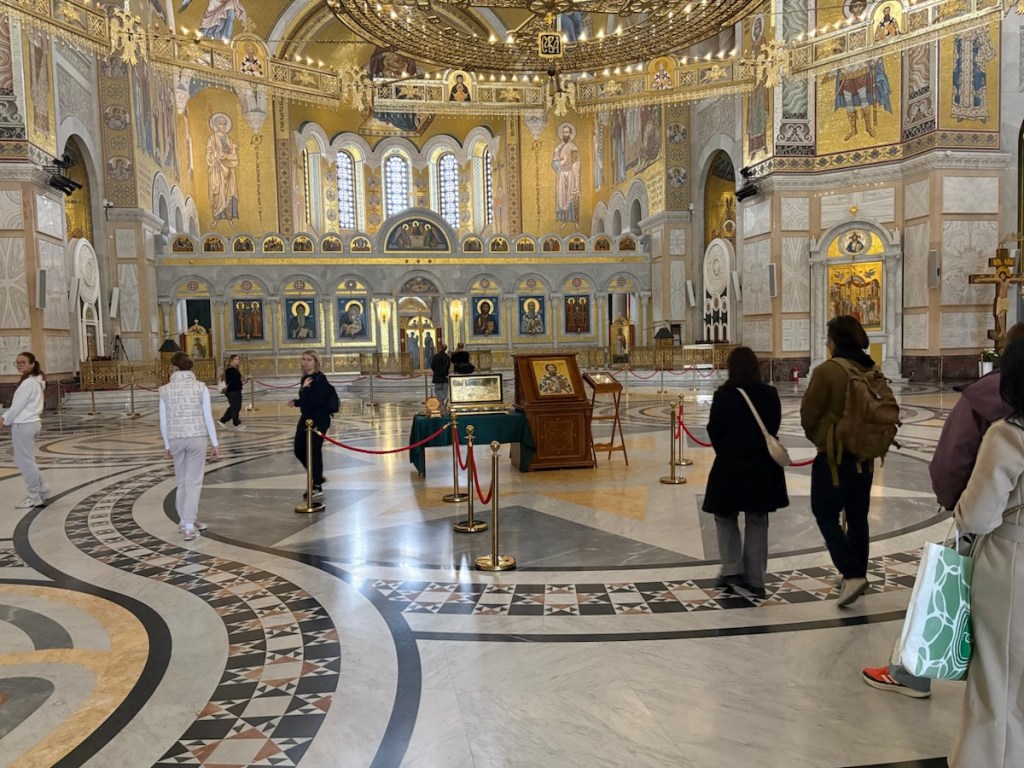
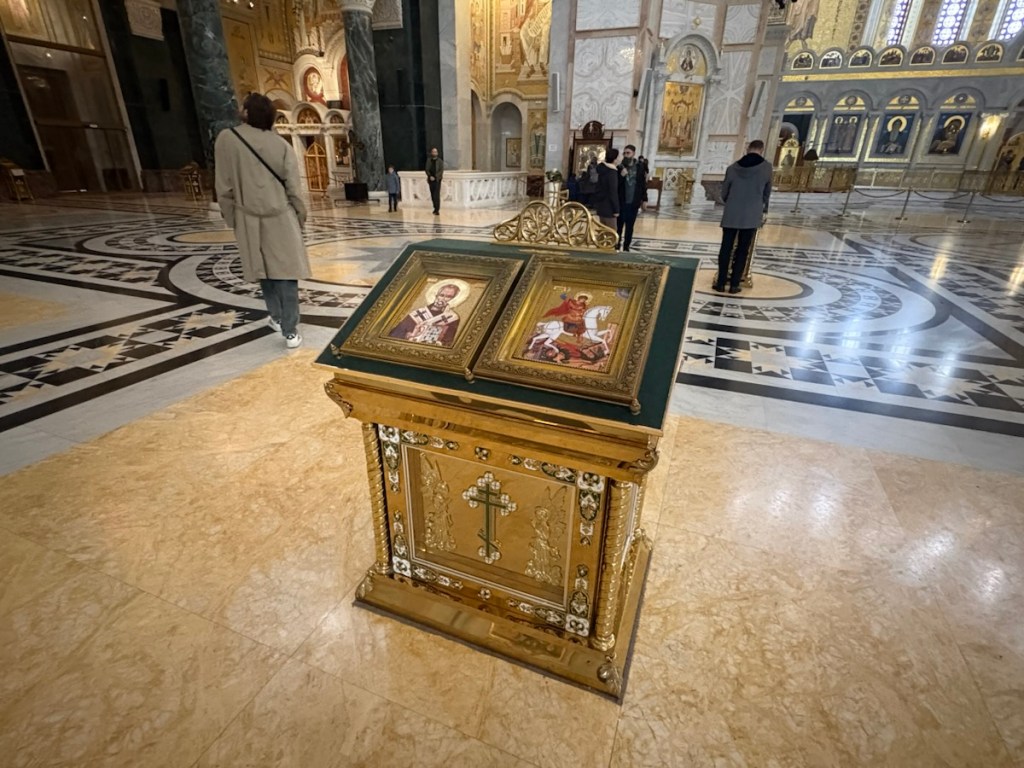
Next I headed on to the stunning Temple of Saint Sava.  It is a massive, iconic Orthodox church located on a hill in the city center. It may have the most beautiful interior I’ve ever seen in any church, mosque, or synagogue around the world!

One note, if you ever plan to attend service at a Serbian Orthodox Church, pray for a short sermon – since there are no seats at all!  Everyone stands!

On the long walk to my next stop, I passed by a large military school, with many camo clad students out and about doing various chores.  They all look to be around high school age. (No photos allowed)

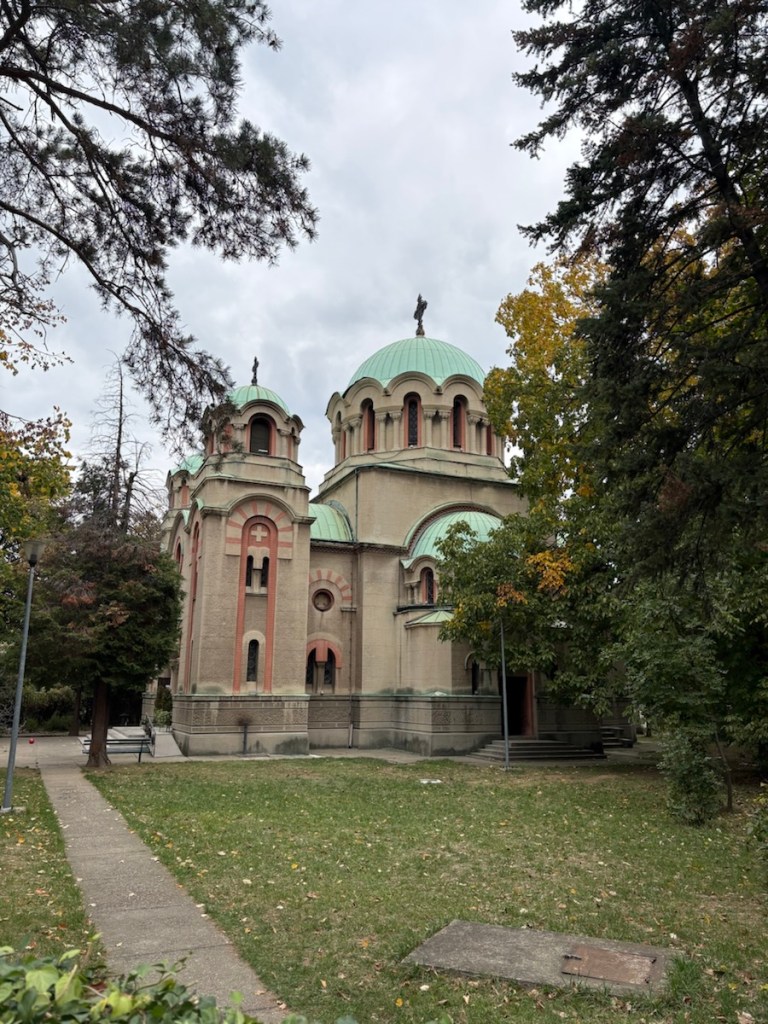
Temple of the Holy Archangel Gabriel
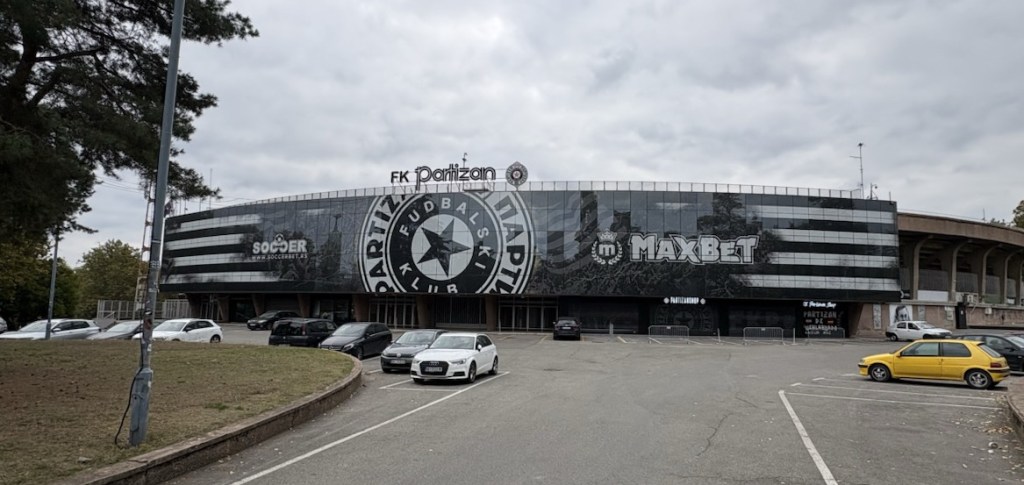
Home to “FK Partizan,” or Partizan Football Club, one of the local professional soccer teams. The stadium seats 30,000 fans.
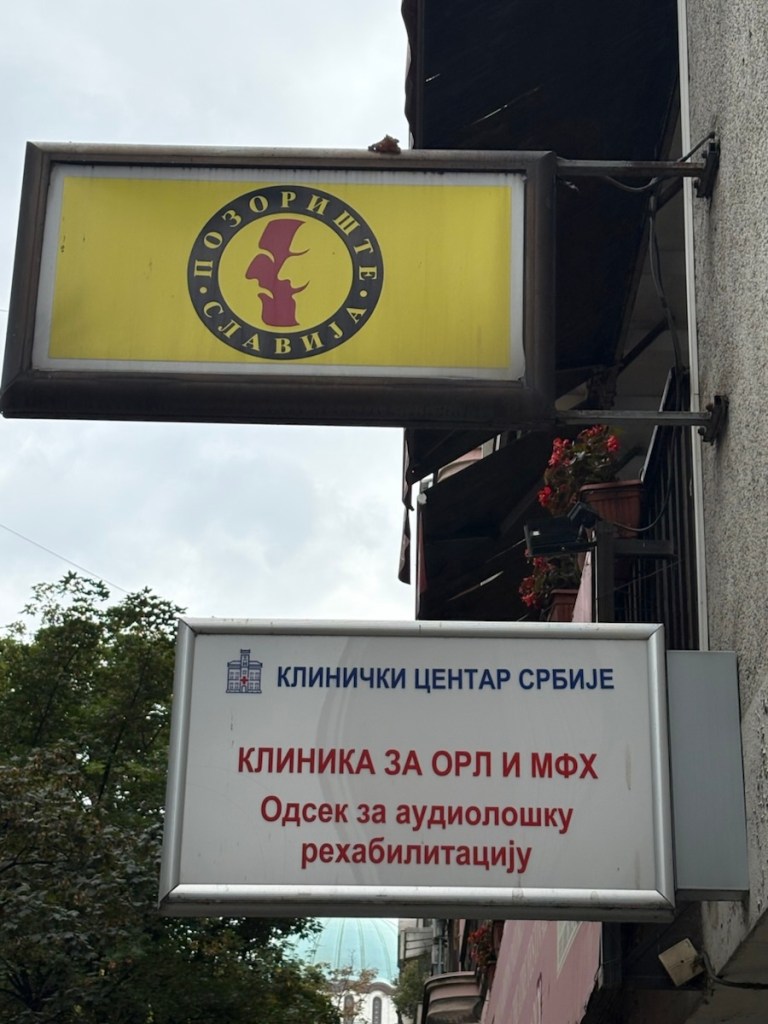
Not so easy to understand…it says:
CLINICAL CENTER OF SERBIA
ENT AND ENT CLINIC
Department of Audiological Rehabilitation
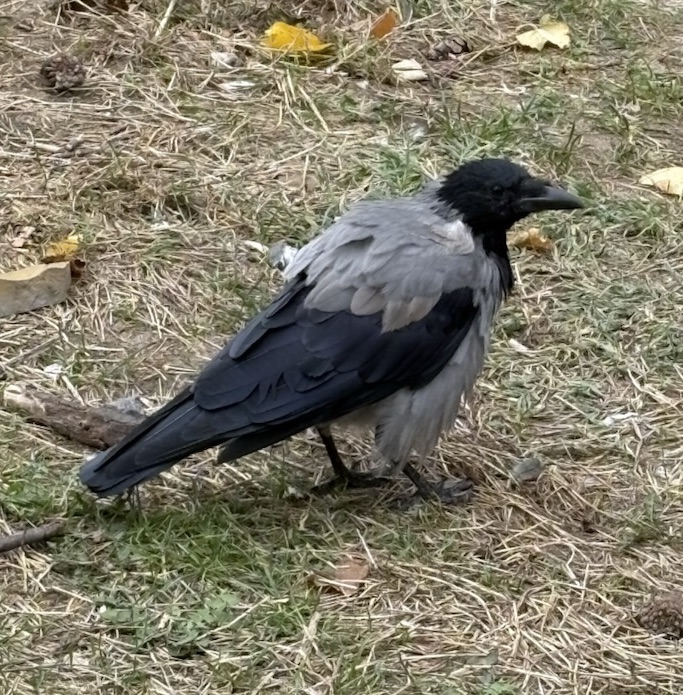
A “Hooded Crow” – plentiful in the Balkans

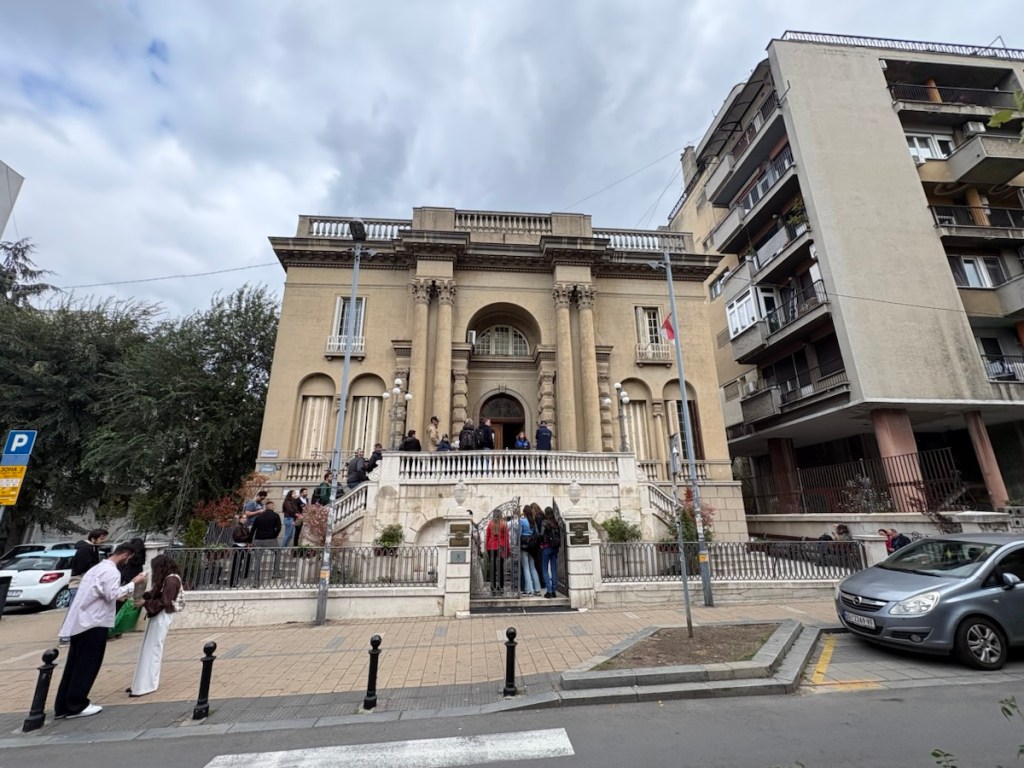
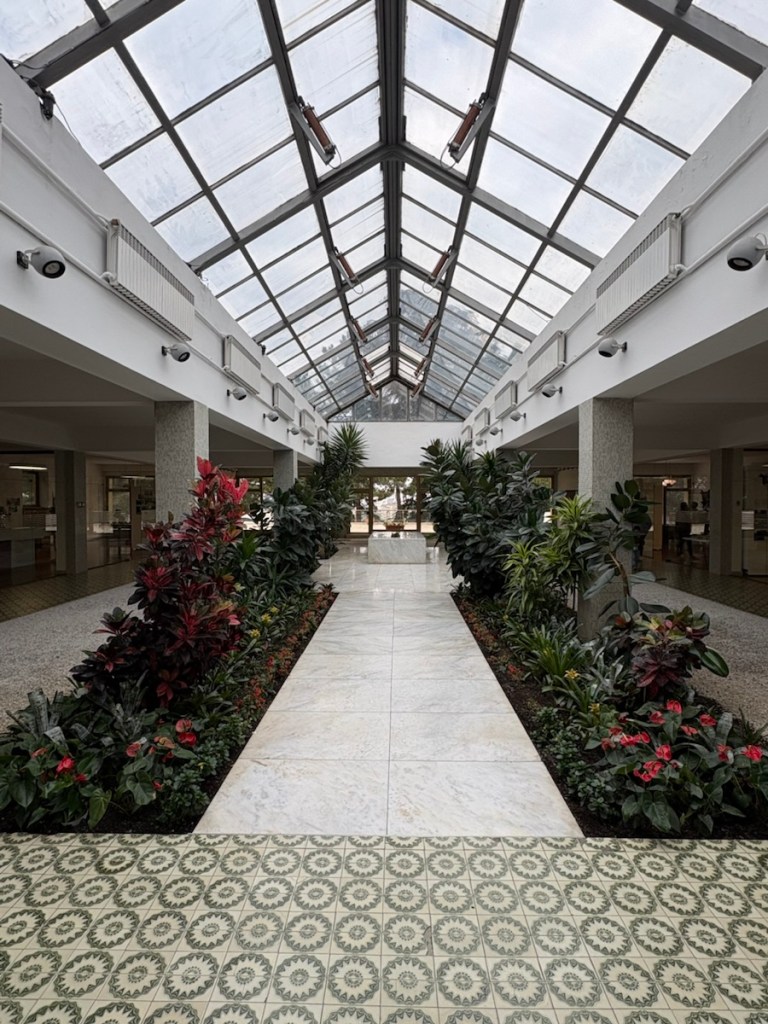
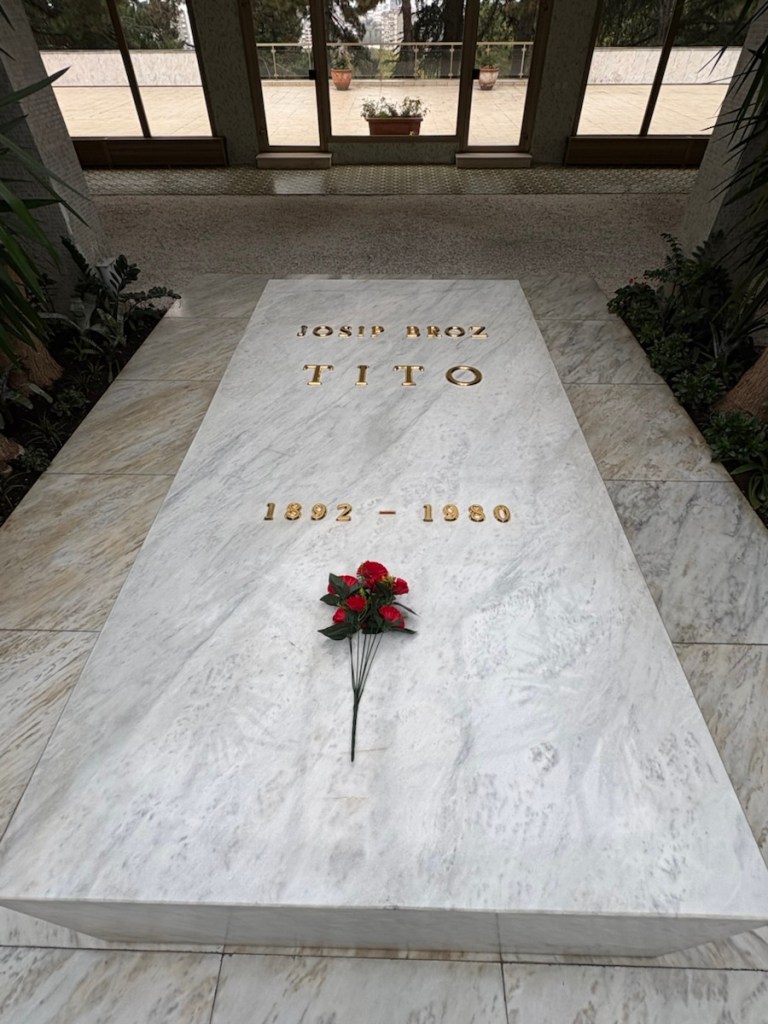
The last stop of the day was to the interesting Museum of Yugoslavia, a complex that includes the House of Flowers, Josip Broz Tito’s residence and now his mausoleum. Tito was the ruler of the former Yugoslavia from 1945 until his death in 1980.  The complex also has the “Old Museum” and the “25th May Museum” buildings, along with beautiful grounds and a couple currently drained fountains.

House of Flowers

His given name, Josip Broz, was modified when he adopted the name “Tito” as a revolutionary pseudonym during his early Communist activities. The origin is widely believed to come from the phrase “Ti, to!” in Serbo-Croatian, meaning roughly “You, do this!” or “You, that!”, reflecting his commanding style and leadership approach. It became his enduring nom de guerre and later his official identity as leader of Yugoslavia.

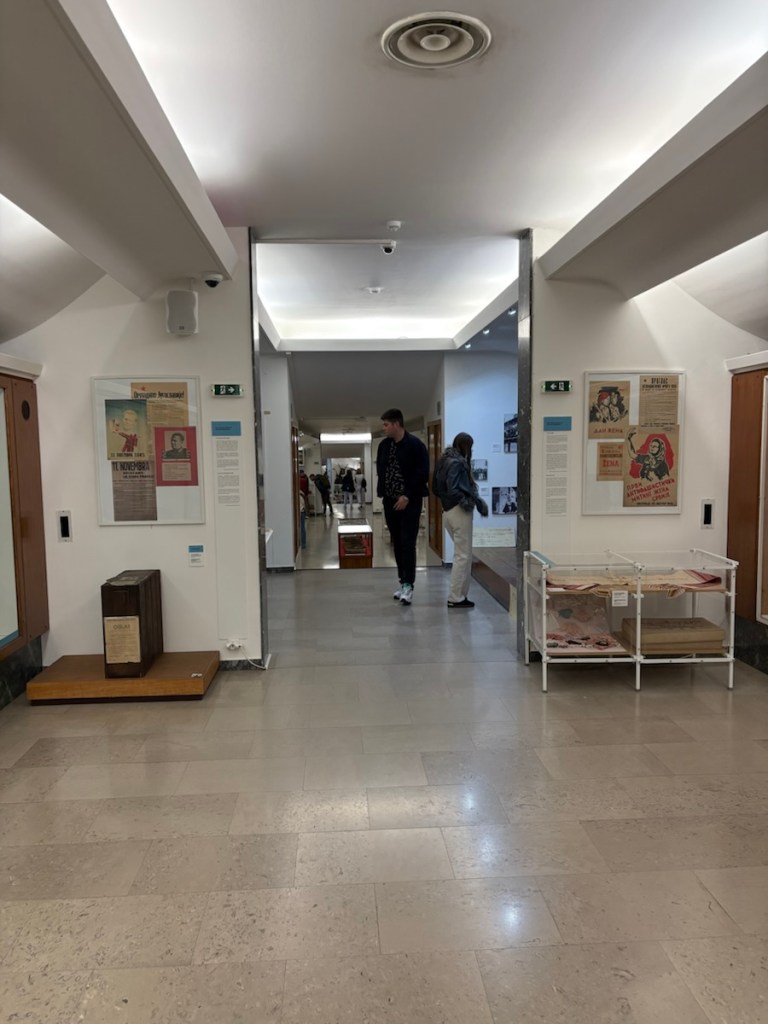
Part of the museum

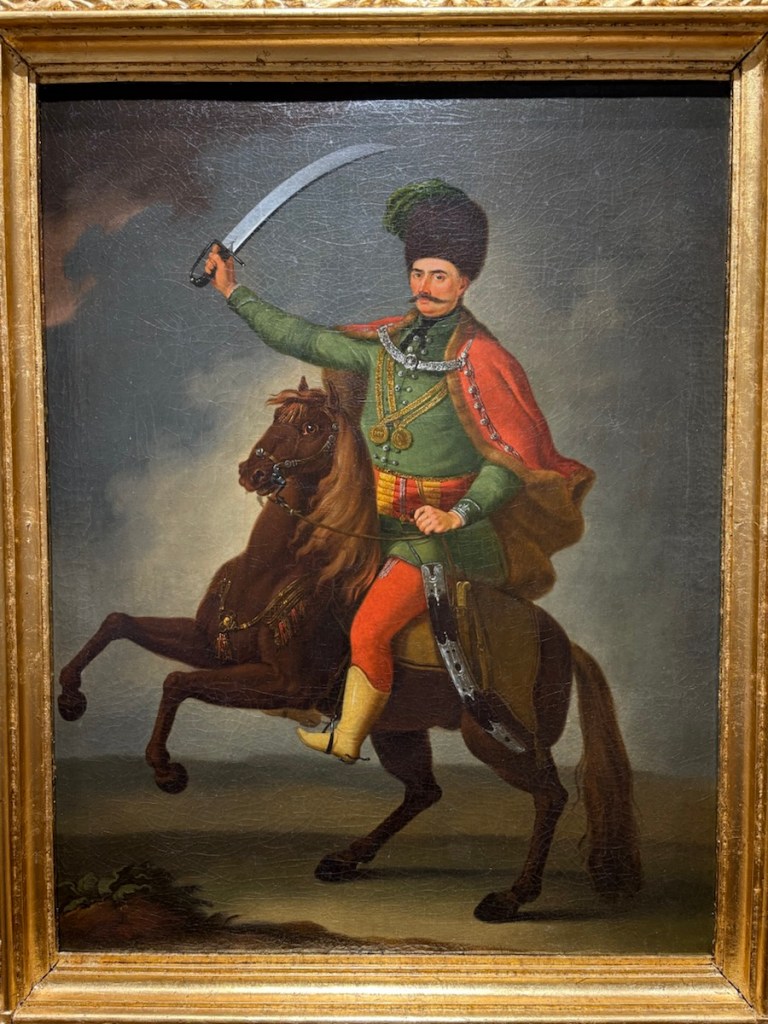
And an artwork mystery…

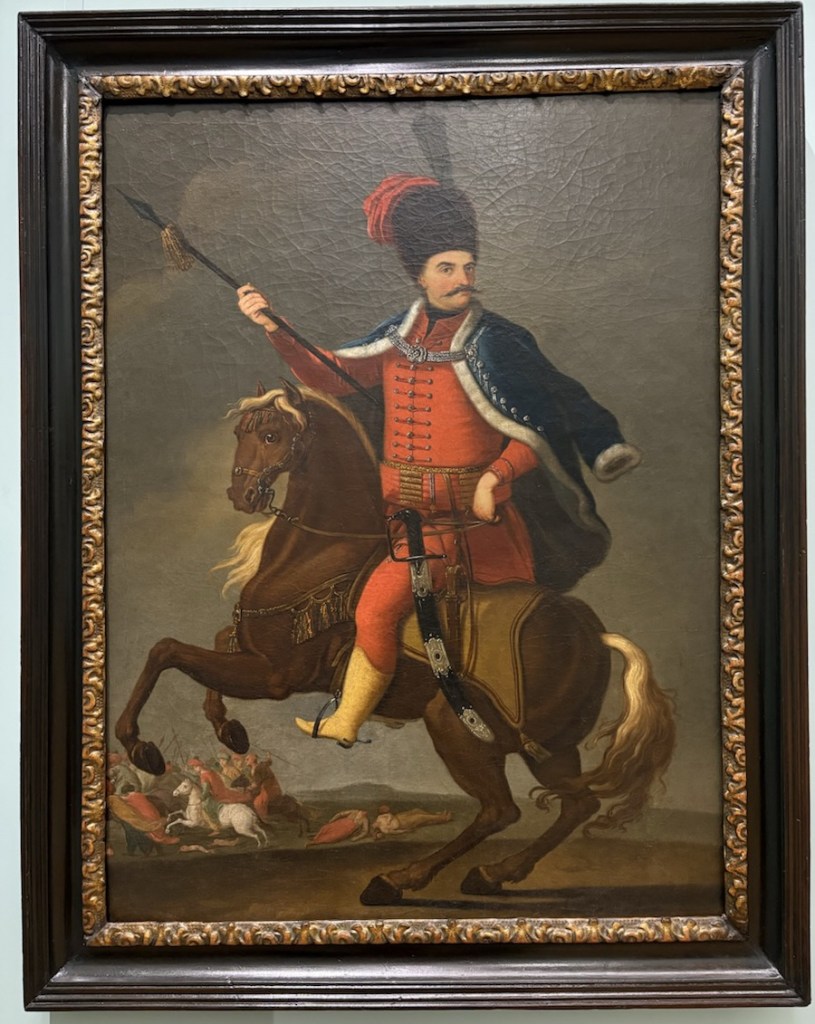
Two paintings shown below. Did the same artist paint both? Are they of the same subject in different outfits? The horses are shown equally small in relation to the size of the horsemen.

After a little web research, I found they are indeed both by the same painter, and artist named, “Arsenije Arsa Teodorović.” And apparently, the subjects are of two brothers, Bogić and Ivan Vučković. Crazy!

A painting I viewed a couple days ago in Novi Sad, Serbia

And tomorrow, it’s on to Romania!  And Dracula!  And bears!

Before you go…

If you think you are too small to be effective, you have never been in the dark with a mosquito.

On to Belgrade, Serbia

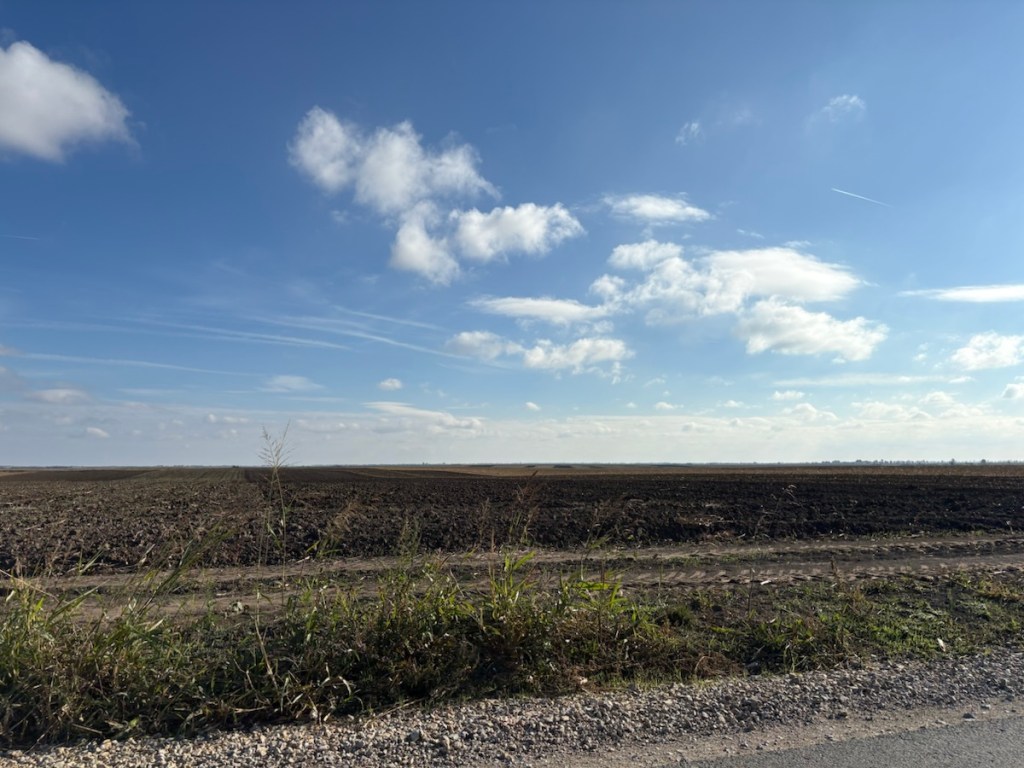
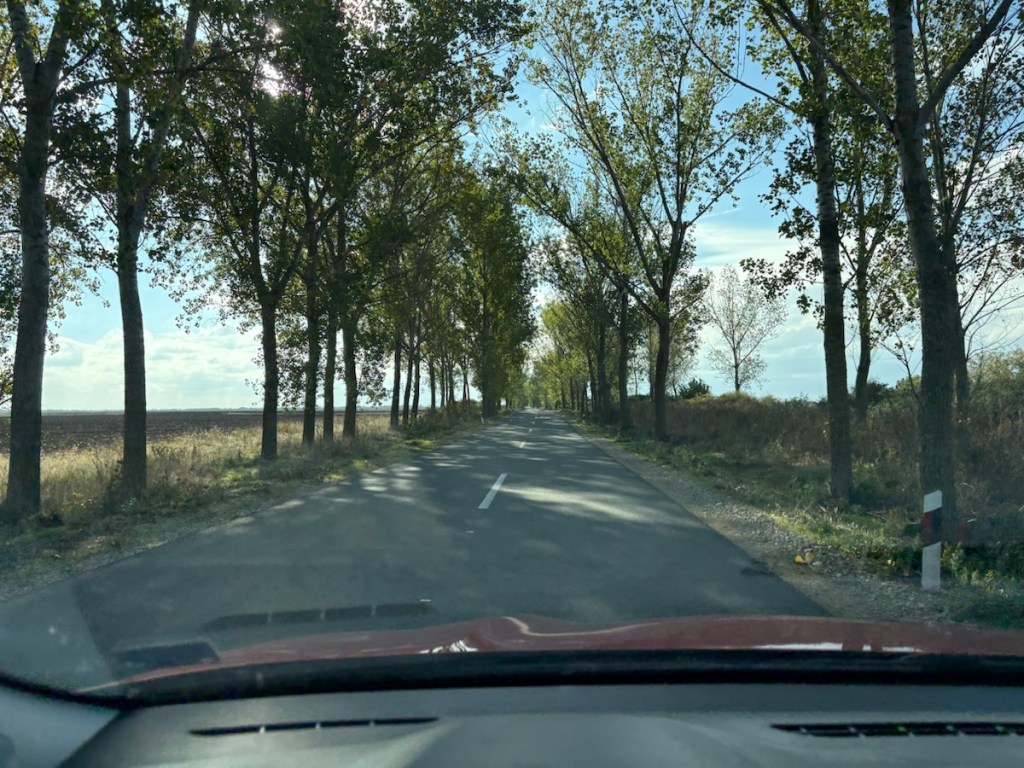
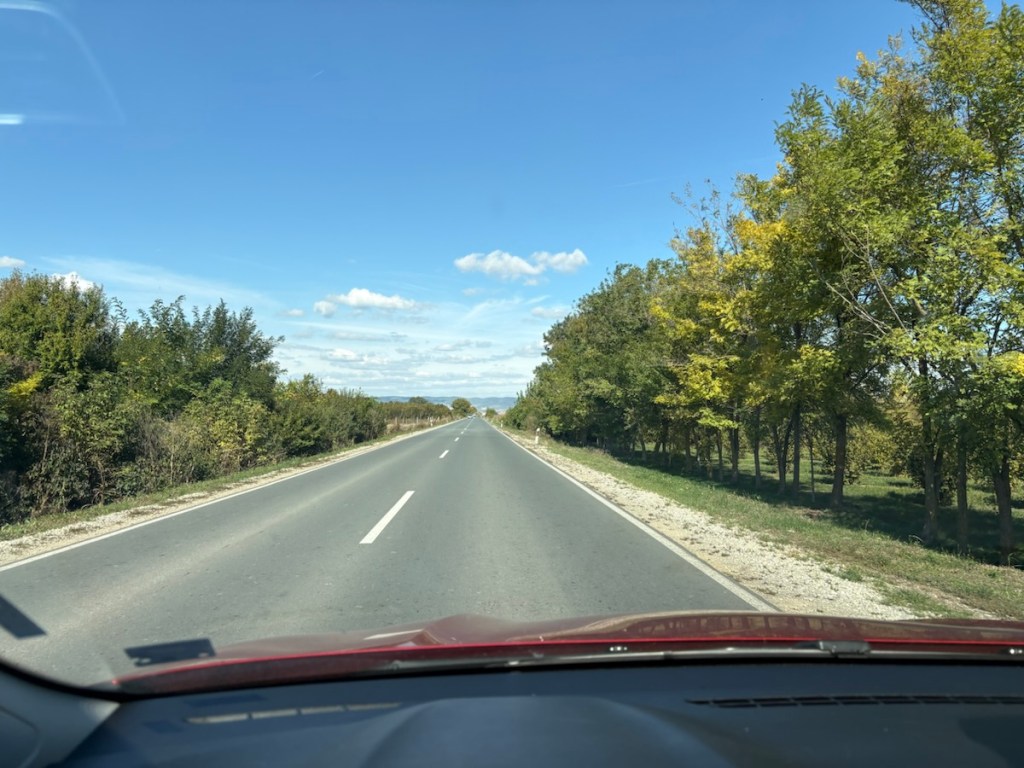
I slept in on a beautiful sunny Saturday morning since the drive to Belgrade was less than two hours — the scenic back road route to avoid tolls! And it was nice to have the sunshine on the drive since I’ve had heavy fog every morning for the last few days.  Central Serbia is still very flat and focused on farming.

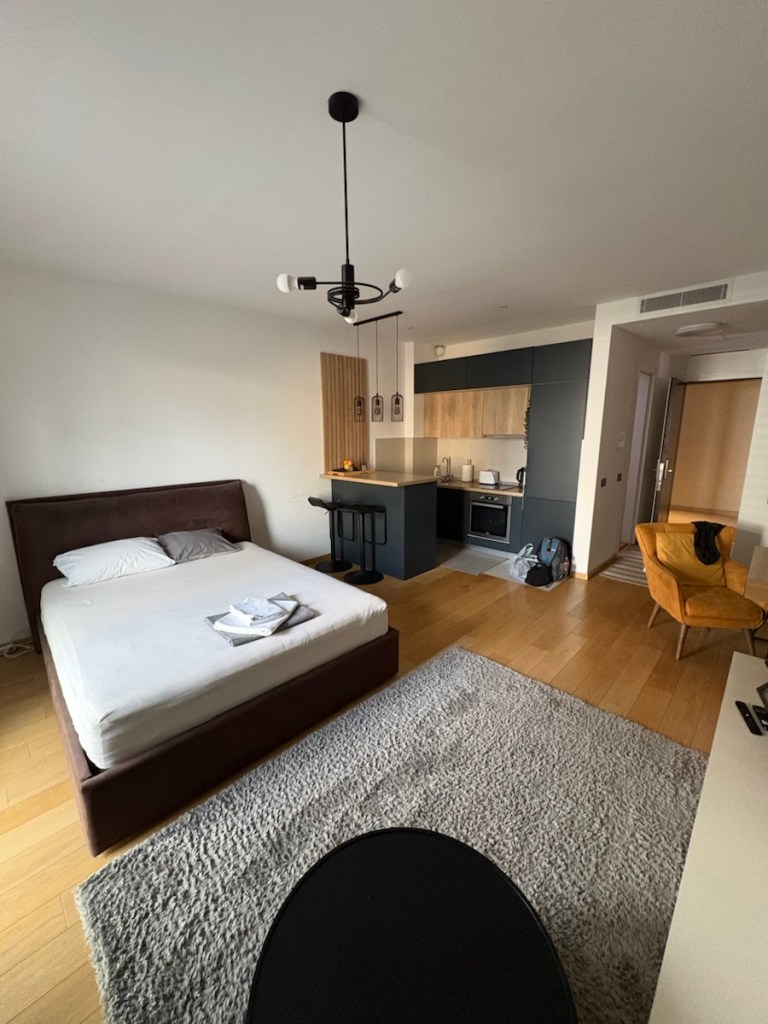
I arrived in Belgrade about 10 am and was able to check into my apartment early.  It was a beautiful and modern new building with underground parking.  Conveniently, there was also a grocery store and other shops on the ground floor. The room is spectacular and I’m happy to stay for two nights!

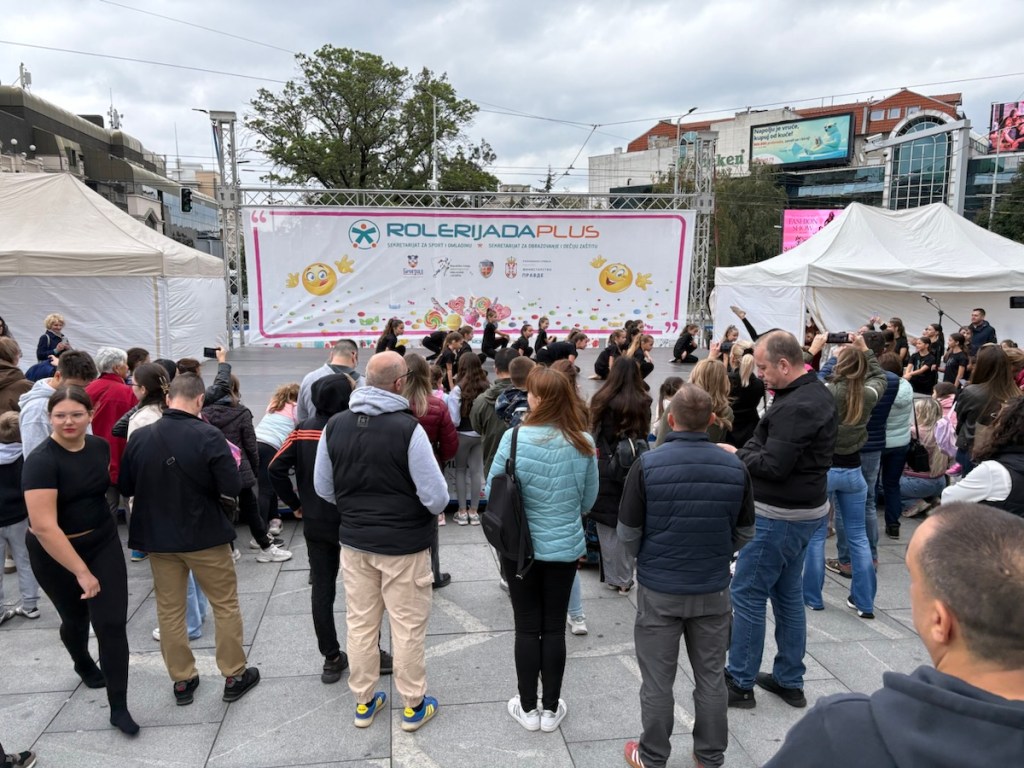
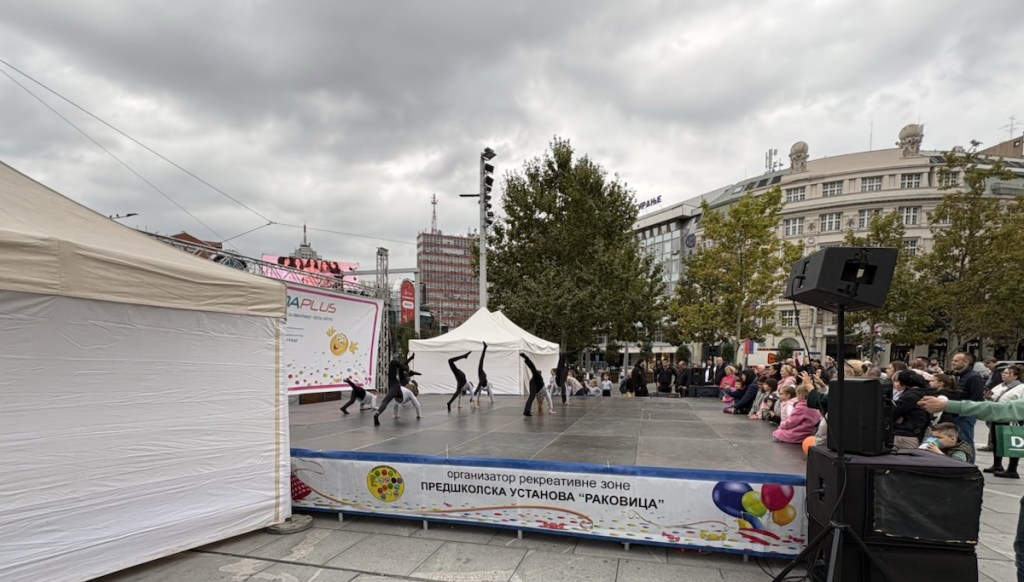
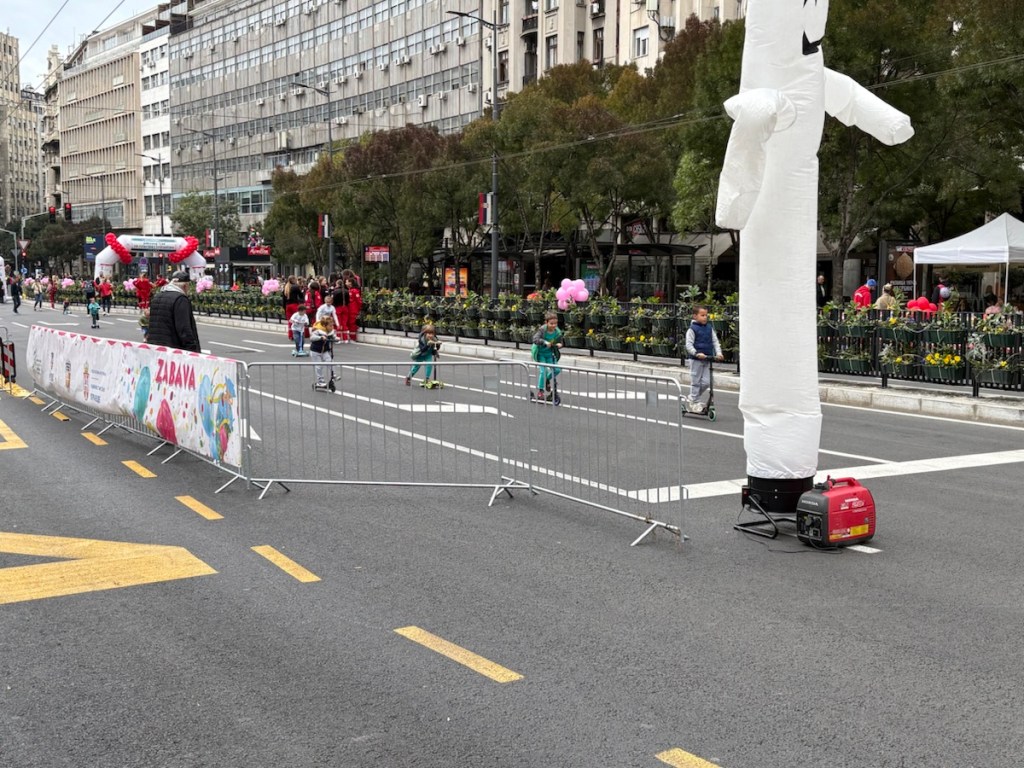
After I got settled, I walked to the city center. There was some type of festival today with lots of activities for children.  Roller blade and scooter races in the street, bounce houses, dance performances, etc.

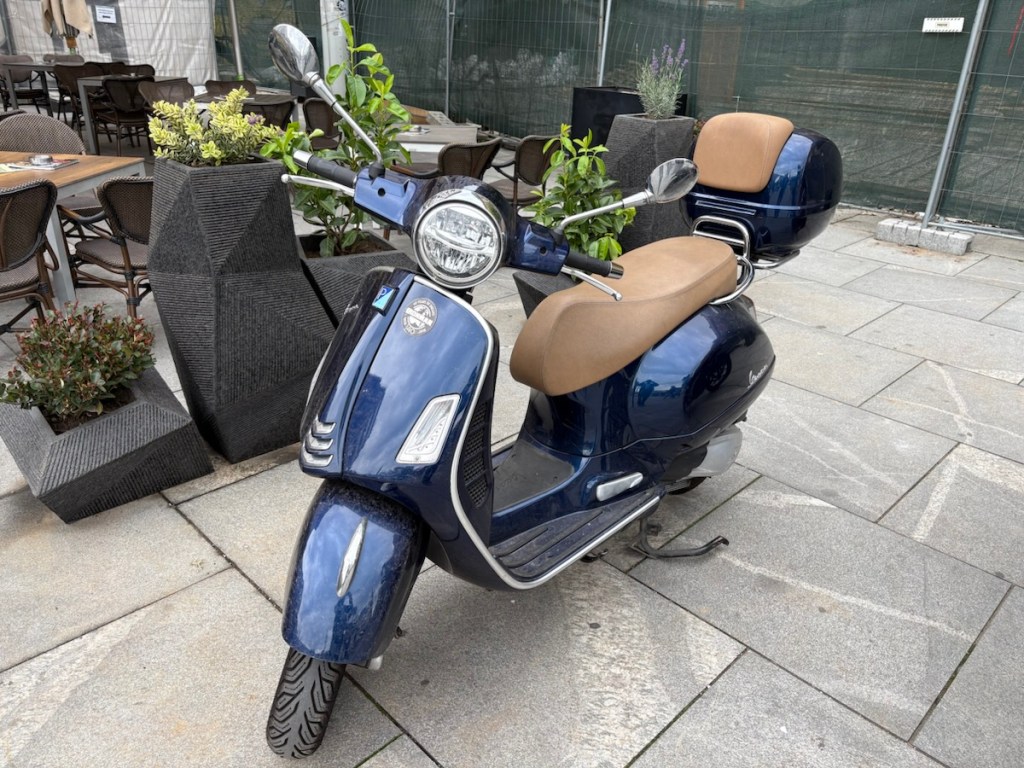
Okay, maybe I could settle for a blue Vespa…

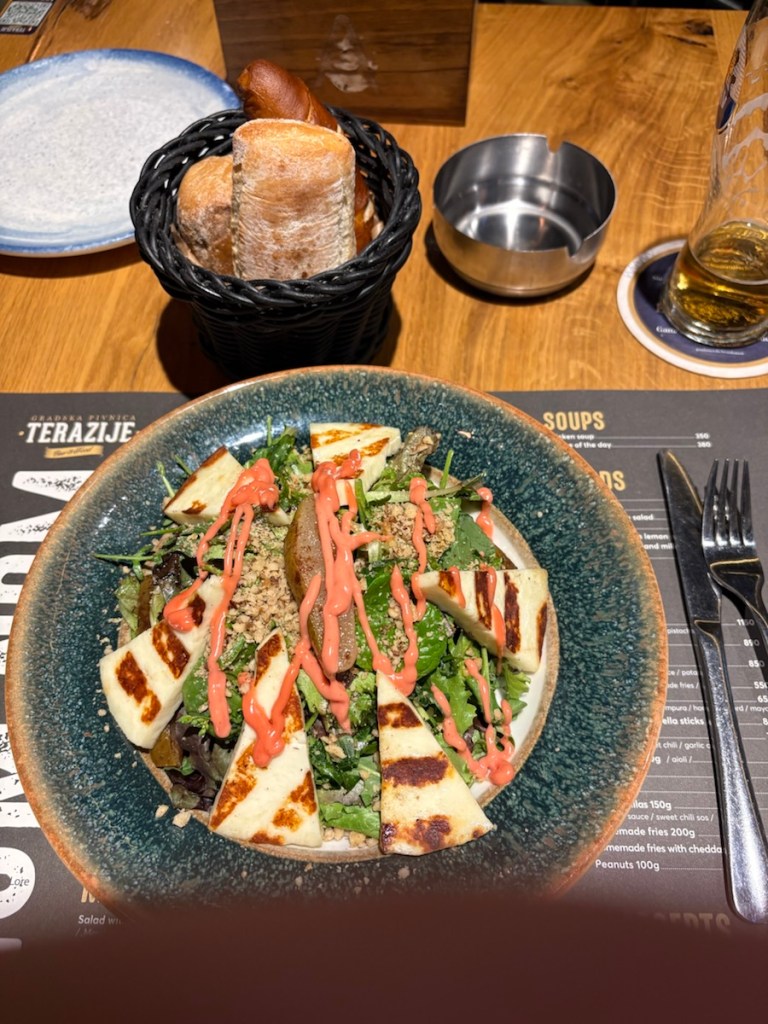
I enjoyed a delicious salad with grilled “Miroč” cow cheese, grilled pear, walnuts, and pomegranate dressing for lunch.

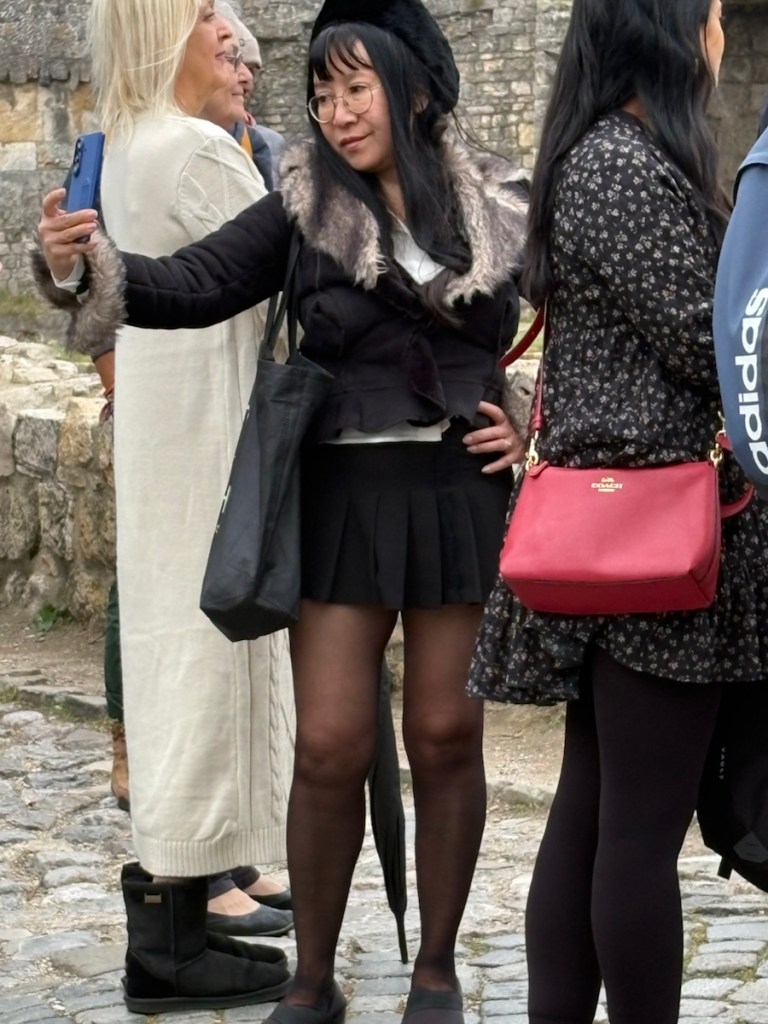
Afterwards, I connected with my afternoon “free” tour group nearby. About 15 folks from around the world, including a 50-ish “Yoko Ono” with a Julia Child voice! And she must have taken 500 selfies during the 2.5 hour tour.

“Yoko”

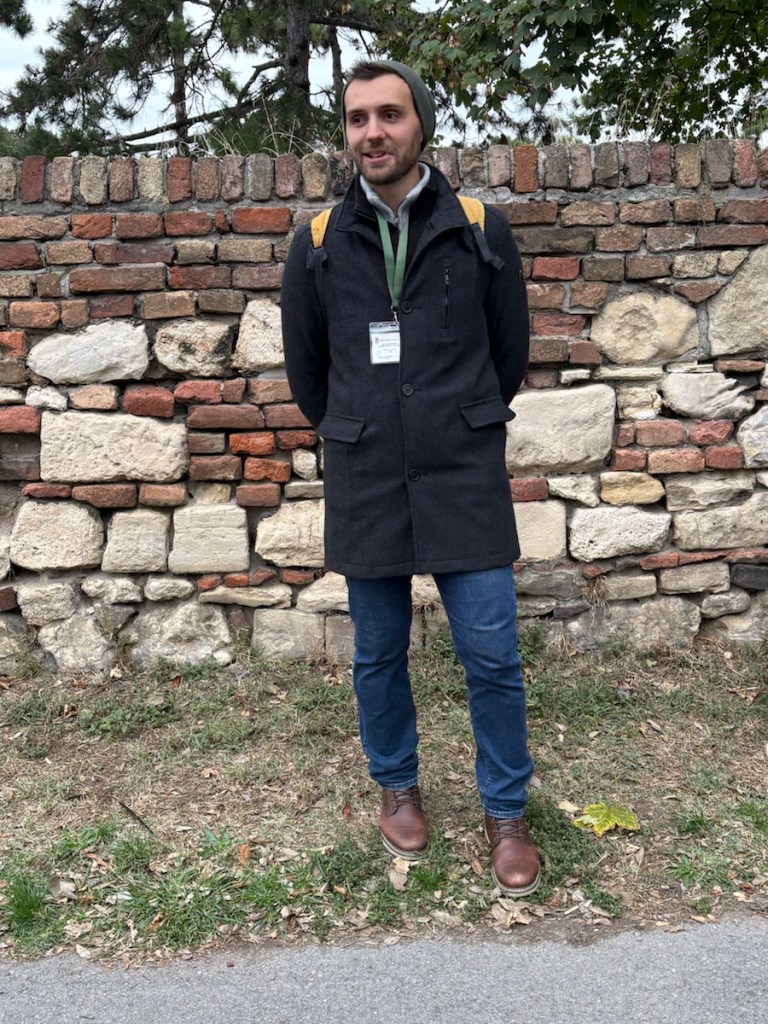
Our guide, Duschon, was good, not great. He did have a few funny lines, but the tour was actually pretty boring compared to many others I’ve taken.

Our Guide

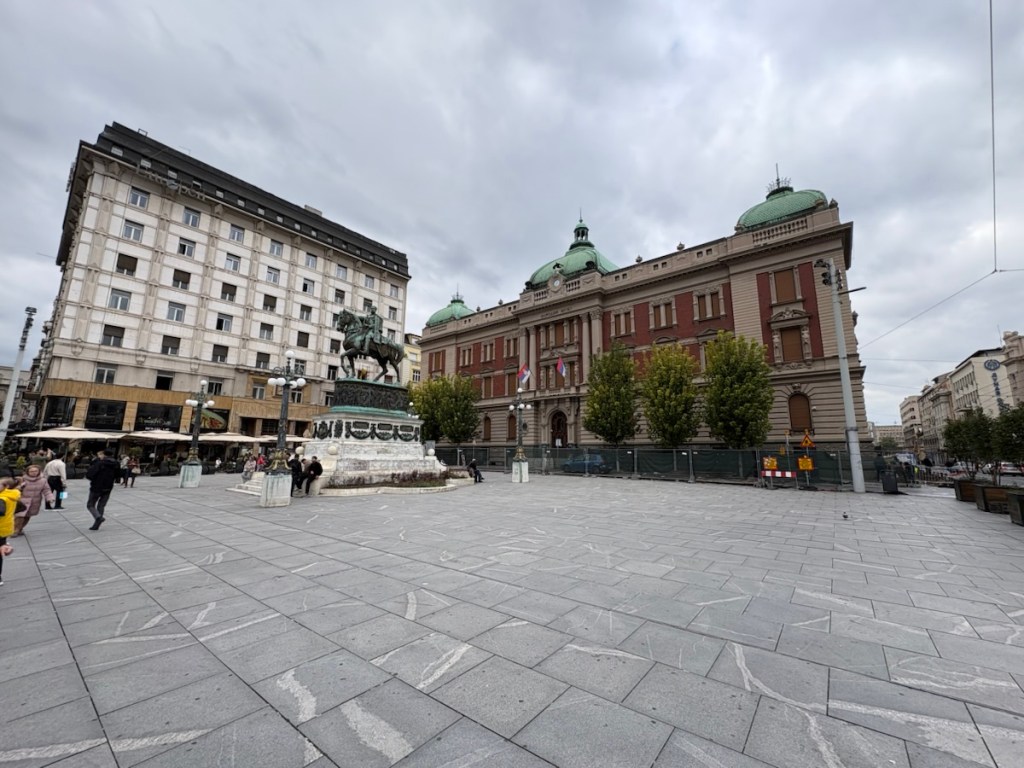
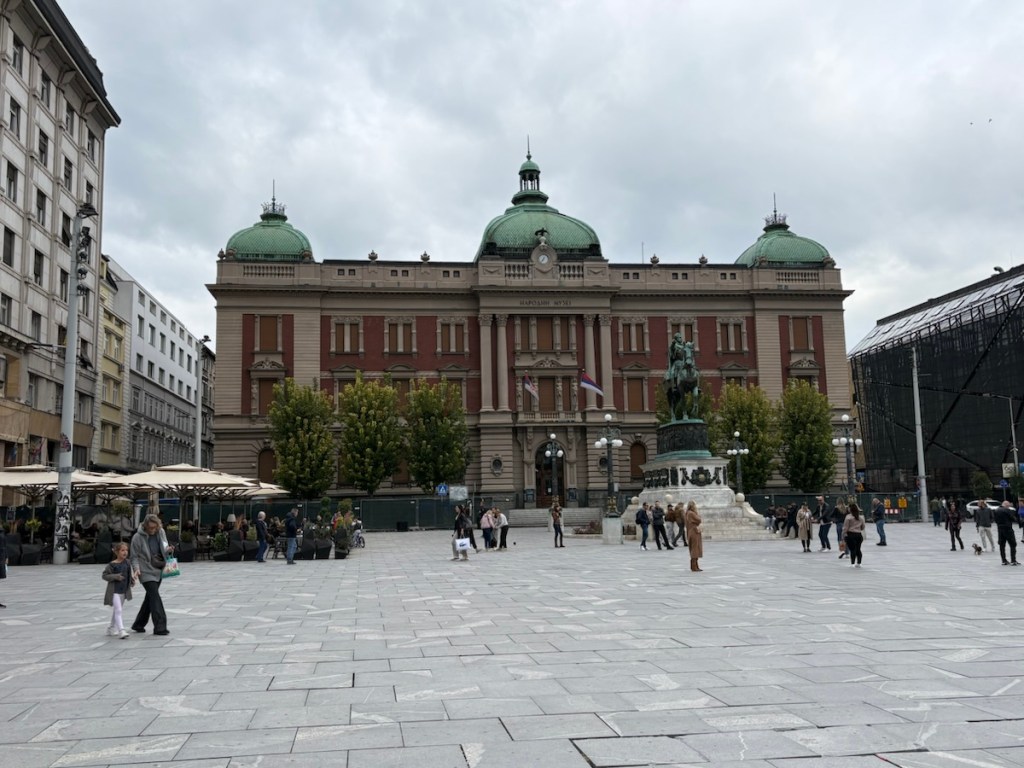
We started in The Republic Square, a common meeting place for locals. They generally say, “Let’s meet at the Horse,” referring to the Prince Michael of Serbia bronze statue in the square. The Prince became ruler upon the departure of the conquering Ottomans when they finally left in 1867. Unfortunately, the Prince didn’t get long to reign – he died in 1868.

National Museum of Serbia
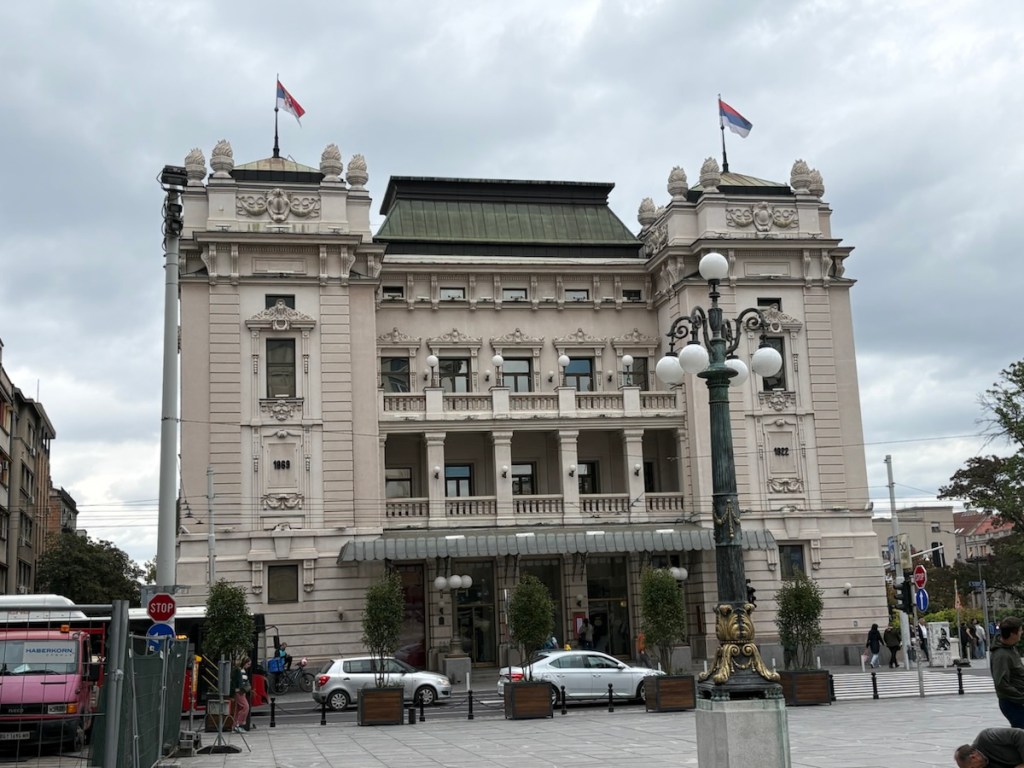
National Theater, built in 1869; rebuilt in 1922 after WW1.

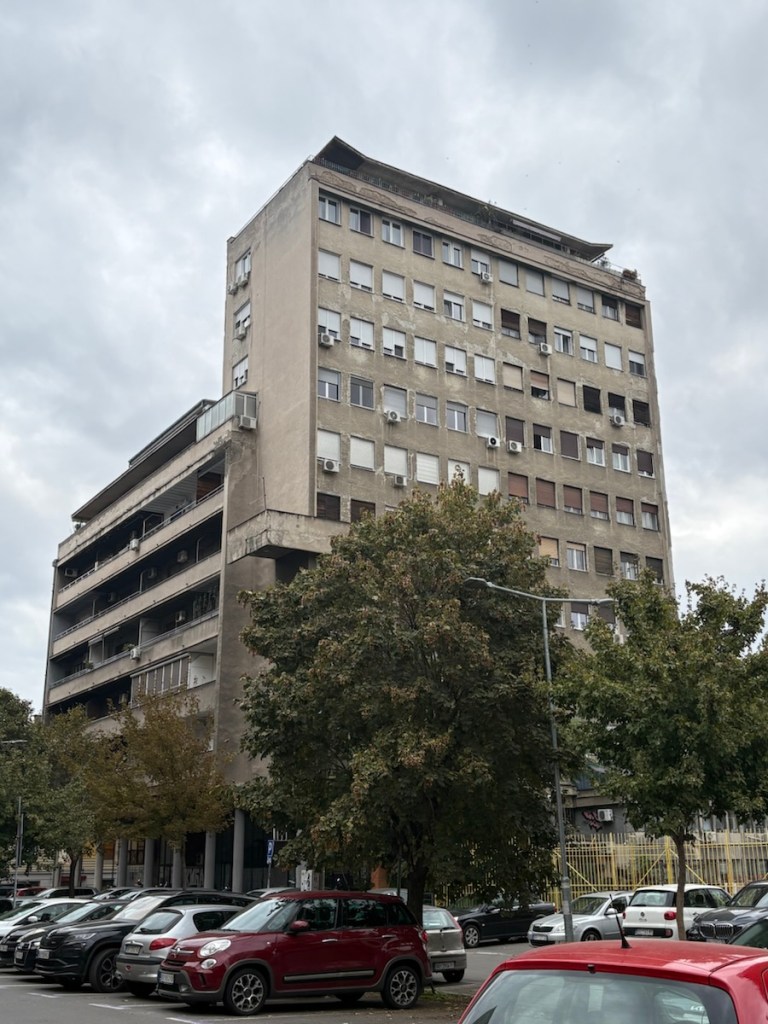
The Communists took over after WWII and remained in power until 1990. And it’s very easy to pick out the Soviet era architecture – all of it bland and utilitarian!

Serbia has been officially named the Principality of Serbia (1815–1882), the Kingdom of Serbia (1882–1918), the People’s Republic of Serbia (1945–1963), and the Socialist Republic of Serbia (1963–1990), before becoming the Republic of Serbia in 1990. The state’s name also changed as part of larger federations, such as the Kingdom of Yugoslavia (1918–1941) and later the Federal Republic of Yugoslavia (1992–2003), which became Serbia and Montenegro (2003–2006). 

  • Belgrade was actually destroyed a total of 44 times throughout its history! Sounds like a lot of rebuilding, and that’s why the architecture is all over the map. No two buildings alike!
  • Serbia uses both the Cyrillic and the Latin alphabets. So if you want to be confused, come here!
  • The city’s bohemian quarter, Skadarlija, is known for its traditional restaurants, bars, and vibrant atmosphere. 
  • Christmas is celebrated on January 7th, 13 days later than December 25, because Serbia uses the Julian calendar.
A famous Serbian artist and poet

Belgrade Fortress

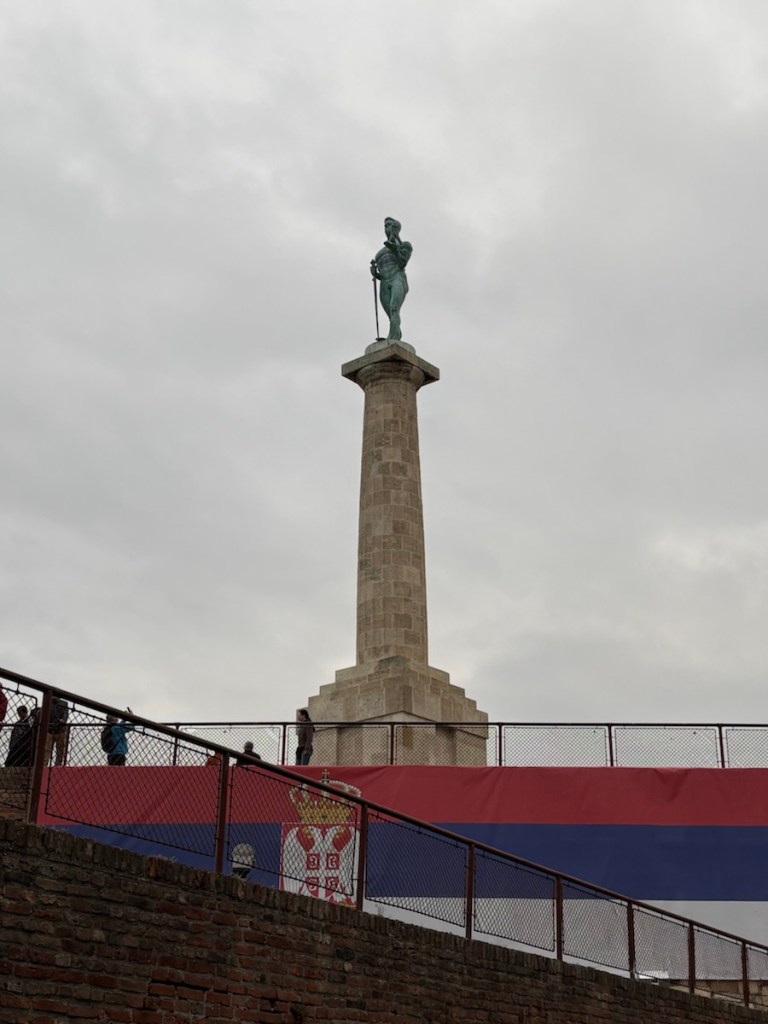
WWI victory monument
The confluence of the Danube and the Sava Rivers.
The Sava River

Gggg

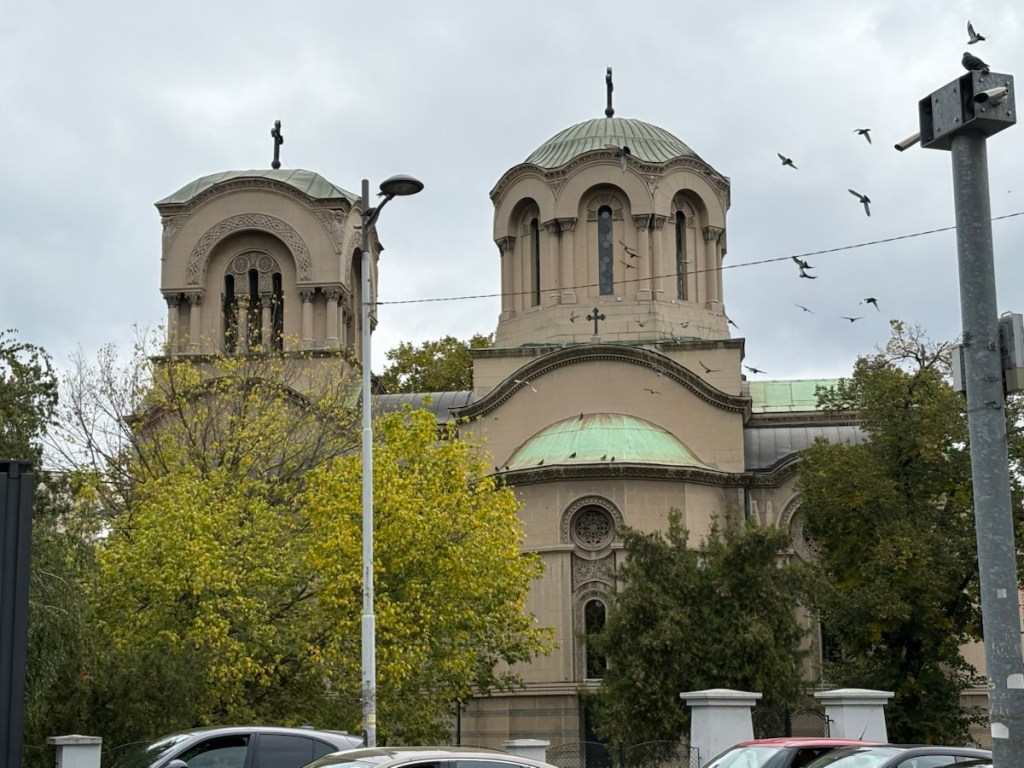
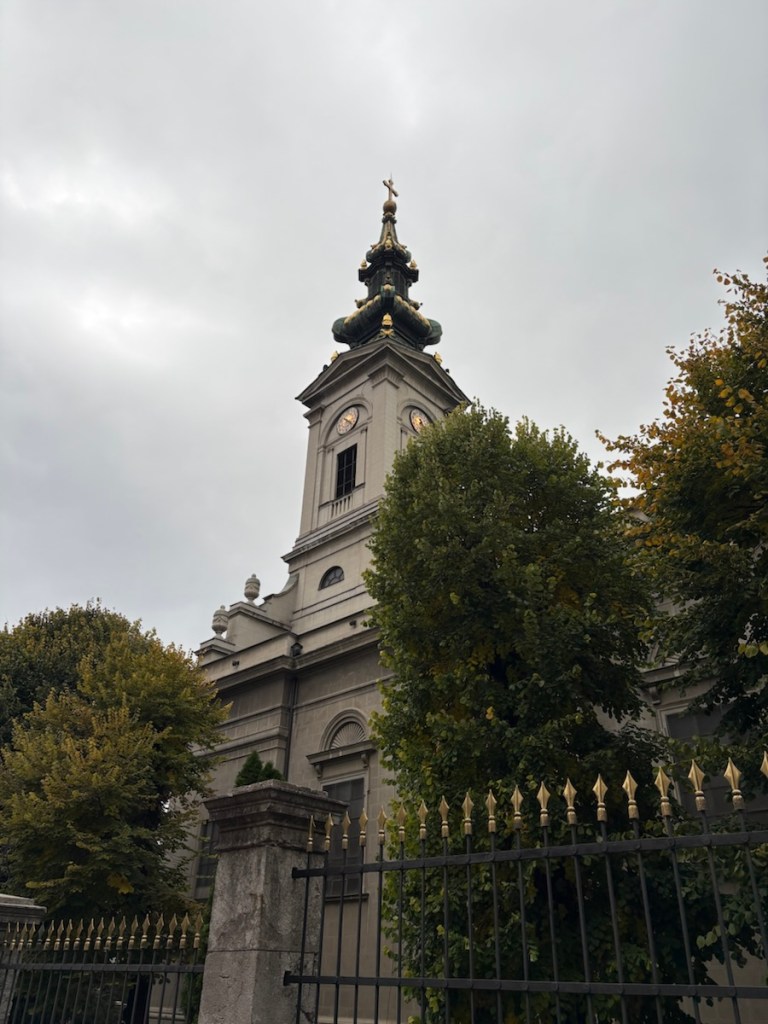
St Michael’s Church
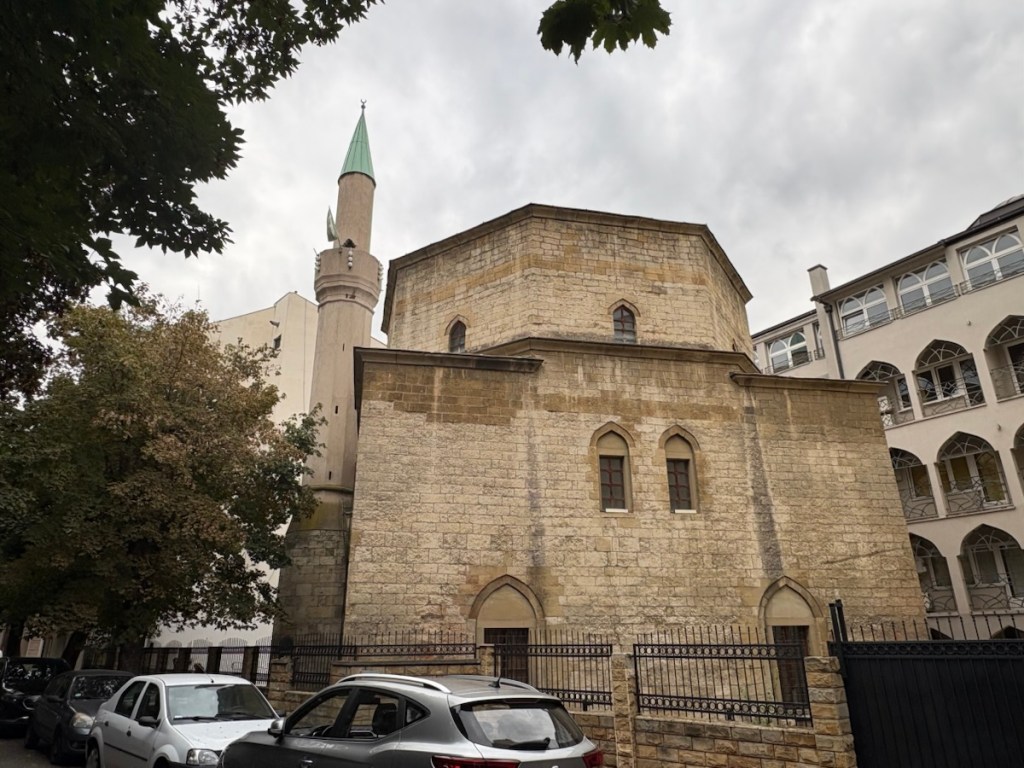
The Bajrakli Mosque…
the only mosque remaining in the city
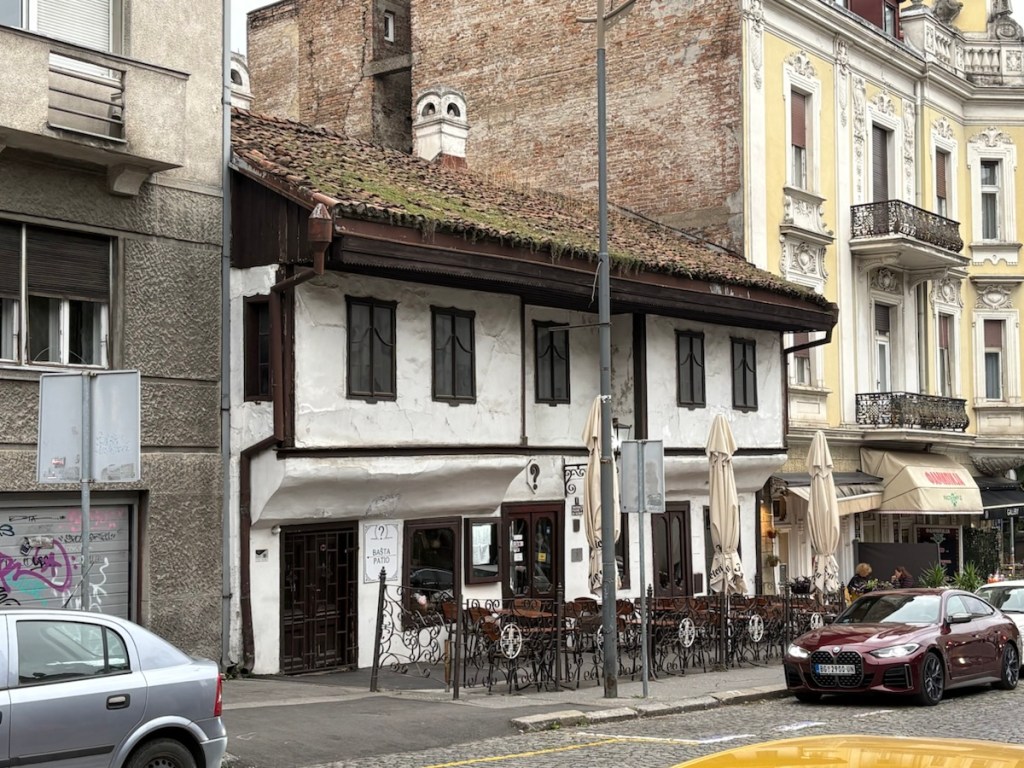
The oldest restaurant in Belgrade dating to 1823.  The name is “?” – yup, just a question mark!

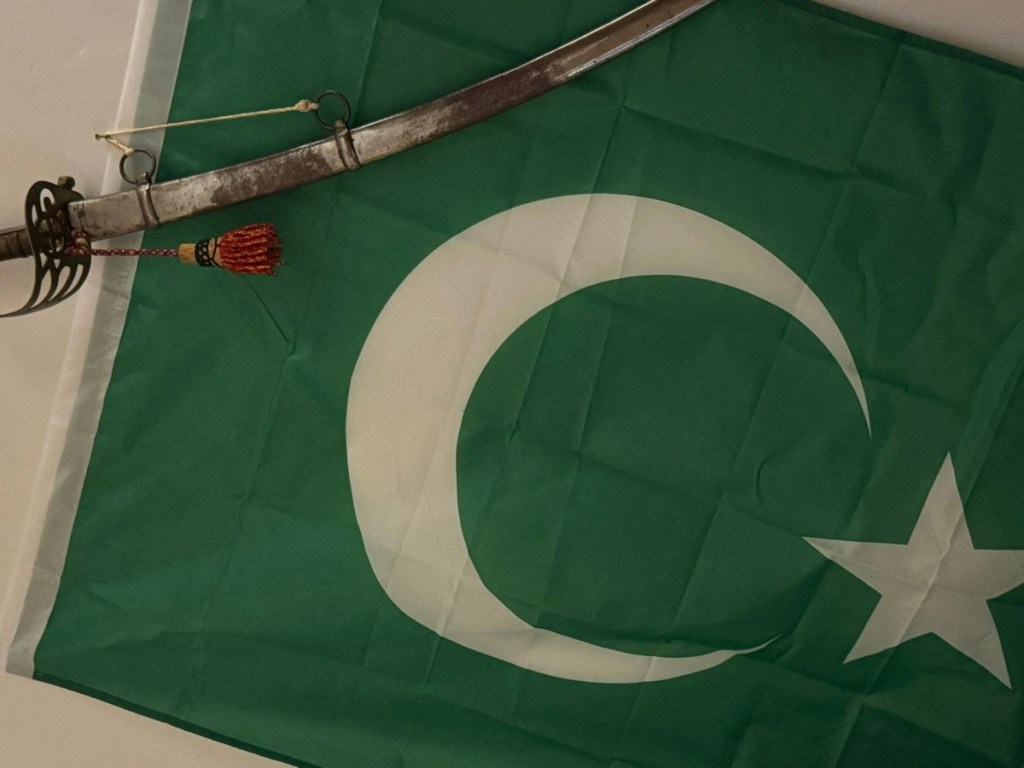
I have seen a green Turkish flag a number of times along my travels (unlike the actual red Turkish flag). 

This green version is the flag of European Turkey. Turks and muslims of the Balkans still use it, especially on religious and some national important days when you can see the green flag hanged on mosques and other important buildings in the Balkans. Many Turks in Turkey with their roots in the Balkans will keep a green flag in their homes and especially in their hearts to remember the homelands they left in the Balkans. Many are also confident to raise it again when we’ll return.

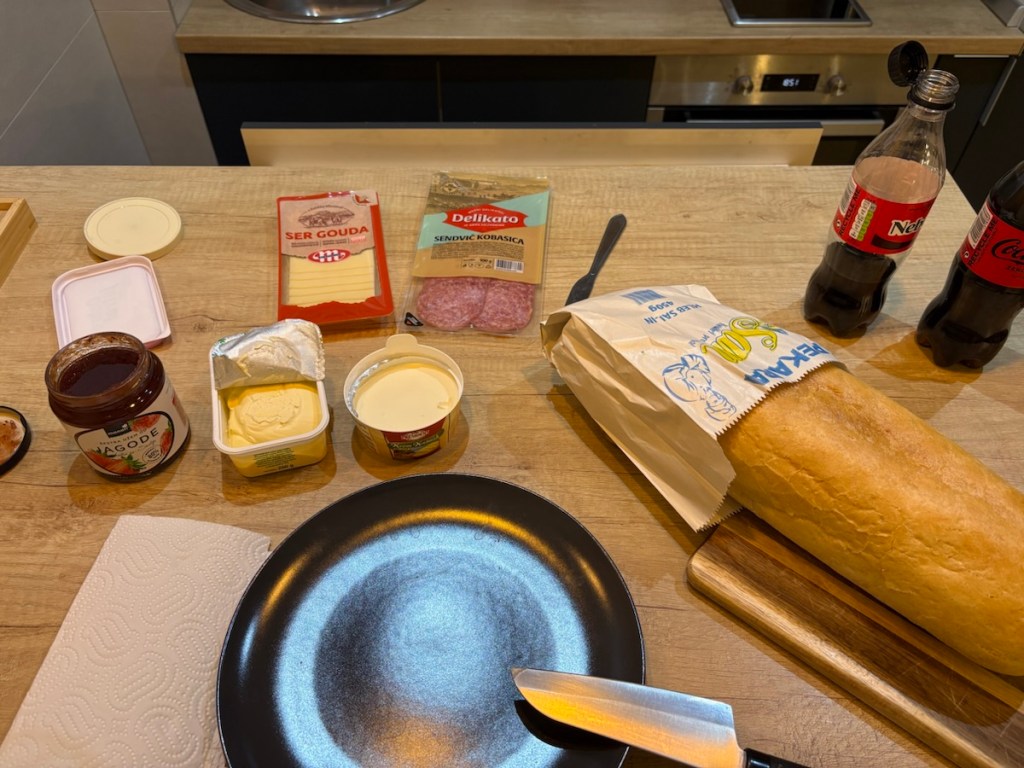
Dinner tonight was a simple “in the room affair” – fresh bread, butter, jam, meat, and cheese.  Cheap and good. Sure would have been nice to have a decent bread knife…

Before you go…

“You miss 100% of the shots you don’t take.”  — Wayne Gretzky

Srebrenica in Bosnia and Herzegovina, then on to Novi Sad, Serbia

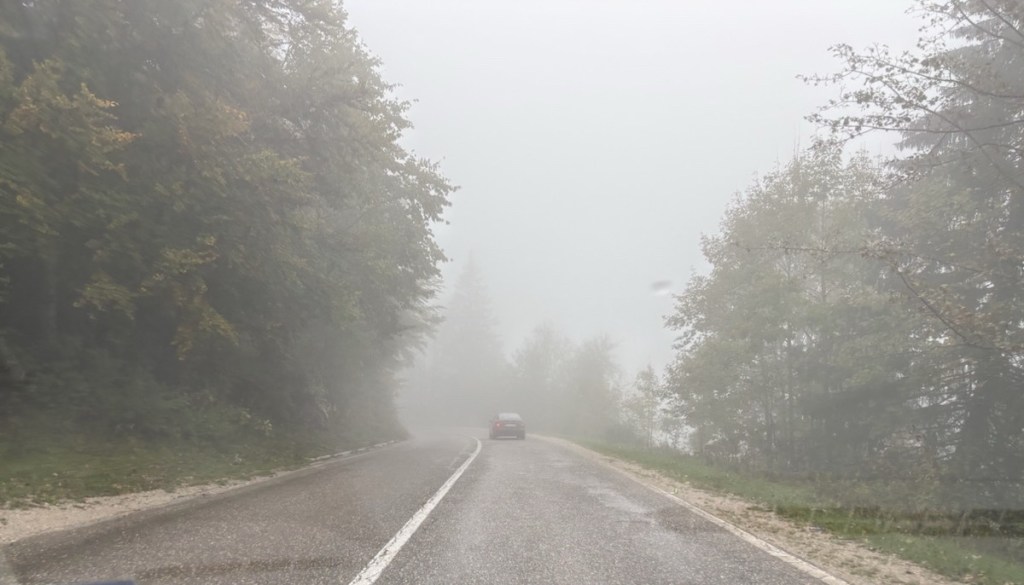
Today was mostly a driving day, traveling from Sarajevo to northern Serbia, with a stop in Srebrenica along the way. It was a beautiful drive east to Srebenica through the mountains and the high plains.  There was lots of low fog and a light drizzle, but still beautiful traveling through the small villages and pretty countryside.

The flat high plains east of Sarajevo
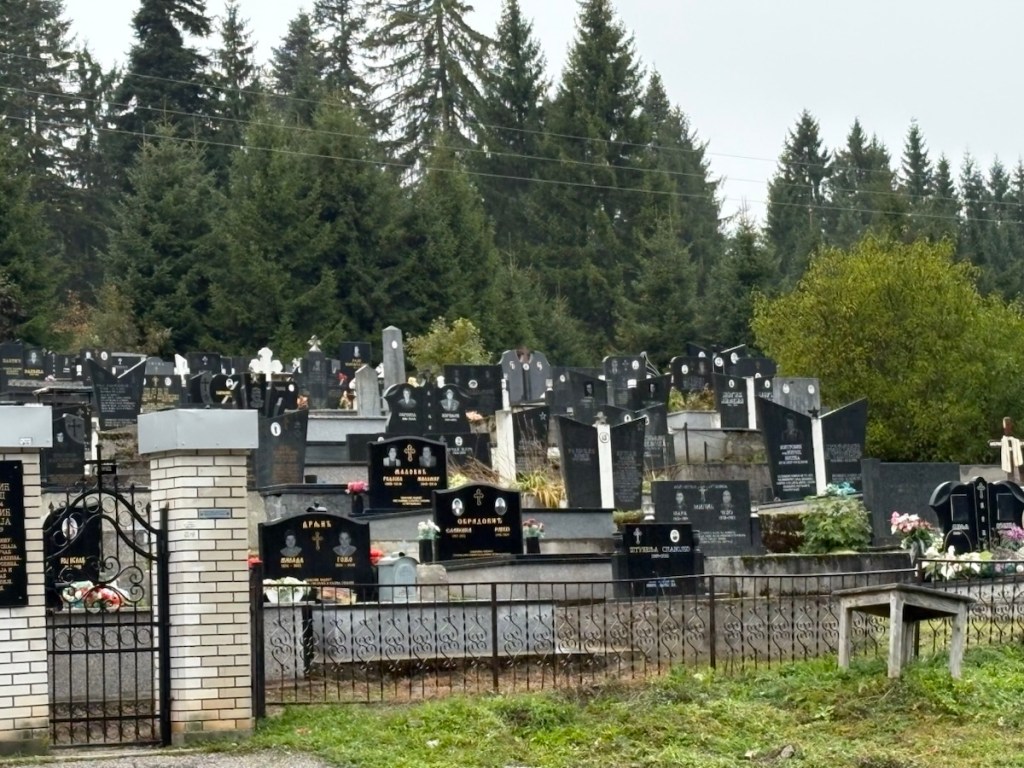
Now that I’m out of Sarajevo, cemeteries headstones are routinely black or gray, instead of all white.
A foggy morning again
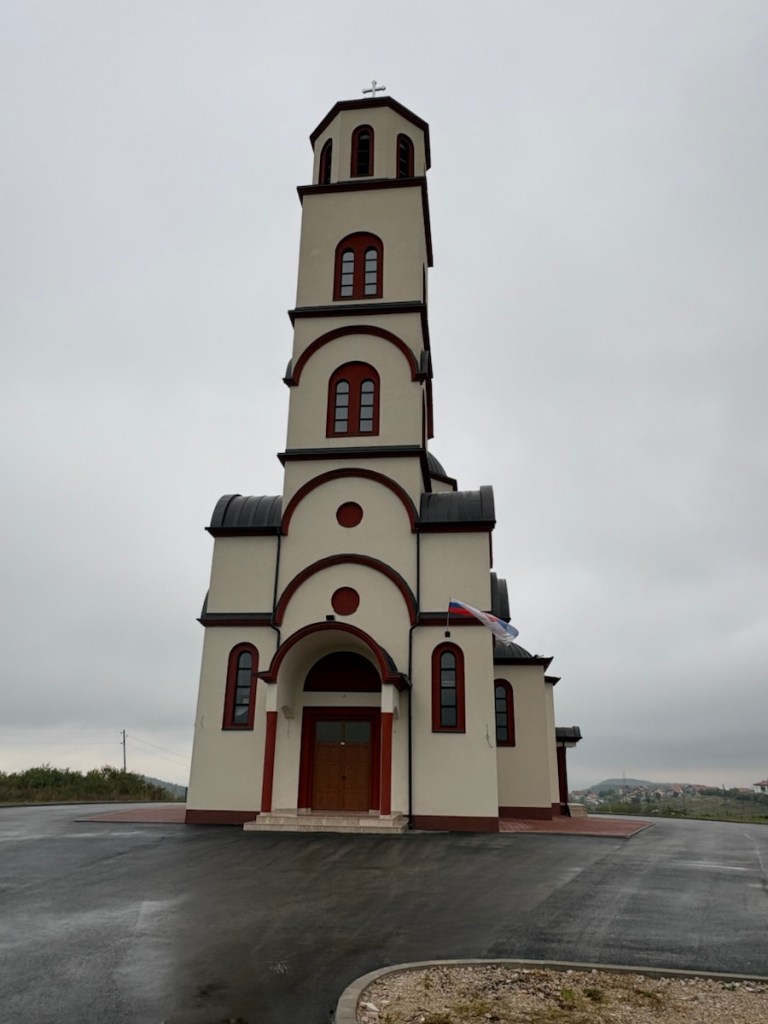
A brand new church

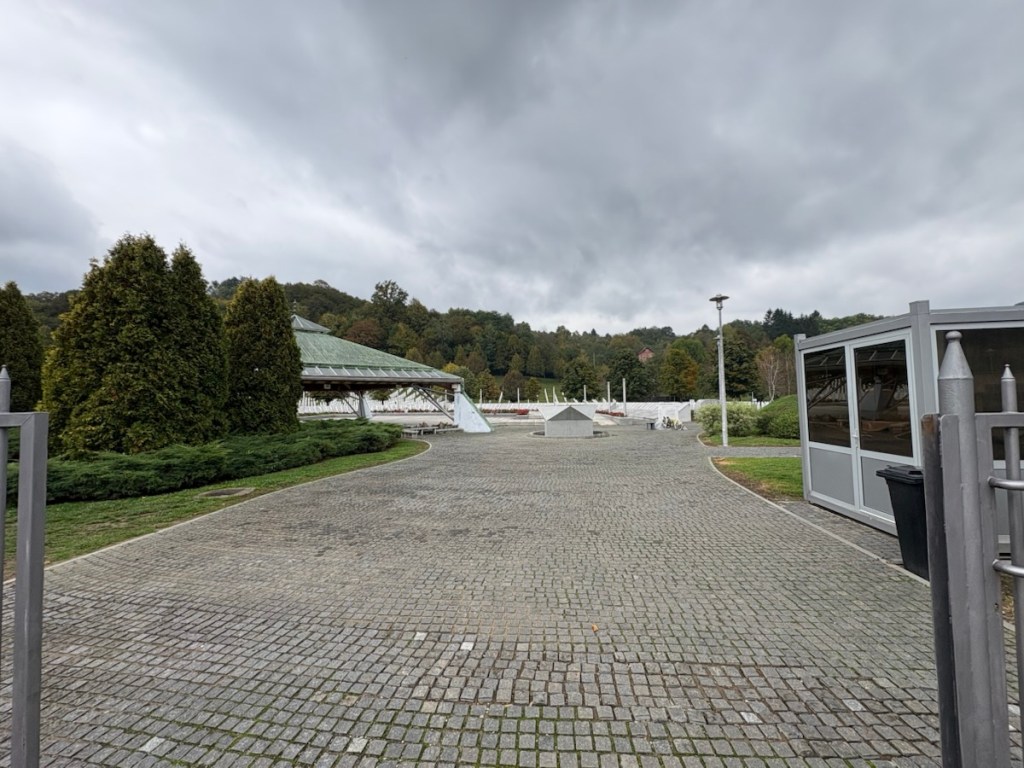
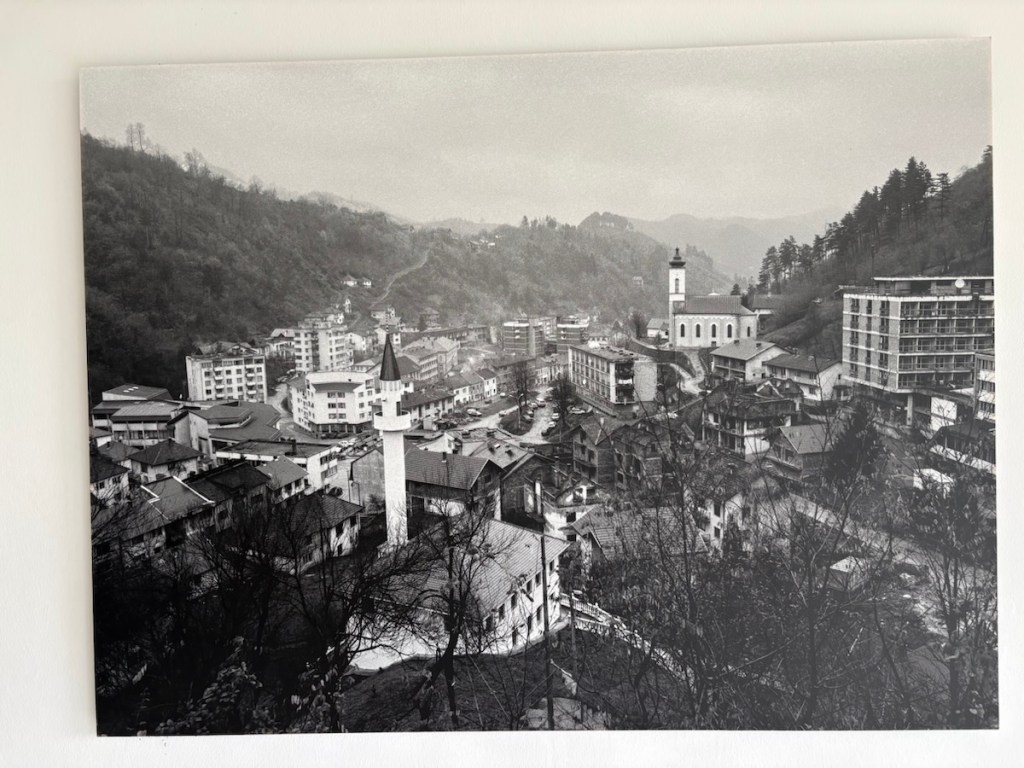
The small town of Srebrenica is tucked deep in a valley with towering hills and small mountains on all sides.  The town and the whole surrounding area had an eerie feeling, I guess based on the known history.

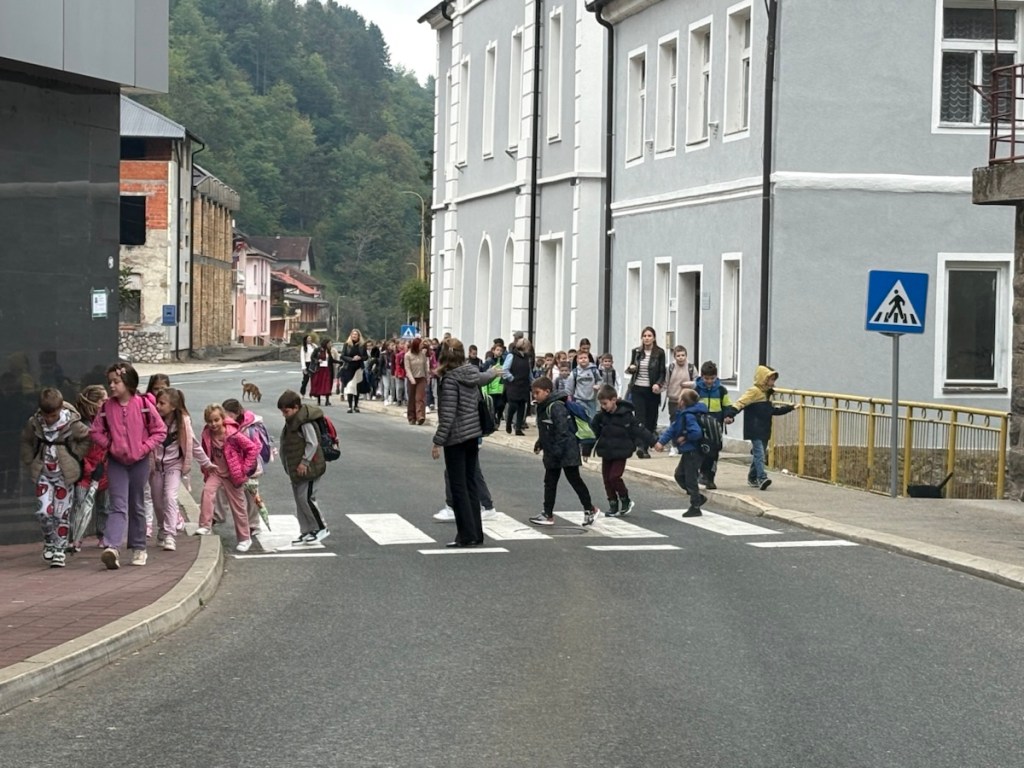
Even in the midst of past horrors, life goes on and the children’s shouts and smiles refresh the air.

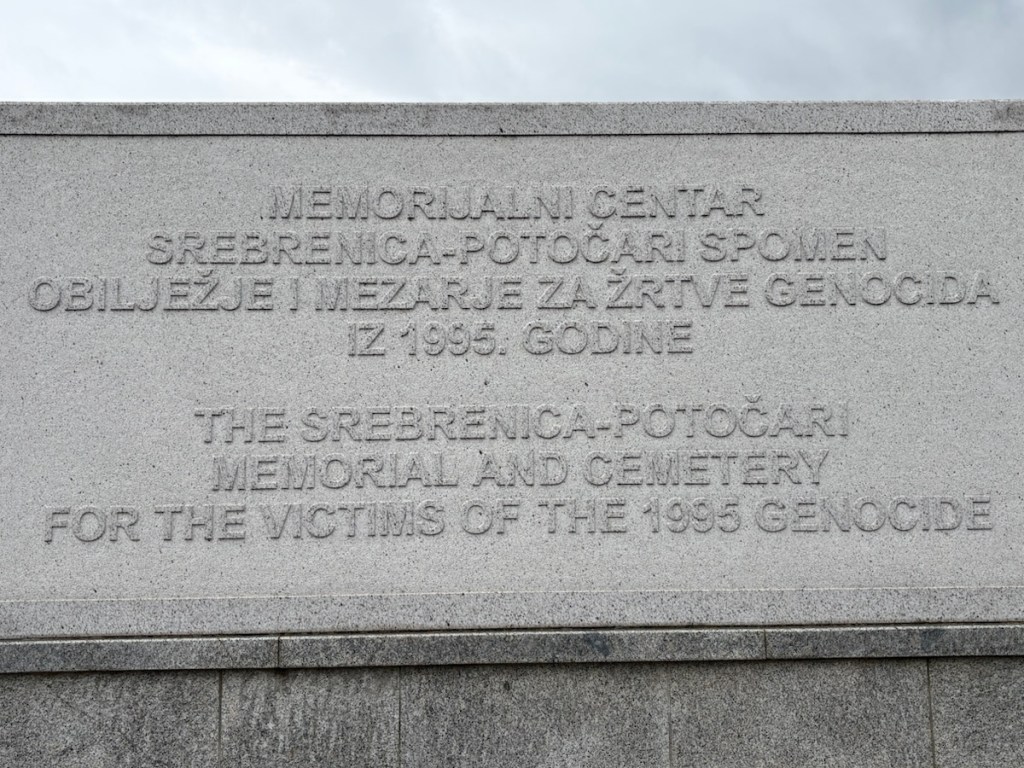
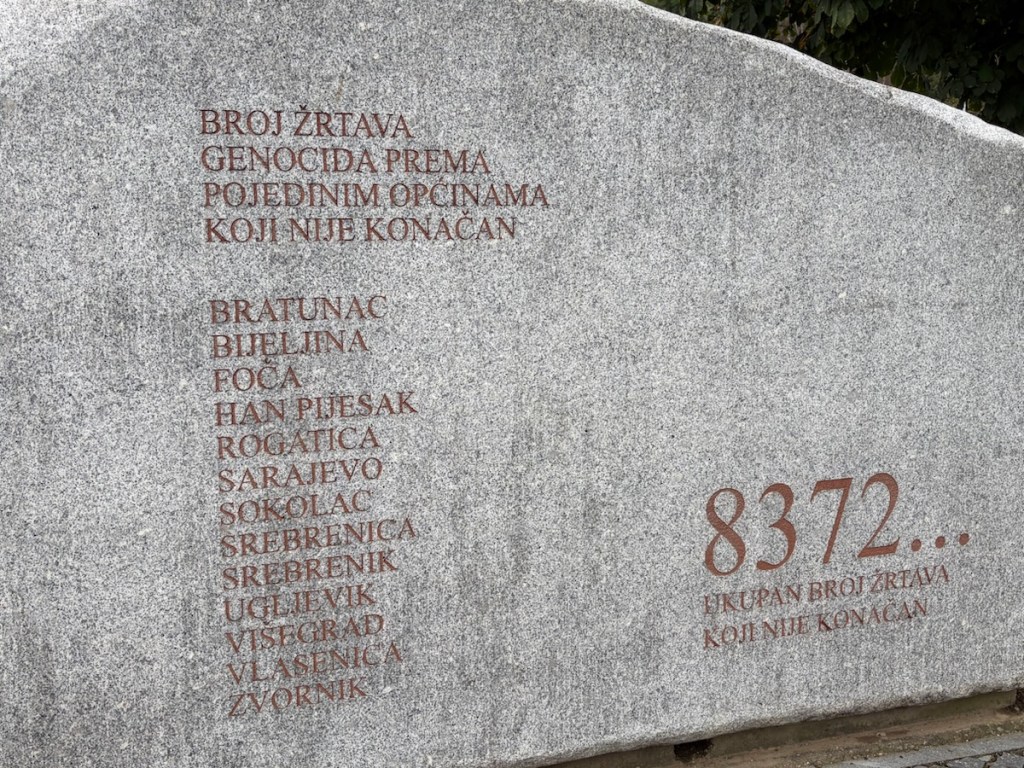
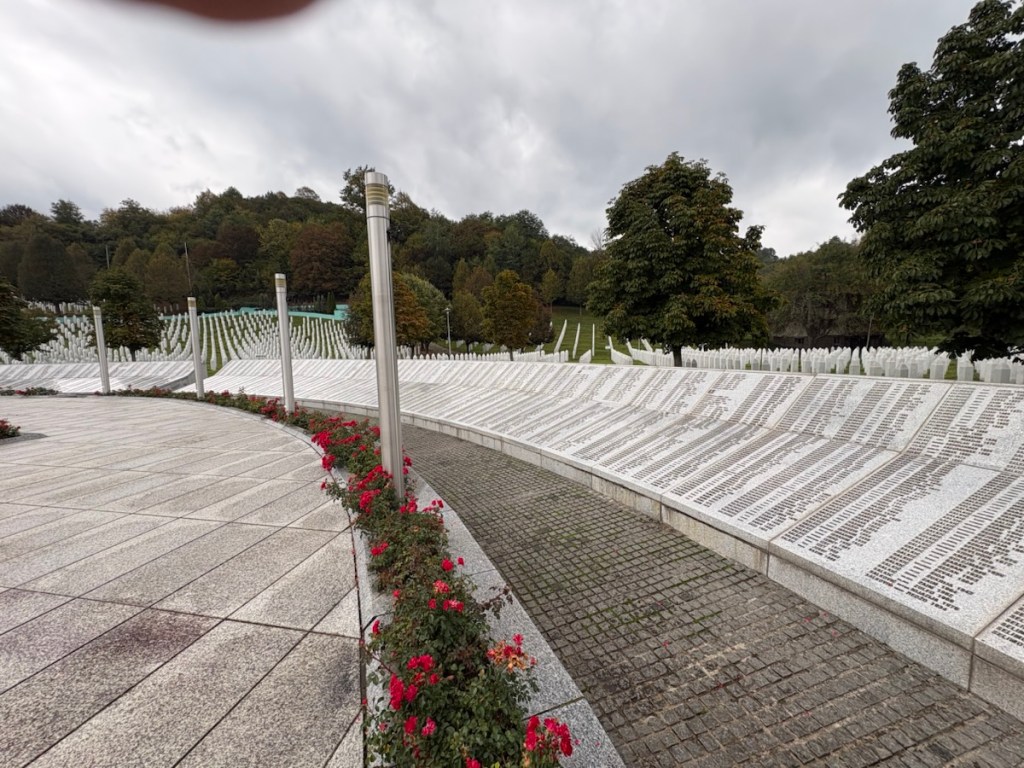
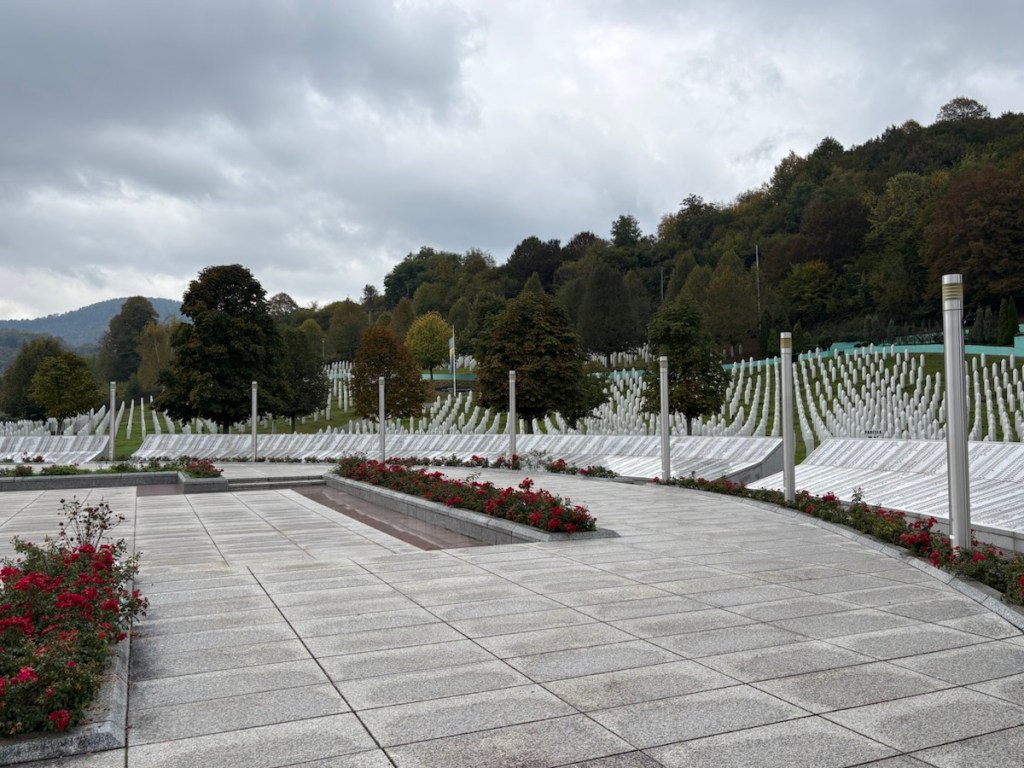
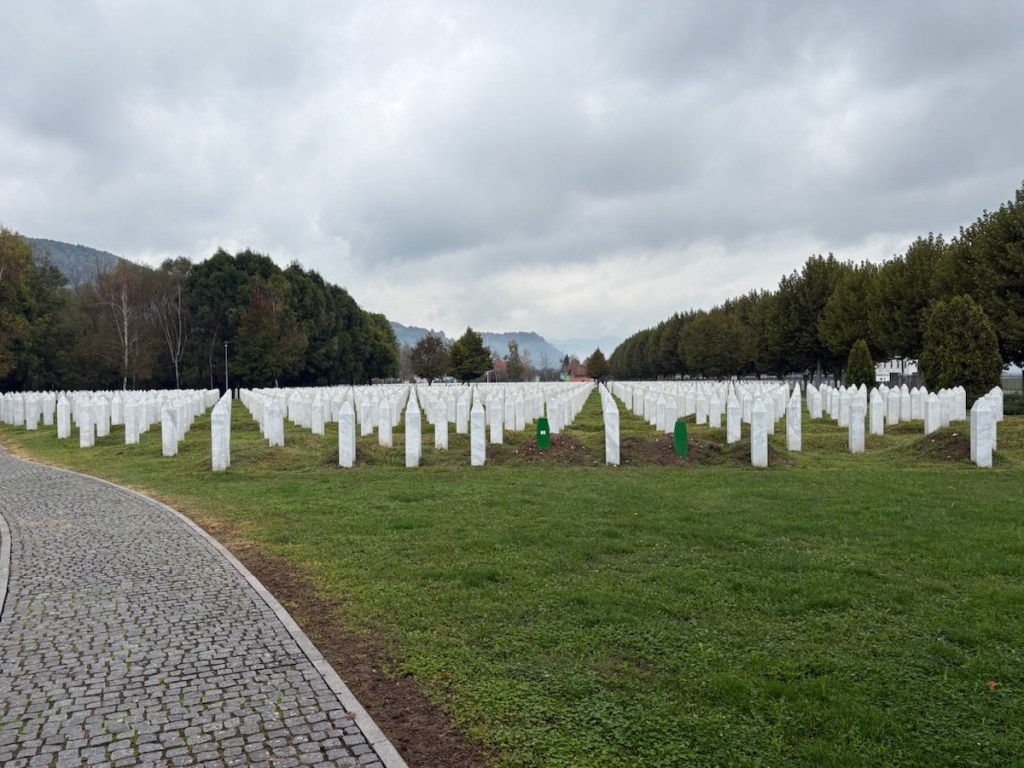
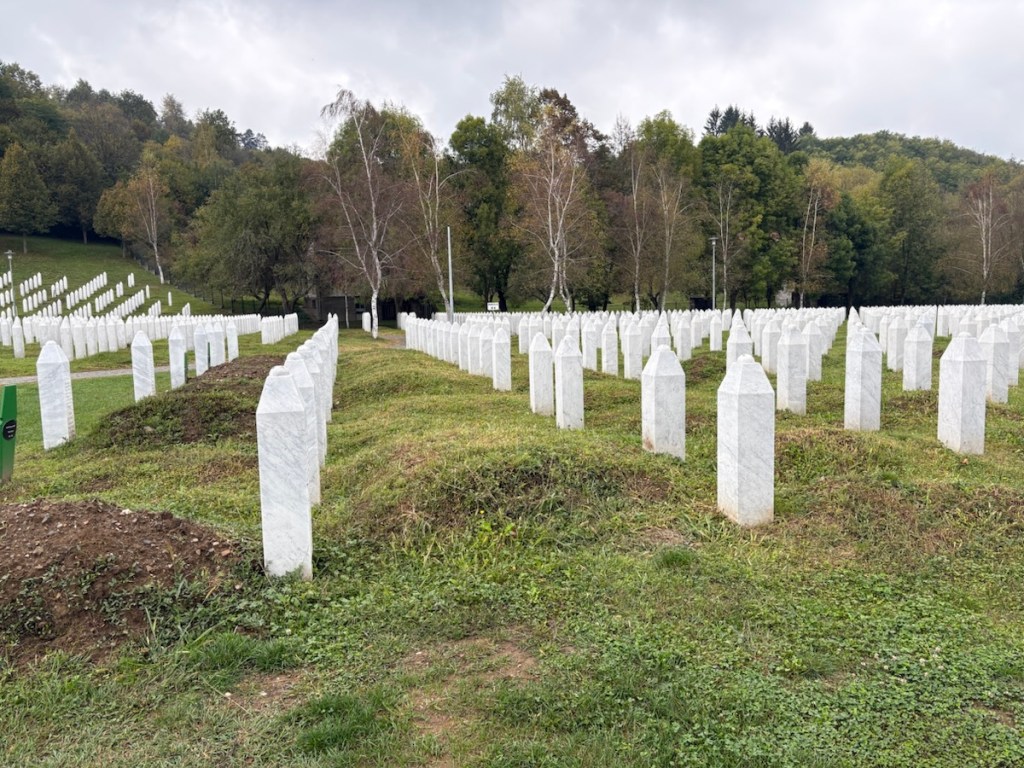
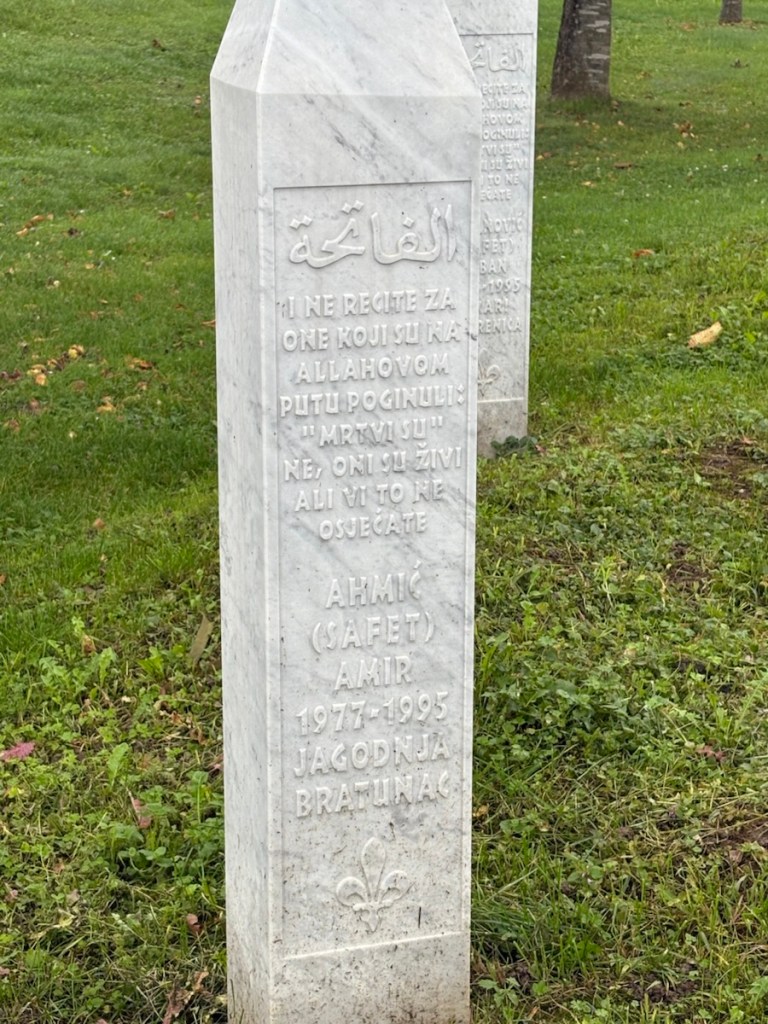
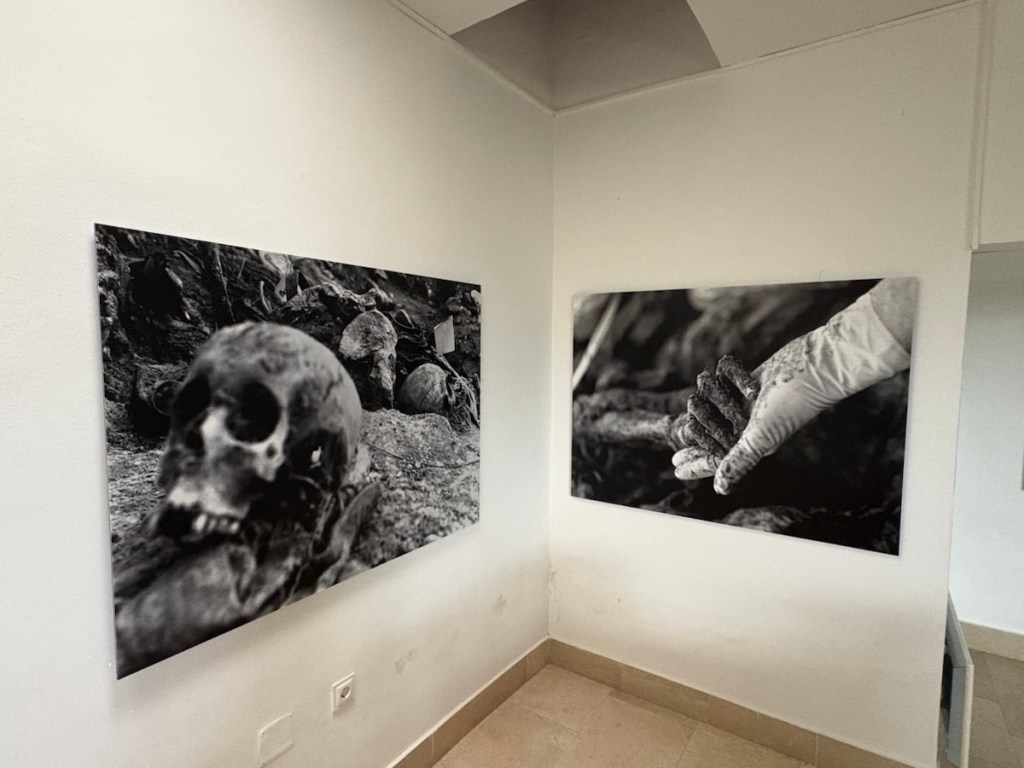
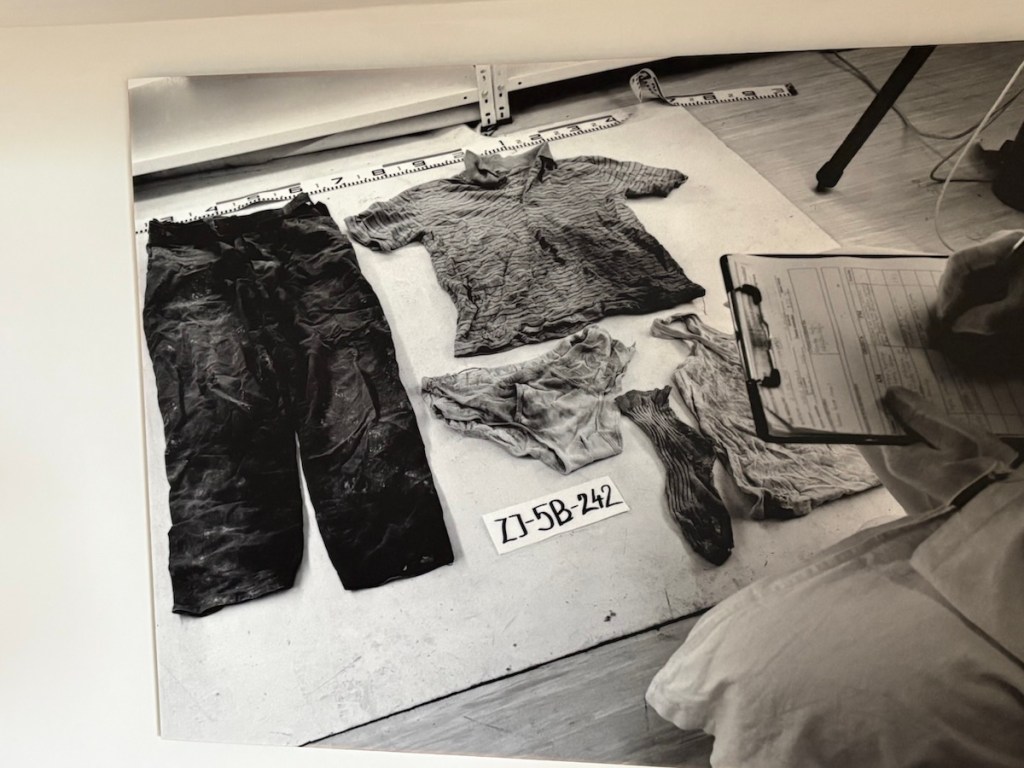
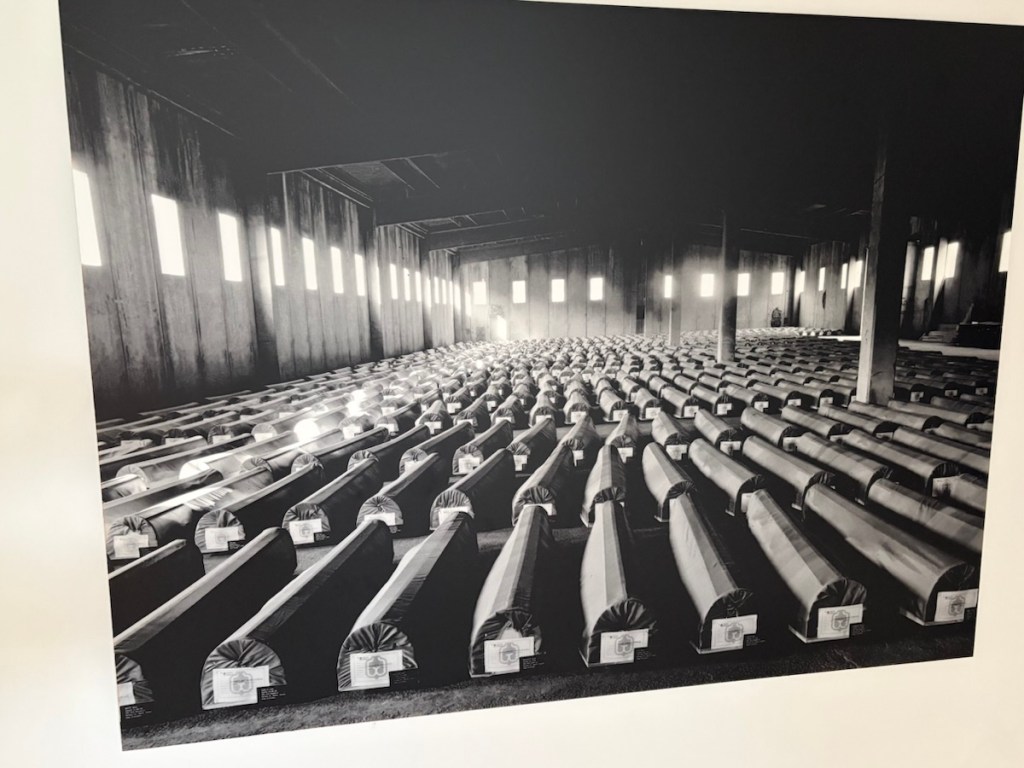
Srebrenica is infamous for the massacre that occurred during the Bosnian War in July 1995 (for more info: https://www.britannica.com/event/Srebrenica-genocide).  More than 8,000 Bosniak Muslim men and boys were killed in a 3-week period. The massacre was mainly perpetrated by units of the Bosnian Serb Army of Republika Srpska. The memorial site is quite a somber place, looking out over the engraved names and the thousands of white gravestones.

NUMBER OF VICTIMS OF GENOCIDE ACCORDING TO
SEPARATE MUNICIPALITIES (WHICH IS NOT FINAL)
8,372…
Thousands of names

In the area, there were still many buildings that have not been rebuilt or repaired since the war, with plenty of war damage still visible. While there many new structures, there were also a lot of completely empty warehouses, factories, and what seemed to be old abandoned school buildings.

Shortly after leaving Srebrenica, I crossed over the Drina River and into Serbia, another non-eventful jaunt through a border checkpoint, as have been all the others so far.  The wide river serves as the border between much of Bosnia and Serbia.  Many beautiful river front homes and cabins line both banks.  Not surprisingly, however, the homes on the eastern bank – the Serbian side – were generally newer and fancier than those on the Bosnia and Herzegovina side.

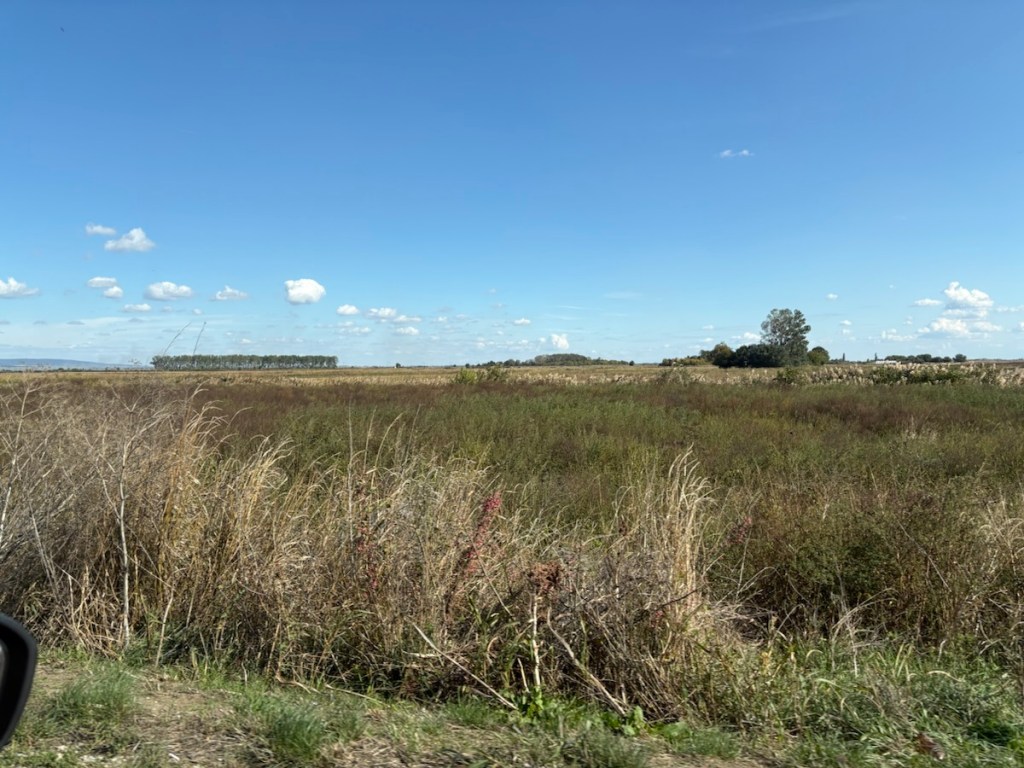
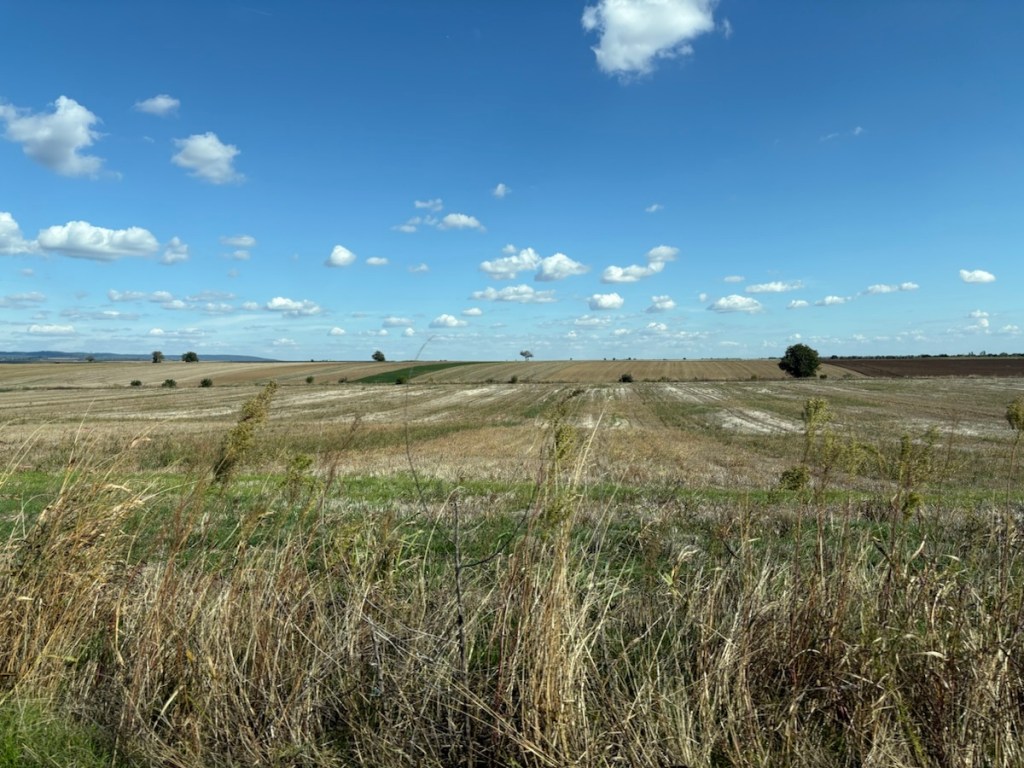
Also, the topography changed substantially as I headed further into Serbia.  The land became much flatter with farms and fields in every direction, and lots of recently harvested corn fields especially. Unfortunately, it’s a little more difficult to navigate in Serbia because they don’t have very many road signs or even buildings or shops that have names in English, in addition to the usual local languages. 

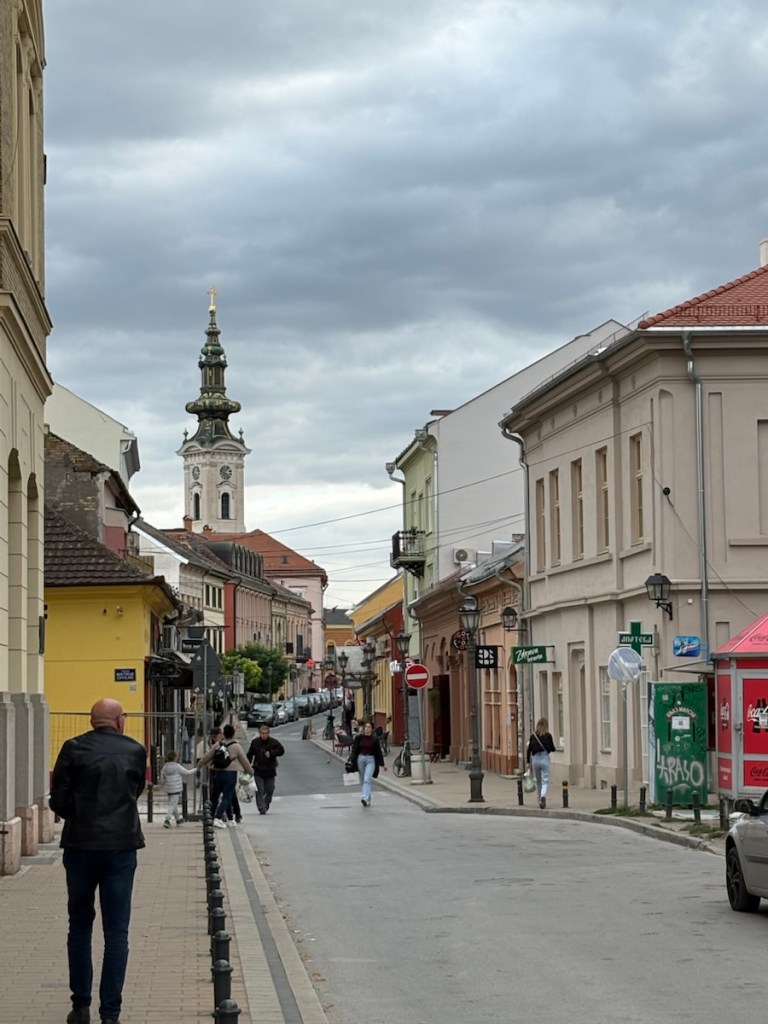
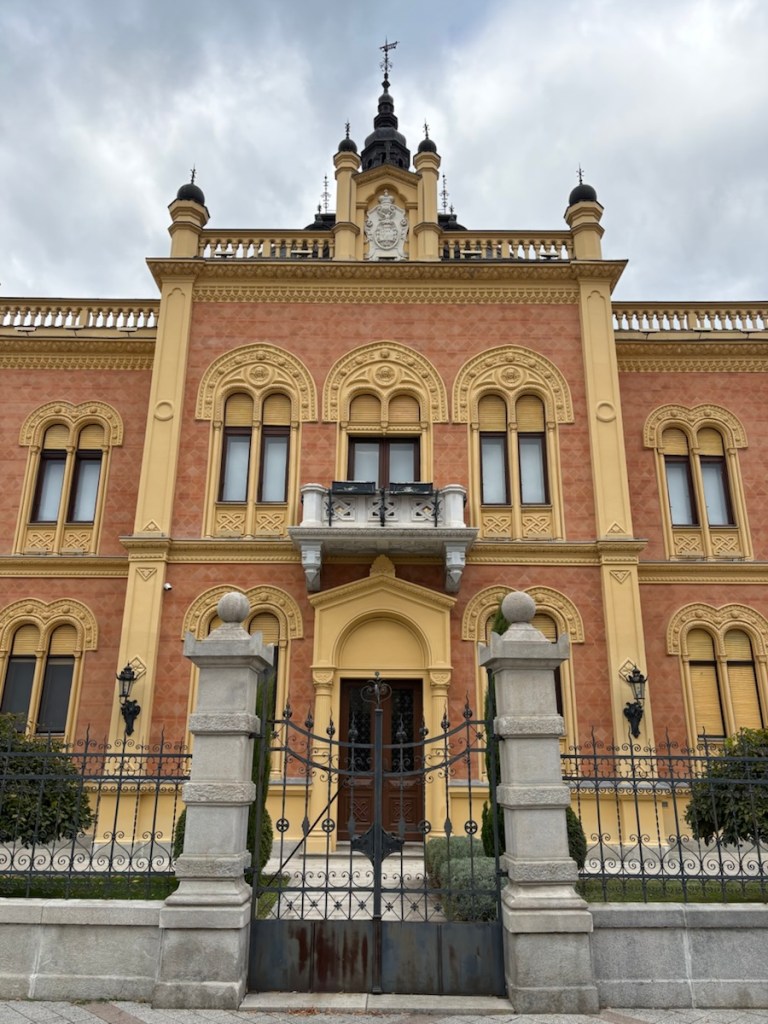
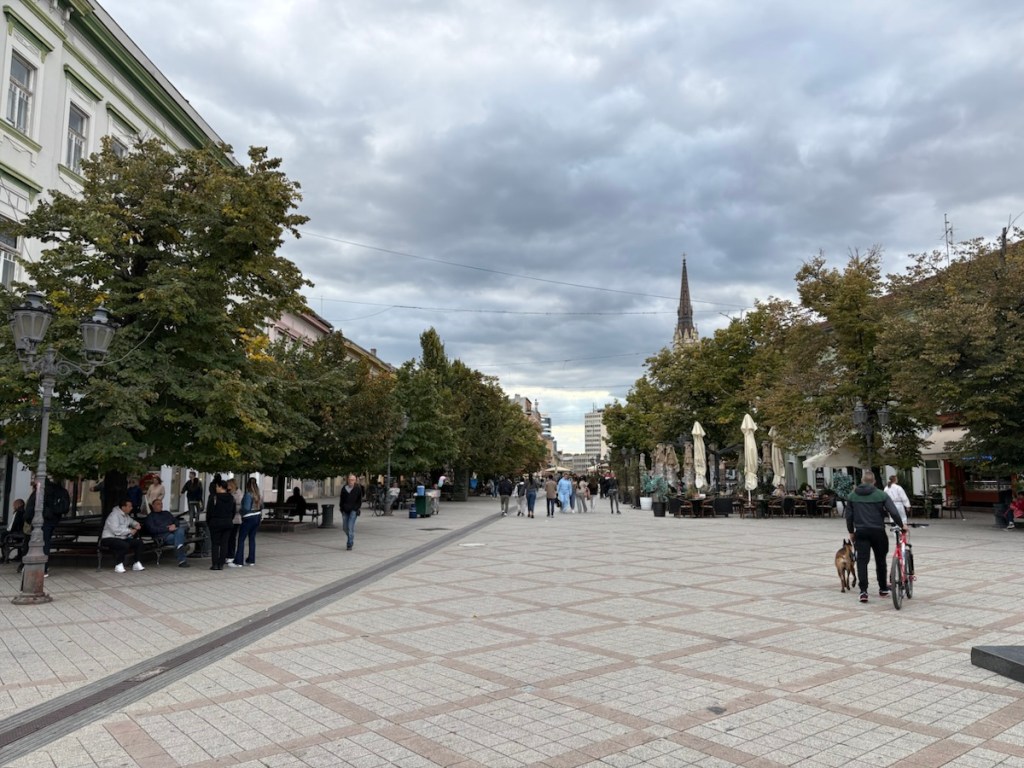
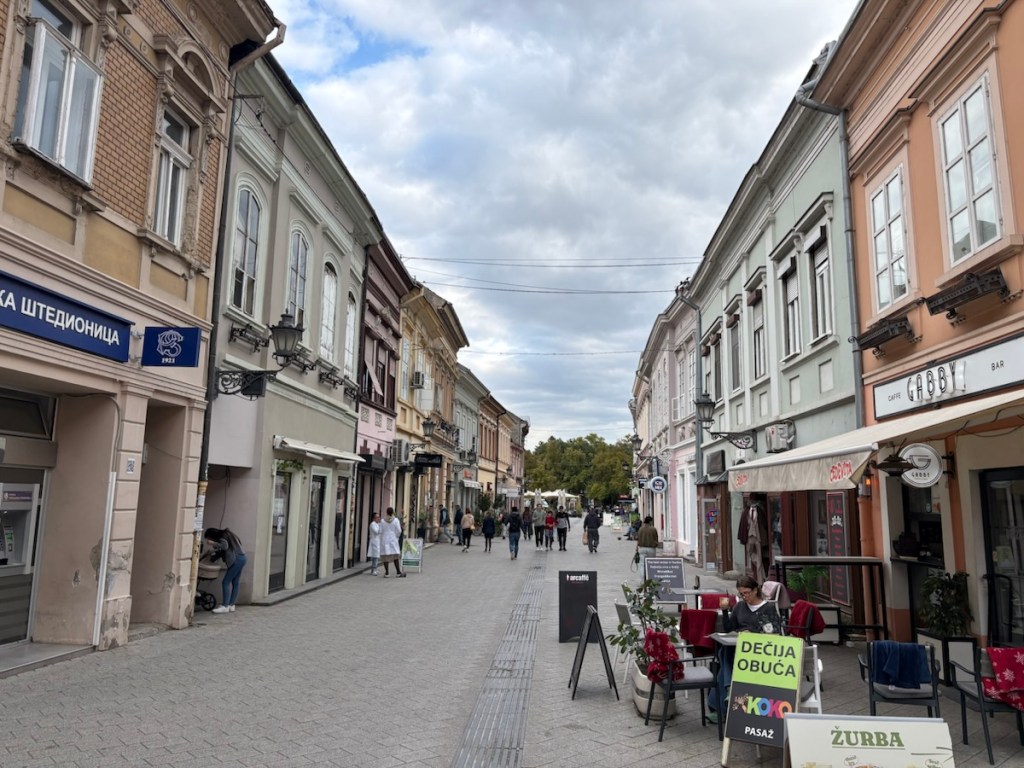
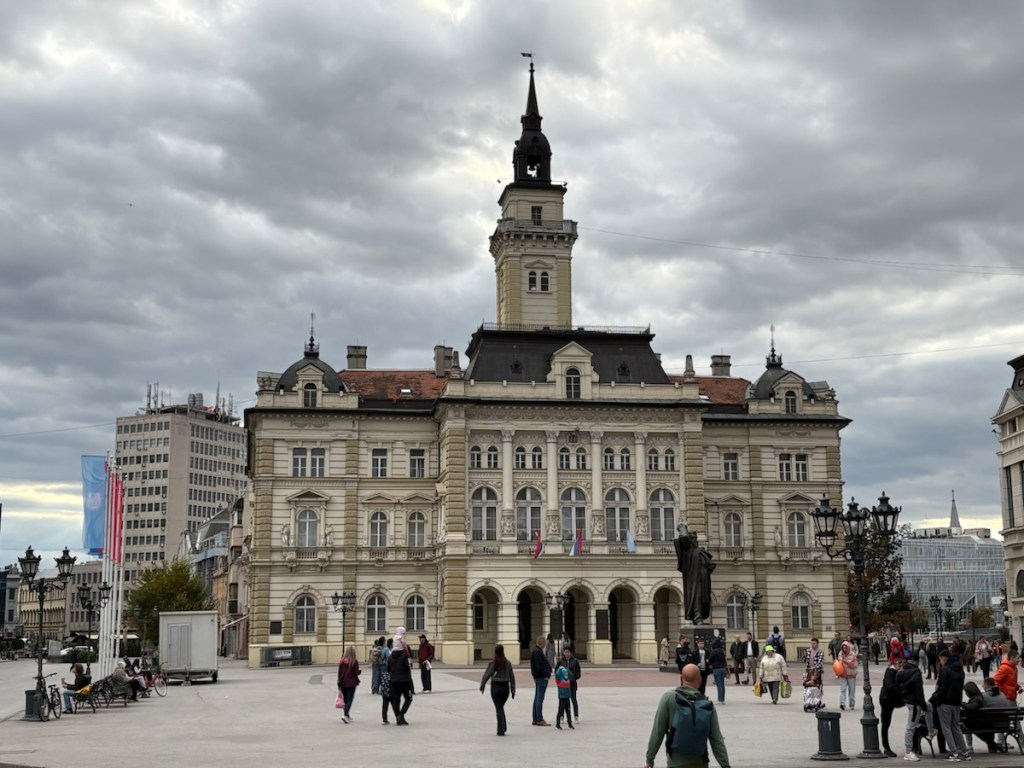
The rest of my drive to my stopping point was through mostly sunny skies and decent roads. Novi Sad, where I stayed the night, is Serbia’s second largest city with nearly 400,000 residents.  The downtown area was quite nice.  Here are some photos from the area.

The famous Danube River. It starts at the green foothills of the Alps in Germany and ends in the wide Danube delta in Romania.
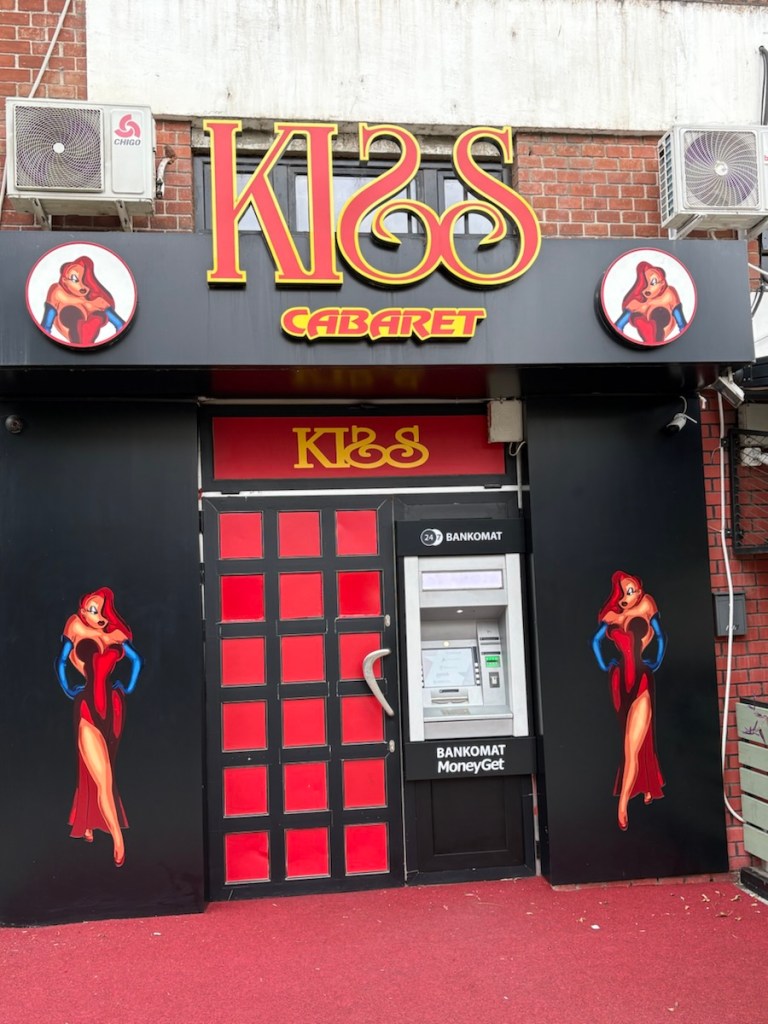
Well, that’s convenient. The club has an ATM next to the entrance!
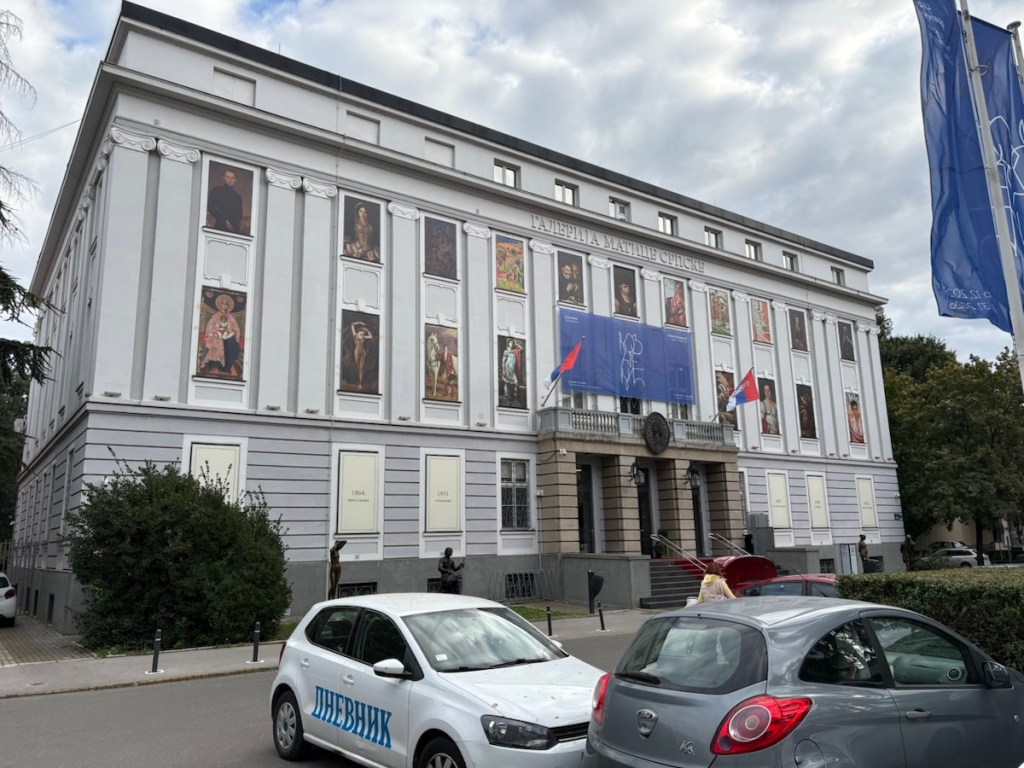
The Gallery of Matica Srpska.
Quite a nice art gallery, and free entry today!
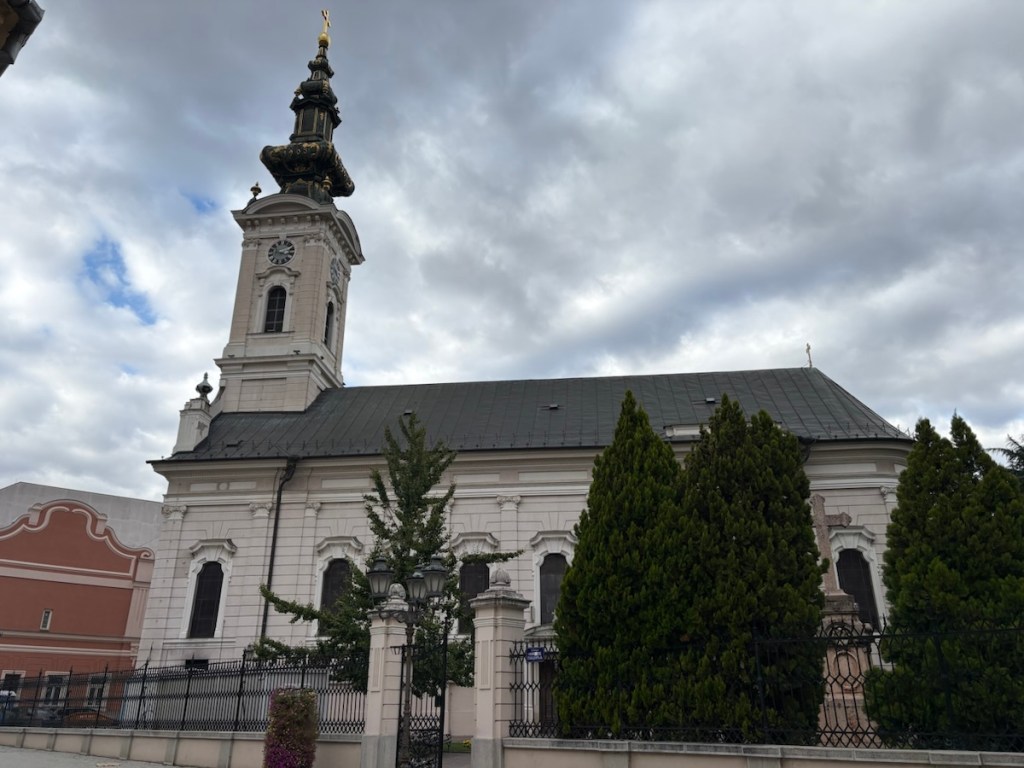
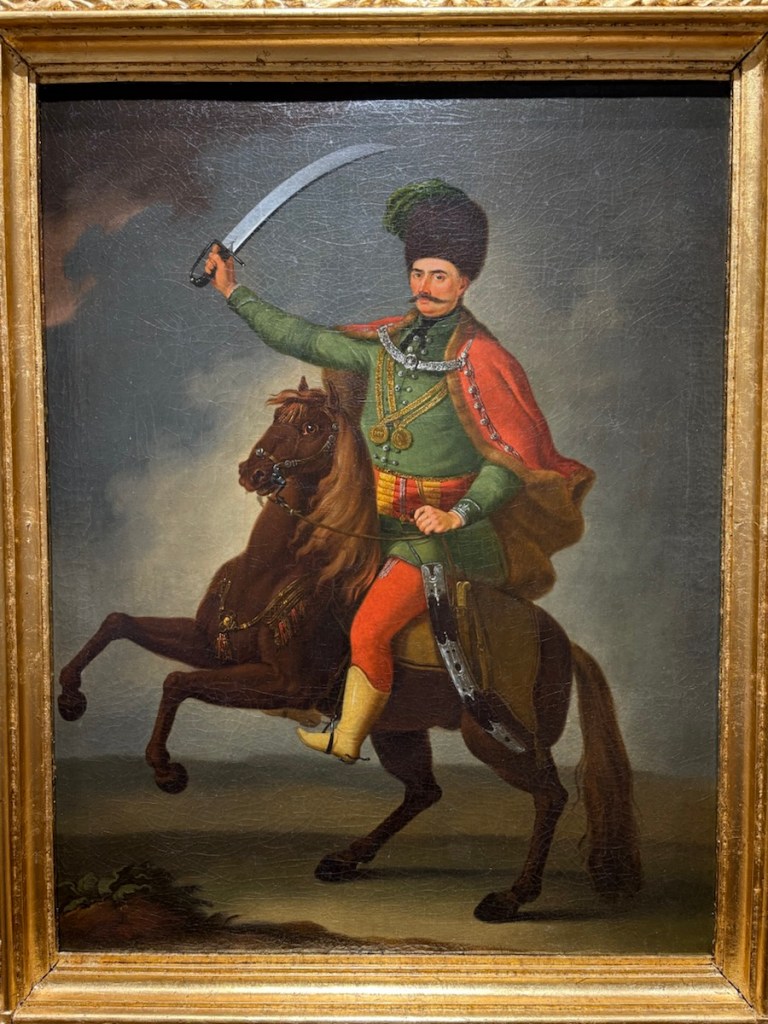
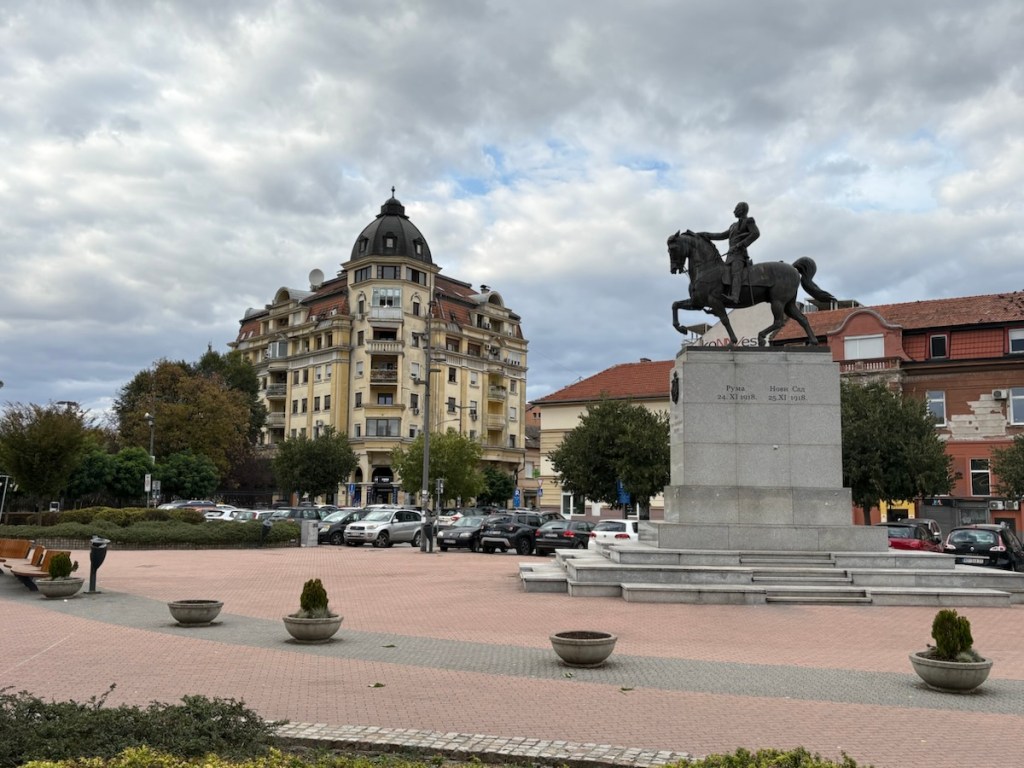
Seems to be a bit large for his horse. I think the artist may need to work on proportional sizing.
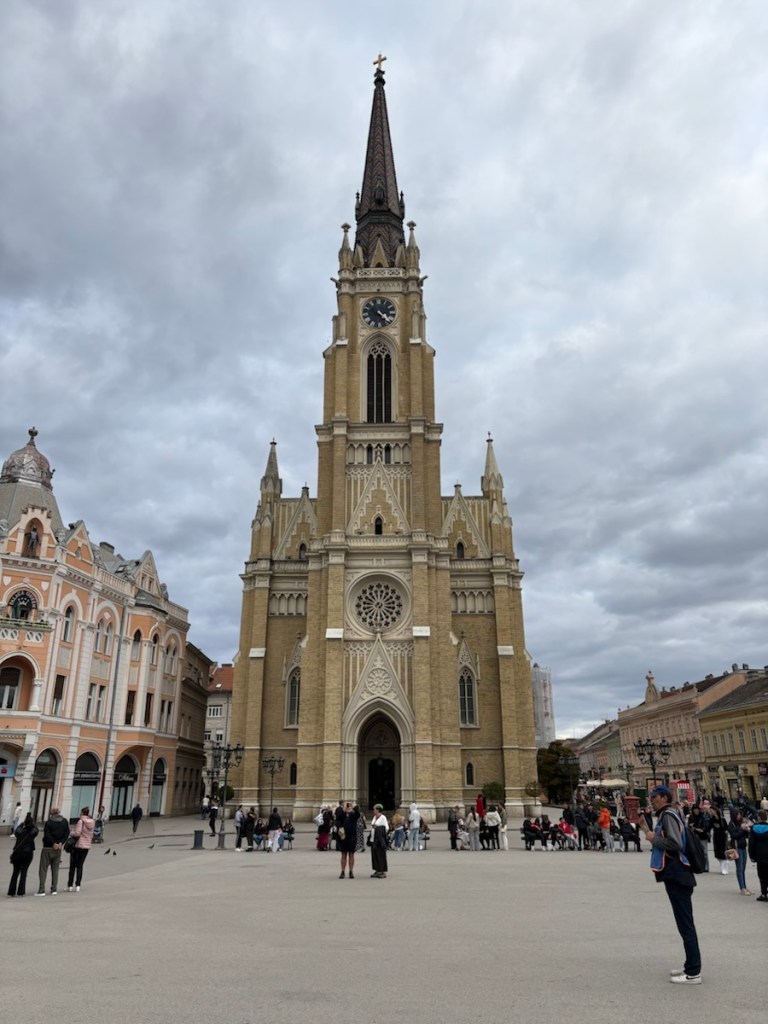
The Name of Mary Cathedral Church

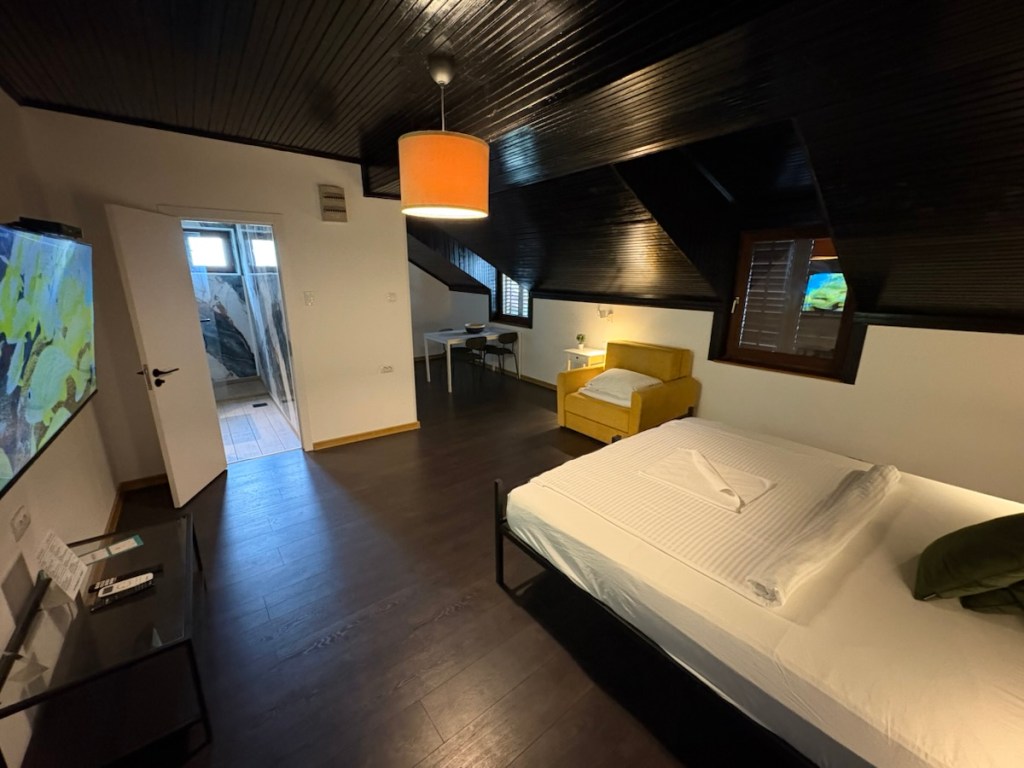
And my lovely and comfortable $25 apartment for the night!

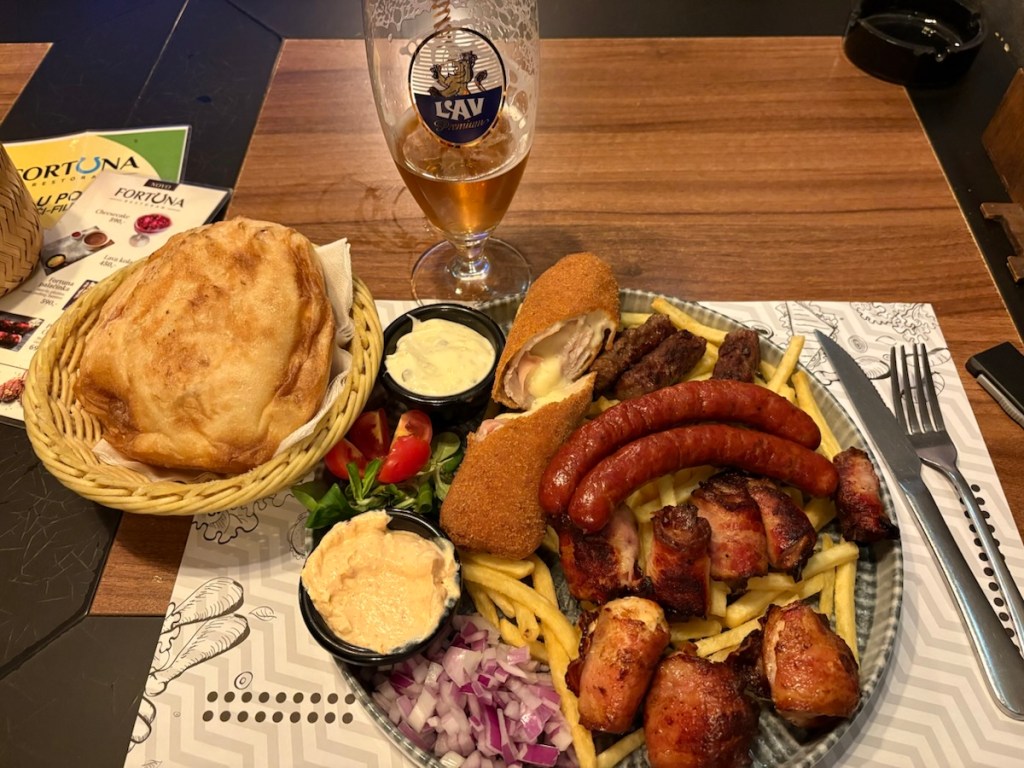
I had a meat-stravaganza for dinner – Schnitzel, ground meat rolls, rolled chicken, sausage, chicken liver, french fries, and bread! All washed down with Lav, an excellent Serbian beer. (The only bad part was the smoked filled room since many restaurants still allow smoking.)

Before you go…

I’d tell you a chemistry joke, but I know I wouldn’t get a reaction.

On to Sarajevo, the capital of Bosnia and Herzegovina

I had a comfortable three and a half hour drive south to Sarajevo through the morning fog.  Little traffic, and eventually sunshine broke through.

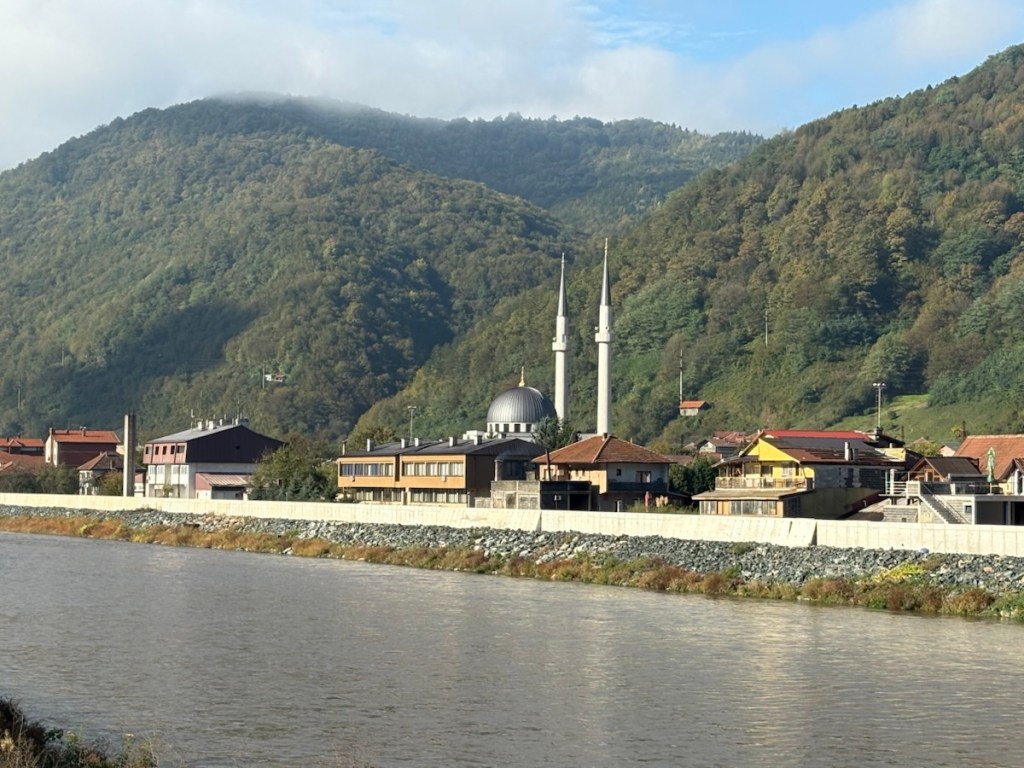
A riverfront village and mosque

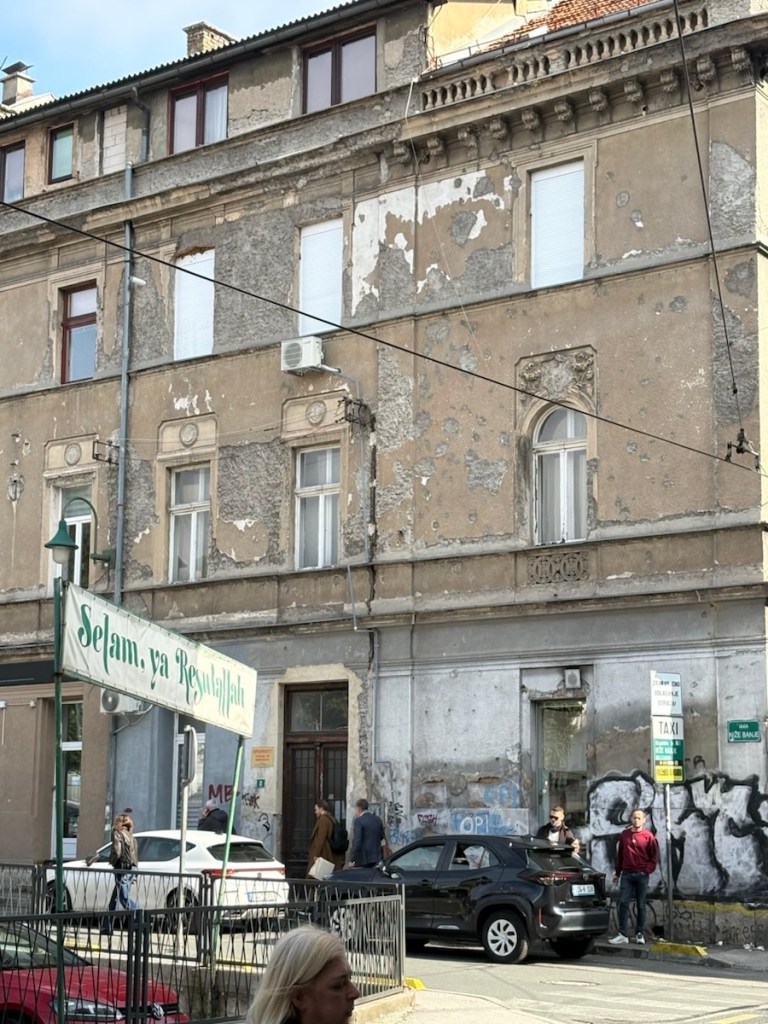
I arrived in Sarajevo around 10:30 am and headed to my lodging for the night.  The city was host to the 1984 Winter Olympics.  But after several years of war in the 1990s, the city is certainly not on par with some more modern Balkan cities. The battle damage on buildings in Sarajevo is still readily apparent. But it does seem to be a lively and vibrant atmosphere and I hope prosperity returns.

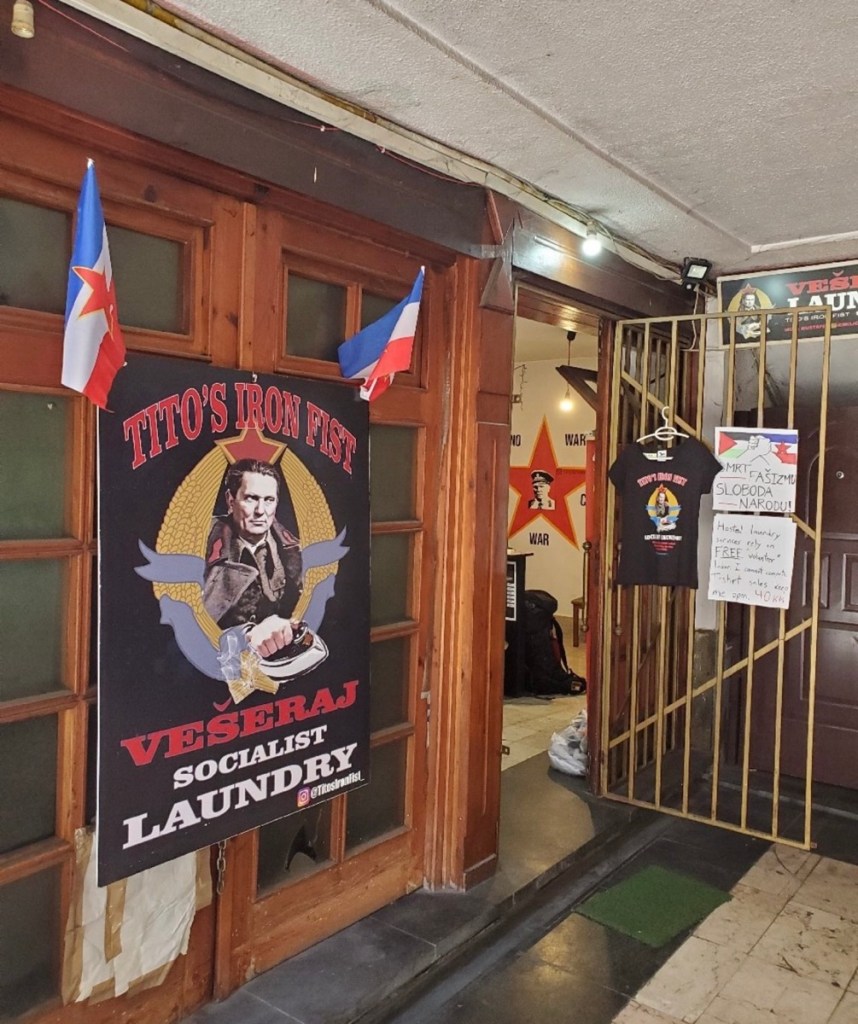
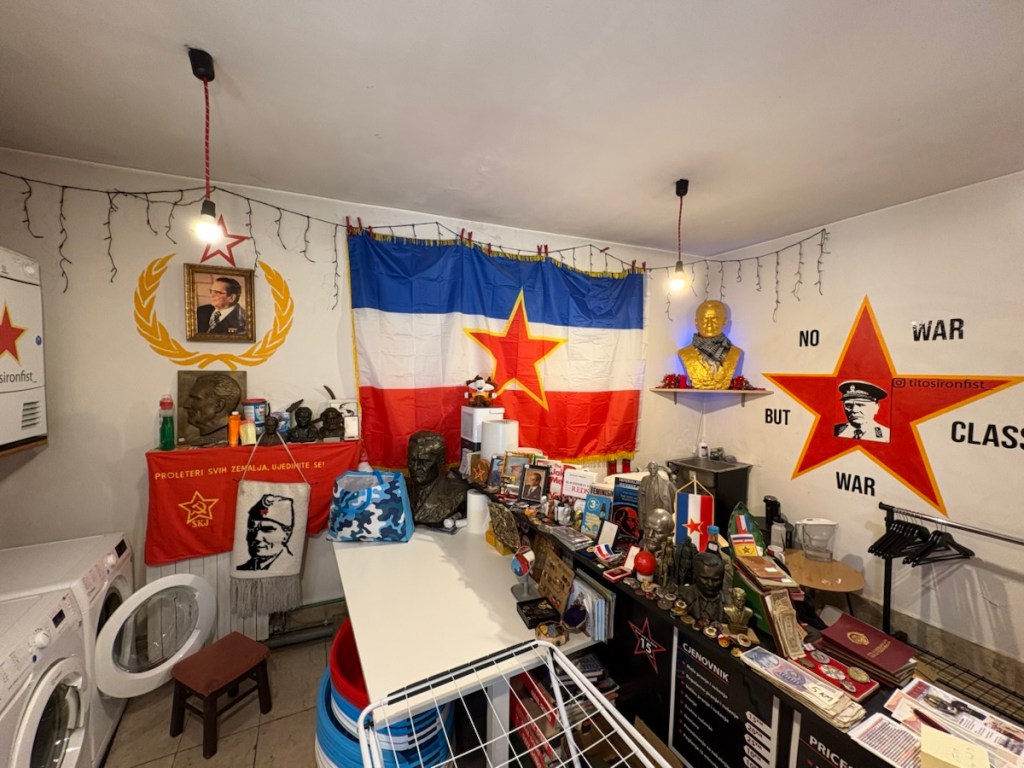
So I checked into my room early, and went out to find a laundry.  The threads are all pretty stinky after ten days.  A map search of the area quickly popped up, Tito’s Iron Fist Socialist Laundry.  And I was glad I found it!  What a cool, convenient, and unique operation.  Wash, dry, and fold service for a full load was less than $15. 

Inside the tiny shop with five washers and dryers
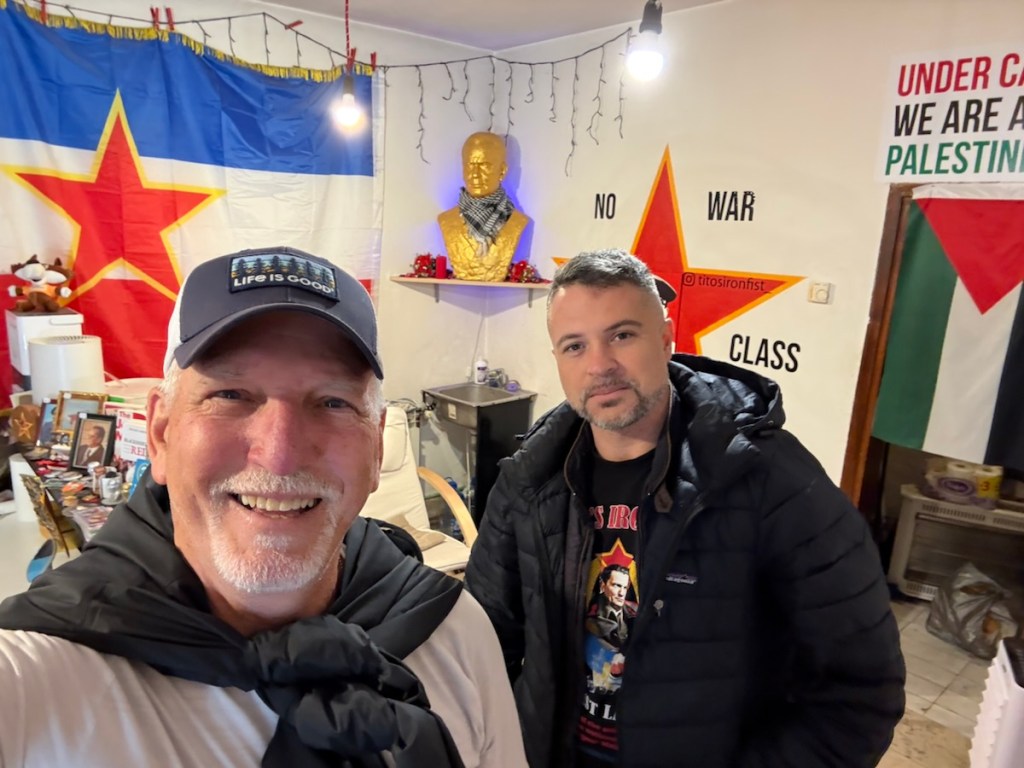
The proprietor and I

Here’s the laundry’s interesting web description:  

“Number one laundry service for the global proletariat that hammers down on dirt with an ironfist under the golden gaze of Josip Broz Tito [the dictator of the former Yugoslavia]. Conveniently located next to Baščaršija tram stop. Drop off your laundry and come pick it later. This is a full service laundry: your clothes will be washed, dried, folded, and packaged in a fresh plastic bag. Comrades are welcome just to visit, take pictures, watch propaganda and browse the books, antiques and t-shirts. Native English spoken.” 
How’s that for a unique business shtick and marketing!

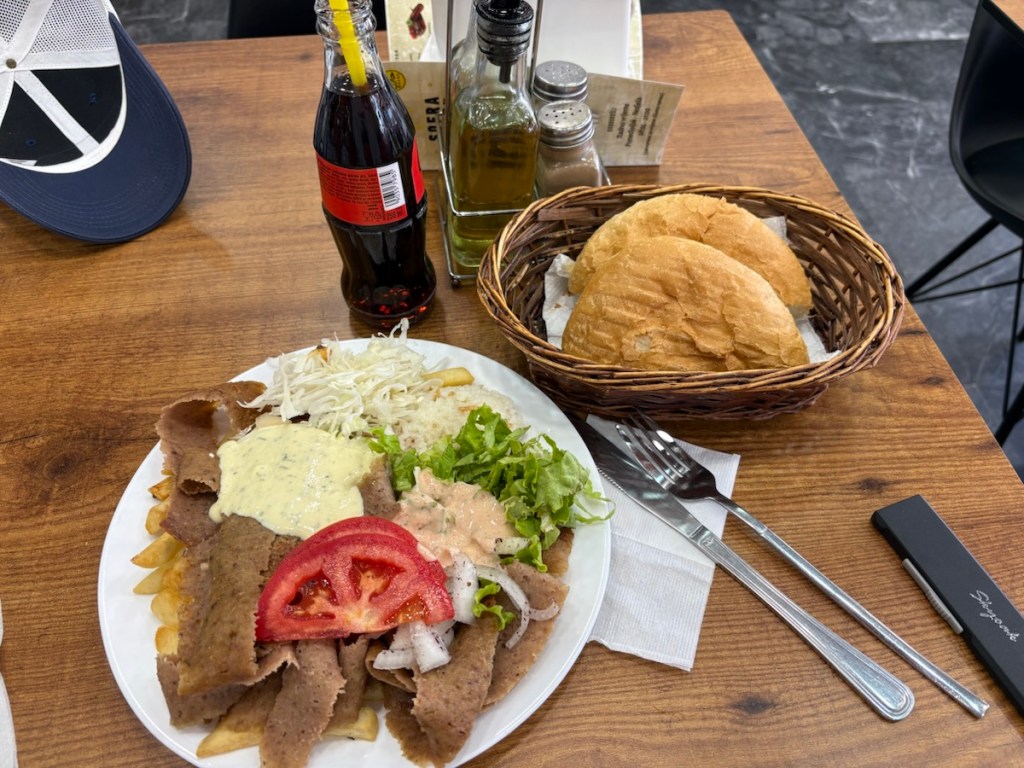
Lunch of Turkish food

A little Turkish food for lunch

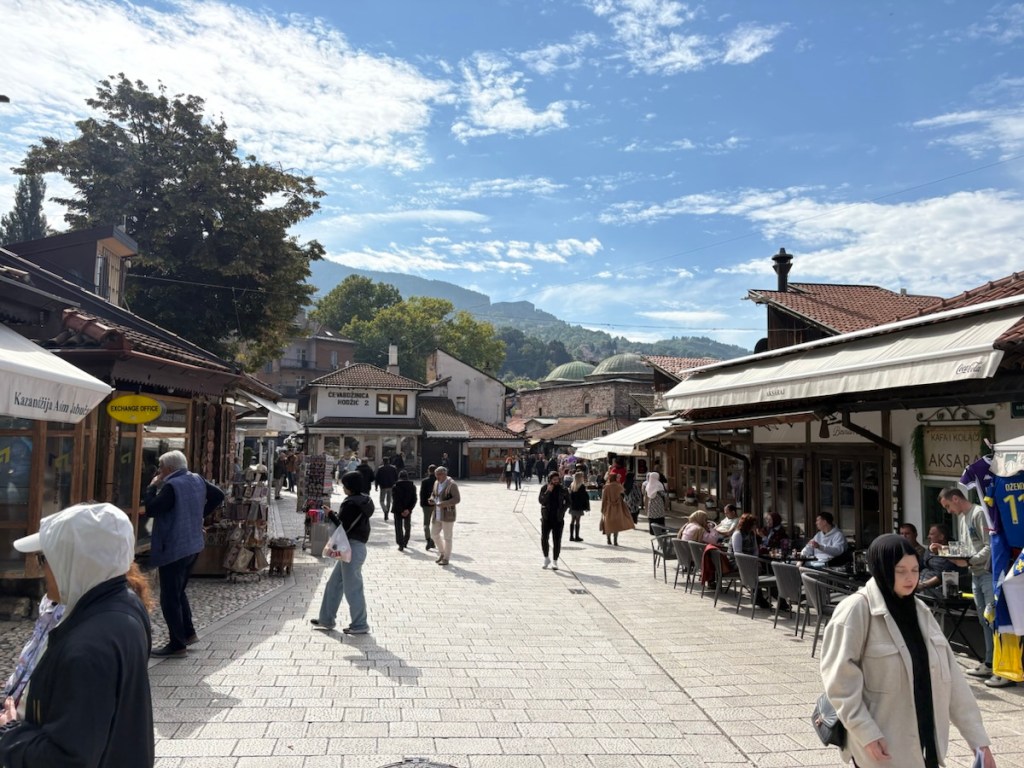
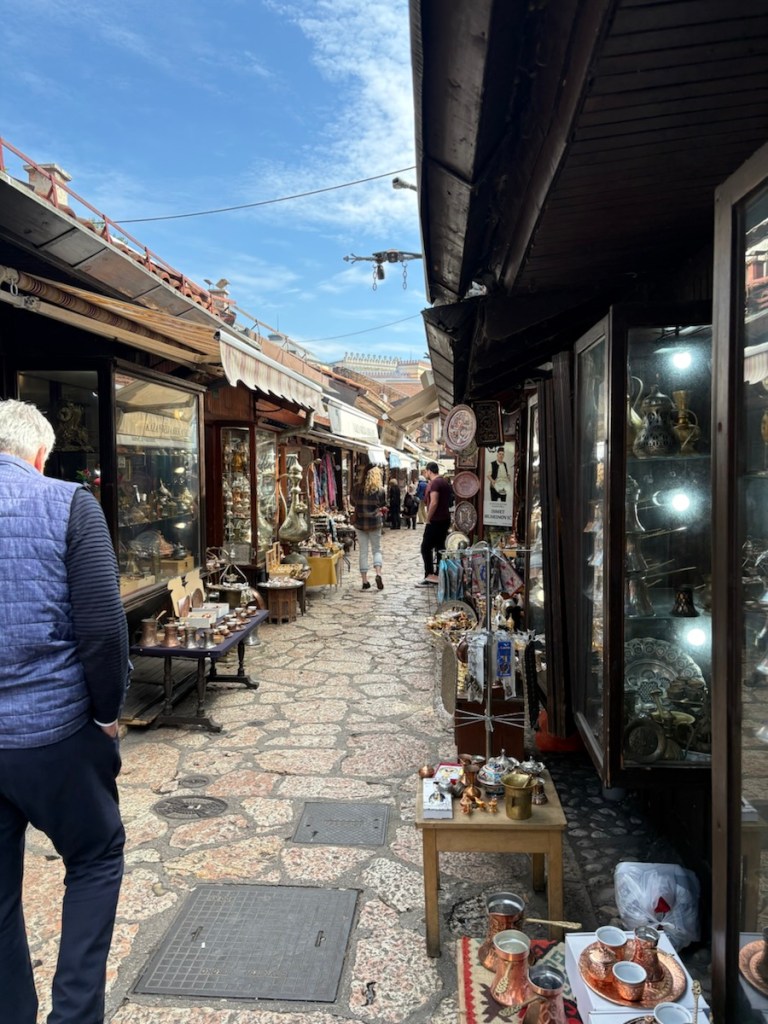
Part of the old town was lined with shop another shop – looked like a Turkish bizarre with so many shops of metal work and jewelry.

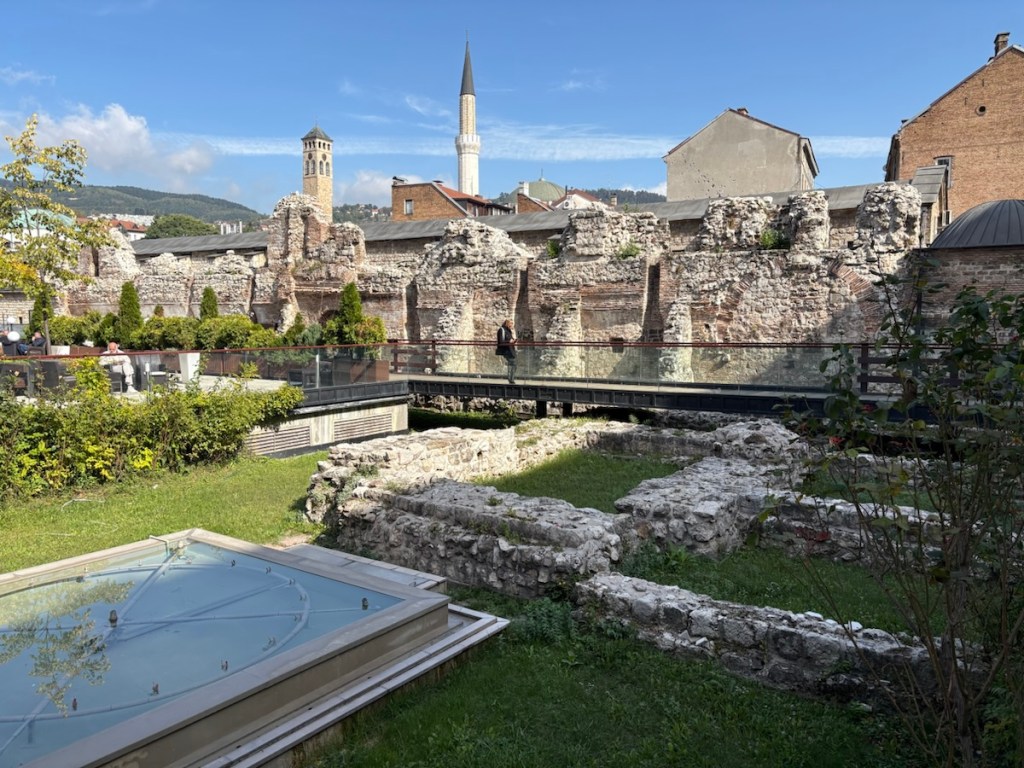
The Tašlihan Archaeological site

The original purpose of caravanserais and hans (khan: an inn or hostel for merchants) was to provide accommodation for merchants and their wares and horses. In 1878 there were fifty caravanserais and hans in Sarajevo, of which the most important were Kolobara, the Tašlihan and Morica han.

The Tašlihan, also known as the stone han, Husrev-bey caravanserai or old han, was built betwen 1540 and 1543, at the same time as the bezistan, with which it was physically connected.
Unlike other hans, where the courtyard was designed primarily for loading and unloading goods, the courtyard of the Tašlihan contained a row of shops, making it a trading han. The courtyard also contained a sebij (public fountain) with a mosque on piers above it. Two stone staircases near the main entrance to the han led from the courtyard to the rooms and landing on the first floor. The rooms were covered by small domes, and the landing by a barrel vault. The Tašlihan was damaged on several occasions by fire, and was completely destroyed by the fire of 1879.
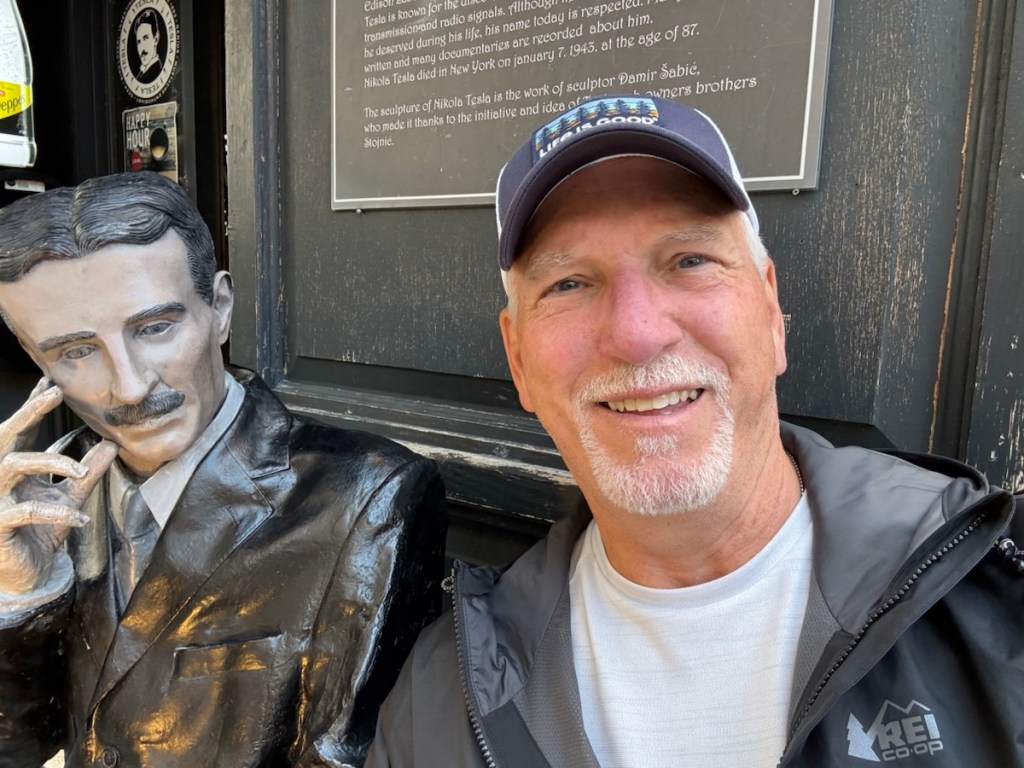
Nikola Tesla was born on July 10, 1856 in Croatian Bika, but he spent almost all of his life in America. He graduated Senior Technical School in Graz, and received first employment at Maribor as auxiliary engineer. He worked around Europe, and graduated from College in Paris. Since 1884 he worked at Edison Laboraforg in New York for a short while.

Me and Nik

Tesla was known for the discovery of multiphase electric power, wireless power transmission and radio signals. Although he was not appreciated as much as he deserved during his life, his name today is respected. Many books are written and many documentaries are recorded about him. Nikola Tesla died in New York on January 7, 1943. at the age of 87. (The sculpture of Nikola Tesla is the work of sculptor Damir Sabié, who made it thanks to the initiative and idea of Tesla pub owners brothers Stojnić.)
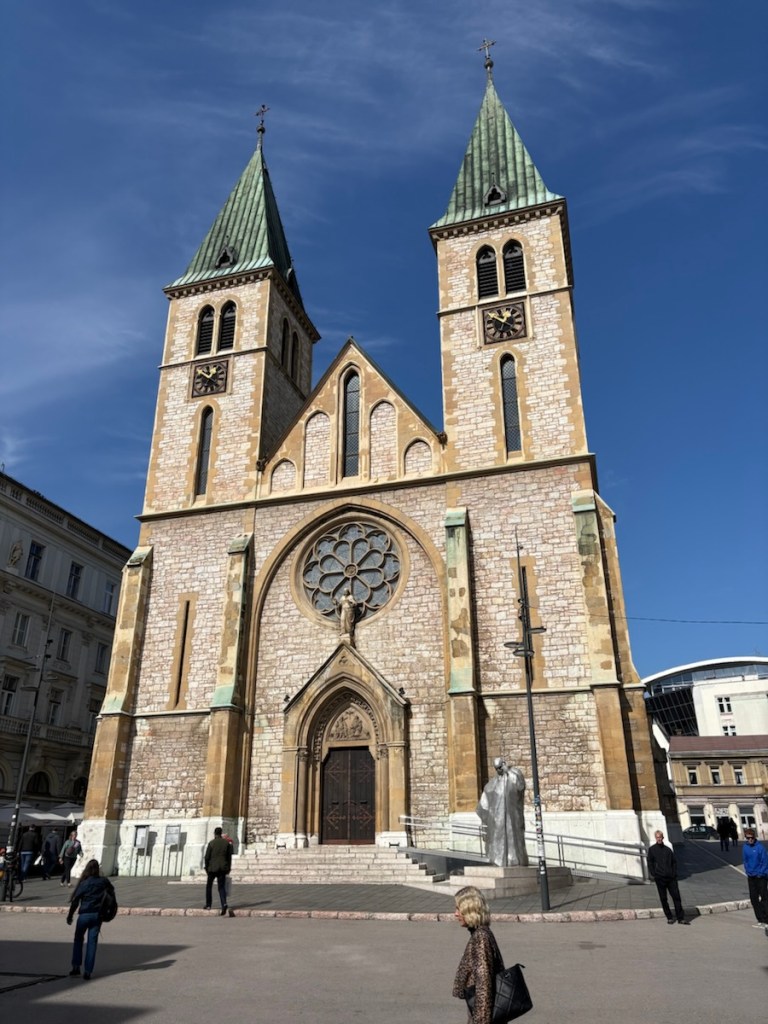
Cathedral Church of the Heart of Jesus

The cathedral, which took five years to build, was opened in 1889. It was designed by Josip Vancaš (1859-1932) as a triple-aisled church in the electic manner, with neo-Gothic elements predominating. The statue of the Heart of Jesus at the top of the portal is the work of the sculptor A. Hausmann of Vienna.

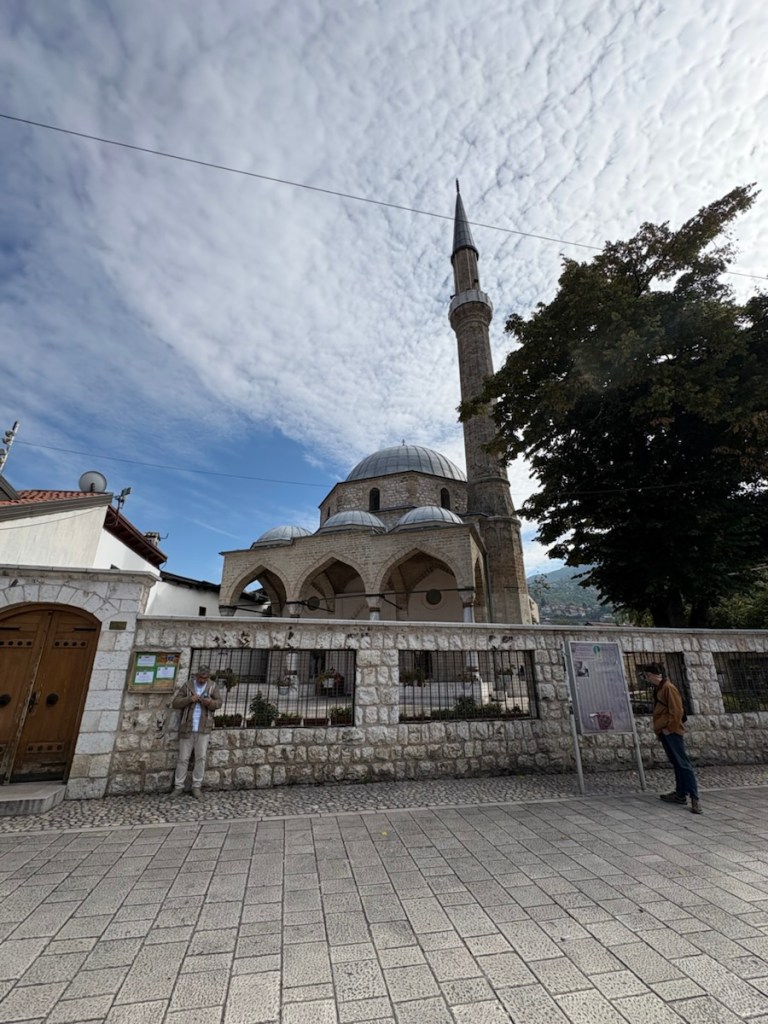
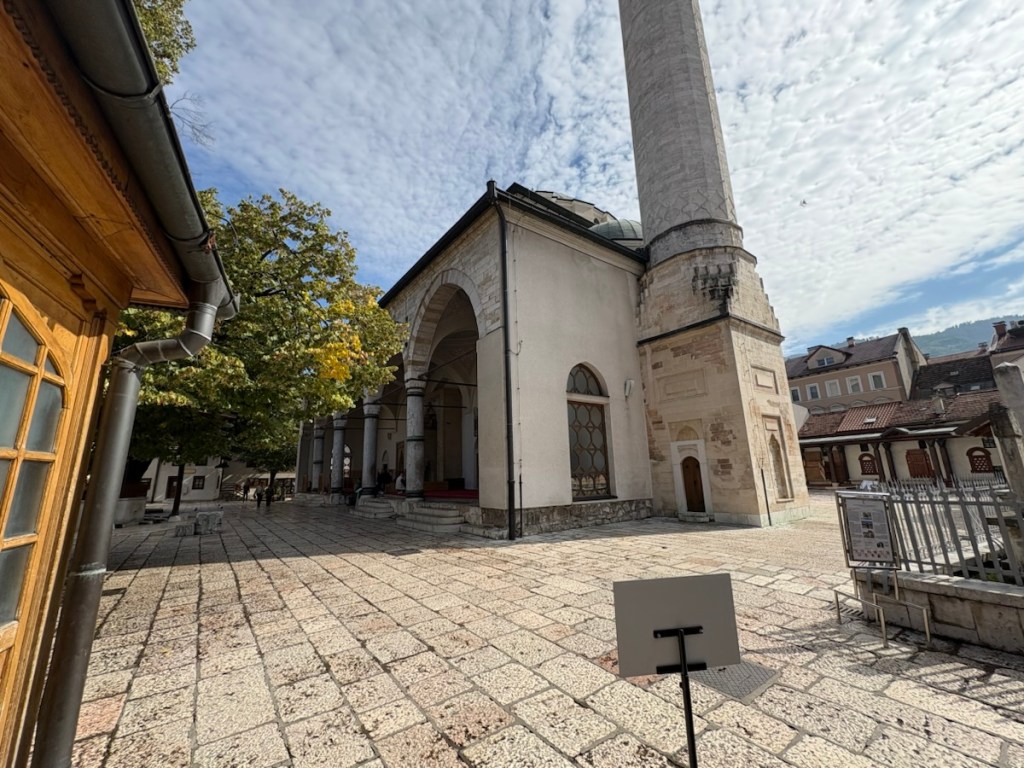
GAZI HUSREV BEG’S MOSQUE

Gazi Husrev Beg’s Mosque is the most monumental mosque of the Ottoman period and one of the finest examples of Islamic architecture in Bosnia and Herzegovina. The mosque was built in 1530 by Gazi Husrev Beg and designed by Ajam Asir Ali, who was the chief architect in the Ottoman Empire at that time. Above the entrance to the mosque an epigram was engraved on a tablet of stone on the occasion of the building of the mosque. From the minaret, which is 45 m in height, the voice of a muezzin resounds five times a day calling the believers to prayers, and this has been a tradition ever since the mosque was built.

In the afternoon, I took a four hour driving tour to sights in and around Sarajevo.  Surprisingly, I was the only person signed up! My guide and driver, Mustafa, was fantastic, and lived through the siege of Sarajevo as a young teenager!  We had great in-depth discussions about the war, the reasons for the conflict, the division of the territory at the end of the water, and the current state of relations in the “unified” country, as well as America and American politics,.  Quite interesting, and I’m sure I’ll get some different perspectives when I head into neighboring Serbia tomorrow.

This market was bombed by the Serbs in 1994 with 66 KIA, 200+ injured.

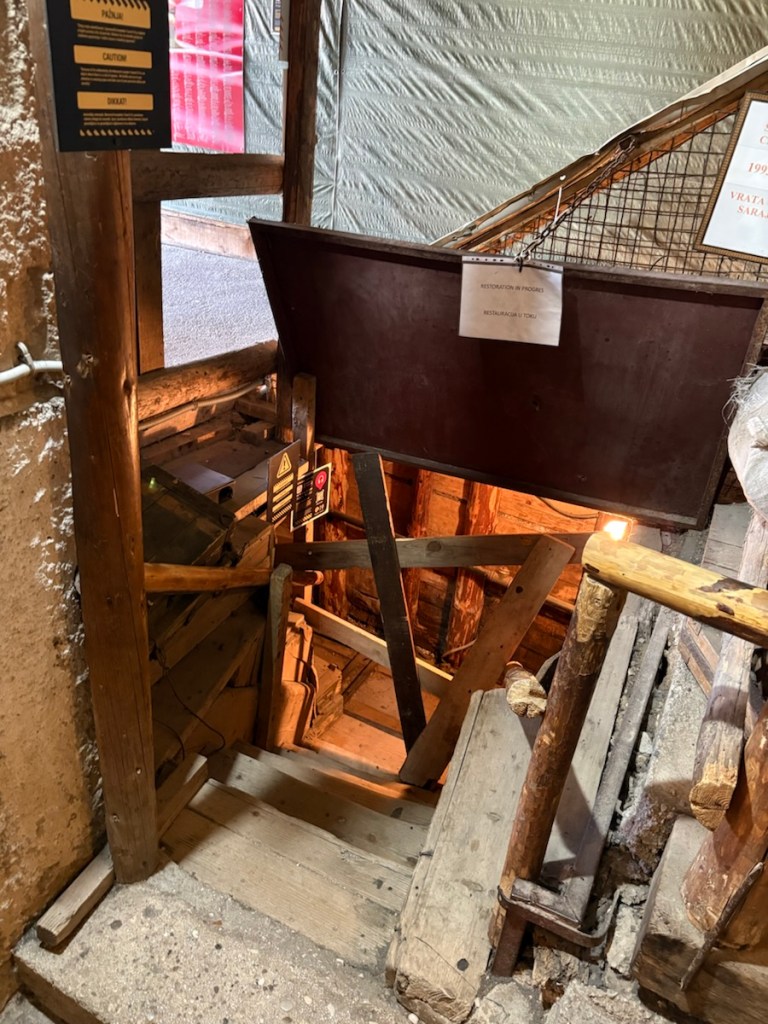
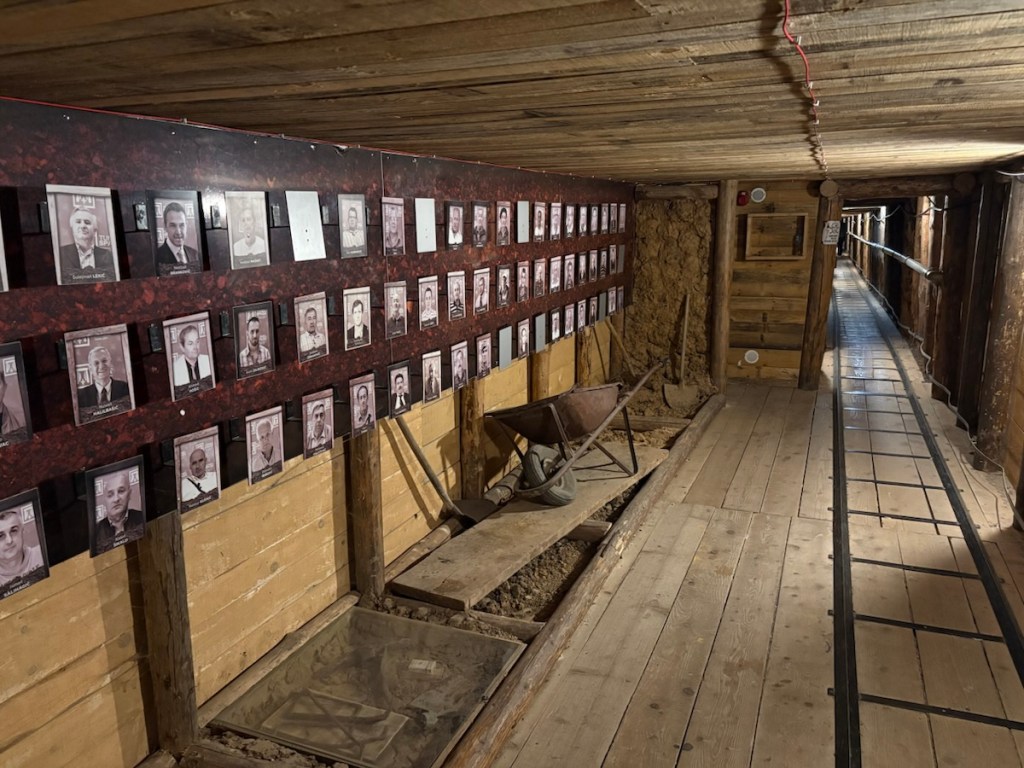
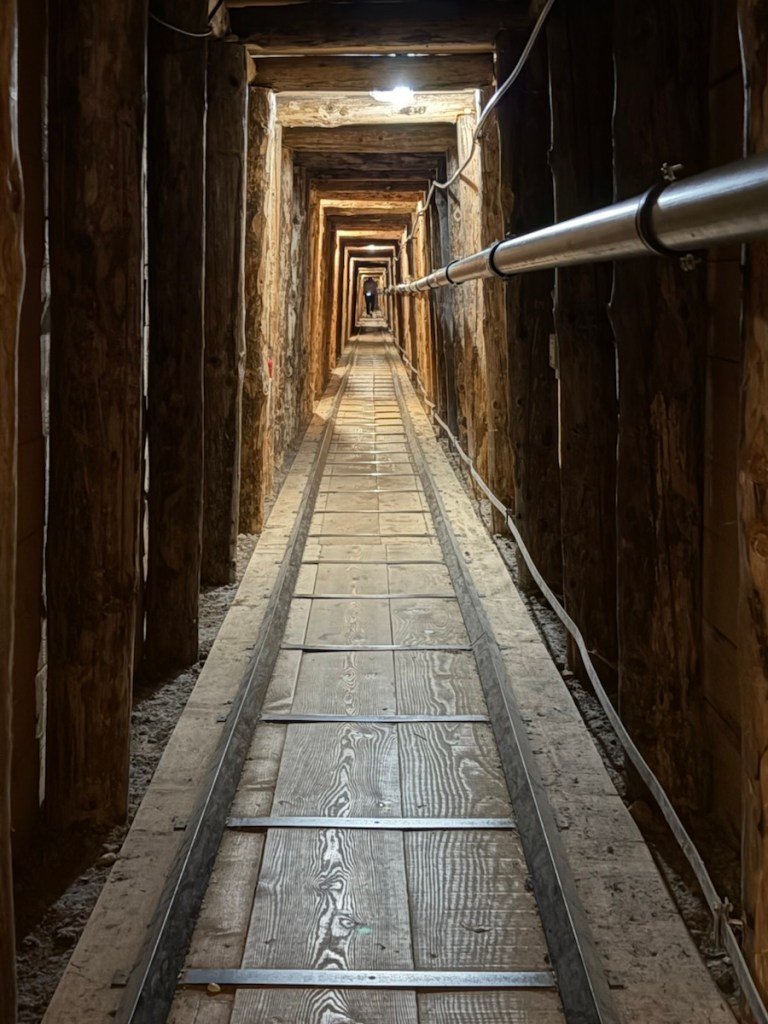
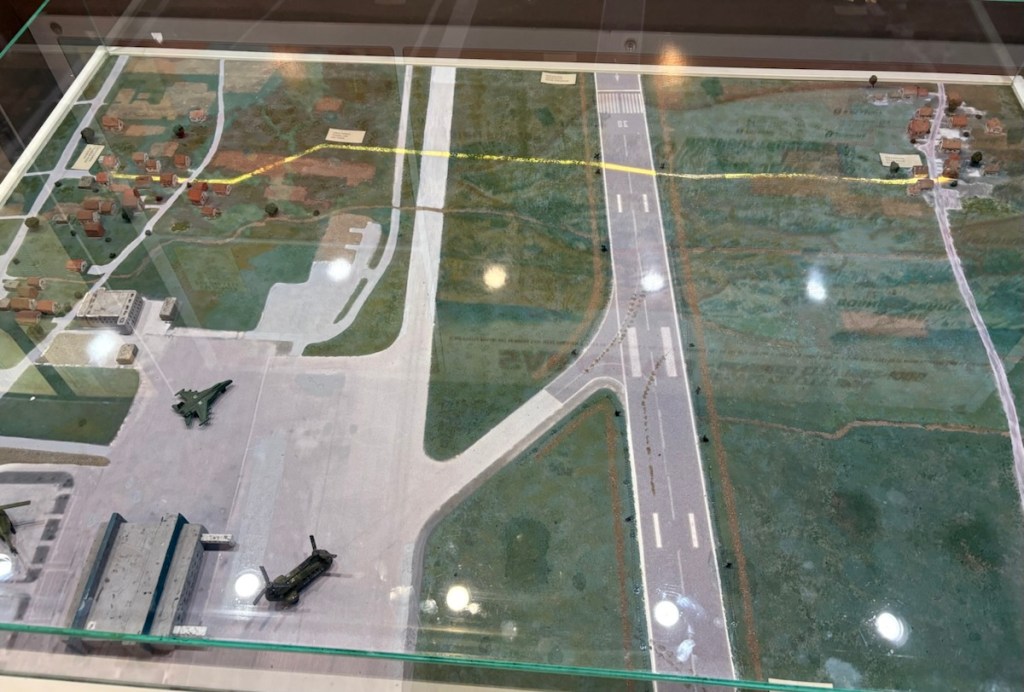
Sarajevo was almost entirely surrounded by Serbian forces during the 1992-95 war.  So the Bosnians in Sarajevo built an 800 meter tunnel under the airport during the war.  The tunnel ran from inside Sarajevo, under the UN occupied airport, and into the Free Bosnia sector.  The purpose was to get troops, weapons, supplies, and food back and forth in out of the city.

Original tunnel entrance was in a Free Bosnian Territory home
This is a rebuilt (and much fancier) version of the tunnel for tourists. The original tunnel was filled in after the war.
The yellow line near the top shows the route of the tunnel under the runway

And here are more photos from my drive around the city and surrounding mountains.

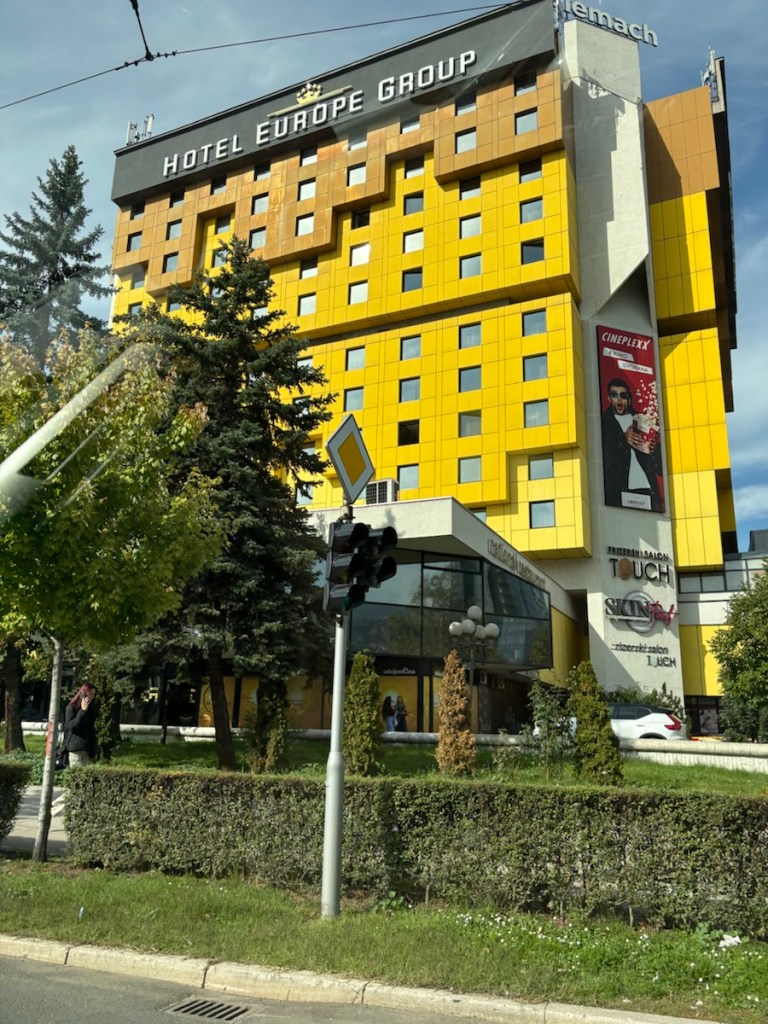
The hotel that held journalists during the war, well in sight of Serbian snipers in the hills, front and back!
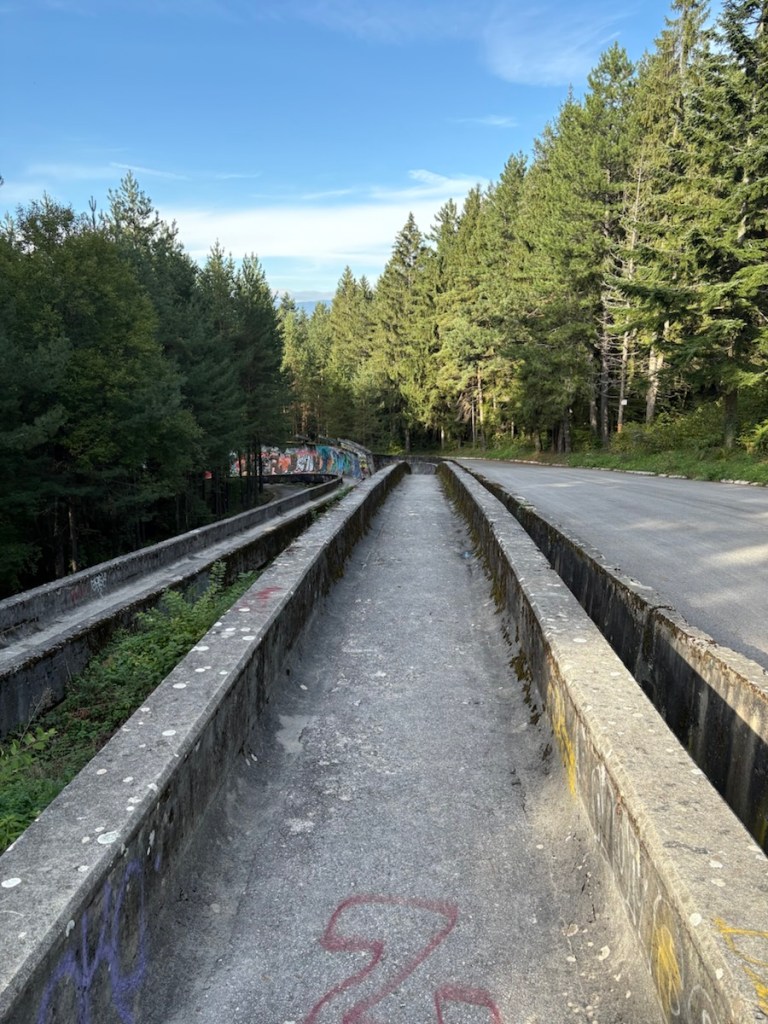
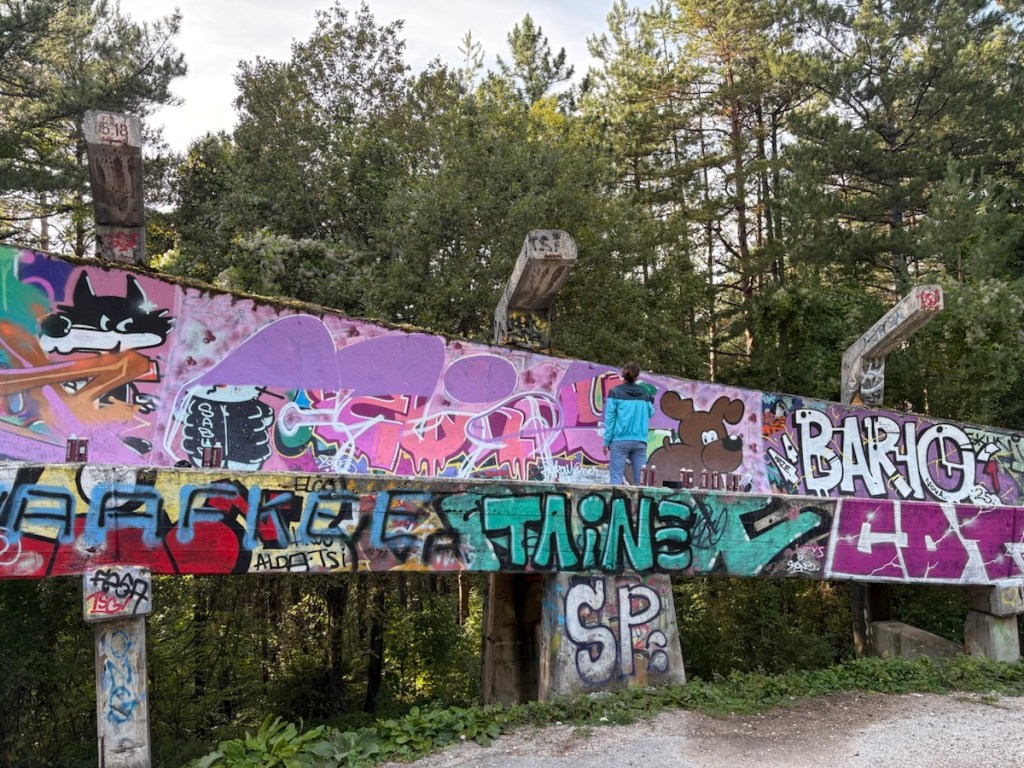
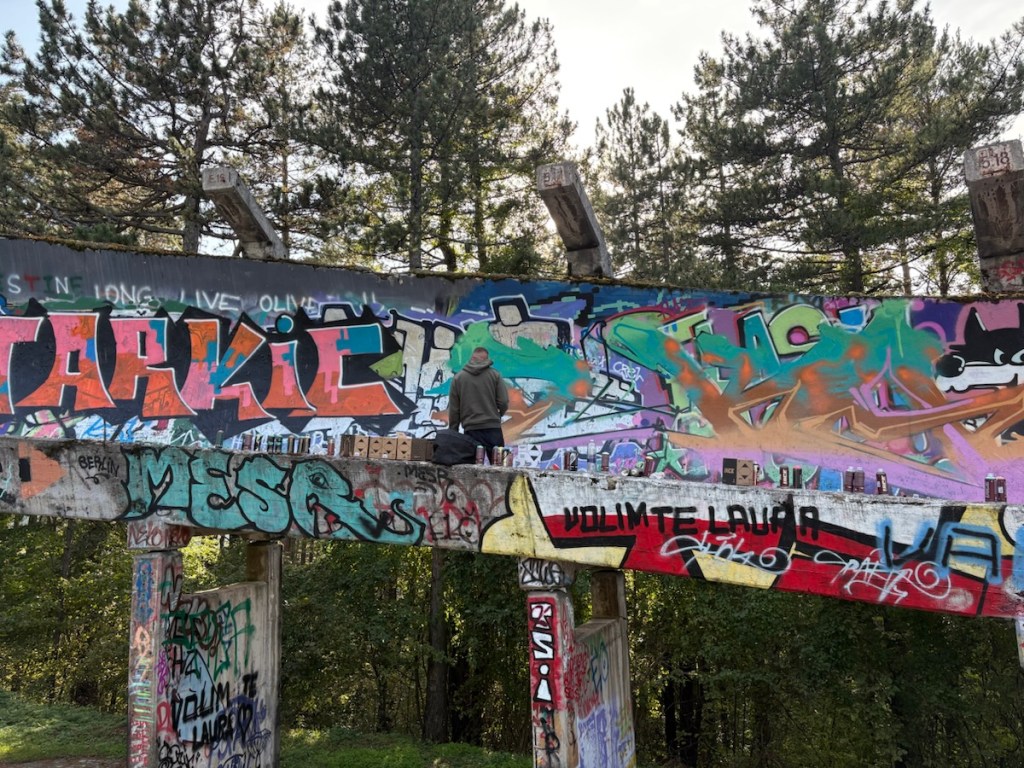
The old Olympic luge and bobsled runs
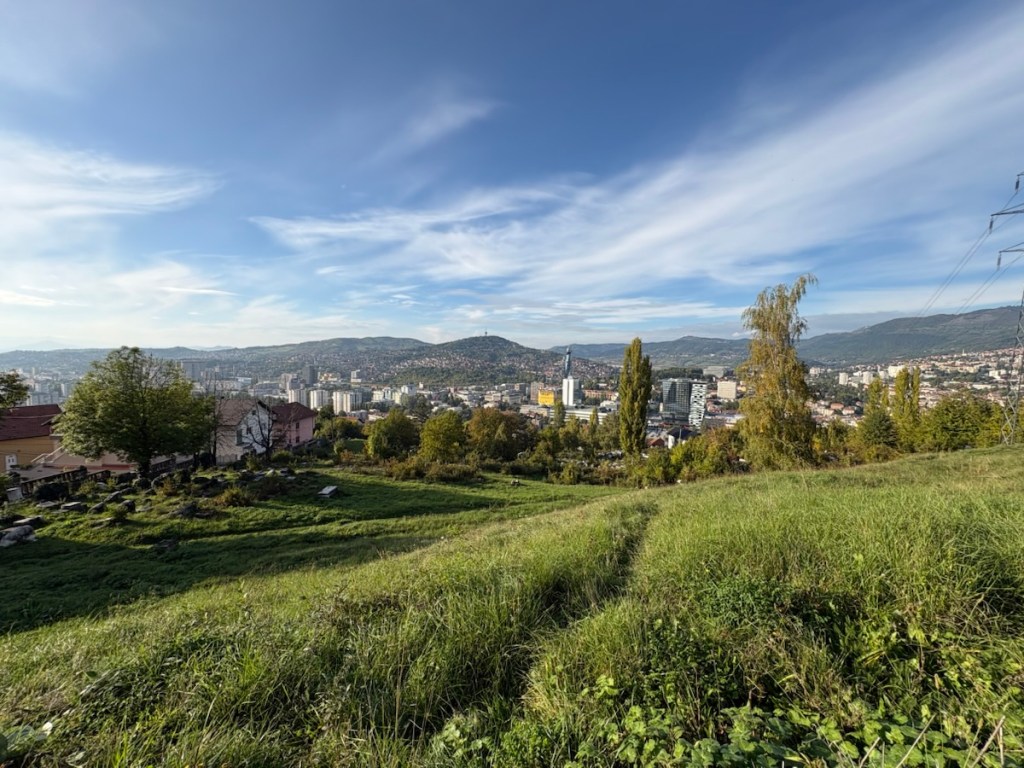
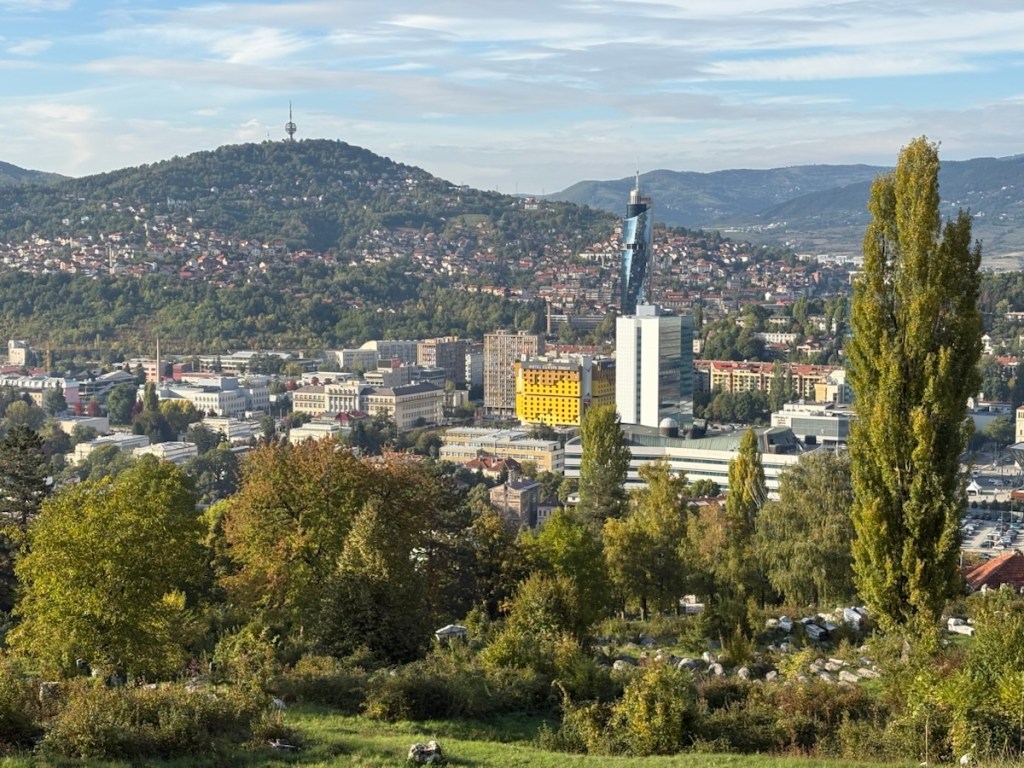
Smoky Sarajevo
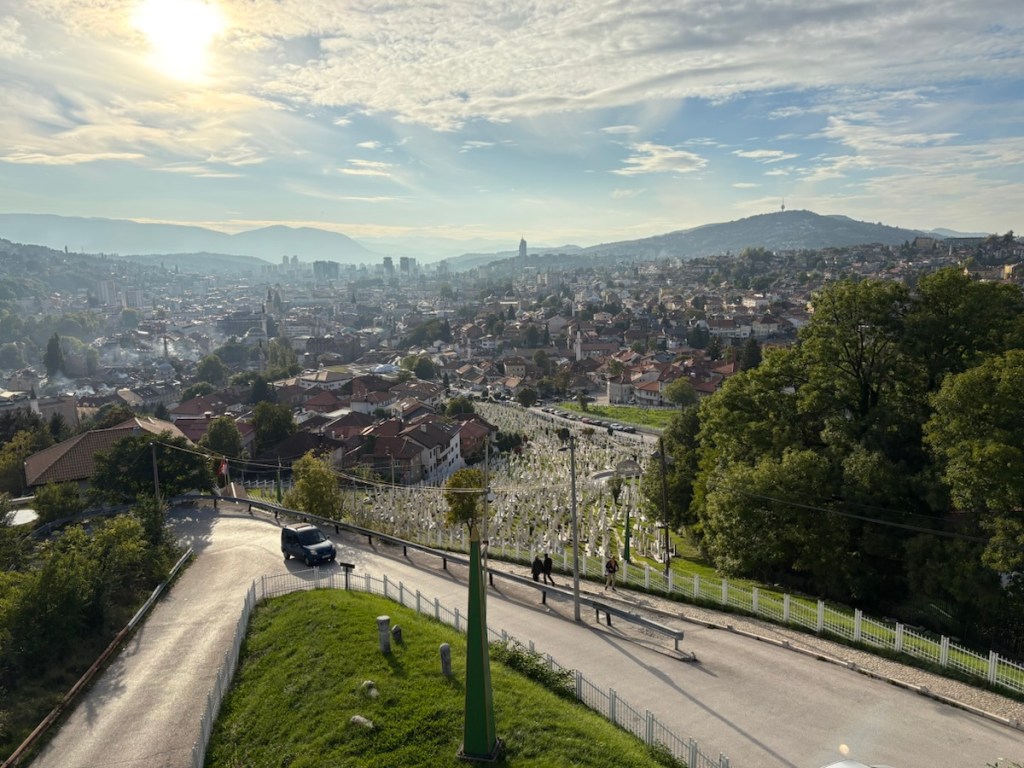
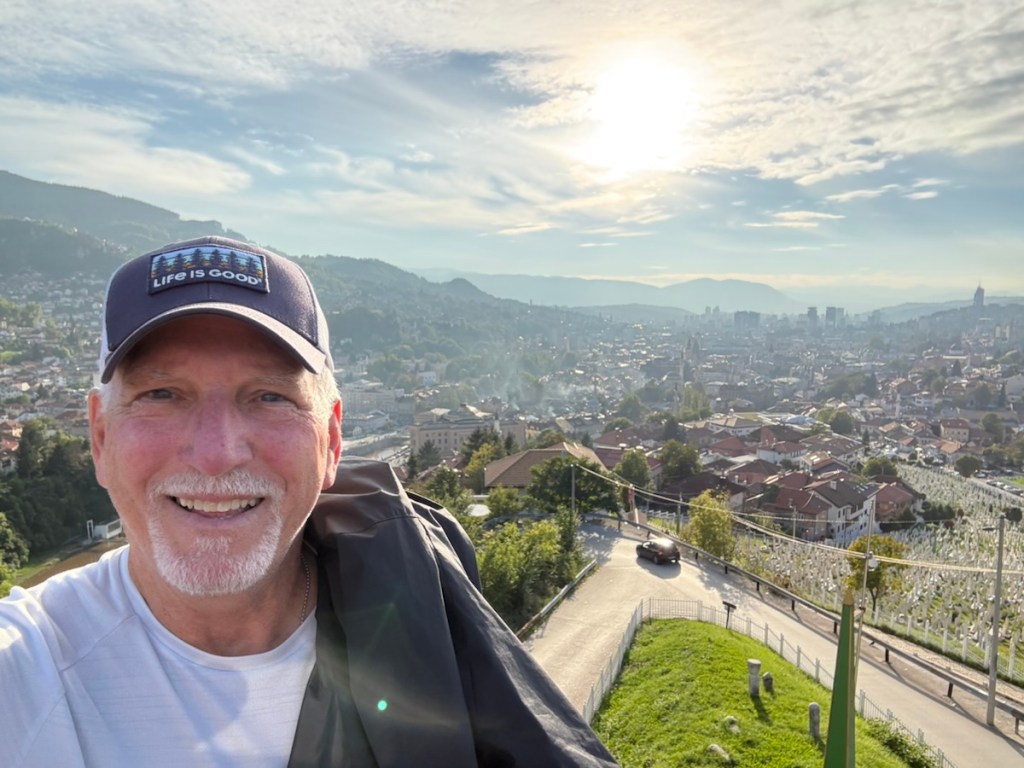
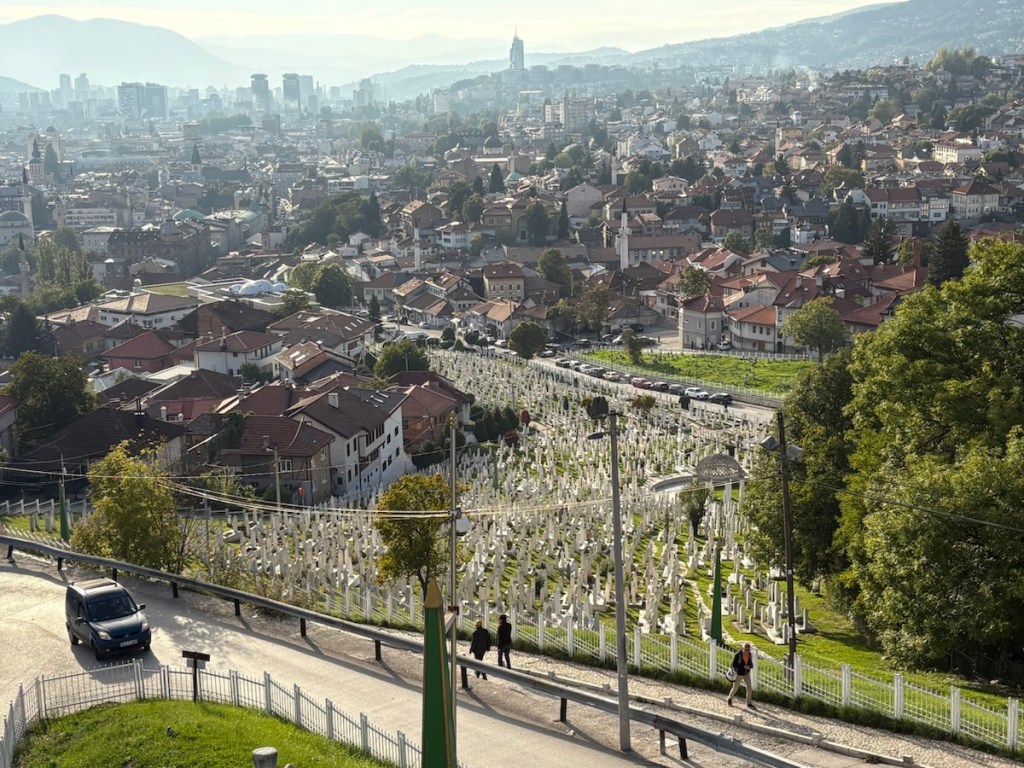
Notice the cemetery below with all white stone headstones. They are very distinctive and you can clearly pick out the many cemeteries when looking down from the surrounding mountains.

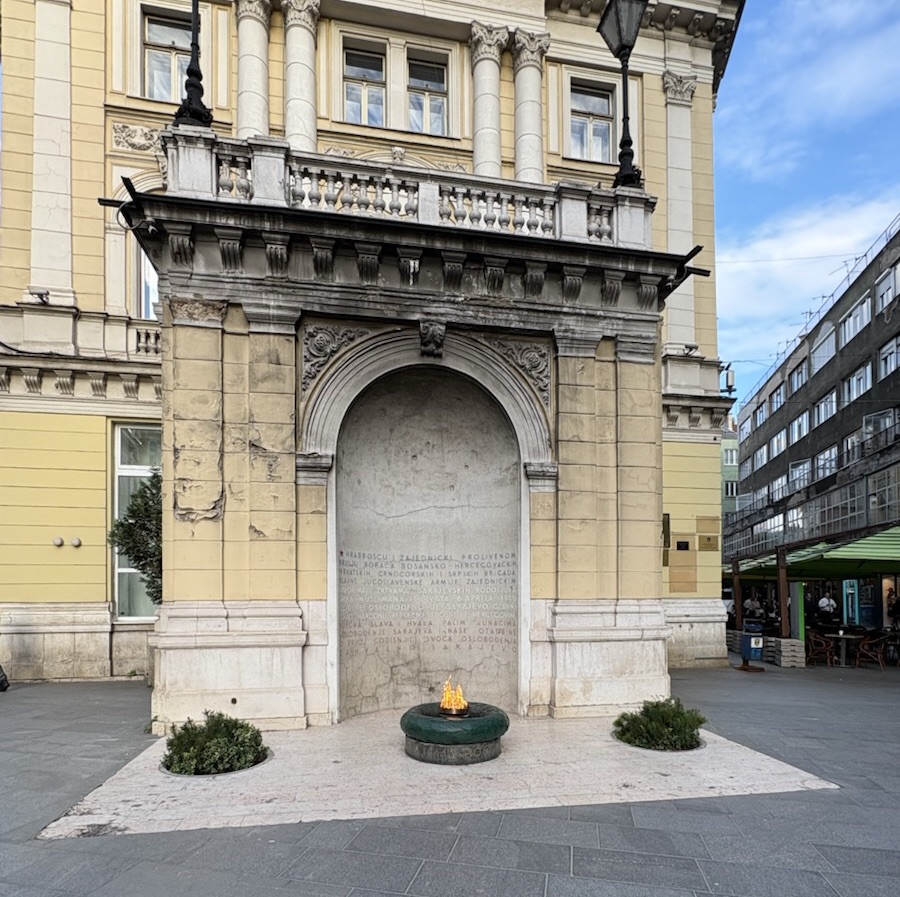
The Eternal Flame (Vječna vatra) in Sarajevo is a continuously burning memorial to the civilian and military victims of World War II, dedicated on April 6, 1946.

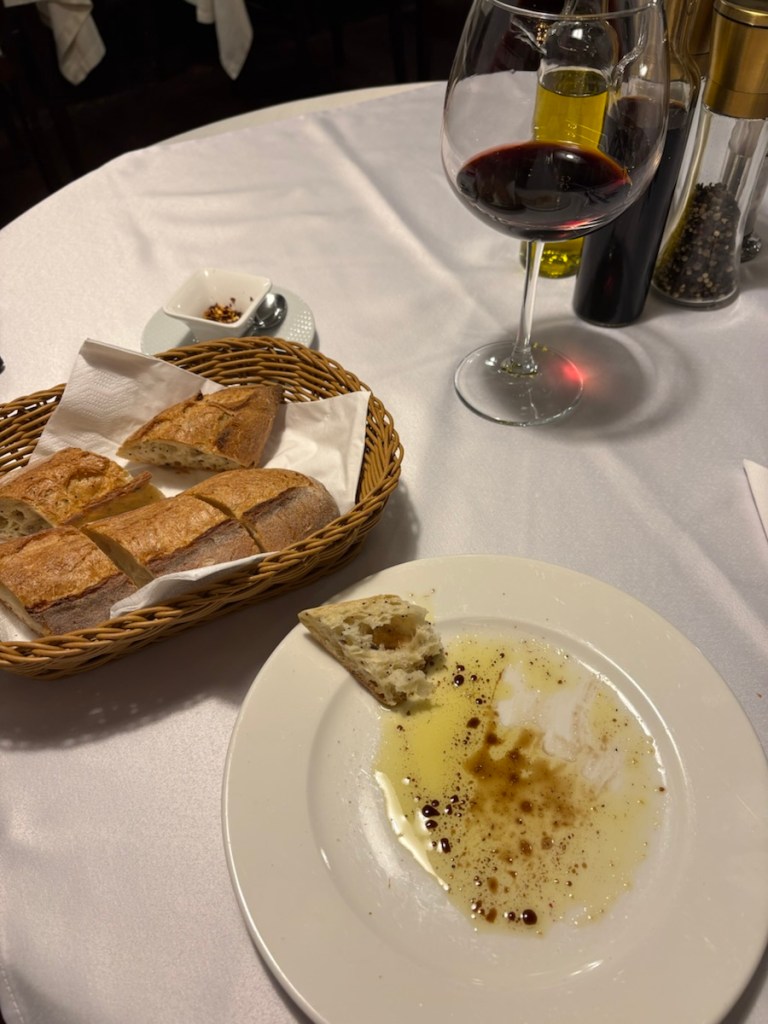
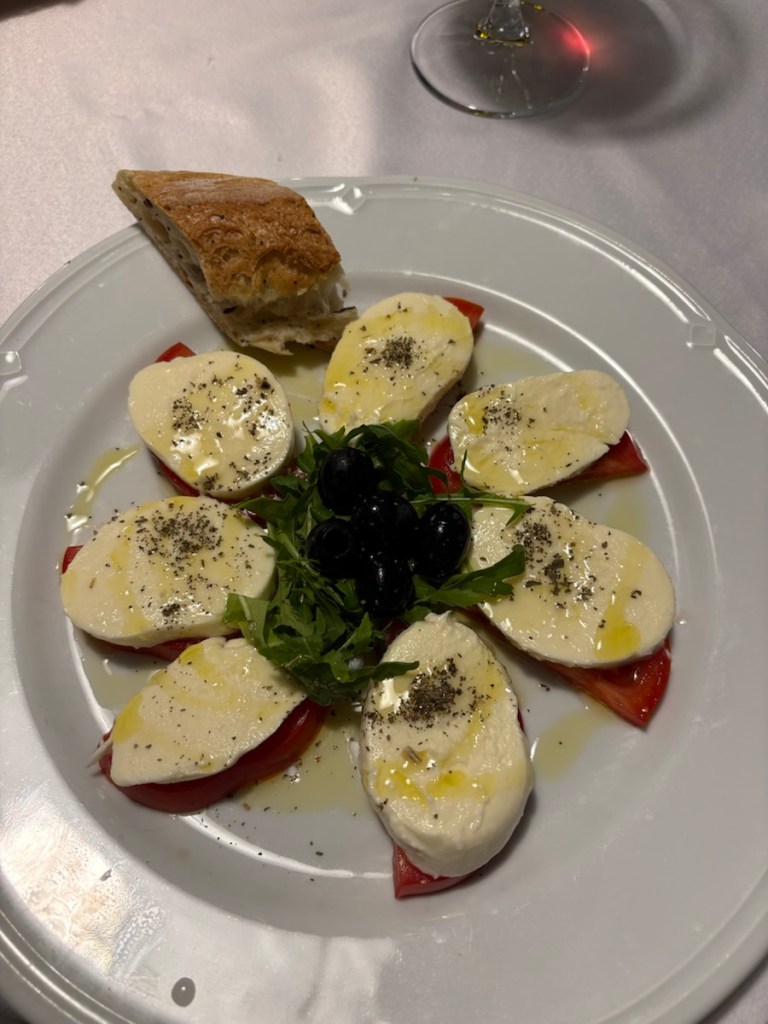
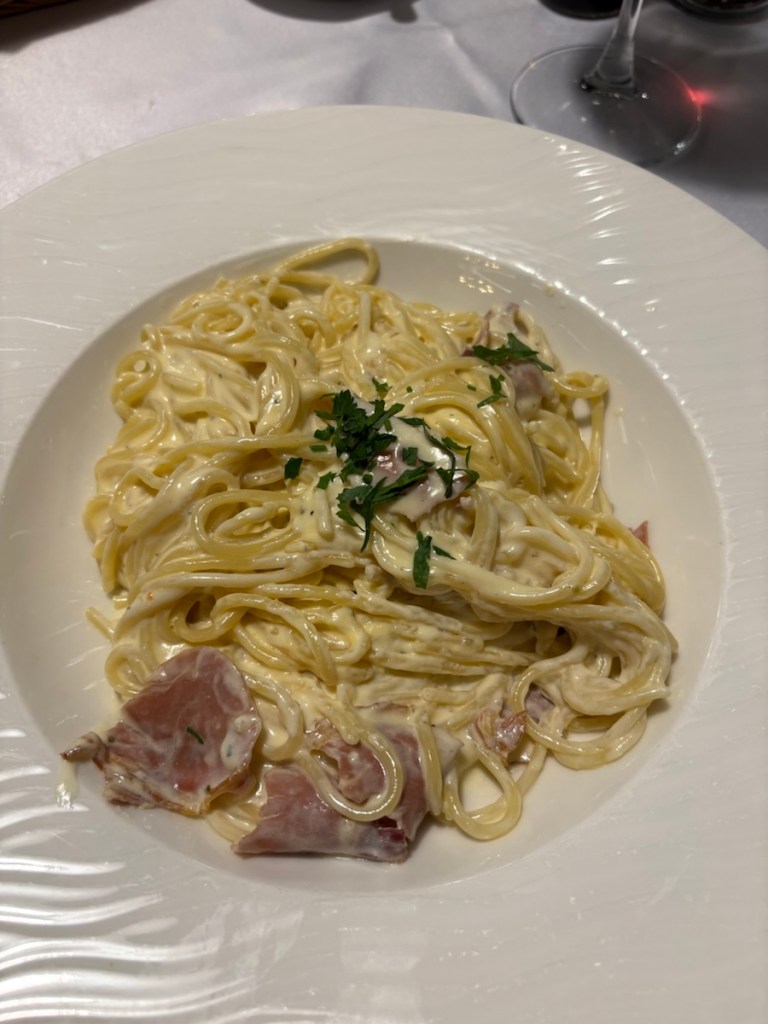
My first “fancy” meal of the trip was a dinner at Tavola Restaurant in Sarajevo. Funny since Tavola is also the name of one of our favorite restaurants in Charlottesville! The Bosnian red wine, bread, caprese salad, and pasta carbonara were all excellent – best meal so far! And only about $30!

Before you go…

“I have not failed. I’ve just found 10,000 ways that won’t work.” — Thomas Edison

South to Banja Luka, Bosnia and Herzegovina (via Ljubljana and Sevnica)

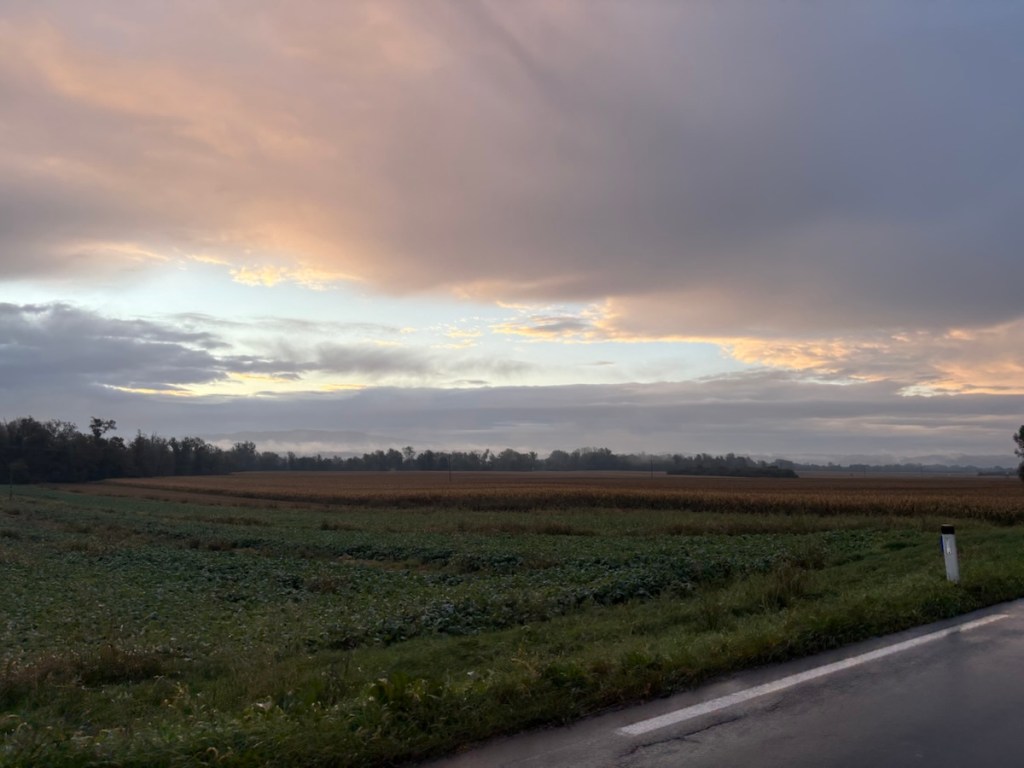
I left Lake Bled, Slovenia, this morning with the sunrise and had a peaceful drive south through the countryside on the way to the capital, Ljubljana.  Later in the day I passed through northeastern Croatia and back in Bosnia and Herzegovina where I stayed for the night.

Slovenia seems to be the most well developed and prosperous country I visited so far. Many of the houses in the countryside are beautiful and look like upscale ski lodges.  The cities are clean and well maintained.  Even the roads are in good shape and well designed.  It also seems that there are far fewer smokers than prior countries, and the drivers seem less reckless and more courteous.  That said, folks in every country have been wonderful to interact with.

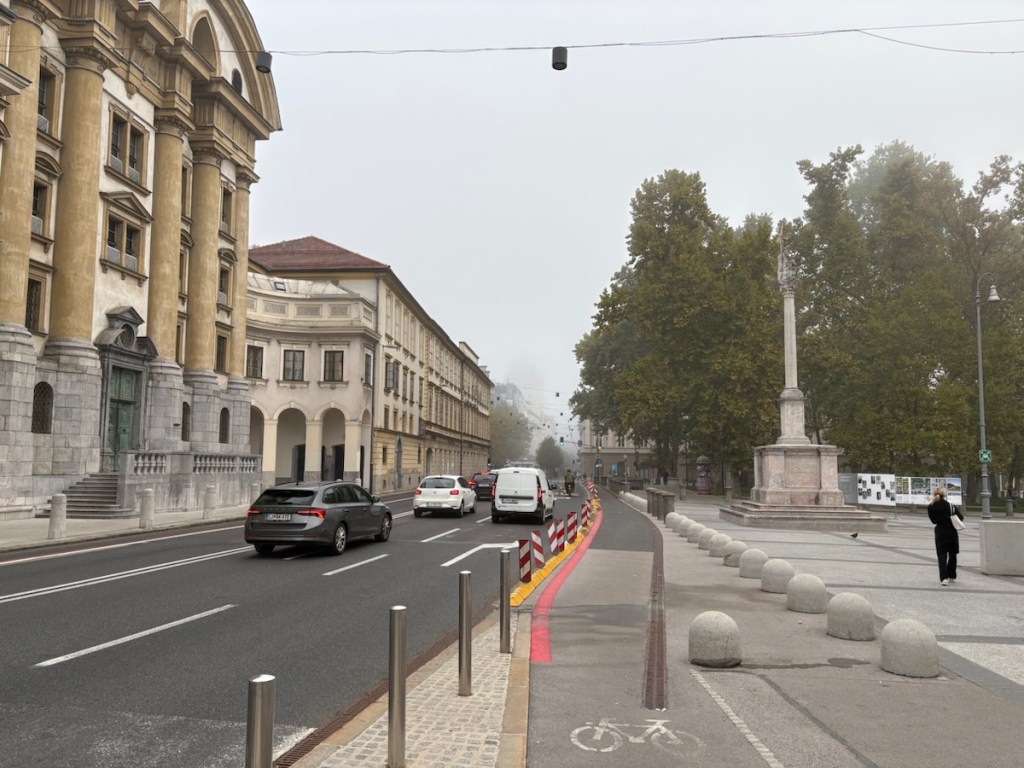
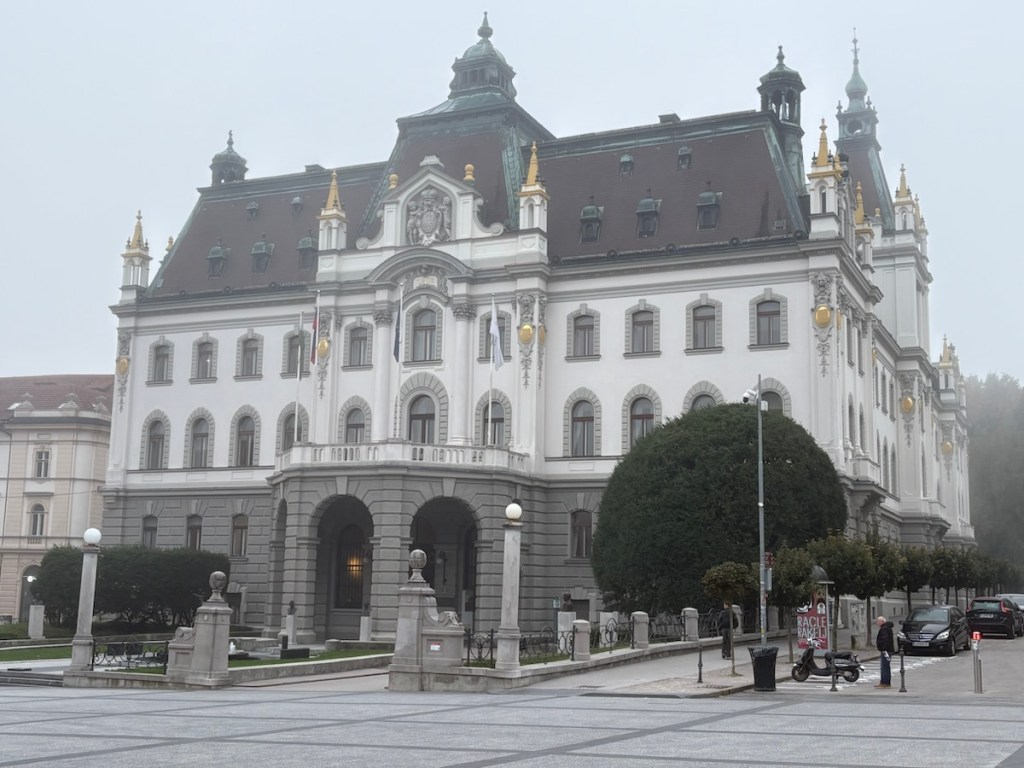
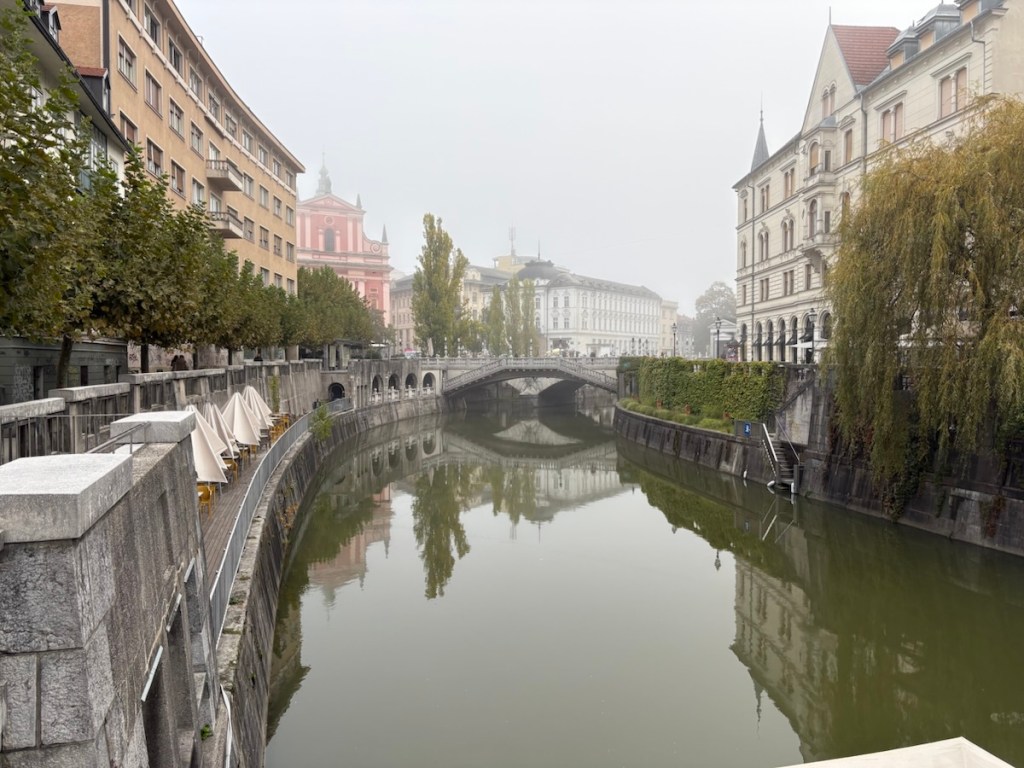
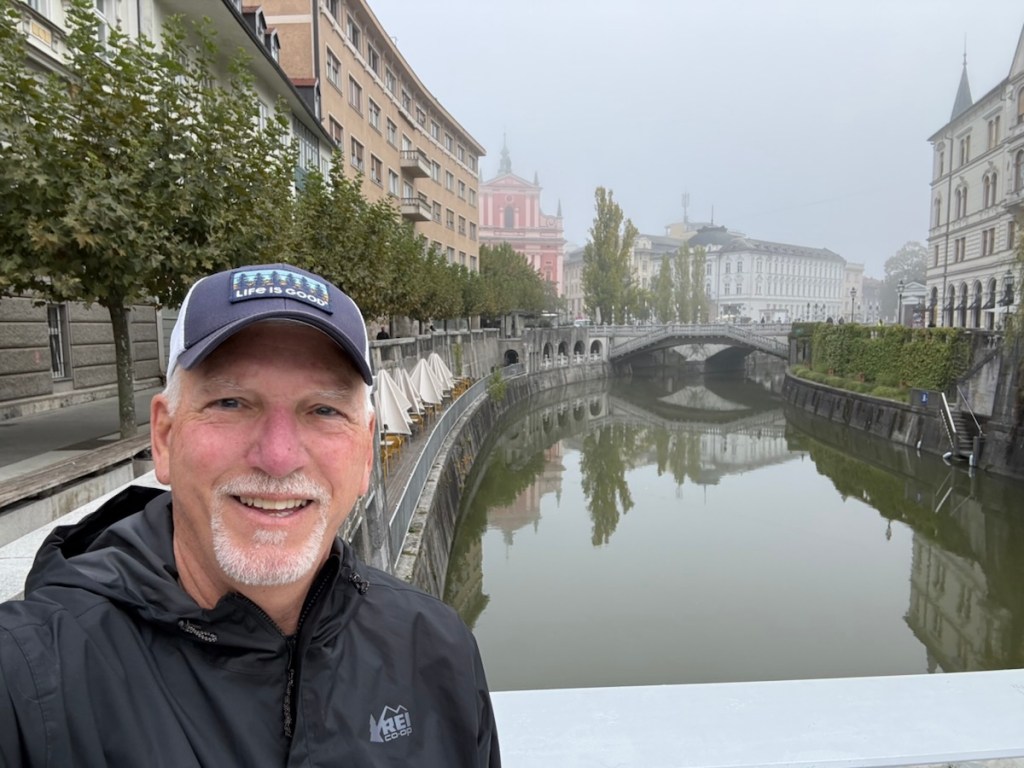
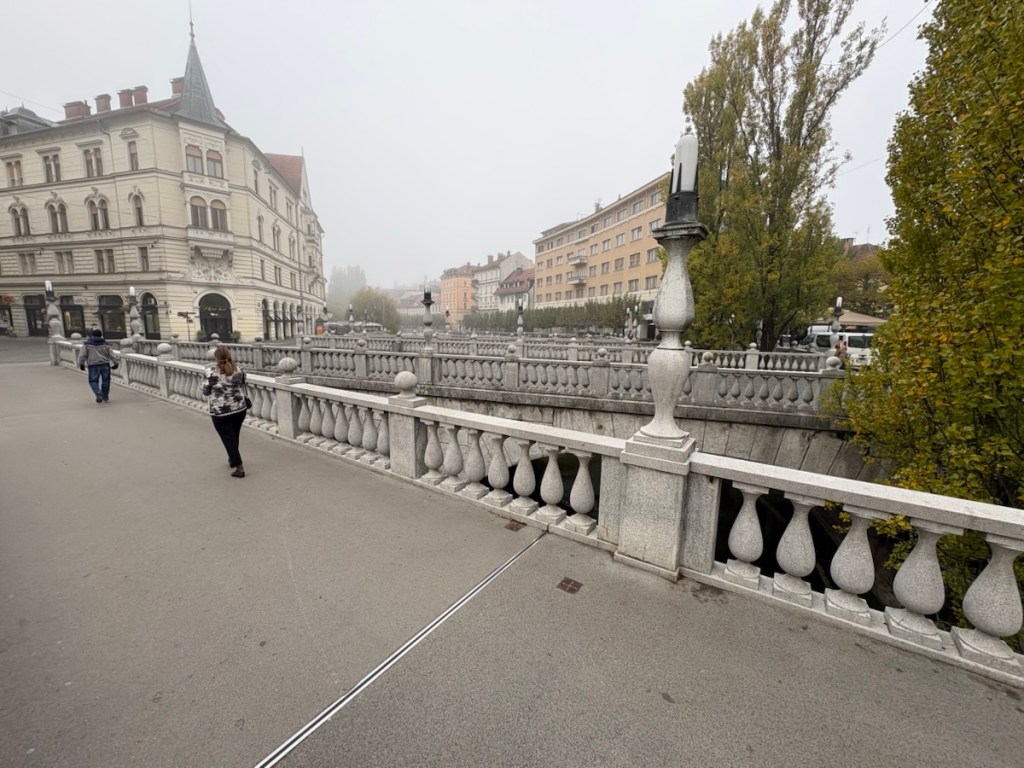
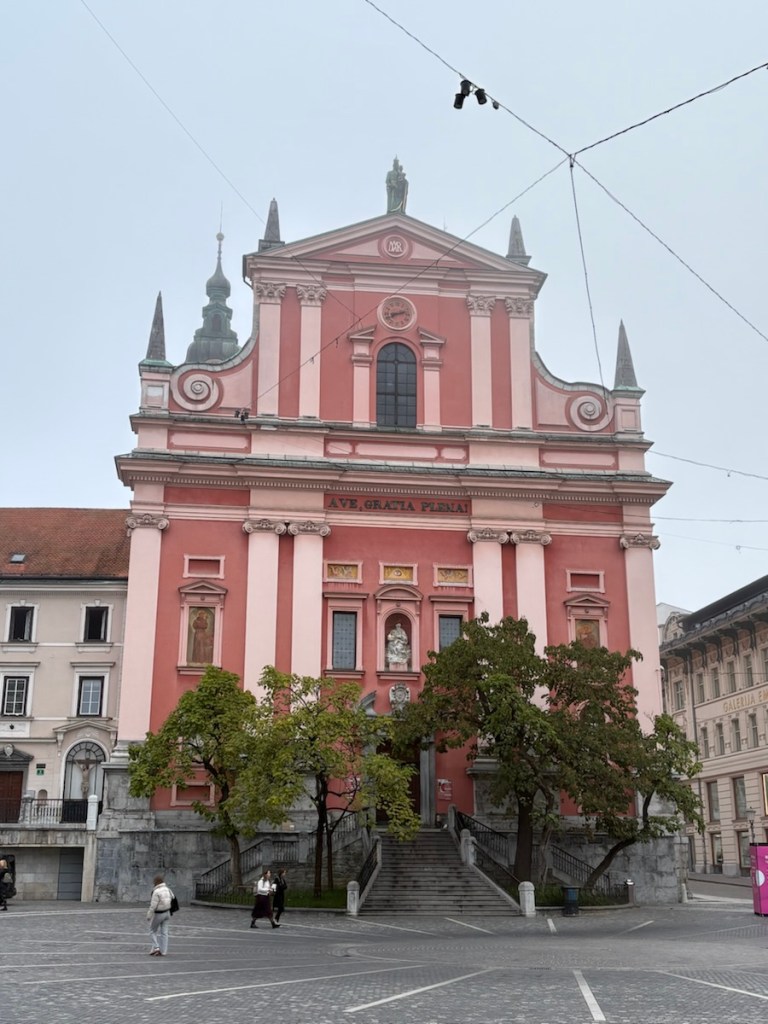
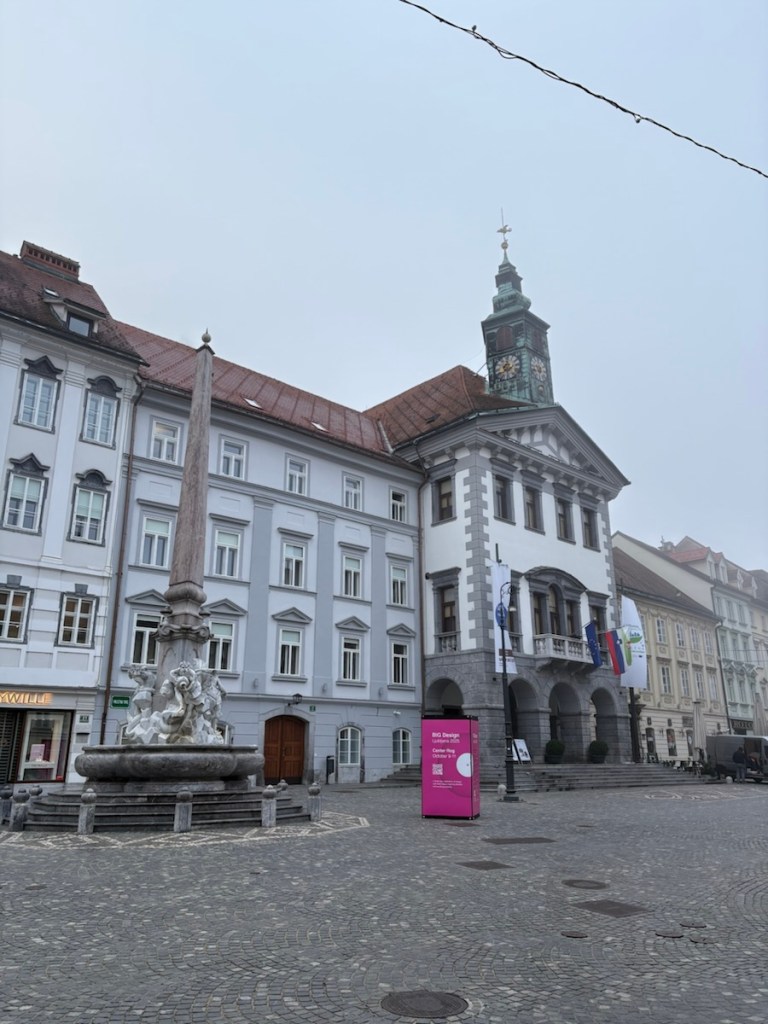
Here are some photos from my short morning visit to foggy Ljubljana.  

Hard to see, but there are actually three bridges, side by side.
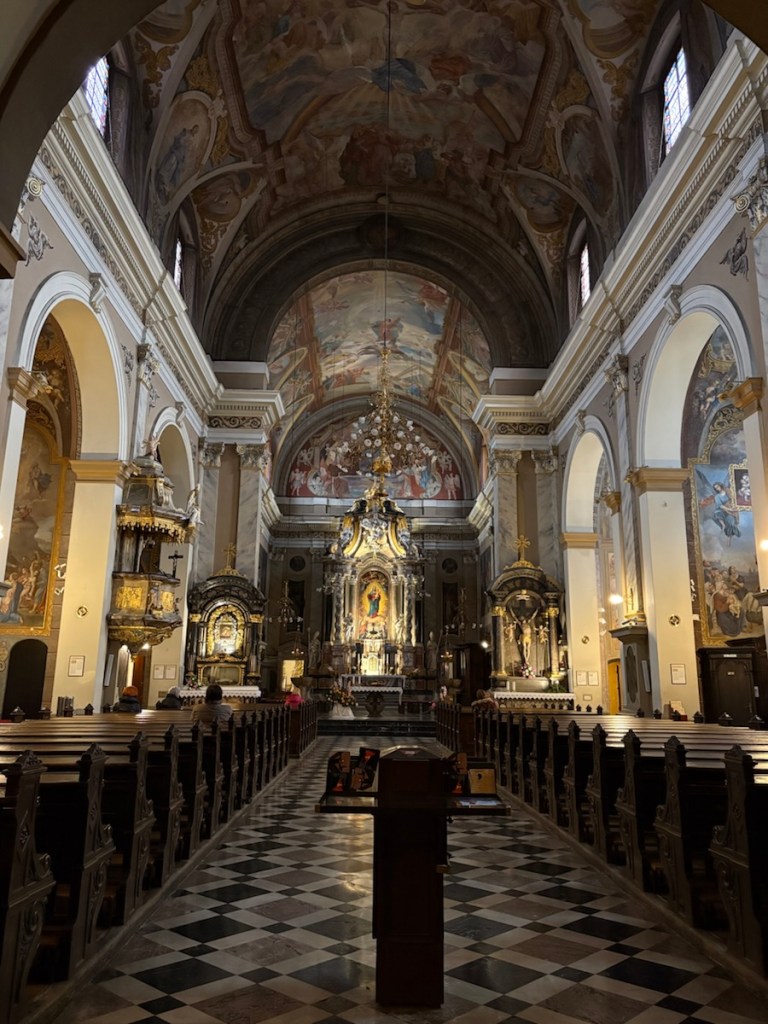
The pink Franciscan Church
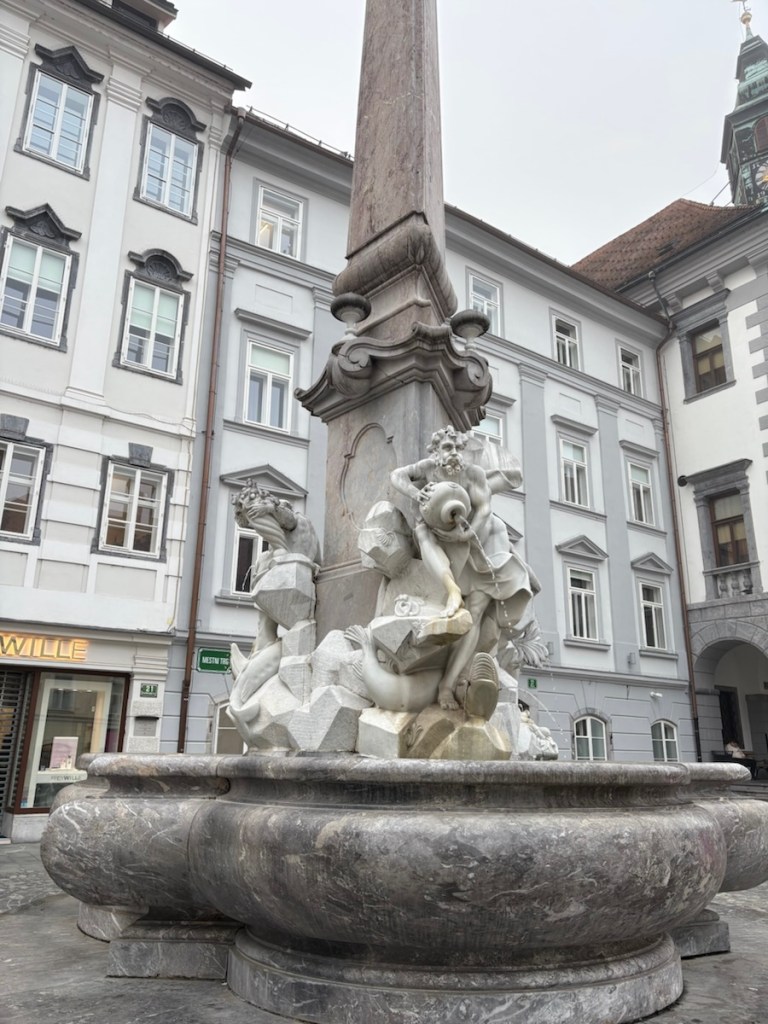
The Triple Fountain
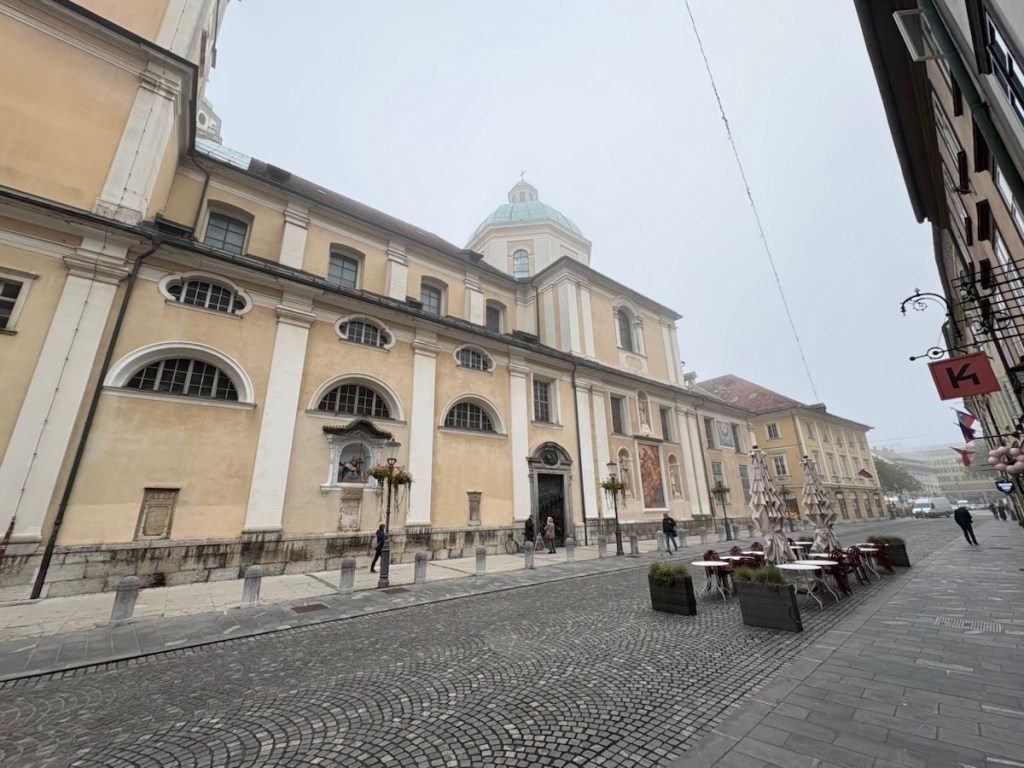
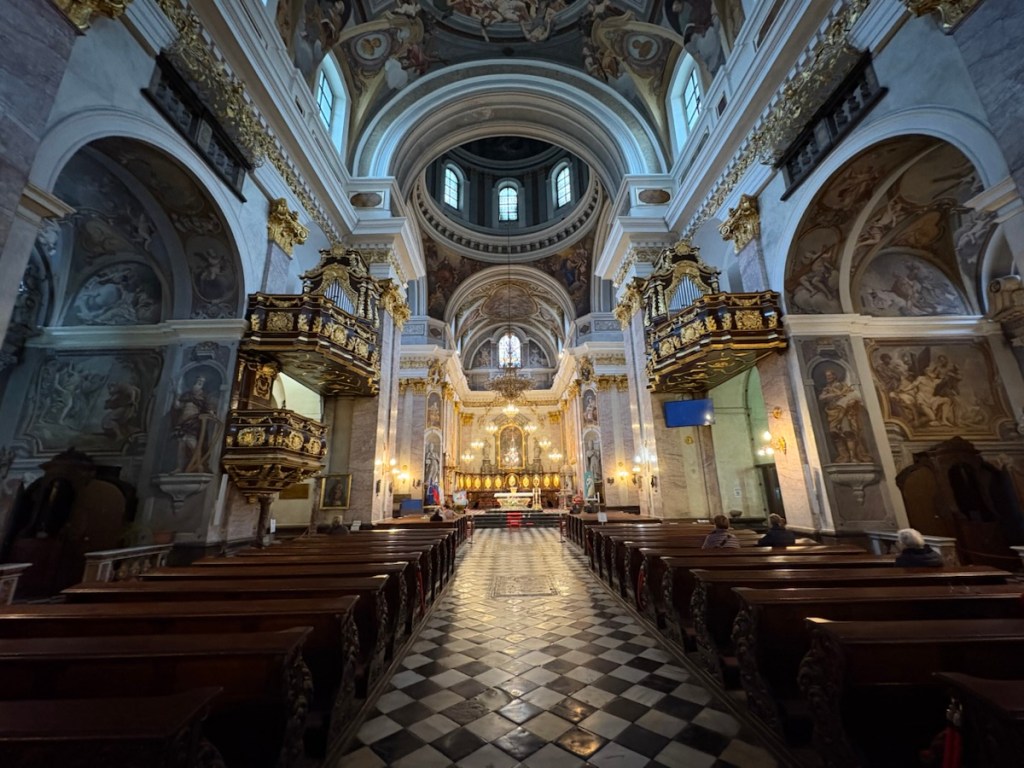
St. Nicholas Cathedral Church
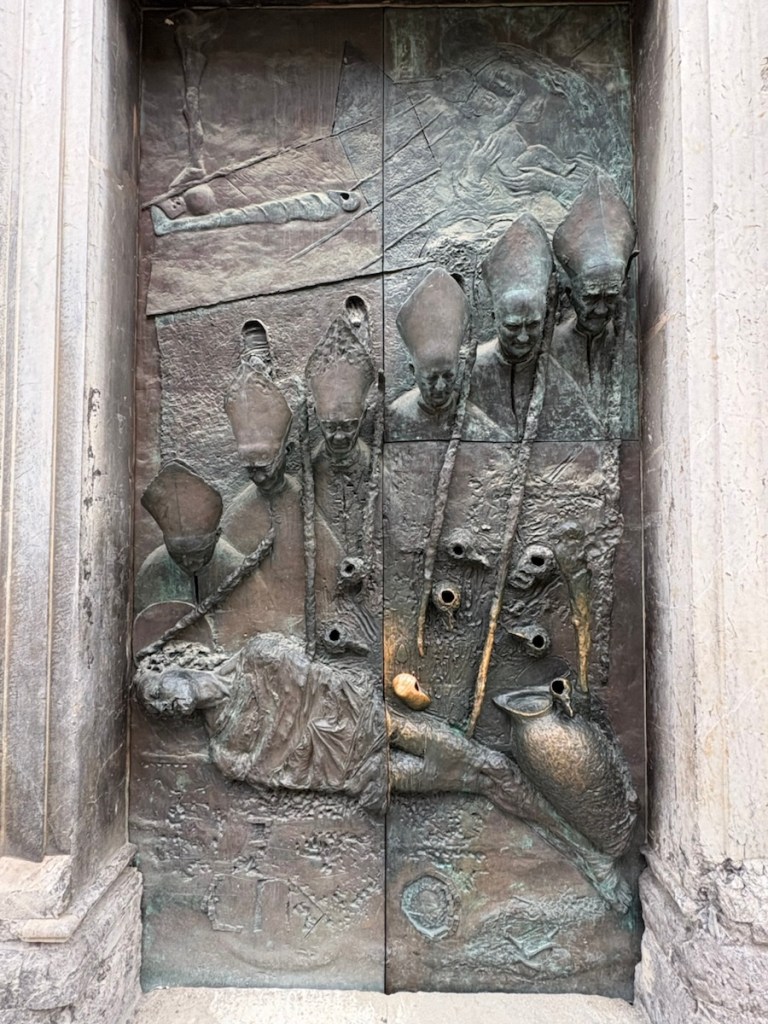
And the front entrance doors
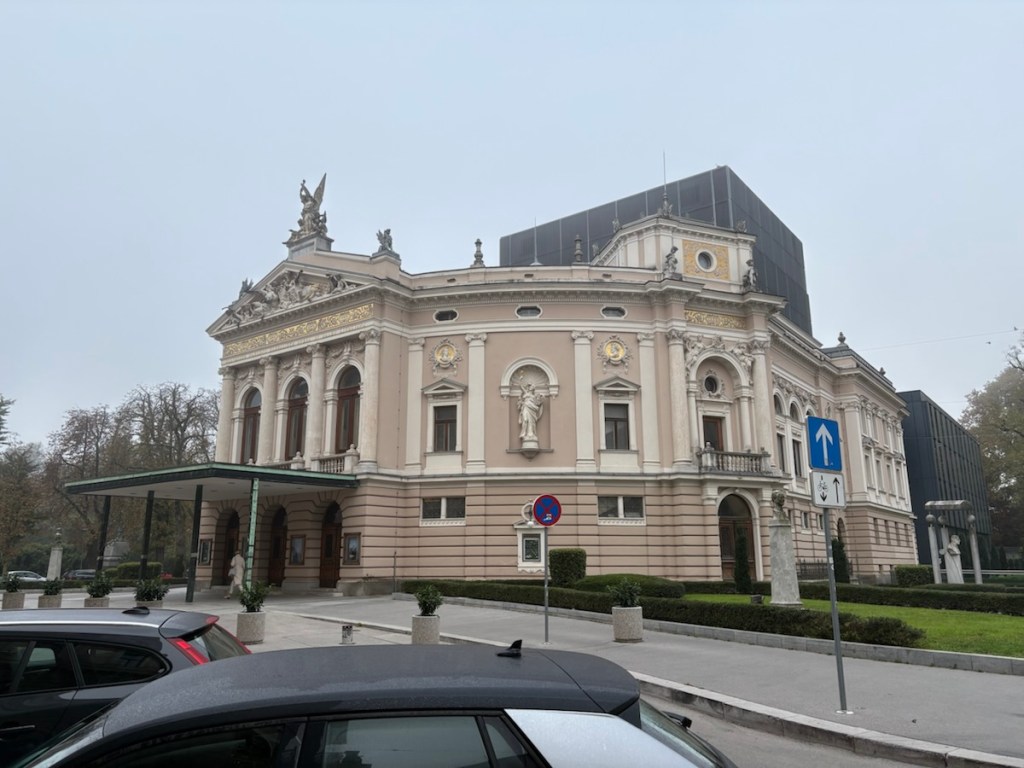
National Opera and Ballet Hall
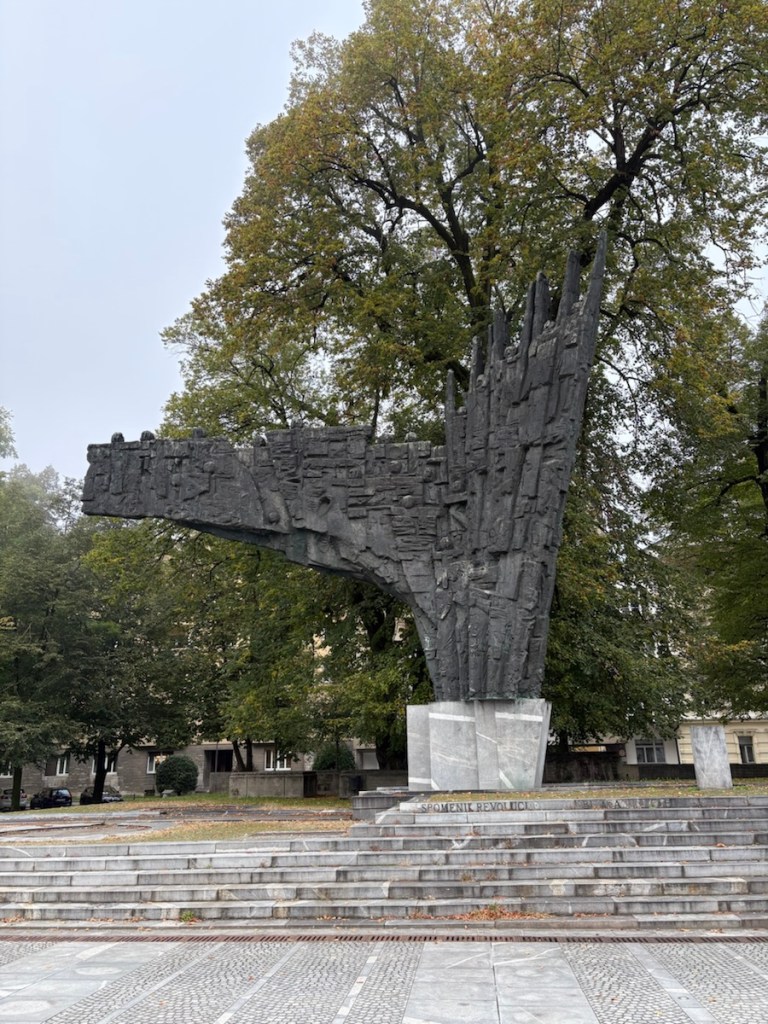
The “Monument to the Revolution” (Spomenik Revolucije) was unveiled in Ljubljana’s Republic Square in 1975 to commemorate the victory of Yugoslav Partisans in World War II and their Socialist Revolution against fascist forces. 

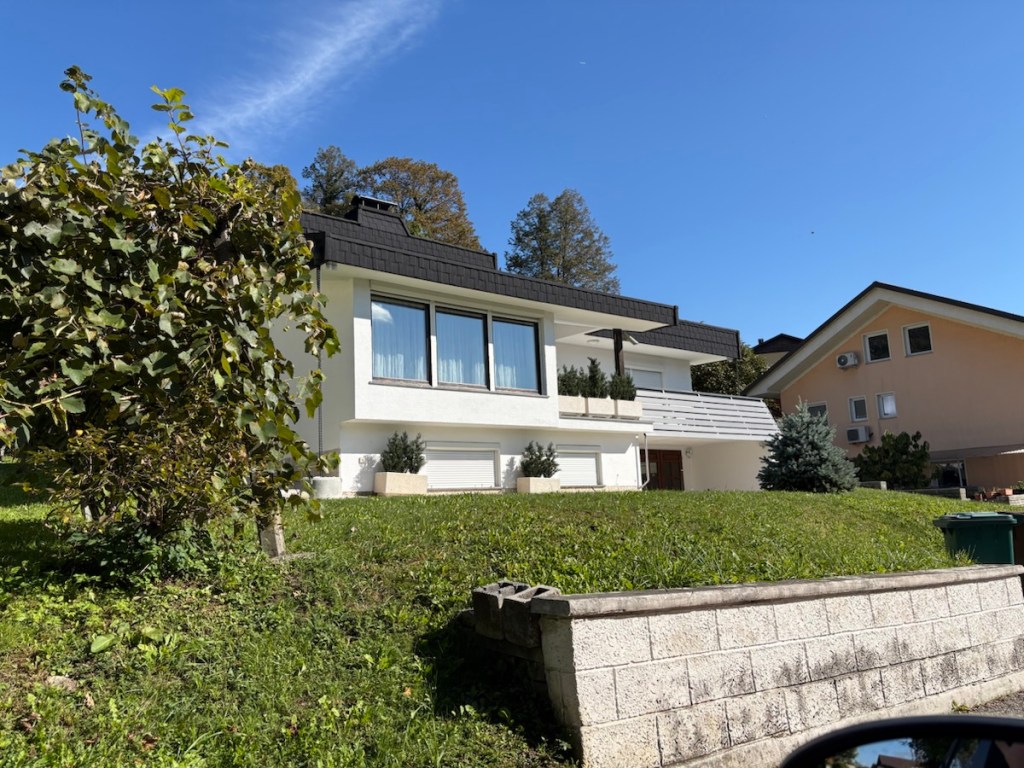
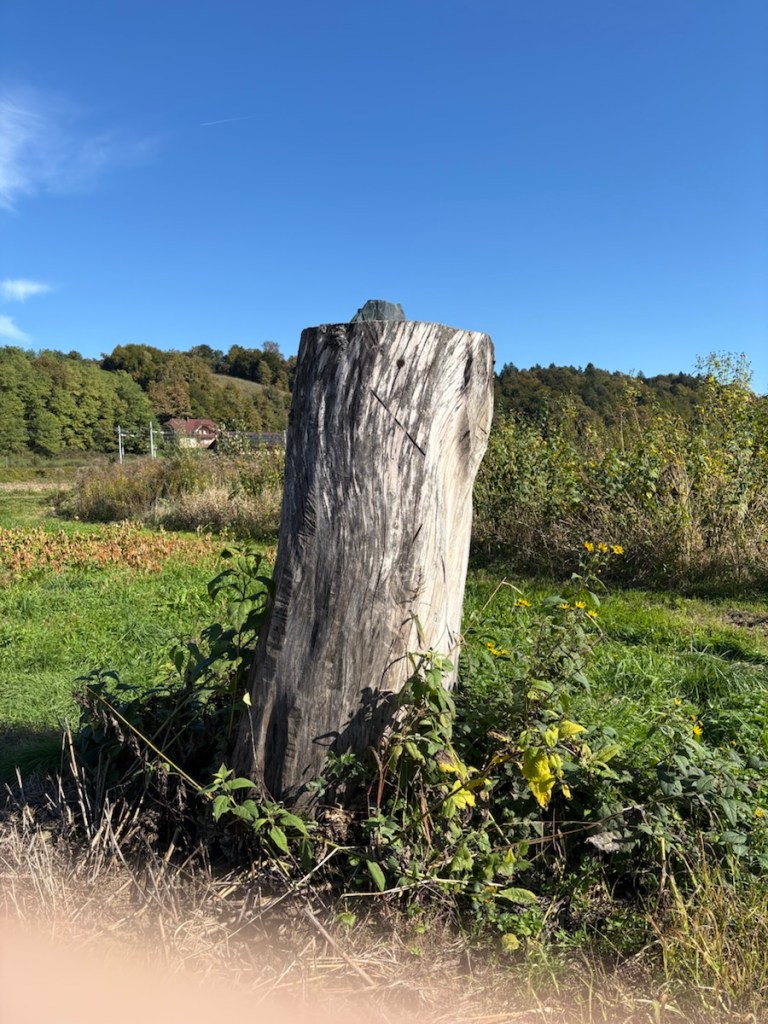
I also passed through the beautiful, riverfront town of Sevnice, Slovenia, the hometown of Melania Trump.  I drove by her former family home, and by where a statue in her honor formerly stood.  Formerly, because someone absconded with the bronze statue earlier this year.  All that remains of the large bronze statue are the feet – and the sic foot tall tree stump they were standing on. (https://www.bbc.com/news/articles/cvg7egyrk40o.amp)

Just the feet left on top of the bronze statue

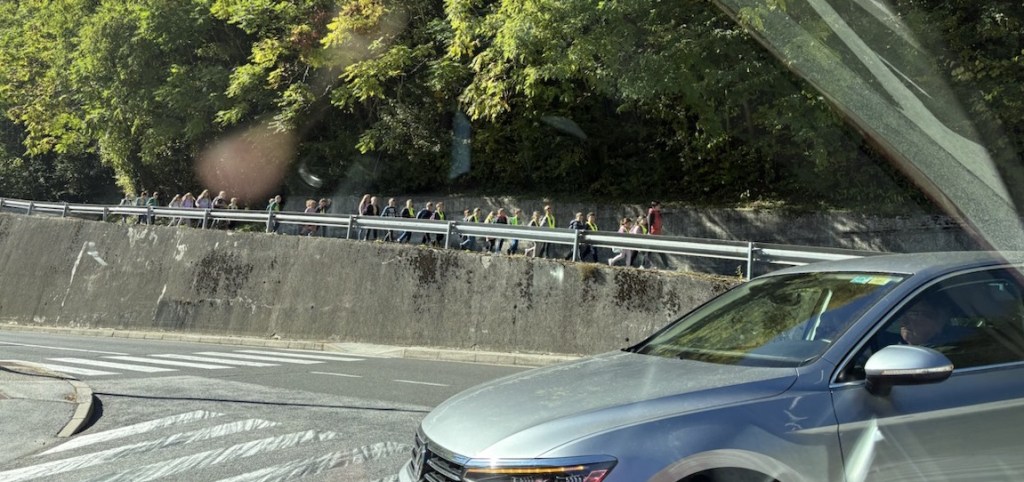
There were many groups of 10 to 30 grade school kids with teachers walking along the roadways and nearby trails this morning.  Not sure if they were out for exercise, sunshine and fresh air, or a field trip of some sort.

One of the school groups
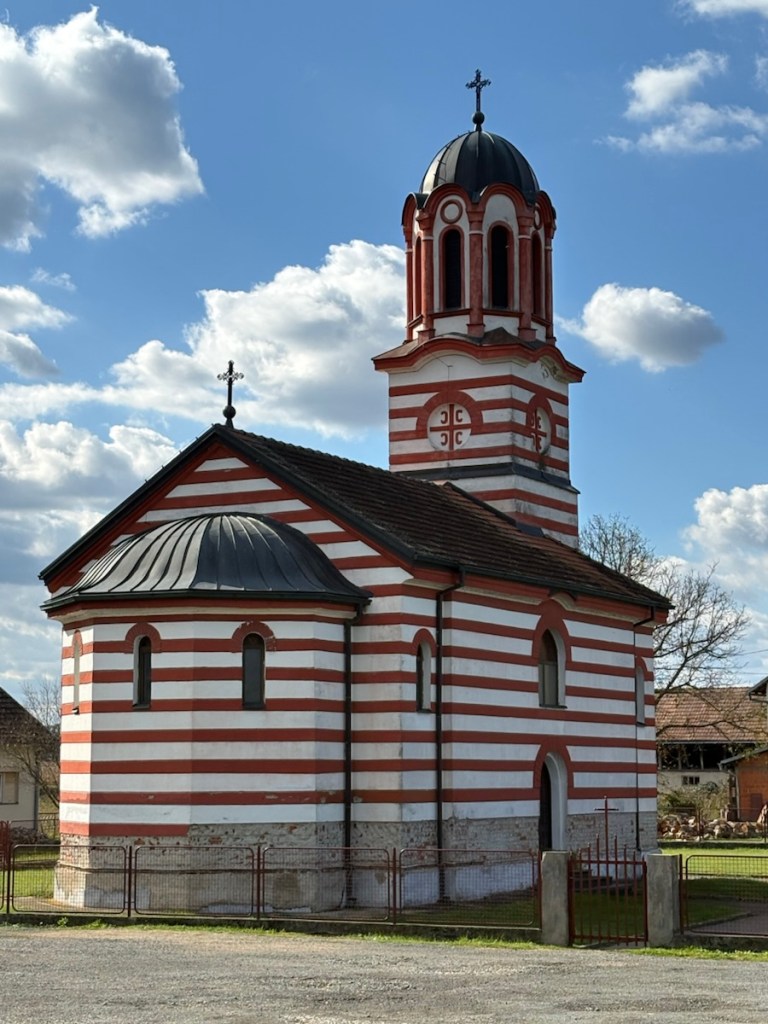
An interesting Orthodox Church color scheme

A Note about Bosnia and Herzegovina

Borders and alliances in the Balkan’s are complicated.  Although Bosnia and Herzegovina is one independent country, recognized internationally as a single state, it is composed of two autonomous entities (1-the Federation of Bosnia and Herzegovina and 2-Republika Srpska) and the Brčko District.

Country Structure

  • Entities: The country consists of the Federation of Bosnia and Herzegovina (largely Bosniak and Croat) and Republika Srpska (primarily Serb). 
  • Brčko District: A separate, self-governing district that is not part of either entity. 
  • Federal Government: These entities and the district operate under a federal government and a rotating presidency. 

Historical Context

  • Dayton Accords: The current structure was established by the 1995 Dayton Peace Accords, which ended the Bosnian War and the breakup of Yugoslavia. 
  • Constituent Peoples: Bosniaks, Croats, and Serbs are recognized as constituent peoples throughout the territory of Bosnia and Herzegovina. 

I ended my driving day in Banja Luka, Bosnia and Herzegovina’s 2nd largest city at about 151,000 residents.

Govornica Slobode Govora Megafon (or Freedom of Speech Speaker Megaphone)

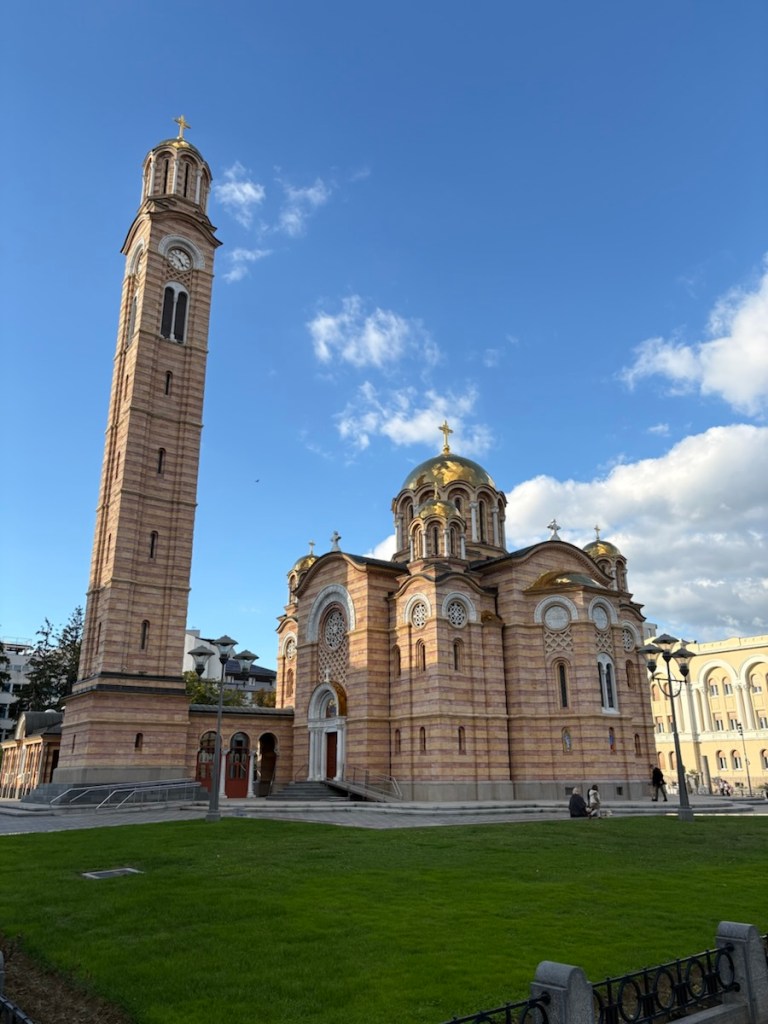
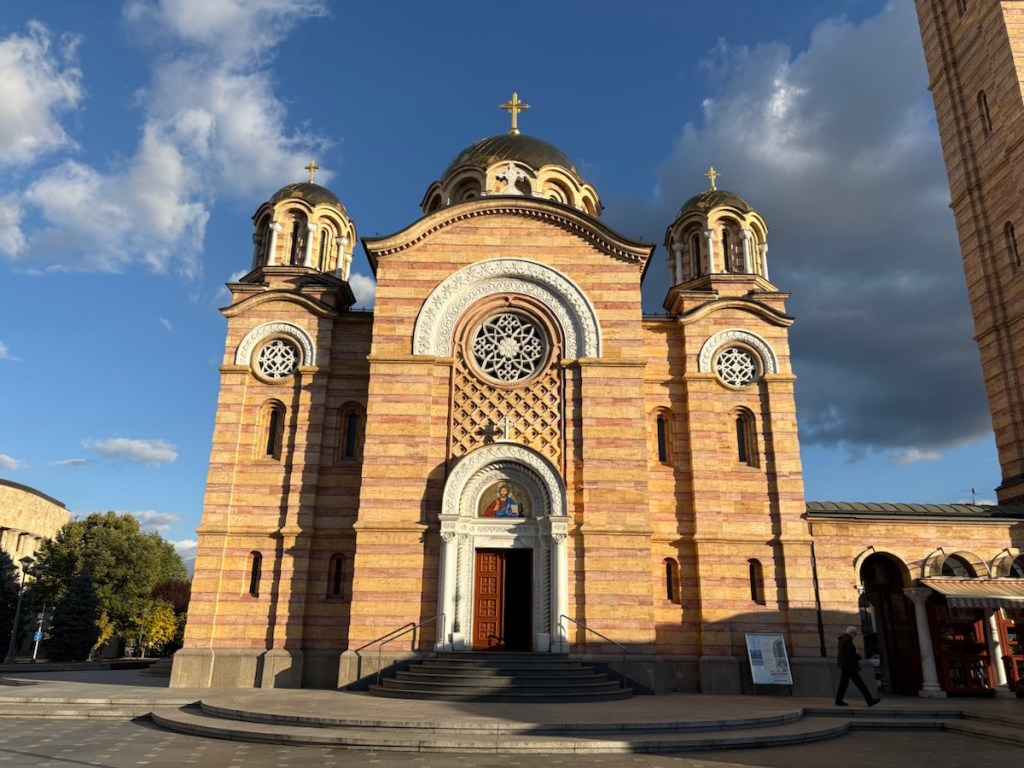
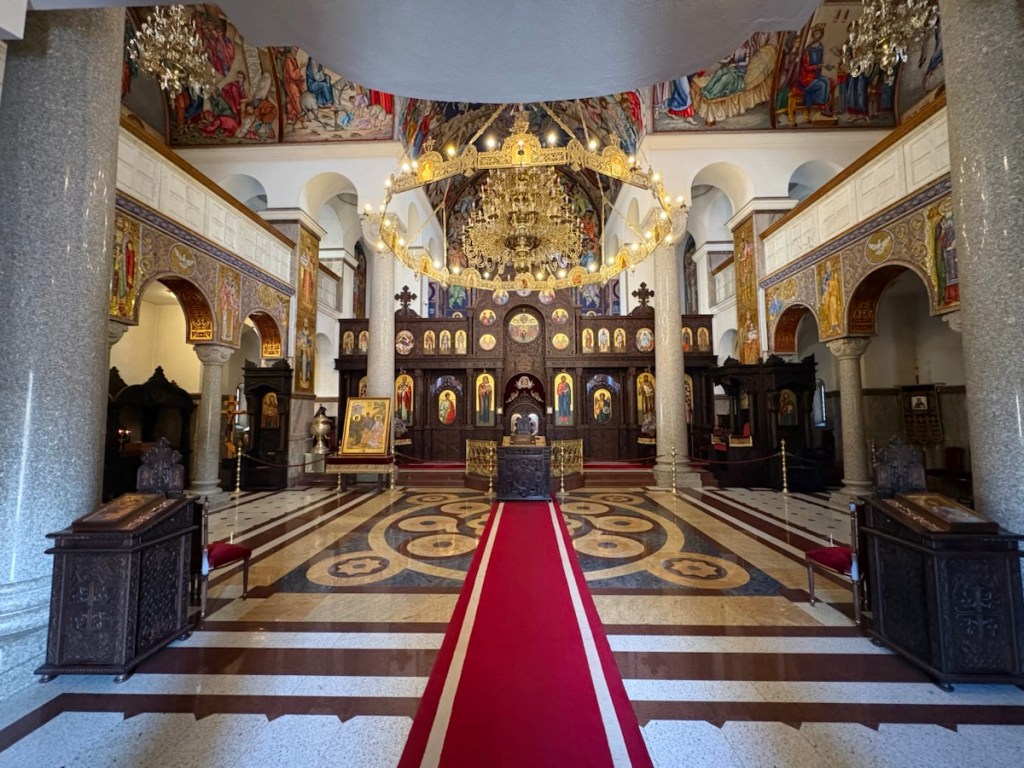
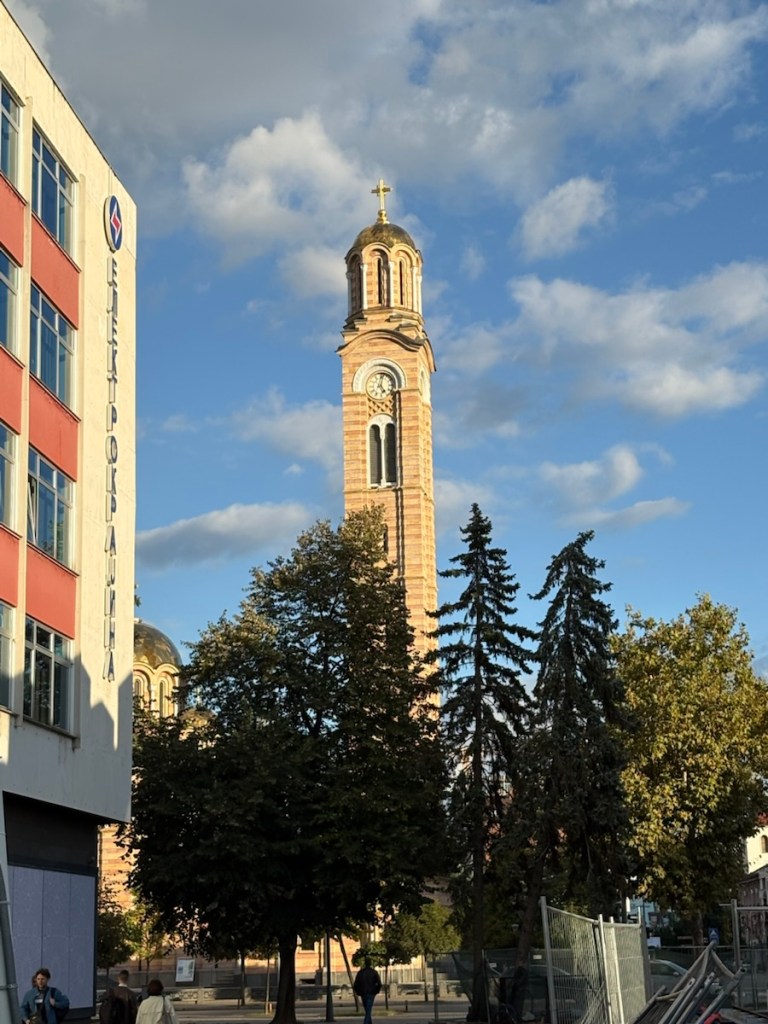
The Cathedral of Christ the Savior (below), built on the site of the original Holy Trinity Church, was reconstructed in 1993 after decades of destruction. Adorned with gilded domes and intricate interiors, it now serves as a key Serbian Orthodox landmark and tourist attraction.

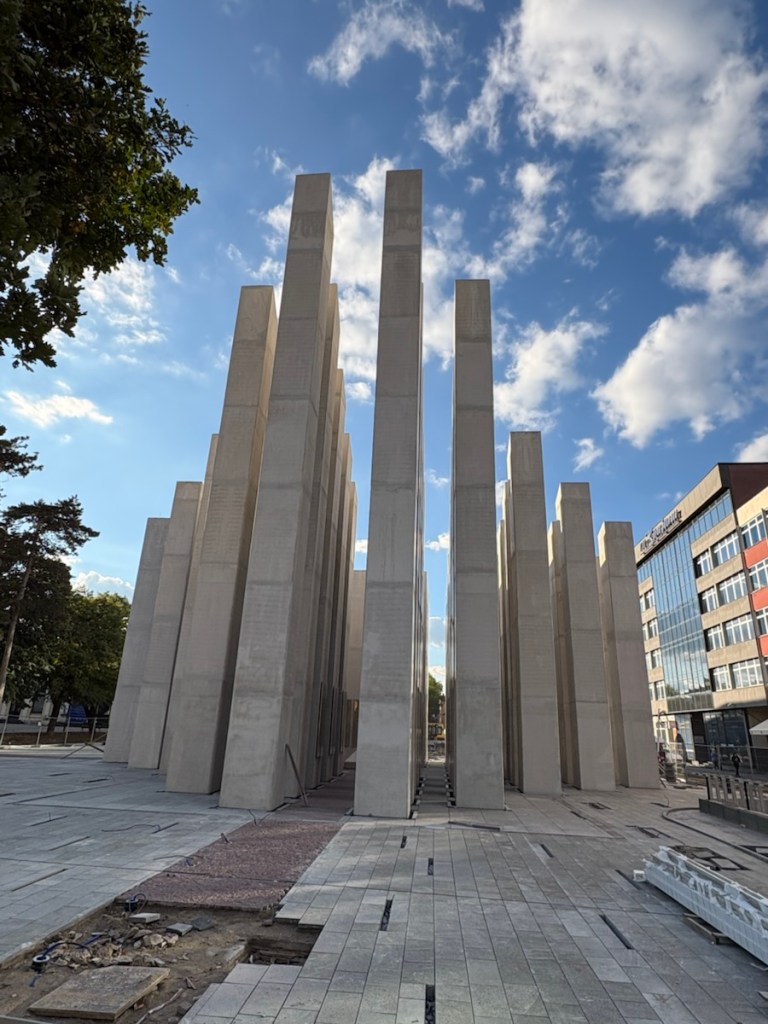
The Central Memorial (above), a new monument under construction, is a memorial to the fallen and missing soldiers of the 1992-95 Bosnian war and began construction in June 2023. It will feature 62 pillars, a yew tree, and an underground museum, and it is expected to open in late 2025.

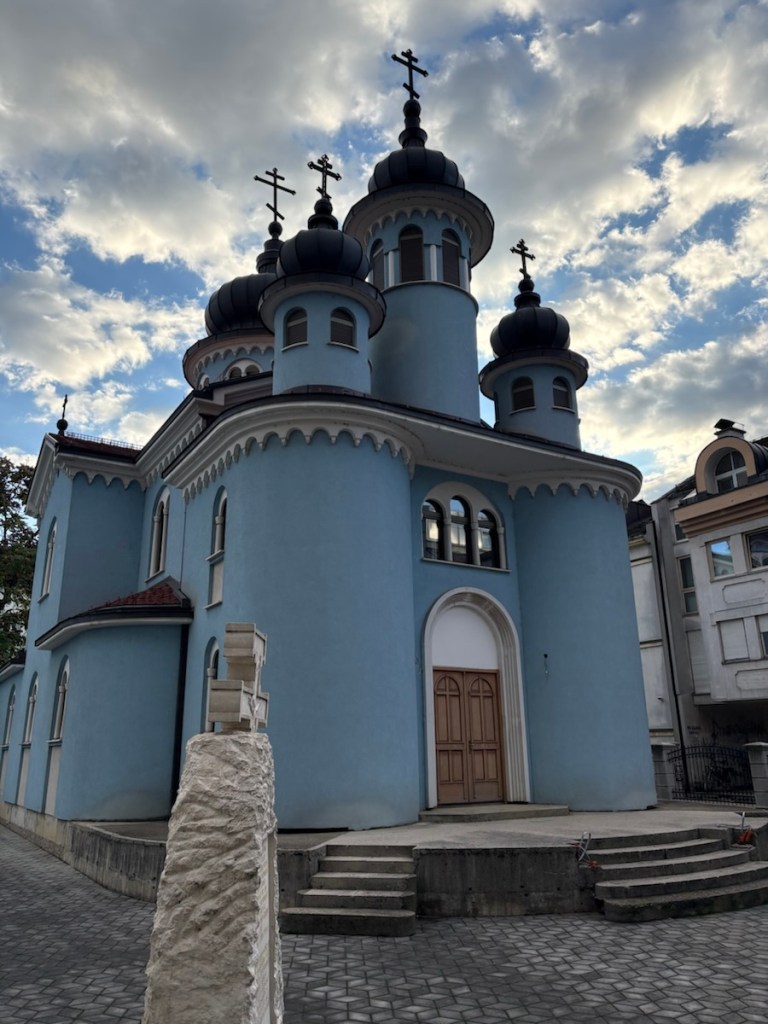
A blue church!

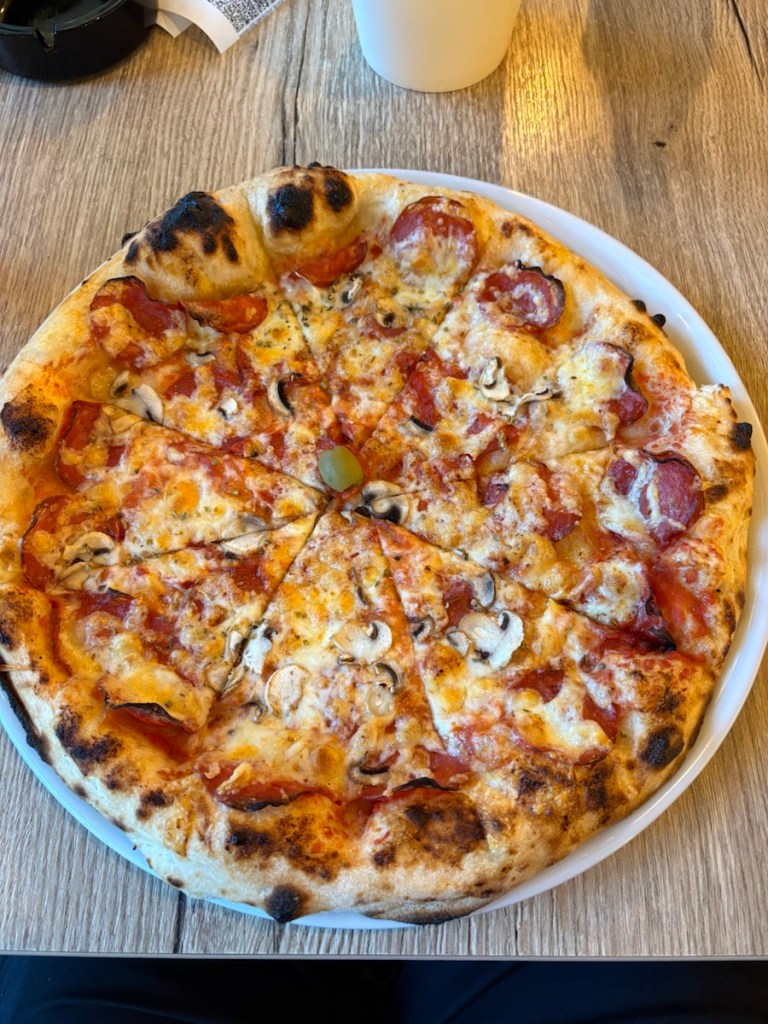
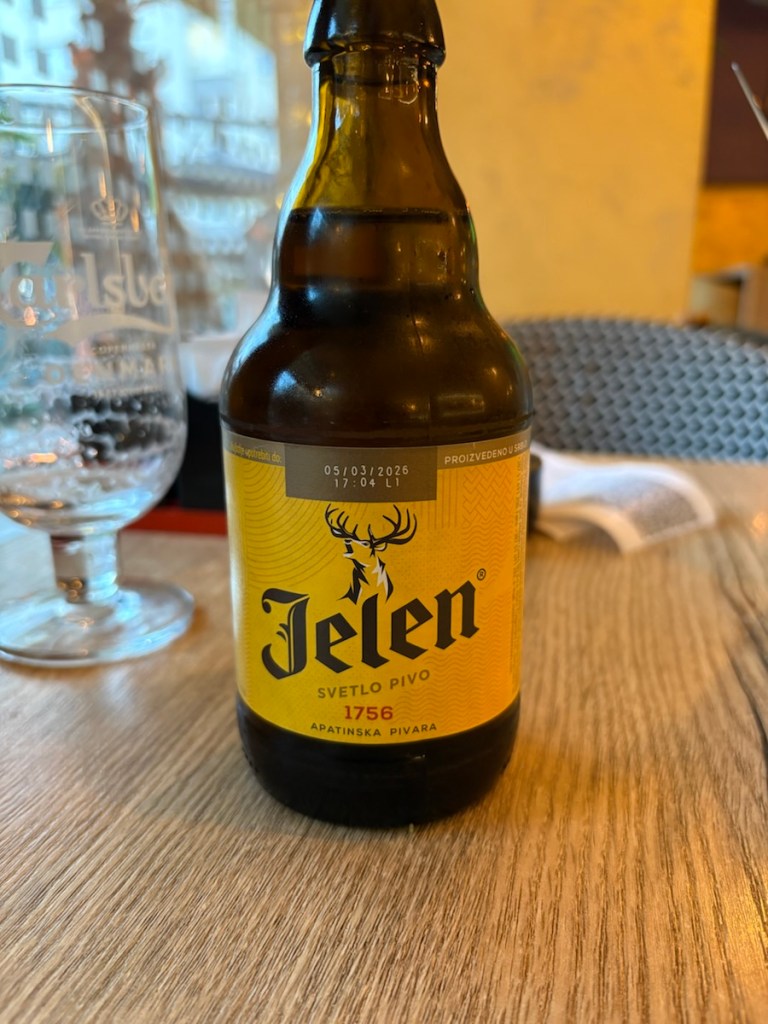
I had my first Balkans pizza for dinner!  A delicious Pepperoni Pizza and my new favorite beer, Jelen.  It is a pale lager produced by the Apatin Brewery in northwest Serbia that belongs to American-Canadian concern, Molson Coors. 

Before you go…

Singing in the shower is fun until the shampoo gets in your mouth… then it’s a soap opera.

Slovenia – Lake Bled and the Soca Valley

Kind of a drizzly morning for part of my early morning drive, and an uneventful crossing into Slovenia — because there was no border guards! 

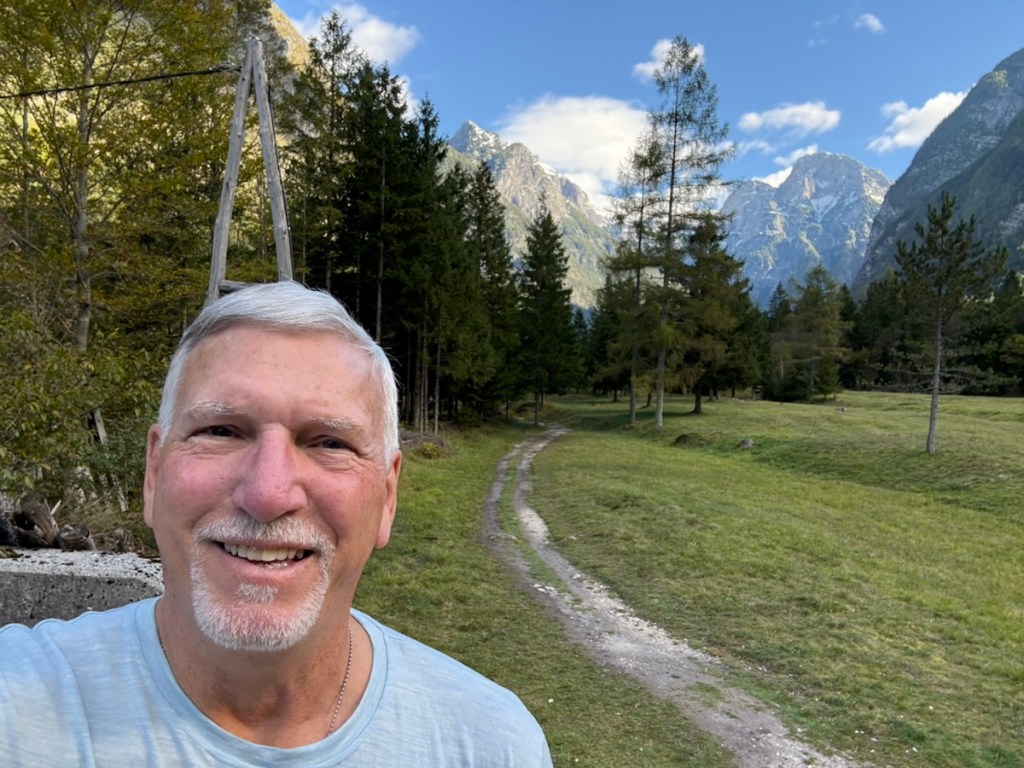
I also had heavy fog as I cruised past Ljubljana (pronounced: loo-blee-AA-nuh), capital of Slovenia.  However, as I got north of Ljubljana, the sunshine broke through and I could see the snow capped mountains ahead. 

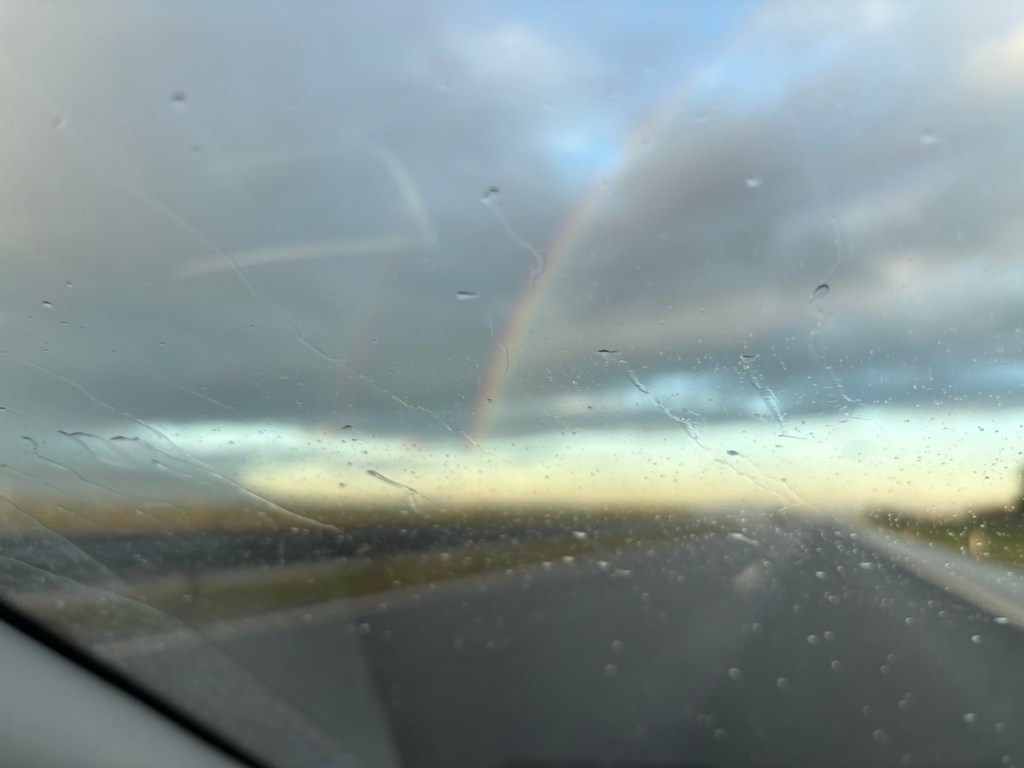
Rainbow!

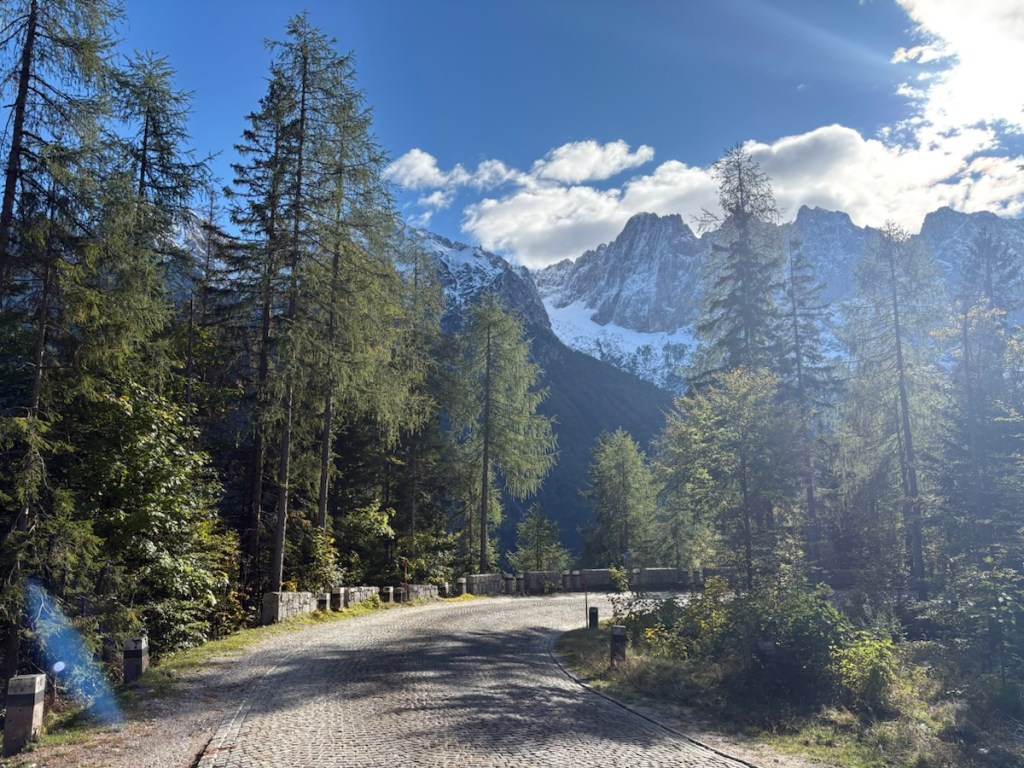
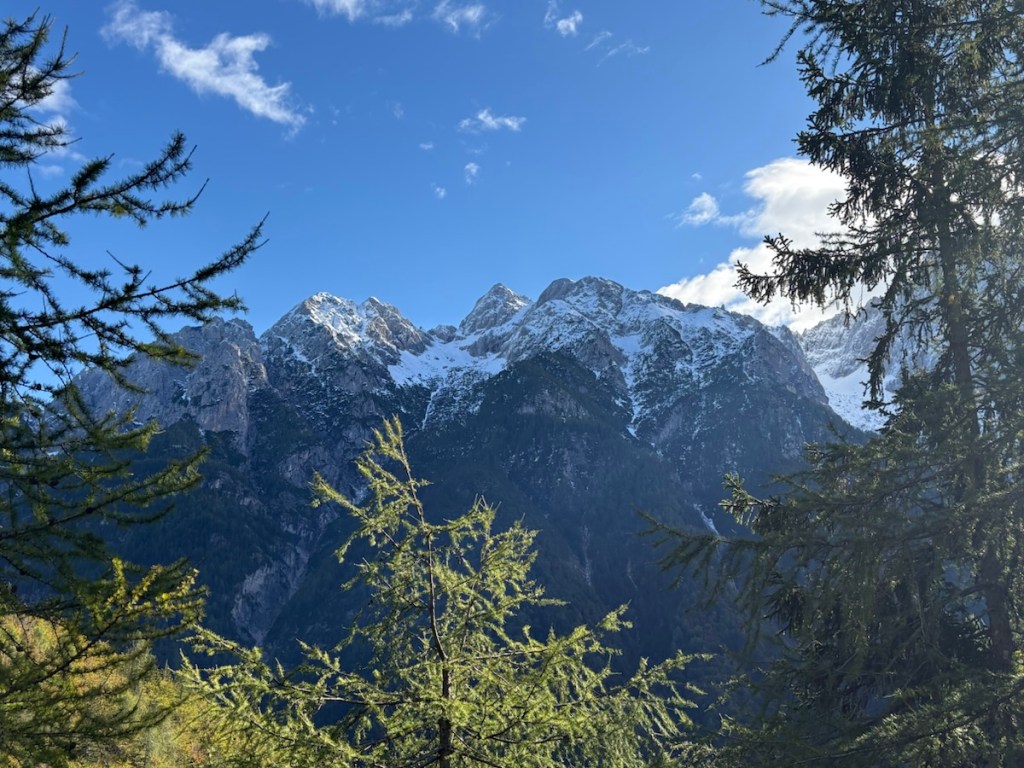
There were several beautiful ski areas in the stunning Slovenian mountains.  It looked very much  like Colorado. The mountains around me as I headed up the pass were nearly vertical. Not sure why, but all the switchback turns on the road were all made of cobblestones, with regular paved blacktop at either end.  There were even a few crazy bike riders heading up the unbelievably steep mountain switchback road.  I think I would rather hike and there were a few of those nuts, too!

At about 6,000 feet, I crested the pass summit where there was more than a foot of snow.  The surrounding mountains are at least a thousand feet higher than the pass I navigated.

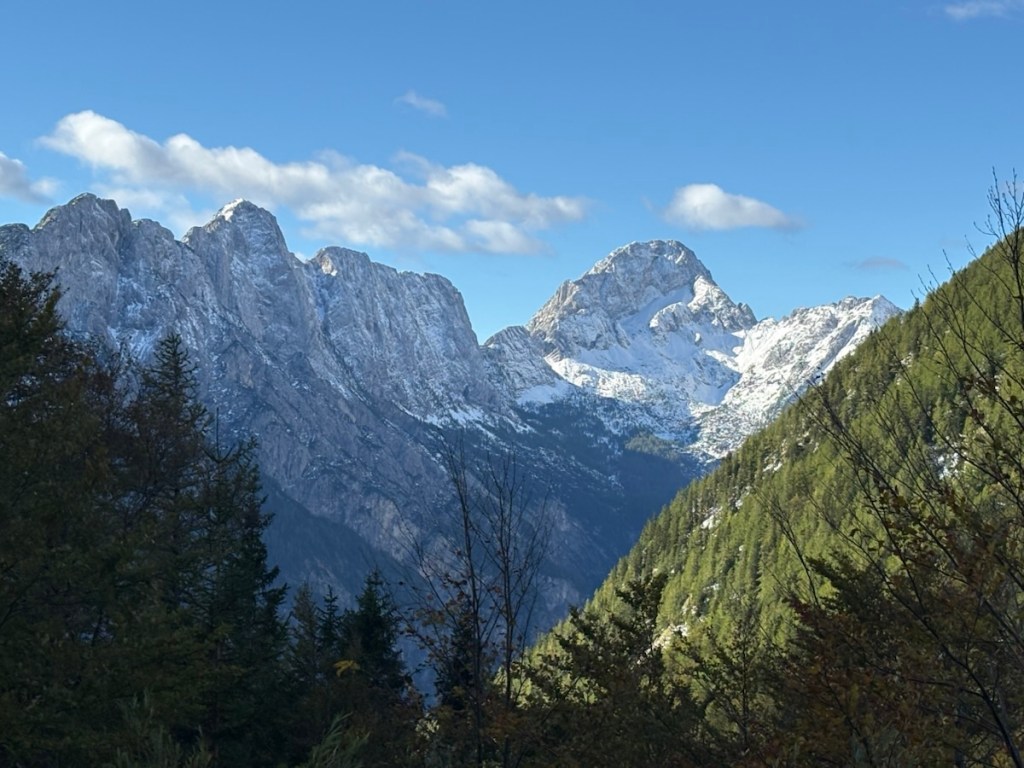
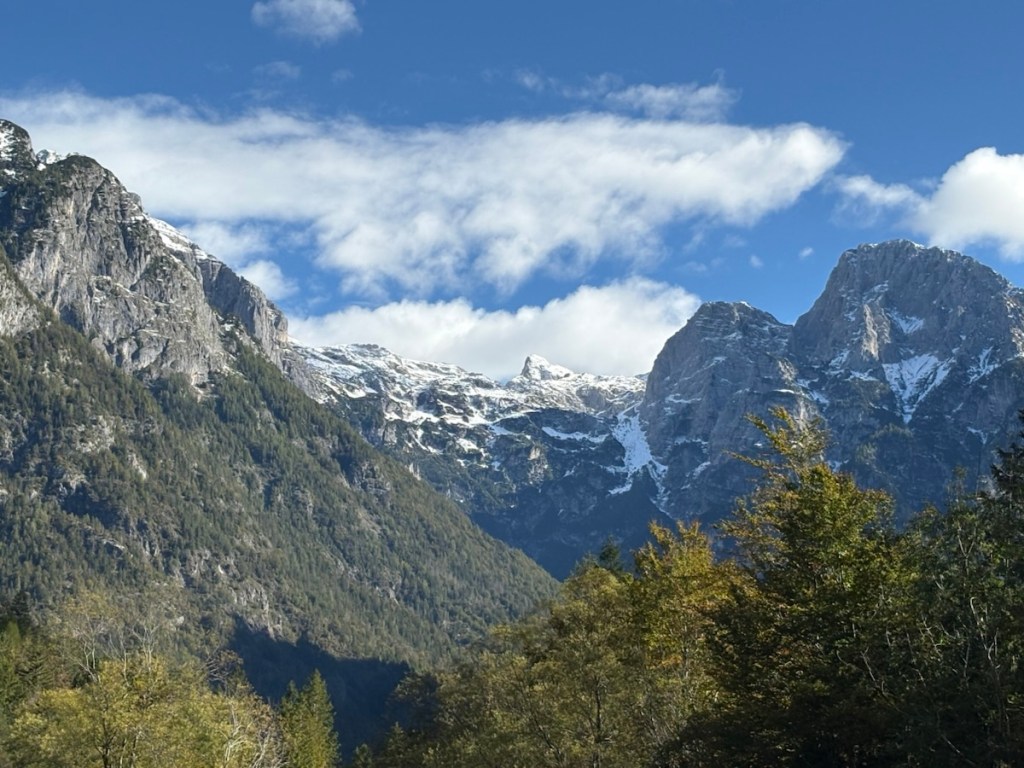
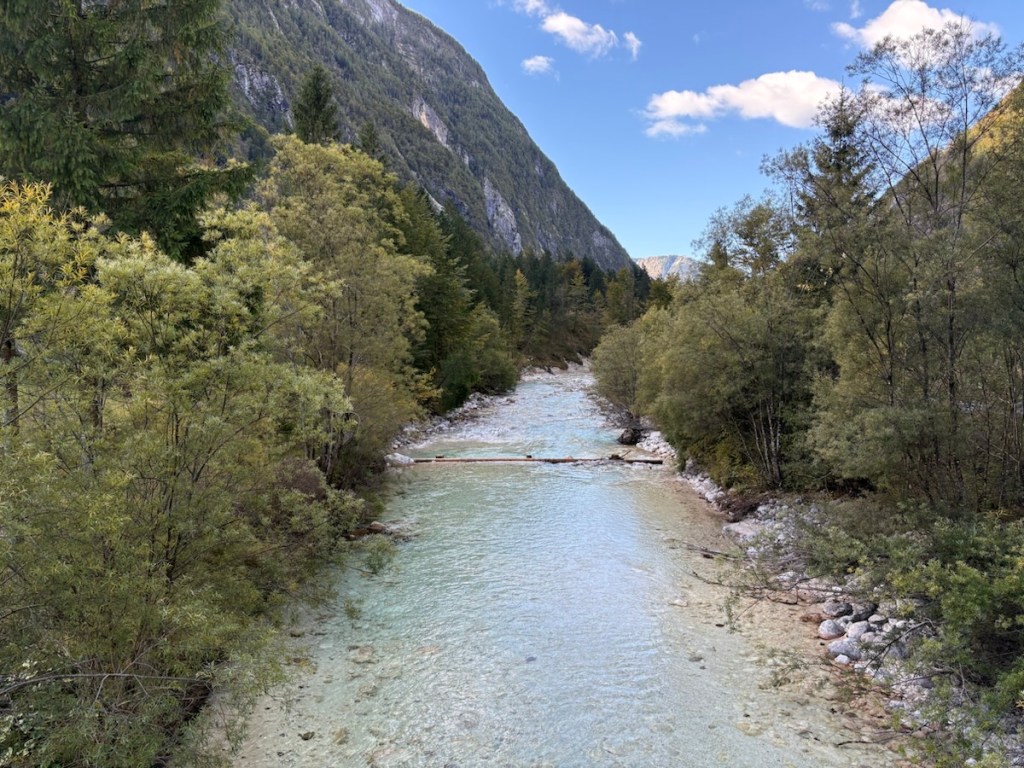
The Soca Valley is very narrow with huge mountains lining the sides. The beautiful Soca River runs through the center.

I drove through part of northeastern Italy on the way back south to Lake Bled.

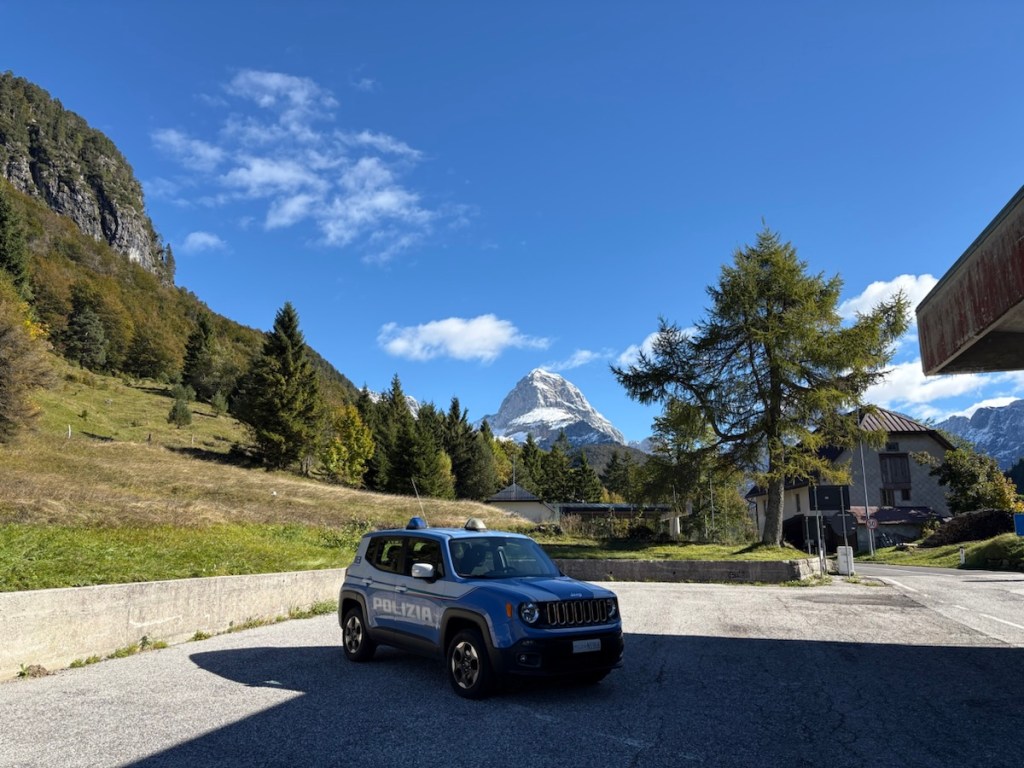
At the Italian border crossing
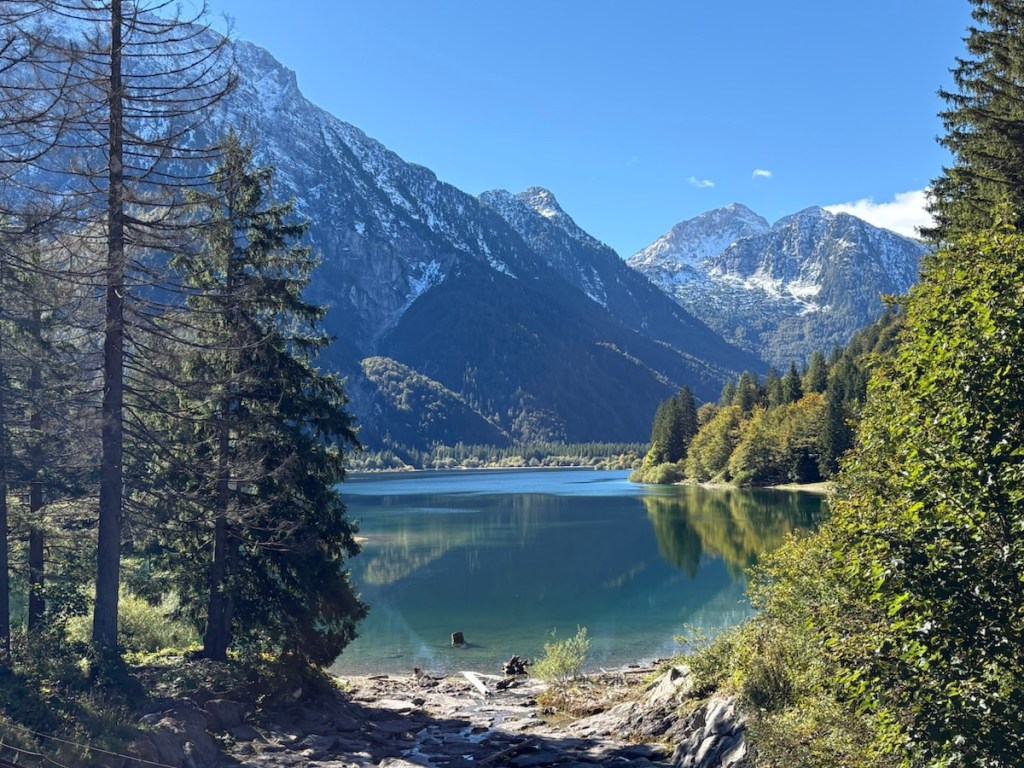
Mountain lake in Italy

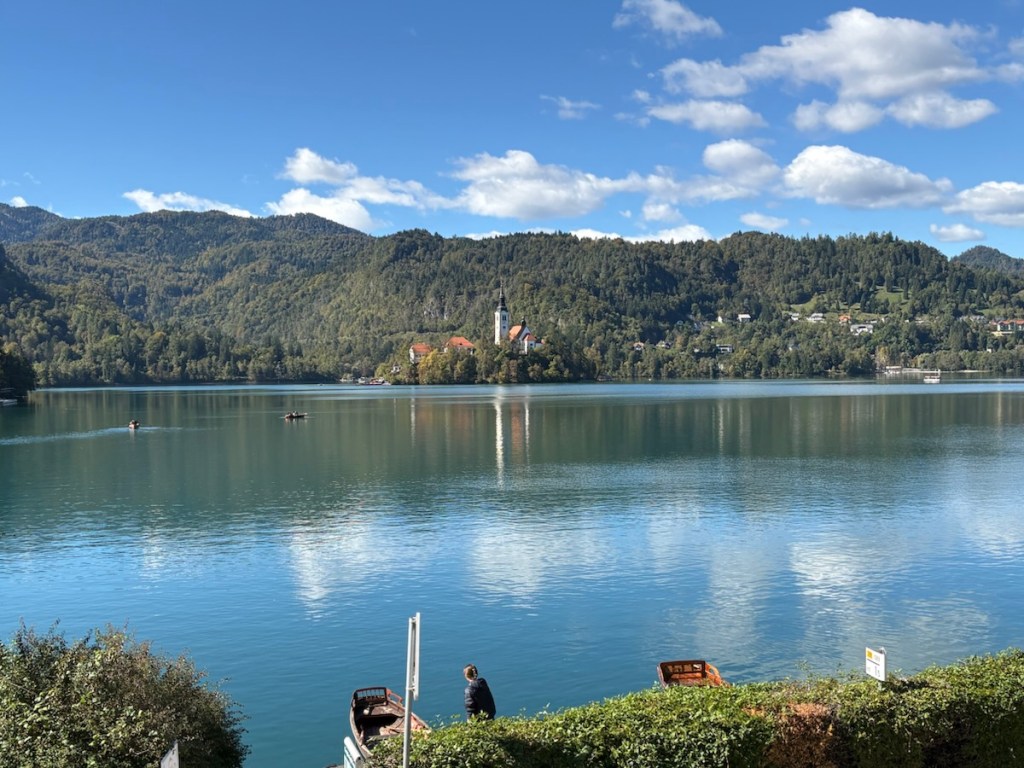
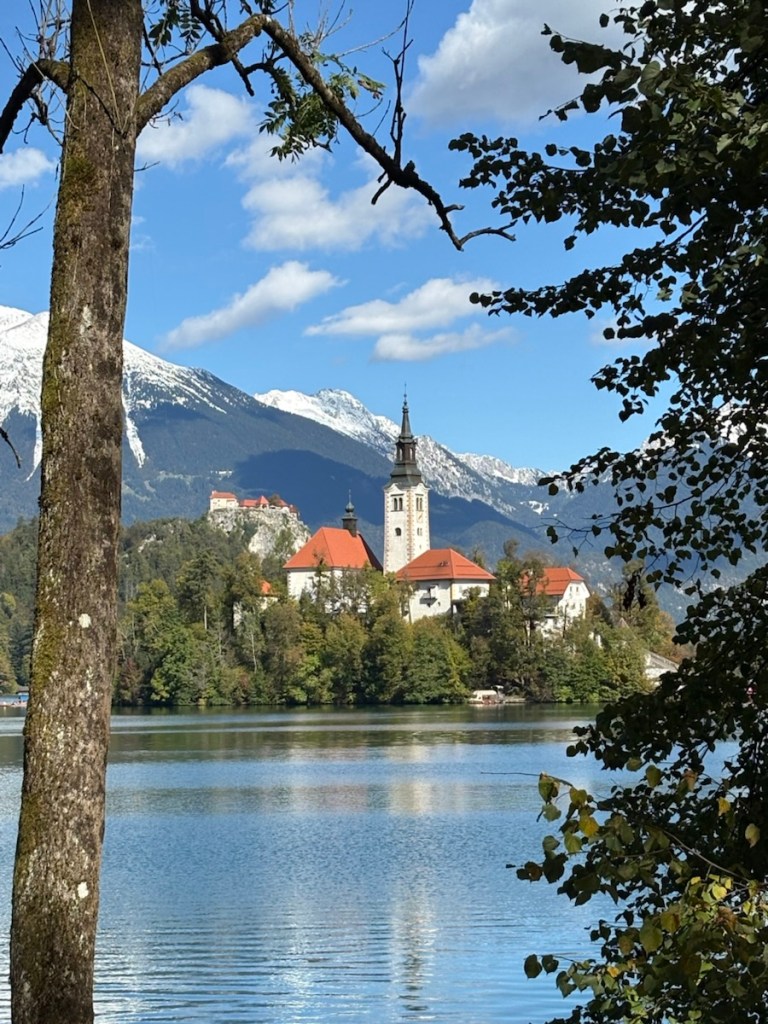
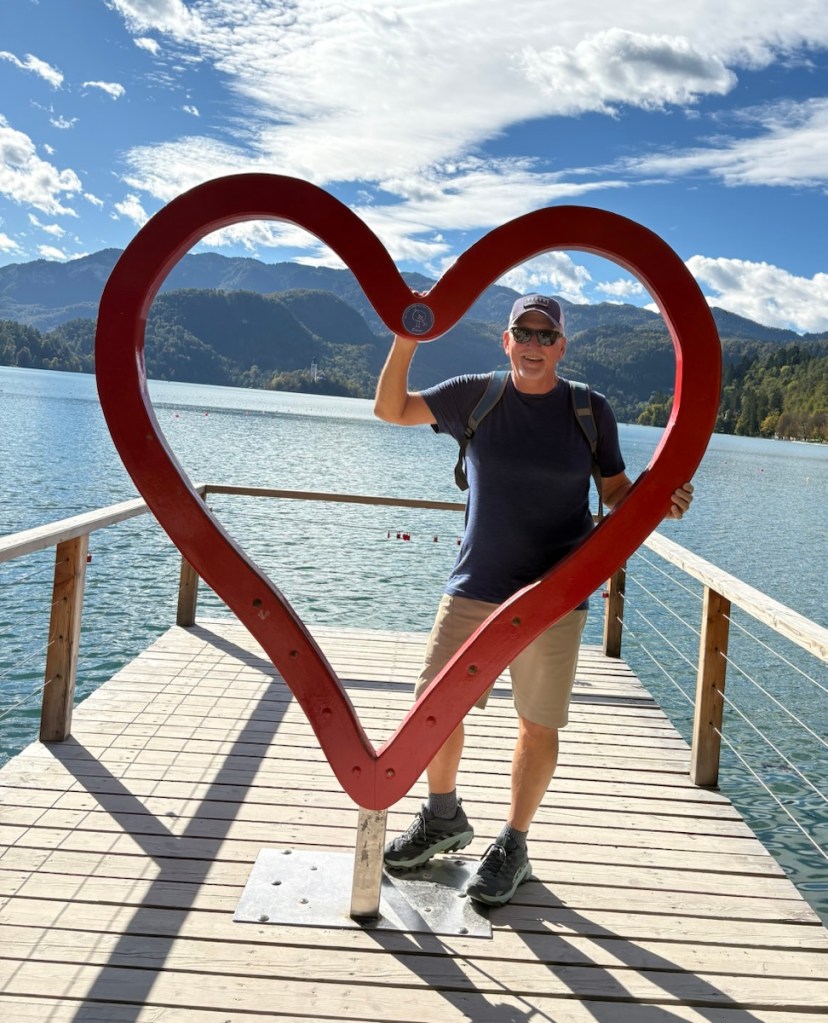
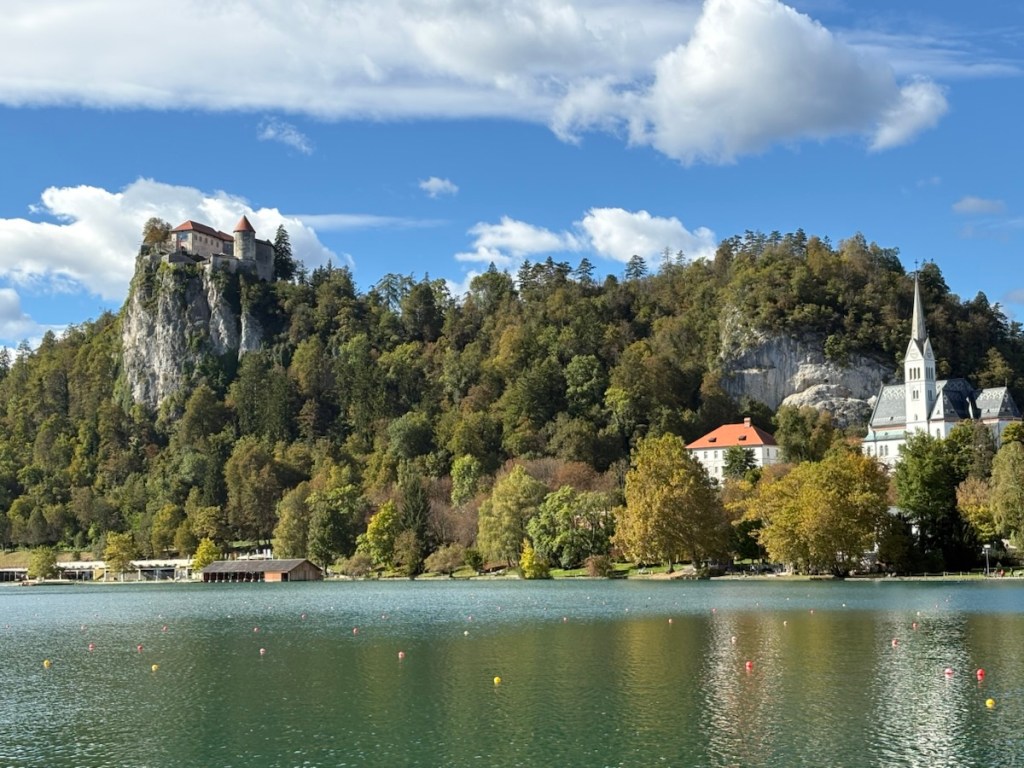
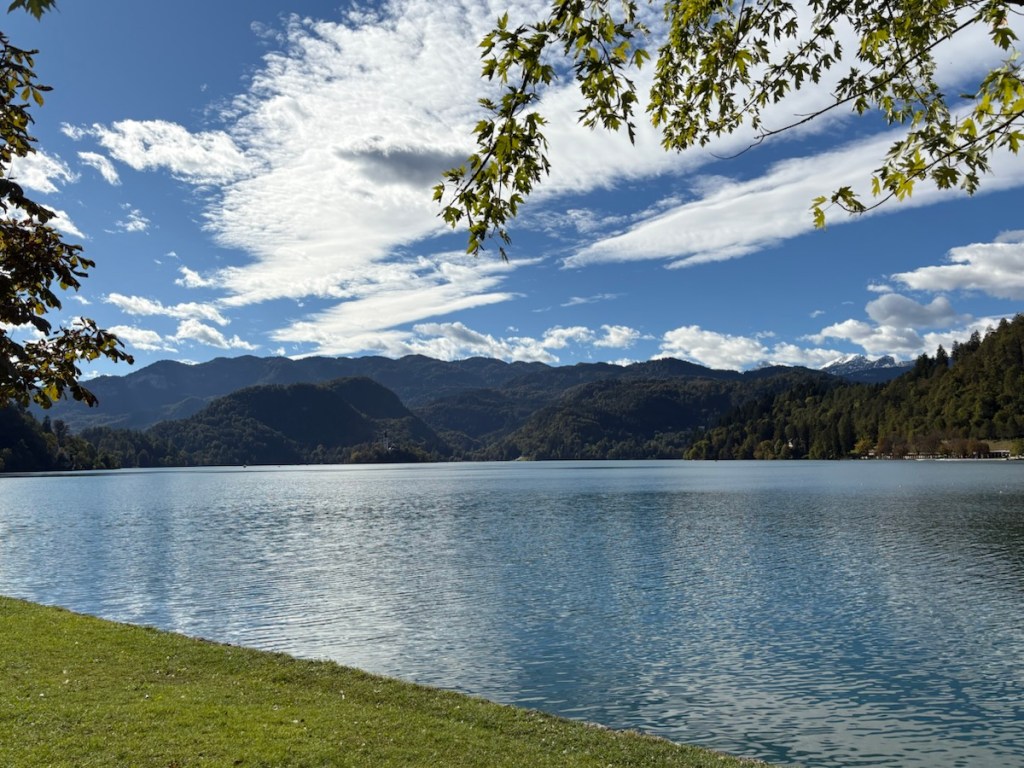
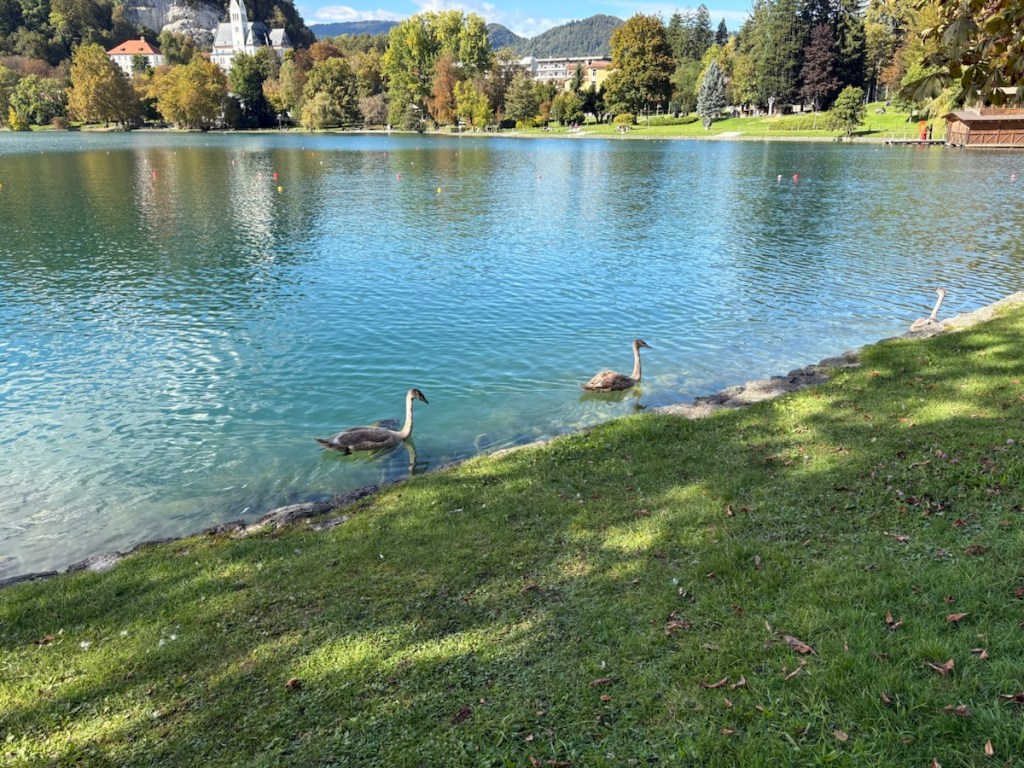
I arrived in Lake Bled, Slovenia, my stop for the day, at around 1:00 pm. After checking in, I hiked the loop around the lake on a beautiful afternoon. Spectacular scenes from all sides of this famous and beautiful area.

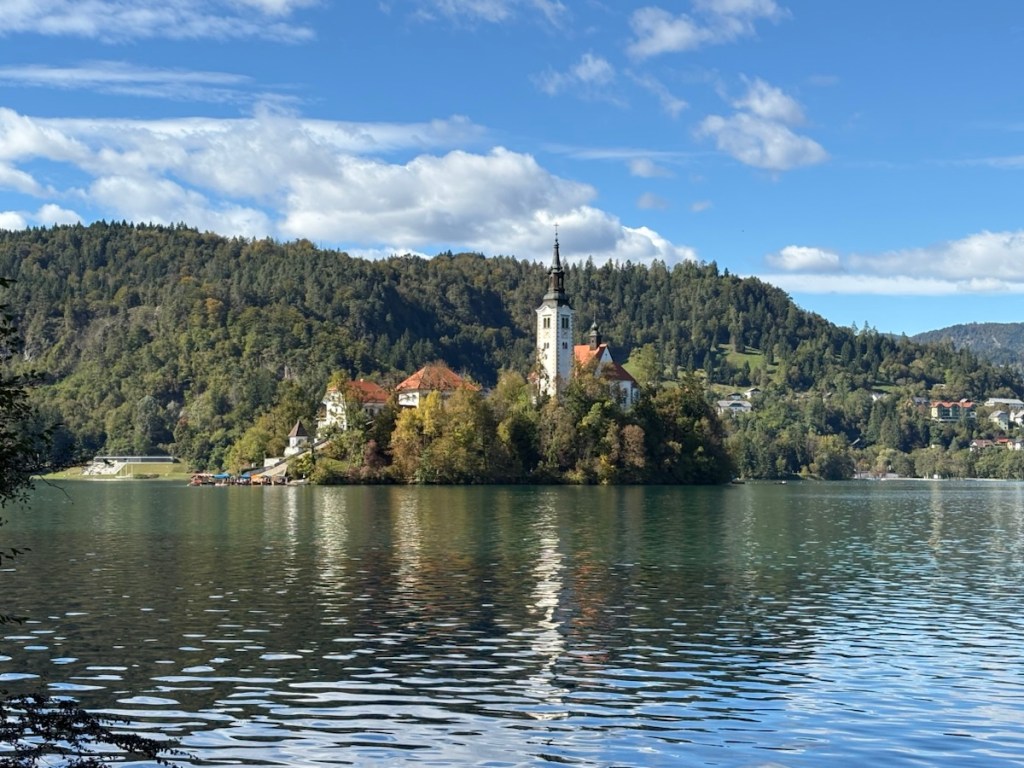
Lake Bled is of glacial origin. It is small lake measuring only 7,000 feet long and 4,500 feet wide. The walking path around the lake is about 4 miles long. Bled Island is the only natural island in Slovenia.

A church, coffee shop, and souvenir shop on the island in the lake
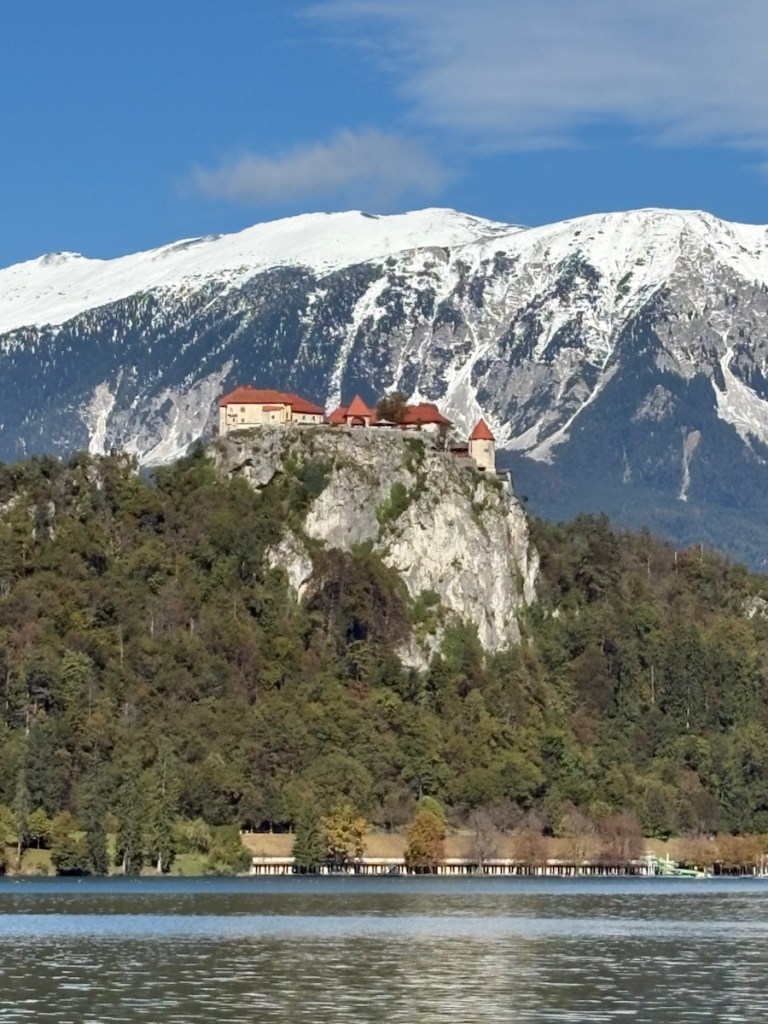
The castle above the lake
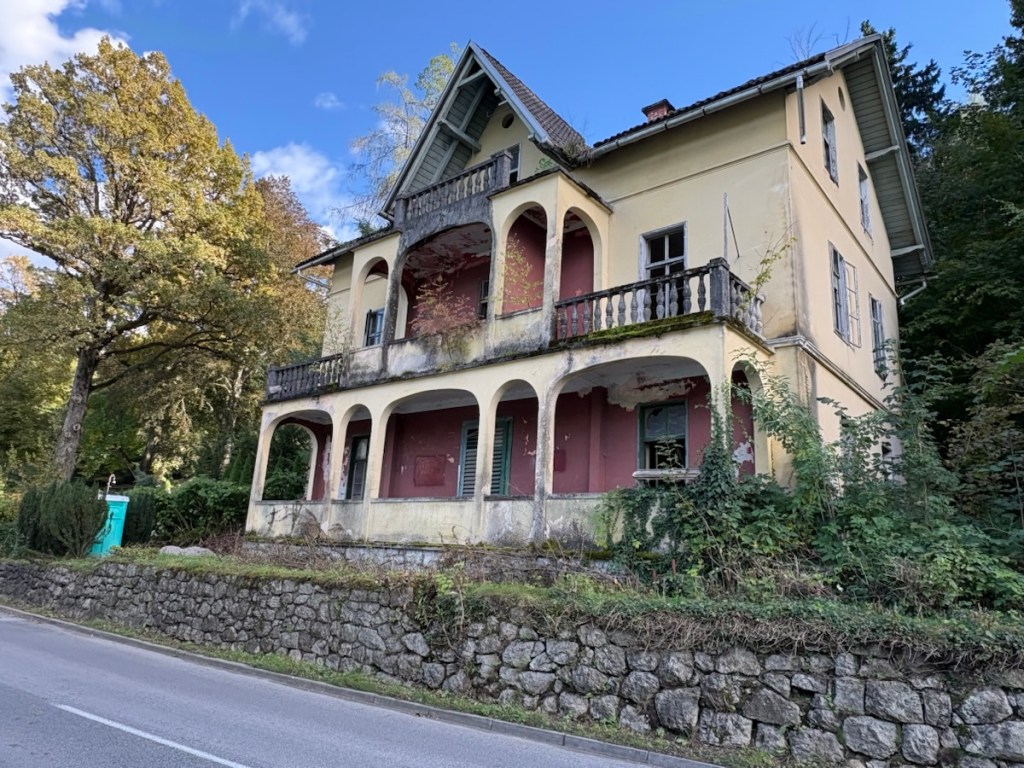
An empty fixer upper right on the lakefront…
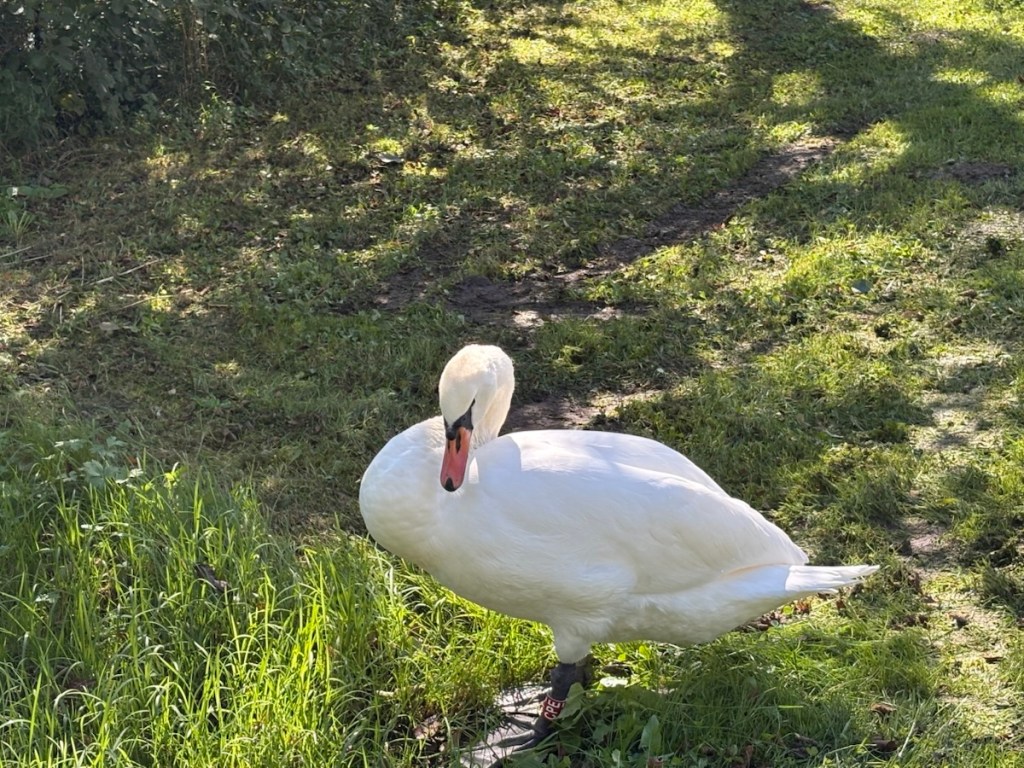
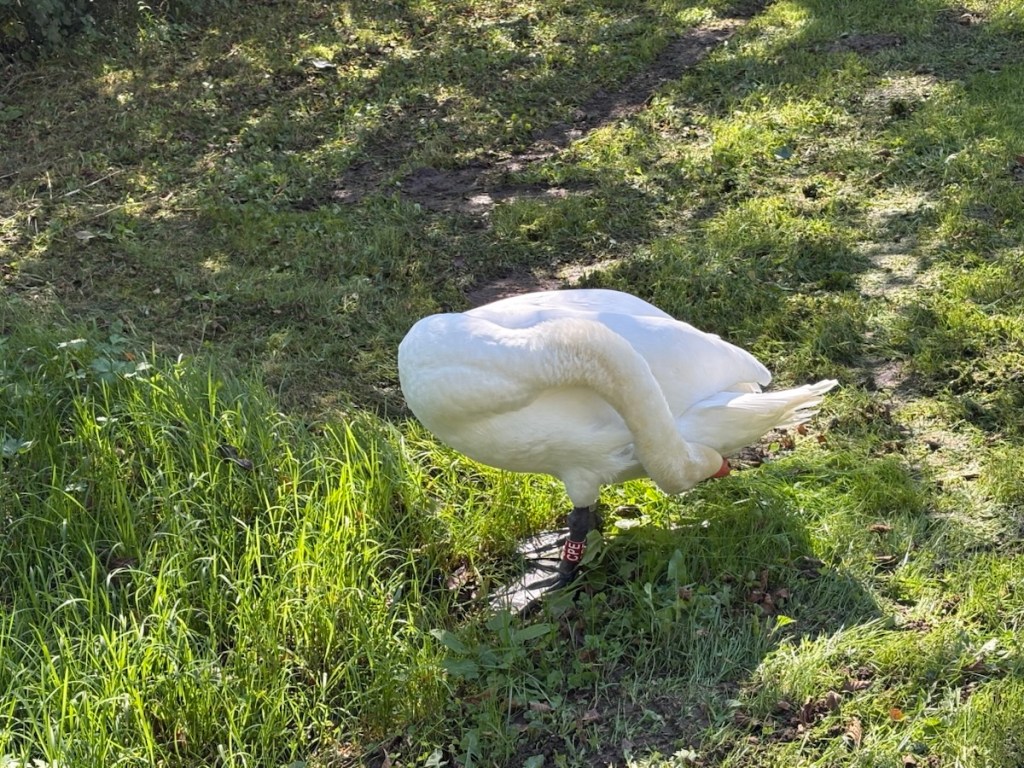
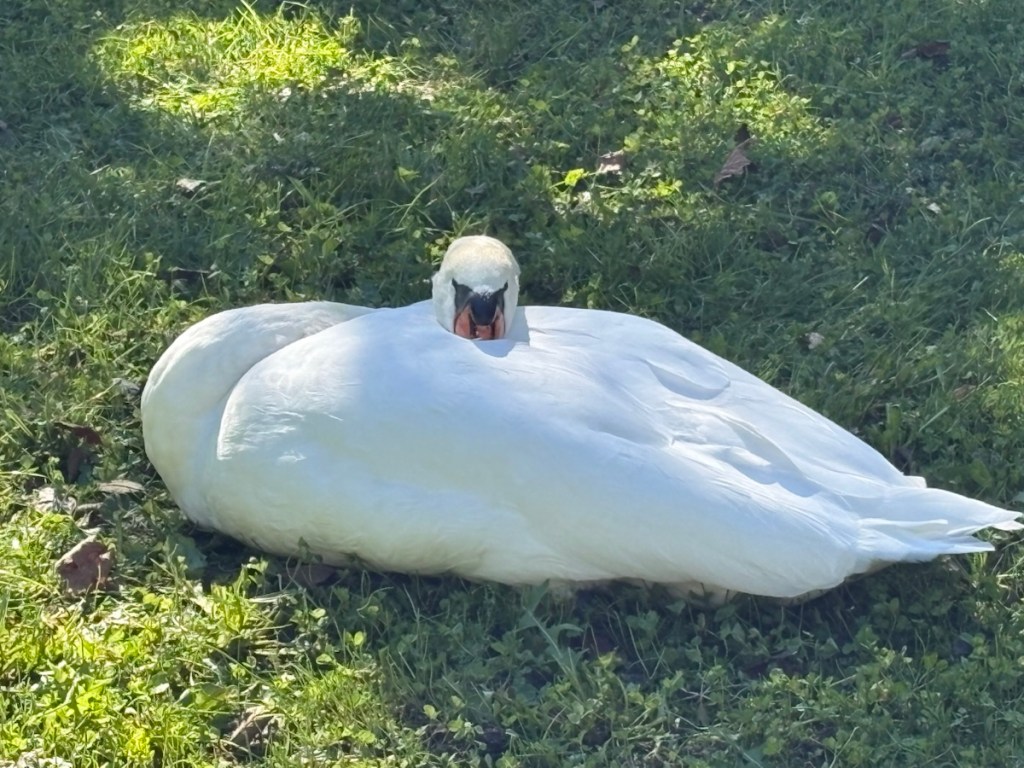
Never knew swans were so flexible – the neck turned back toward the tail, then bent over to lay its head on its back!
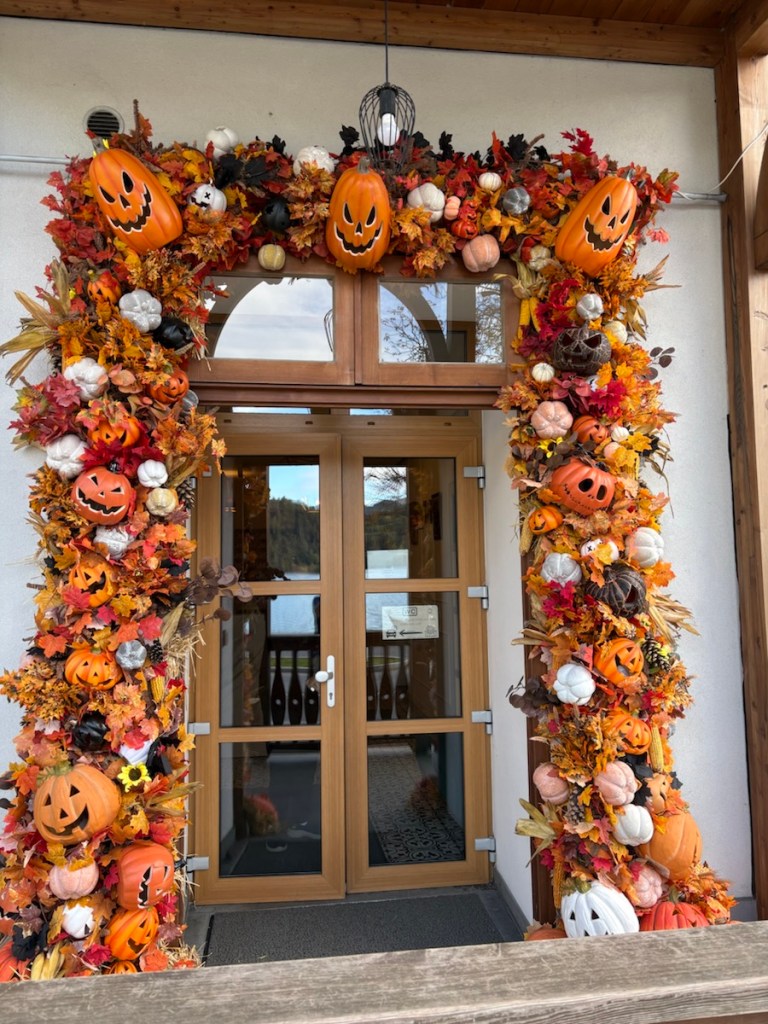
Ready for Halloween!

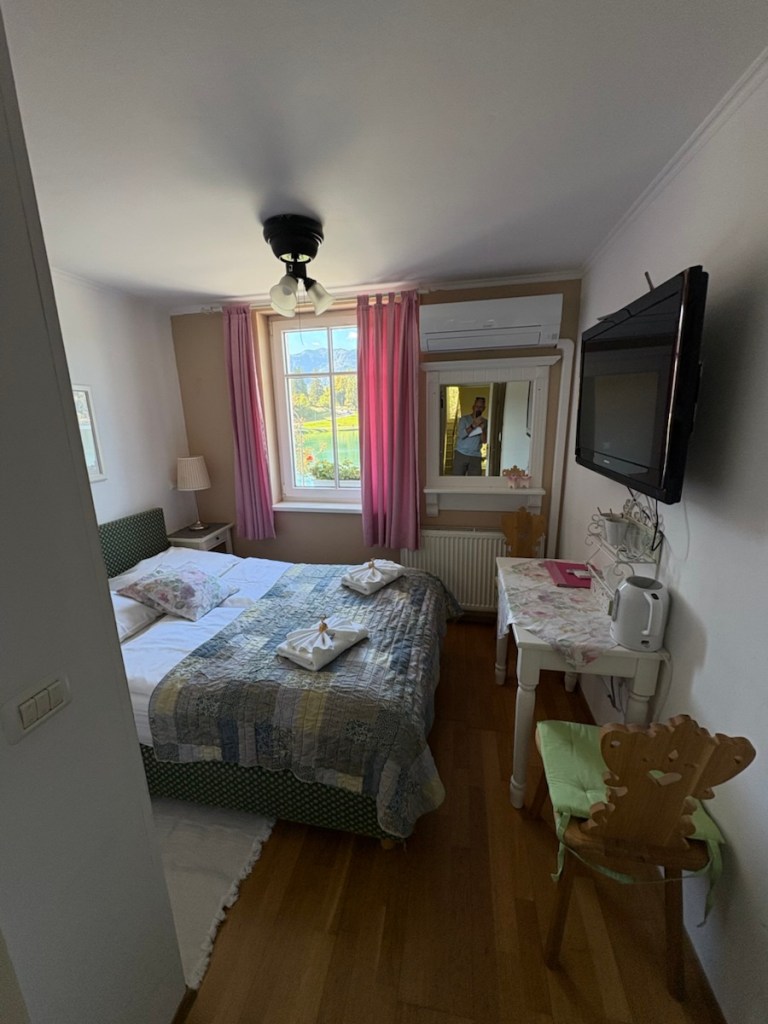
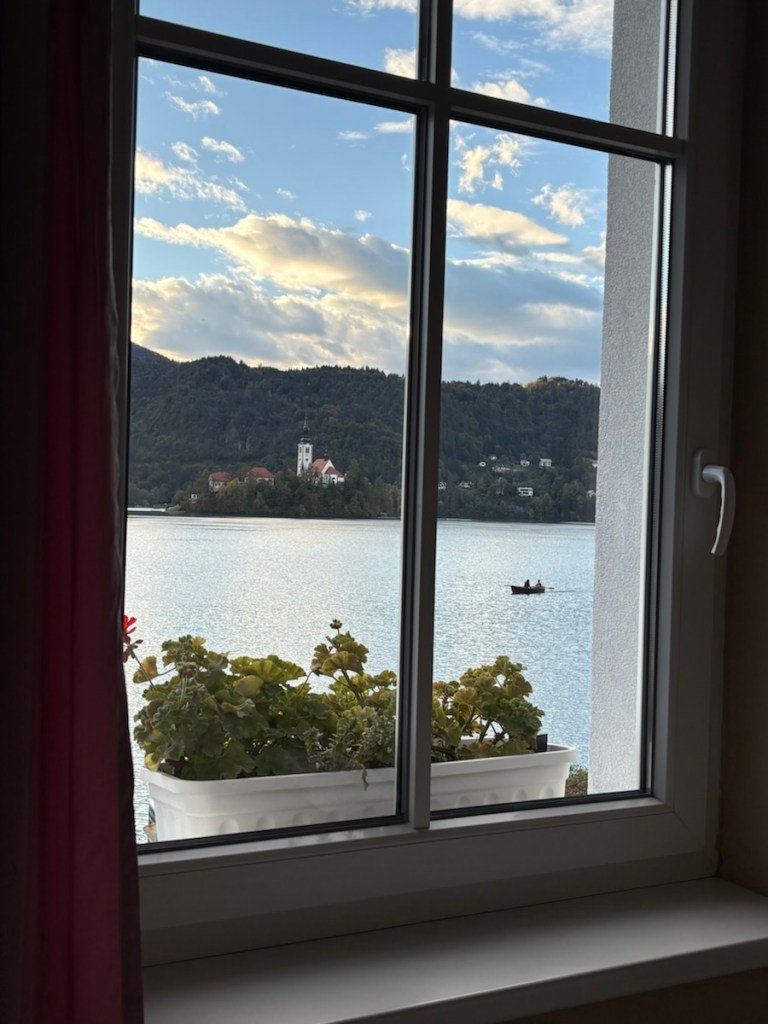
My B&B is right on the lake. It’s a nice room and spectacular view of the island in the lake.

The view out my window

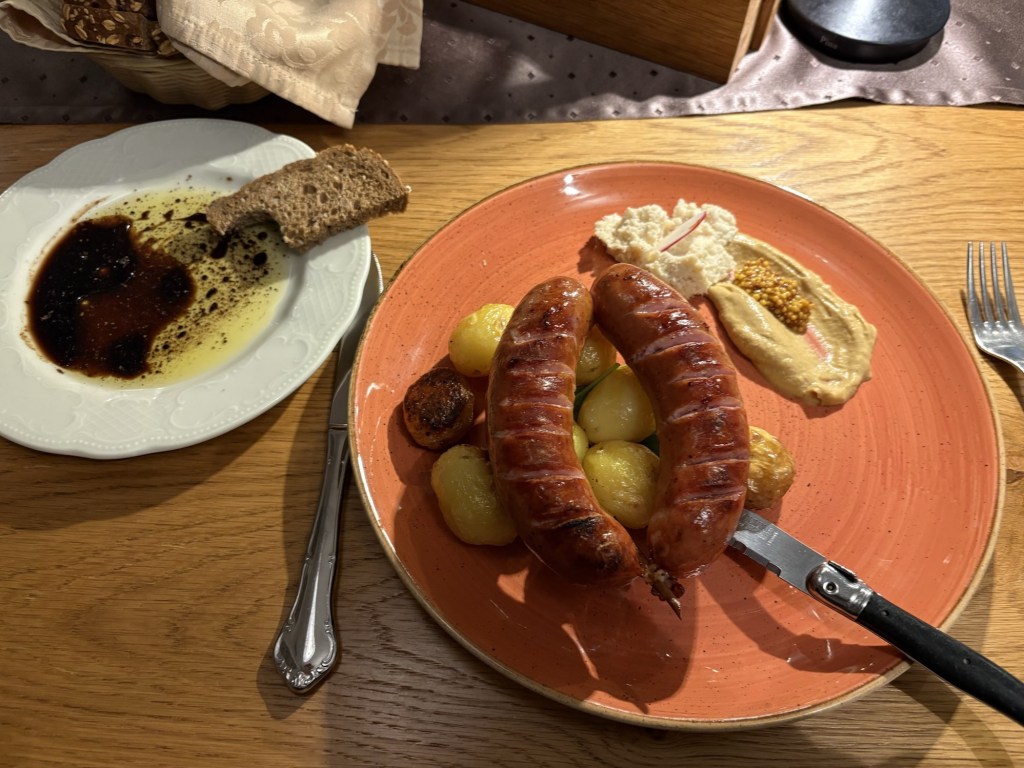
Another excellent dinner of local bread, sausage, and potatoes, with mustard and horseradish. Really good!

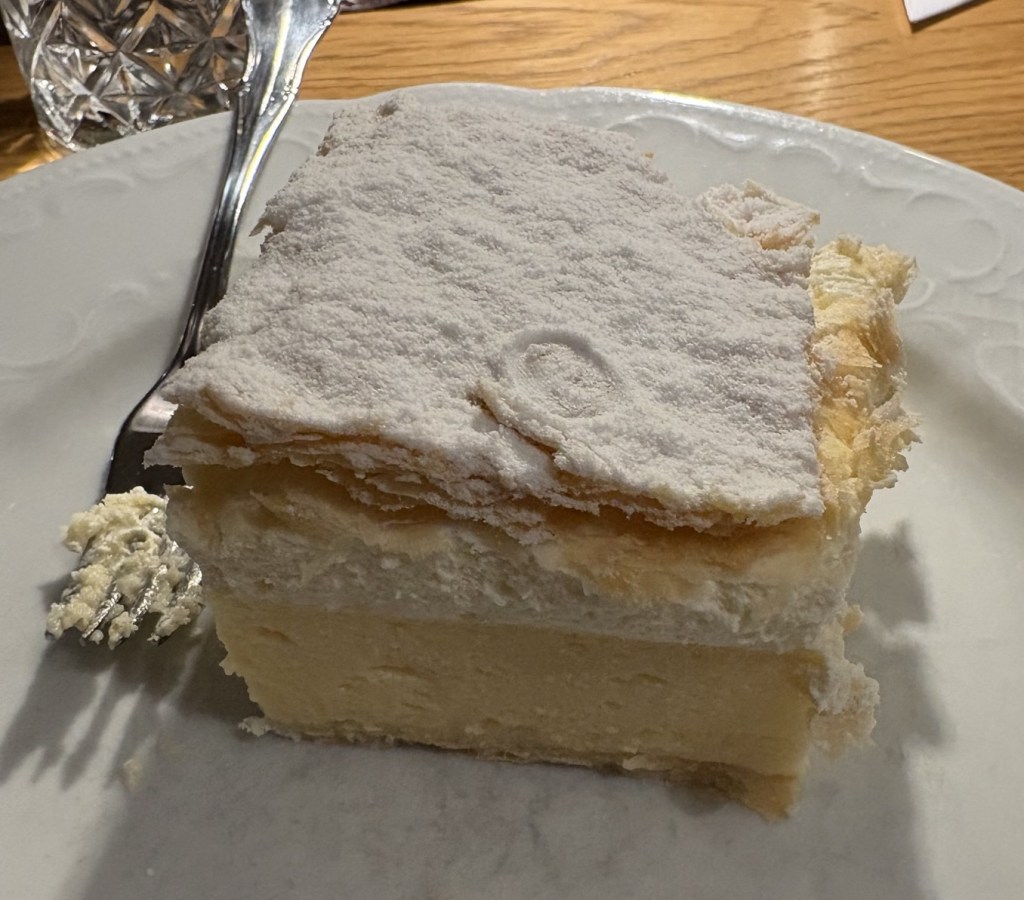
And Bled Cake, a traditional Slovenian cream cake for dessert!
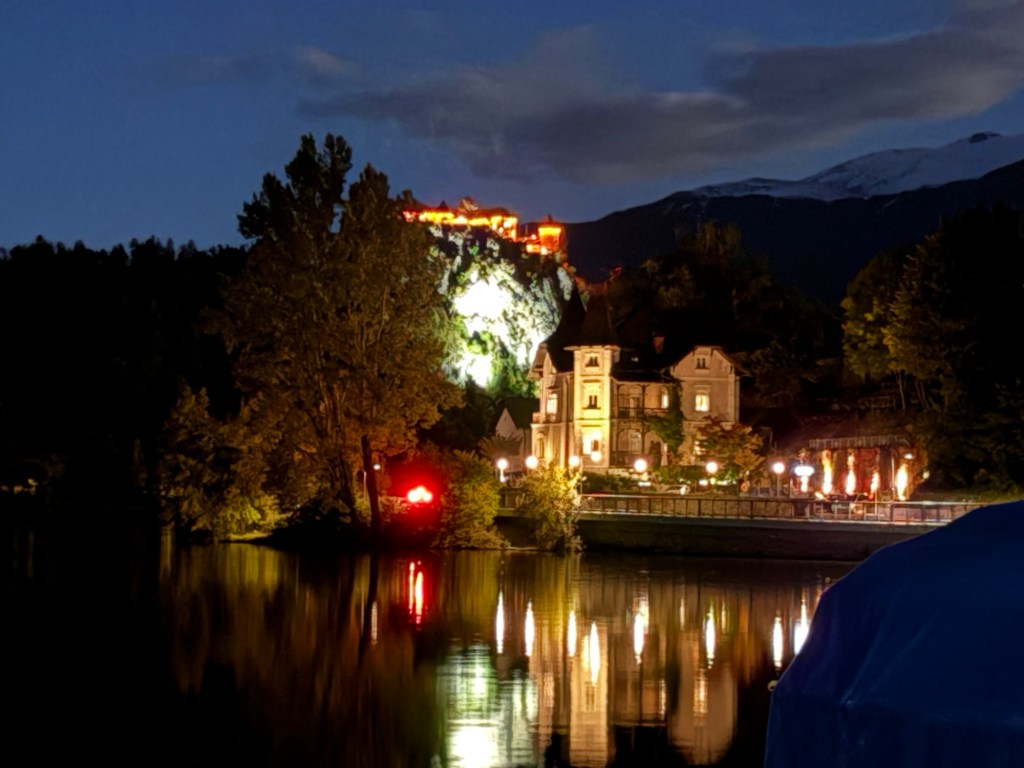
And finally, the castle at night from across the lake

Before you go…

I ordered a chicken and an egg from the internet. I’ll let you know.

A Day in Croatia – Country Drive, Plitvice Lakes National Park, a Visit to Zagreb, and a Night in Zabok

I was out the door at 6:30 am to a sunrise with crystal clear skies and moderate temperatures. I was looking forward to a peaceful three hour drive through rural Croatia to Plitvice Lakes National Park! 

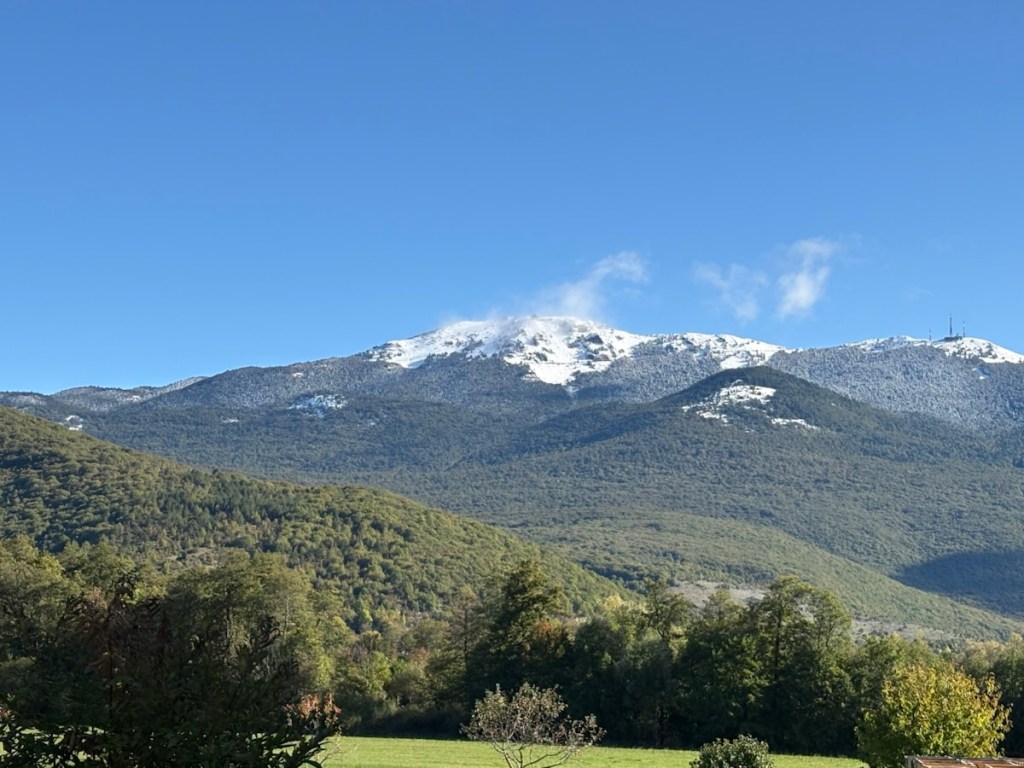
The drive was really beautiful with lots of open backcountry roads and intermittent small villages along the way. There was even snow on some of the mountains.

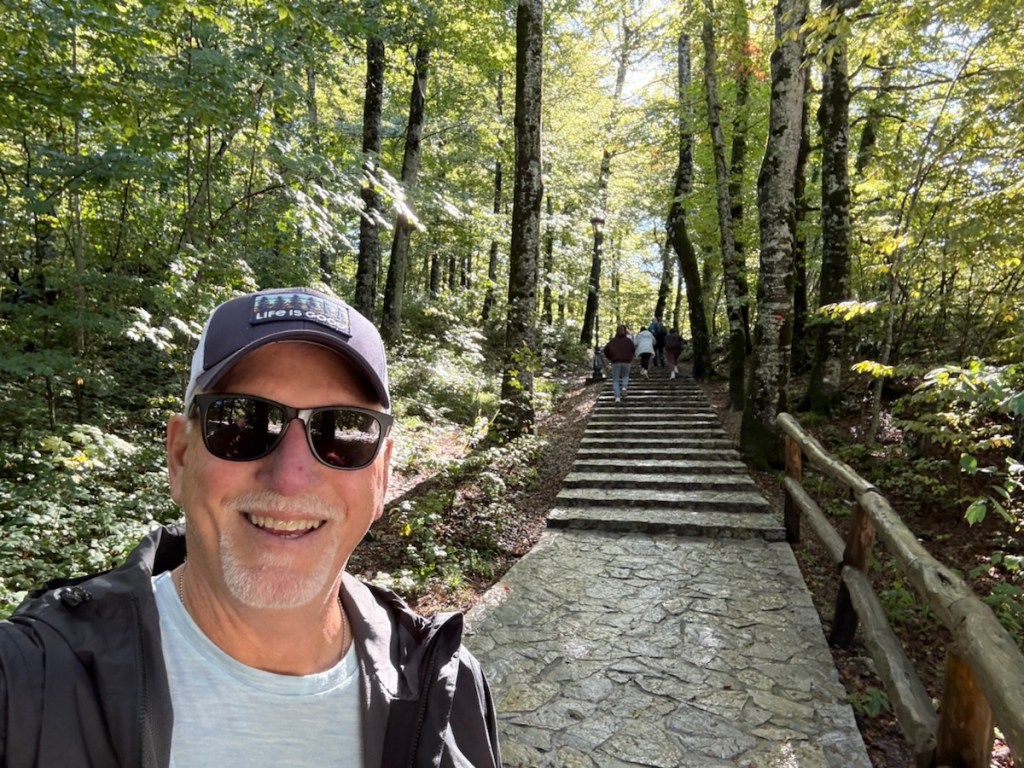
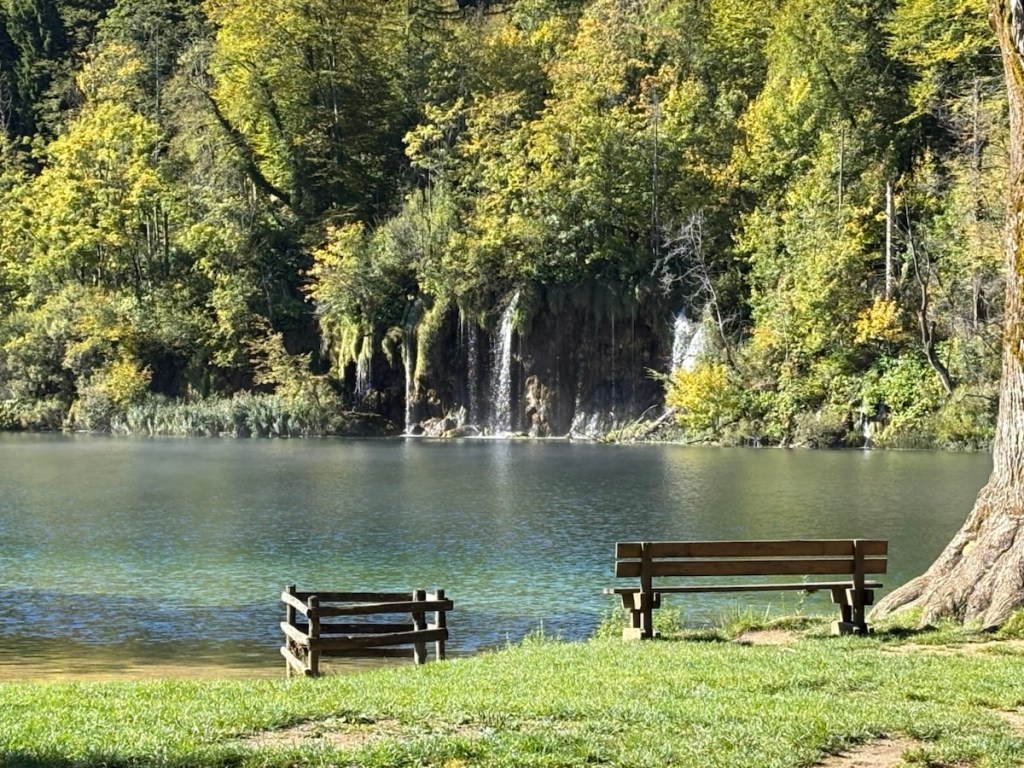
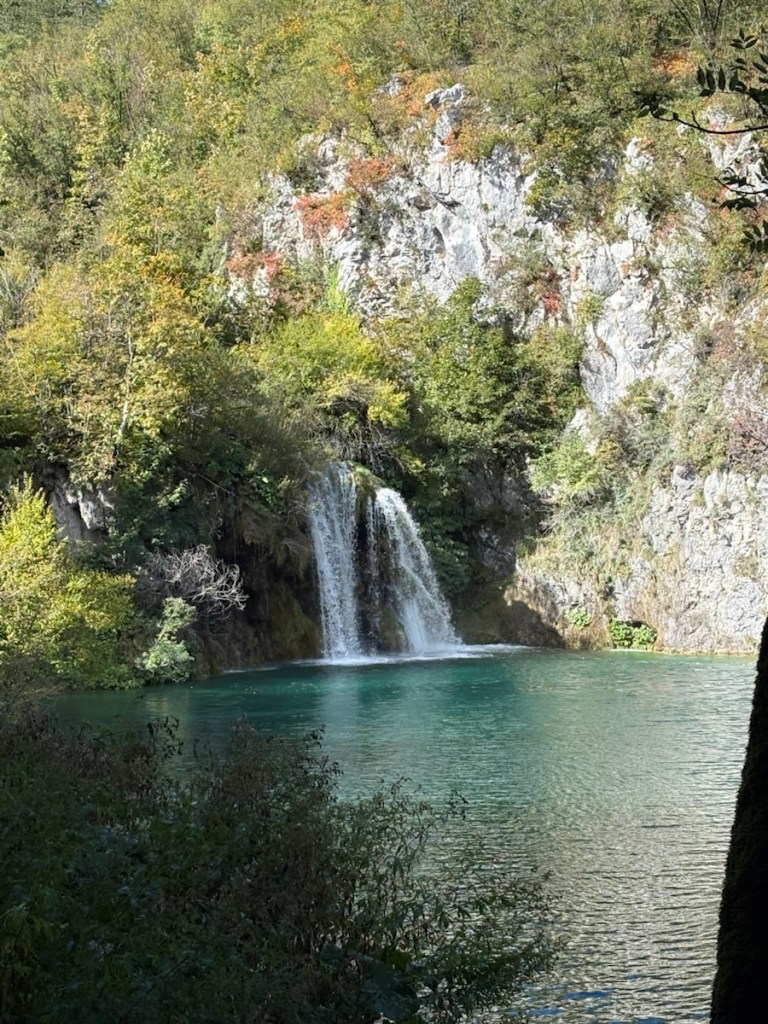
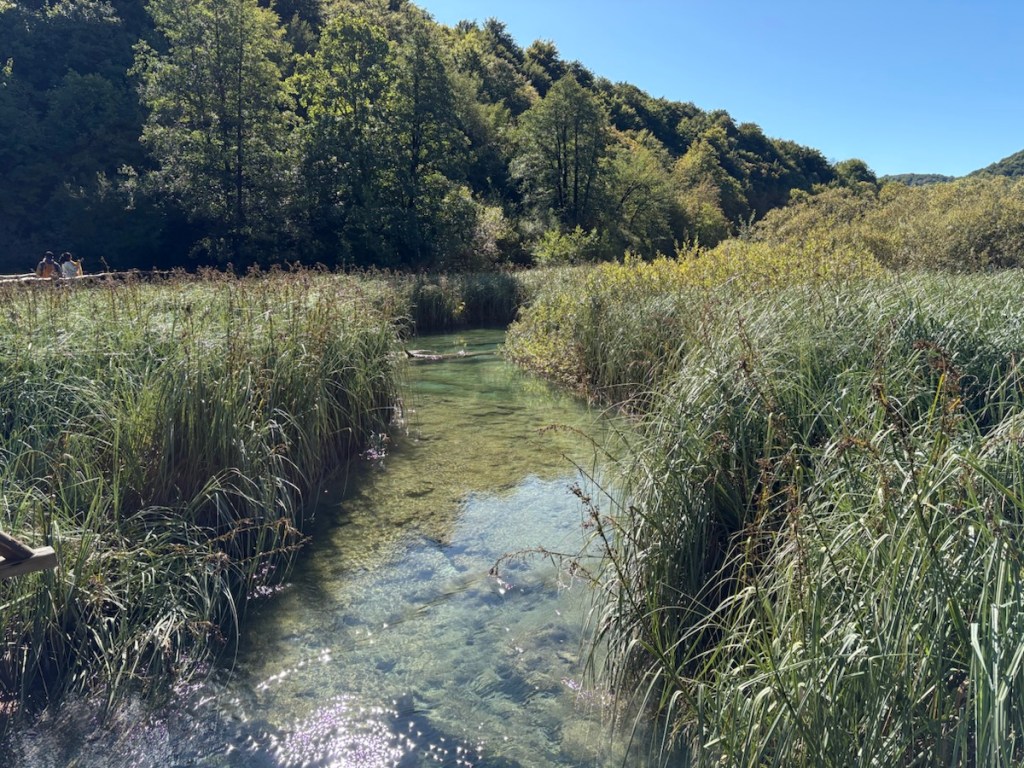
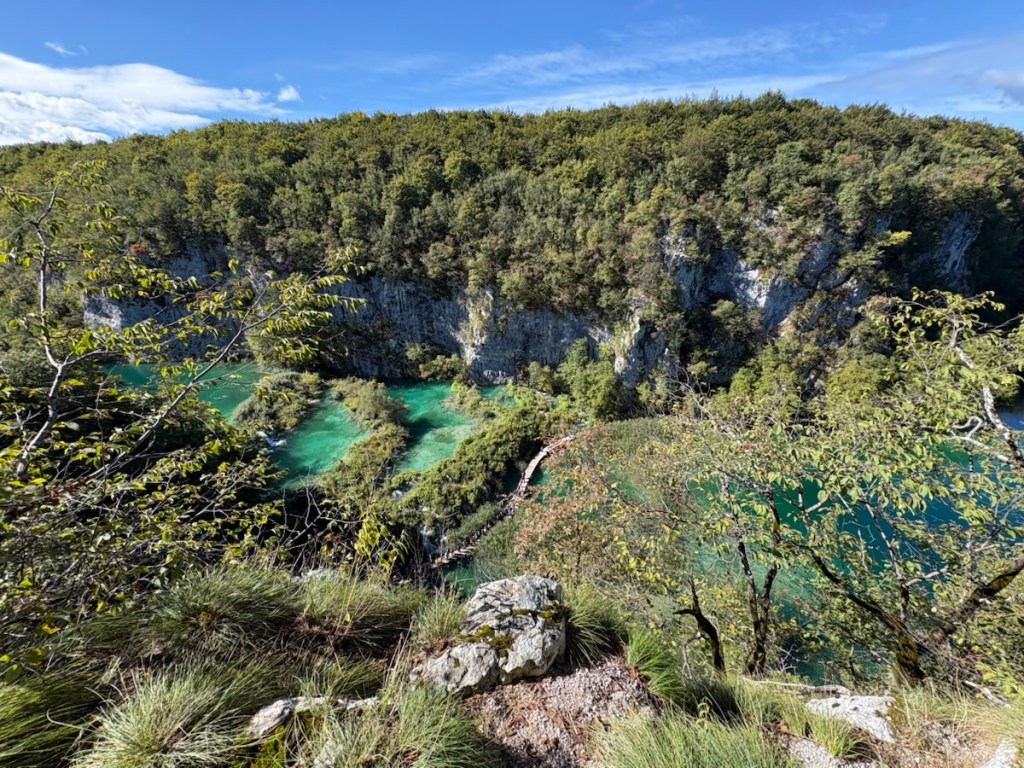
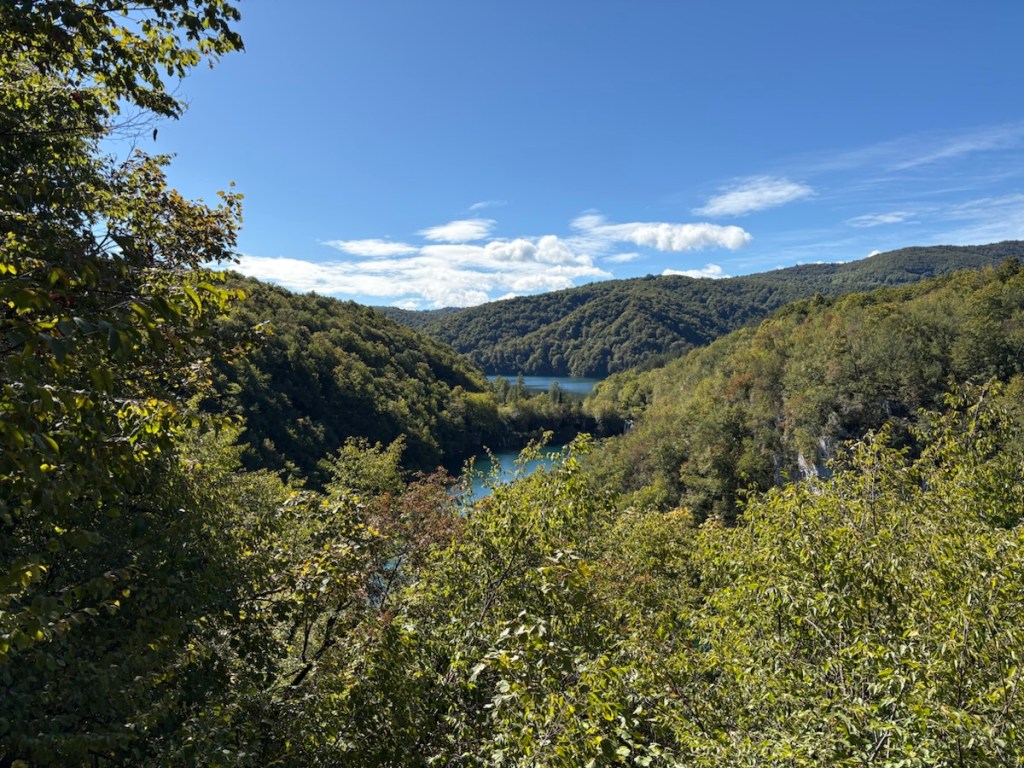
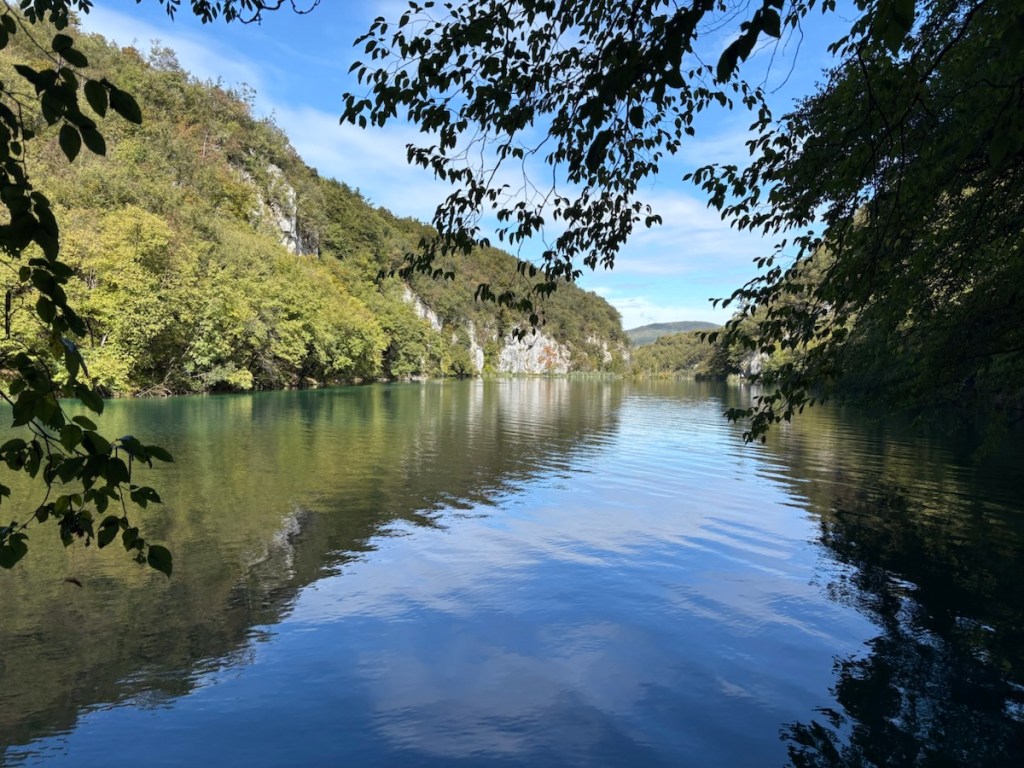
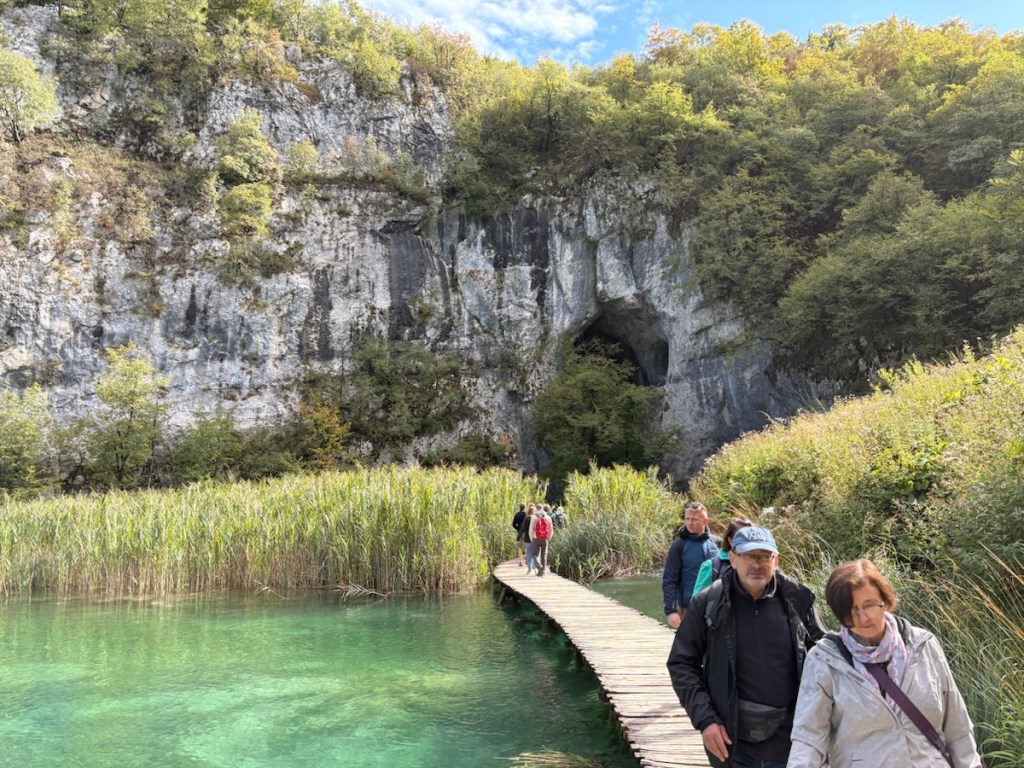
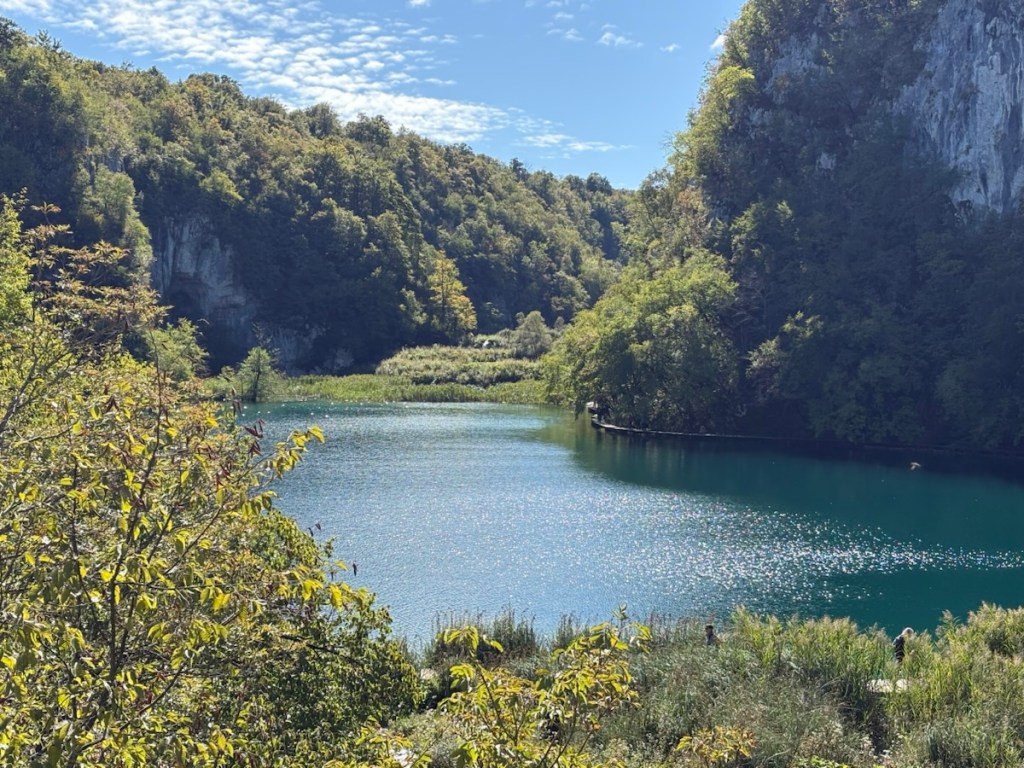
When I arrived at Croatia’s most popular attraction, Plitvice Lakes National Park, I used one of the two entrance parking areas and purchased my $25 day pass.  There were four trail options from this entrance that generally take from 3 to 8 hours.  I chose a four hour option that looked to be traveling near some of the main sights and I wasn’t disappointed! (although I actually finished the route in 2 hours on the dot).

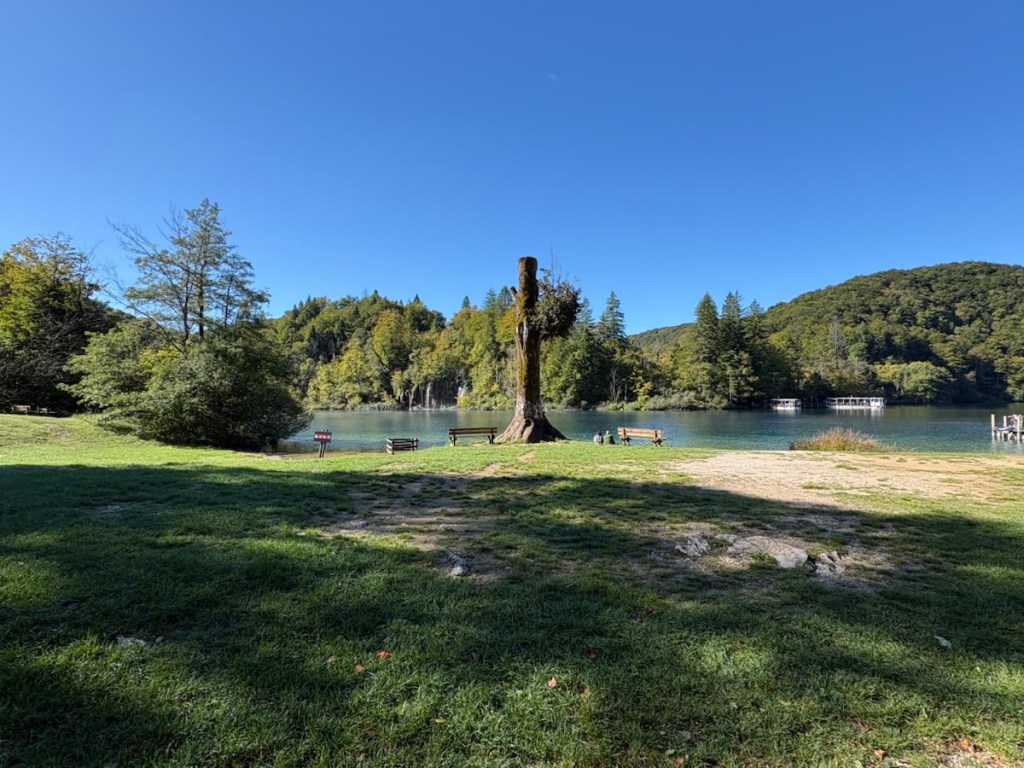
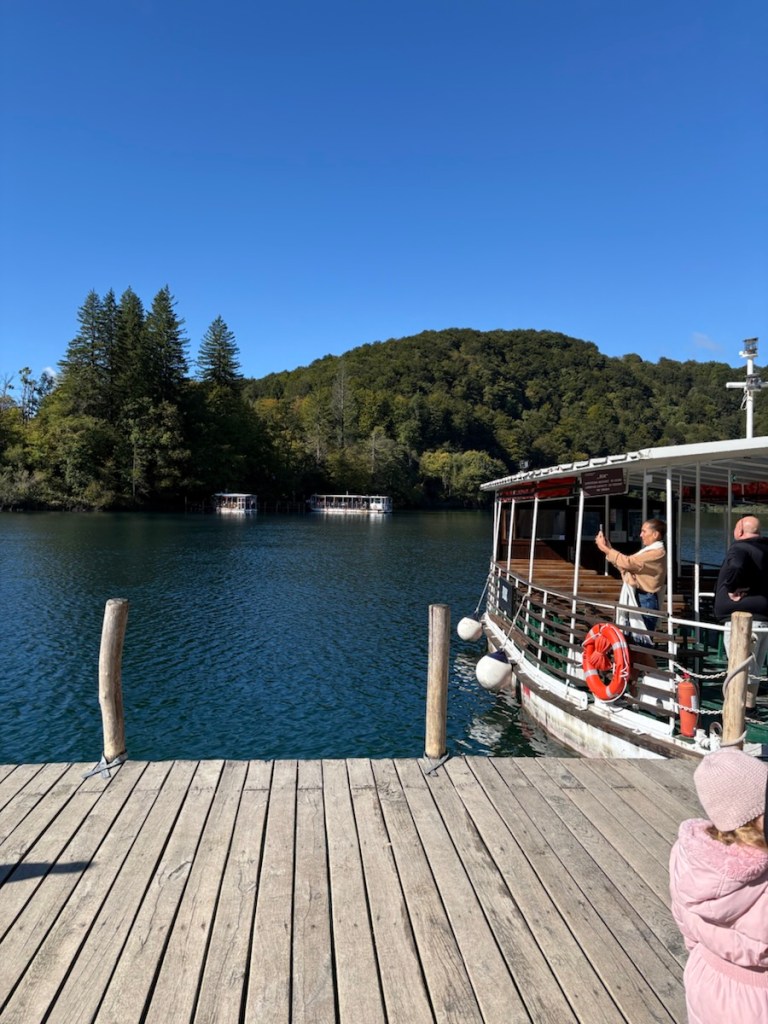
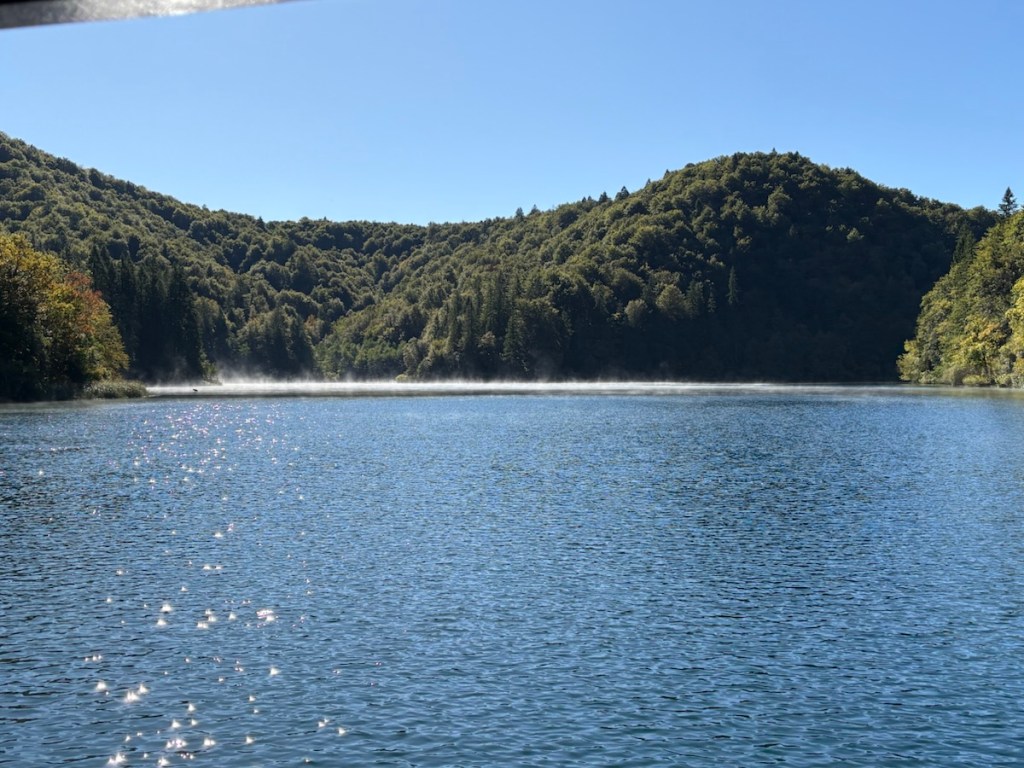
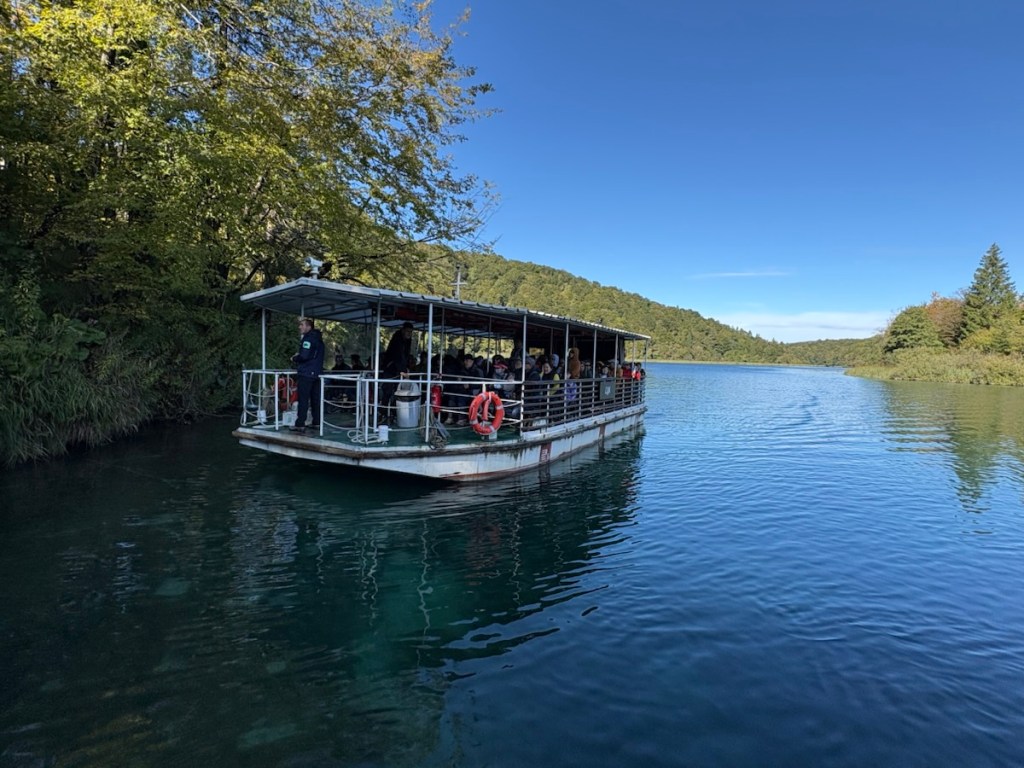
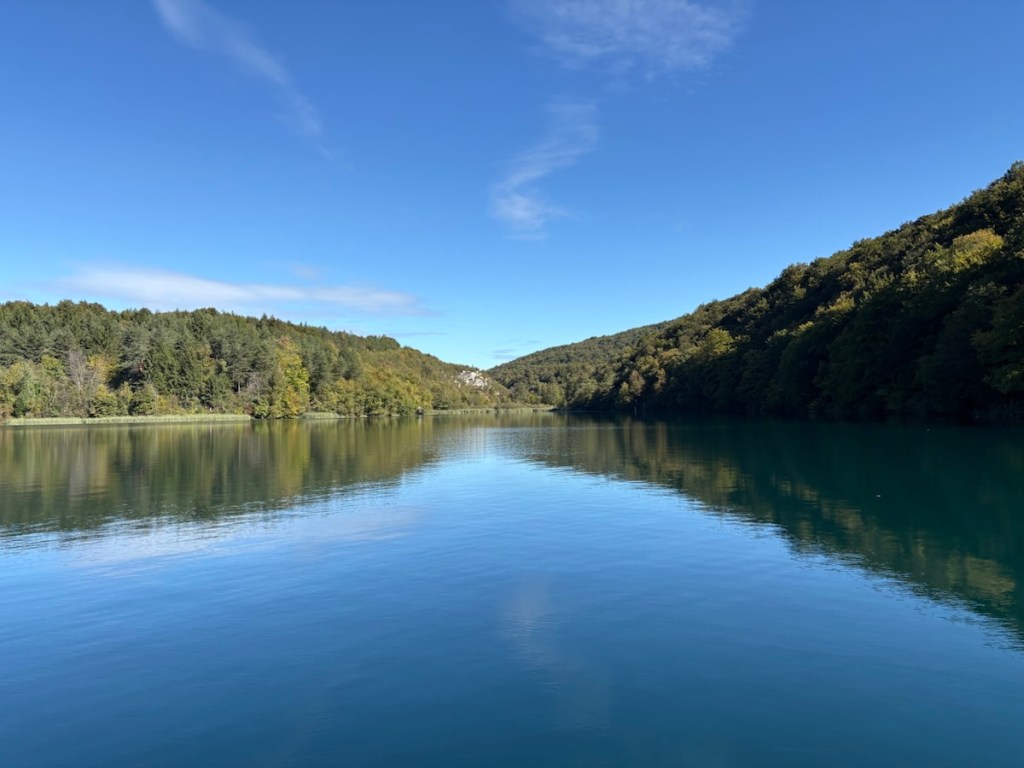
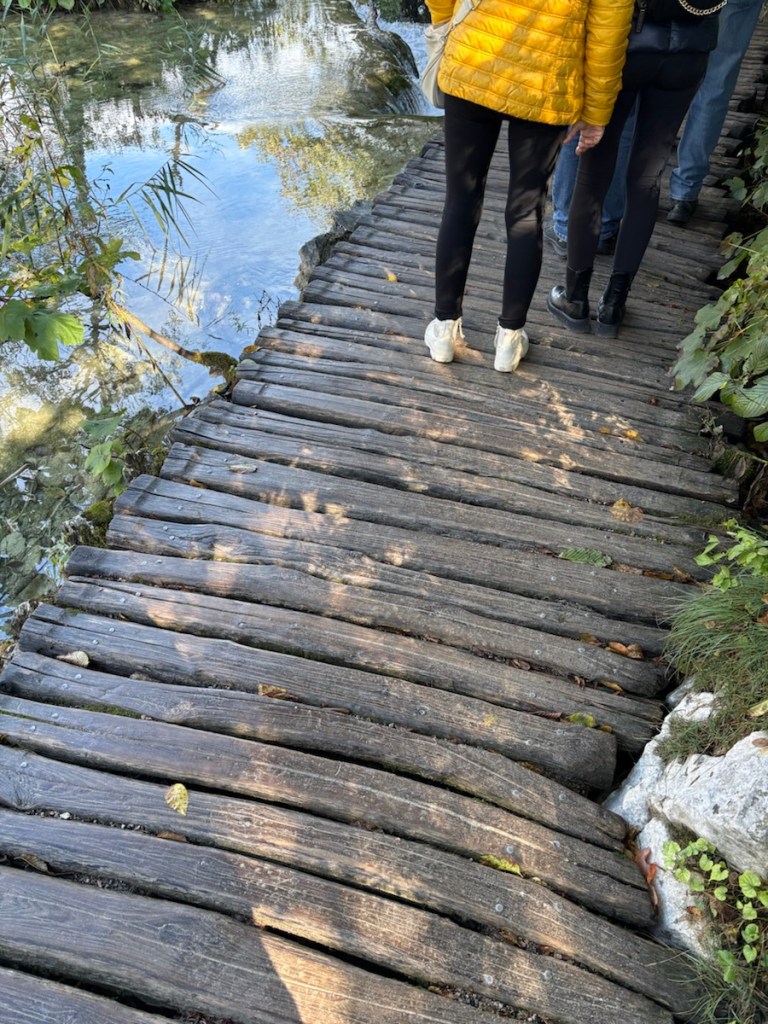
On the different trail routes through the park, you vary between hiking, riding pontoon boats or flat bottom ferries across the many lakes, ride bus shuttles, etc.  The boats travel so slowly across the lakes that they leave almost no wake.  Peaceful!

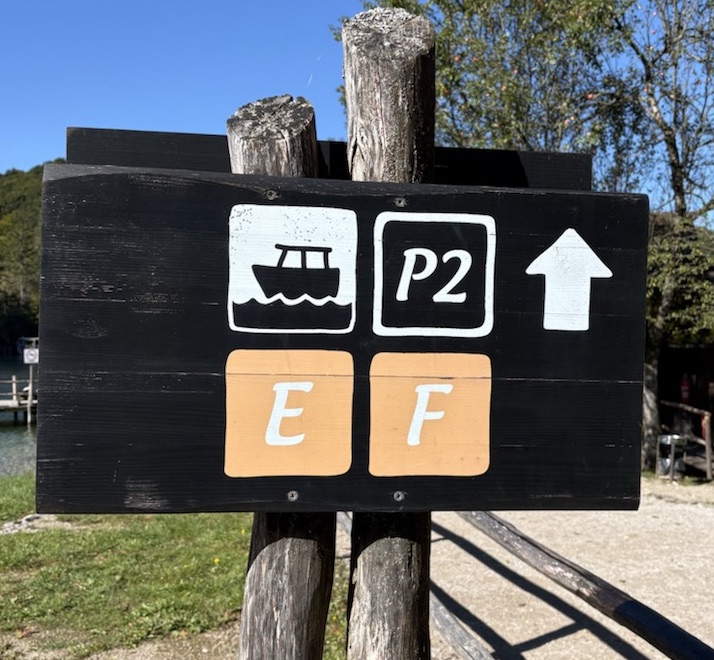
Park signage was excellent throughout the park
Small boats to cross lakes
A larger flat bottom boat

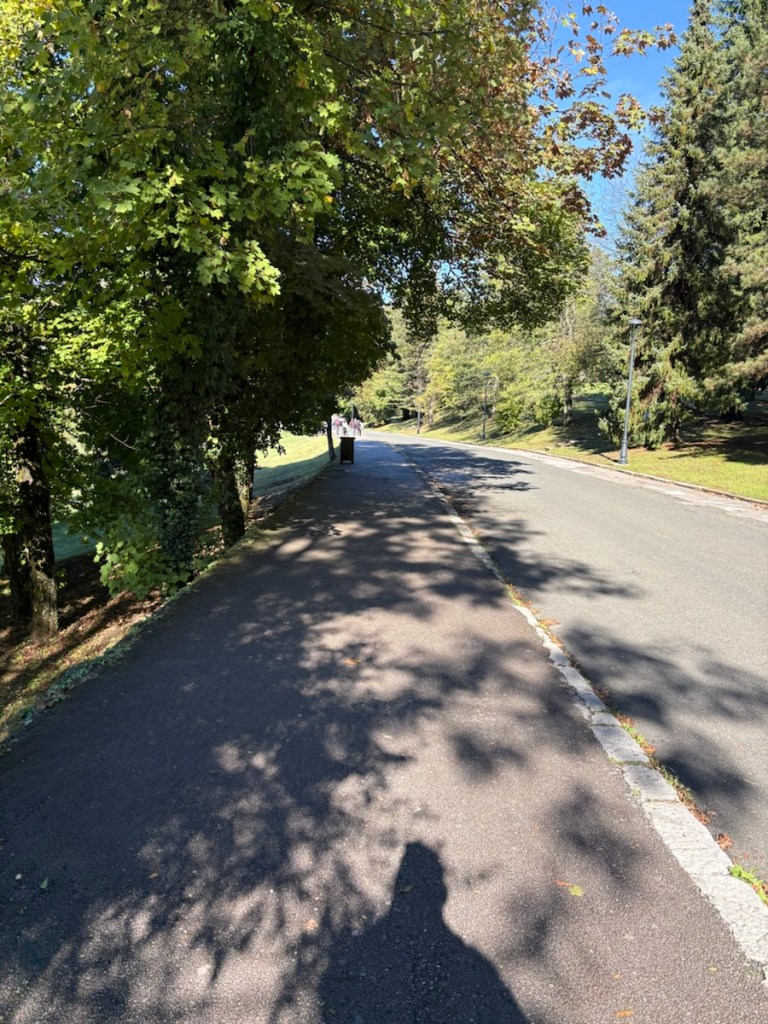
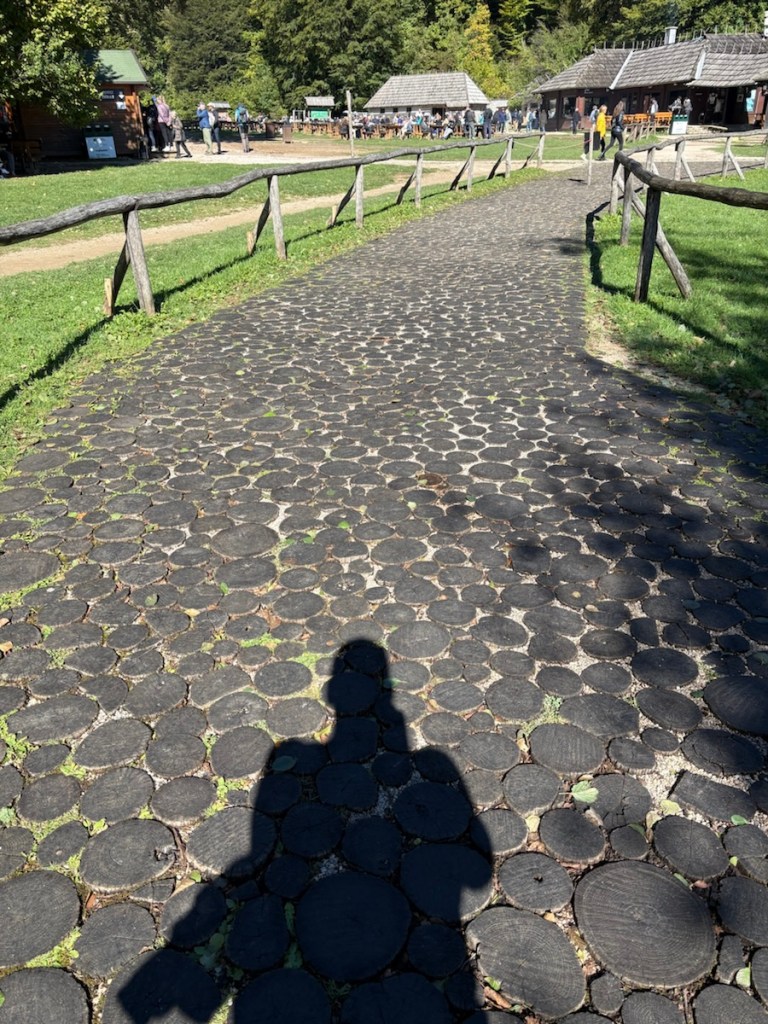
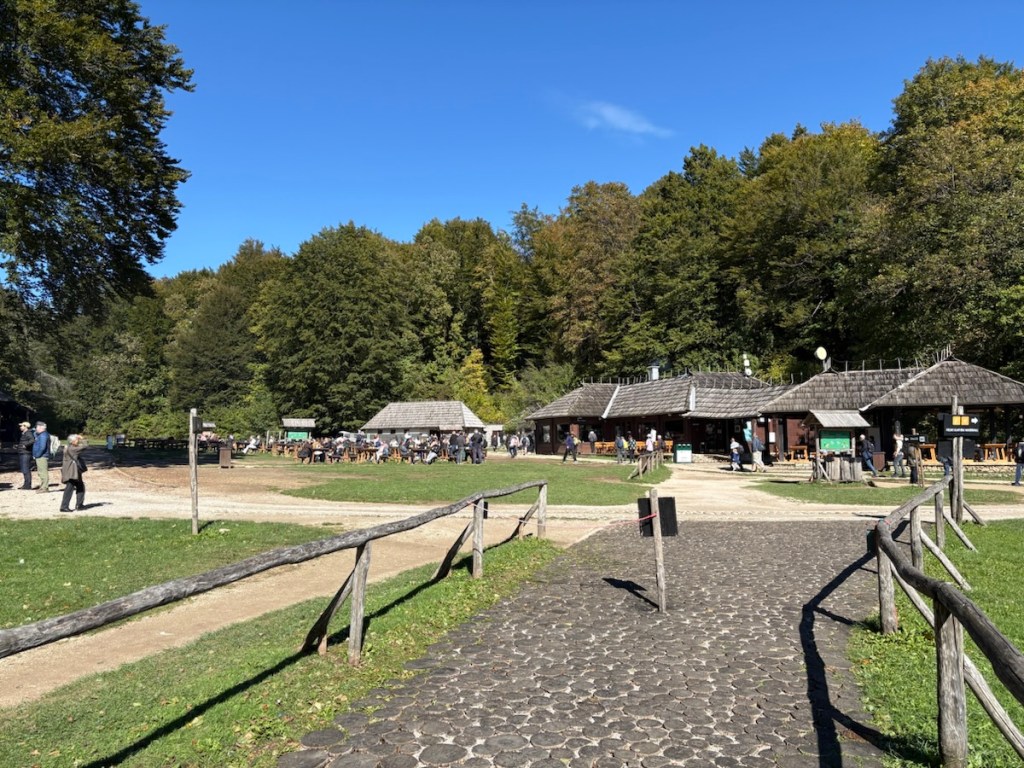
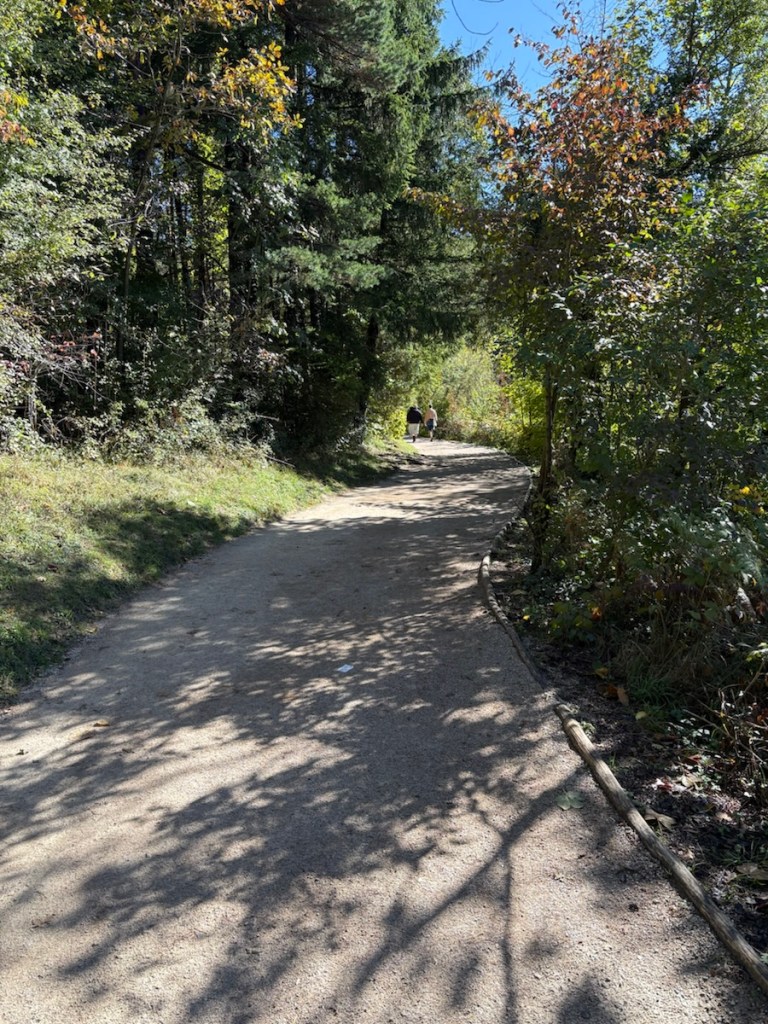
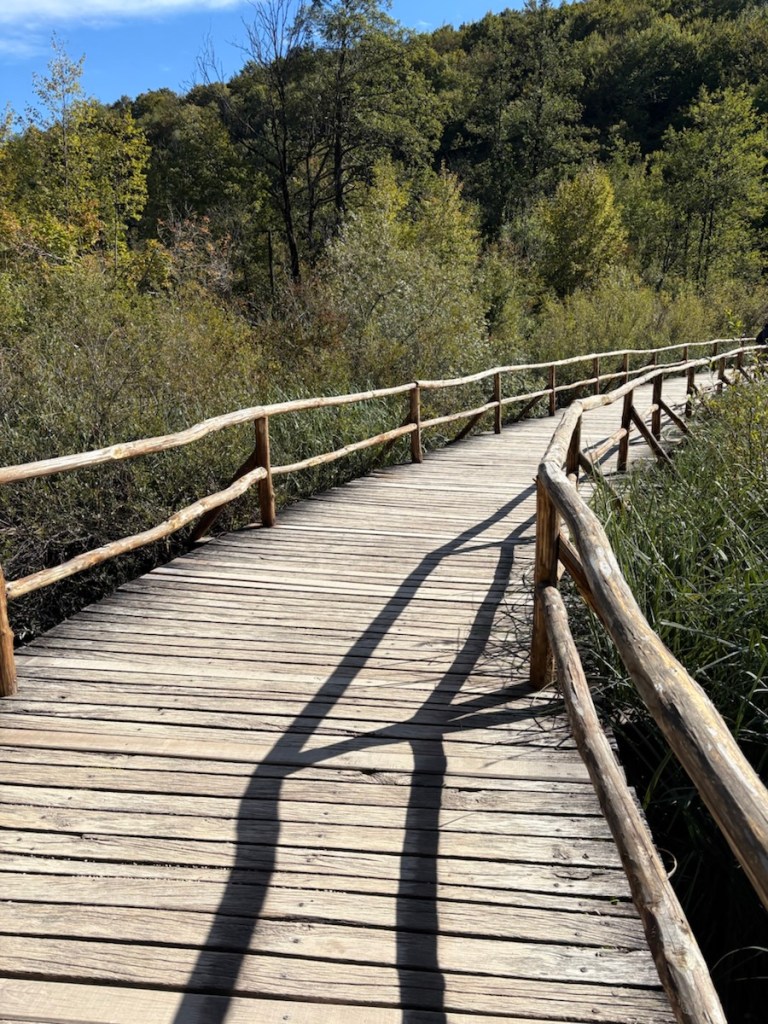
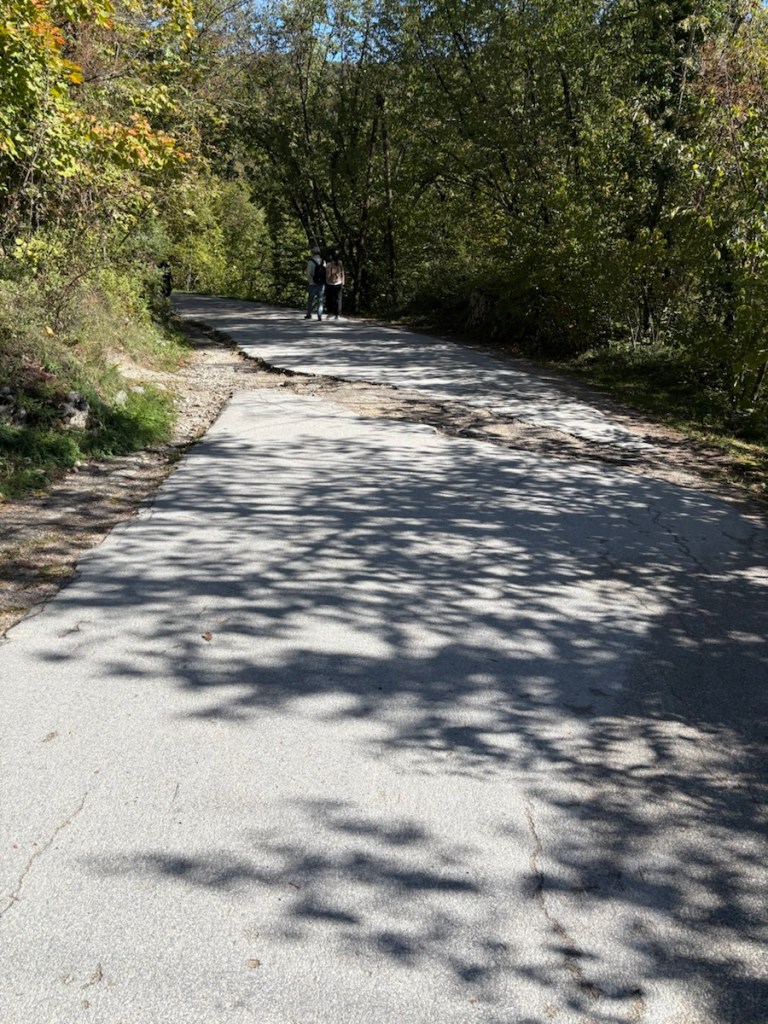
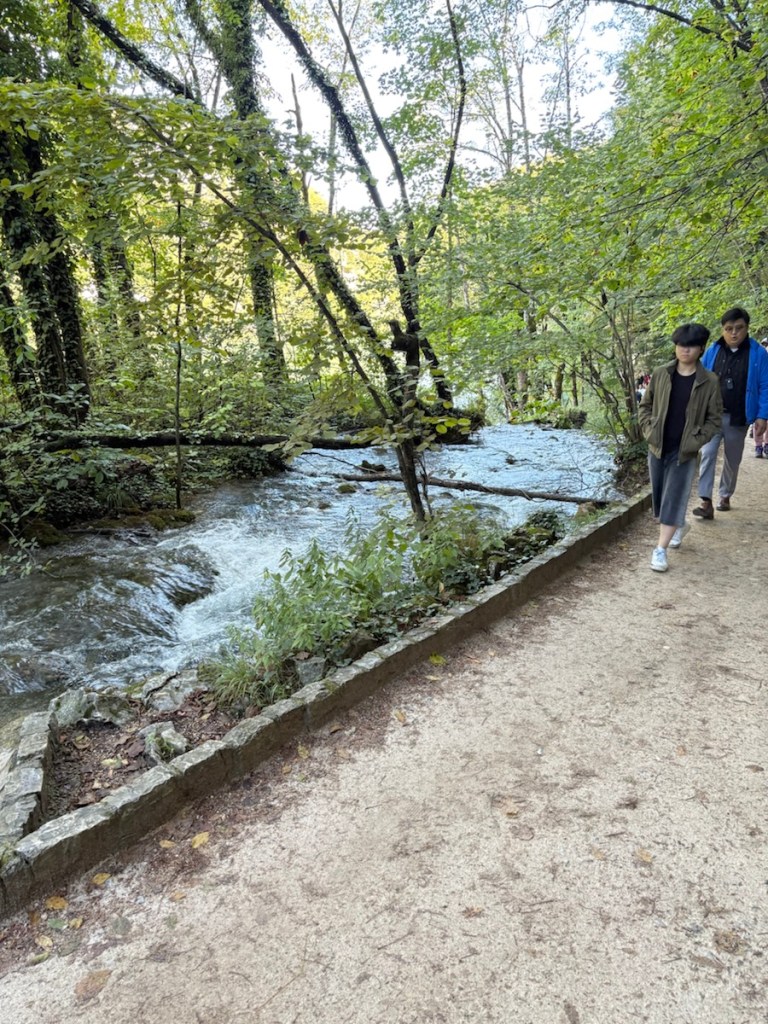
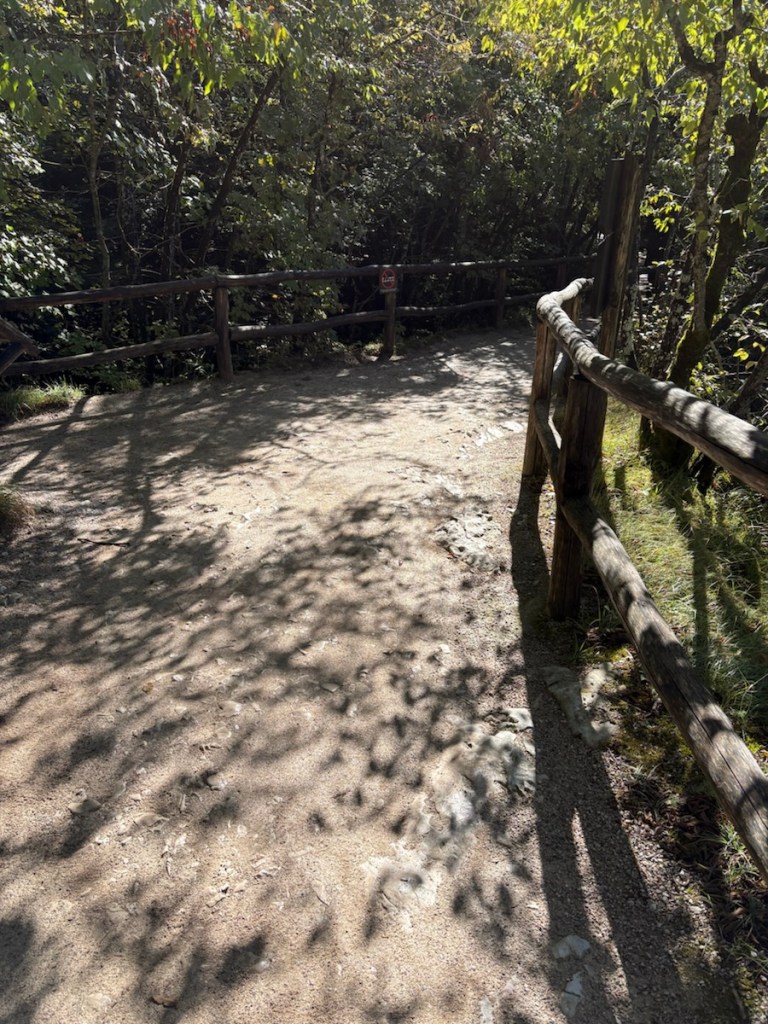
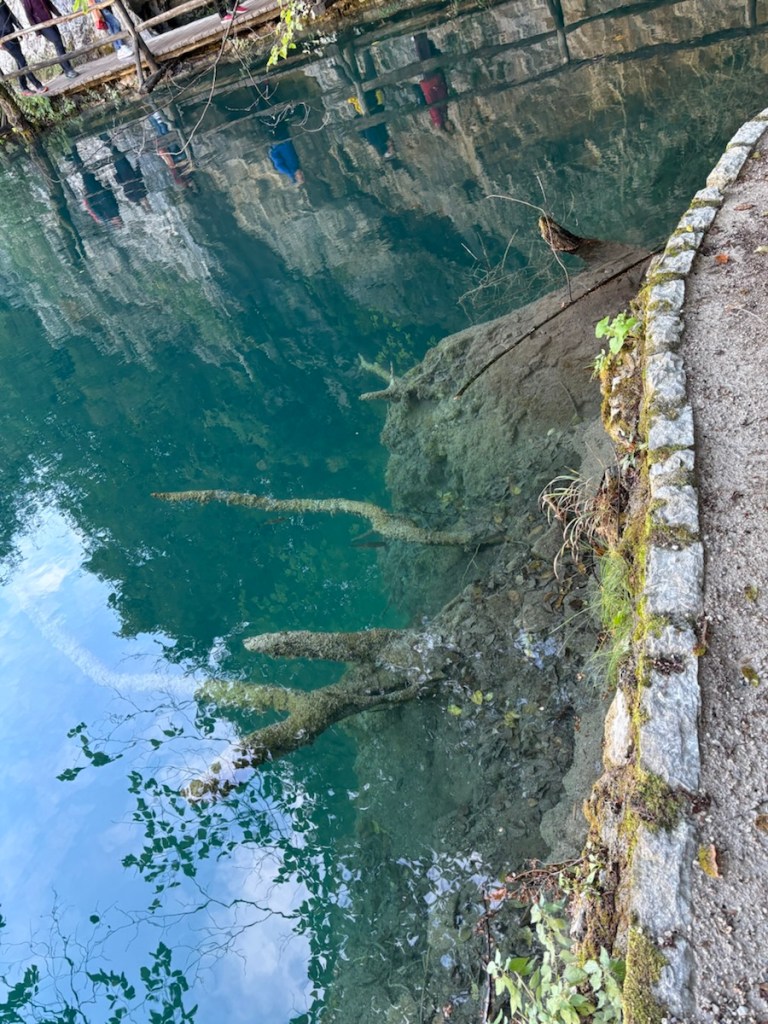
In some areas, you can either take steeper stone steps or gently sloped walking trails with switchbacks. A nice feature since that provided options for people of all ages or conditions. And the type of trails also varied a good deal as you can see in the photos below.

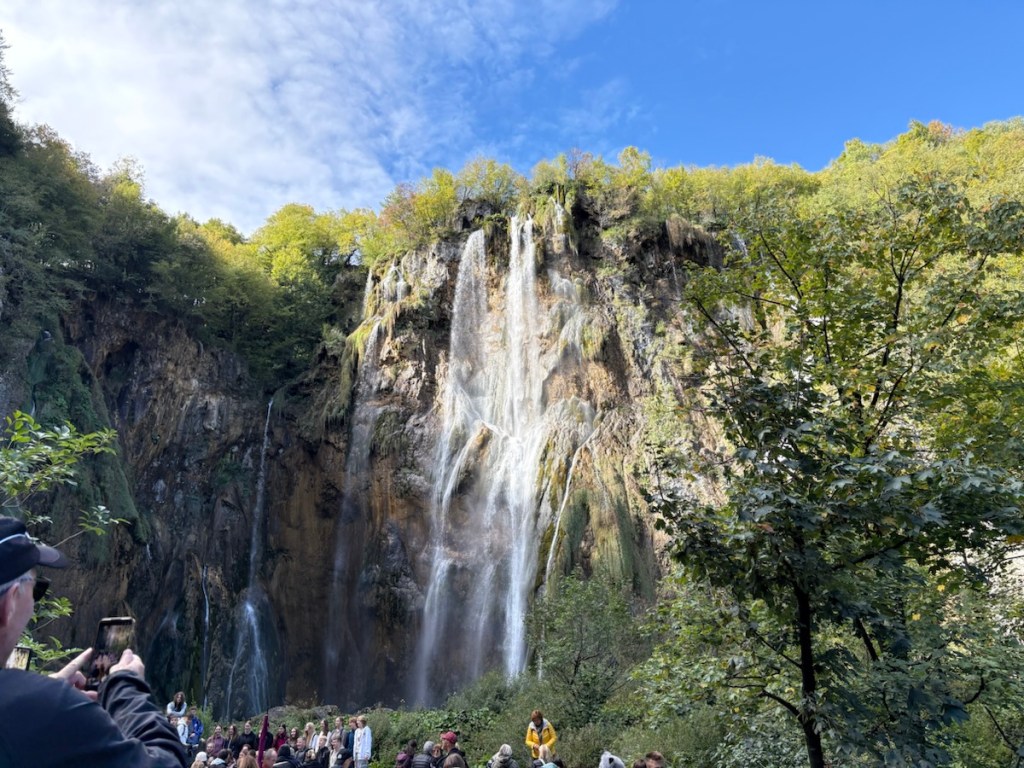
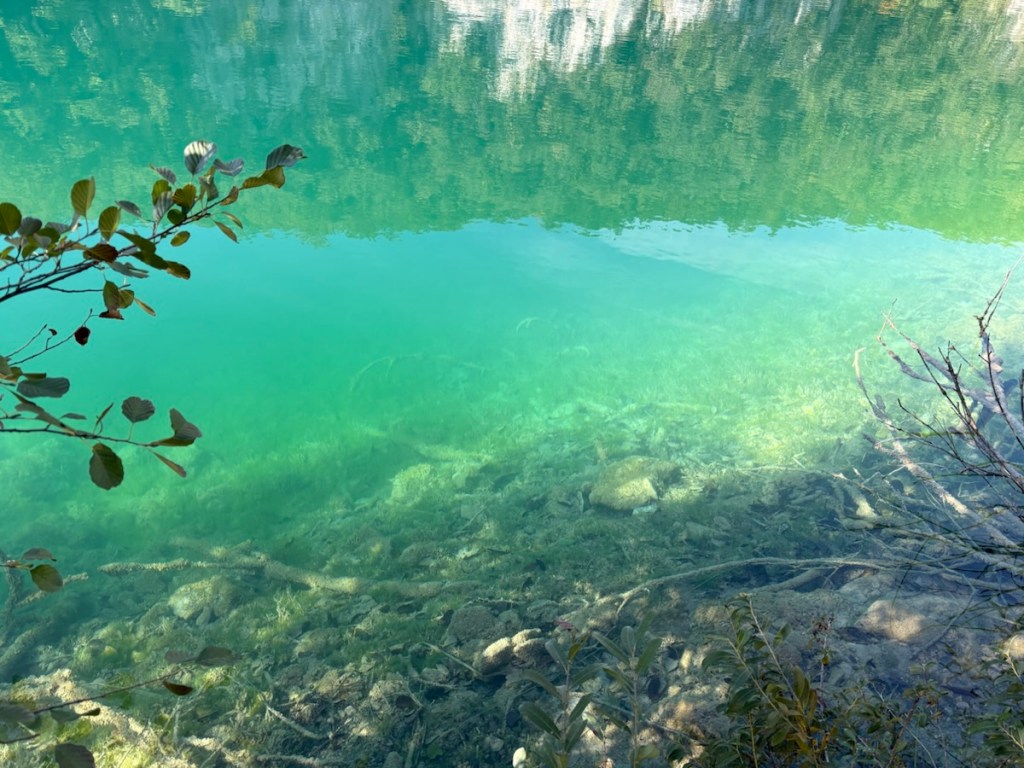
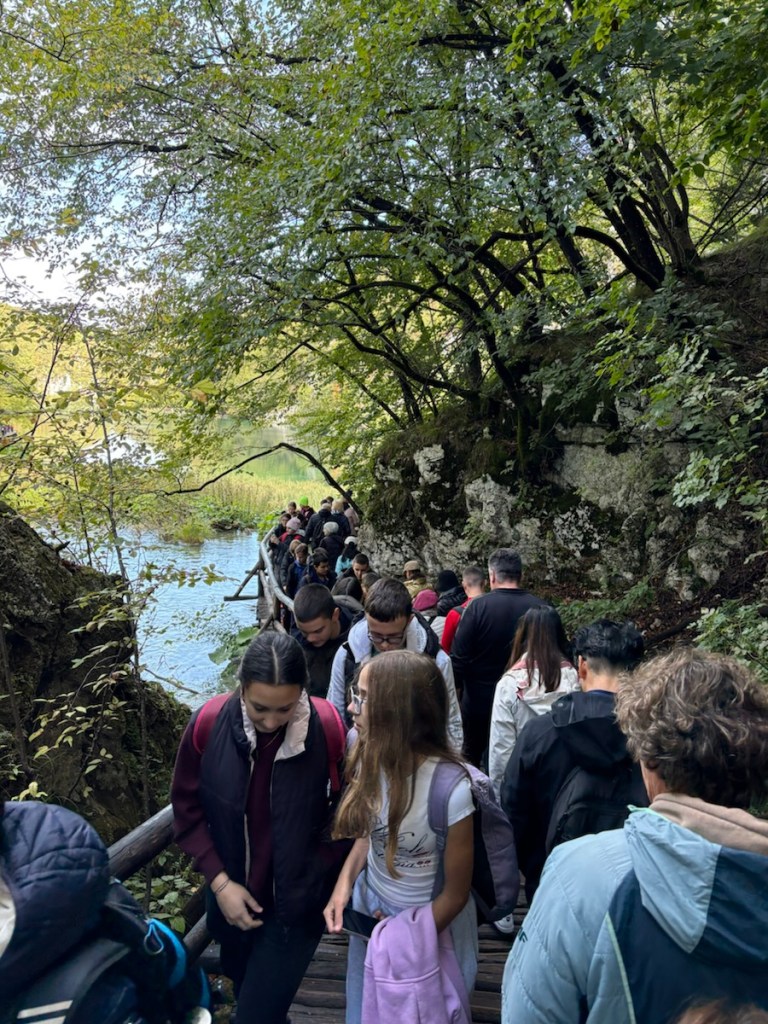
The park is incredibly well maintained – actually, pristine is a better description.  And that’s with the massive crowds that it gets.  Even today, some of the walkways to the large waterfalls were jam packed.  Must be crushing during the summer months!  But there was no evidence of trash, off trail blazing, etc.  Croatia does a really good job with its national treasure! There was just the beginnings of color changes in the trees today, but I’m sure that the colors will be spectacular in a couple weeks!

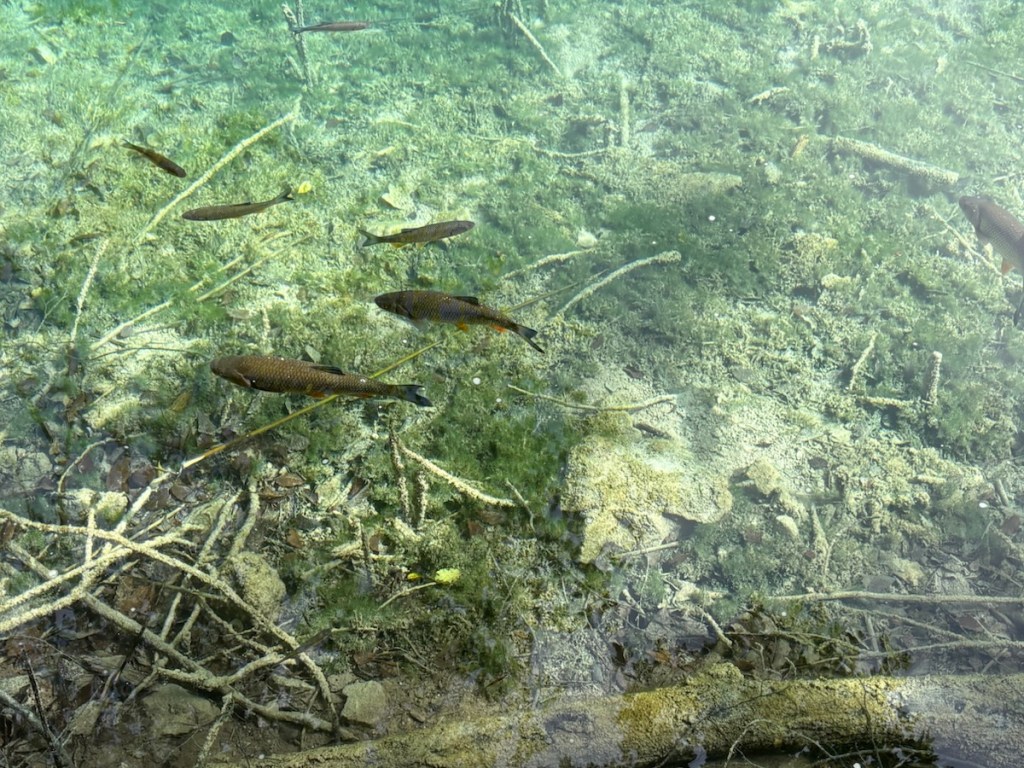
The fish were plentiful, but not crowded!

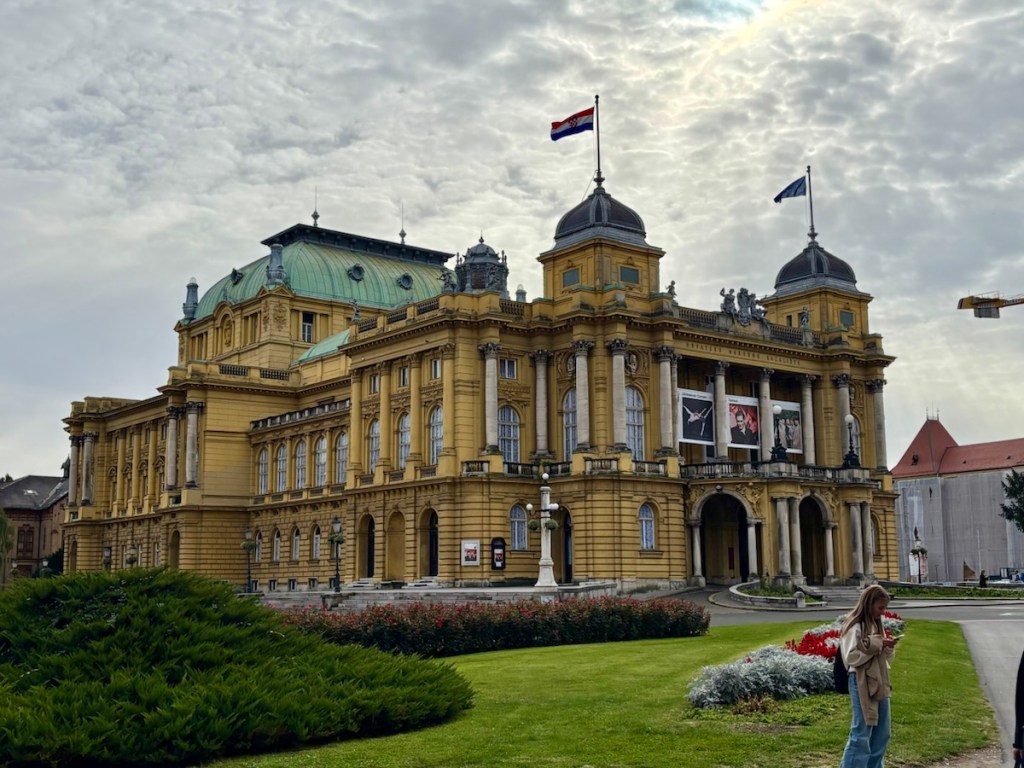
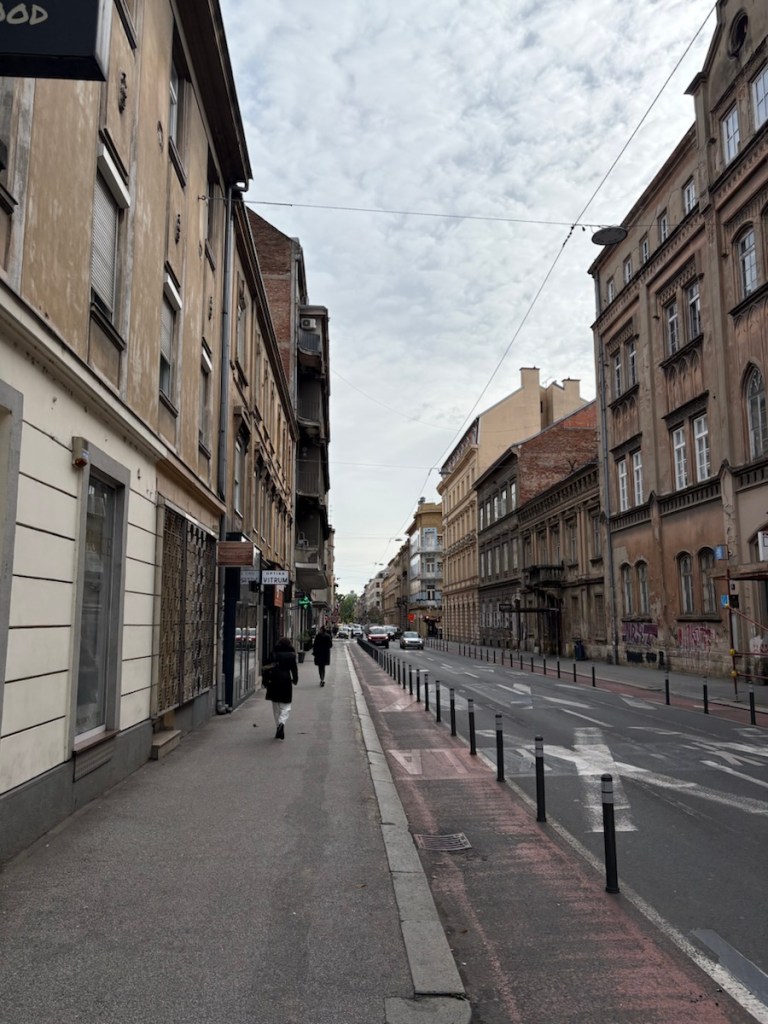
I also drove on to Zagreb, the capital of Croatia, for a quick visit.  I had originally planned to stay overnight, but decided to move on out to a small country town north of the city, Zabok.

The National Theater

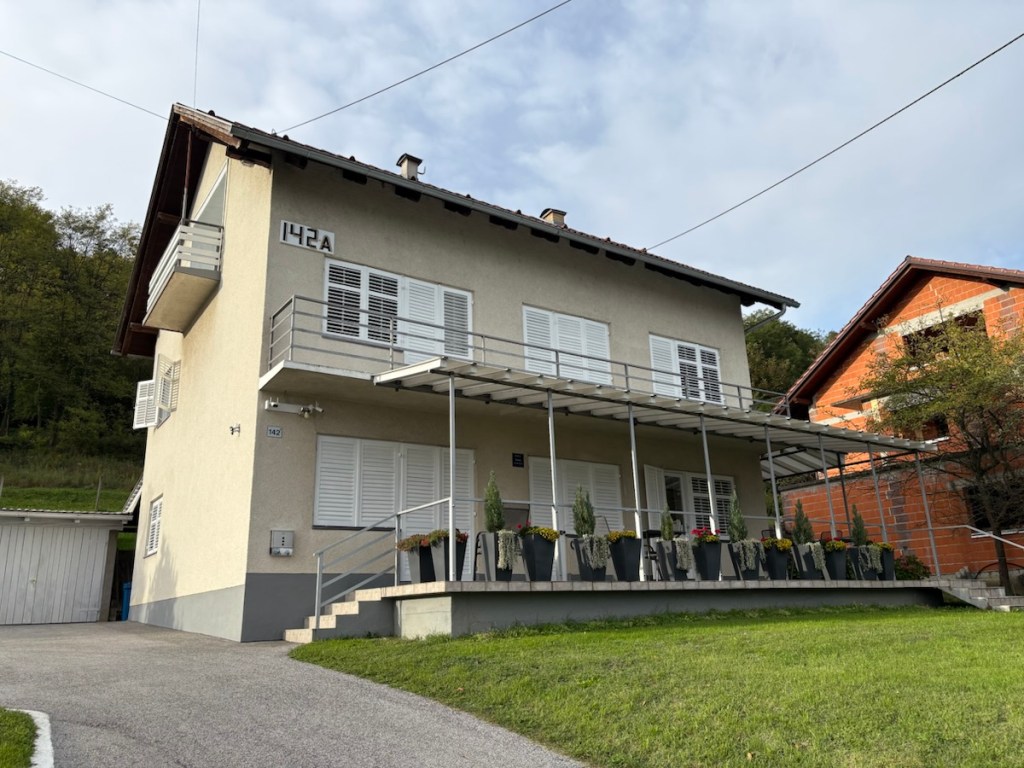
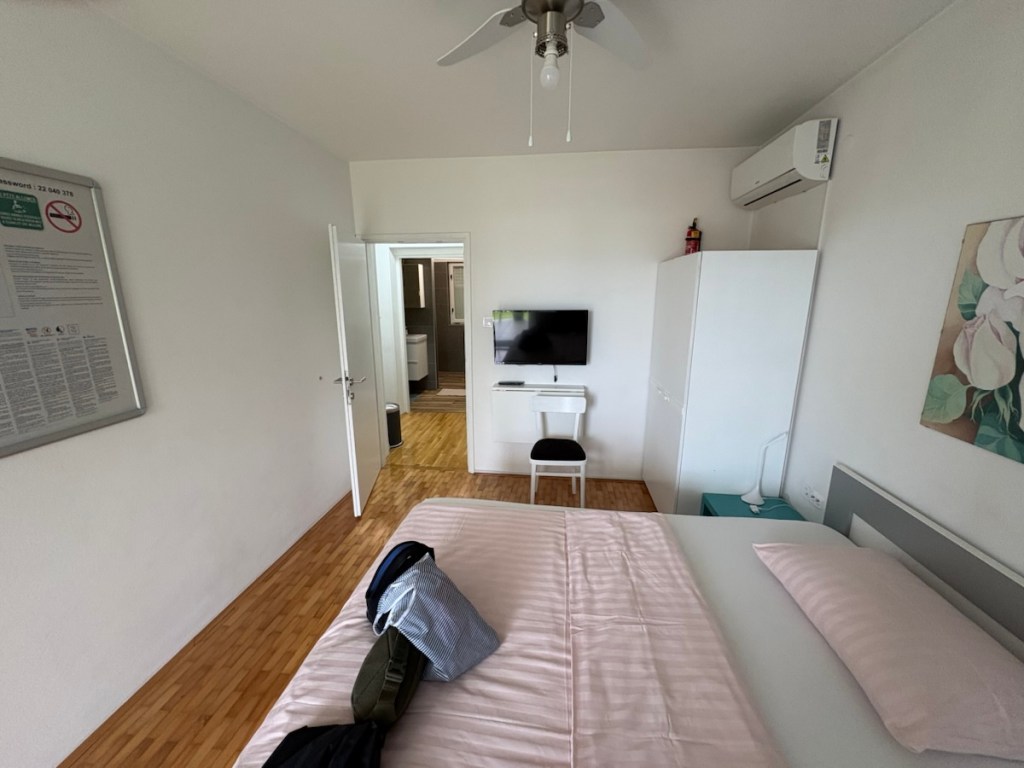
My Zabok room for the night was in a private home that has two lower level suites they rent. And this is likely the nicest room and bath combo so far.  Very clean and comfortable!

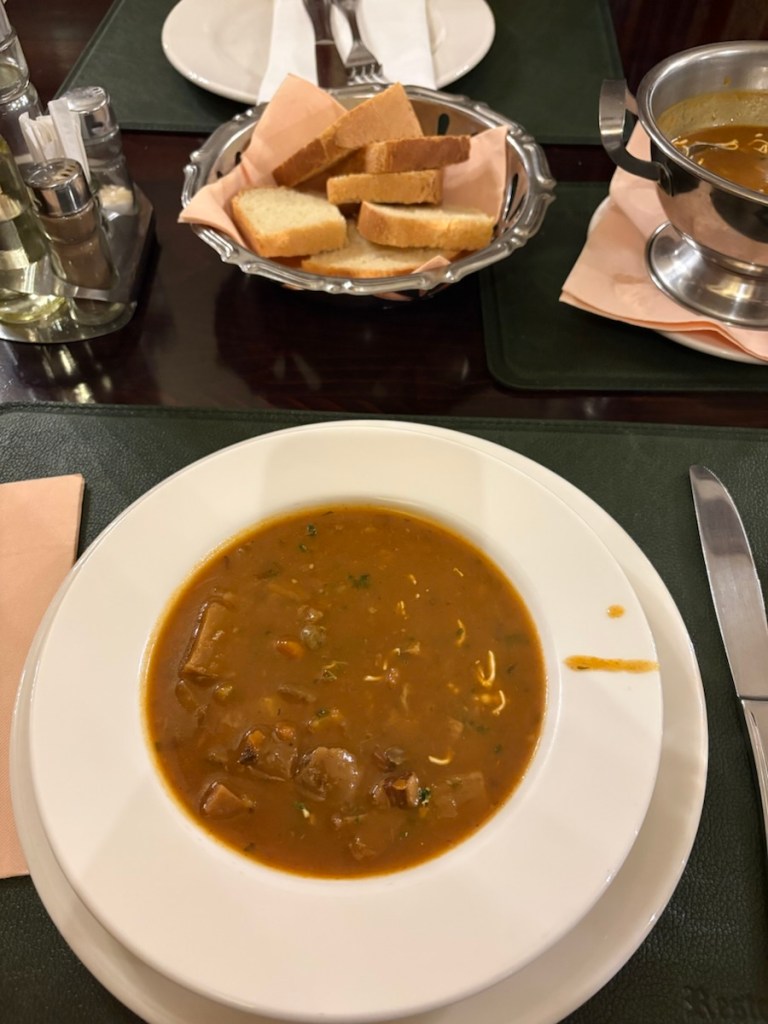
My dinner at a local restaurant in Zabok was excellent!  Huge portions, but very, very good flavors.  And when I get home, I’m going to try a recipe for the amazing soup!

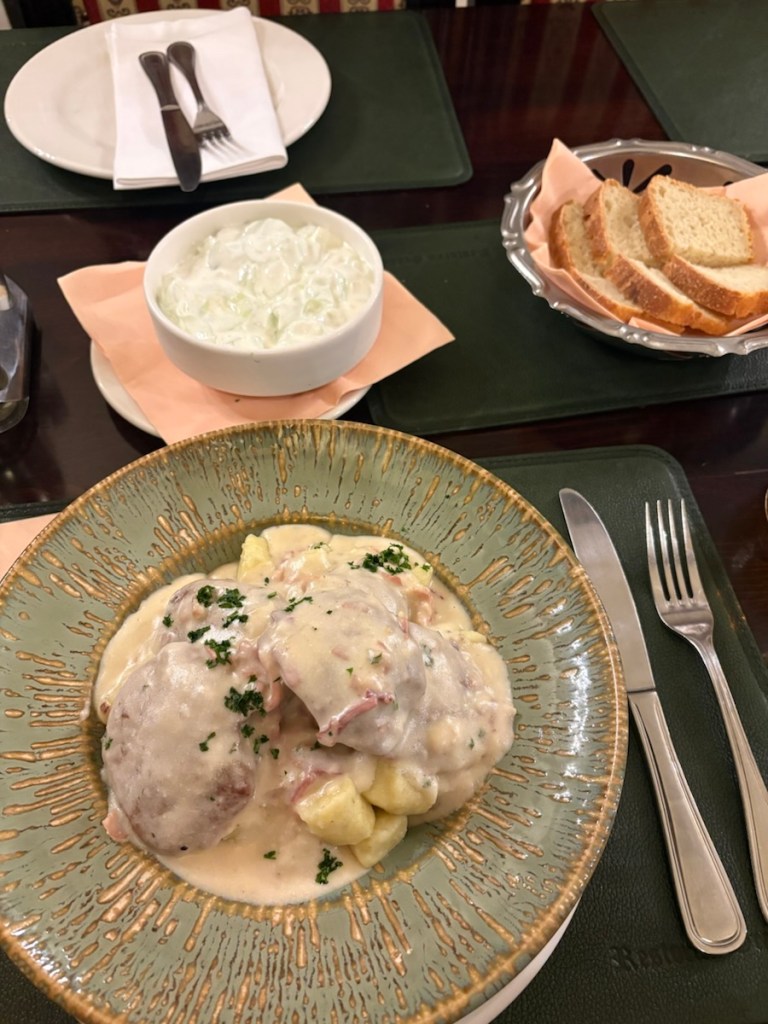
  • SALATA OD KRASTAVACA SA VRHNEM I LUKOM (Cucumbers with Cream Salad / Onion – very thinly sliced)
  • ZAGORSKA JUHA (Zagorje soup – a thick, hearty soup from the Zagorje region of northern Croatia. Popular in autumn and winter, it can feature wild mushrooms, potatoes, smoked meat, and sour cream, making it rich enough to serve as a main course. )
  • SVINSKI MEDALJONI U UMAKU OD PRŠUTA SA DOMAĆIM NJOKIMA (Pork Medallions in Sauce of Ham with Homemade Dumplings)
  • All washed down with a Croatian draft beer, Staropramen
Wow – awesome soup!

Before you go…

Why don’t some couples go to the gym? Because some relationships just don’t work out.